 United Kingdom
•
5 views
United Kingdom
•
5 views
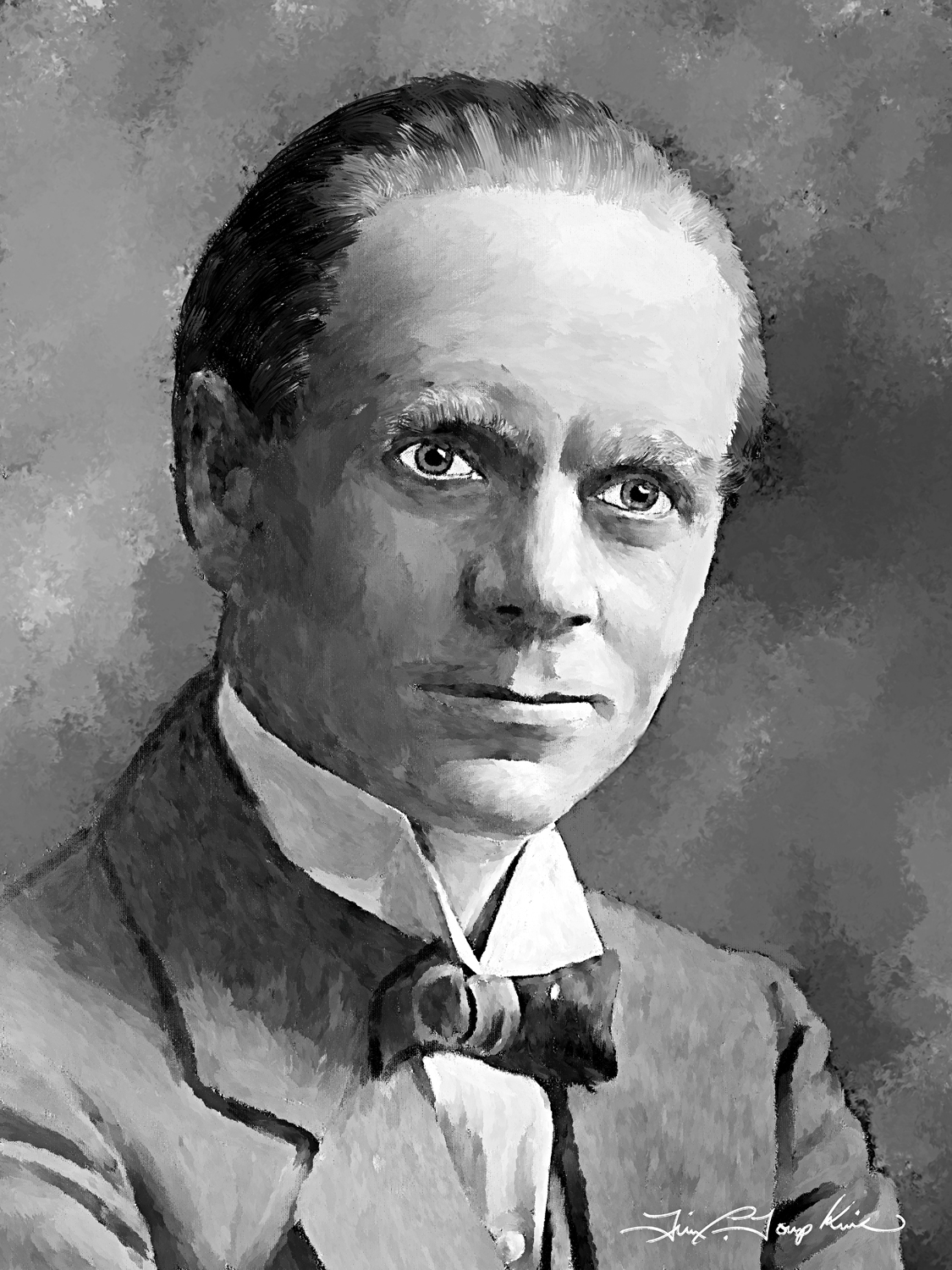
Sir Ralph Norman Angell Lane

Holbeach, Lincolnshire, United Kingdom
Archival Overview
Sir Norman Angell was a British author, economist, and Member of Parliament whose 1909 book 'The Great Illusion' became an international publishing phenomenon translated into twenty-five languages. Demonstrating that modern global financial and commercial integration rendered military conquest economically ruinous for both victor and vanquished, he was awarded the 1933 Nobel Peace Prize.
Biographical Record
Ralph Norman Angell Lane was born in Holbeach, Lincolnshire, England. Educated in England, France, and at the University of Geneva, Angell emigrated to the western United States at age seventeen, spending seven formative years working as a cowboy, prospector, and journalist in California. Returning to Europe in 1898, he settled in Paris, editing the English-language daily Galignani's Messenger and later serving as general manager of Lord Northcliffe's continental edition of the Daily Mail.
In 1909, troubled by the gathering naval arms race between Britain and Imperial Germany, Angell published a small pamphlet titled Europe's Optical Illusion, expanding it in 1910 into the monumental volume The Great Illusion. The book argued that the economic interdependence of modern industrialized nations had made war completely obsolete as a tool for acquiring wealth. Because national wealth was tied to intricate credit networks and global trade, military conquest would inevitably destroy the financial markets of the conqueror as well as the conquered.
Selling over two million copies, the book gave birth to the 'Angellism' peace movement and Cambridge study circles. When World War I confirmed Angell's economic warnings of postwar ruin, he helped found the Union of Democratic Control and the League of Nations Union, serving as a Labour MP from 1929 to 1931. In 1931, he was knighted, and in 1933, he was awarded the Nobel Peace Prize, remaining an active author on international collective security until his death at age ninety-four.
Key Life Milestones
Publication of The Great Illusion
Published his international bestseller proving that modern economic interdependence rendered war mutually destructive.
Awarded the 1933 Nobel Peace Prize
Honored retroactively in Oslo with the 1933 Nobel Peace Prize for his economic education of the global public.
Memorial Guestbook & Tributes
0 messages recordedLeave a Respectful Tribute
Final Resting Place
Perpetual MemorialLondon, United Kingdom