Public Figures & Cultural Luminaries
Filterable archive covering centuries of intellectual, artistic, and moral contributions to the human story.
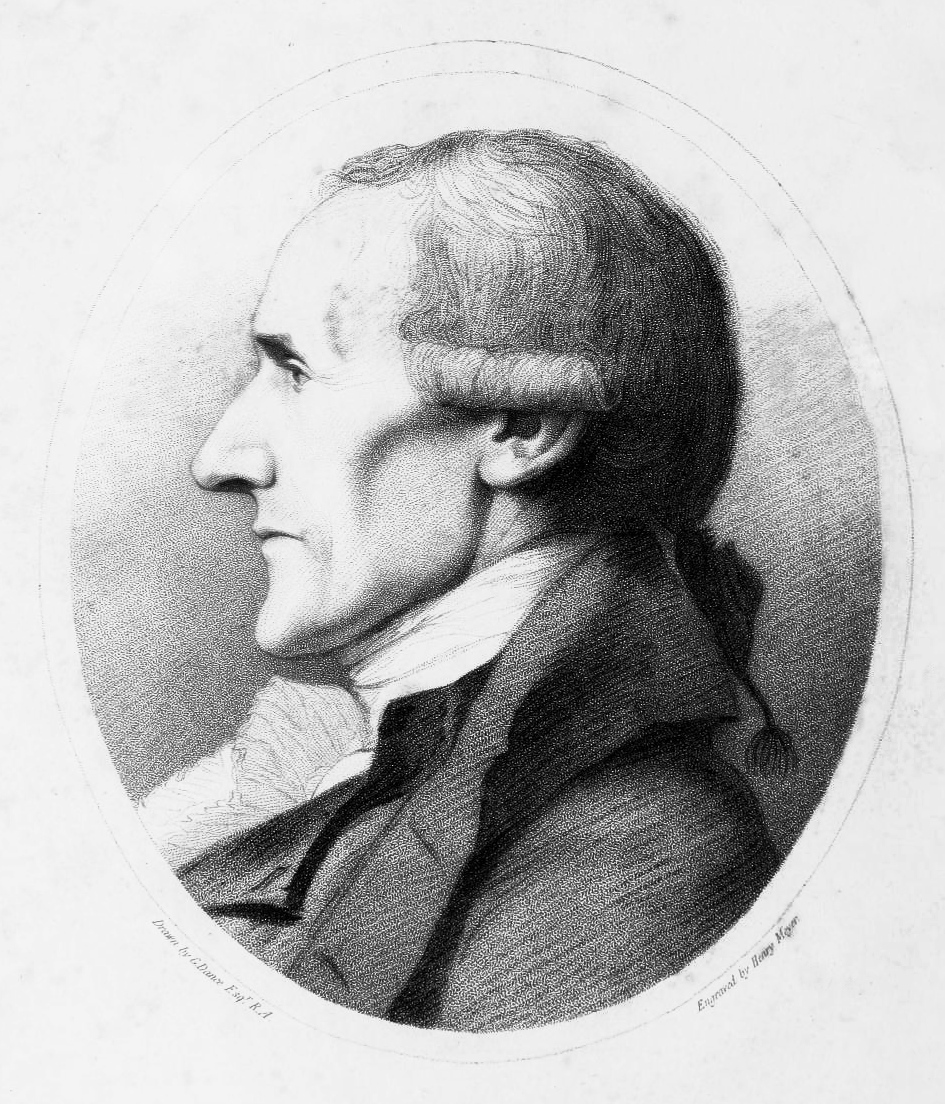
Granville Sharp
 (Granville Sharp)
Pioneering British abolitionist civil servant who financed and litigated the landmark 1772 Somerset v Stewart case ruling slavery illegal on English soil, co-founding the Society for Effecting the Abolition of the Slave Trade.
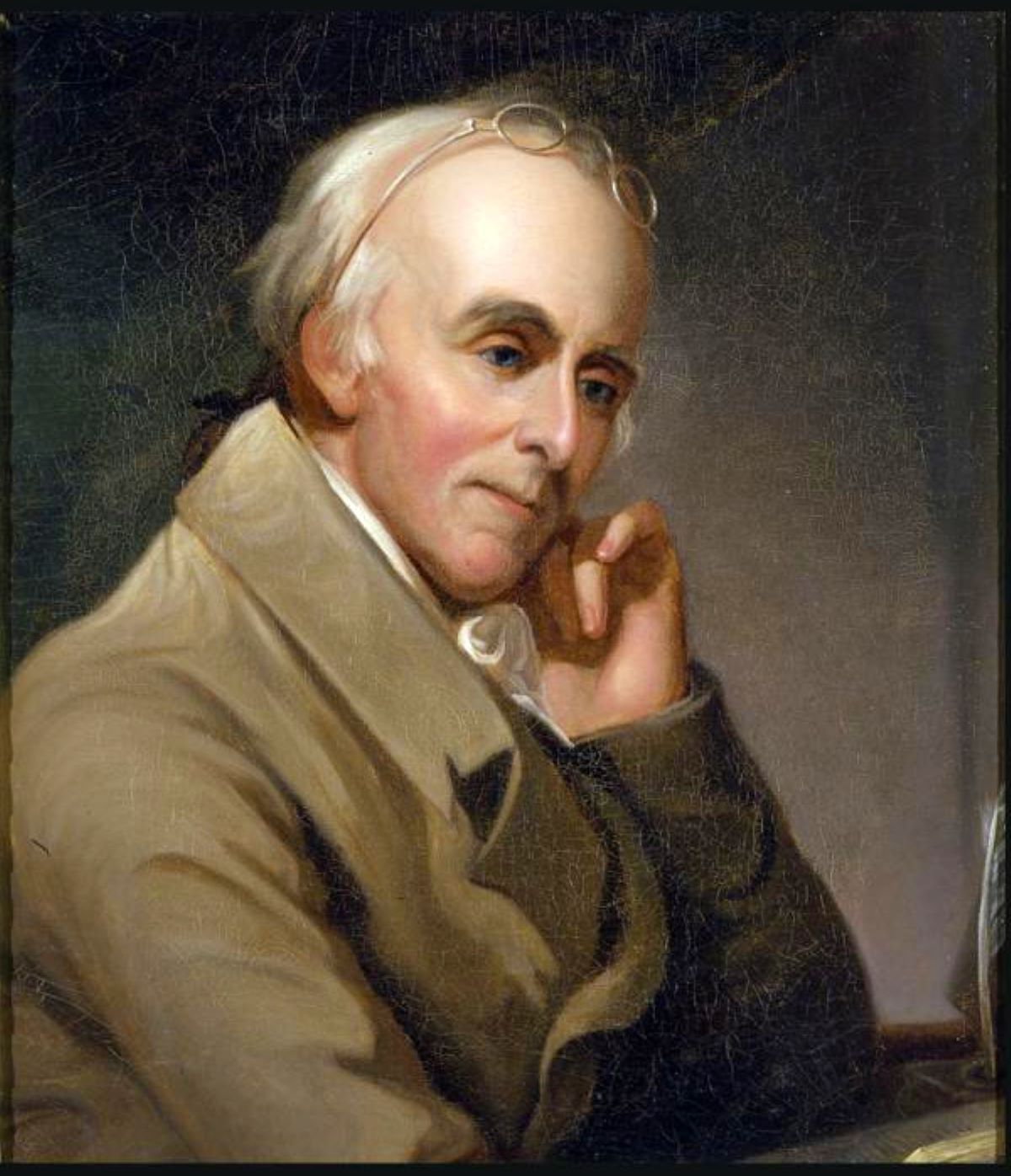
Benjamin Rush
 (Benjamin Rush)
Père fondateur des États-Unis, signataire de la Déclaration d'indépendance, médecin héroïque de l'épidémie de 1793 et père de la psychiatrie américaine.
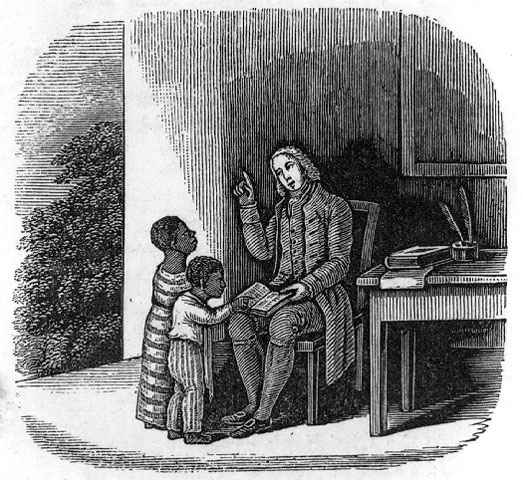
Anthony Benezet
 (Antoine Benezet)
French-born American Quaker educator and philosopher hailed as the 'Father of Atlantic Abolitionism', who founded the first public school for Black children in Philadelphia and convinced American and British Quakers to outlaw slavery.
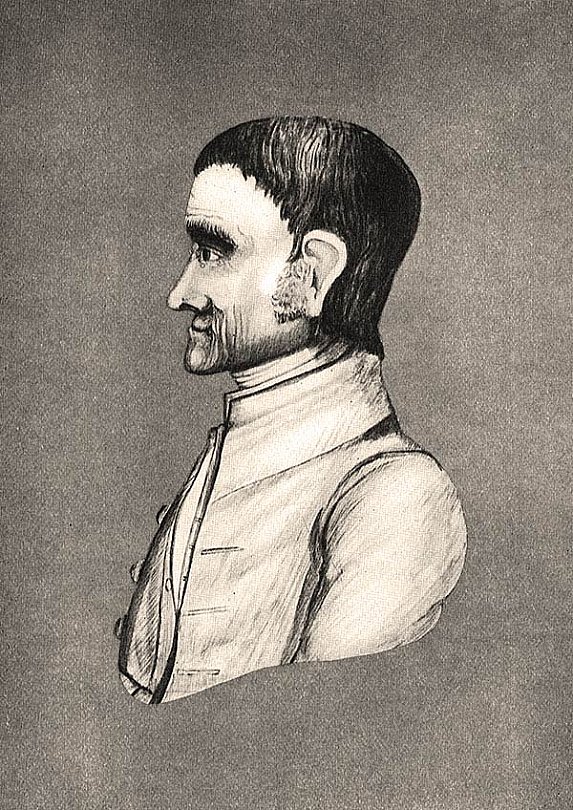
John Woolman
(John Woolman)
Prédicateur quaker itinérant américain, artisan majeur de l'abandon de l'esclavage par la Société des Amis et pionnier de la justice économique.
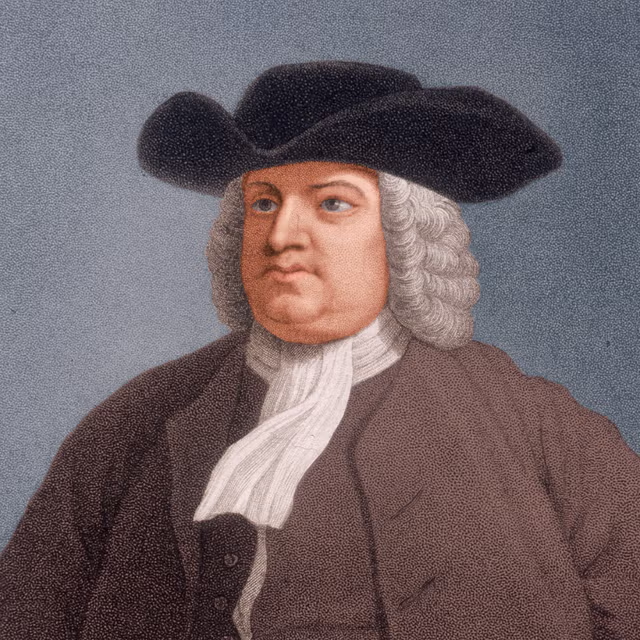
William Penn
(William Penn)
Fondateur de la province de Pennsylvanie, pionnier de la liberté religieuse, de la démocratie participative et des traités de paix équitables avec les Amérindiens.
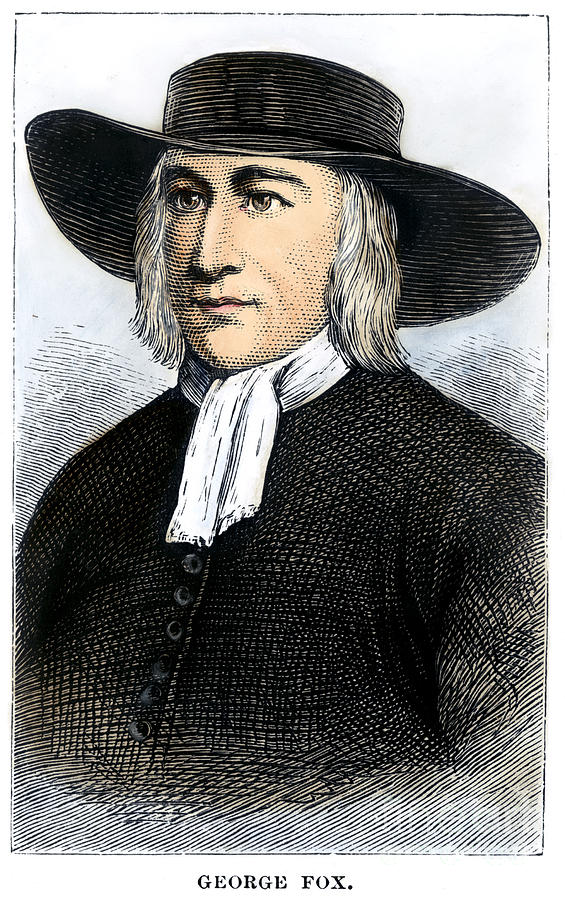
George Fox
(George Fox)
Fondateur de la Société religieuse des Amis (Quakers), précurseur de l'égalité spirituelle absolue et du témoignage pacifiste de non-violence.
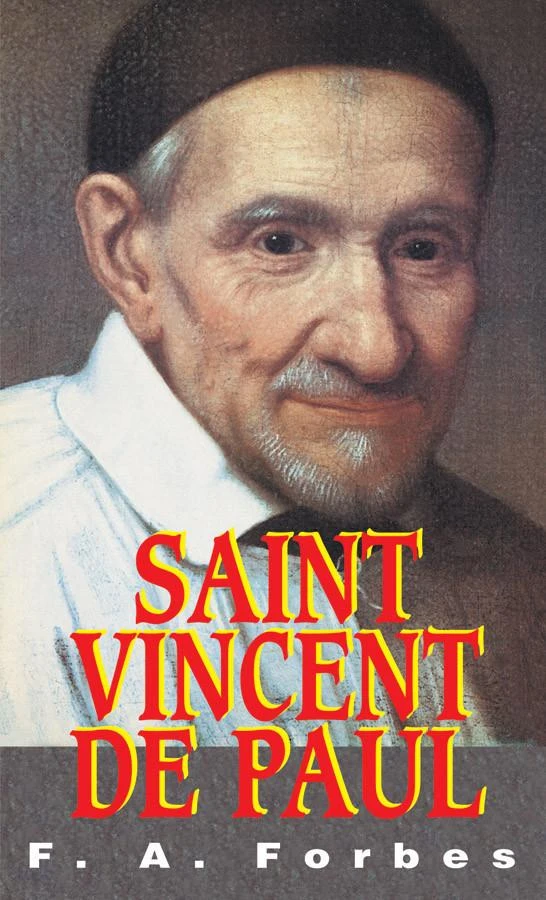
Saint Vincent de Paul
(Vincent de Paul)
Prêtre français, figure tutélaire de la charité catholique organisée, fondateur de la Congrégation de la Mission (Lazaristes) et cofondateur des Filles de la Charité.
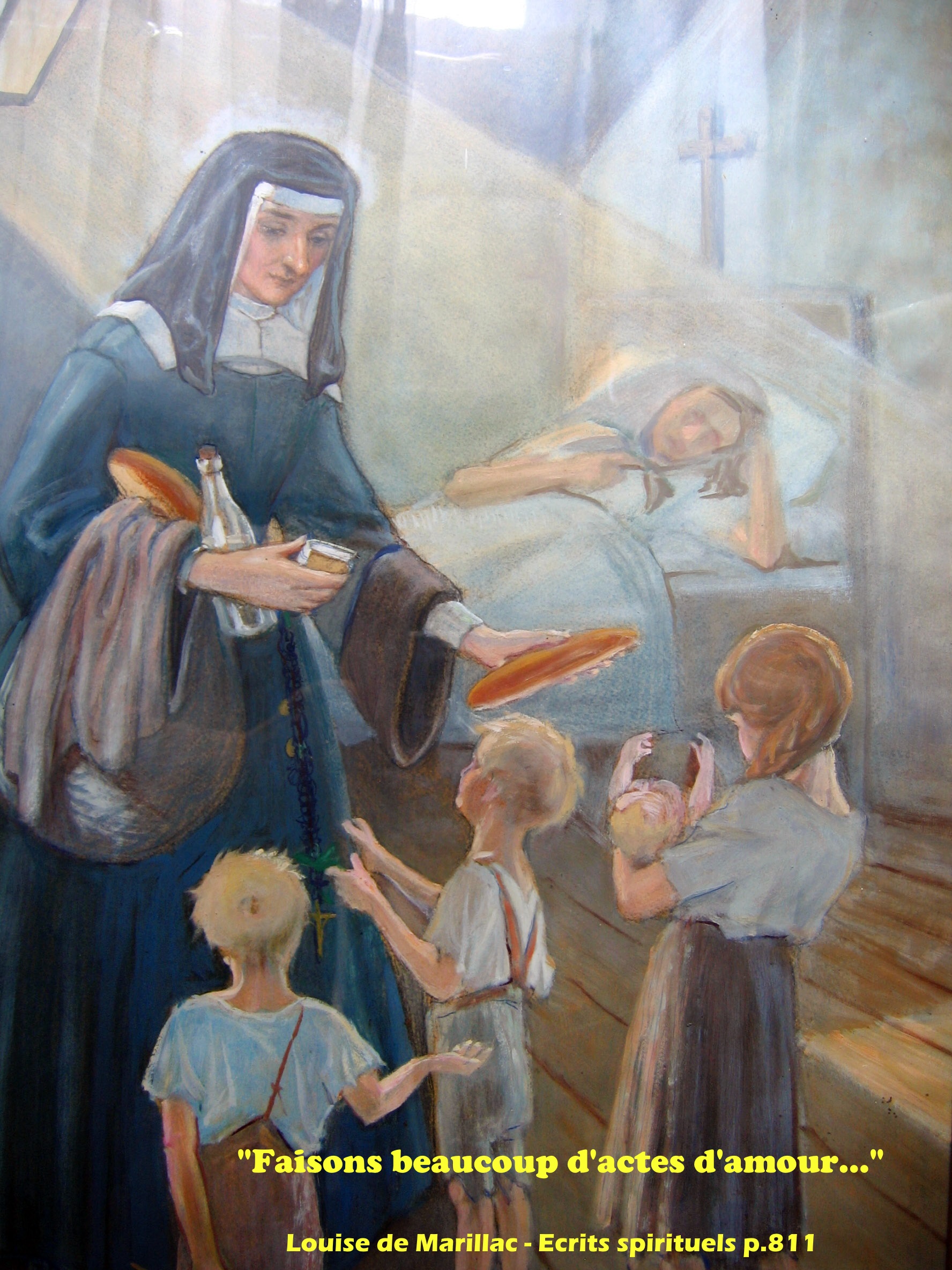
Sainte Louise de Marillac
(Louise de Marillac)
Religieuse française et sainte, cofondatrice avec Vincent de Paul des Filles de la Charité, proclamée sainte patronne des travailleurs sociaux.
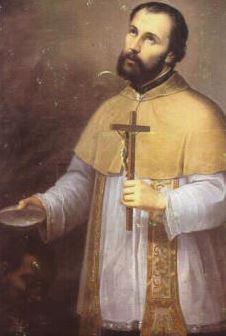
Saint Peter Claver
 (Pere Claver i Sobocano)
Prêtre jésuite catalan, autoproclamé « esclave des esclaves pour toujours », qui soigna et défendit plus de 300 000 captifs africains déportés à Carthagène des Indes.
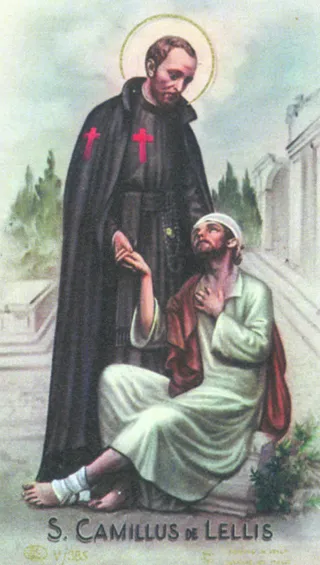
Saint Camillus de Lellis
 (Camillo de Lellis)
Prêtre italien et saint, fondateur de l'Ordre des Camilliens, inventeur des premières ambulances de guerre et pionnier de l'utilisation de la croix rouge sur les champs de bataille.
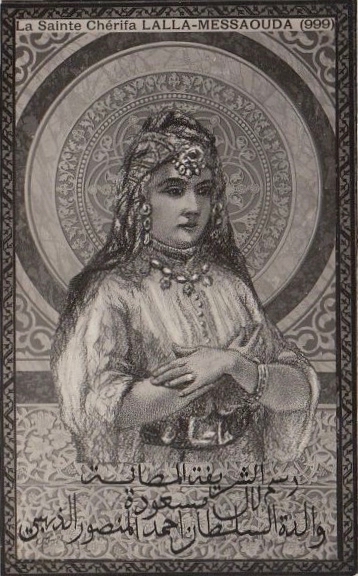
Lalla Masuda
 (لالة مسعودة الوزكيتية)
Influential Saadian Queen Mother, wife of Mohammed ash-Sheikh and mother of Ahmad al-Mansur, revered as 'Al-Hurra' for her extensive public works, schools, bridges, and care for the impoverished.
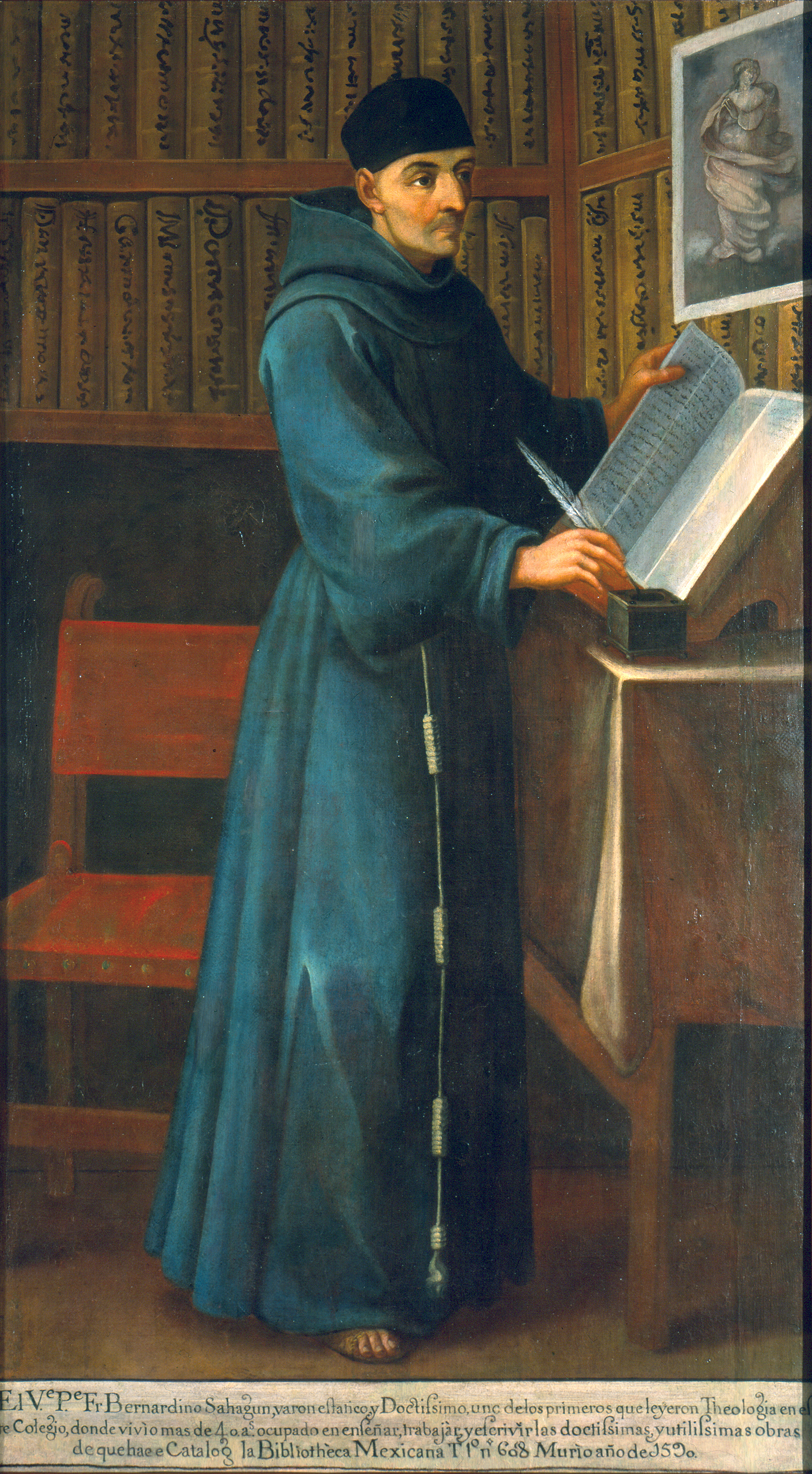
Bernardino de Sahagun
(Bernardino de Sahagun)
Franciscan friar and visionary linguist acclaimed as the 'First Anthropologist of the Americas', who spent sixty years documenting Nahua culture, religion, and botany in the twelve-volume bilingual Florentine Codex.
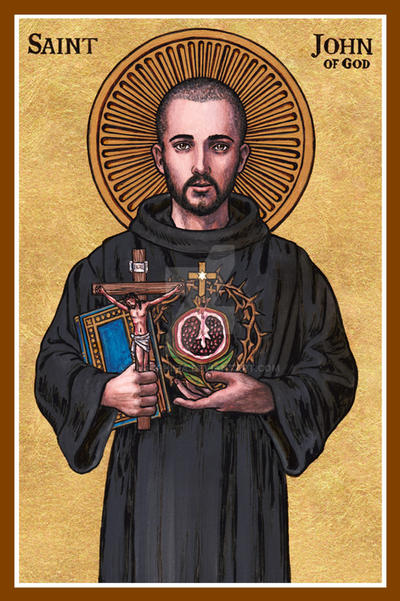
Saint John of God
 (João Cidade de Deus)
Fondateur portugais de l'Ordre des Frères Hospitaliers de Saint-Jean-de-Dieu, révolutionnaire des soins hospitaliers et du traitement digne des malades mentaux.
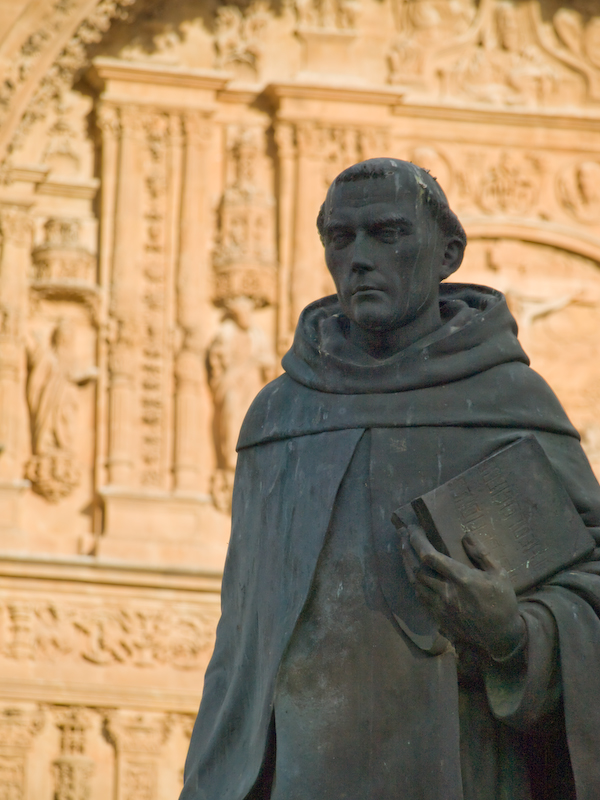
Francisco de Vitoria
(Francisco de Vitoria)
Renaissance Dominican theologian and jurist of the School of Salamanca whose lectures 'De Indis' laid the foundations of modern international law, human rights, and the sovereign equality of indigenous peoples.
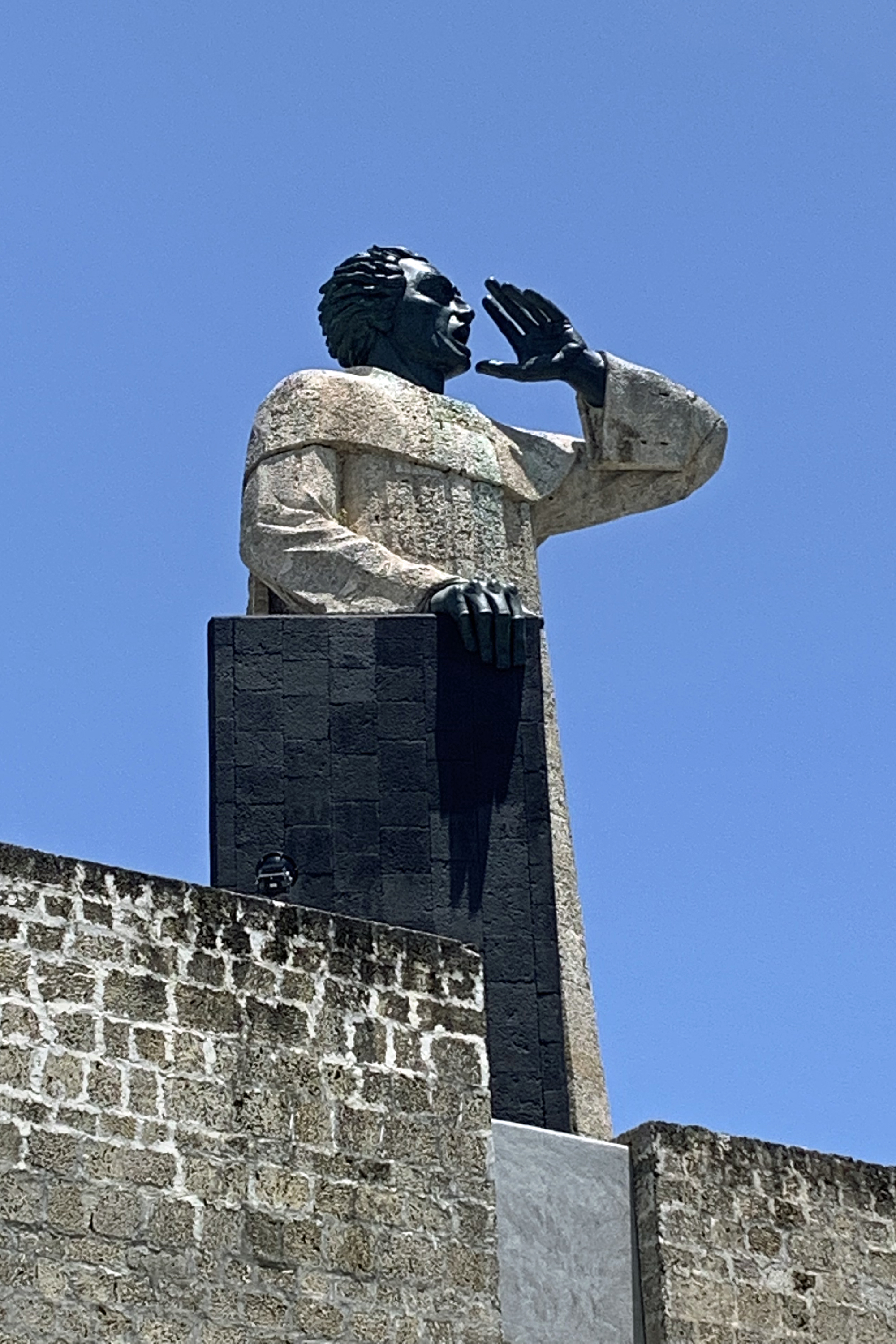
Antonio de Montesinos
(Fray Antonio de Montesinos)
Spanish Dominican friar who delivered the historic Advent sermon of 1511 on Hispaniola, the first public denunciation of European mistreatment and enslavement of indigenous peoples in the New World.
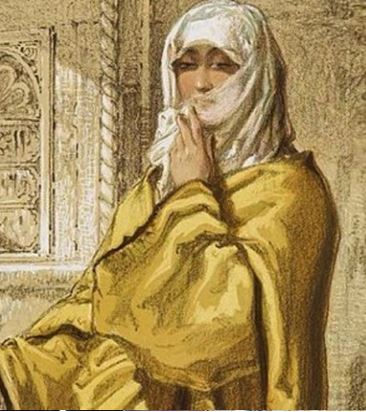
Sayyida Manoubia
 (عائشة المنوبية (السيدة المنوبية))
Revered 13th-century Sufi mystic and humanitarian saint of Tunis, disciple of Abu Said al-Baji and Shadhili master, celebrated for her radical asceticism, public preaching, and defense of the impoverished.
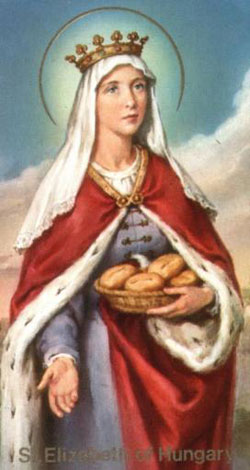
Saint Elizabeth of Hungary
 (Árpád-házi Szent Erzsébet)
Princesse royale de Hongrie et sainte médiévale, qui renonça à toute gloire princière pour construire un hôpital à Marbourg et soigner personnellement les plus misérables.

Abu al-Abbas al-Sabti
(أبو العباس السبتي (أحمد بن جعفر الخزرجي))
The supreme patron saint of Marrakech among the Seven Saints, whose mystical philosophy centered entirely on radical charity, feeding the poor, and social solidarity.