Public Figures & Cultural Luminaries
Filterable archive covering centuries of intellectual, artistic, and moral contributions to the human story.
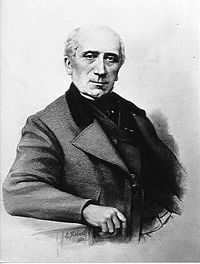
Théodore David Eugène Maunoir
 (Théodore Maunoir)
Chirurgien suisse réputé, l'un des cinq membres fondateurs historiques du Comité international de la Croix-Rouge en 1863 aux côtés d'Henri Dunant.
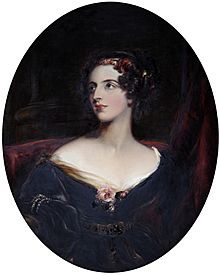
Harriet Leveson-Gower, Duchess of Sutherland
 (Harriet Elizabeth Georgiana Leveson-Gower)
Harriet Leveson-Gower, Duchess of Sutherland, was an influential British philanthropist, abolitionist campaigner, and Mistress of the Robes to Queen Victoria. In 1852, she authored the 'Stafford House Address', mobilizing over 560,000 British women to petition against American slavery, and hosted Harriet Beecher Stowe in London, funding transatlantic abolitionist and refugee relief.
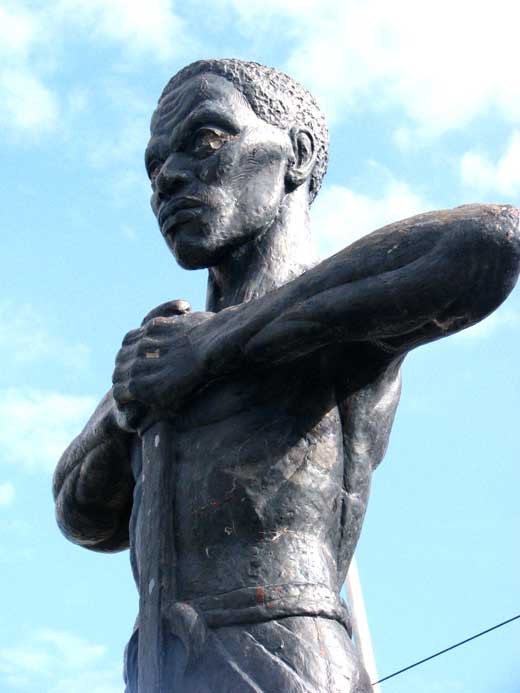
Paul Bogle
 (Paul Bogle)
National Hero of Jamaica and Baptist deacon who led the historic 1865 Morant Bay Rebellion to protest crushing poverty, starvation, and legal disenfranchisement of formerly enslaved Black Jamaican peasants.
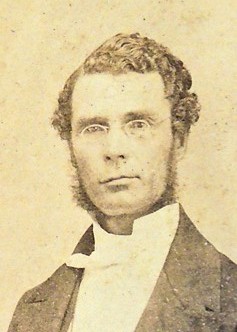
George William Gordon
(George William Gordon)
National Hero of Jamaica, wealthy mixed-race landowner, and elected member of the Jamaican House of Assembly who sacrificed his life defending the human and economic rights of the Black peasant majority.
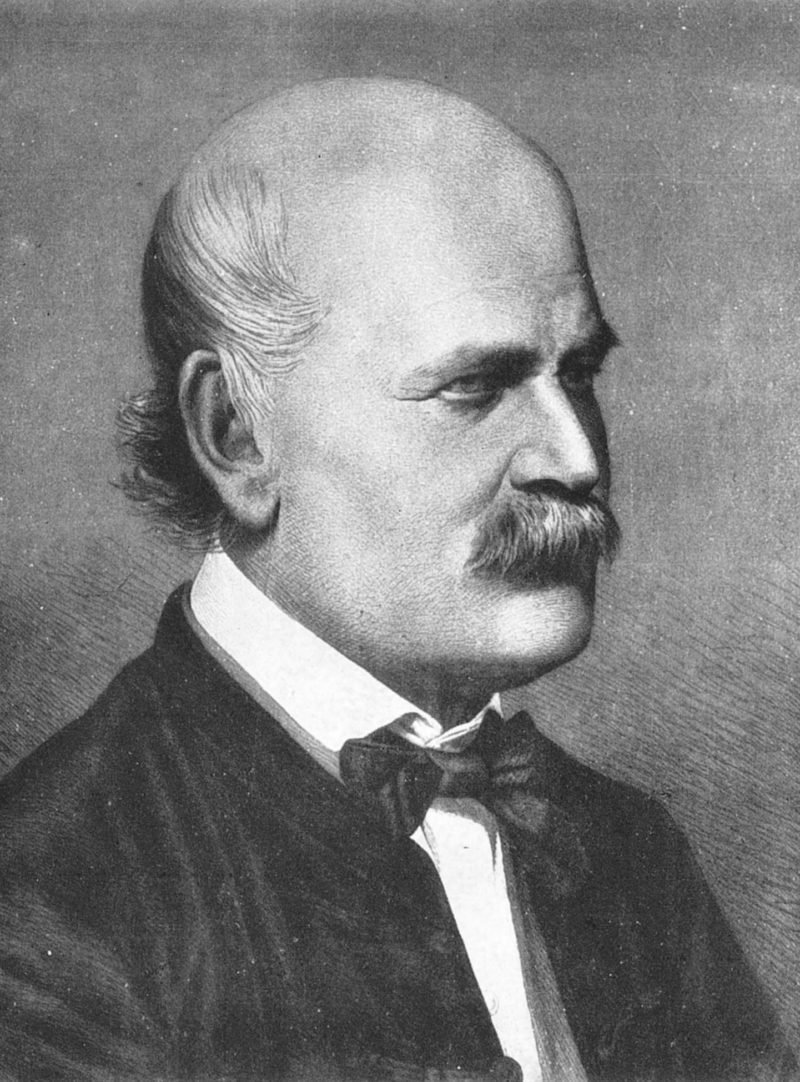
Ignaz Philipp Semmelweis
 (Semmelweis Ignác Fülöp)
Médecin obstétricien hongrois surnommé le « Sauveur des mères », pionnier de l'antisepsie hospitalière par le lavage des mains au chlorure de chaux.
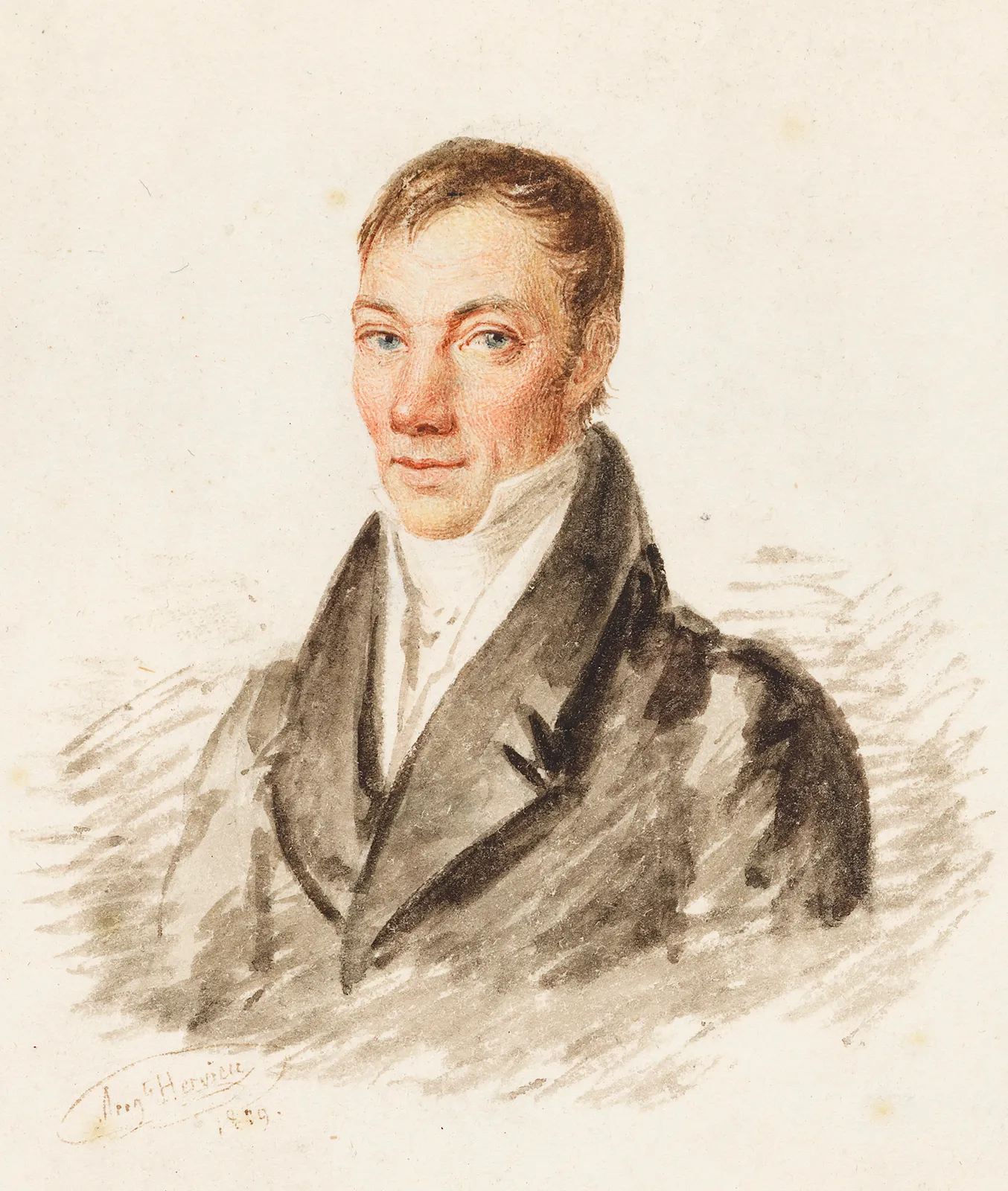
Robert Owen
(Robert Owen)
Industriel gallois et pionnier du socialisme utopique, père du mouvement coopératif, créateur de la communauté modèle de New Lanark et inventeur de la journée de huit heures.
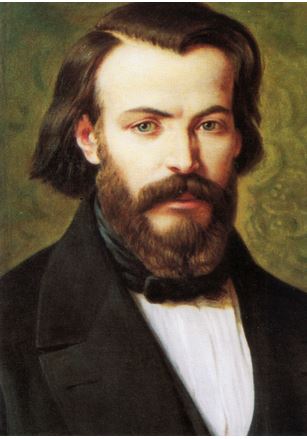
Bienheureux Antoine Frédéric Ozanam
 (Frédéric Ozanam)
Professeur d'histoire à la Sorbonne et intellectuel visionnaire, fondateur à 20 ans de la Société de Saint-Vincent-de-Paul présente dans 150 pays.
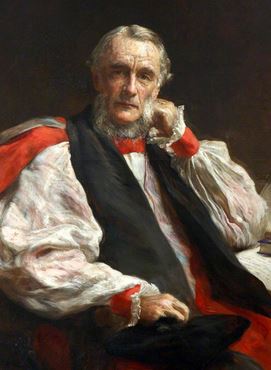
Edward Bickersteth
(Edward Bickersteth)
Pasteur et militant humanitaire britannique, secrétaire de la Church Mission Society, promoteur de l'émancipation des esclaves en Sierra Leone et de l'Alliance évangélique.
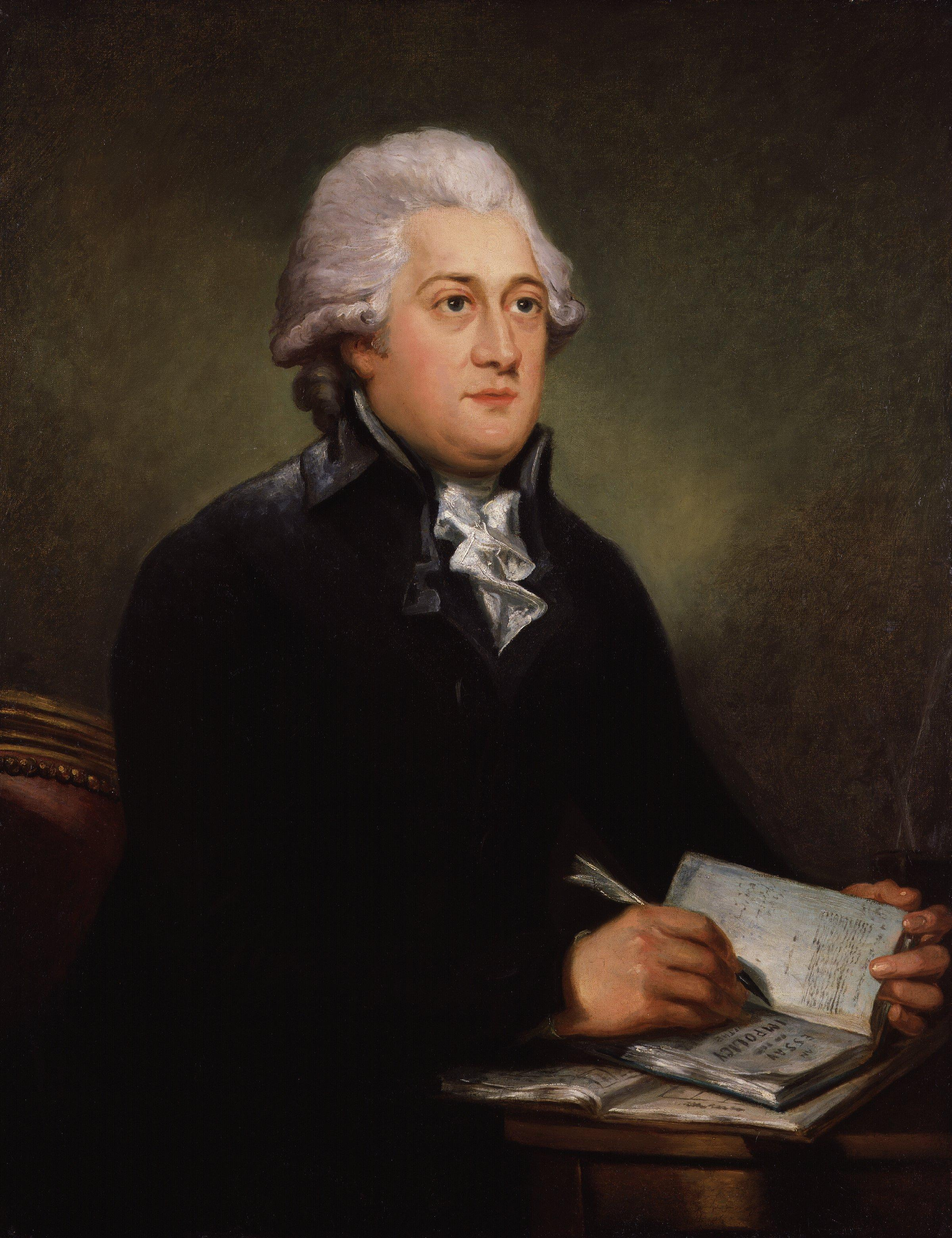
Thomas Clarkson
(Thomas Clarkson)
Key organizer and indefatigable investigator of the British abolitionist movement who rode 35,000 miles gathering evidence, slave shackles, and eyewitness testimony that enabled the abolition of the transatlantic slave trade.
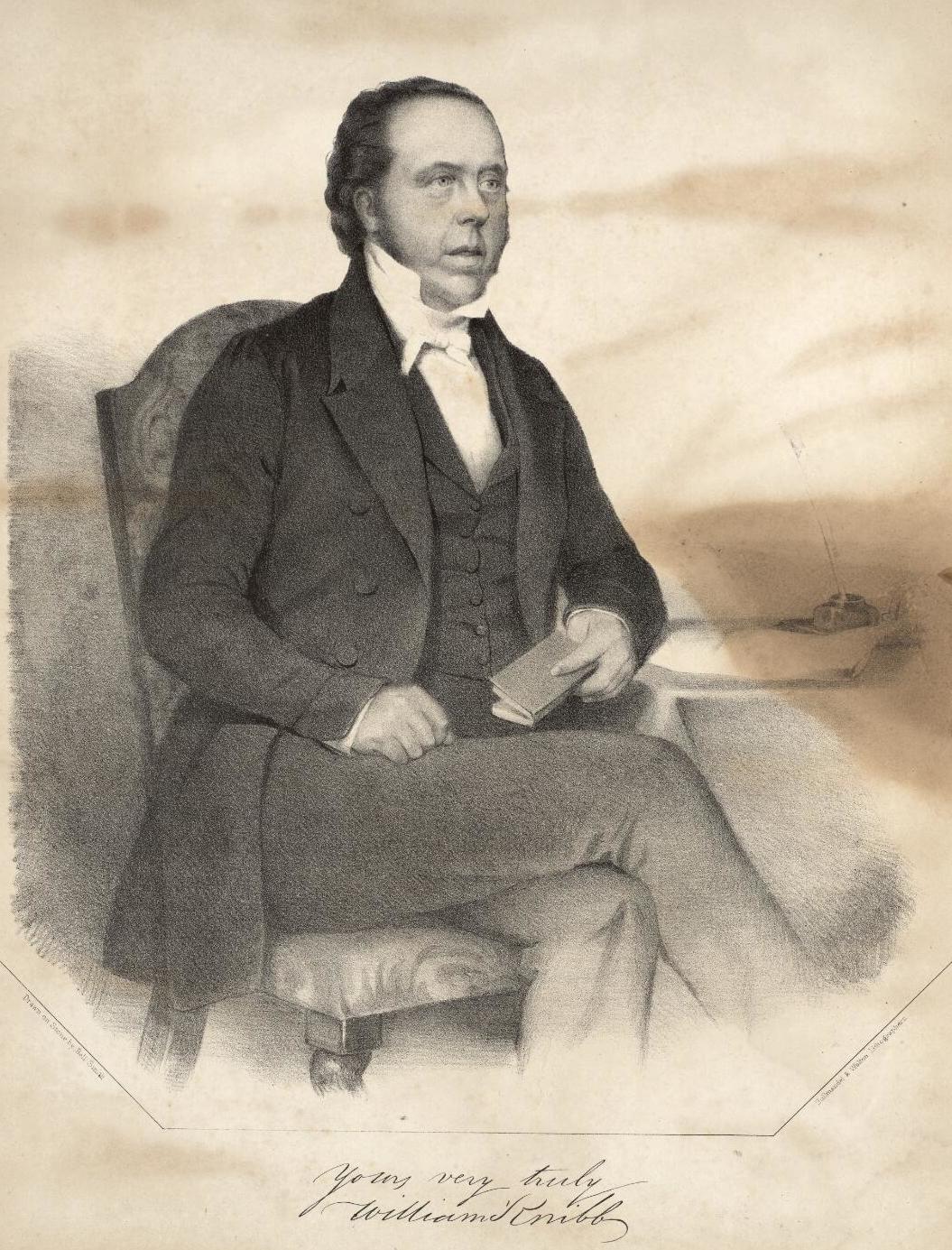
William Knibb
(William Knibb)
English Baptist missionary in Jamaica who defied colonial planter mobs, testified before the British Parliament, and founded 'Free Villages' where newly emancipated enslaved families could purchase their own independent land.
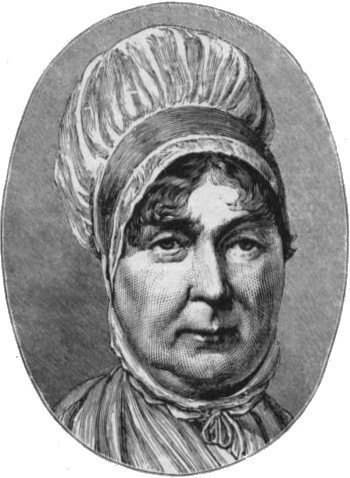
Elizabeth Fry
(Elizabeth Gurney)
Quaker reformer revered as the 'Angel of Prisons' who transformed conditions for incarcerated women and children in Newgate Prison and founded modern prison reform.
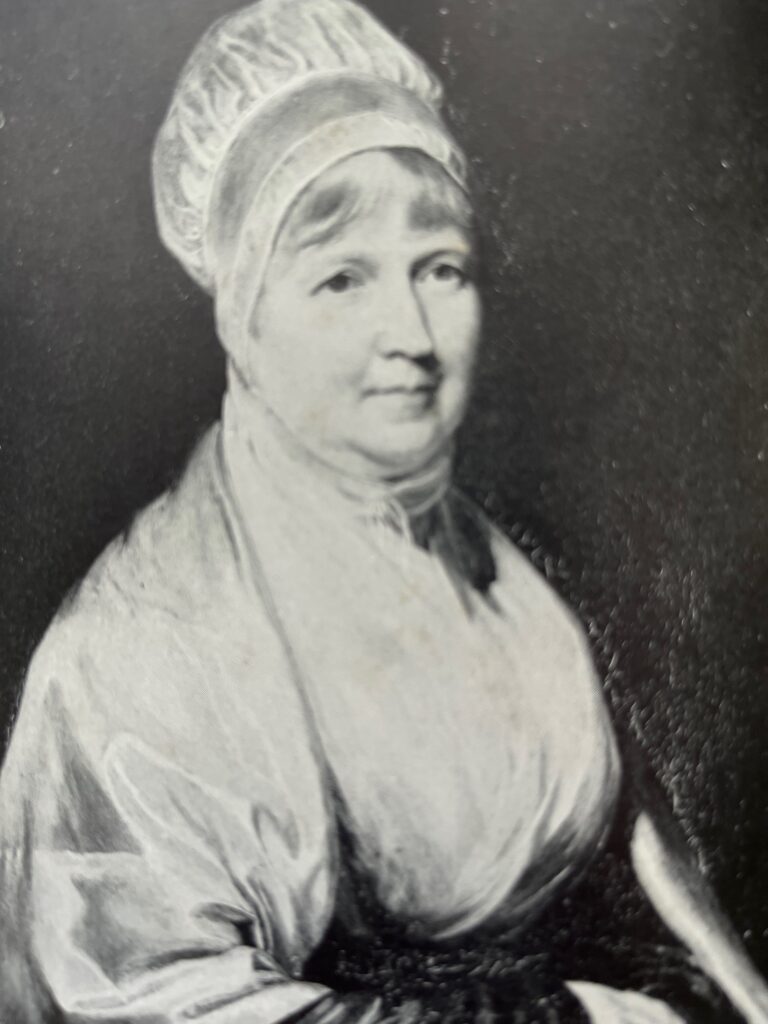
Elizabeth Fry (née Gurney)
(Elizabeth Fry)
Philanthrope quaker britannique surnommée « l'Ange des prisons », pionnière du traitement humain des détenus et de l'éducation des prisonnières.
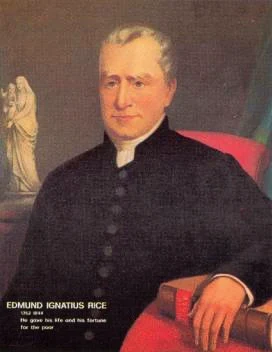
Bienheureux Edmund Ignatius Rice
 (Éamann Iognáid Rís)
Commerçant irlandais fortuné qui renonça à ses biens après le décès de sa femme pour fonder les Frères Chrétiens et ouvrir des écoles gratuites pour les garçons pauvres de Waterford.
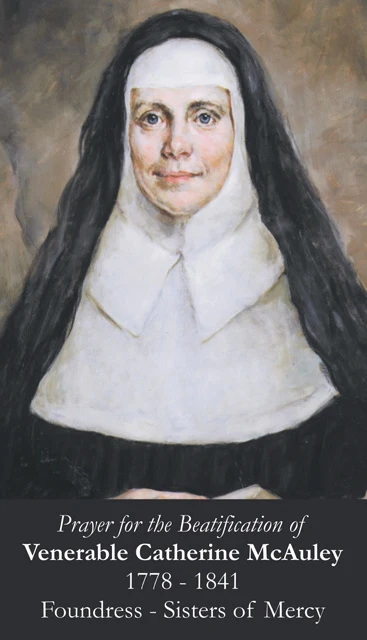
Vénérable Catherine Elizabeth McAuley
(Catherine McAuley)
Femme de foi et bienfaitrice irlandaise, fondatrice des Sœurs de la Miséricorde (Sisters of Mercy) consacrées aux soins hospitaliers et à la protection des femmes démunies.
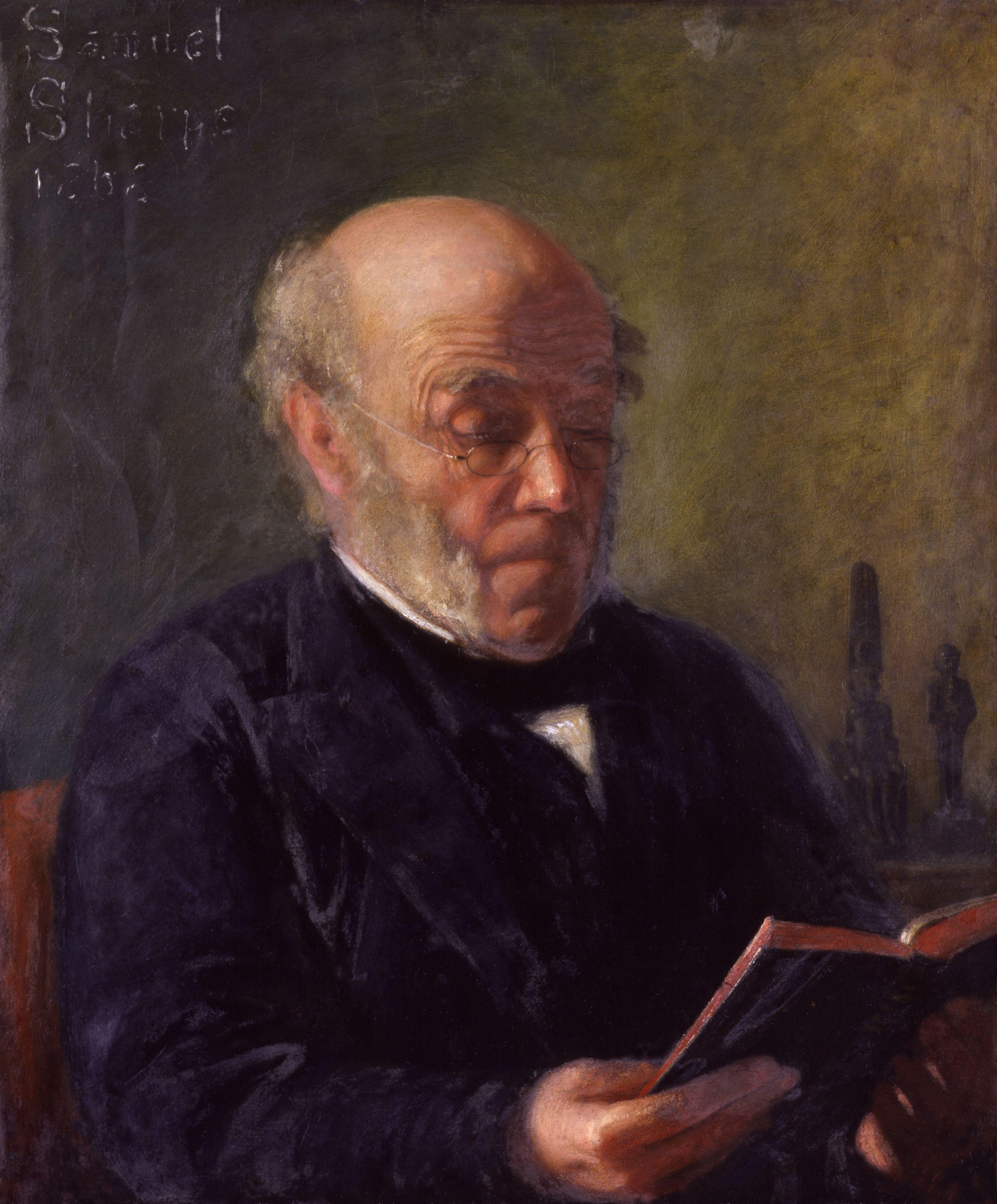
Samuel Sharpe
(Samuel Sharpe)
National Hero of Jamaica and enslaved Baptist deacon 'Daddy Sharpe' who organized the massive 1831 Baptist War rebellion involving 60,000 enslaved people, whose moral courage accelerated British parliamentary abolition in 1833.
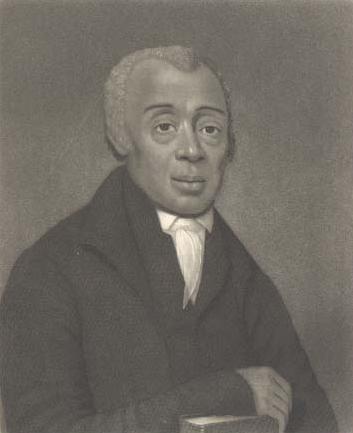
Richard Allen
 (Richard Allen)
Founder and first bishop of the African Methodist Episcopal (AME) Church, the first independent Black denomination in the United States, and foremost civil rights pioneer.
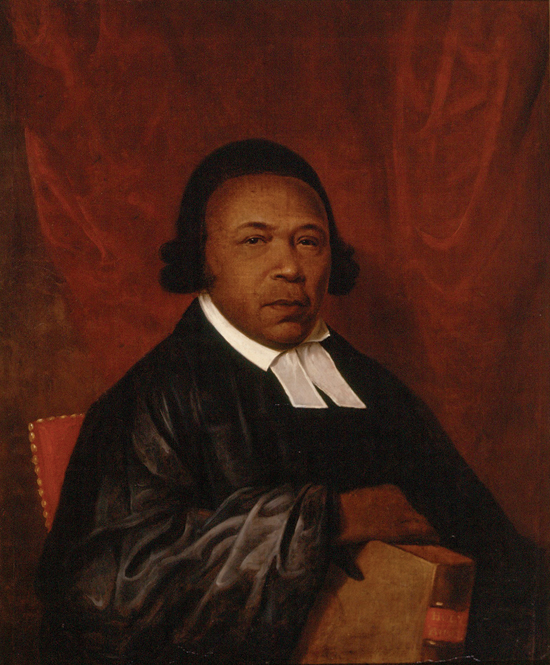
Absalom Jones
(Absalom Jones)
First African American ordained as an Episcopal priest, co-founder of the Free African Society, and heroic nurse during the 1793 Philadelphia yellow fever epidemic.
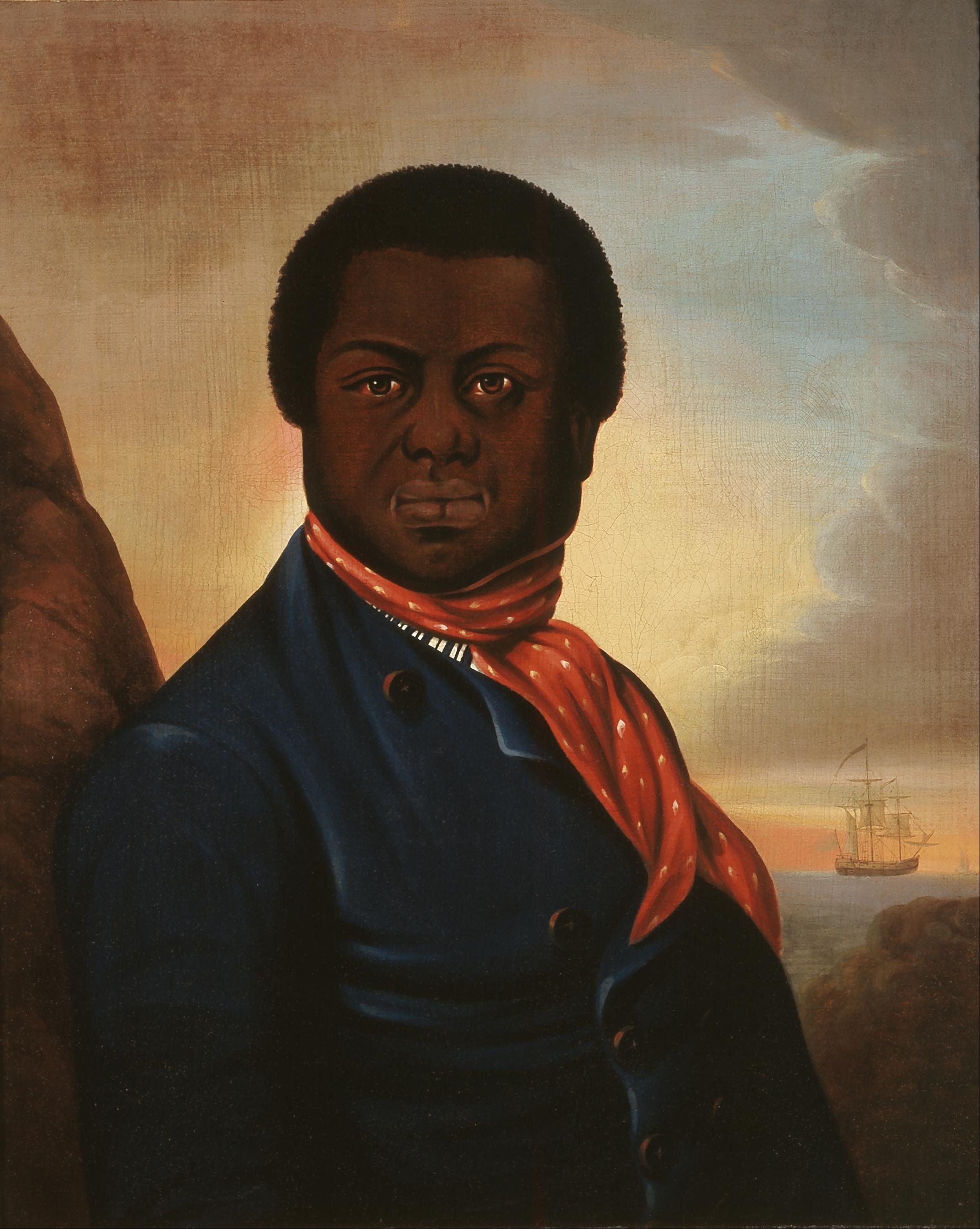
Paul Cuffe
(Paul Cuffe)
African-Wampanoag ship captain, Quaker merchant, and civil rights pioneer who built his own fleet, founded integrated schools, and led early emigration to Sierra Leone.