Public Figures & Cultural Luminaries
Filterable archive covering centuries of intellectual, artistic, and moral contributions to the human story.
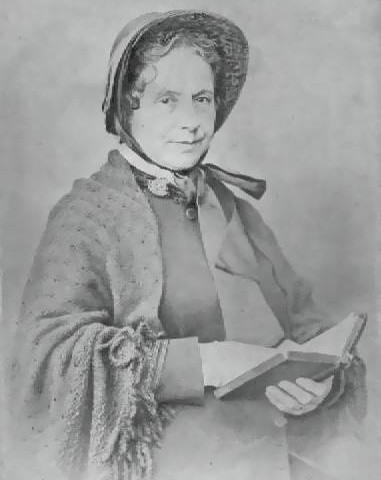
Catherine Booth (née Mumford)
 (Catherine Booth)
Cofondatrice de l'Armée du Salut surnommée « la Mère de l'Armée du Salut », pionnière de l'égalité absolue des femmes dans le ministère religieux et la lutte sociale.
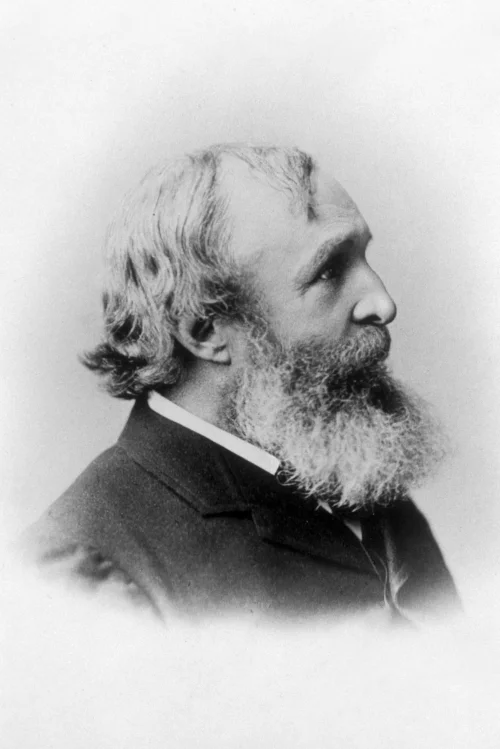
Charles Loring Brace
 (Charles Loring Brace)
Philanthrope américain, fondateur de la Children's Aid Society de New York et créateur du mouvement des Orphan Trains, pionnier du placement familial moderne.
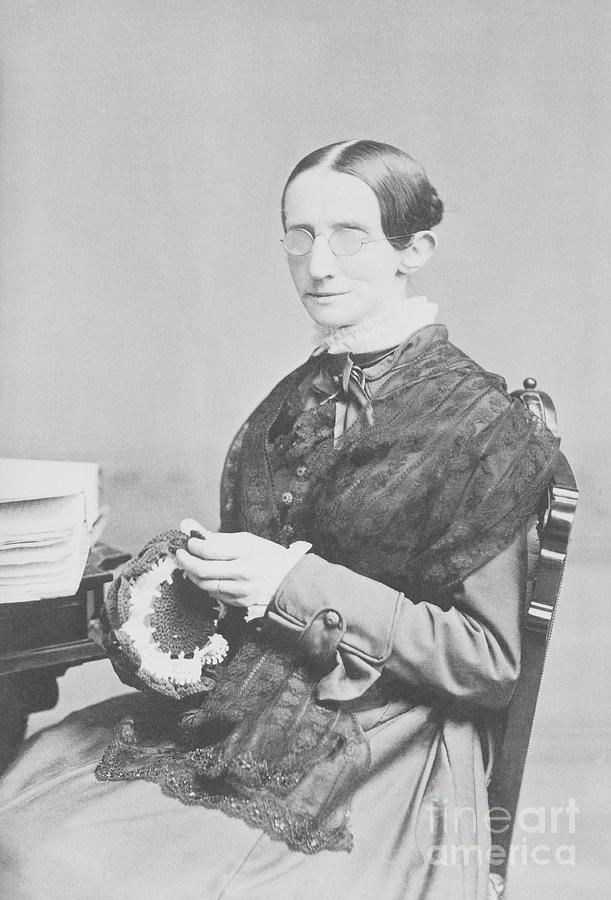
Laura Dewey Lynn Bridgman
(Laura Bridgman)
Première personne sourde et aveugle à recevoir une éducation linguistique complète en anglais, cinquante ans avant Helen Keller.
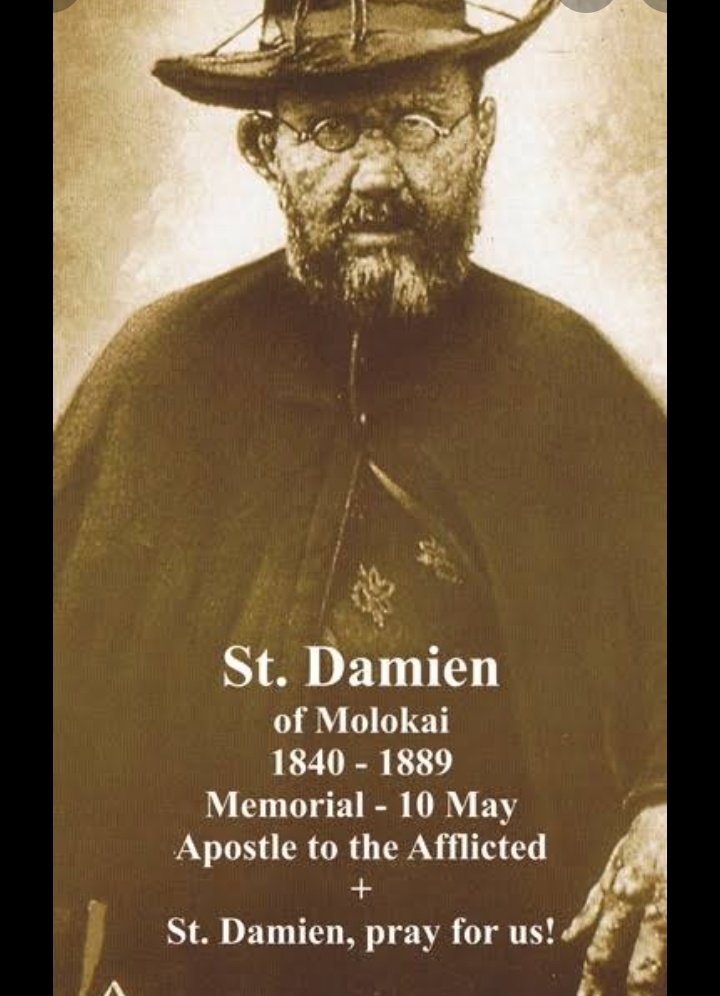
Father Damien (Saint Damien of Molokai)
 (Jozef De Veuster)
Father Damien was a Belgian Roman Catholic priest of the Congregation of the Sacred Hearts of Jesus and Mary who volunteered to minister to the quarantined leper colony on the Hawaiian island of Molokai. Living among the outcast lepers for sixteen years, he built homes, hospitals, and churches, contracted Hansen's disease himself, and died a martyr of charity, canonized in 2009.
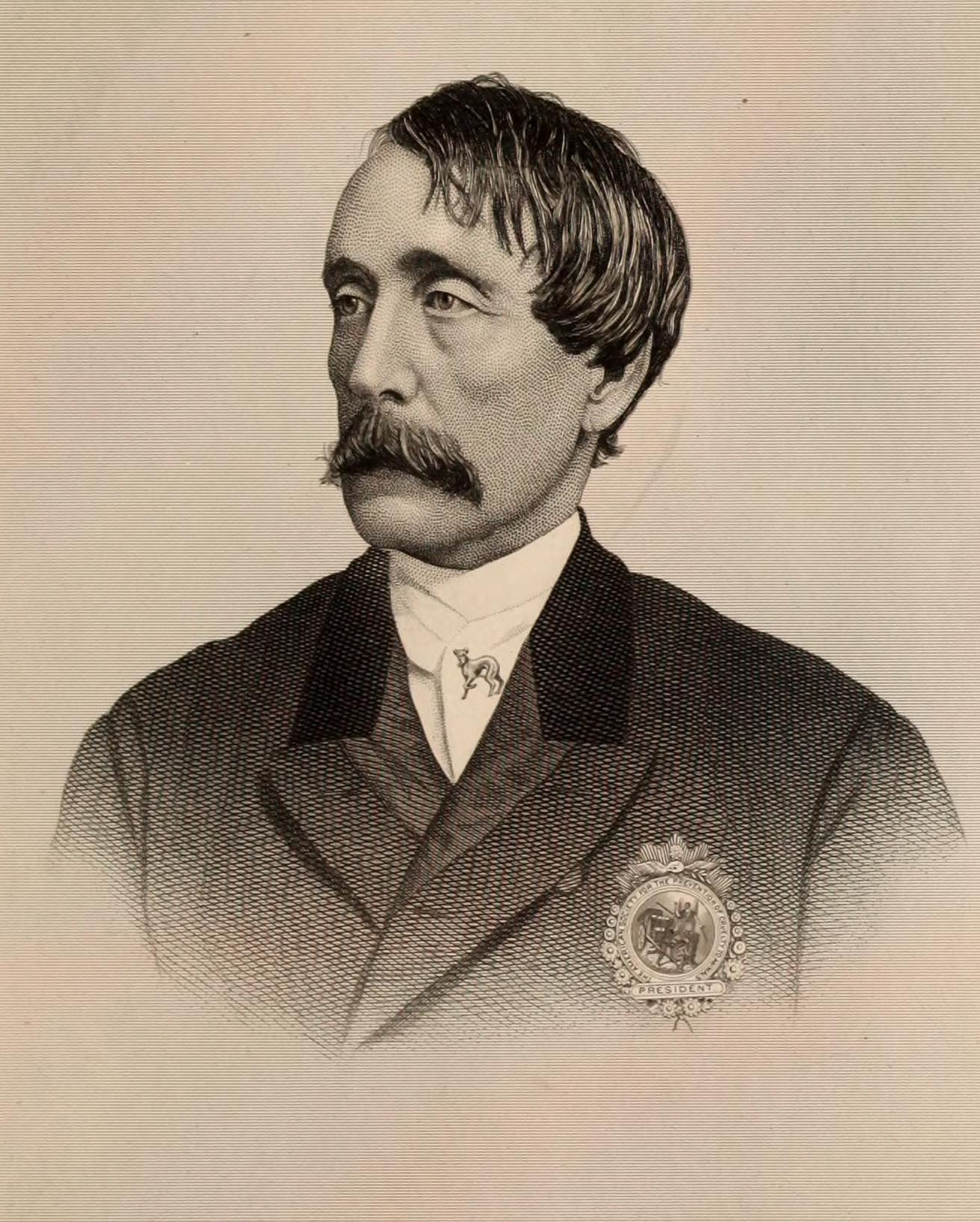
Henry Bergh
(Henry Bergh)
Visionary humanitarian who founded the American Society for the Prevention of Cruelty to Animals (ASPCA) and co-founded the world's first child protection society.
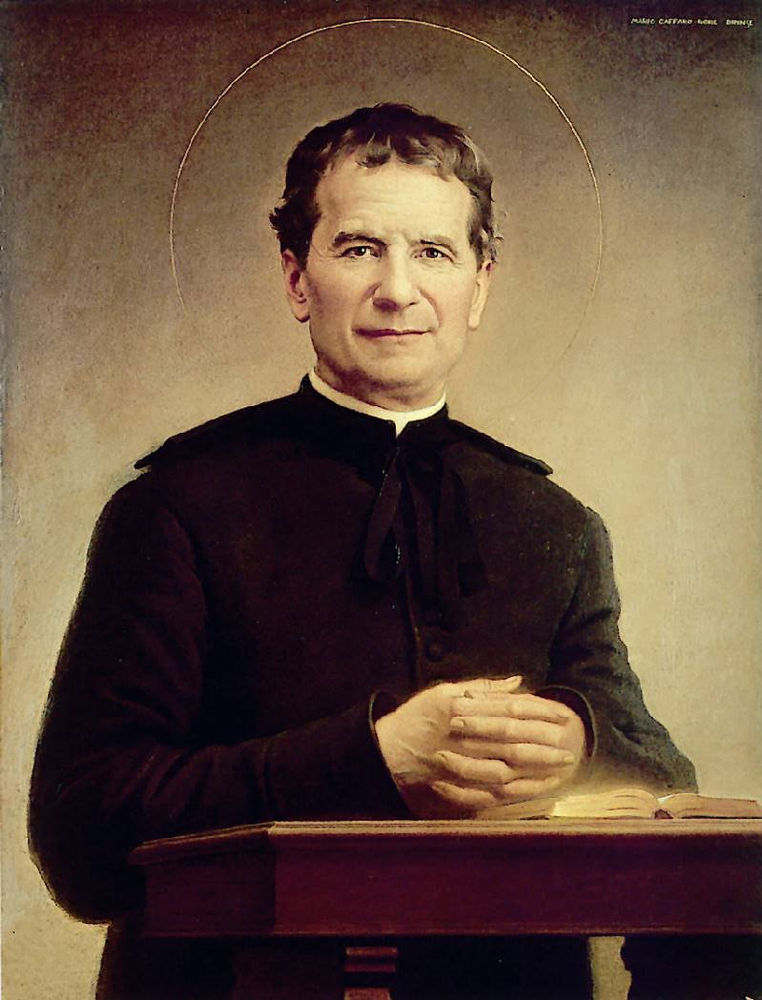
Saint Jean Bosco
 (Giovanni Melchiorre Bosco)
Prêtre et éducateur piémontais, fondateur des Salésiens et apôtre des enfants des rues et jeunes ouvriers exploités de Turin, inventeur du « système préventif ».
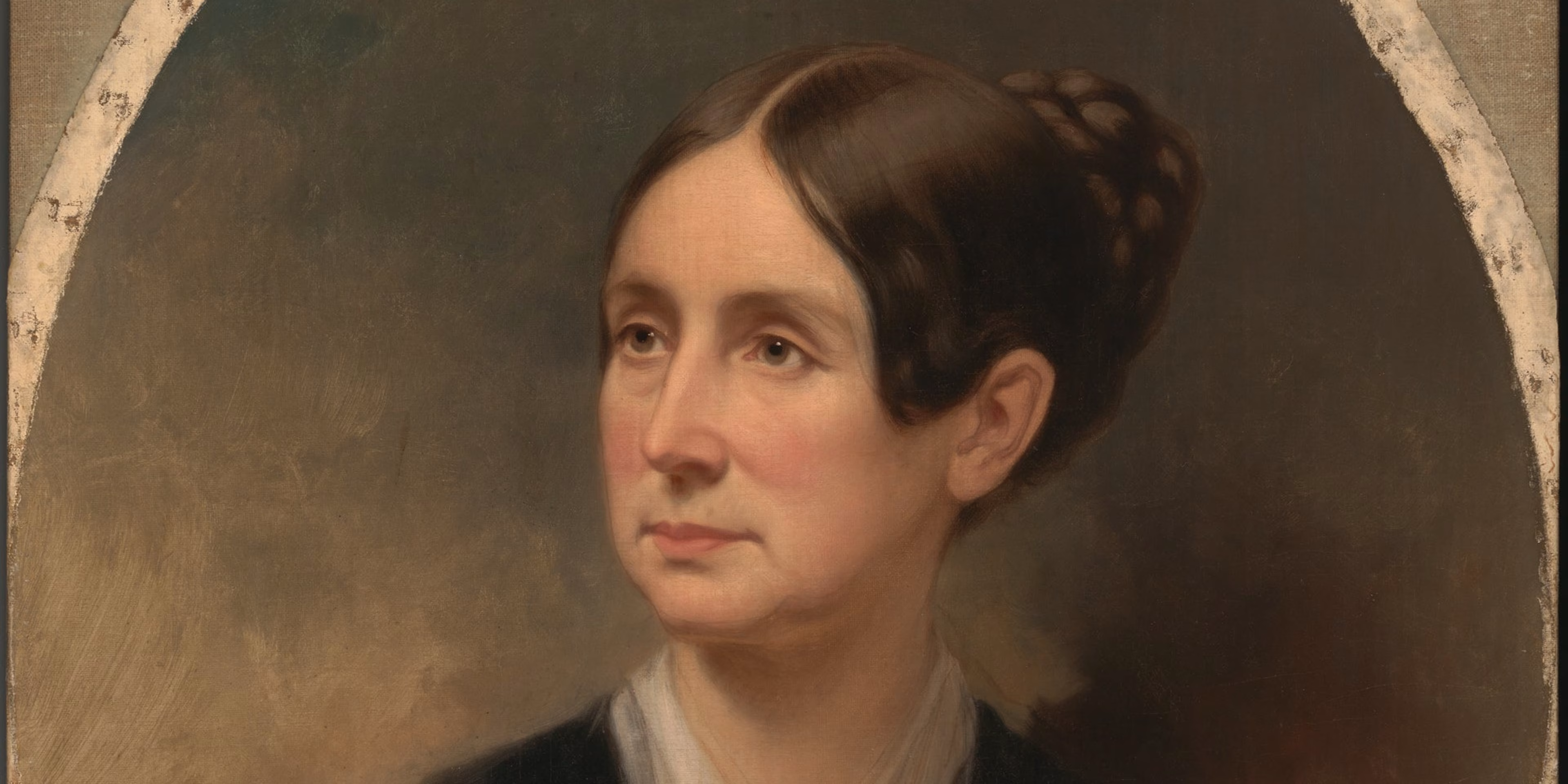
Dorothea Lynde Dix
(Dorothea Dix)
Réformatrice américaine et avocate des aliénés mentaux, créatrice des premiers asiles psychiatriques modernes et surintendante des infirmières durant la guerre de Sécession.
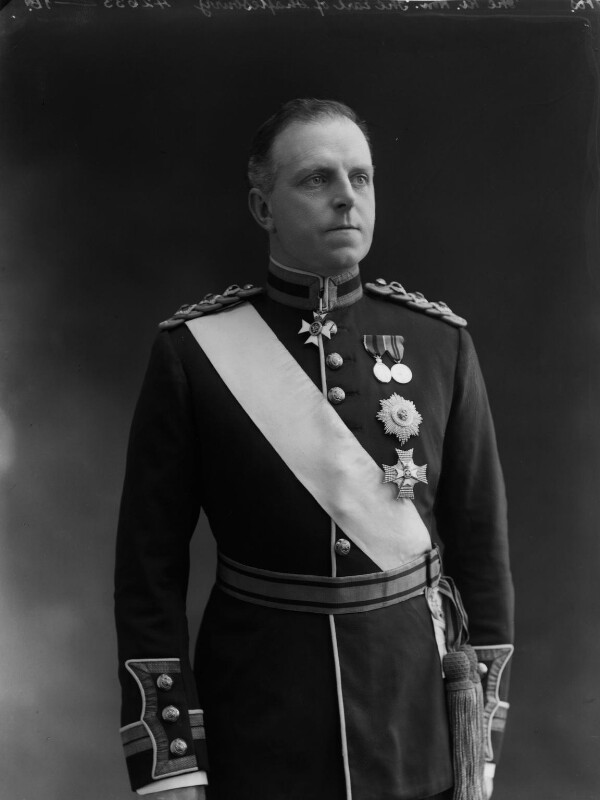
Lord Shaftesbury
(Anthony Ashley-Cooper, 7th Earl of Shaftesbury)
Foremost British social reformer of the Victorian era who dedicated fifty years in Parliament to abolishing child labor in coal mines and factories, passing the Ten Hours Act, and establishing Ragged Schools for destitute children.
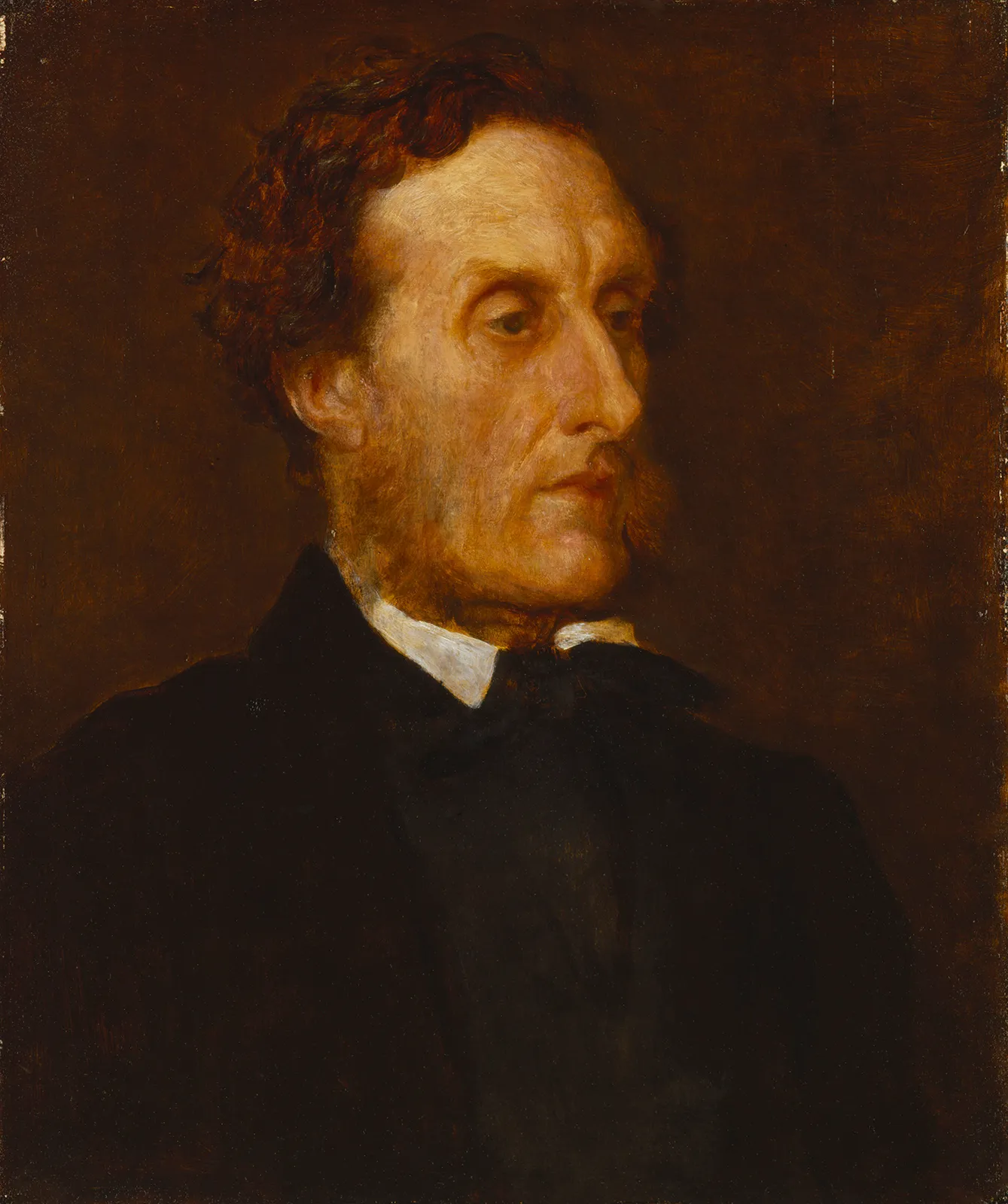
Anthony Ashley-Cooper, 7th Earl of Shaftesbury
(Anthony Ashley-Cooper)
Homme d'État et philanthrope victorien, champion infatigable de l'abolition du travail des enfants dans les mines et les usines, et président de la Ragged School Union.
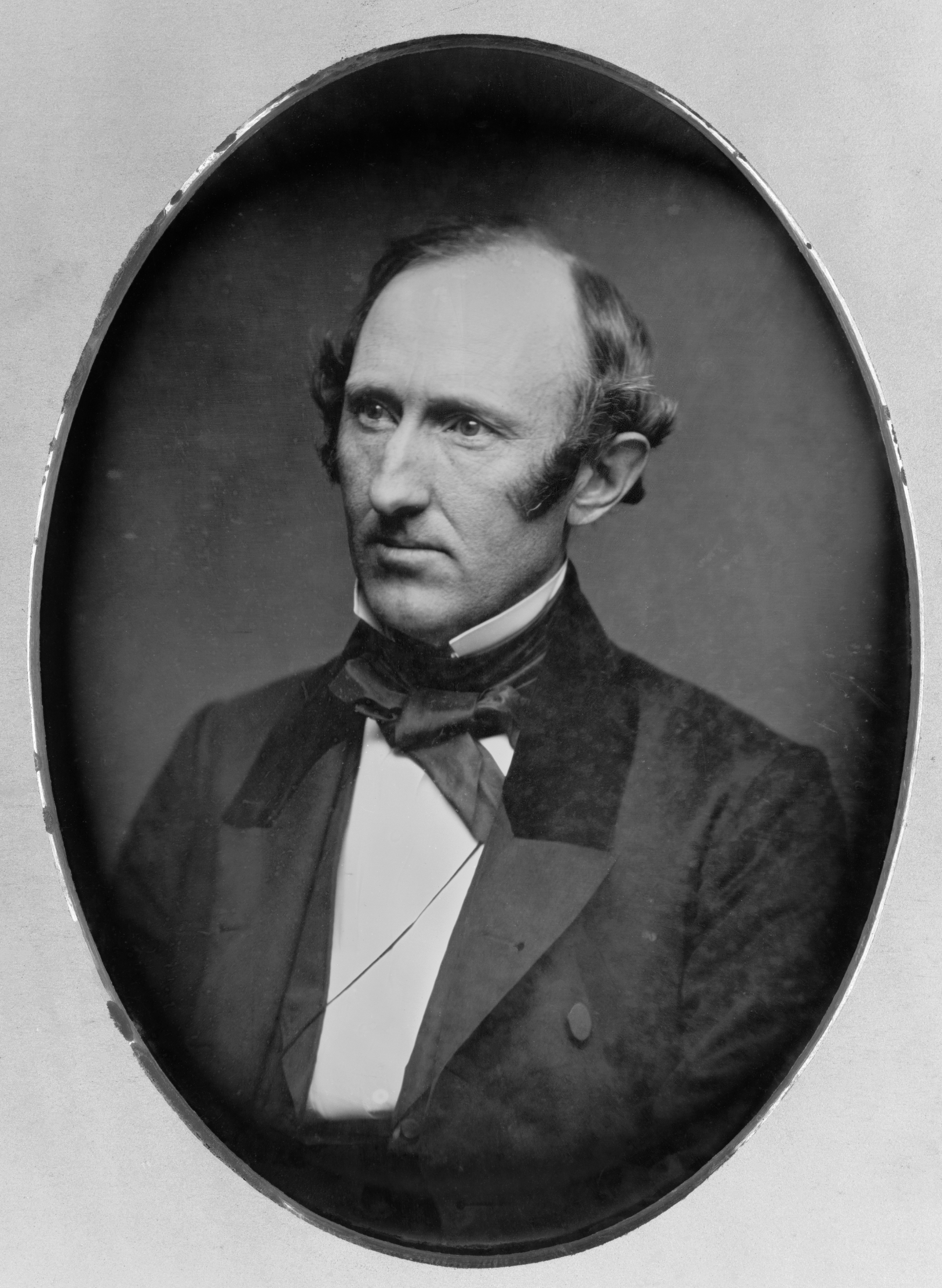
Wendell Phillips
(Wendell Phillips)
Renowned American orator known as 'Abolition's Golden Trumpet', who abandoned his elite legal career to become the foremost orator of the American abolitionist movement, succeeding Garrison as president of the American Anti-Slavery Society.
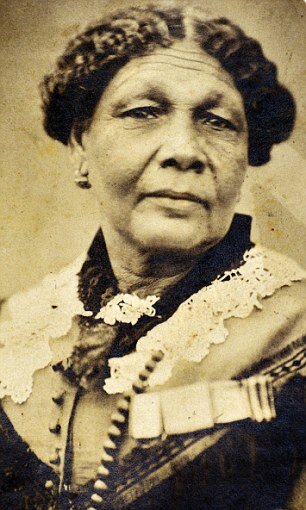
Mary Jane Seacole
 (Mary Jane Grant)
Mary Seacole was a Jamaican-born nurse, doctress, and businesswoman of mixed Scottish and Creole heritage who overcame racial prejudice to establish the 'British Hotel' behind front lines during the Crimean War. Applying West Indian herbal medicine and practical nursing to treat cholera, dysentery, and battlefield trauma, she was voted the greatest Black Briton in history.
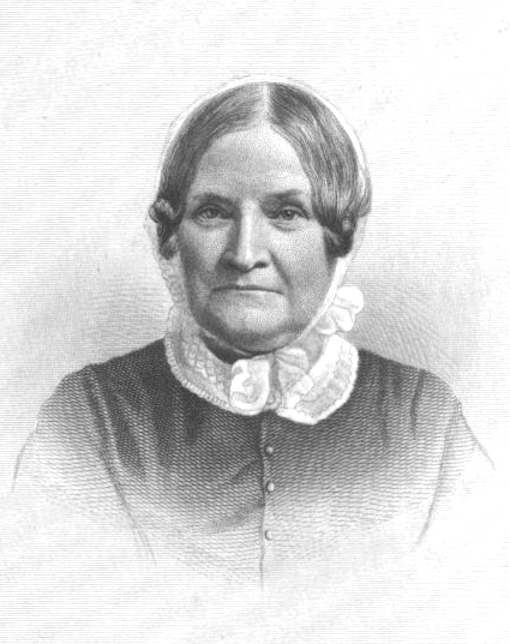
Lydia Maria Child
(Lydia Maria Child)
Prolific American author and abolitionist whose 1833 masterpiece 'An Appeal in Favor of That Class of Americans Called Africans' galvanized the anti-slavery movement and sacrificed her literary career for human justice.
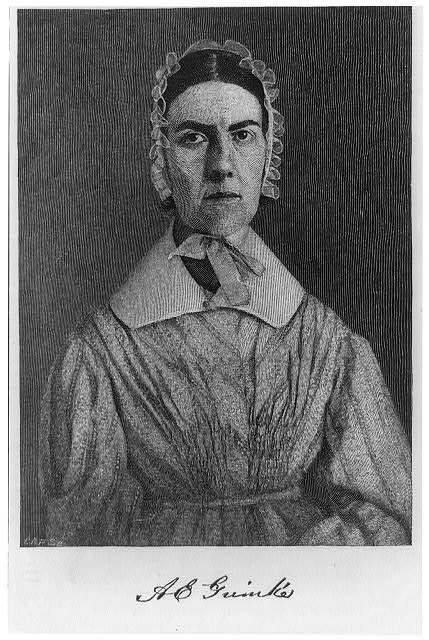
Angelina Grimke
(Angelina Emily Grimke Weld)
Fiery American abolitionist orator and writer who became the first woman to address an American legislative body, author of the celebrated 1836 'Appeal to the Christian Women of the South'.
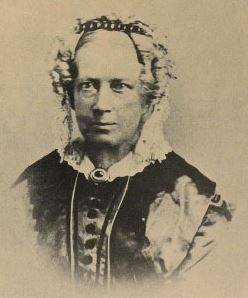
Mary Carpenter
(Mary Carpenter)
British pioneer of popular education and juvenile justice, creator of the first rehabilitation schools rehabilitating rather than punishing young offenders.
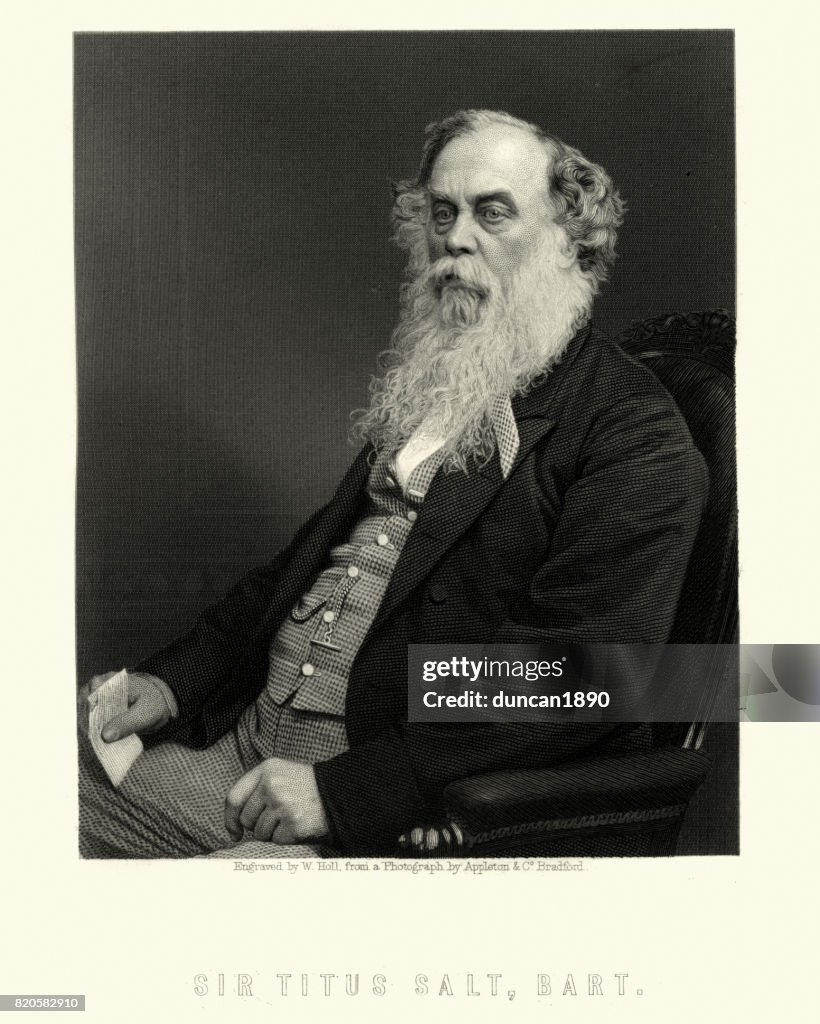
Sir Titus Salt, 1st Baronet
(Titus Salt)
Manufacturier textile et réformateur social britannique, créateur du village ouvrier modèle de Saltaire offrant des logements salubres, un hôpital et des écoles.
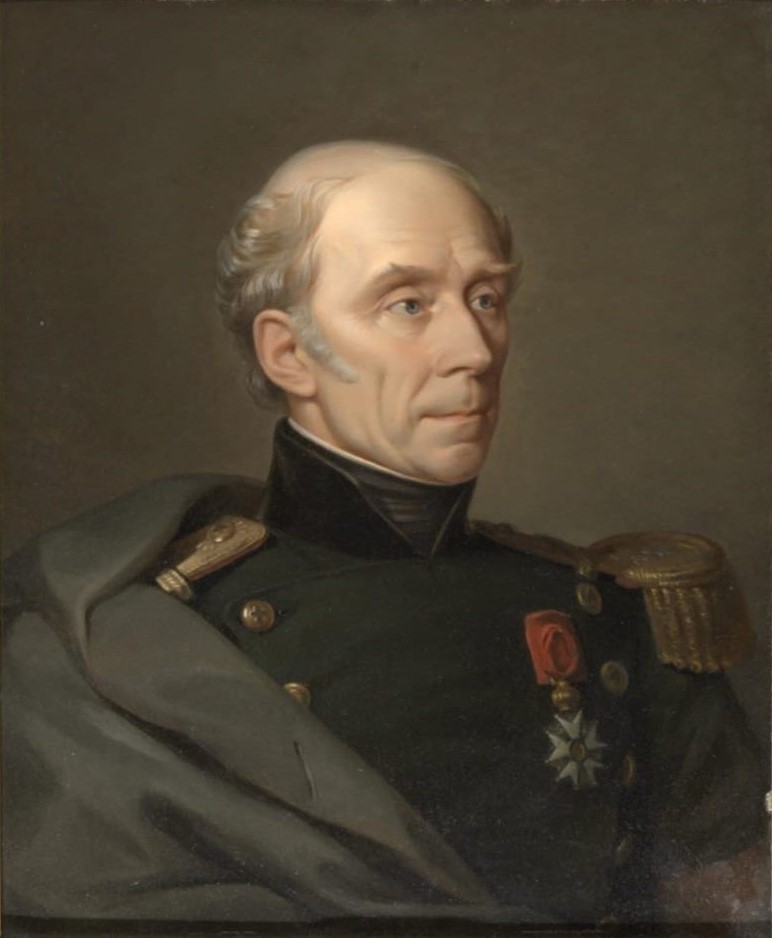
Guillaume-Henri Dufour
 (Guillaume-Henri Dufour)
Général et ingénieur suisse, héros unificateur de la guerre du Sonderbund, premier président du Comité international de la Croix-Rouge (1863-1864).
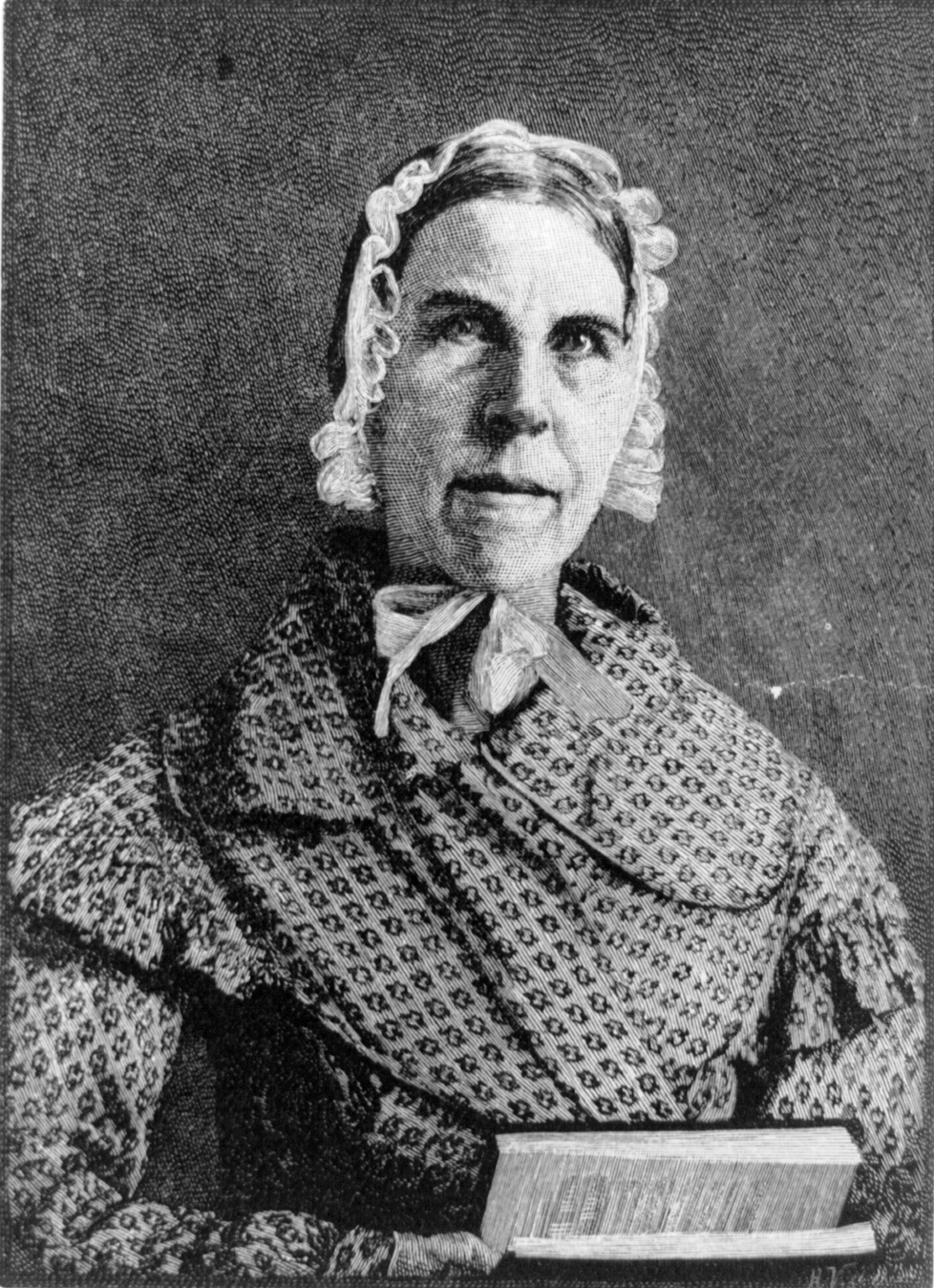
Sarah Grimke
(Sarah Moore Grimke)
Southern-born abolitionist and women's rights pioneer who rejected her slaveholding family's wealth to campaign across the North, author of the groundbreaking 1838 feminist work 'Letters on the Equality of the Sexes'.
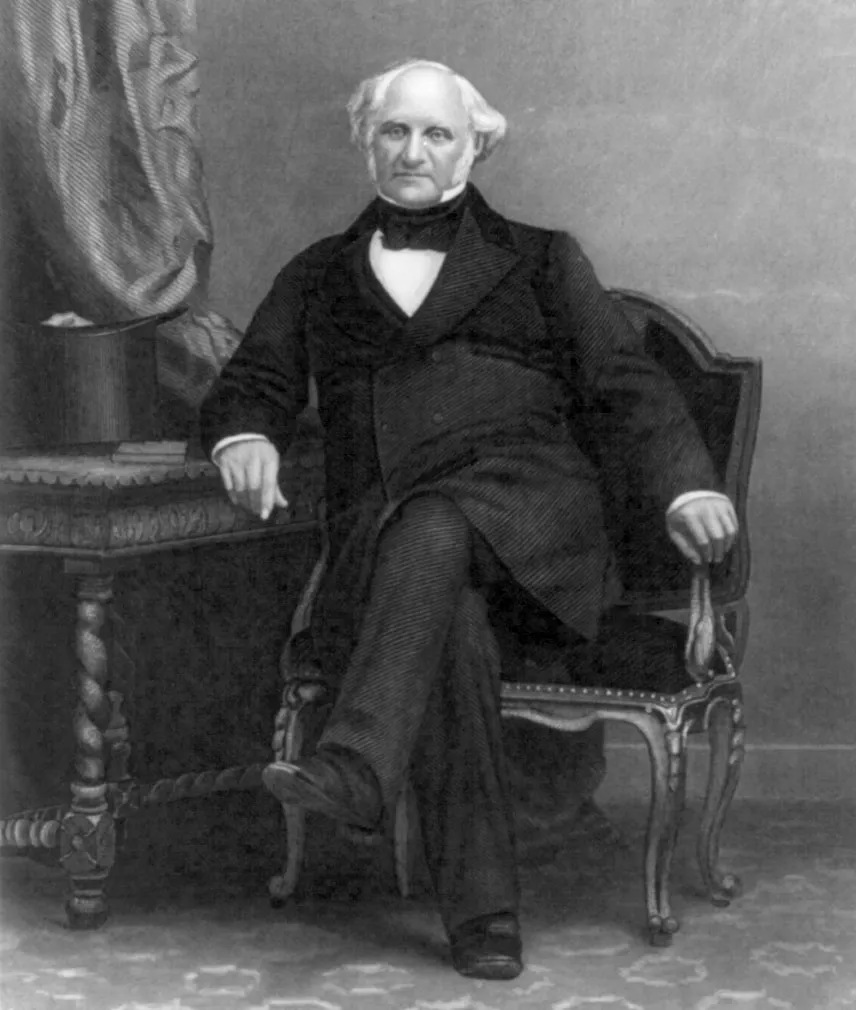
George Peabody
(George Peabody)
Banquier et bienfaiteur anglo-américain universellement salué comme le père de la philanthropie moderne, créateur du Peabody Trust à Londres.