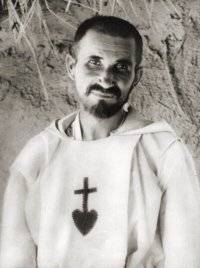
Saint Charles Eugรจne de Foucauld
Officier et explorateur franรงais devenu ermite au Sahara, pionnier du rachat des esclaves et linguiste rรฉdacteur du premier dictionnaire touareg-franรงais.
Start typing to search worldwide archives and community tributes
Filterable archive covering centuries of intellectual, artistic, and moral contributions to the human story.
Officier et explorateur franรงais devenu ermite au Sahara, pionnier du rachat des esclaves et linguiste rรฉdacteur du premier dictionnaire touareg-franรงais.
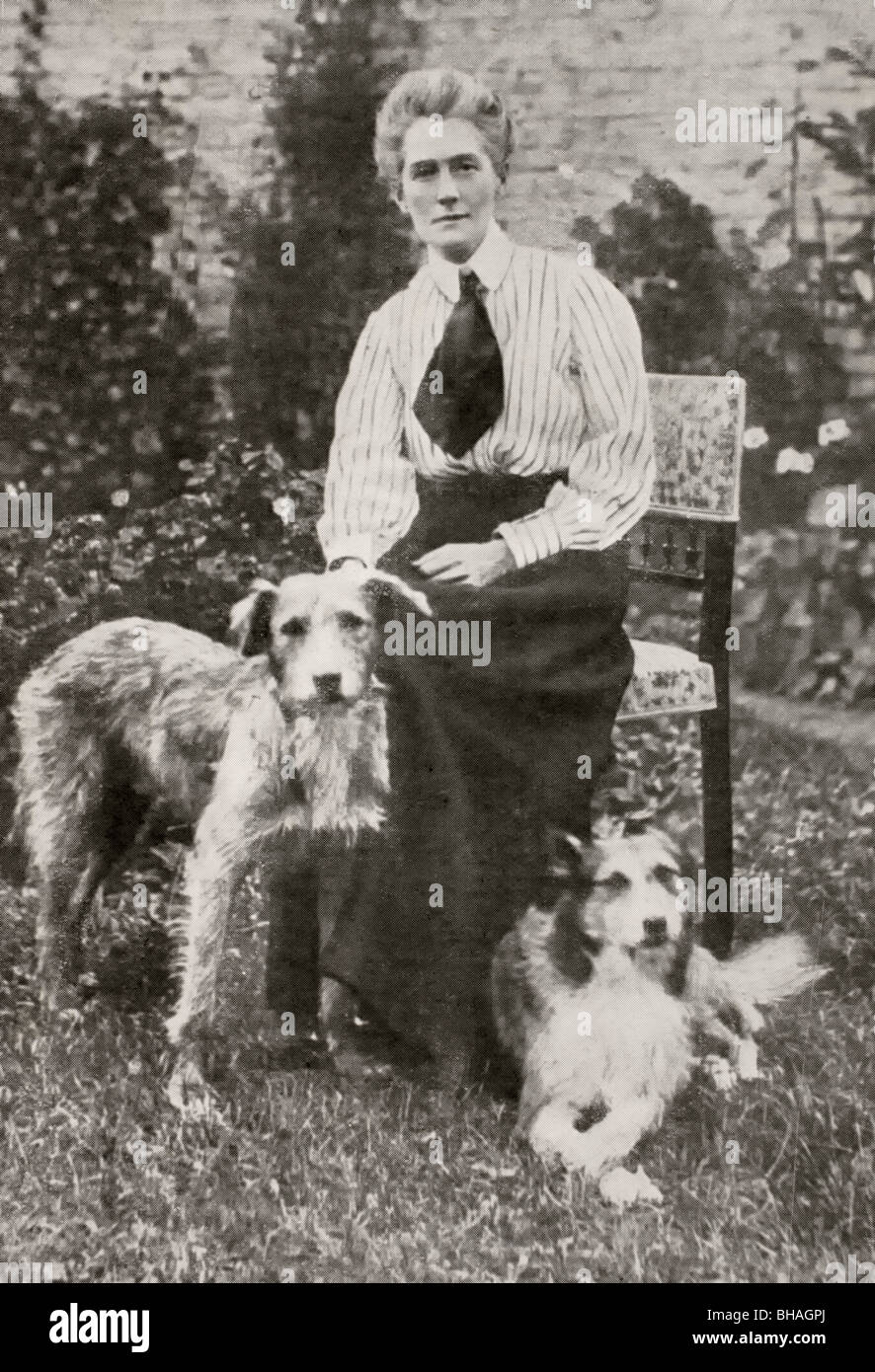
Edith Cavell was a British nurse and the pioneer of modern secular nursing in Belgium who treated wounded soldiers from both Allied and German forces without discrimination during World War I. She helped more than two hundred Allied soldiers escape from occupied Belgium to the neutral Netherlands, for which she was court-martialed and executed by a German firing squad, becoming a global symbol of moral courage.
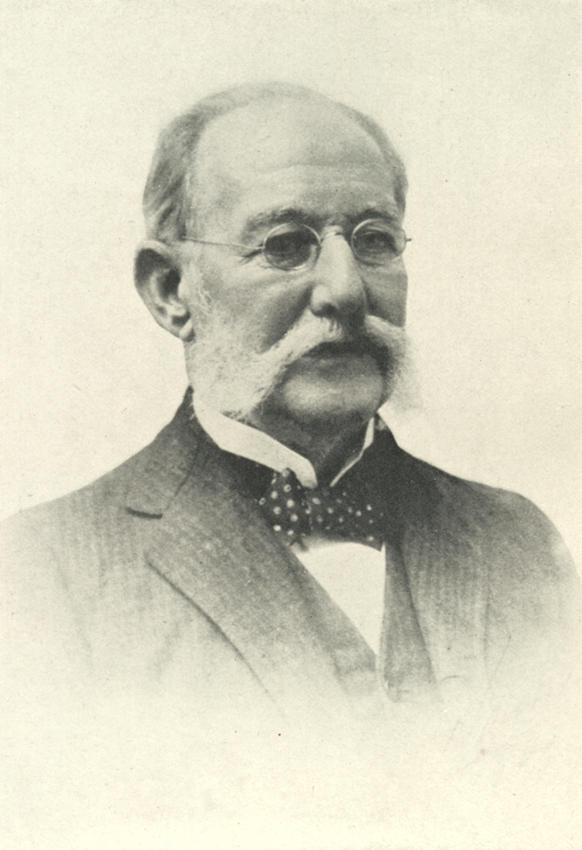
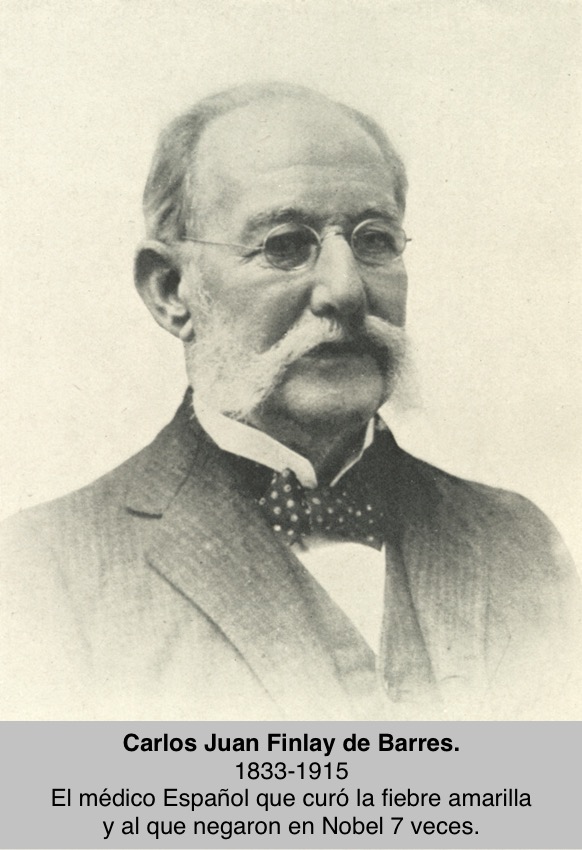
Cuban physician and epidemiologist who discovered in 1881 that yellow fever was transmitted by the Aedes aegypti mosquito, a revolutionary medical breakthrough that saved millions of lives and enabled the completion of the Panama Canal.
Mรฉdecin et รฉpidรฉmiologiste cubain, dรฉcouvreur visionnaire de la transmission de la fiรจvre jaune par le moustique vecteur (Aedes aegypti) dรจs 1881.
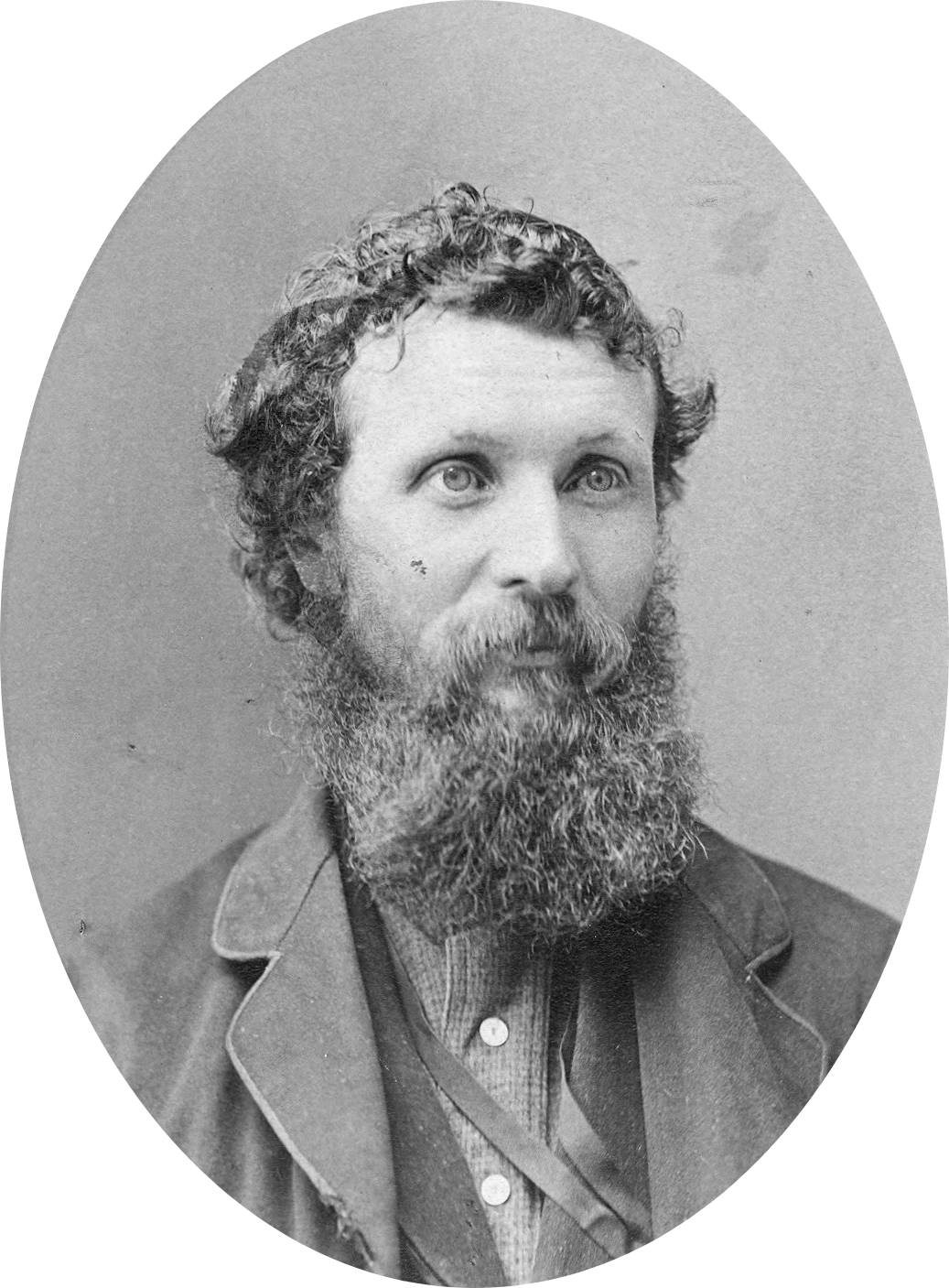
Scottish-born naturalist and preservationist revered as 'Father of the National Parks', whose poetic writings and activism led to the protection of Yosemite and Sequoia.
Pioneering African American abolitionist, poet, and diarist who traveled to the Sea Islands of South Carolina during the Civil War to educate liberated enslaved families in the historic Port Royal Experiment.
Charles Albert Gobat was a Swiss lawyer, statesman, and educator who served as administrator of the Inter-Parliamentary Union and later directed the International Peace Bureau. Jointly awarded the 1902 Nobel Peace Prize with รlie Ducommun, Gobat passed away while addressing a peace conference in Bern on the eve of World War I.
Tobias Asser was an eminent Dutch jurist who pioneered the international codification of private international law. He initiated and presided over the Hague Conferences on Private International Law (1893โ1904), co-founded the Institut de Droit International, and helped create the Hague Academy of International Law, receiving the 1911 Nobel Peace Prize.
Auguste Beernaert was a Belgian statesman who served as Prime Minister of Belgium from 1884 to 1894. A champion of international law, he represented Belgium at the 1899 and 1907 Hague Peace Conferences, presided over the Inter-Parliamentary Union, and promoted social legislation and Congo reform, sharing the 1909 Nobel Peace Prize with Paul-Henri d'Estournelles de Constant.
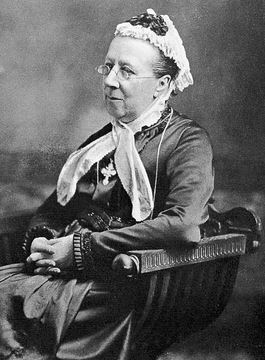
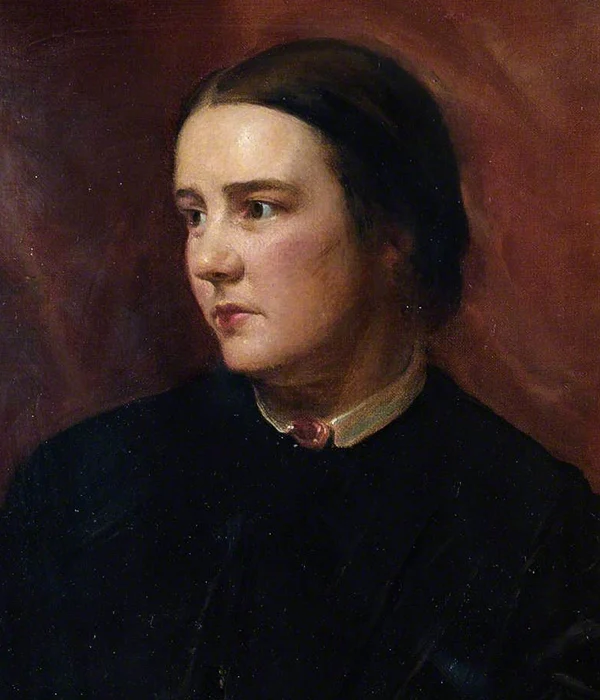
Rรฉformatrice sociale victorienne, fondatrice de la Workhouse Visiting Society, qui consacra cinquante ans ร humaniser les hospices de pauvres et ร professionnaliser les soins aux vieillards indigents.
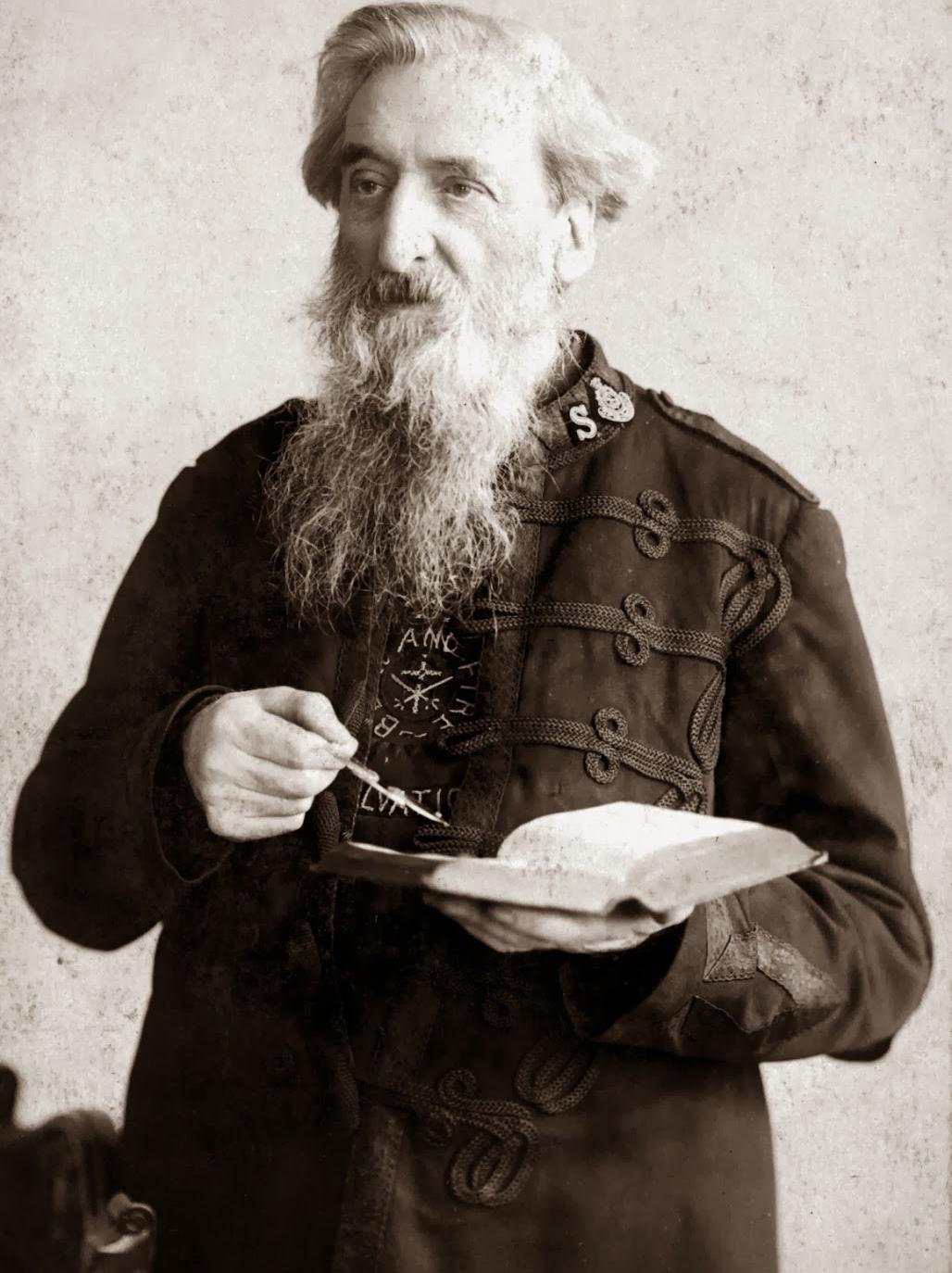
Prรฉdicateur britannique, fondateur et premier Gรฉnรฉral de l'Armรฉe du Salut en 1865, alliant secours social concret (nourriture, abri, rรฉinsertion) et rรฉdemption spirituelle.
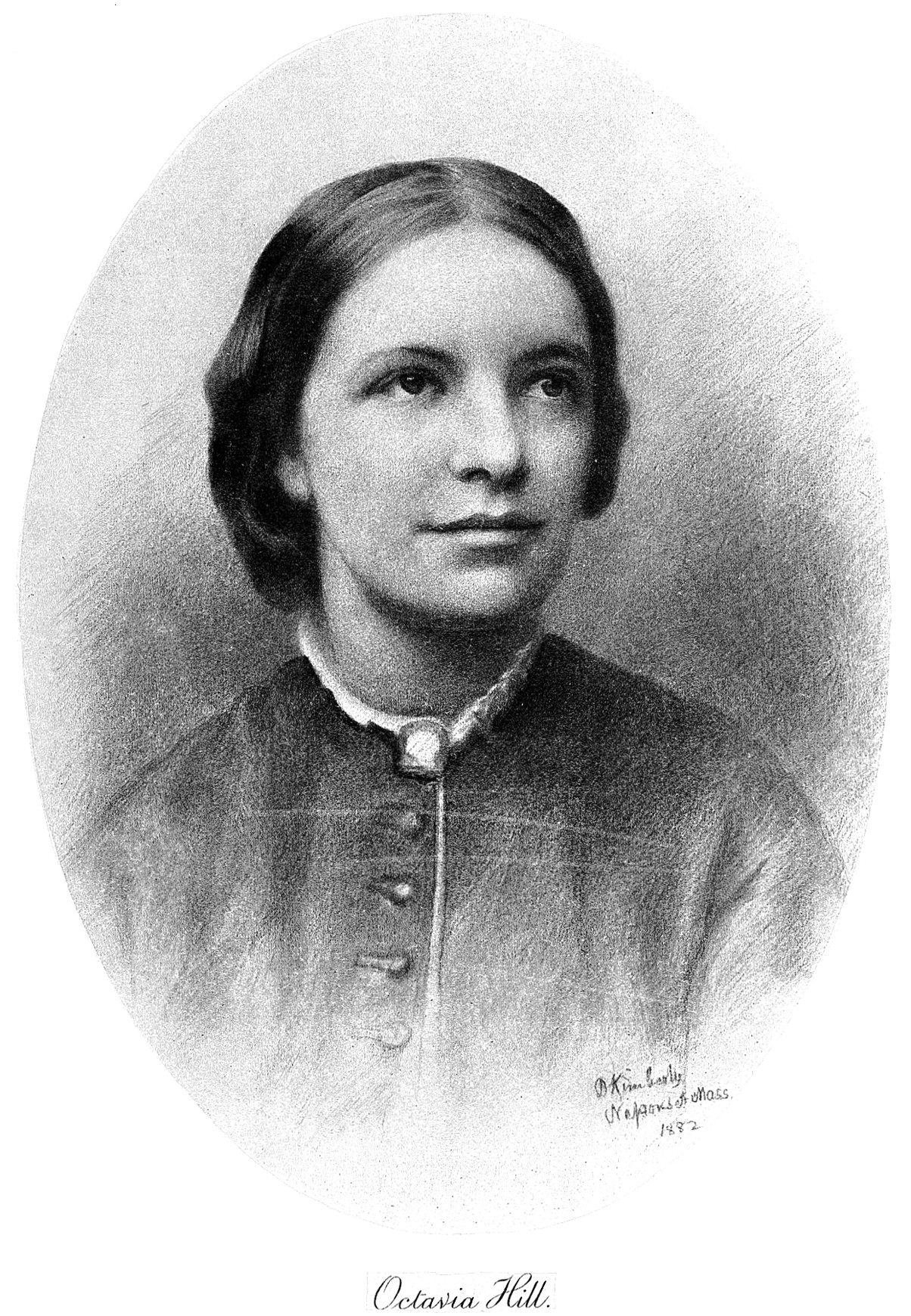
Pioneering British social reformer who founded modern social housing management in London's slums, championed urban public green spaces, and co-founded the National Trust in 1895 to preserve open lands for all citizens.
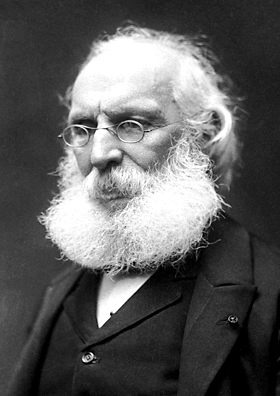
Frรฉdรฉric Passy was a French political economist and pacifist who co-founded the Inter-Parliamentary Union in 1889 alongside William Randal Cremer. Revered as the dean of the international peace movement, Passy was awarded the inaugural Nobel Peace Prize in 1901 jointly with Henry Dunant.
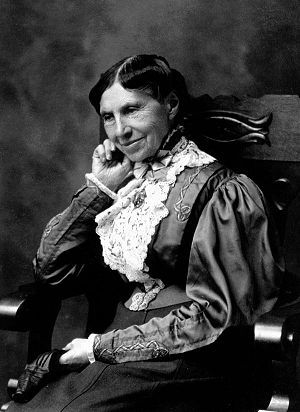
Clara Barton was a pioneering American nurse and humanitarian who ministered to wounded soldiers on the front lines of the American Civil War, earning the moniker 'Angel of the Battlefield'. She founded the American Red Cross in 1881 and served as its first president for over two decades, expanding its humanitarian mandate to include peacetime disaster relief.
Mรฉdecin et rรฉformatrice britannique, cheffe de file des ยซ Sept d'รdimbourg ยป et fondatrice des premiรจres facultรฉs de mรฉdecine pour femmes ร Londres et en รcosse.
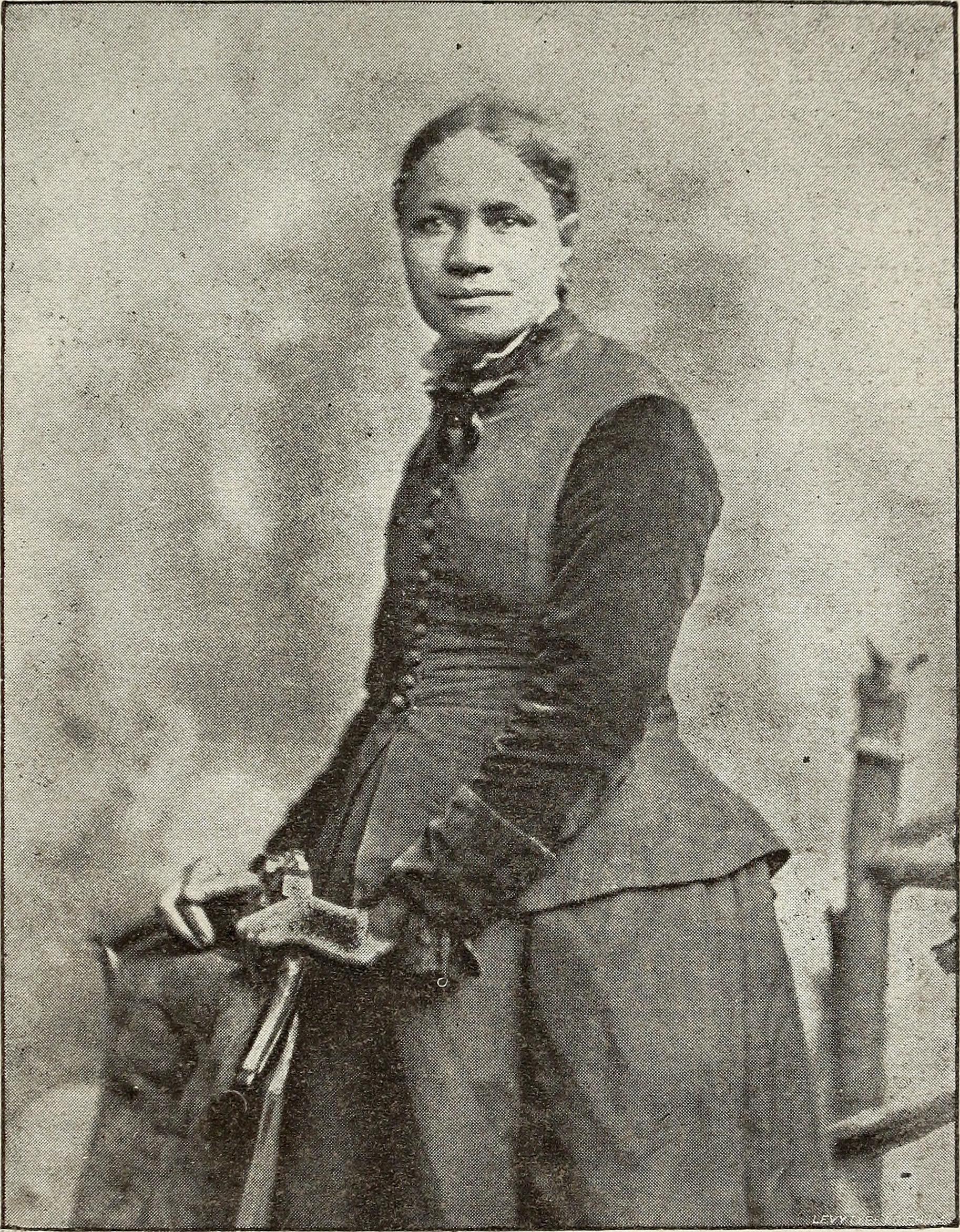
Celebrated African American abolitionist orator and poet acclaimed as the 'Mother of African American Journalism', whose bestselling poetry and 1892 novel 'Iola Leroy' championed Black freedom, temperance, and women's rights.
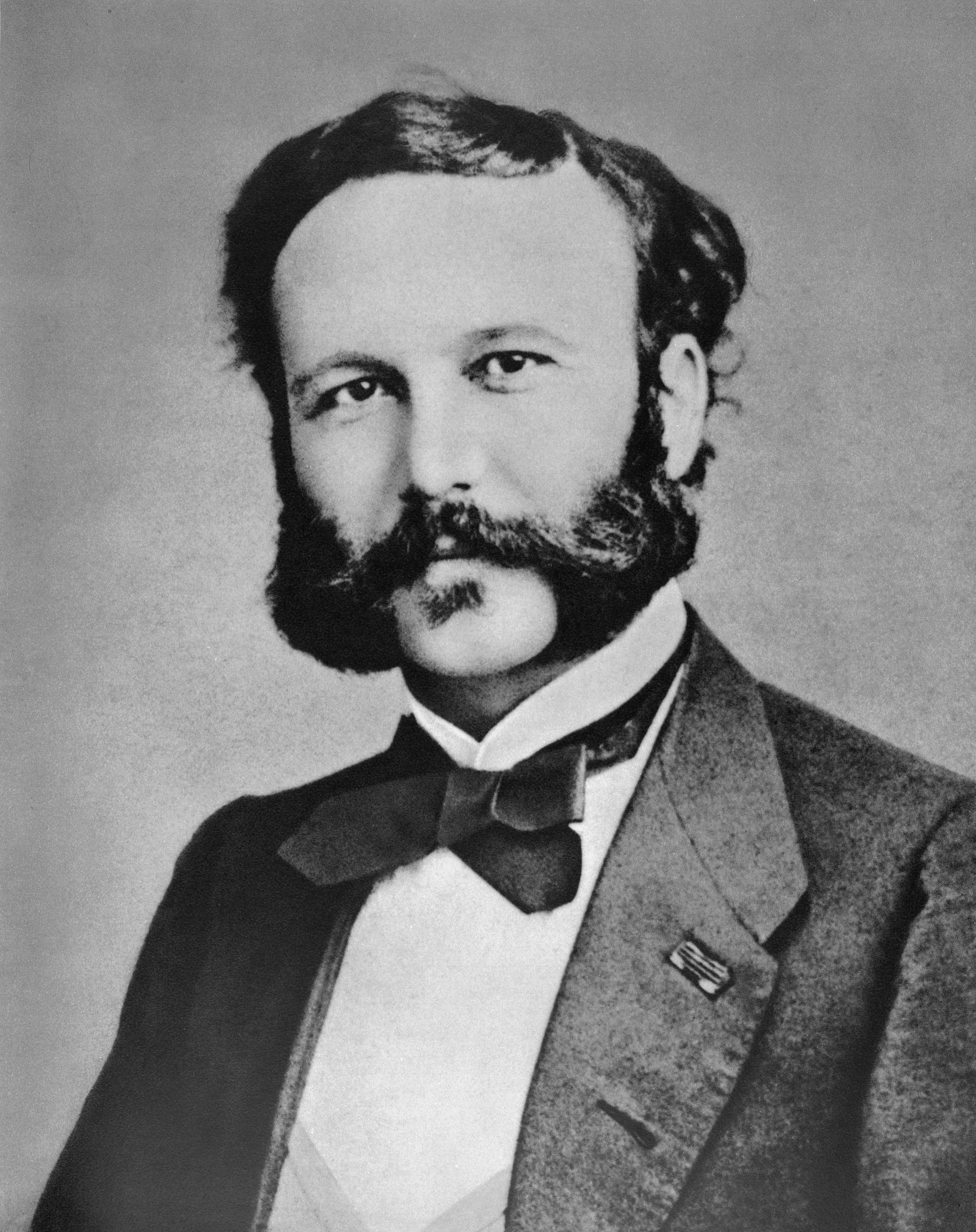
Swiss humanitarian whose horror at the slaughter of the 1859 Battle of Solferino inspired him to found the International Committee of the Red Cross and spark the Geneva Convention, recipient of the first Nobel Peace Prize in 1901.
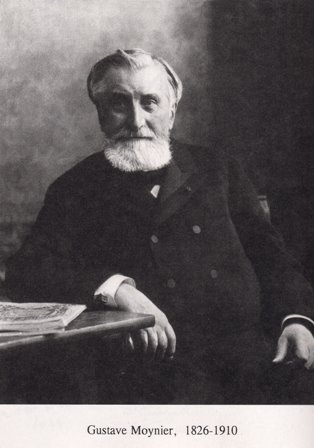
Gustave Moynier was a Swiss jurist and humanitarian who co-founded the International Committee of the Red Cross (ICRC) alongside Henri Dunant in 1863. Serving as ICRC President for forty-seven years (1863โ1910), he drafted the first Geneva Convention and pioneered international humanitarian law, being the first person in history to propose a permanent international criminal court in 1872.