 Cuba
•
2 views
Cuba
•
2 views
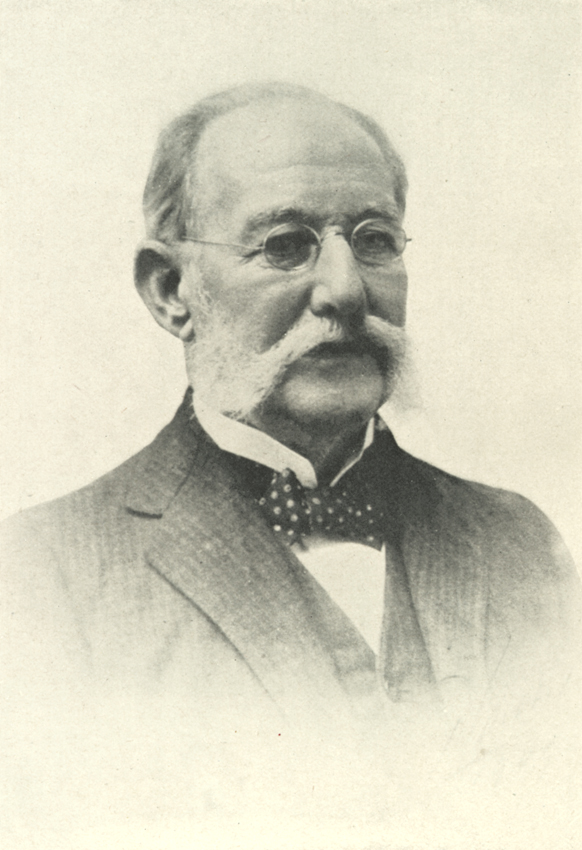
Carlos Juan Finlay

Puerto Principe (Camaguey), Cuba
Archival Overview
Cuban physician and epidemiologist who discovered in 1881 that yellow fever was transmitted by the Aedes aegypti mosquito, a revolutionary medical breakthrough that saved millions of lives and enabled the completion of the Panama Canal.
Biographical Record
Carlos Juan Finlay (1833–1915) was educated in France and Philadelphia before returning to Havana, where yellow fever epidemics killed thousands of residents and sailors annually. Rejecting the entrenched consensus that the disease spread through filth or airborne miasma, Finlay hypothesized an intermediate biological vector.
In 1881, Finlay presented his findings to the International Sanitary Conference in Washington and the Royal Academy of Medical Sciences in Havana, identifying the female Aedes aegypti mosquito. Validated twenty years later by Walter Reed's commission, Finlay's mosquito eradication protocols eliminated yellow fever from Cuba and Panama.
Key Life Milestones
Discovery of Mosquito Transmission of Yellow Fever
Presented his revolutionary mosquito vector theory to the International Sanitary Conference.
Chief Health Officer of Independent Cuba
Directed nationwide sanitation campaigns that eradicated yellow fever and malaria from Cuba.
Memorial Guestbook & Tributes
0 messages recordedLeave a Respectful Tribute
Final Resting Place
Perpetual MemorialHavana, Cuba