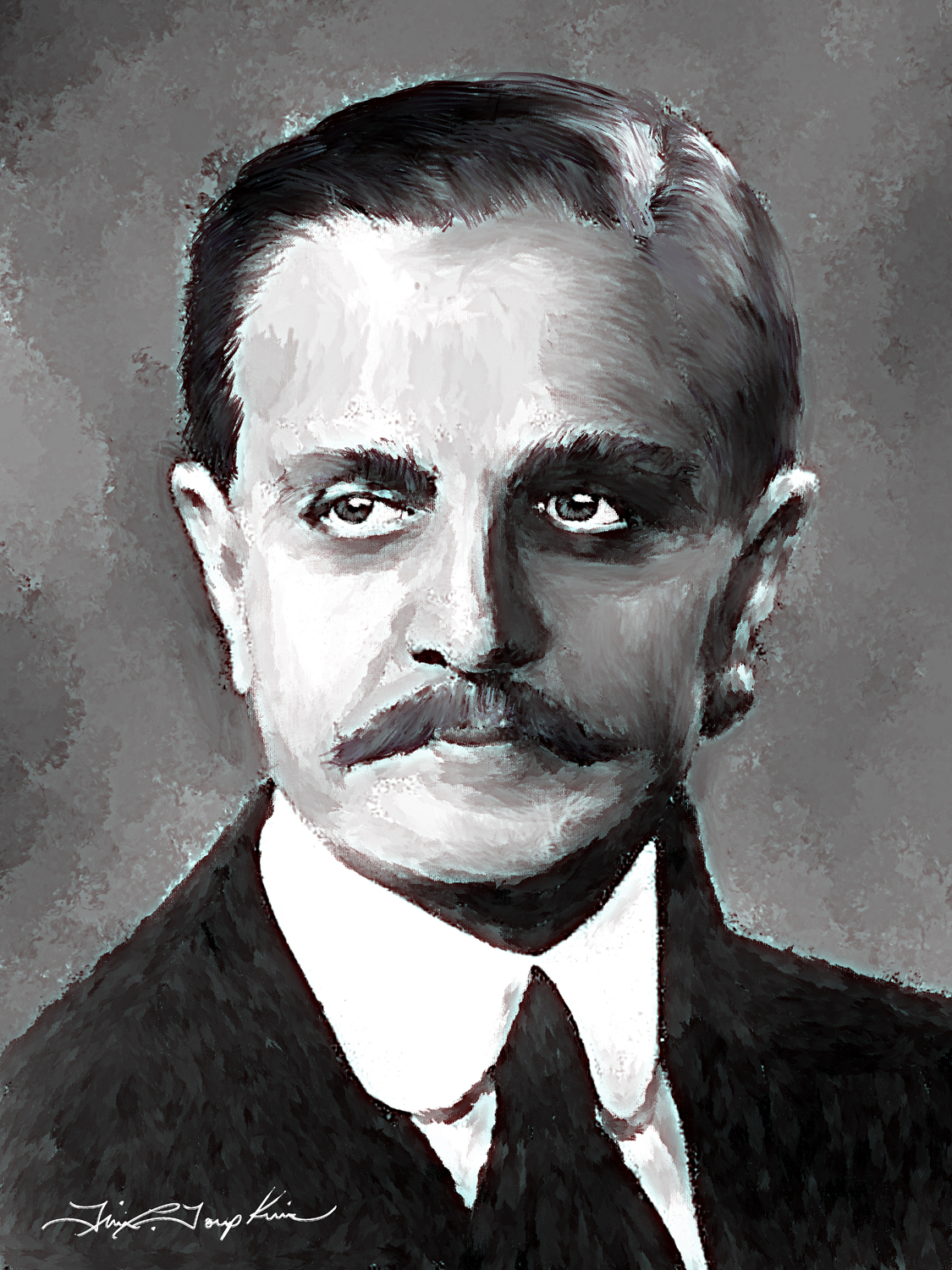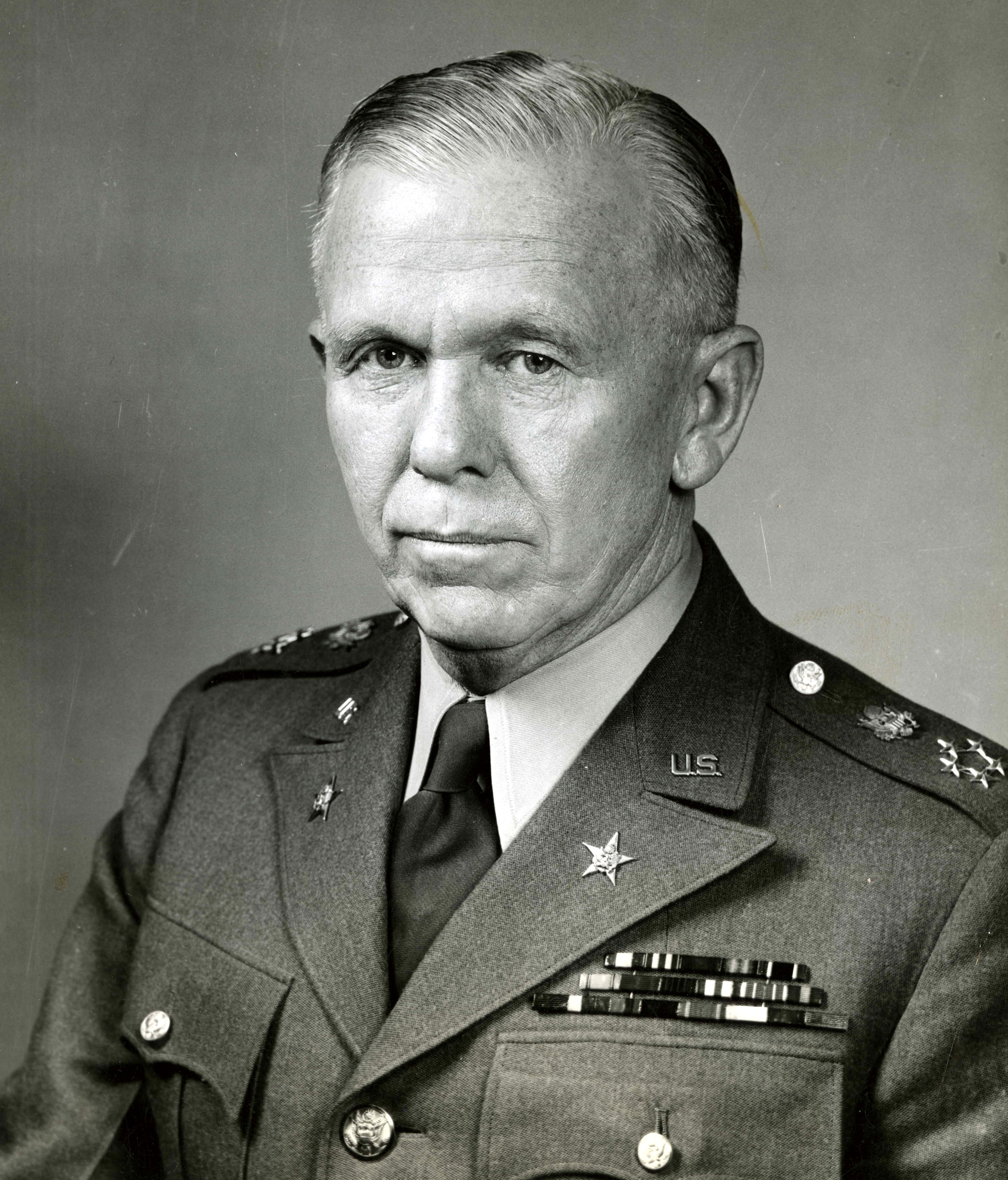
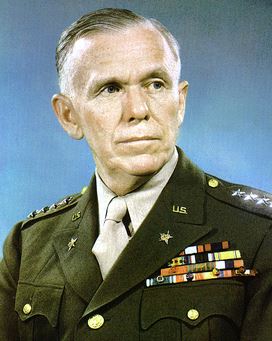
General George C. Marshall
General of the Army hailed by Winston Churchill as the 'organizer of victory' in WWII, who expanded the US Army to 8.5 million men and created the Marshall Plan.
Start typing to search worldwide archives and community tributes
Filterable archive covering centuries of intellectual, artistic, and moral contributions to the human story.
General of the Army hailed by Winston Churchill as the 'organizer of victory' in WWII, who expanded the US Army to 8.5 million men and created the Marshall Plan.
Orchestrated the greatest economic recovery initiative in modern history, preventing European economic collapse and communist subversion.
Three-time European Drivers' Champion for Mercedes-Benz and peerless 'Regenmeister' (Rainmaster) whose supreme wet-weather mastery and 1938 public road speed record of 432.7 km/h stood for nearly eighty years.
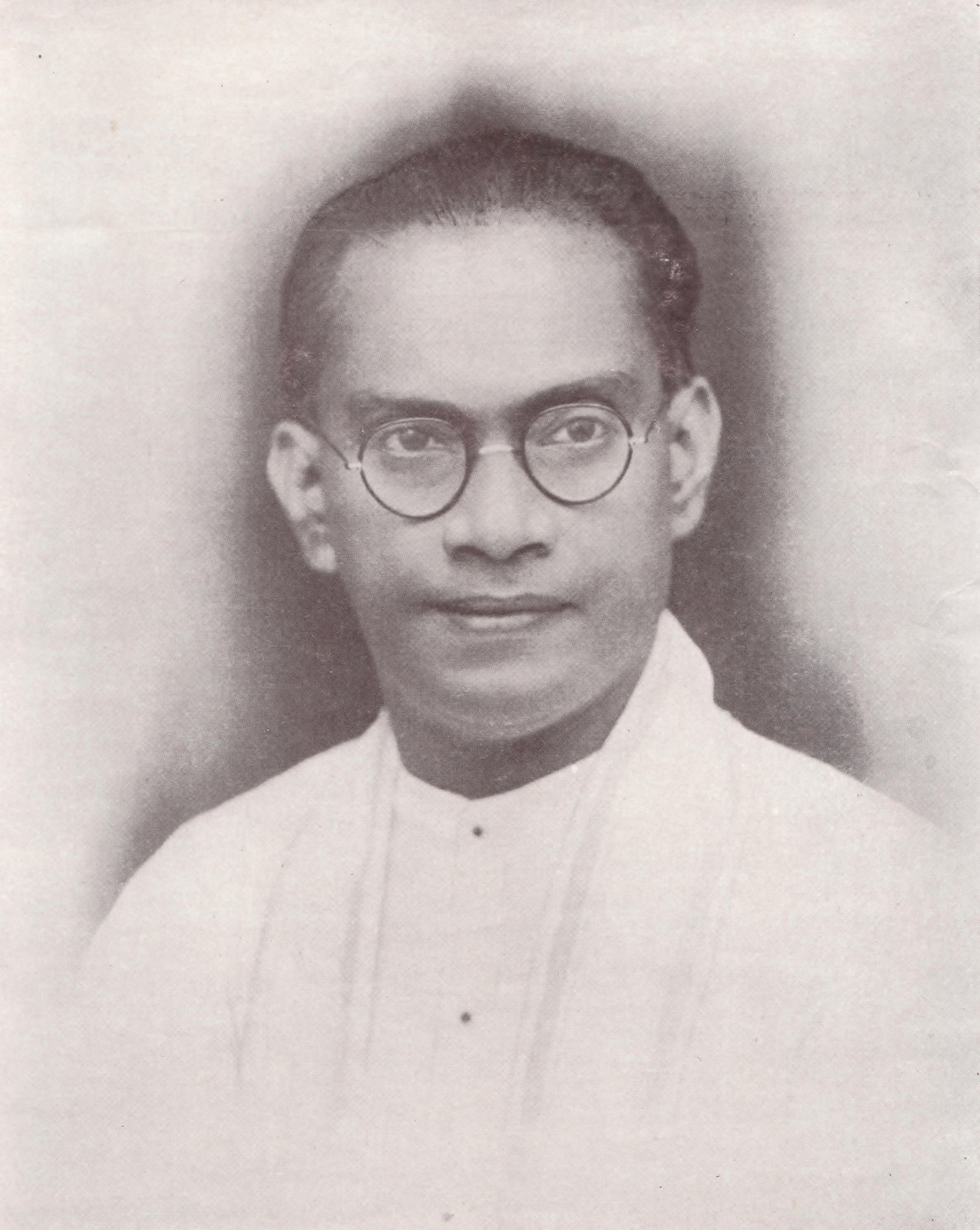
Fourth Prime Minister of Ceylon who founded the Sri Lanka Freedom Party (SLFP), championed the Sinhala Only Act of 1956, and removed British naval and air bases from the island.
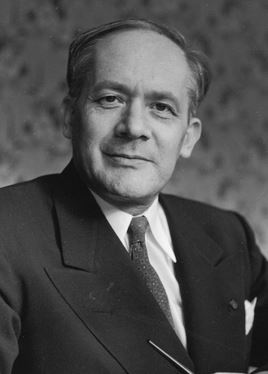
Raphael Lemkin was a Polish-Jewish international legal scholar and visionary crusader who coined the word 'genocide' in 1944 to define the systematic destruction of national, ethnic, racial, or religious groups. Single-handedly lobbying the fledgling United Nations, he drafted and secured the unanimous adoption of the 1948 Convention on the Prevention and Punishment of the Crime of Genocide, forever altering global jurisprudence.
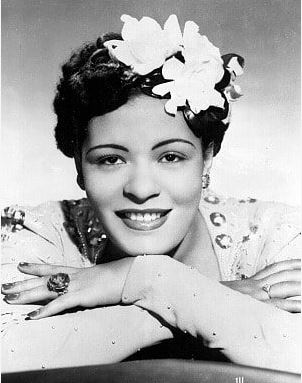
Incomparable jazz vocalist whose conversational phrasing, subtle emotional timing, and fearless 1939 recording of Strange Fruitโthe definitive protest anthem against Southern lynchingsโtransformed American vocal art.
German-American caricaturist and painter whose razor-sharp, satirical draughtsmanship savagely unmasked the militarism, corruption, and decadence of Weimar Germany.
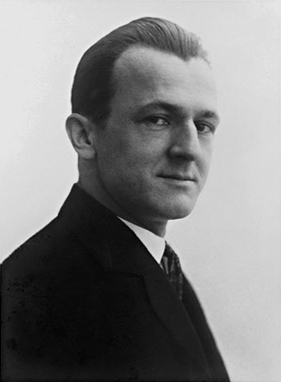
Carlos Saavedra Lamas was an Argentine jurist, diplomat, and Minister of Foreign Affairs (1932โ1938) who drafted the historic 1933 Anti-War Treaty of Non-Aggression and Conciliation. He mediated the end of the devastating Chaco War between Bolivia and Paraguay and served as President of the Assembly of the League of Nations, becoming the first Latin American recipient of the Nobel Peace Prize in 1936.
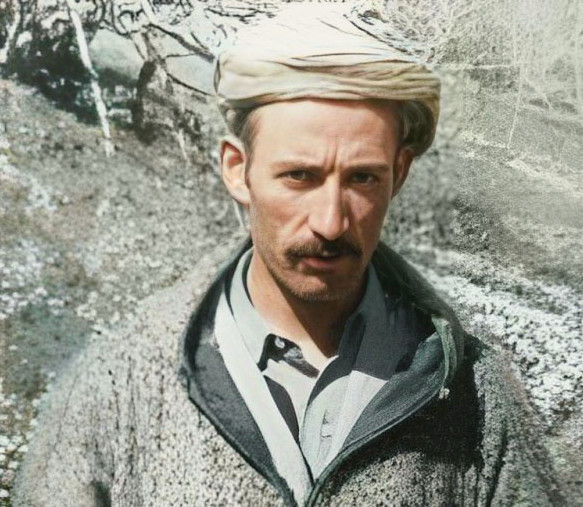
Fabled Algerian military commander whose peerless mountain warfare tactics and iron discipline in Wilaya III made him a legendary figure of the National Liberation Army.
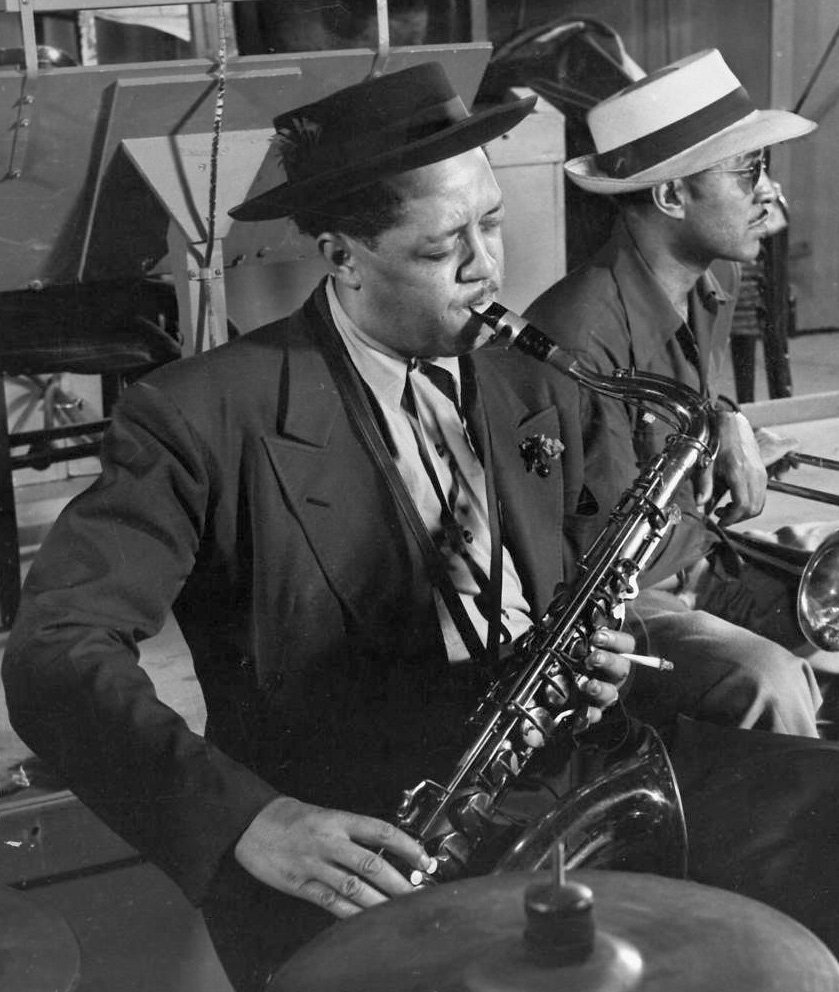
American jazz tenor saxophonist dubbed 'Pres', whose relaxed, airy tone, floating rhythmic phrasing, and hipster slang provided the foundational inspiration for cool jazz and bebop.
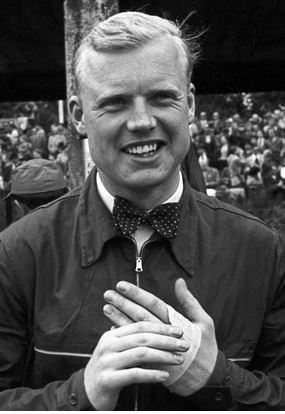
First British Formula One World Champion (1958) and 1955 24 Hours of Le Mans winner, famed for racing in his trademark bow tie and flat cap, who tragically died in a road crash months after retiring.
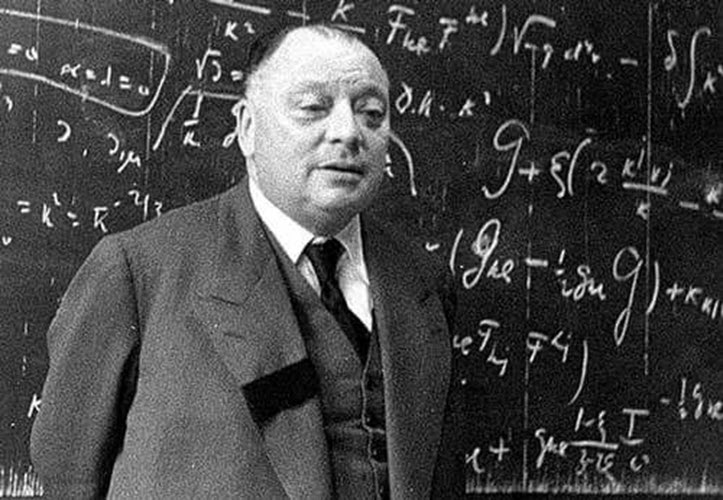
Brilliant theoretical physicist who formulated the Pauli exclusion principle and predicted the existence of the neutrino.
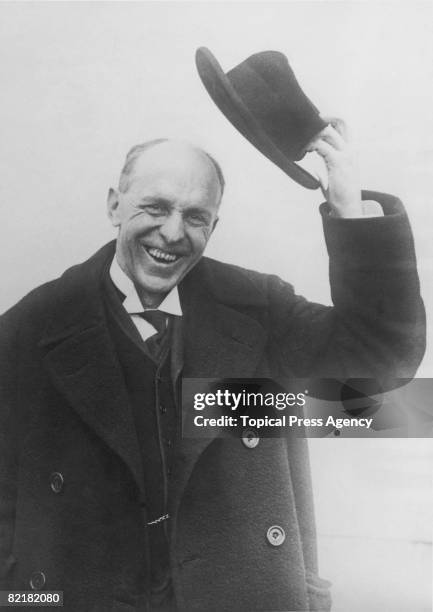
Homme d'รtat et diplomate britannique, l'un des principaux architectes de la Sociรฉtรฉ des Nations et laurรฉat du prix Nobel de la paix 1937.
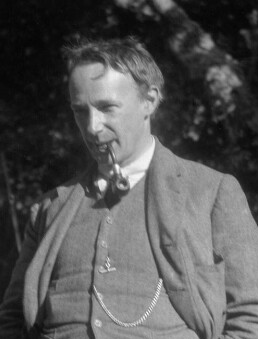
British philosopher who co-founded analytic philosophy with Bertrand Russell, famous for Principia Ethica, the concept of the naturalistic fallacy, and his common sense defense of the external world.
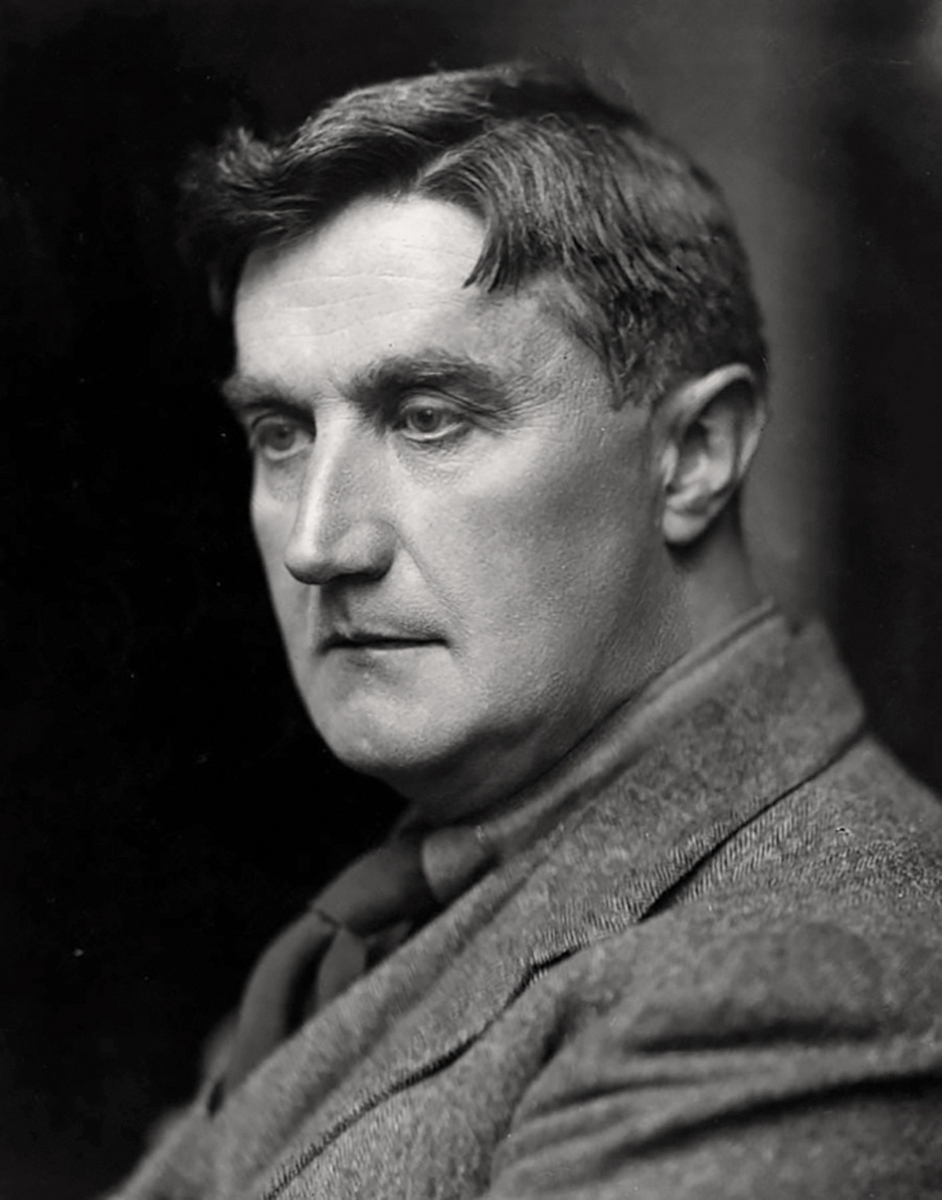
Dean of 20th-century British music, acclaimed for The Lark Ascending, Fantasia on a Theme by Thomas Tallis, and nine symphonies.
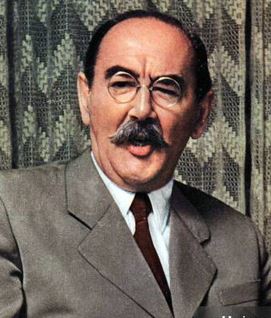
Imre Nagy was a reform-minded Hungarian communist statesman who served as Prime Minister during the 1956 Hungarian Revolution. Siding courageously with the popular uprising, he abolished the one-party monopoly, established a multiparty coalition, and declared Hungary's neutrality and withdrawal from the Warsaw Pact. Crushed by the Soviet military invasion, he refused to recant and was executed for treason in 1958.
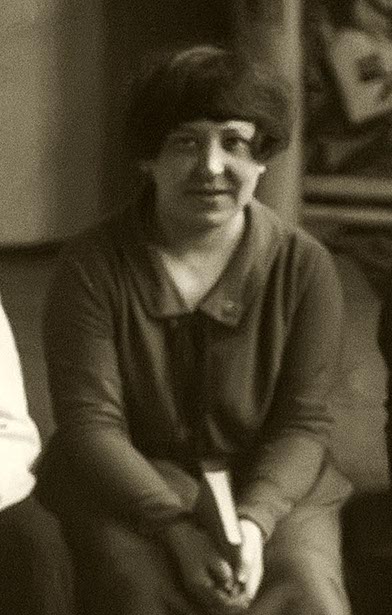
Russian Constructivist artist who radically transformed Soviet industrial textile production, theatrical costume design, and avant-garde typography under the pseudonym Varst.
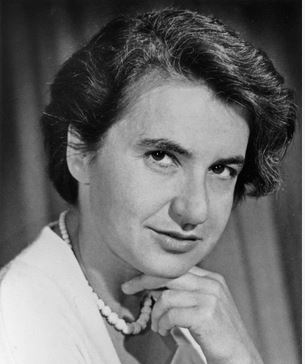
Brilliant British chemist and X-ray crystallographer whose historic Photo 51 provided the vital experimental proof revealing the helical double-helix architecture of DNA.