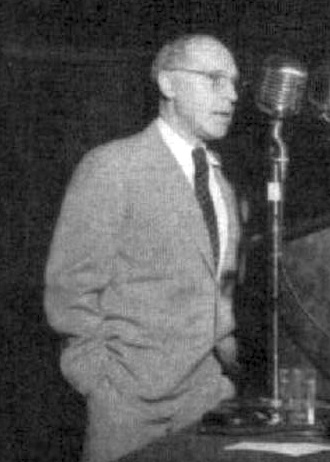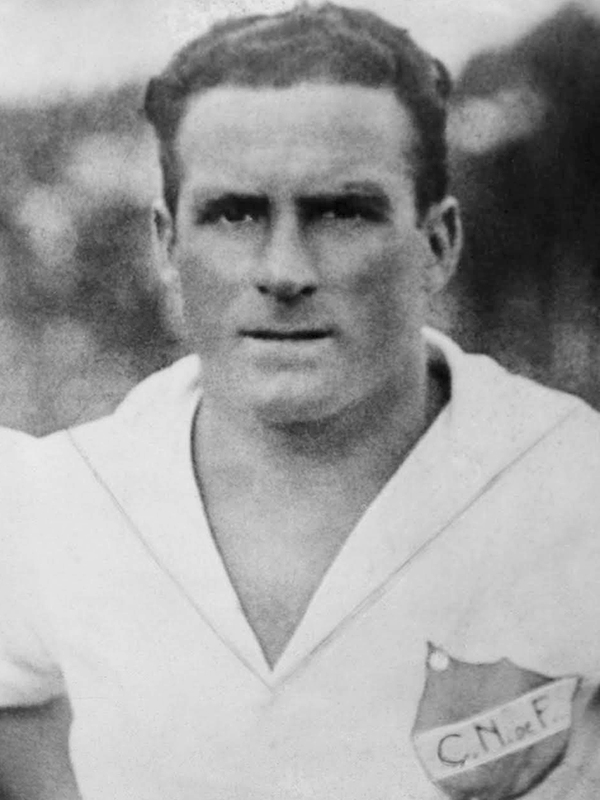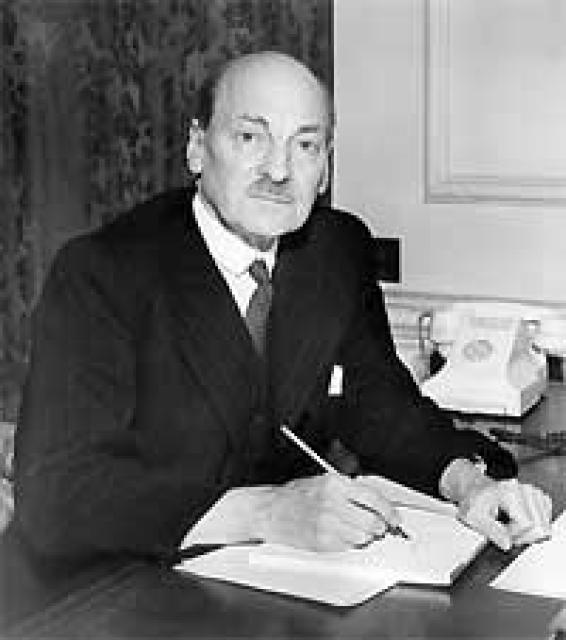
Clement Attlee, 1st Earl Attlee
British Labour Prime Minister who established the modern Welfare State, founded the National Health Service (NHS), and presided over the independence of India.
Start typing to search worldwide archives and community tributes
Filterable archive covering centuries of intellectual, artistic, and moral contributions to the human story.
British Labour Prime Minister who established the modern Welfare State, founded the National Health Service (NHS), and presided over the independence of India.
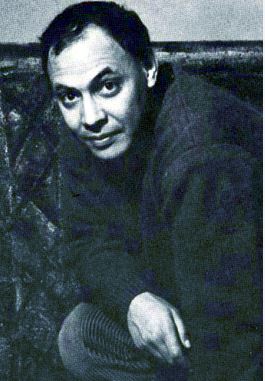
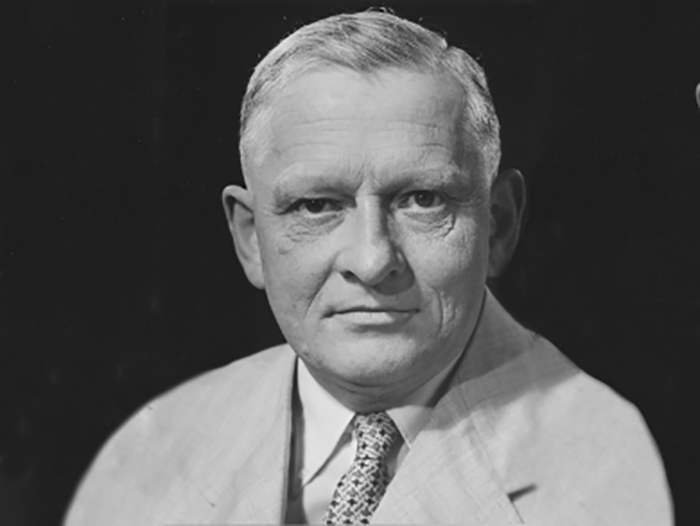
Sir Norman Angell was a British author, economist, and Member of Parliament whose 1909 book 'The Great Illusion' became an international publishing phenomenon translated into twenty-five languages. Demonstrating that modern global financial and commercial integration rendered military conquest economically ruinous for both victor and vanquished, he was awarded the 1933 Nobel Peace Prize.
Pioneering Moroccan painter who founded modern Moroccan abstract art by fusing traditional Amazigh pottery signs, tattoos, and Arabic calligraphy with European post-war lyrical abstraction.
Belgian Surrealist artist celebrated for his thought-provoking, witty illusions challenging reality and human perception.
Viennese-born biochemist awarded the 1938 Nobel Prize in Chemistry for his groundbreaking investigations of carotenoids and vitamins, including the isolation of Vitamin B2 (riboflavin) and B6.
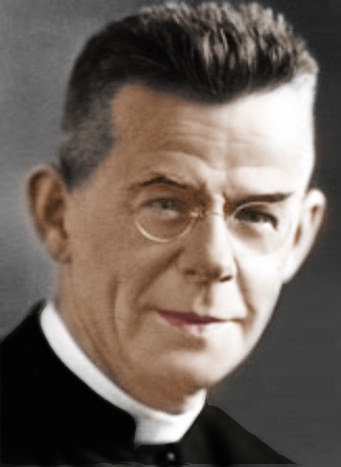
Belgian Roman Catholic cardinal who founded the Young Christian Workers (YCW) movement and formulated the influential 'See, Judge, Act' methodology of social activism.
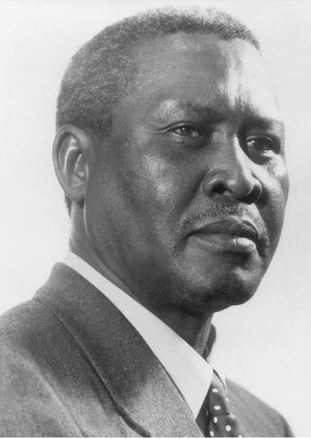
First African to receive the Nobel Peace Prize; set the moral foundation of non-violent resistance and democratic brotherhood for the South African anti-apartheid movement.
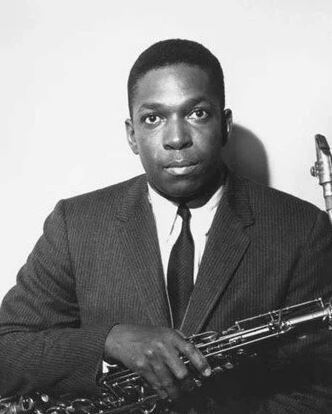
Titan of the tenor and soprano saxophone whose torrents of sound ('sheets of sound'), harmonic breakthrough Giant Steps, and sacred modal masterpiece A Love Supreme transformed jazz into a spiritual quest.
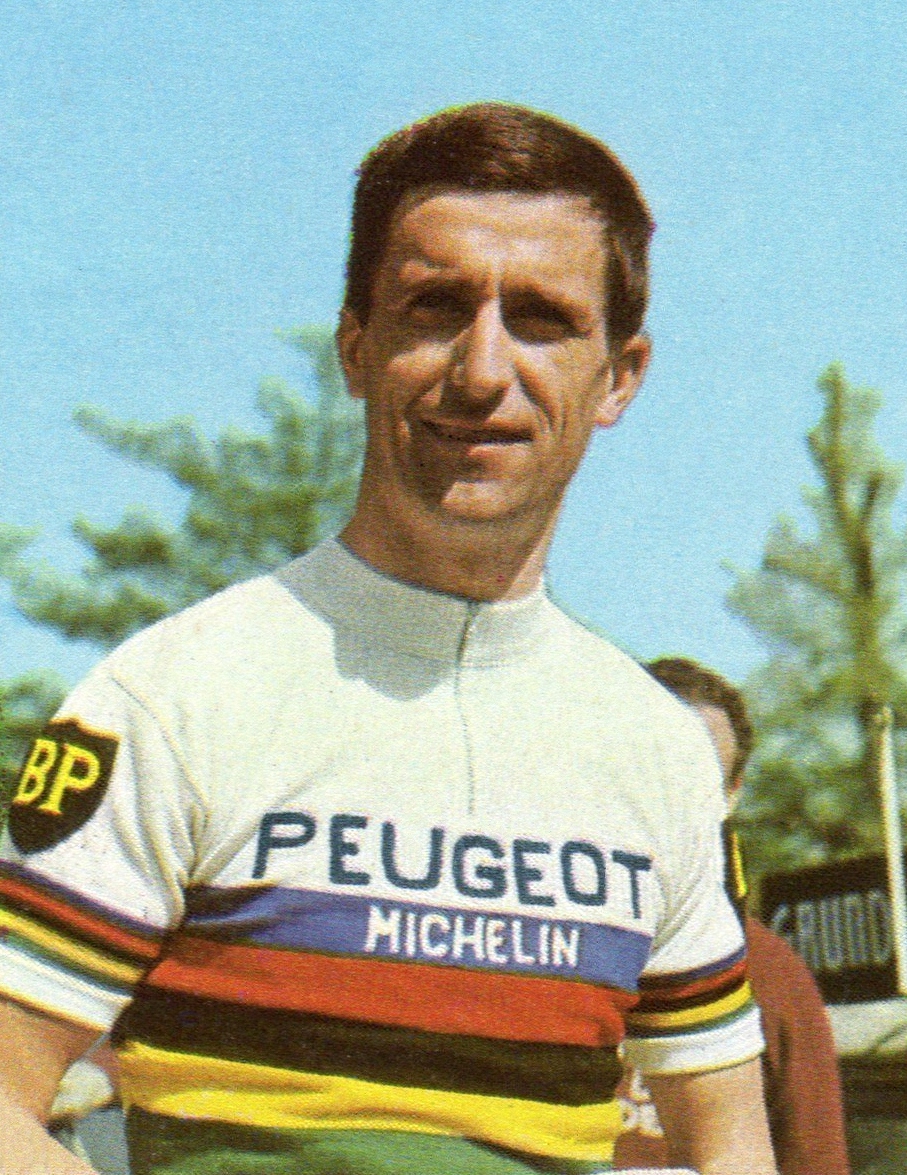
British road racing cyclist, 1965 UCI World Road Champion, winner of three Monuments, whose tragic death on Mont Ventoux became a watershed moment for sport anti-doping.
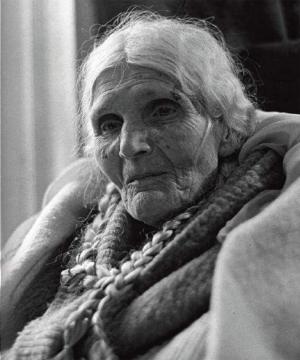
Pioneering Berber autobiographer and oral folklorist whose posthumous memoir 'Histoire de ma vie' (1968) is a foundational masterpiece of modern North African literature.
First President of post-independence Syria (1943-1949, 1955-1958) who voluntarily relinquished power to form the United Arab Republic.
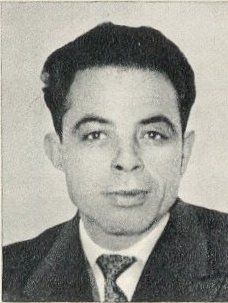
Hero of the armed resistance in southern Tunisia and legendary Secretary General of the UGTT trade union, who advocated democratic pluralism and labor independence.
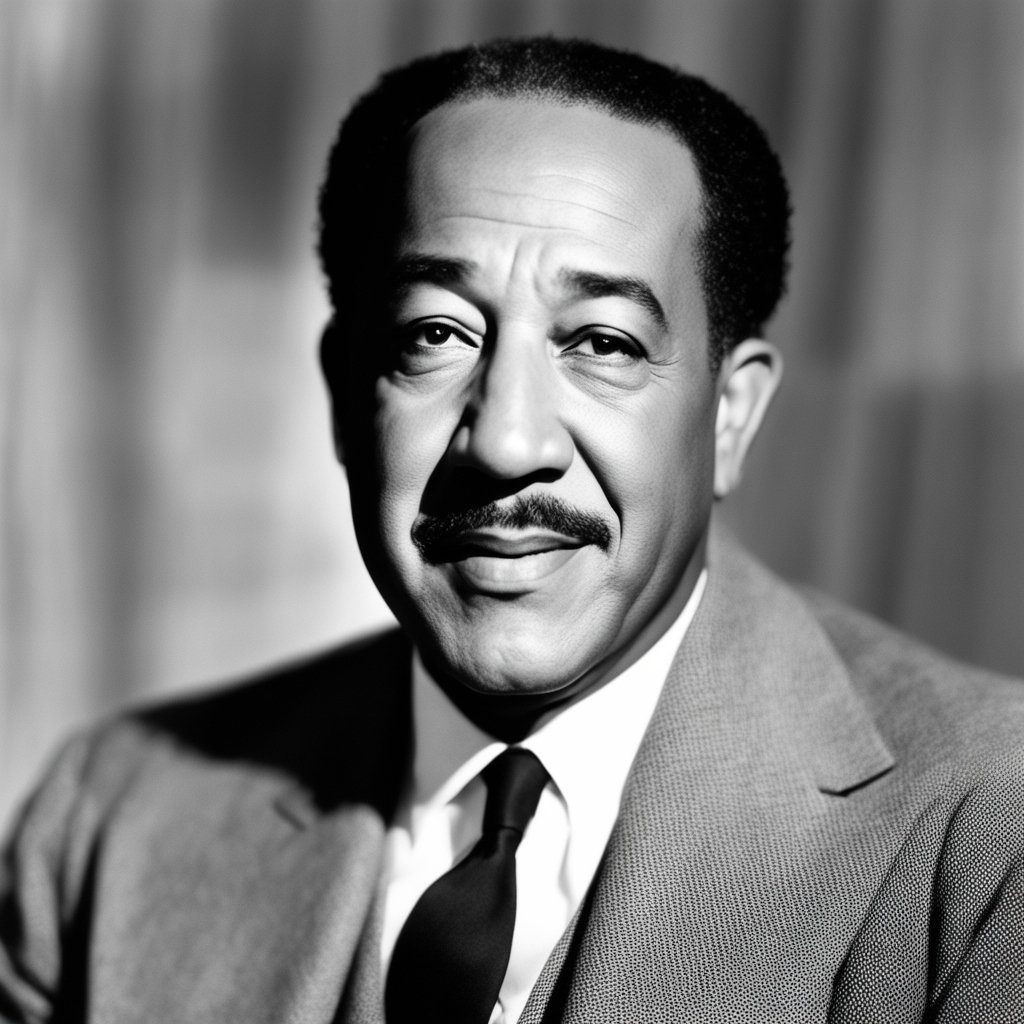
Poet Laureate of Harlem and leading voice of the Harlem Renaissance who invented jazz poetry in 'The Negro Speaks of Rivers', The Weary Blues, and 'Harlem'.
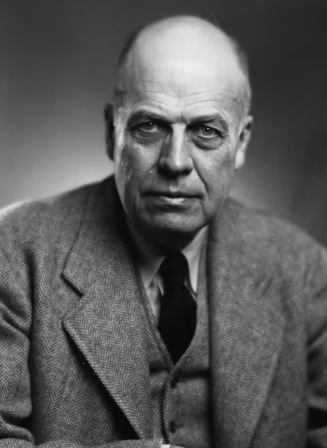
American Realist painter renowned for his quietly cinematic depictions of urban loneliness, quiet diners, and stark seaside light.
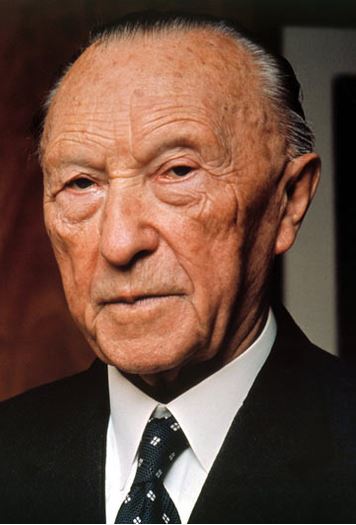
Rebuilt a devastated Germany into a prosperous democracy (Wirtschaftswunder) and signed the historic รlysรฉe Treaty with Charles de Gaulle in 1963.
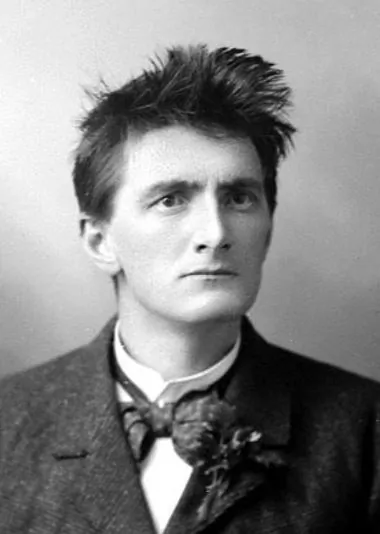
Beloved Norwegian author who worked in the Rรธros copper mines from age eight and chronicled the toil, folklore, and resilience of miners in epics like Christianus Sextus.
American geneticist who won the 1946 Nobel Prize in Medicine for discovering that X-ray radiation induces artificial genetic mutations, launching radiation genetics and leading the global scientific crusade against nuclear fallout.
Uruguayan inside-forward nicknamed 'El Mago' (The Wizard) who won two Olympic golds (1924, 1928), four Copas America, and the inaugural 1930 FIFA World Cup.