 United States
•
3 views
United States
•
3 views
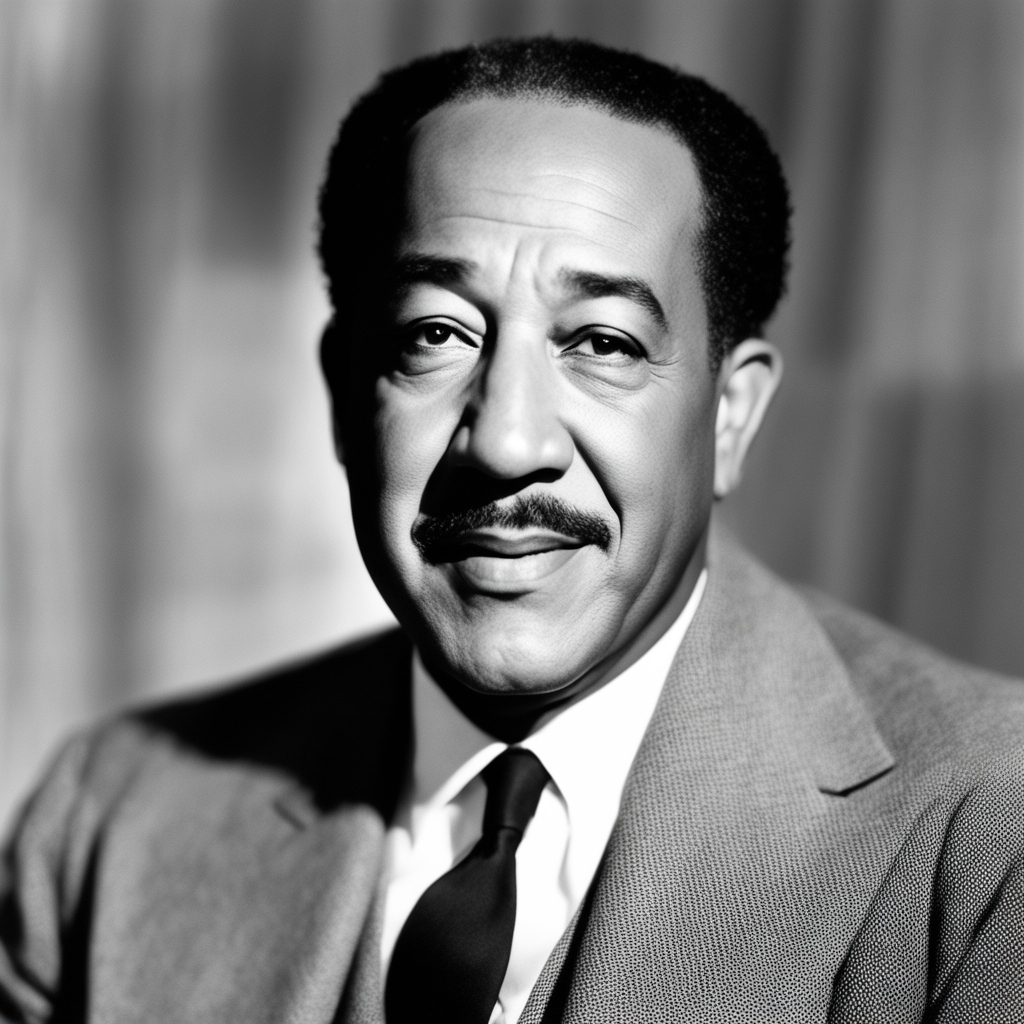
Langston Hughes

Joplin, Missouri, United States
Archival Overview
Poet Laureate of Harlem and leading voice of the Harlem Renaissance who invented jazz poetry in 'The Negro Speaks of Rivers', The Weary Blues, and 'Harlem'.
Biographical Record
James Mercer Langston Hughes (1901–1967) was an American poet, novelist, playwright, and columnist who was the leading creative light of the Harlem Renaissance of the 1920s. At only seventeen, while crossing the Mississippi River on a train to Mexico, he composed his famous breakthrough poem 'The Negro Speaks of Rivers' ('My soul has grown deep like the rivers').
In his landmark 1926 manifesto The Negro Artist and the Racial Mountain, Hughes boldly declared: 'We younger Negro artists who create now intend to express our individual dark-skinned selves without fear or shame'. Hughes pioneered 'jazz poetry', weaving blues rhythms, vernacular street speech, and folk humor into collections like The Weary Blues (1926) and Montage of a Dream Deferred (1951), which famously asked: 'What happens to a dream deferred? Does it dry up like a raisin in the sun?'
Key Life Milestones
The Weary Blues and Manifesto
Published The Weary Blues and his essay 'The Negro Artist and the Racial Mountain', defining the aesthetic agenda of Black modernism.
Harlem (A Dream Deferred)
Published 'Harlem', containing the immortal phrase 'a raisin in the sun' that inspired Lorraine Hansberry's historic play.
Memorial Guestbook & Tributes
0 messages recordedLeave a Respectful Tribute
Final Resting Place
Perpetual MemorialHarlem (New York City), United States