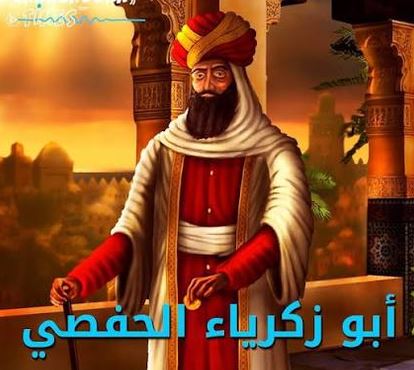
Abu Zakariya Yahya
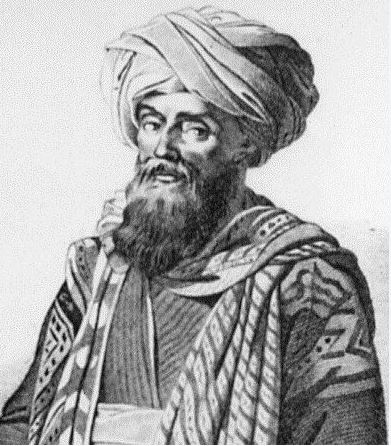
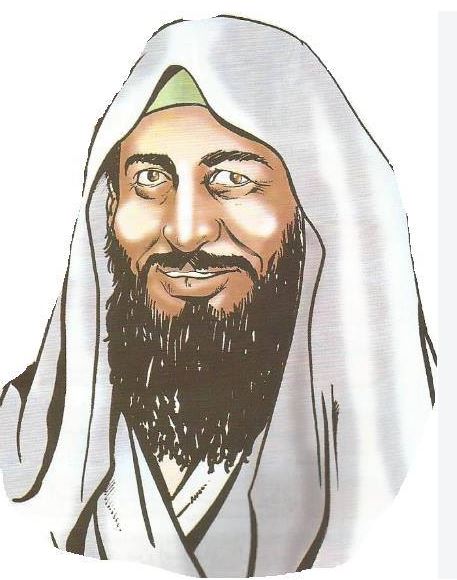
Almohad governor who declared independence in Tunis in 1229, founding the Hafsid Dynasty that ruled Tunisia and eastern Algeria for three and a half centuries.
Start typing to search worldwide archives and community tributes
Filterable archive covering centuries of intellectual, artistic, and moral contributions to the human story.
Almohad governor who declared independence in Tunis in 1229, founding the Hafsid Dynasty that ruled Tunisia and eastern Algeria for three and a half centuries.
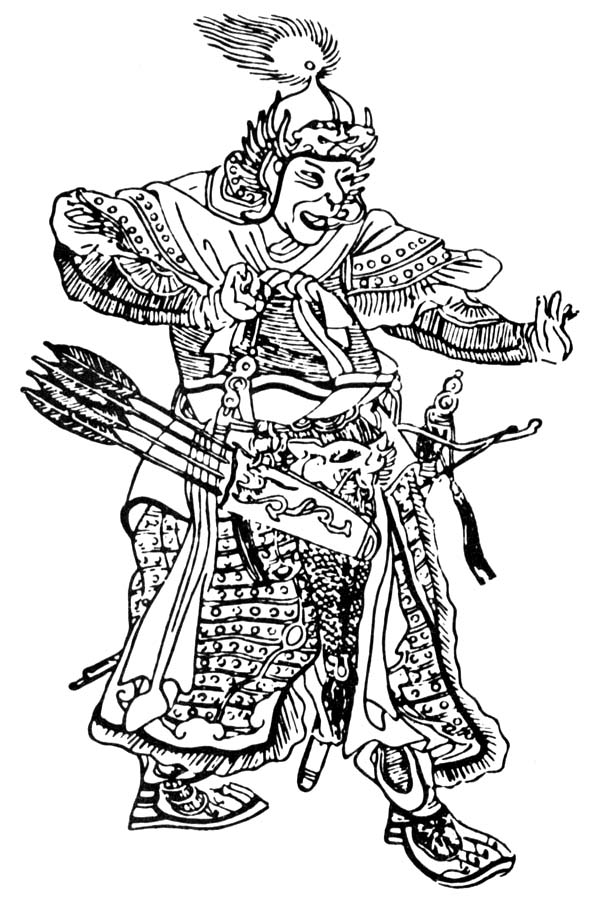
Primary military strategist of Genghis Khan and Ogedei Khan who conquered more territory than any general in human history, orchestrating campaigns across China, Persia, Russia, and Central Europe.
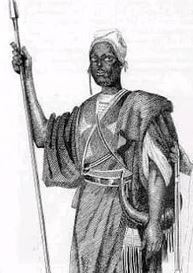
Thirteenth-century Mai of the Kanem Empire who expanded Kanem to its greatest extent from Fezzan in Libya to the Niger River, fielding an army of 40,000 armored horsemen.
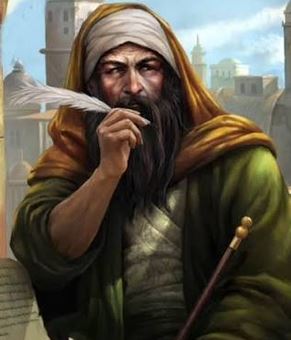
Greatest botanist and pharmacologist of the Middle Ages who cataloged 1,400 medicinal plants, foods, and drugs in his encyclopedic Compendium on Simple Medicaments and Foods.
Visionary Andalusian philosopher and mystic revered as "Al-Shaykh al-Akbar" (The Greatest Master). Formulated the profound metaphysics of Wahdat al-Wujud (The Unity of Being) in Fusus al-Hikam and Al-Futuhat al-Makkiyya.
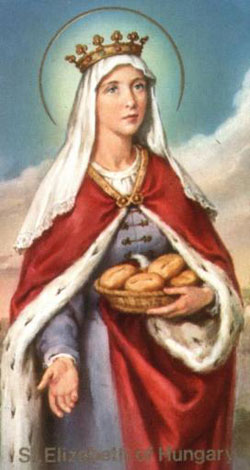
Princesse royale de Hongrie et sainte mรฉdiรฉvale, qui renonรงa ร toute gloire princiรจre pour construire un hรดpital ร Marbourg et soigner personnellement les plus misรฉrables.
Supreme Middle High German lyric poet and Minnesรคnger who elevated courtly love songs (Under der linden) and political Spruchdichtung across the courts of Europe.
Leader of Quanzhen Daoism who undertook an epic journey across Central Asia to the Hindu Kush in 1222 to counsel Genghis Khan against mass slaughters, saving millions.
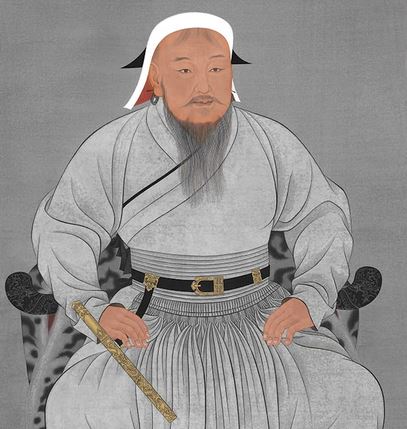
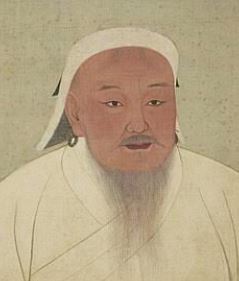
Visionary military strategist and founder of the Mongol Empireโthe largest contiguous land empire in world history. United the nomadic steppe tribes, instituted absolute religious freedom, created the postal relay network (Yam), and codified the Yassa law.
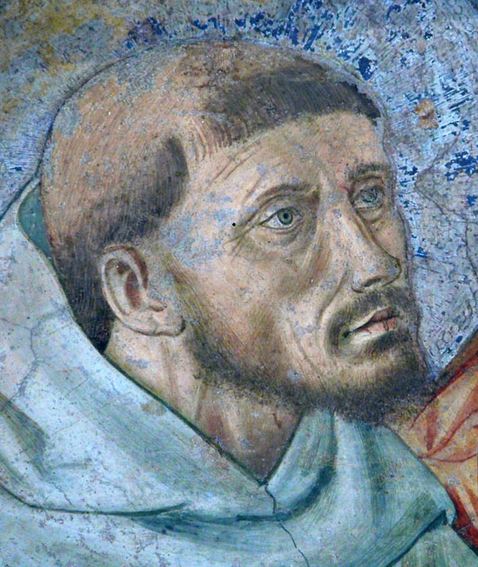
Beloved friar and mystic who renounced aristocratic wealth to embrace absolute poverty, brotherly love for all creatures, and peaceful interfaith dialogue, composing the Canticle of the Sun and founding the Franciscan Order.
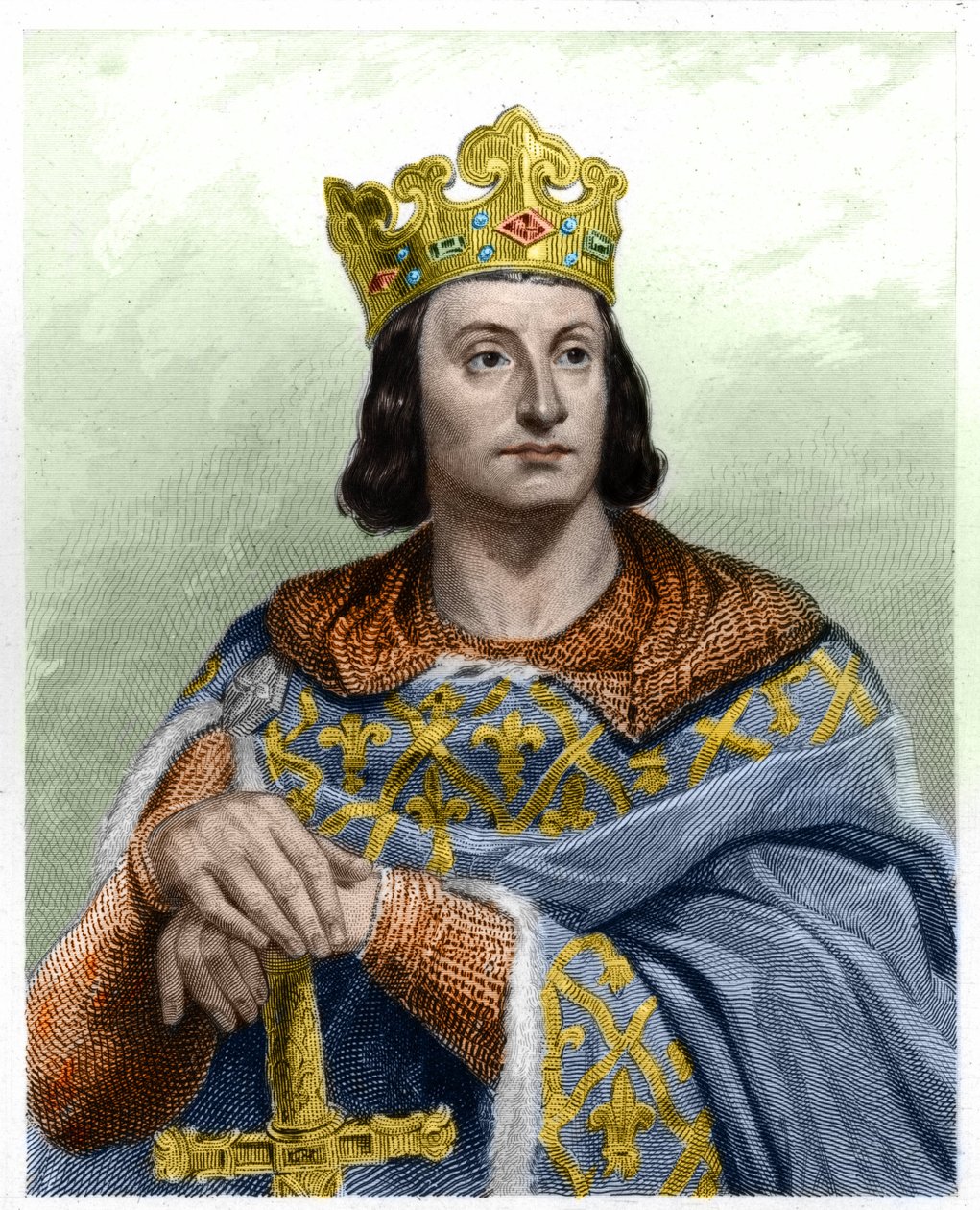
First monarch to officially use the title 'King of France', who defeated the Anglo-German coalition at Bouvines and built the medieval Louvre.
Supreme Hanbali jurist, ascetic, and theologian whose ten-volume 'Al-Mughni' is the definitive masterpiece of comparative Islamic jurisprudence, highly praised by Saladin.
Legendary Mongol general and one of Genghis Khan's 'Four Dogs of War', who earned his name 'The Arrow' by shooting Genghis Khan's horse in battle and went on to conquer the Qara Khitai.
Persian mystical poet, apothecary, and hagiographer whose allegorical masterpiece 'The Conference of the Birds' and 'Memorial of the Saints' deeply inspired Rumi.
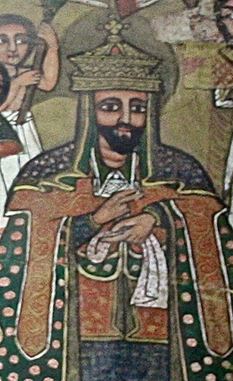
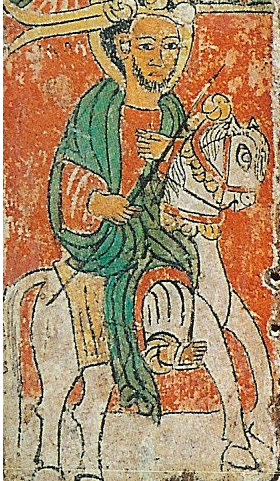
King of Ethiopia of the Zagwe Dynasty who carved the eleven monolithic rock-hewn churches of Lalibela out of volcanic basalt, creating a 'New Jerusalem' in the Ethiopian highlands.
Zagwe Emperor of Ethiopia venerated as an Ethiopian Orthodox saint, who carved the world-famous rock-hewn monolithic churches of Lalibela as a 'New Jerusalem'.
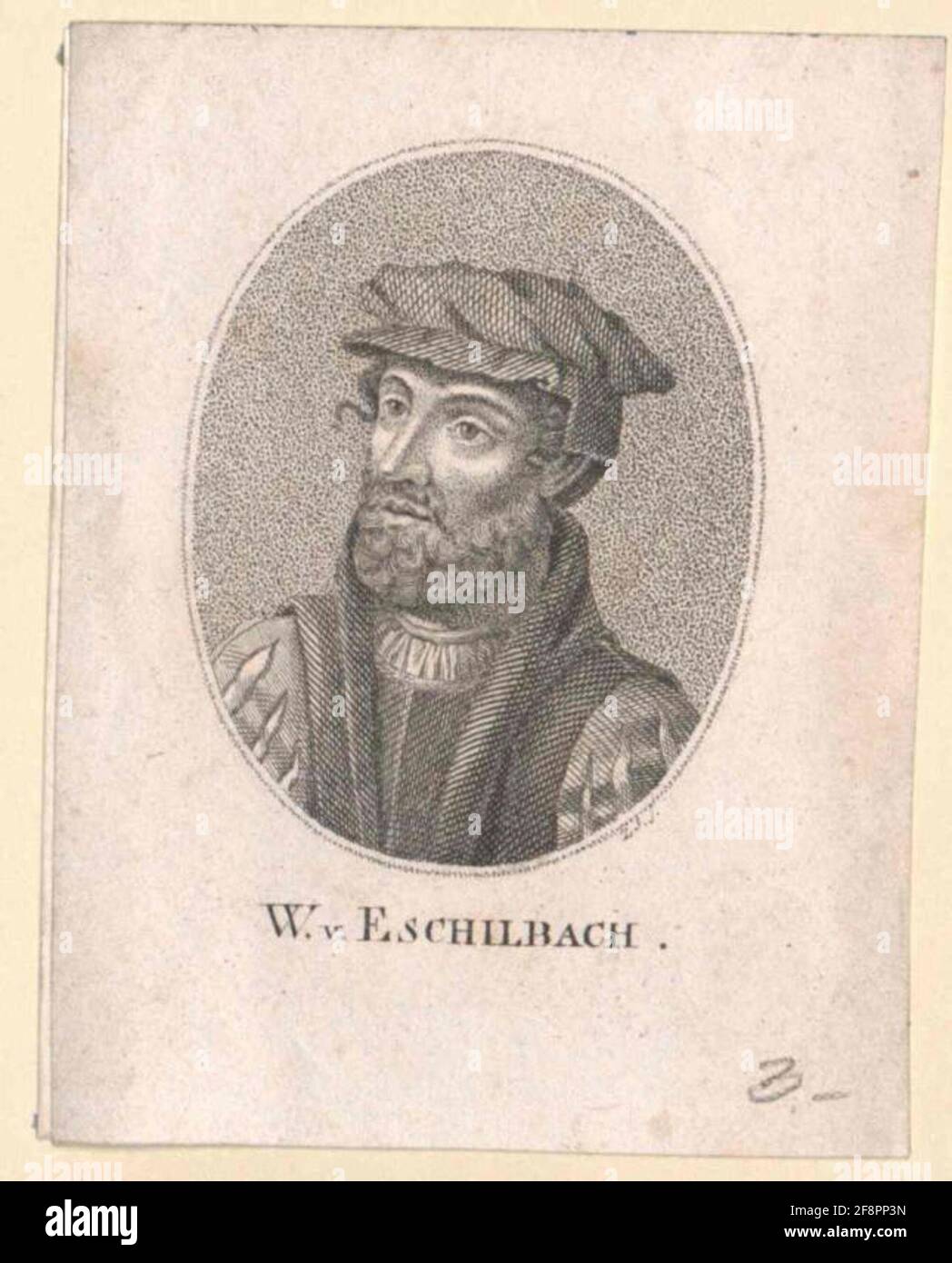
Greatest Middle High German epic poet and knight whose masterpiece Parzival redefined the Arthurian Grail quest as a spiritual journey of empathy and faith.
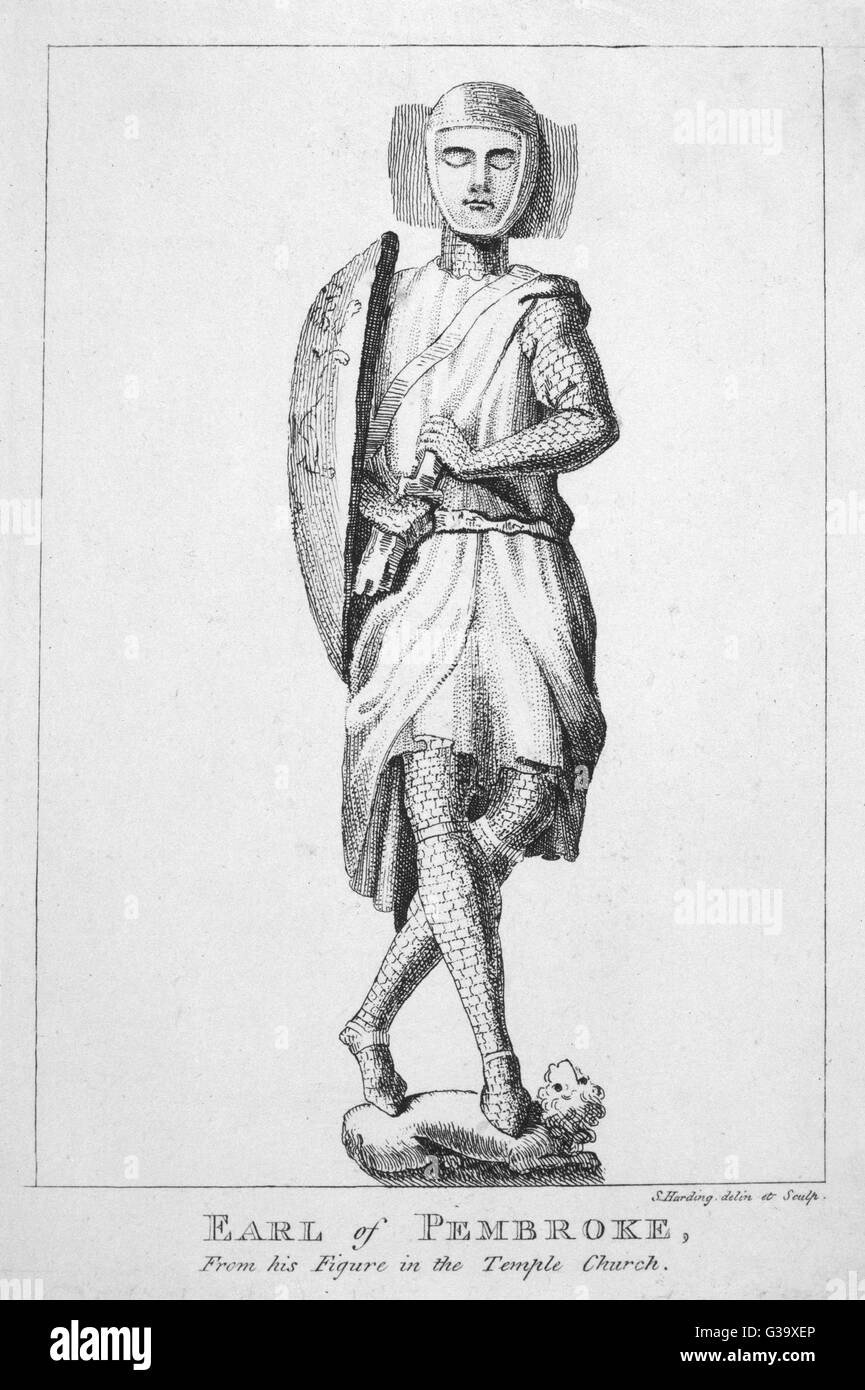
1st Earl of Pembroke celebrated as 'The Greatest Knight That Ever Lived', who served five English kings, negotiated the Magna Carta, and won the Battle of Lincoln at age 70.