Public Figures & Cultural Luminaries
Filterable archive covering centuries of intellectual, artistic, and moral contributions to the human story.
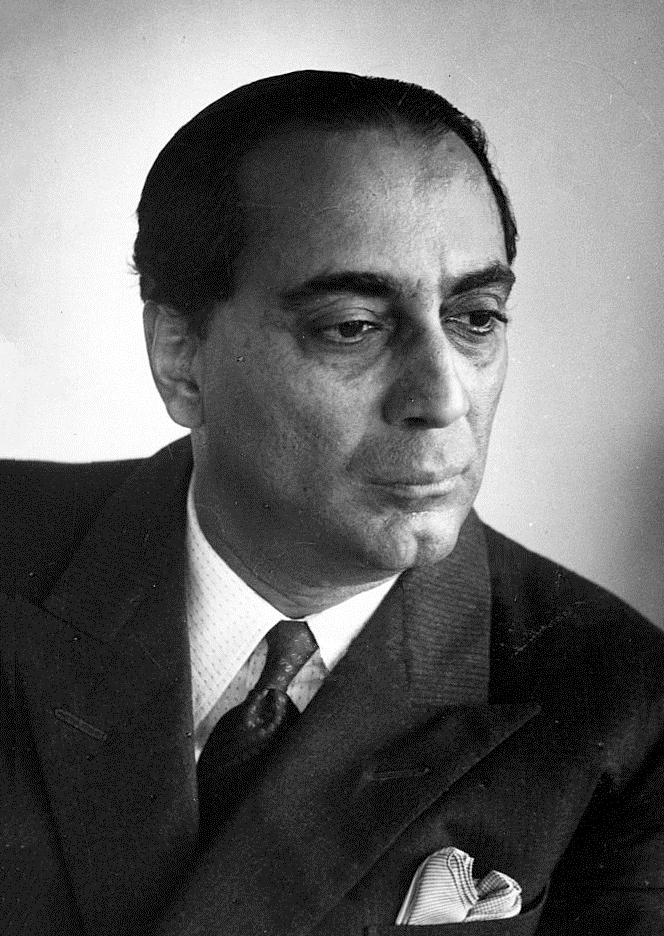
Homi J. Bhabha
 (Homi Jehangir Bhabha)
Visionary Indian nuclear physicist acclaimed as the 'Father of the Indian Nuclear Programme', who formulated the relativistic electron-positron scattering formula (Bhabha Scattering) and designed India's three-stage nuclear power strategy.
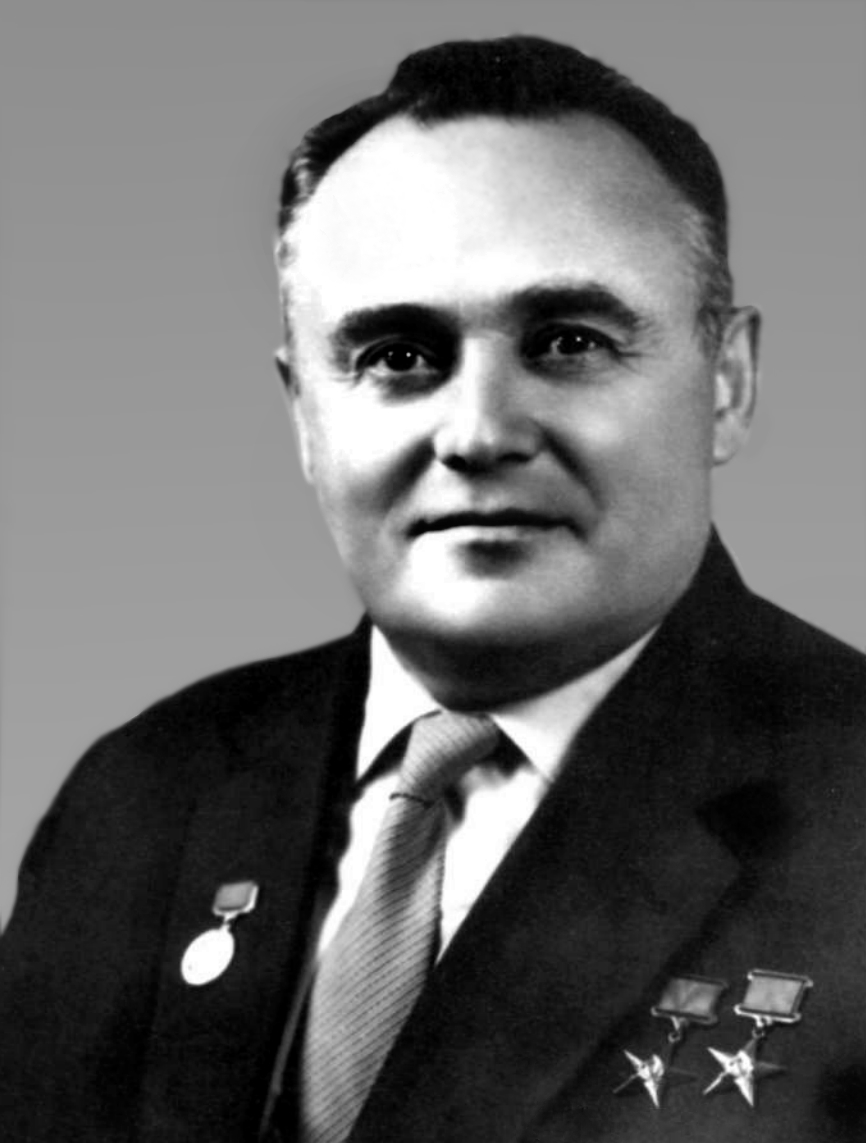
Sergei Korolev
 (Сергей Павлович Королёв)
Legendary Soviet 'Chief Designer' who orchestrated the launches of Sputnik 1, the first dog Laika, and Yuri Gagarin.
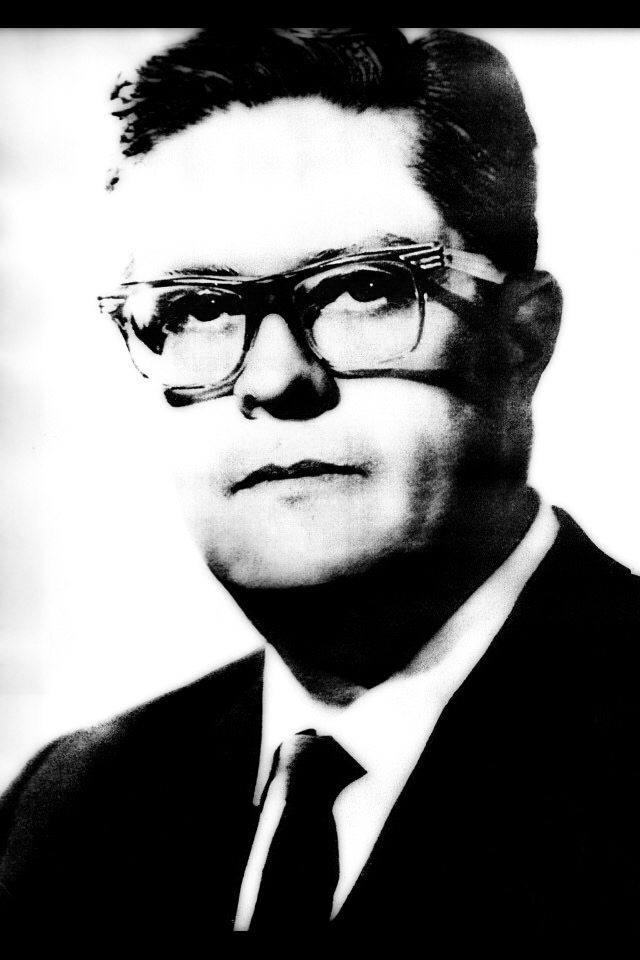
Guillermo Gonzalez Camarena
 (Guillermo González Camarena)
Mexican electrical engineer who invented the chromoscopic adapter for television equipment in 1940, creating an early color television transmission system later adopted by NASA on Voyager missions.
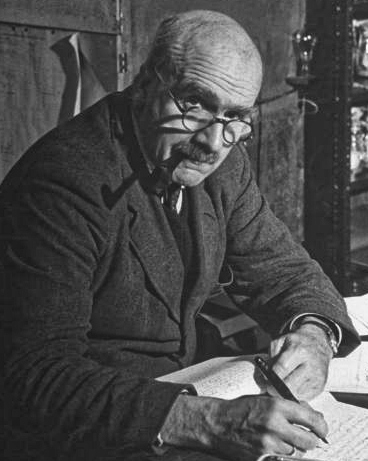
J. B. S. Haldane
 (John Burdon Sanderson Haldane)
Brilliant British-Indian polymath who co-founded population genetics, formulated 'Haldane's Rule' on hybrid sterility, co-conceived the Primordial Soup theory for the origin of life, and famously quipped that God possessed 'an inordinate fondness for beetles'.
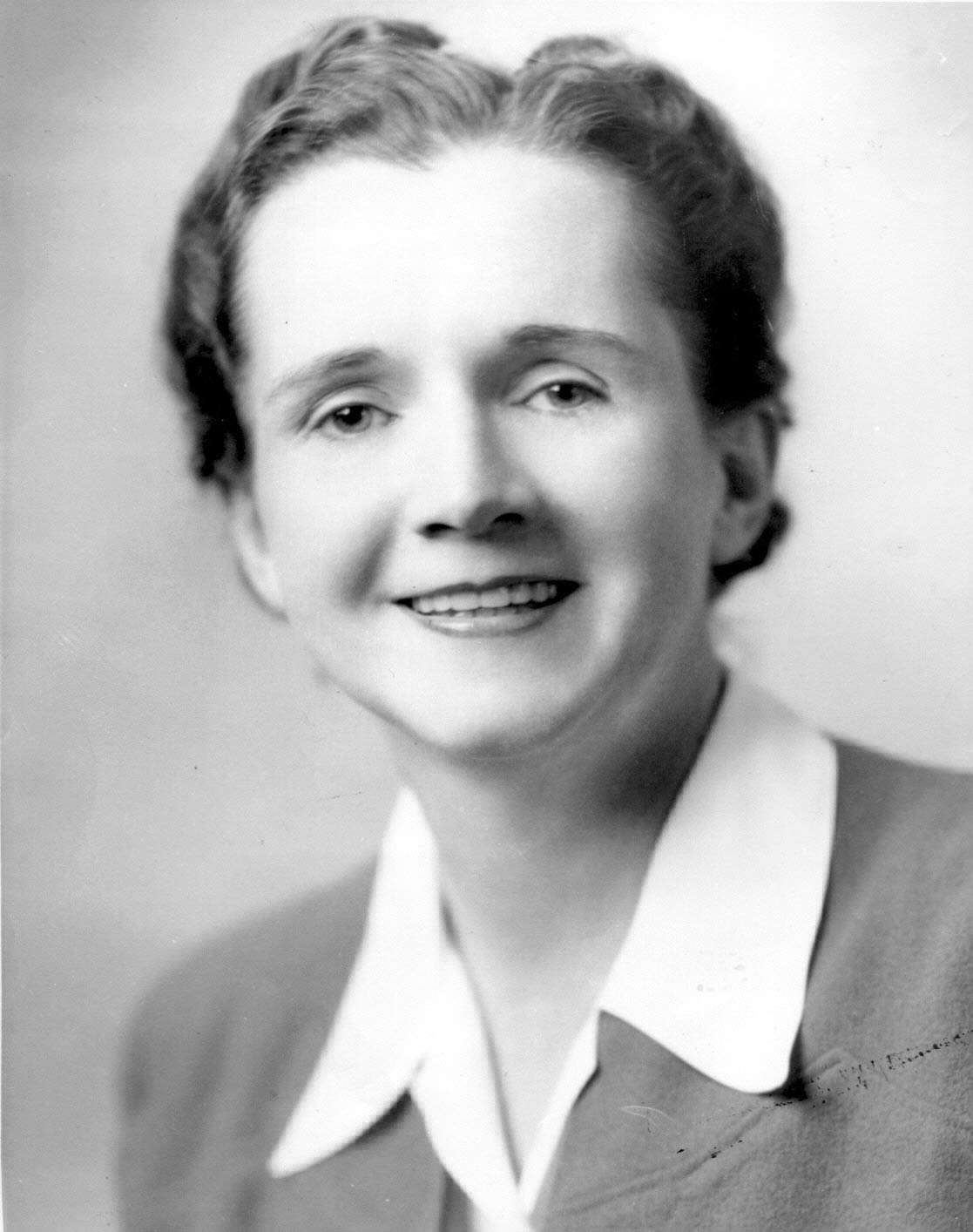
Rachel Carson
 (Rachel Louise Carson)
American marine biologist and conservationist whose landmark book Silent Spring launched the global environmental movement.
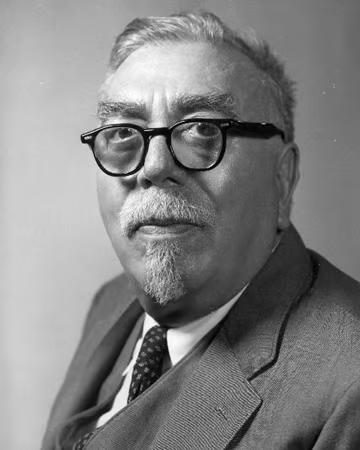
Norbert Wiener
(Norbert Wiener)
MIT mathematical child prodigy who founded cybernetics, feedback systems, and automated control theory.
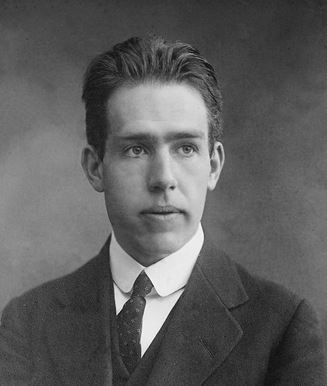
Niels Bohr
 (Niels Henrik David Bohr)
Danish physicist whose quantum model of the atom and Principle of Complementarity founded atomic physics and the Copenhagen interpretation of quantum mechanics, winning the 1922 Nobel Prize.
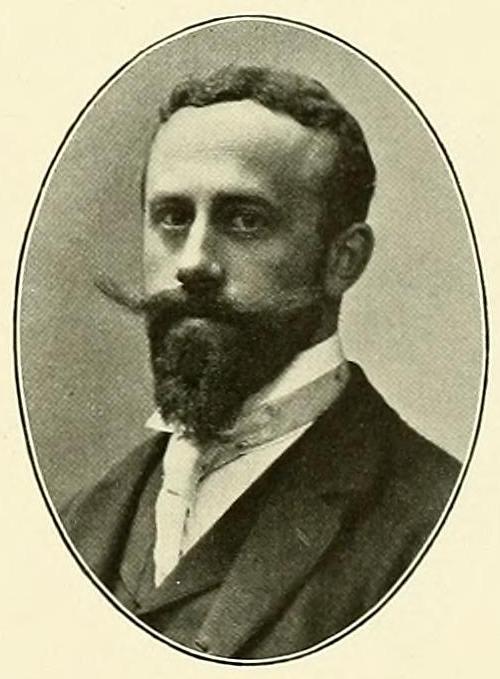
Erich von Tschermak
 (Erich Tschermak von Seysenegg)
Austrian agronomist and plant breeder who independently rediscovered Mendel's principles of heredity in 1900 and applied Mendelian genetics to crop breeding, developing disease-resistant high-yield hybrid wheat, barley, and oat strains.
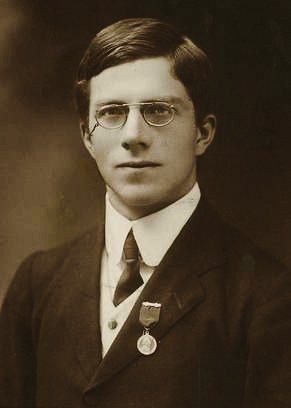
Ronald Fisher
(Sir Ronald Aylmer Fisher)
Titan of science acclaimed as the 'Father of Modern Statistics' and co-founder of Modern Evolutionary Synthesis, who invented analysis of variance (ANOVA), maximum likelihood estimation, randomized experimental design, and the concept of null hypothesis.
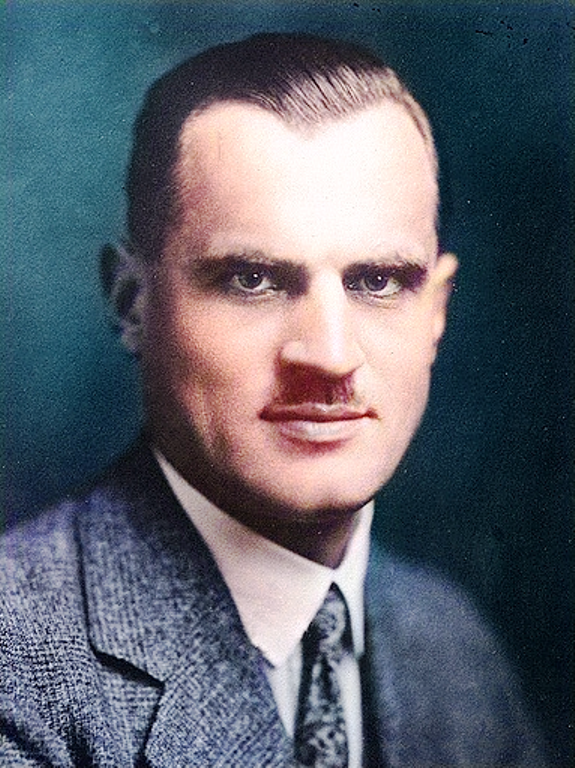
Arthur Compton
(Arthur Holly Compton)
American physicist who discovered the Compton effect, conclusively proving that light behaves as particles with momentum.
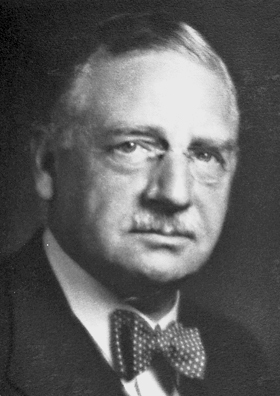
Otto Loewi
 (Otto Loewi)
German-American pharmacologist who was awarded the 1936 Nobel Prize in Medicine for proving that nerve impulses are transmitted chemically across synapses, famously conceiving his Nobel-winning frog heart experiment in an Easter dream.
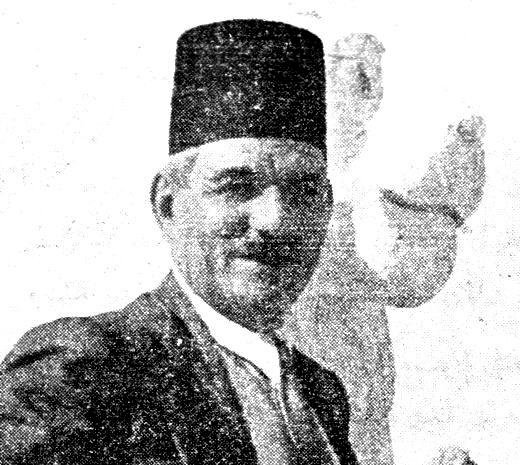
Selim Hassan
 (سليم حسن)
Pioneering Egyptian archaeologist who became the first Egyptian professor of Egyptology at Cairo University, directed the epic excavations of the Giza Pyramids and Great Sphinx, and authored the 16-volume 'Encyclopedia of Ancient Egypt'.
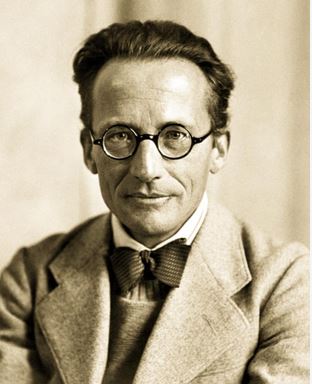
Erwin Schrödinger
(Erwin Rudolf Josef Alexander Schrödinger)
Austrian Nobel laureate who created quantum wave mechanics, formulated the Schrödinger wave equation governing wavefunctions, and proposed the celebrated Schrödinger's cat thought experiment.
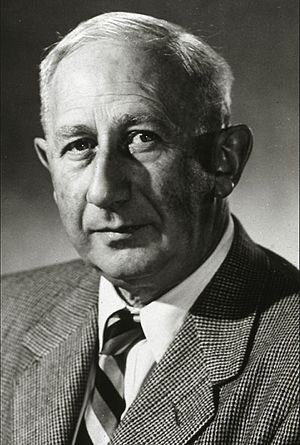
Walter Baade
(Wilhelm Heinrich Walter Baade)
German astronomer who discovered stellar populations I and II, doubling the calculated size and age of the universe.
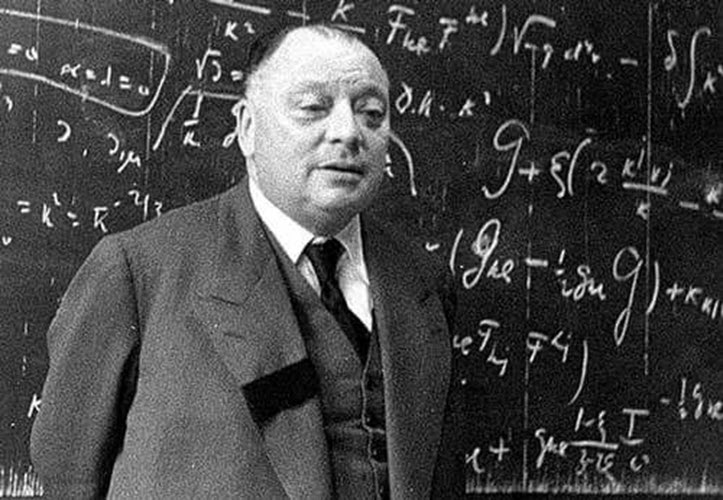
Wolfgang Pauli
(Wolfgang Ernst Pauli)
Brilliant theoretical physicist who formulated the Pauli exclusion principle and predicted the existence of the neutrino.
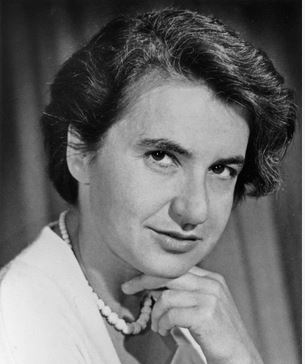
Rosalind Franklin
(Rosalind Elsie Franklin)
Brilliant British chemist and X-ray crystallographer whose historic Photo 51 provided the vital experimental proof revealing the helical double-helix architecture of DNA.
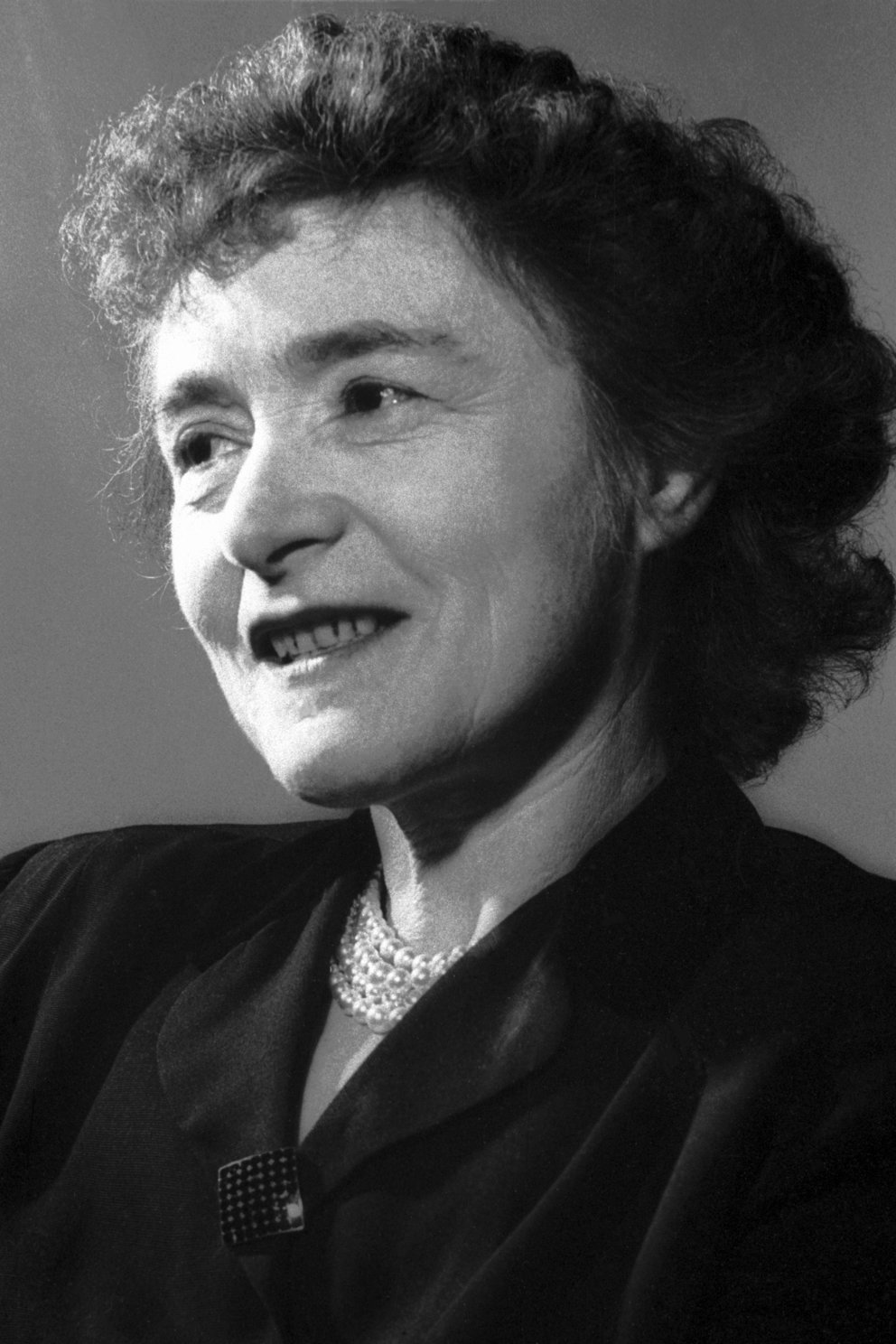
Gerty Cori
 (Gerty Theresa Radnitz Cori)
First American woman to win a Nobel Prize in science, discovering the Cori cycle of carbohydrate metabolism with Carl Cori.
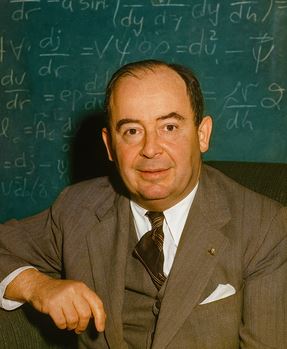
John von Neumann
 (Neumann János Lajos)
Hungarian-American mathematical titan who established the mathematical foundations of quantum mechanics, co-founded game theory, and designed the Von Neumann stored-program computer architecture.