Public Figures & Cultural Luminaries
Filterable archive covering centuries of intellectual, artistic, and moral contributions to the human story.
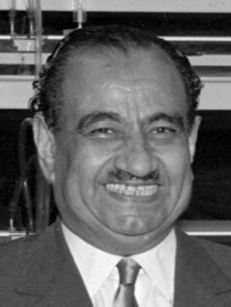
Ahmed Fakhry
 (أحمد فخري)
Legendary Egyptian archaeologist and explorer celebrated as the 'Master of the Deserts', who excavated the Pyramids of Dahshur and mapped the lost pharaonic and Roman monuments of the Western Desert oases.
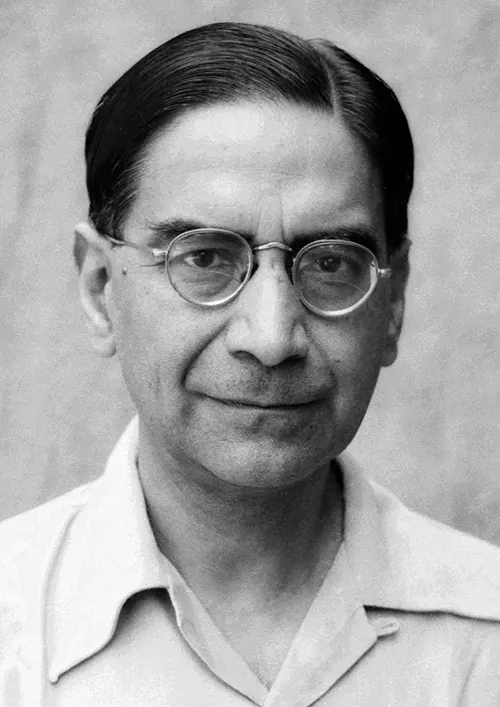
Prasanta Chandra Mahalanobis
 (প্রশান্ত চন্দ্র মহালানবীশ)
Indian scientist and applied statistician who introduced the Mahalanobis distance metric and founded the Indian Statistical Institute, serving as the architect of India's Second Five-Year Plan.
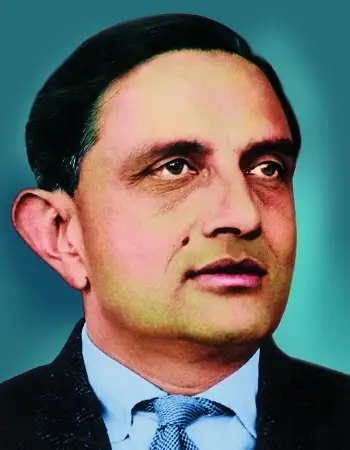
Vikram Sarabhai
(Vikram Ambalal Sarabhai)
Visionary Indian physicist and industrialist recognized as the 'Father of the Indian Space Programme', who founded the Indian Space Research Organisation (ISRO) and launched satellite television education for rural villages.
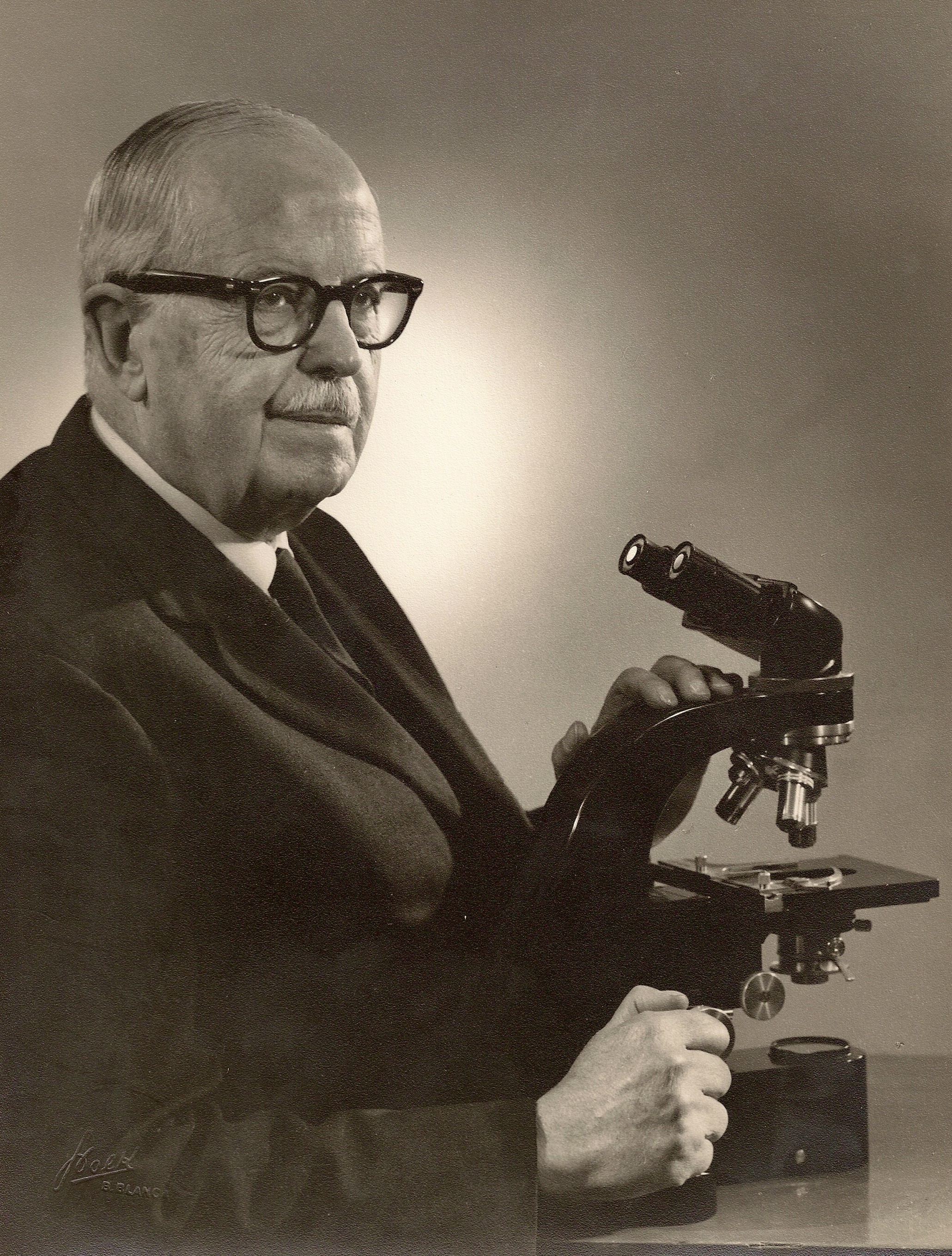
Bernardo Houssay
 (Bernardo Alberto Houssay)
Argentine physiologist who discovered the role of anterior pituitary hormones in regulating blood sugar metabolism, winning the 1947 Nobel Prize in Physiology or Medicine.
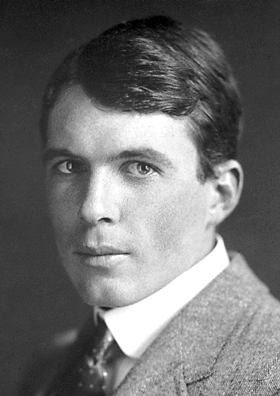
William Lawrence Bragg
 (William Lawrence Bragg)
Australian-born British physicist who formulated Bragg's Law of X-ray diffraction and remains the youngest ever Nobel laureate in physics, receiving the award at age twenty-five in 1915.
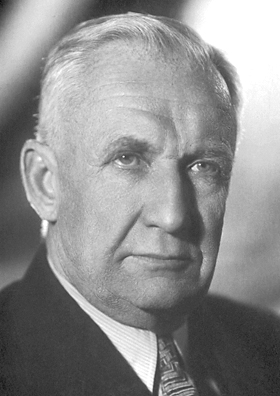
Igor Tamm
 (Игорь Евгеньевич Тамм)
Soviet theoretical physicist who co-developed the electrodynamic theory of Cherenkov radiation and co-invented the Tokamak magnetic fusion confinement system with Andrei Sakharov.
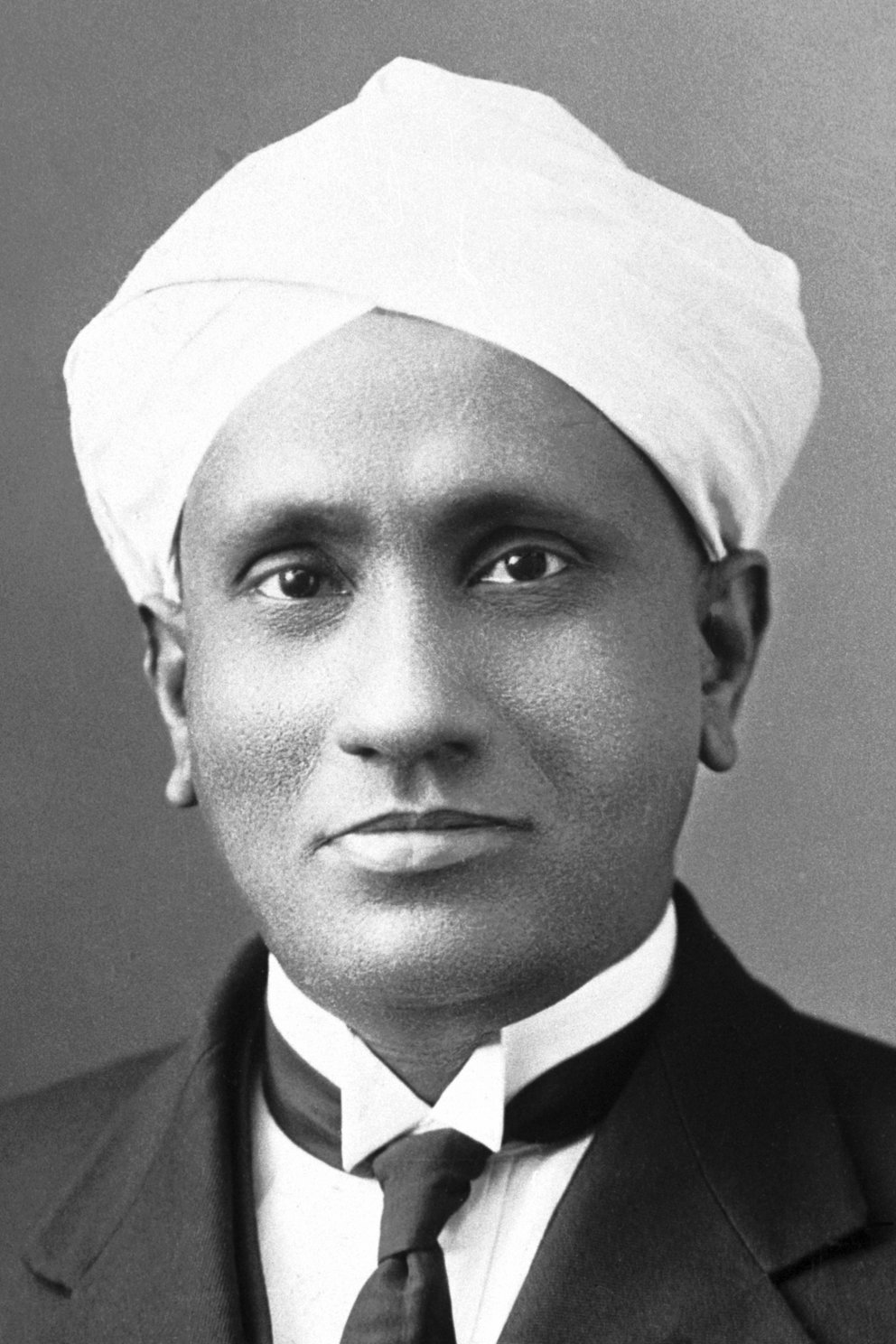
C. V. Raman
(Chandrasekhara Venkata Raman)
Indian physicist who was awarded the 1930 Nobel Prize in Physics for discovering that light scattered by molecules changes wavelength (the Raman Effect), becoming the first Asian to win a Nobel Prize in any scientific discipline.
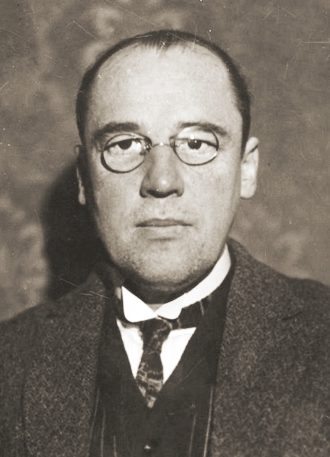
Waclaw Sierpinski
 (Wacław Sierpiński)
Polish mathematician who made pioneering contributions to set theory, topology, and number theory, famous for discovering early fractal geometries including the Sierpinski triangle and carpet.
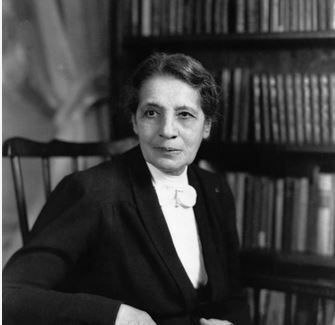
Lise Meitner
 (Lise Meitner)
Austrian-Swedish nuclear physicist who co-discovered nuclear fission and formulated its theoretical explanation using E = mc², opening the atomic era, honored by chemical element 109 (meitnerium).
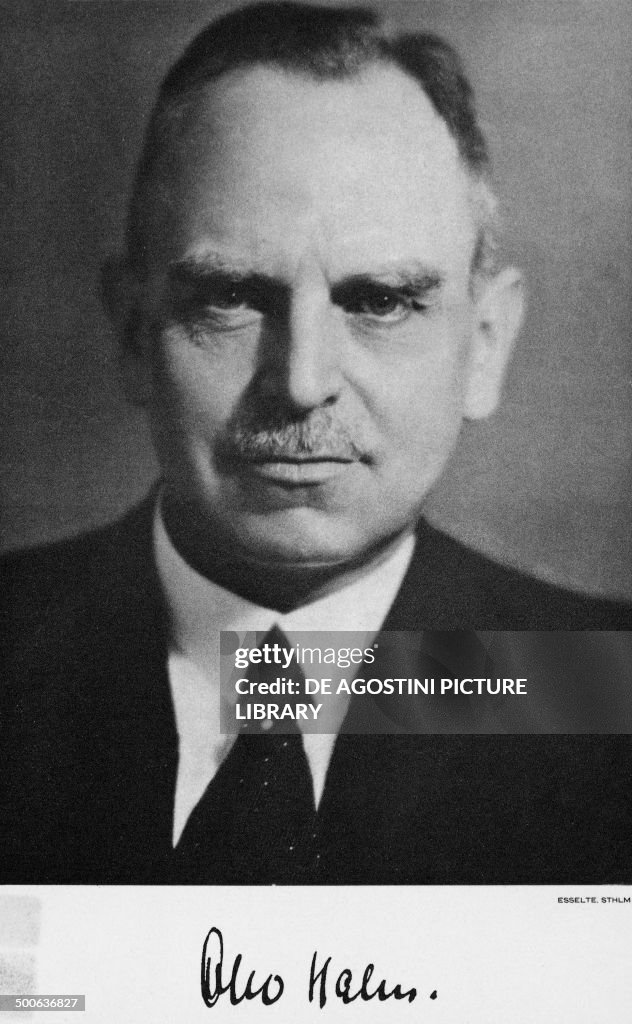
Otto Hahn
 (Otto Hahn)
German chemist regarded as the 'father of nuclear chemistry' who discovered nuclear fission with Fritz Strassmann in 1938.
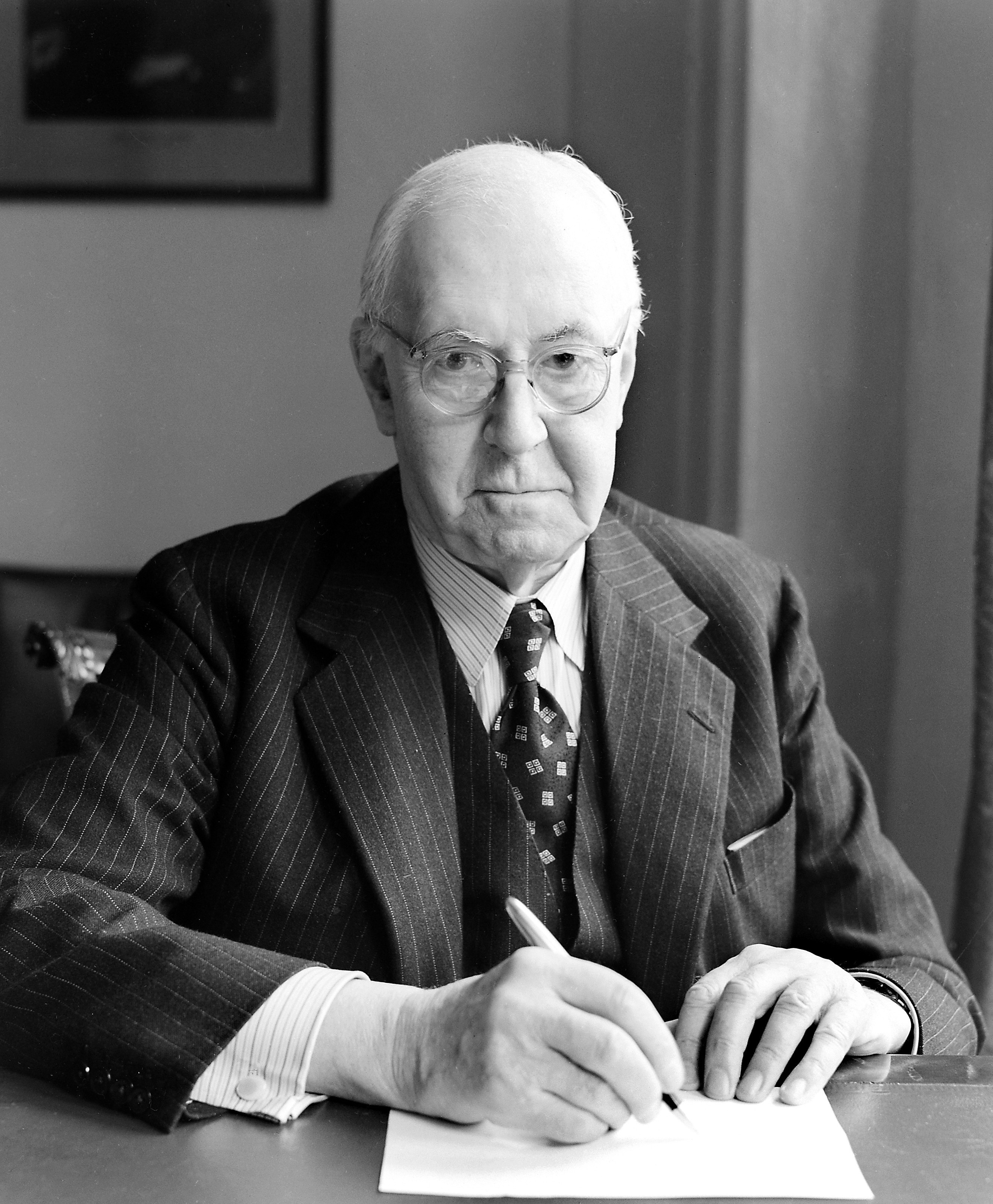
Henry Dale
 (Sir Henry Hallett Dale)
English pharmacologist who won the 1932 Nobel Prize in Medicine for identifying acetylcholine as the neurotransmitter of the parasympathetic and voluntary nervous systems, and formulated 'Dale's Principle' of neuronal transmission.
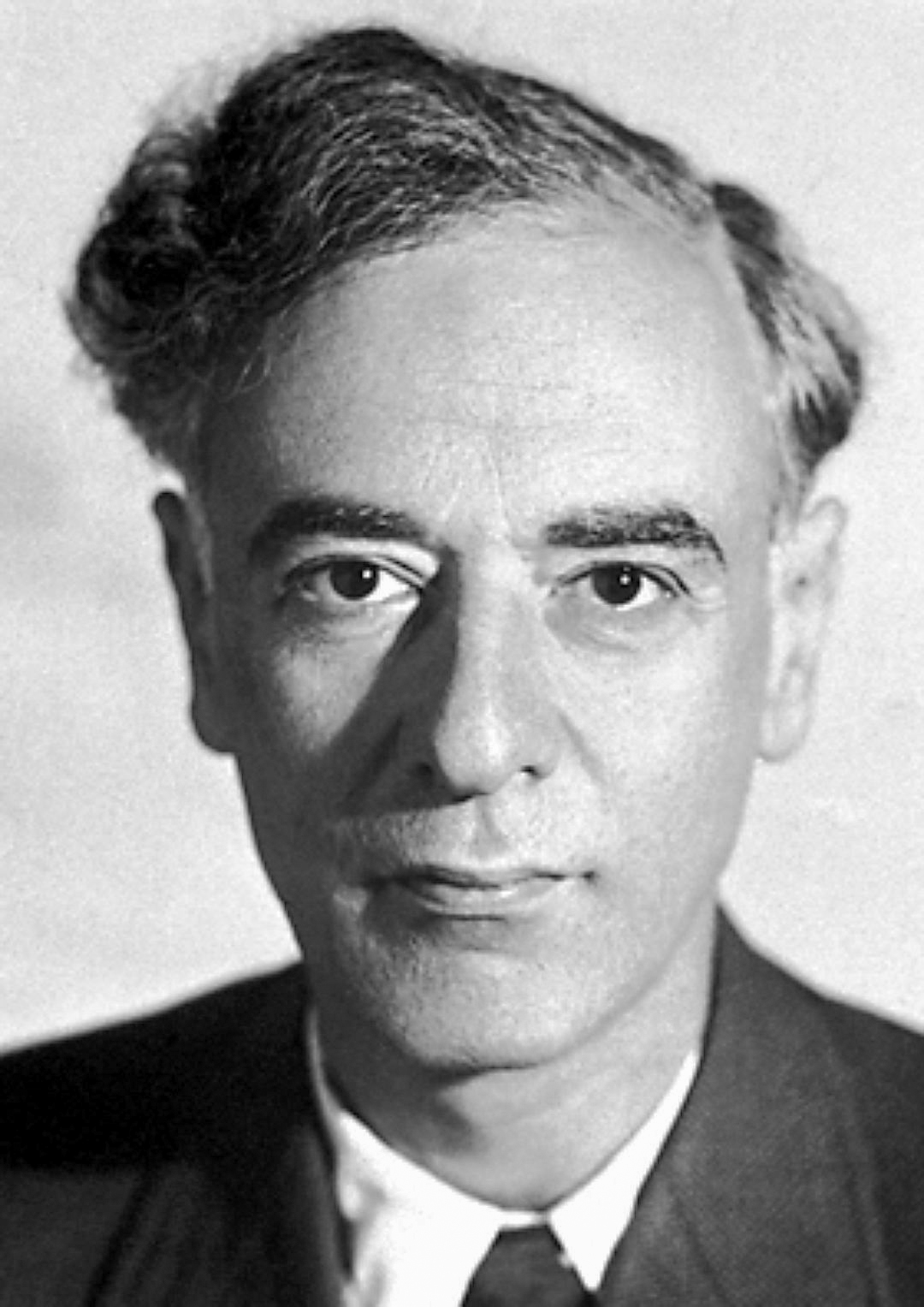
Lev Landau
 (Лев Давидович Ландау)
Legendary Soviet theoretical physicist whose genius spanned superfluidity, superconductivity, Fermi liquid theory, and plasma physics, authoring the monumental Course of Theoretical Physics.
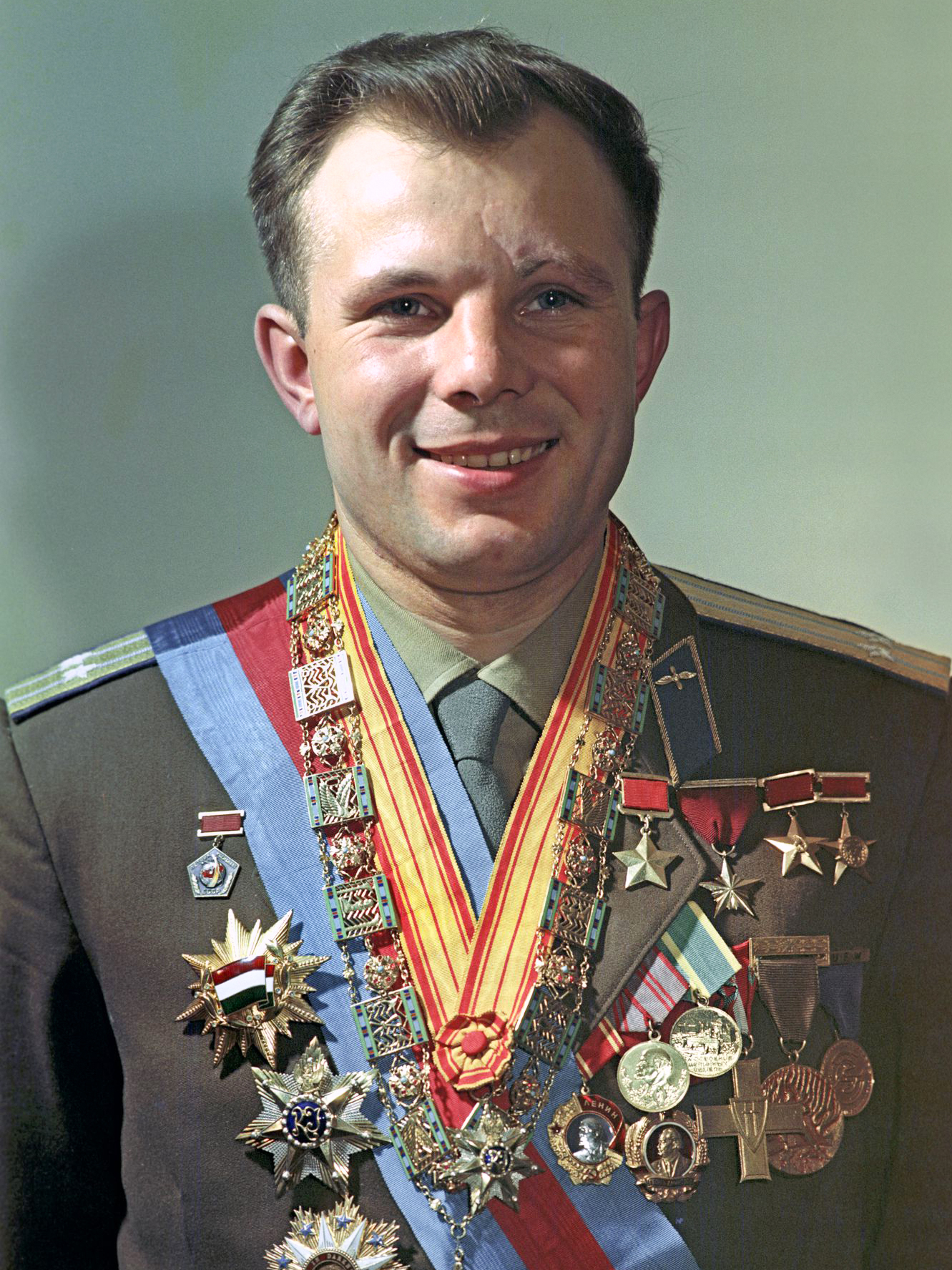
Yuri Gagarin
(Юрий Алексеевич Гагарин)
Soviet cosmonaut who became the first human to journey into outer space and orbit the Earth aboard Vostok 1 in 1961.
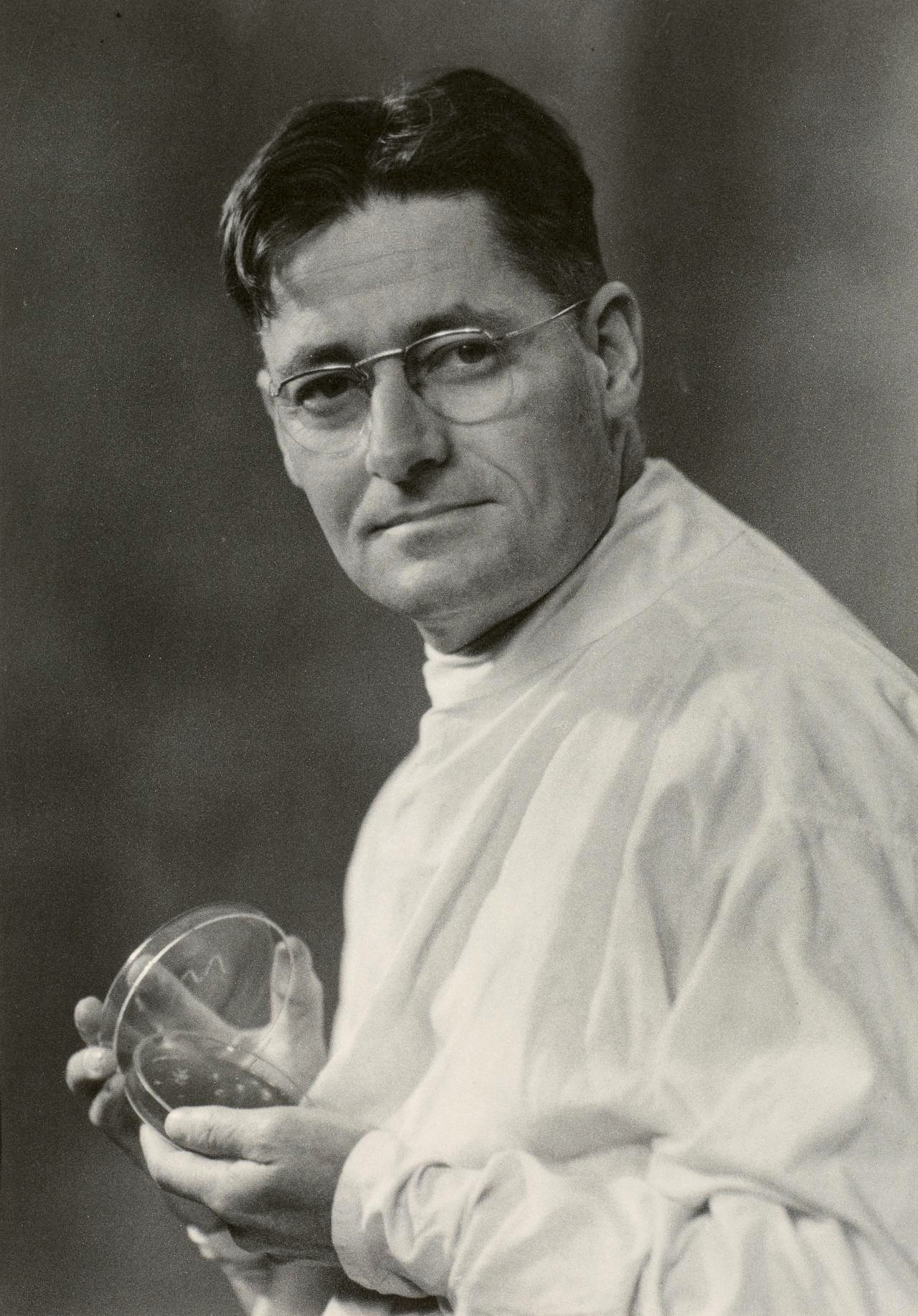
Howard Florey
(Howard Walter Florey, Baron Florey)
Australian pathologist and pharmacologist who transformed penicillin from a laboratory curiosity into a mass-produced, lifesaving antibiotic.
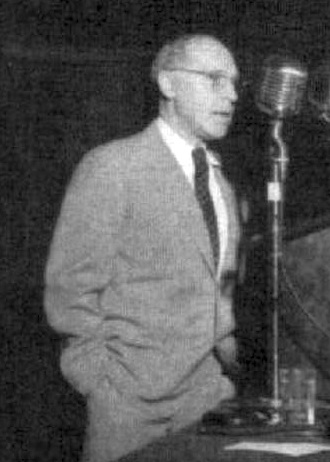
Hermann J. Muller
 (Hermann Joseph Muller)
American geneticist who won the 1946 Nobel Prize in Medicine for discovering that X-ray radiation induces artificial genetic mutations, launching radiation genetics and leading the global scientific crusade against nuclear fallout.
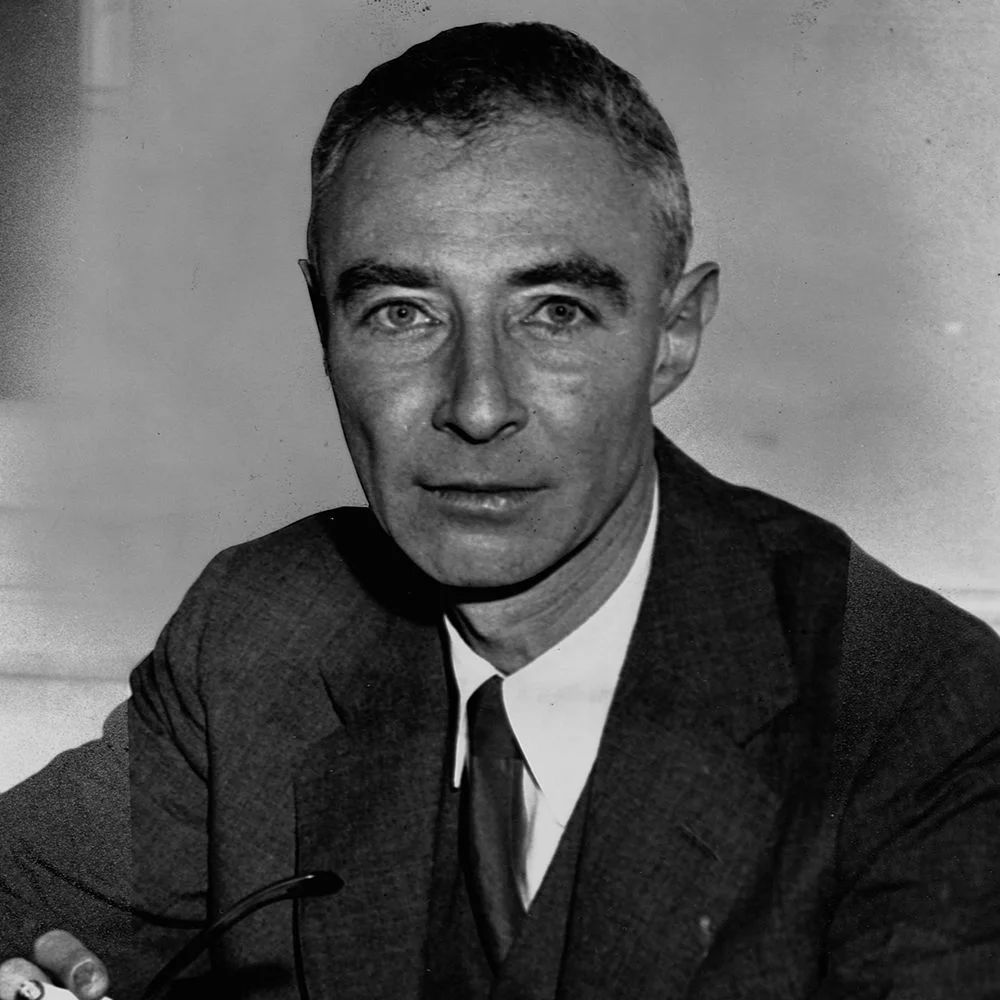
J. Robert Oppenheimer
(Julius Robert Oppenheimer)
Theoretical physicist and wartime director of the Los Alamos Laboratory, revered as the 'father of the atomic bomb'.
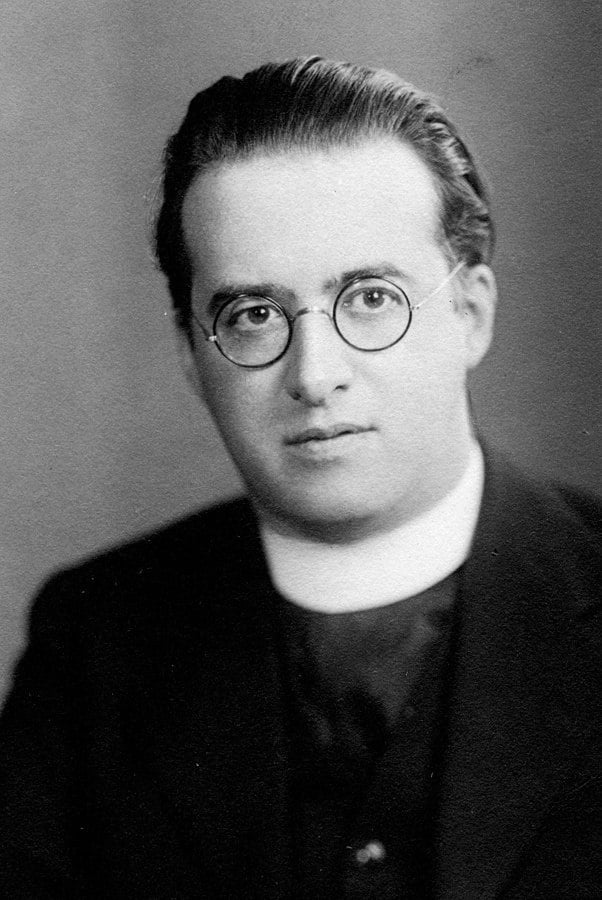
Georges Lemaître
 (Georges Henri Joseph Édouard Lemaître)
Belgian Catholic priest, astronomer, and cosmologist who proposed the Big Bang theory of the universe.
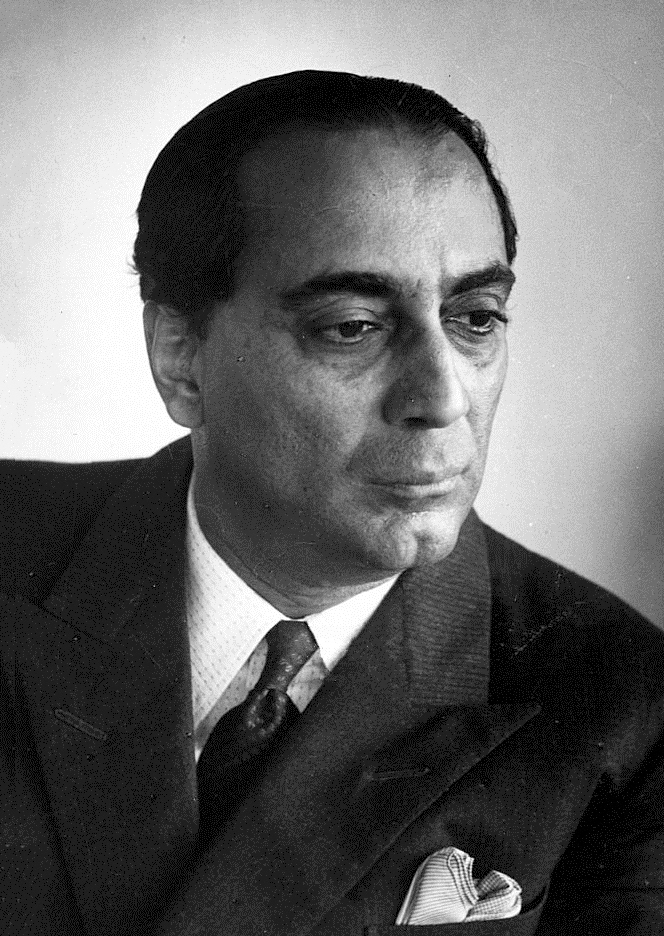
Homi Jehangir Bhabha
(होमी जहांगीर भाभा)
Indian nuclear physicist widely acclaimed as the father of the Indian nuclear program, who formulated India's three-stage nuclear power strategy and founded TIFR.