Public Figures & Cultural Luminaries
Filterable archive covering centuries of intellectual, artistic, and moral contributions to the human story.
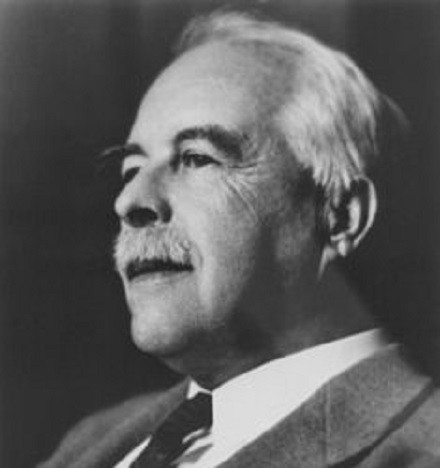
Gilbert N. Lewis
 (Gilbert Newton Lewis)
Colossal physical chemist who discovered the covalent bond, created Lewis dot structures, and generalized acid-base theory.
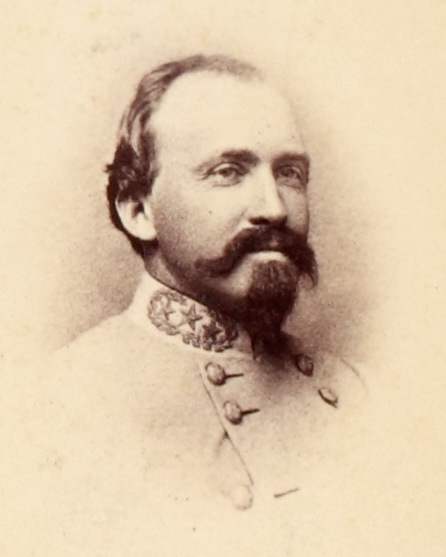
Thomas Hunt Morgan
(Thomas Hunt Morgan)
American geneticist whose 'Fly Room' experiments proved that chromosomes carry the physical units of heredity, winning the 1933 Nobel Prize.
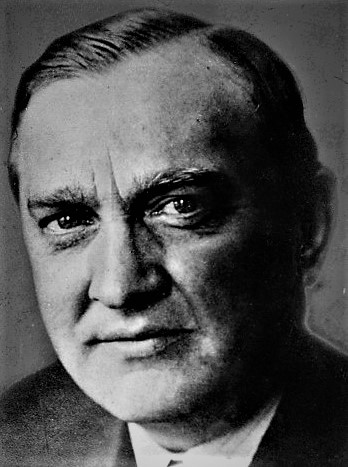
Stefan Banach
 (Stefan Banach)
Polish mathematician widely regarded as one of the twentieth century's most influential figures, who founded modern functional analysis and introduced complete normed vector spaces (Banach spaces).
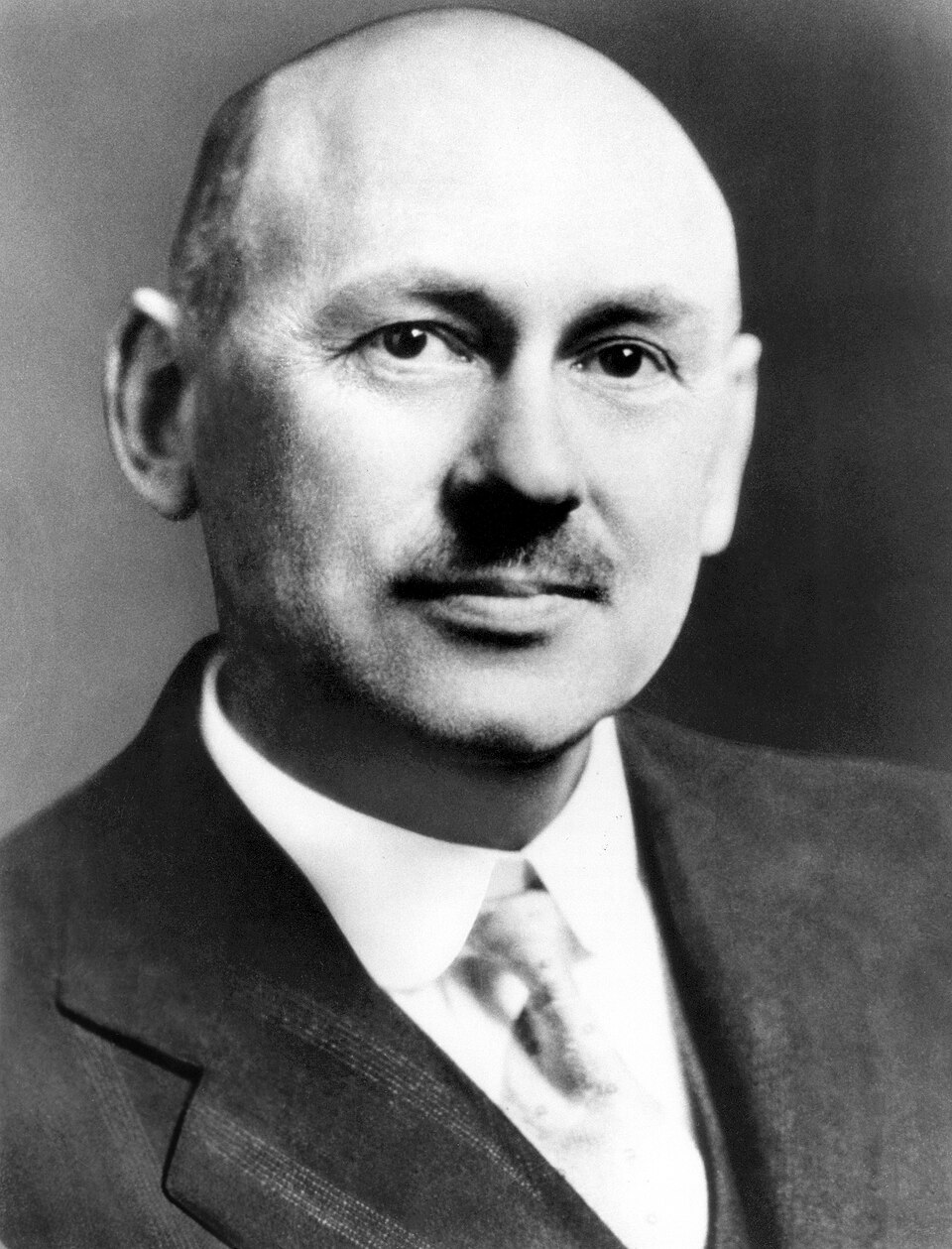
Robert H. Goddard
(Robert Hutchings Goddard)
Father of modern rocketry who designed, constructed, and successfully launched the world's first liquid-fueled rocket in 1926.
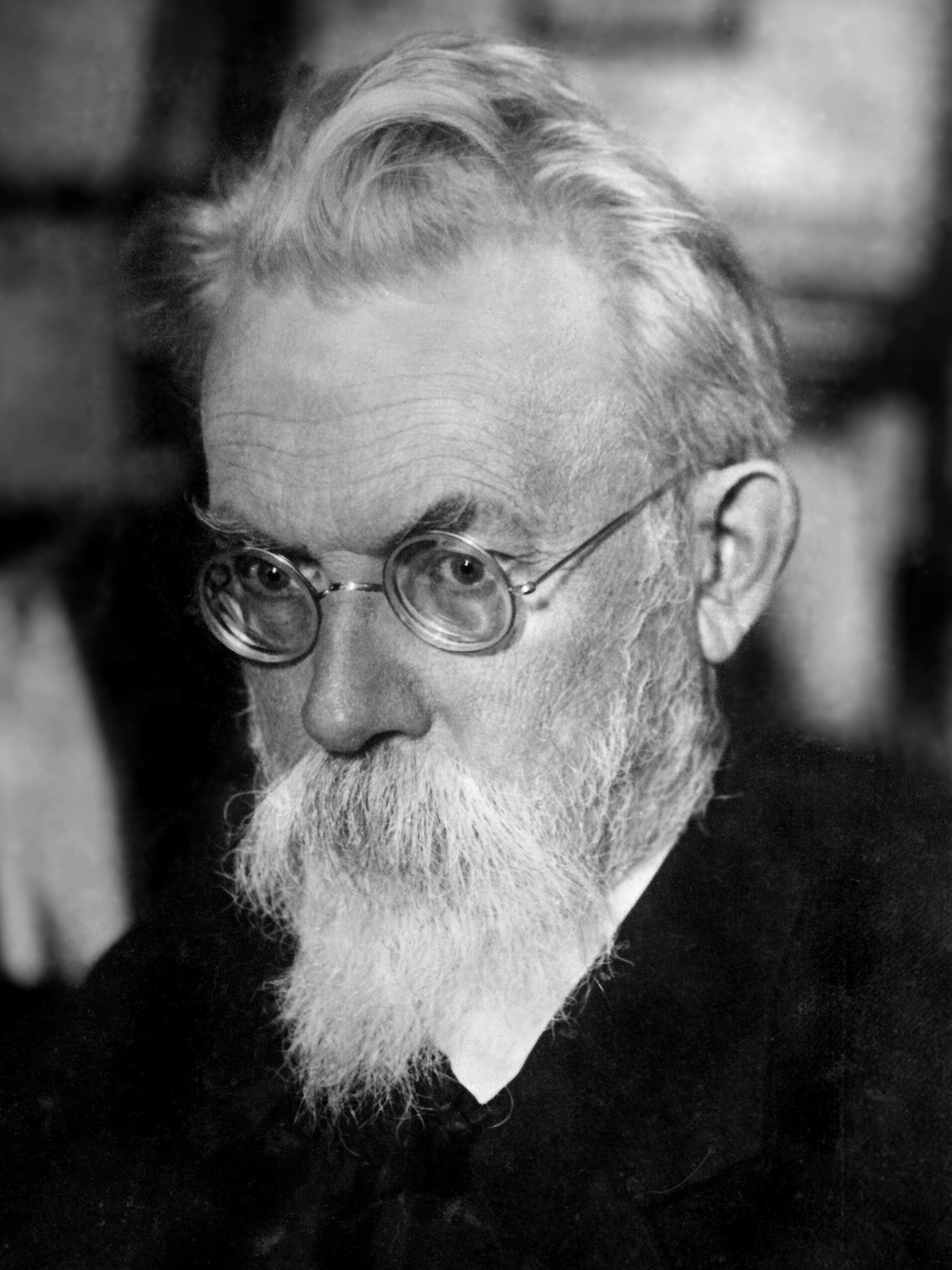
Vladimir Vernadsky
 (Владимир Иванович Вернадский)
Russian and Ukrainian mineralogist and geochemist who founded biogeochemistry and popularized the concept of the Biosphere, theorizing its evolution into the human-guided Noosphere.
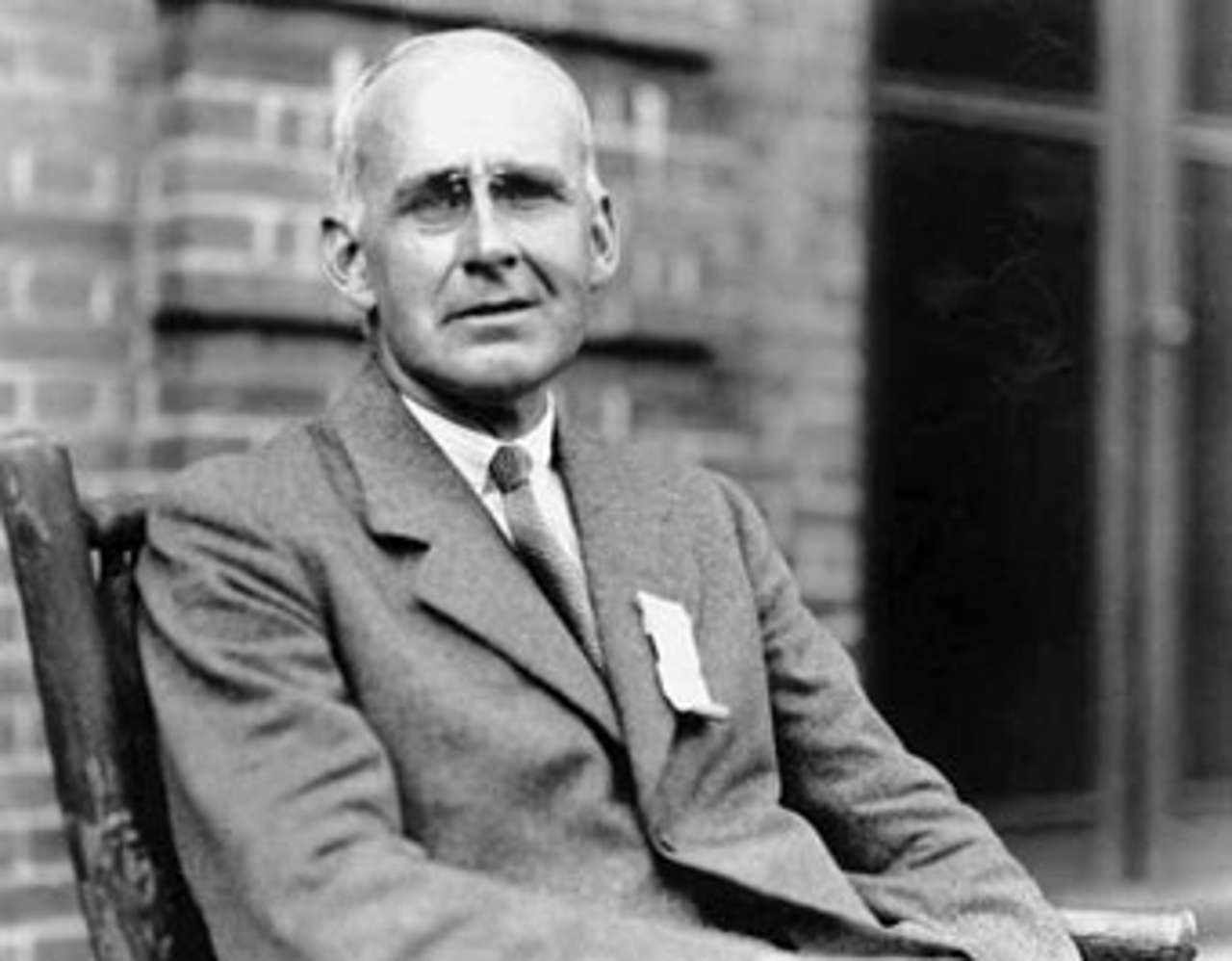
Arthur Eddington
 (Sir Arthur Stanley Eddington)
British astrophysicist who led the historic 1919 solar eclipse expedition confirming Einstein's General Relativity.
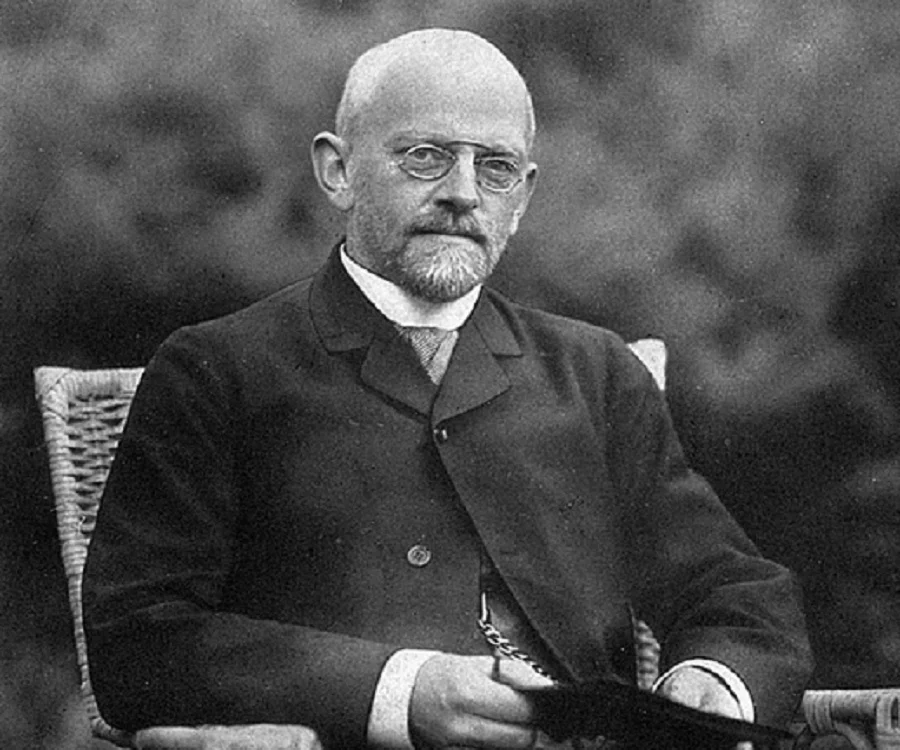
David Hilbert
(David Hilbert)
Colossal German mathematician whose 23 Problems set the agenda for 20th-century mathematics, creator of Hilbert space.
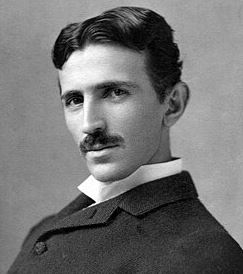
Nikola Tesla
 (Никола Тесла)
Serbian-American inventor and electrical genius who patented alternating current (AC) polyphase power, designed the induction motor, and pioneered radio, remote control, and high-frequency coils.
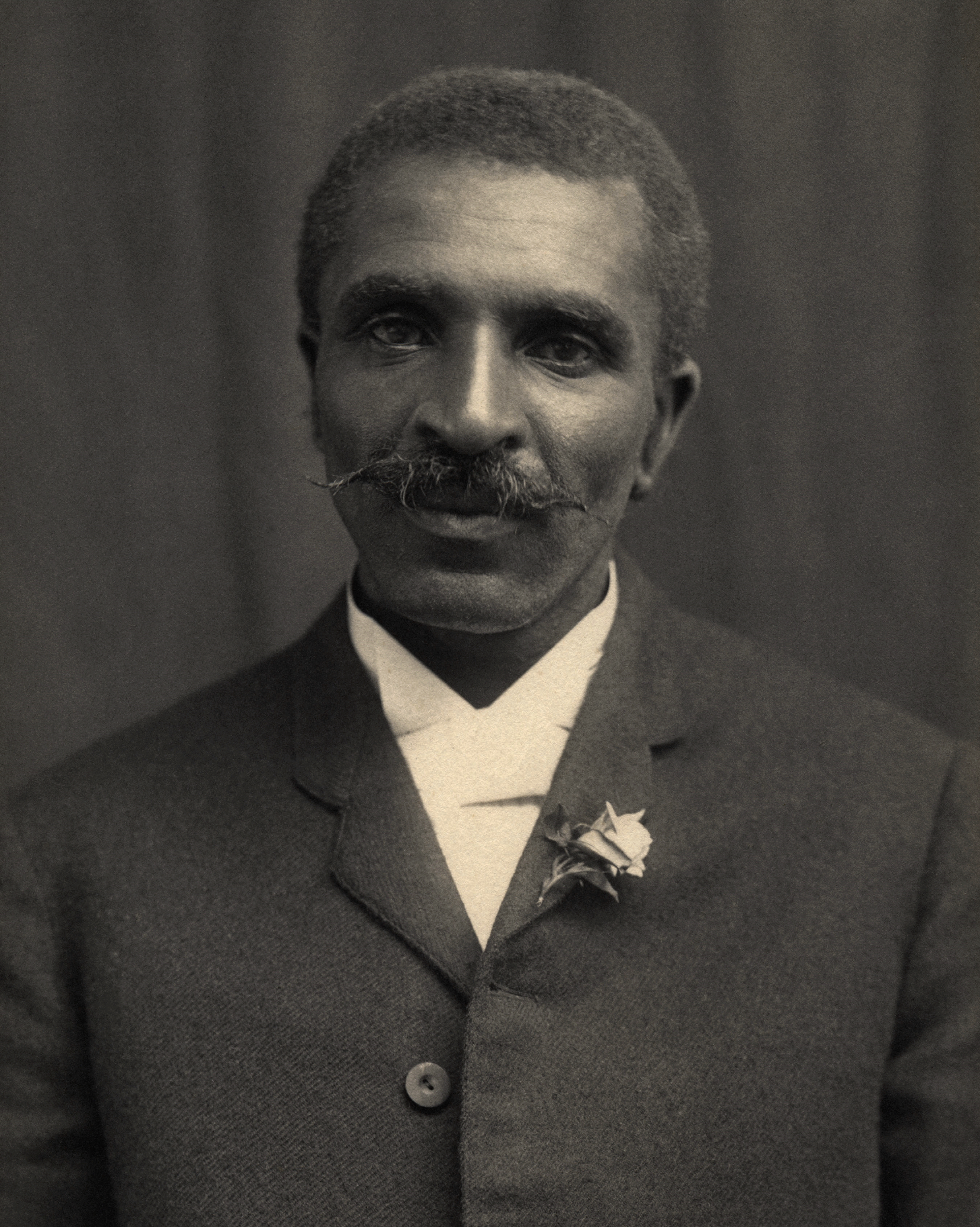
George Washington Carver
(George Washington Carver)
American agricultural scientist and inventor who developed crop-rotation techniques and hundreds of peanut, sweet potato, and soybean products to restore depleted Southern soils and empower impoverished farmers.
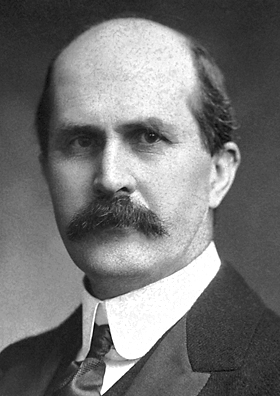
William Henry Bragg
(William Henry Bragg)
British physicist and mineralogist who co-invented X-ray crystallography with his son Lawrence Bragg, winning the 1915 Nobel Prize in Physics for deciphering crystal lattice structures.
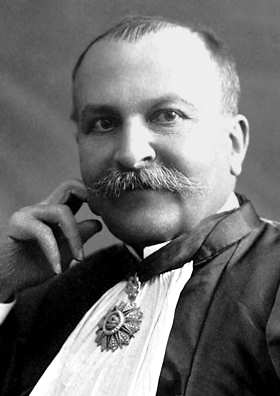
Paul Sabatier
 (Paul Sabatier)
French chemist who discovered catalytic hydrogenation of organic compounds with finely divided nickel, winning the 1912 Nobel Prize.
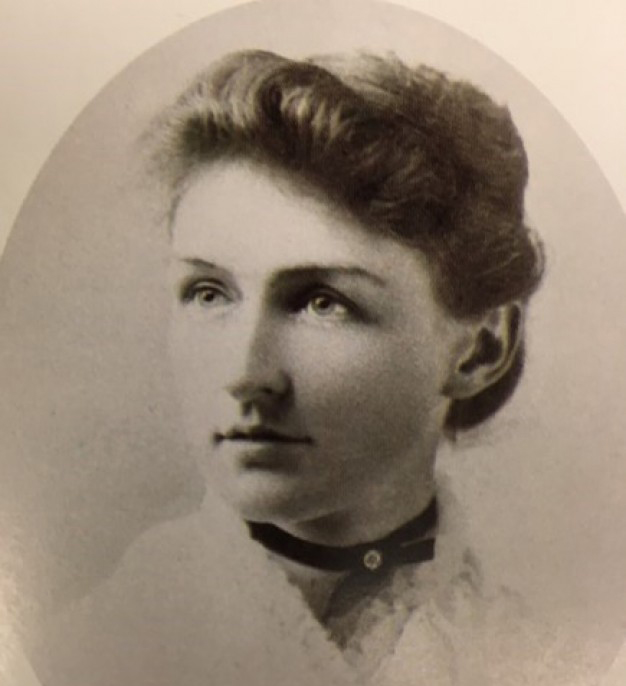
Annie Jump Cannon
(Annie Jump Cannon)
Pioneering astronomer who manually classified over 350,000 stars and created the Harvard Spectral Classification system (OBAFGKM).
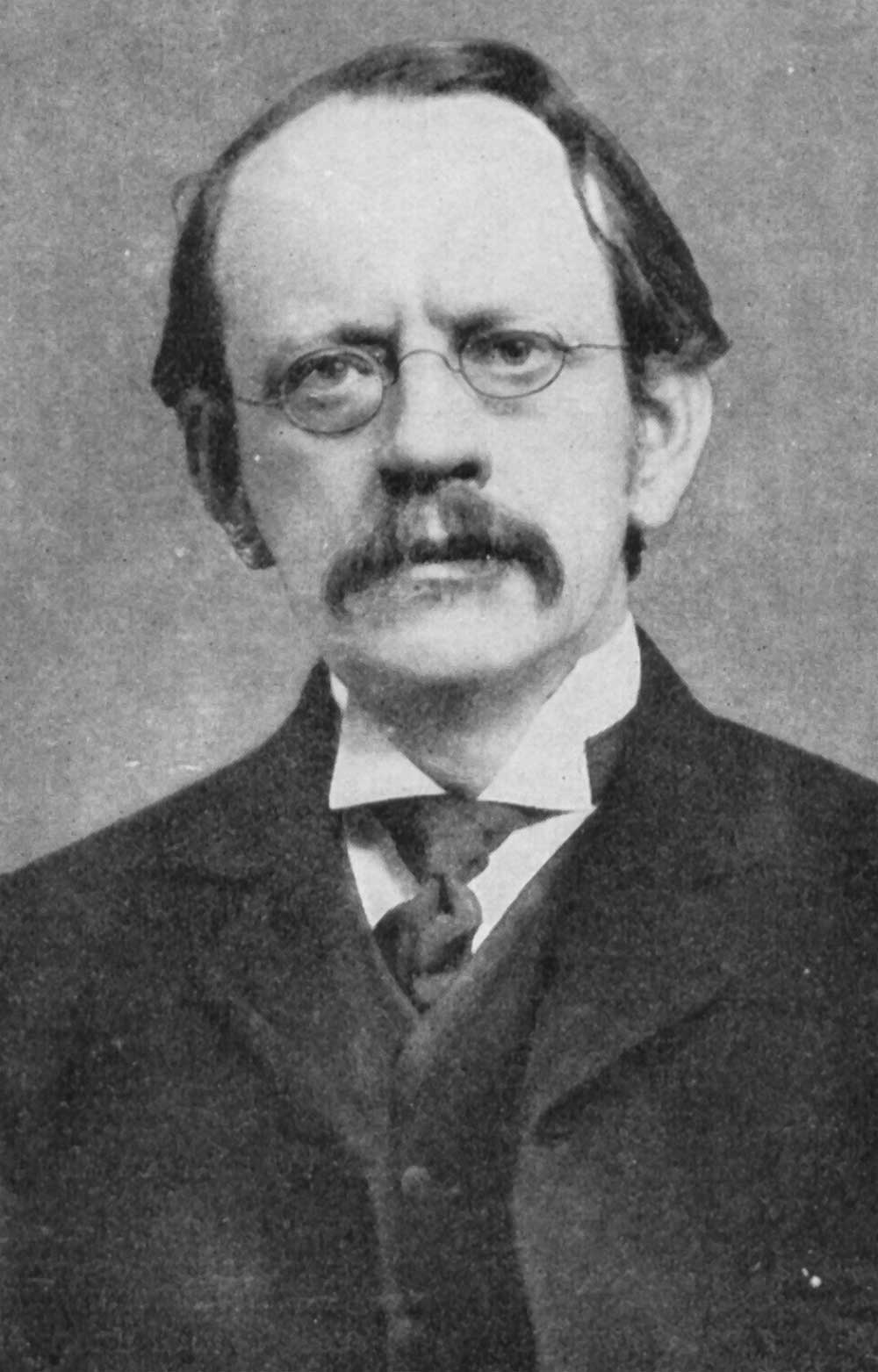
J. J. Thomson
(Joseph John Thomson)
English physicist who discovered the electron—the first subatomic particle ever identified—and invented mass spectrometry, winning the 1906 Nobel Prize in Physics.
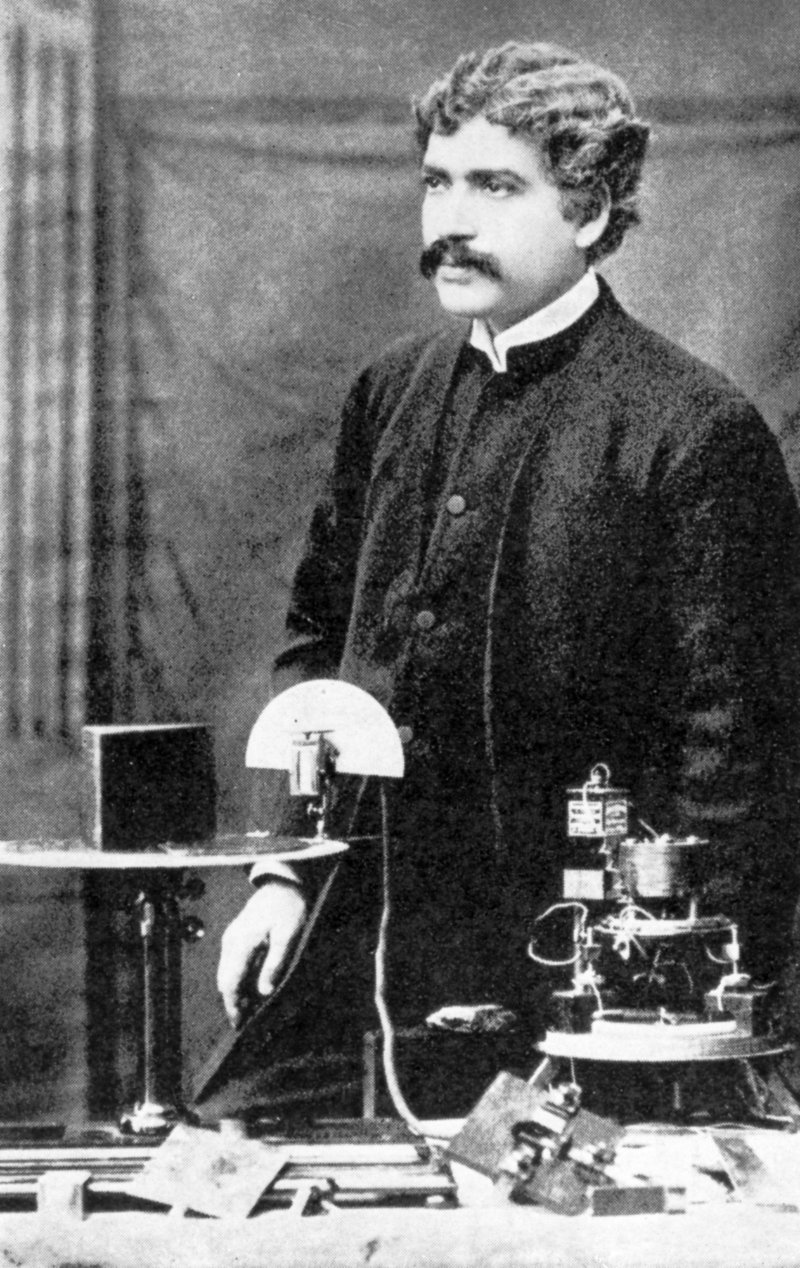
Jagadish Chandra Bose
 (জগদীশ চন্দ্র বসু)
Indian polymath who pioneered millimeter-wave radio transmission, invented the semiconductor crystal radio detector, and invented the crescograph to prove that plants respond physiologically to electrical, chemical, and emotional stimuli.
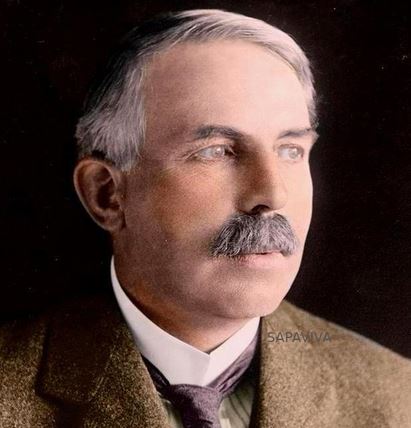
Ernest Rutherford
 (Ernest Rutherford, 1st Baron Rutherford of Nelson)
New Zealand-British physicist who discovered the atomic nucleus, identified alpha and beta radiation, proved radioactive transmutation, and achieved humanity's first artificial nuclear transmutation.
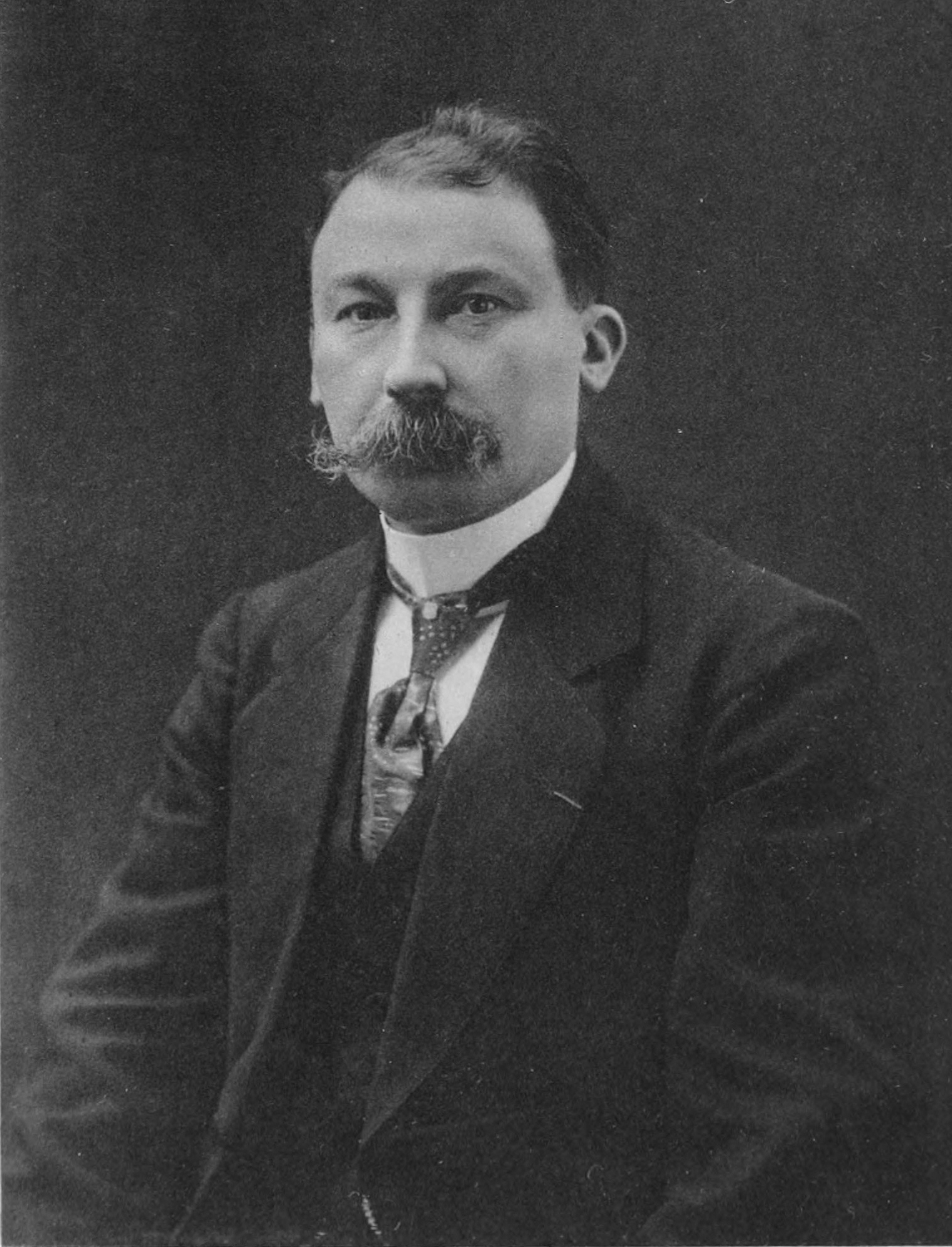
Victor Grignard
(François Auguste Victor Grignard)
French chemist who discovered Grignard reagents, the indispensable organomagnesium tools for forming carbon-carbon bonds.
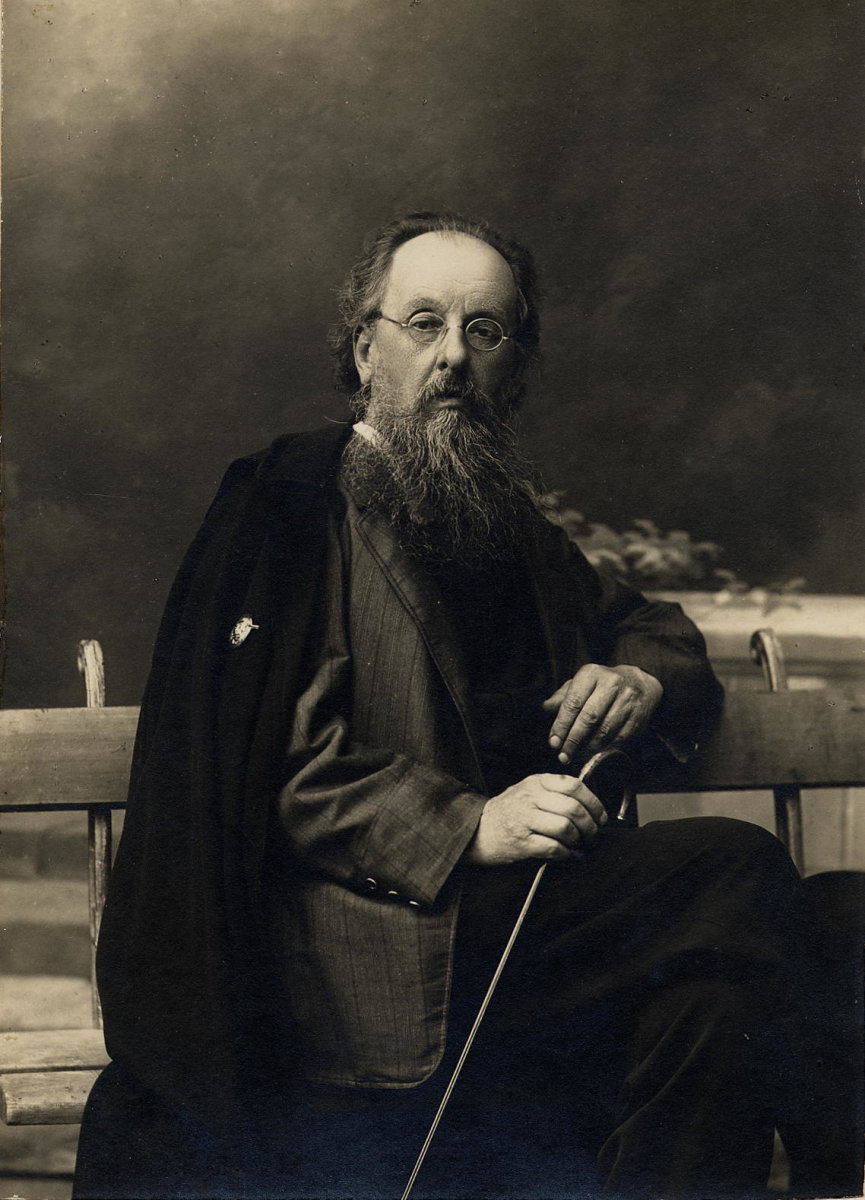
Konstantin Tsiolkovsky
(Константин Эдуардович Циолковский)
Russian visionary schoolteacher and aerospace theorist acclaimed as the 'Father of Theoretical Astronautics', who derived the Tsiolkovsky Rocket Equation and conceived multi-stage rockets, space stations, and airlocks.
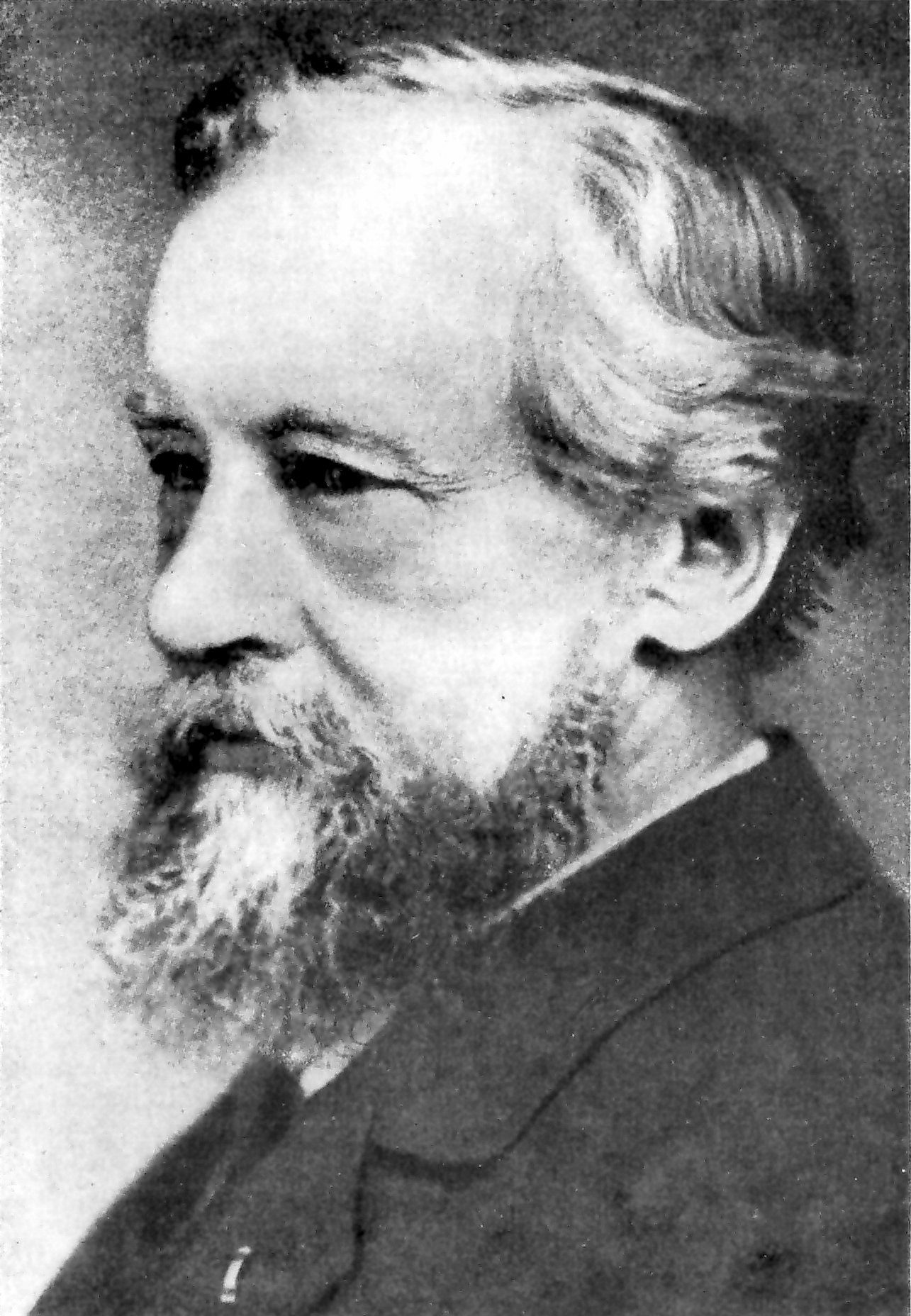
Hugo de Vries
 (Hugo Marie de Vries)
Dutch botanist who independently rediscovered Gregor Mendel's laws of heredity in 1900 and formulated the revolutionary Mutation Theory, introducing the concept of sudden genetic changes as the raw material of evolution.