Public Figures & Cultural Luminaries
Filterable archive covering centuries of intellectual, artistic, and moral contributions to the human story.
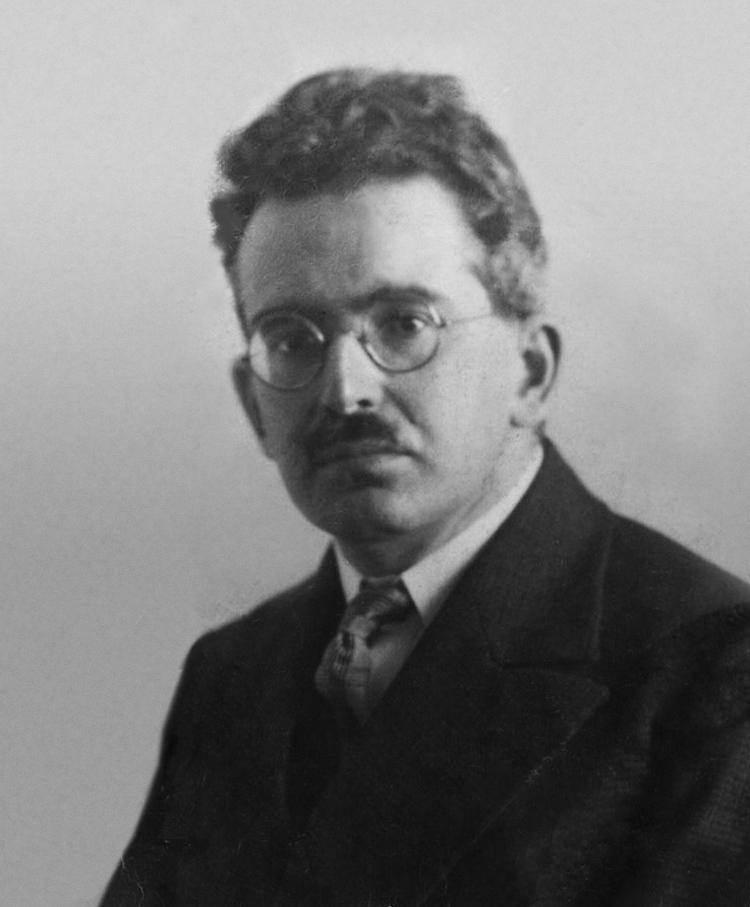
Walter Benjamin
 (Walter Bendix Schönflies Benjamin)
German-Jewish philosopher, literary essayist, and cultural critic celebrated for The Work of Art in the Age of Mechanical Reproduction and Theses on the Philosophy of History.
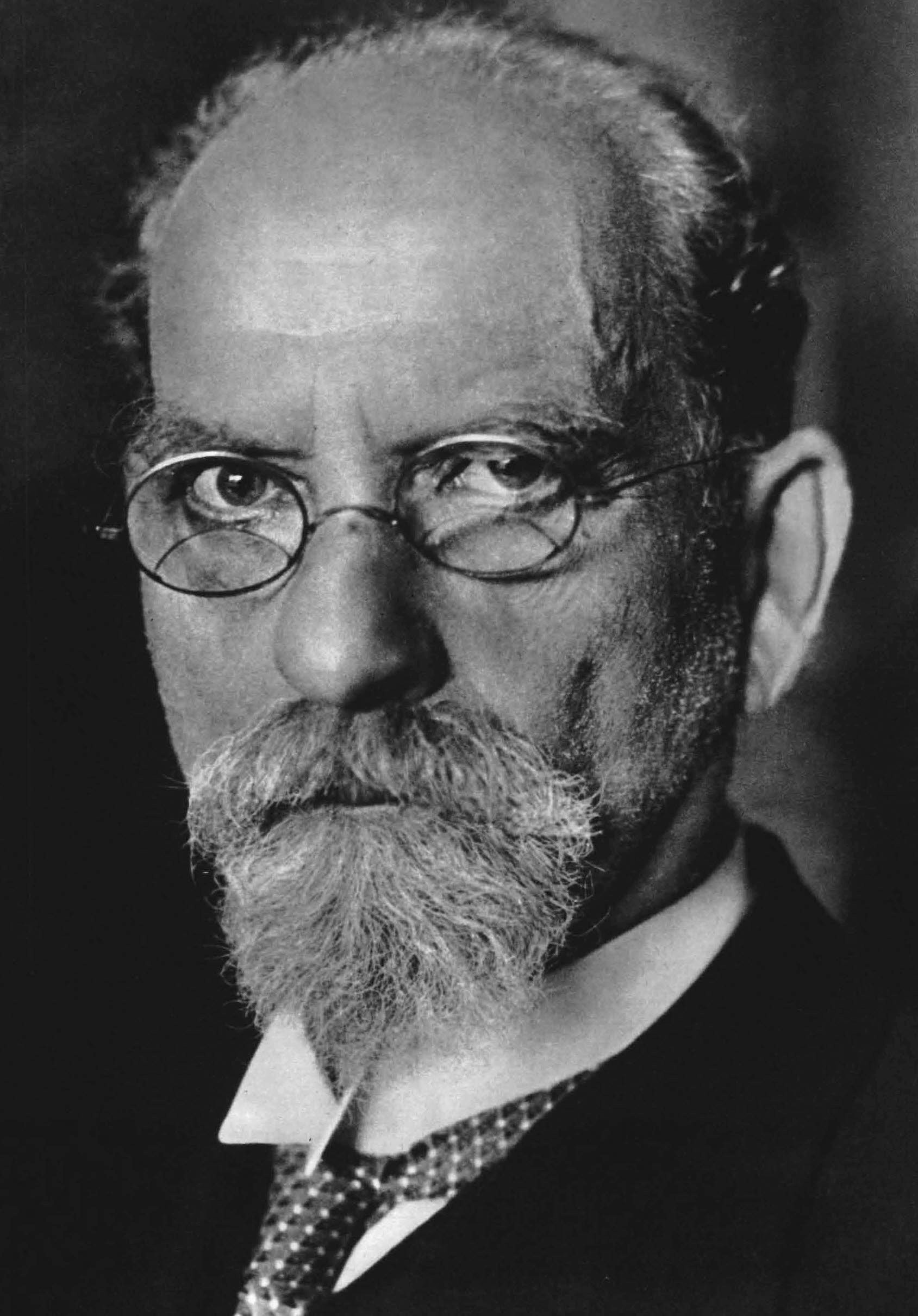
Edmund Husserl
 (Edmund Gustav Albrecht Husserl)
Austrian-German philosopher who founded phenomenology with Logical Investigations and Ideas I, seeking to return 'to the things themselves' by analyzing intentional consciousness and epoche.
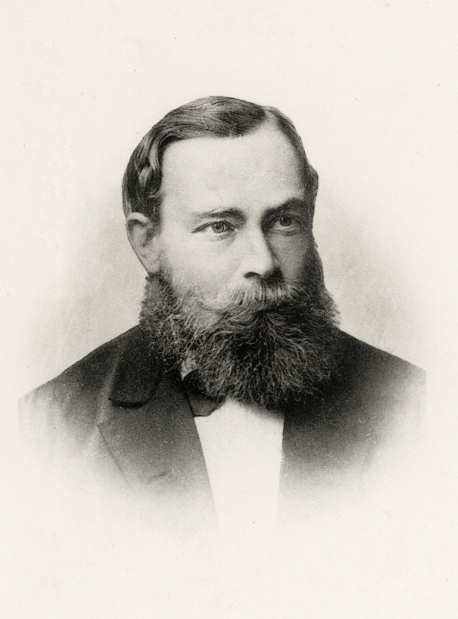
Gottlob Frege
(Friedrich Ludwig Gottlob Frege)
German mathematician, logician, and philosopher universally celebrated as the father of modern logic and analytic philosophy, who invented predicate calculus and distinguished Sense and Reference.
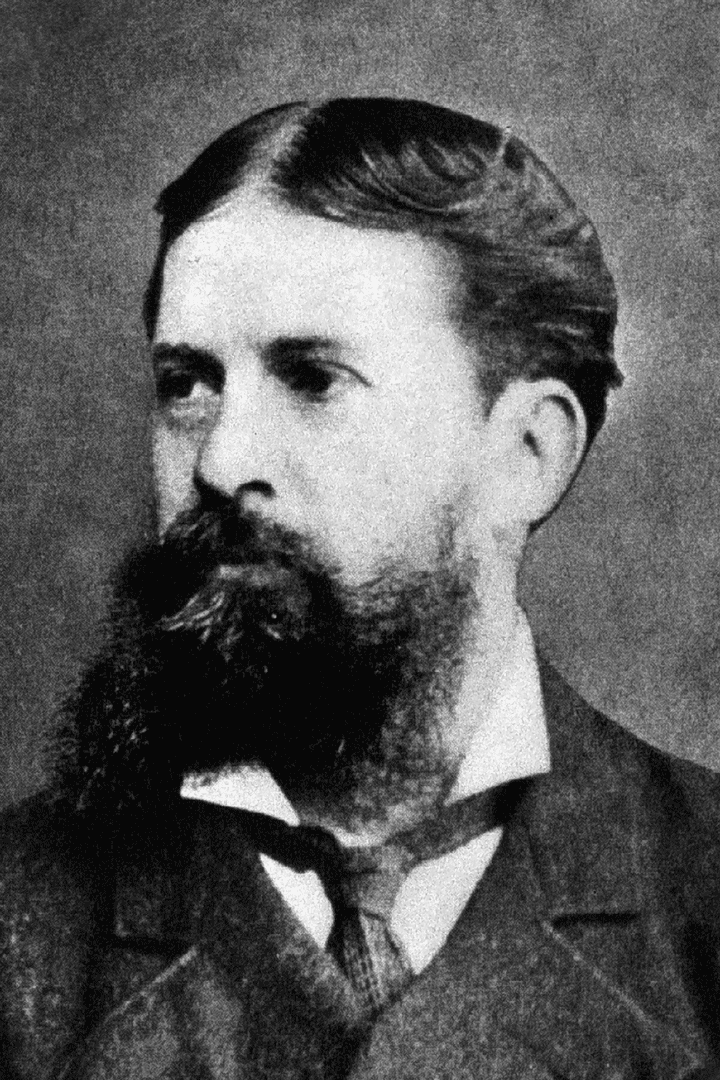
Charles Sanders Peirce
 (Charles Sanders Peirce)
American philosopher, logician, and scientist celebrated as the father of pragmatism and modern semiotics, who introduced abduction (inference to the best explanation).
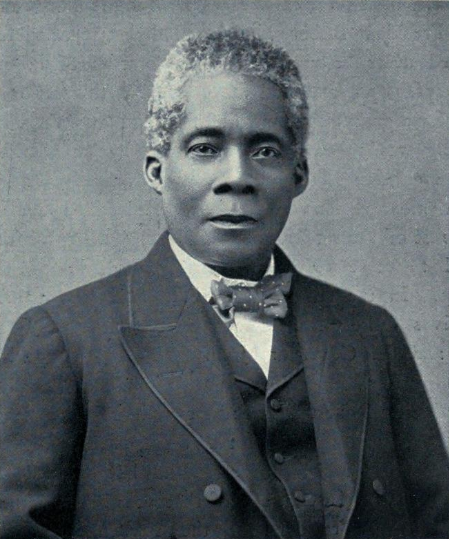
Edward Wilmot Blyden
 (Edward Wilmot Blyden)
Educator, writer, and diplomat recognized as the father of Pan-Africanism, whose 1887 book Christianity, Islam and the Negro Race formulated the concept of the 'African Personality'.
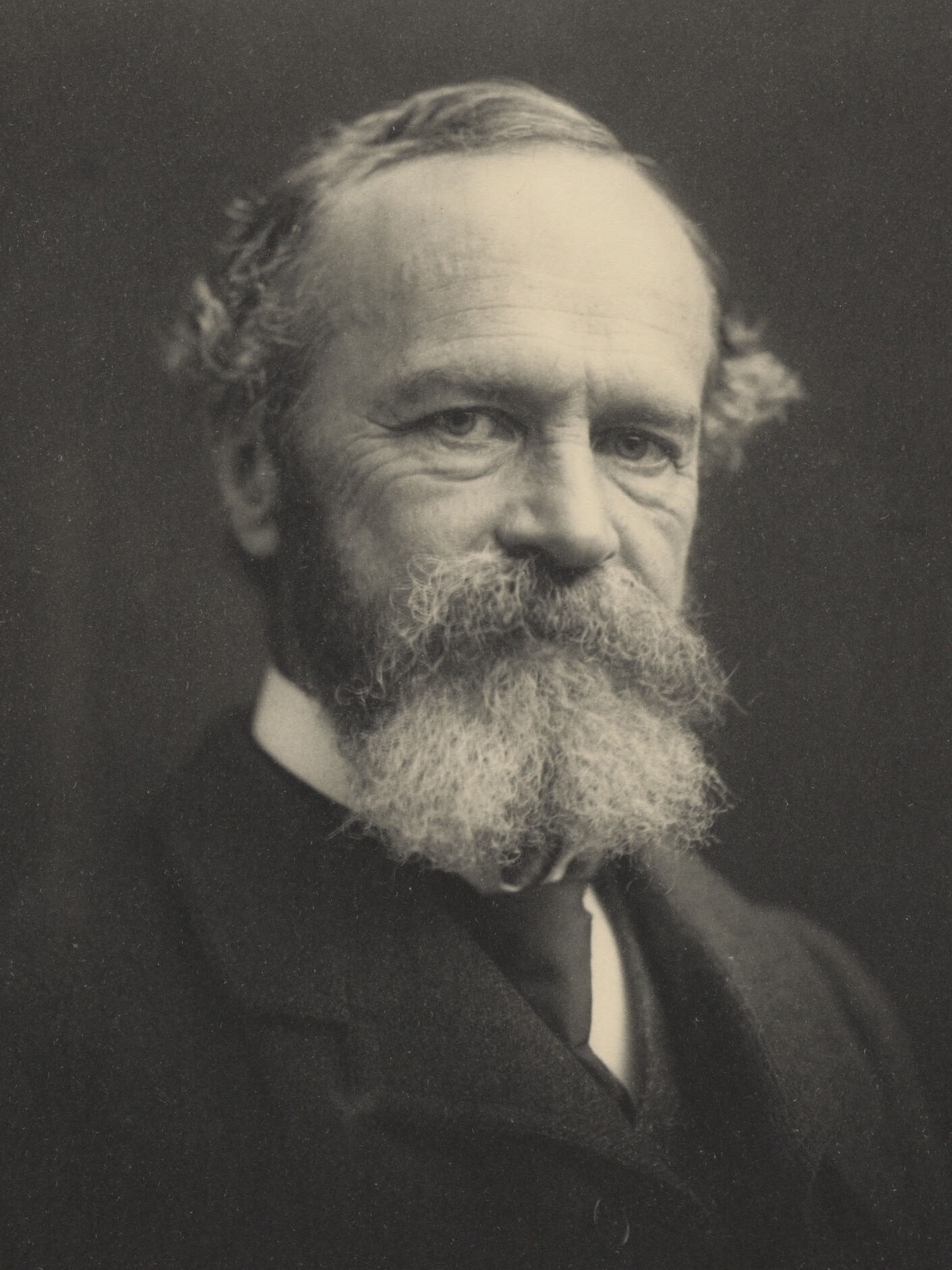
William James
(William James)
American philosopher and psychologist who founded American psychology with The Principles of Psychology and popularized Pragmatism, radical empiricism, and The Varieties of Religious Experience.
Friedrich Nietzsche
(Friedrich Wilhelm Nietzsche)
Revolutionary German philosopher whose electrifying works dismantled traditional morality, proclaimed the death of God, and celebrated the Will to Power, the Übermensch, and Amor Fati.
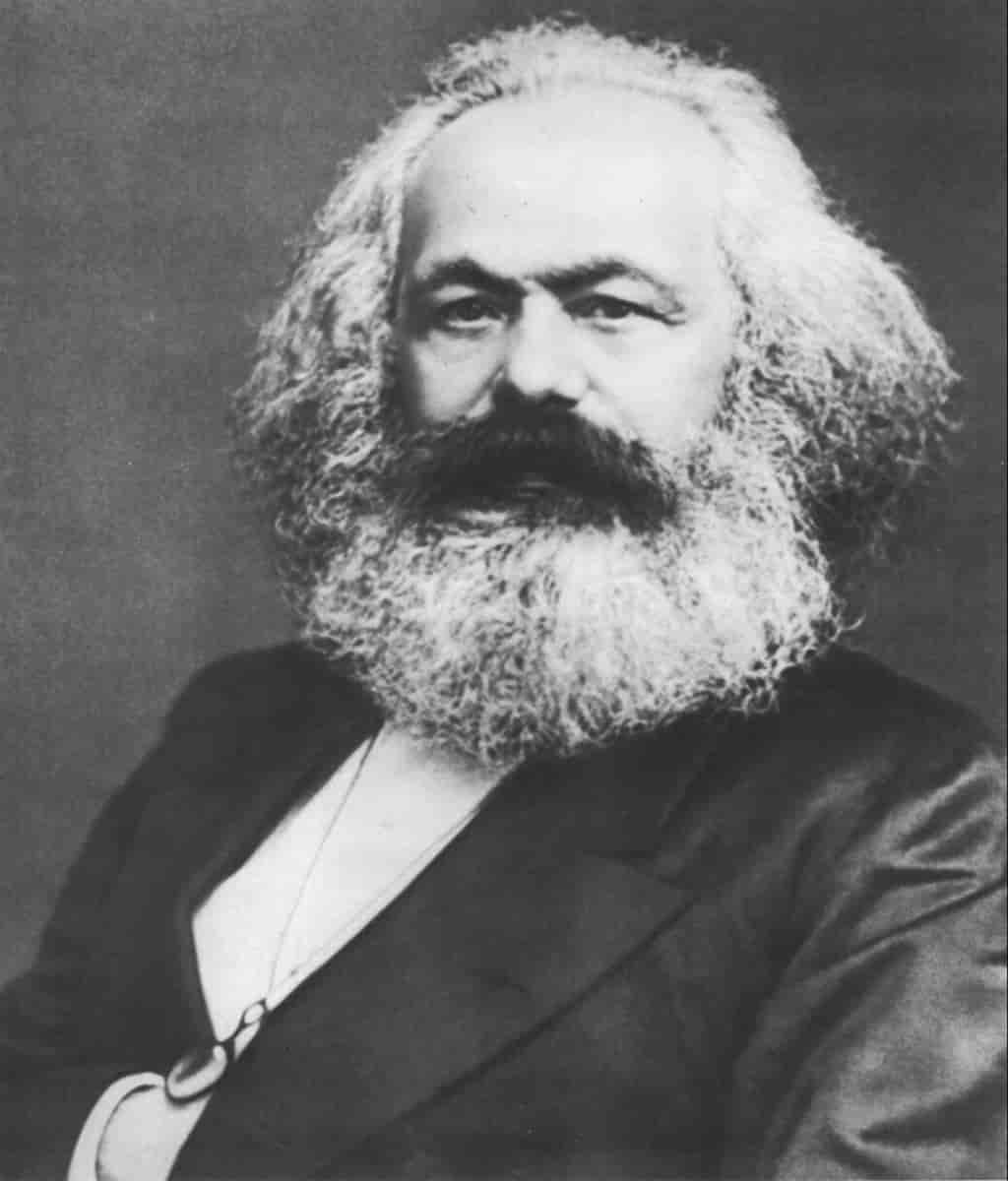
Karl Marx
(Karl Heinrich Marx)
Revolutionary philosopher, political theorist, and economist whose historical materialism, The Communist Manifesto, and Das Kapital transformed modern history, politics, and sociology.
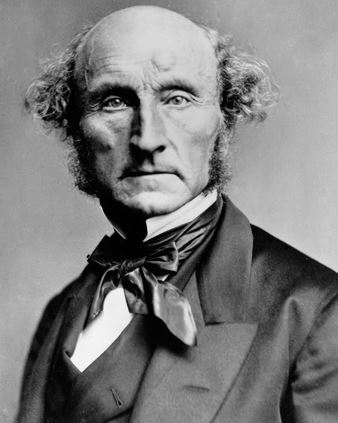
John Stuart Mill
 (John Stuart Mill)
British philosopher and political economist who refined utilitarianism, formulated the harm principle in On Liberty, and made the historic parliamentary case for women's suffrage.
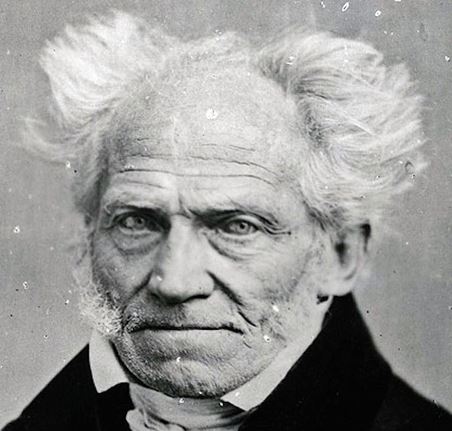
Arthur Schopenhauer
 (Arthur Schopenhauer)
German philosopher whose masterpiece The World as Will and Representation combined Kantian critique with Indian Upanishadic thought, depicting the cosmos driven by an insatiable Will.
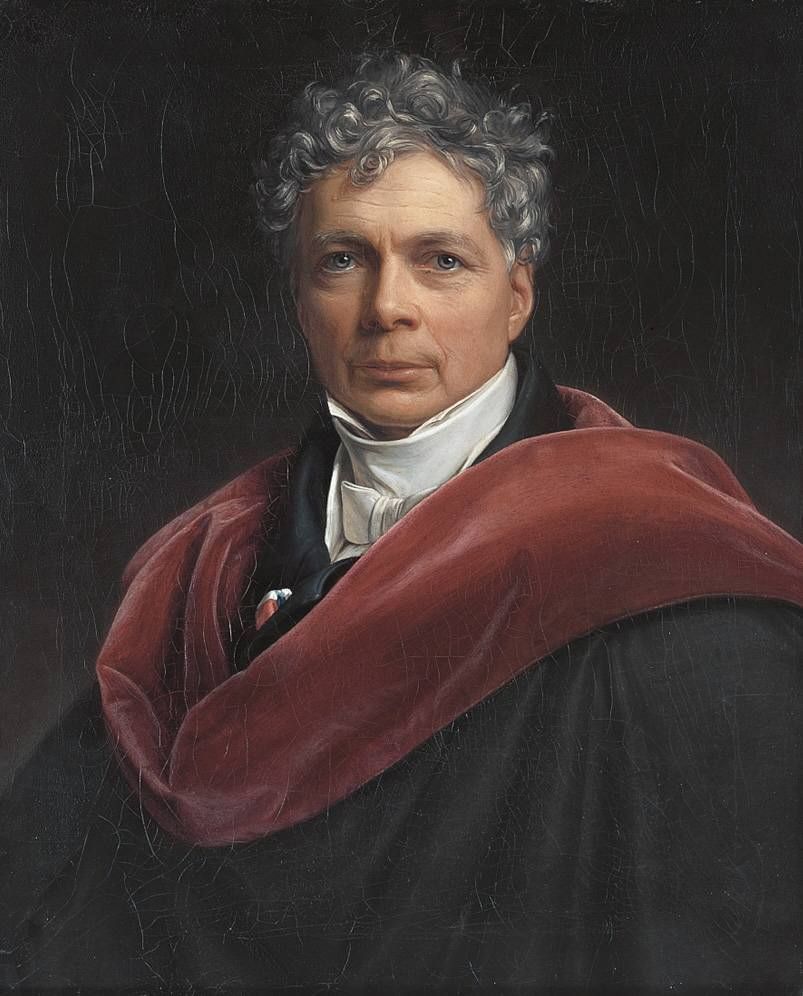
Friedrich Schelling
(Friedrich Wilhelm Joseph Schelling)
German idealist philosopher who developed Naturphilosophie (Philosophy of Nature) and Identity Philosophy, reconciling spirit and matter as two poles of a single living Absolute.
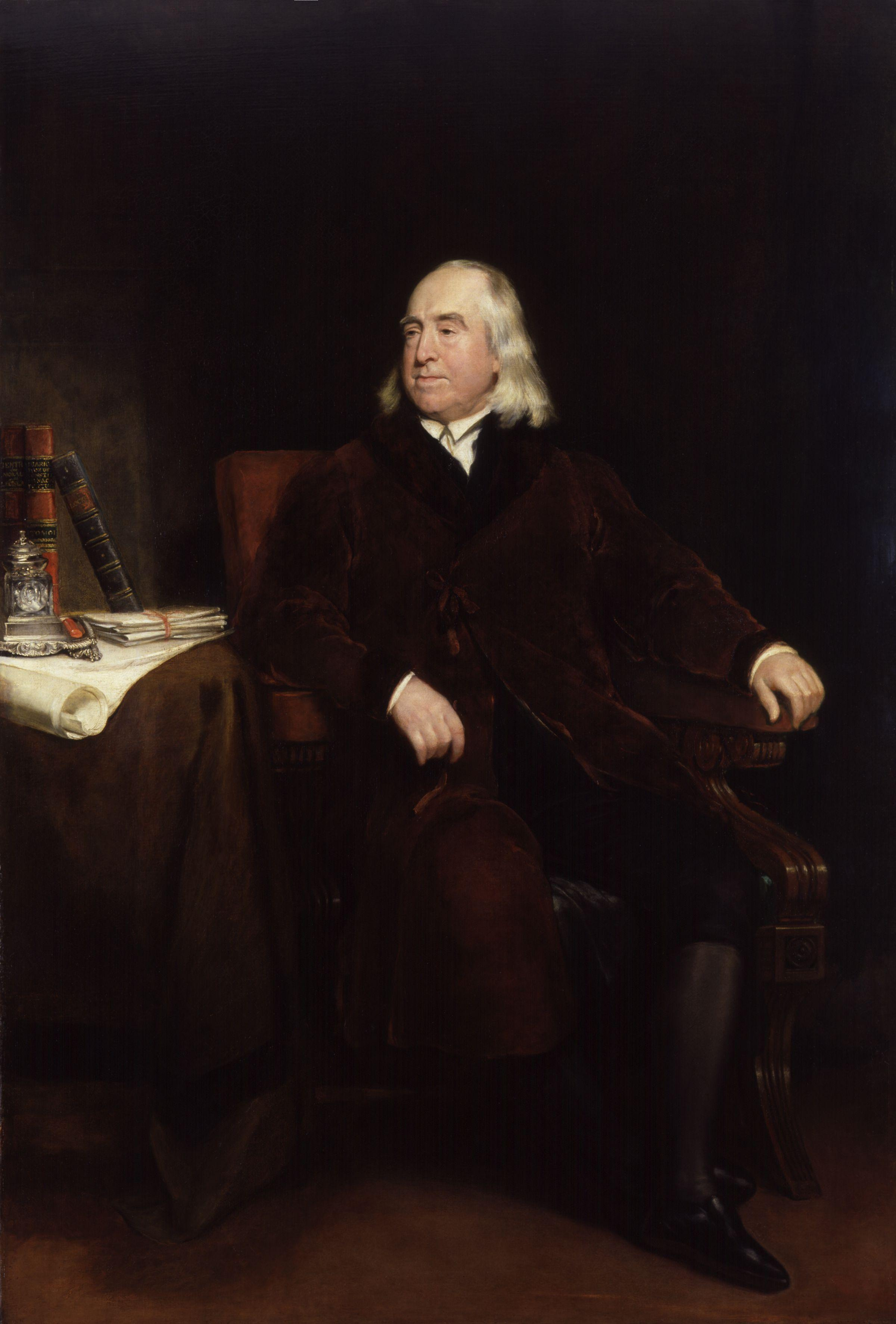
Jeremy Bentham
(Jeremy Bentham)
English philosopher, jurist, and social reformer who founded modern utilitarianism, proposing that morality consists in promoting 'the greatest happiness of the greatest number'.
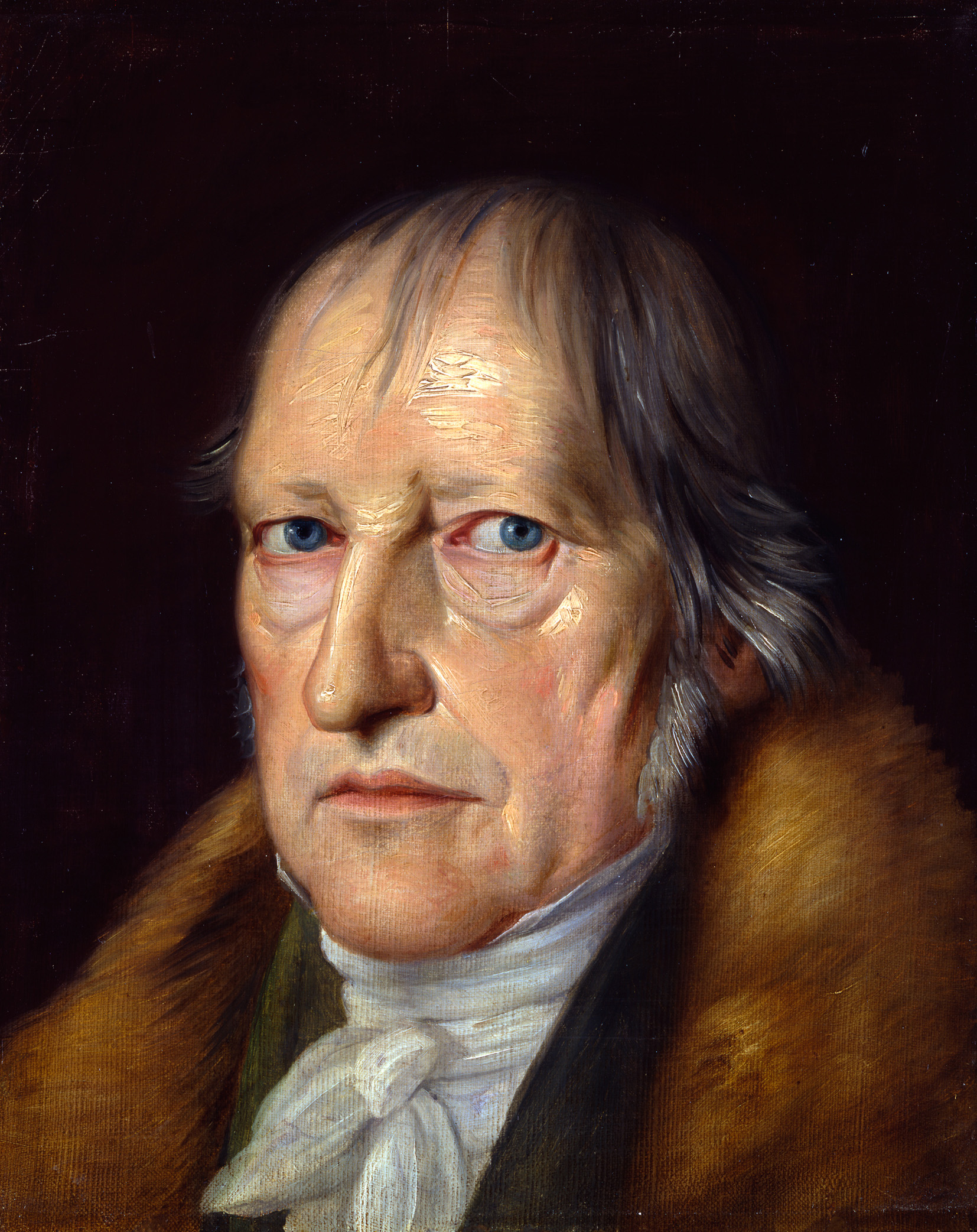
G. W. F. Hegel
(Georg Wilhelm Friedrich Hegel)
Titan of German Idealism whose dialectical system traced the historical evolution of Absolute Spirit through thesis, antithesis, and synthesis in The Phenomenology of Spirit.
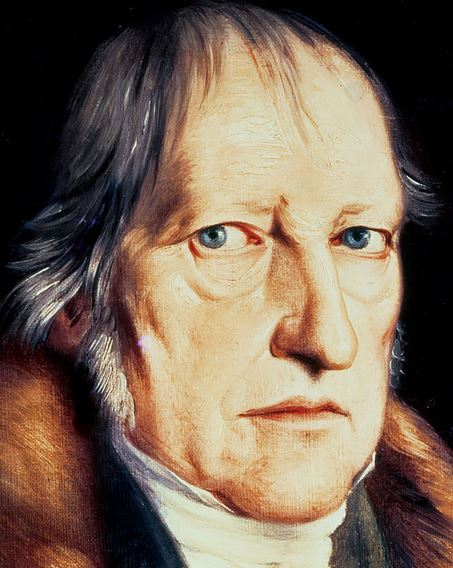
Georg Wilhelm Friedrich Hegel
(Georg Wilhelm Friedrich Hegel)
Master of German Idealism whose dialectical philosophy conceptualized historical development as the progressive self-realization of Spirit (Geist) toward absolute freedom.
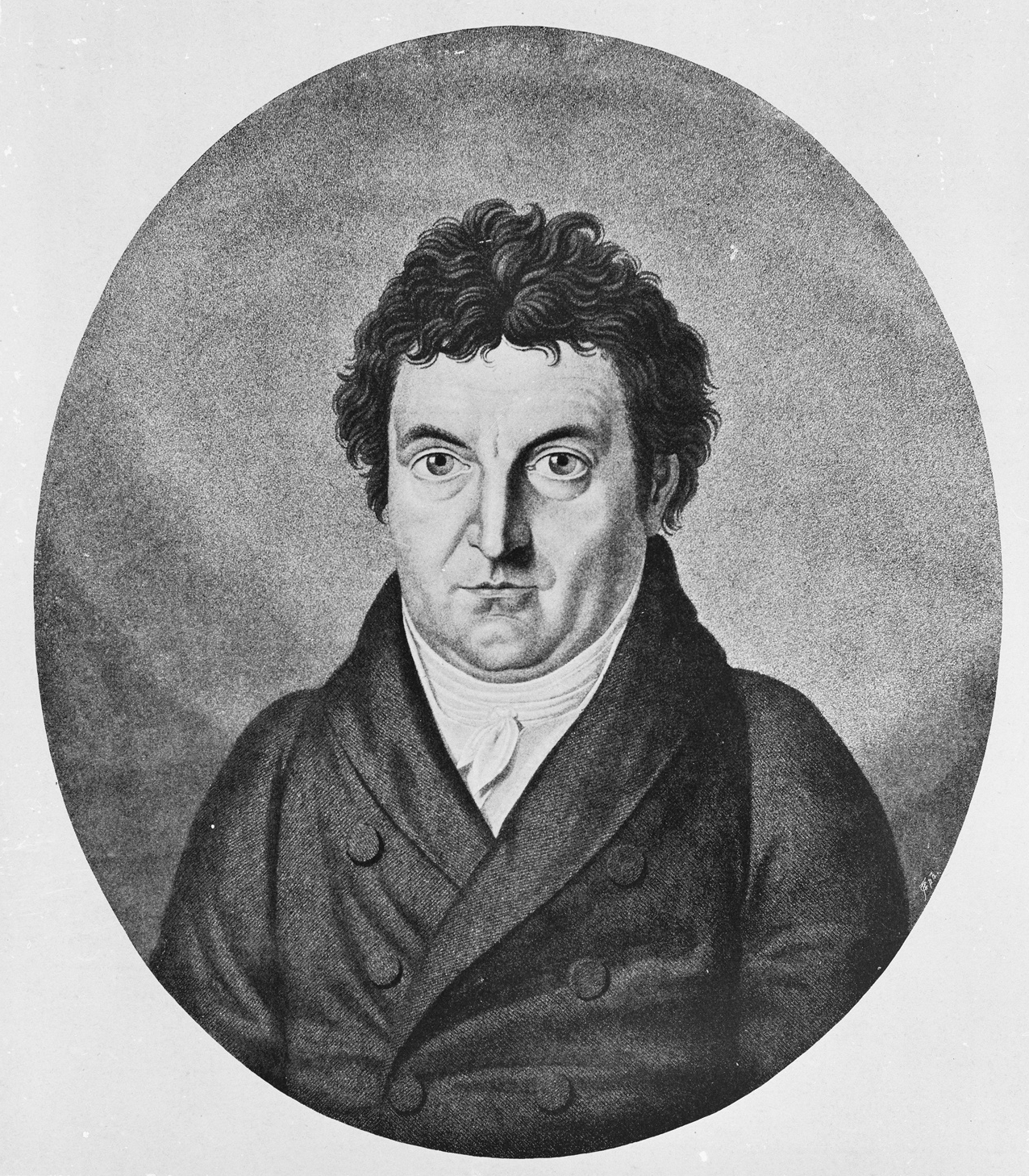
Johann Gottlieb Fichte
(Johann Gottlieb Fichte)
German idealist philosopher who transformed Kant's critical philosophy into subjective idealism through the self-positing Ego (Wissenschaftslehre) and delivered the Addresses to the German Nation.
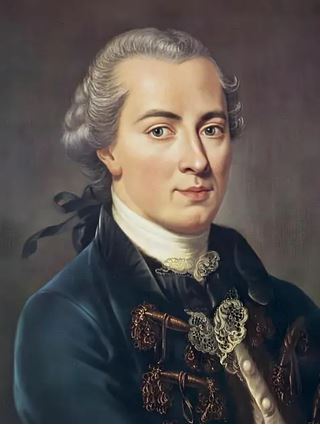
Immanuel Kant
(Immanuel Kant)
Colossus of modern thought whose Critique of Pure Reason synthesized rationalism and empiricism through transcendental idealism, establishing the Categorical Imperative of moral duty.
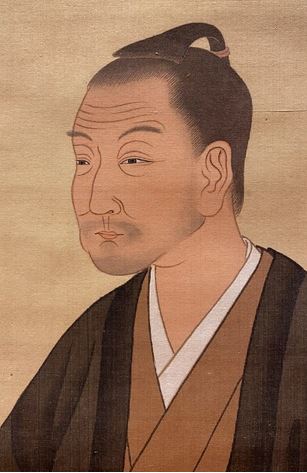
Motoori Norinaga
 (本居 宣長)
Foremost scholar of Kokugaku (National Learning) in Edo Japan who spent thirty-five years deciphering the archaic 8th-century 'Kojiki' and articulated the supreme Japanese aesthetic philosophy of 'Mono no aware' (the pathos of things).
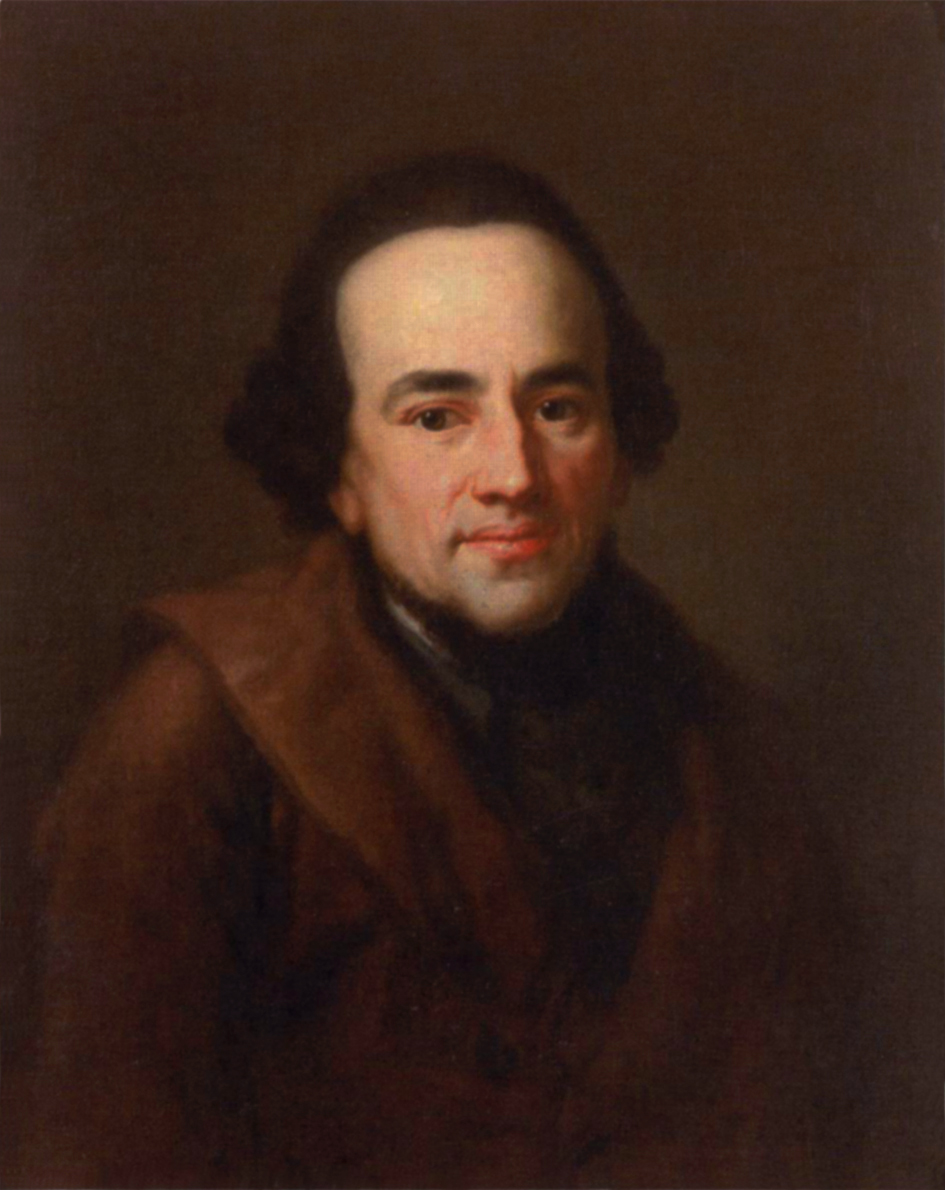
Moses Mendelssohn
(משה מנדלסזון)
German-Jewish philosopher hailed as the 'German Plato', leader of the Jewish Enlightenment (Haskalah), who translated the Torah into German and advocated religious tolerance in Jerusalem.