Bhasa
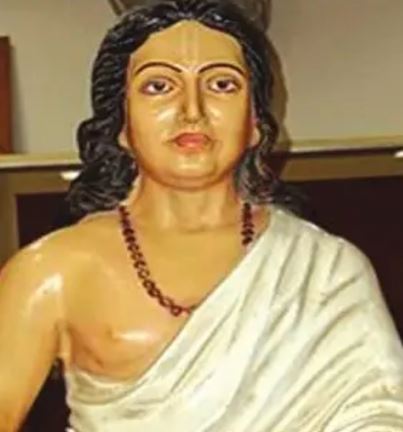
One of the earliest and most celebrated playwrights in Sanskrit literature (c. 2nd–3rd Century CE), whose thirteen plays—feared lost for centuries until rediscovered in Kerala in 1912—include the drama 'Svapnavasavadatta'.
Start typing to search worldwide archives and community tributes
Filterable archive covering centuries of intellectual, artistic, and moral contributions to the human story.
One of the earliest and most celebrated playwrights in Sanskrit literature (c. 2nd–3rd Century CE), whose thirteen plays—feared lost for centuries until rediscovered in Kerala in 1912—include the drama 'Svapnavasavadatta'.
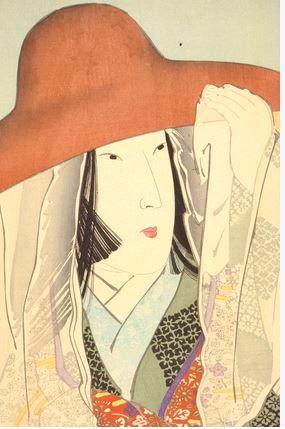
Heian-period Japanese court lady, poet, and author (c. 966–1017) whose masterpiece 'The Pillow Book' (Makura no Soshi) founded the zuihitsu ('following the brush') genre of personal essays and witty observations.
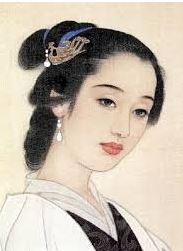
Universally acknowledged as the greatest woman poet in Chinese history (1084–c. 1155), whose exquisitely crafted Ci lyric poetry evolved from radiant youthful romance into devastating meditations on widowhood and exile.
Roman poet and philosopher whose epic didactic poem De Rerum Natura (On the Nature of Things) expounded Epicurean atomism and liberated humans from superstitious dread.
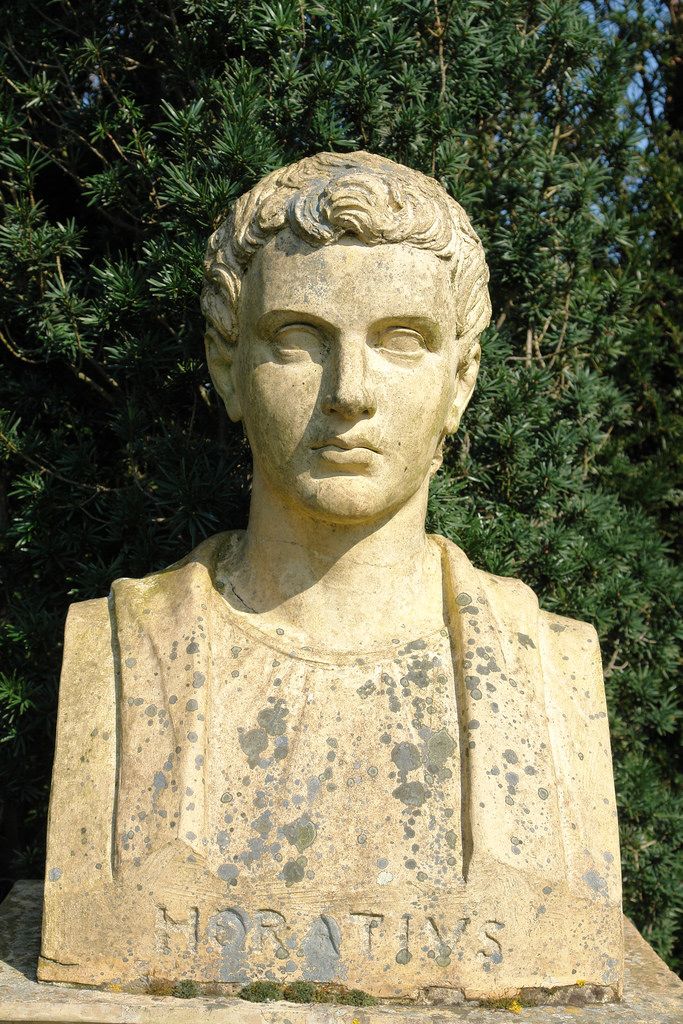
Supreme Augustan lyric poet and satirist who coined 'carpe diem' and 'dulce et decorum est pro patria mori' across his Odes, Satires, and Ars Poetica.
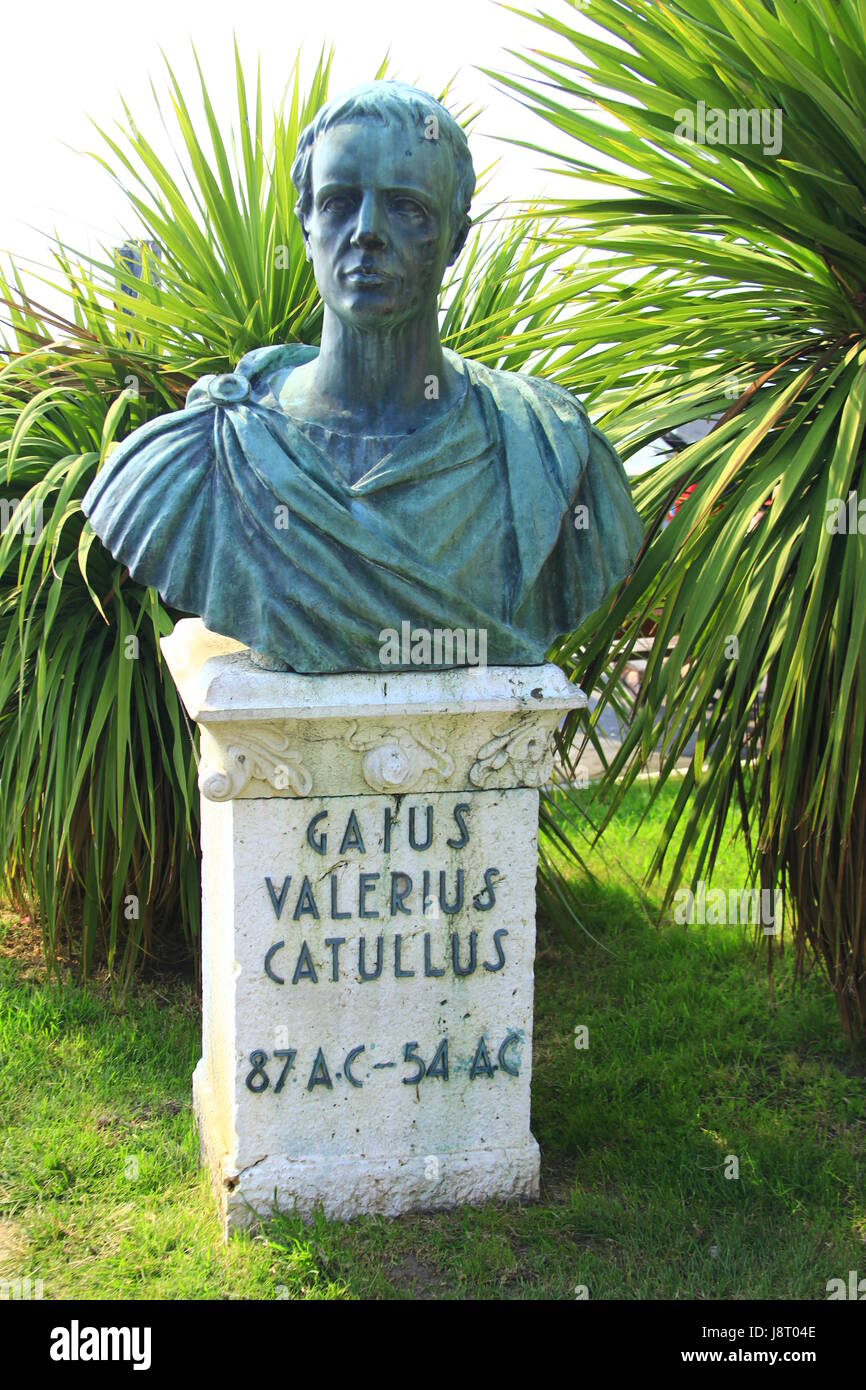
Passionate Roman neoteric poet whose intense lyrics of love, fury, and grief addressed to 'Lesbia' revolutionized Latin lyric poetry.
Supreme dramatist of Athenian New Comedy whose comedies of manners, stock characters, and romantic plots directly shaped Roman drama and modern sitcoms.
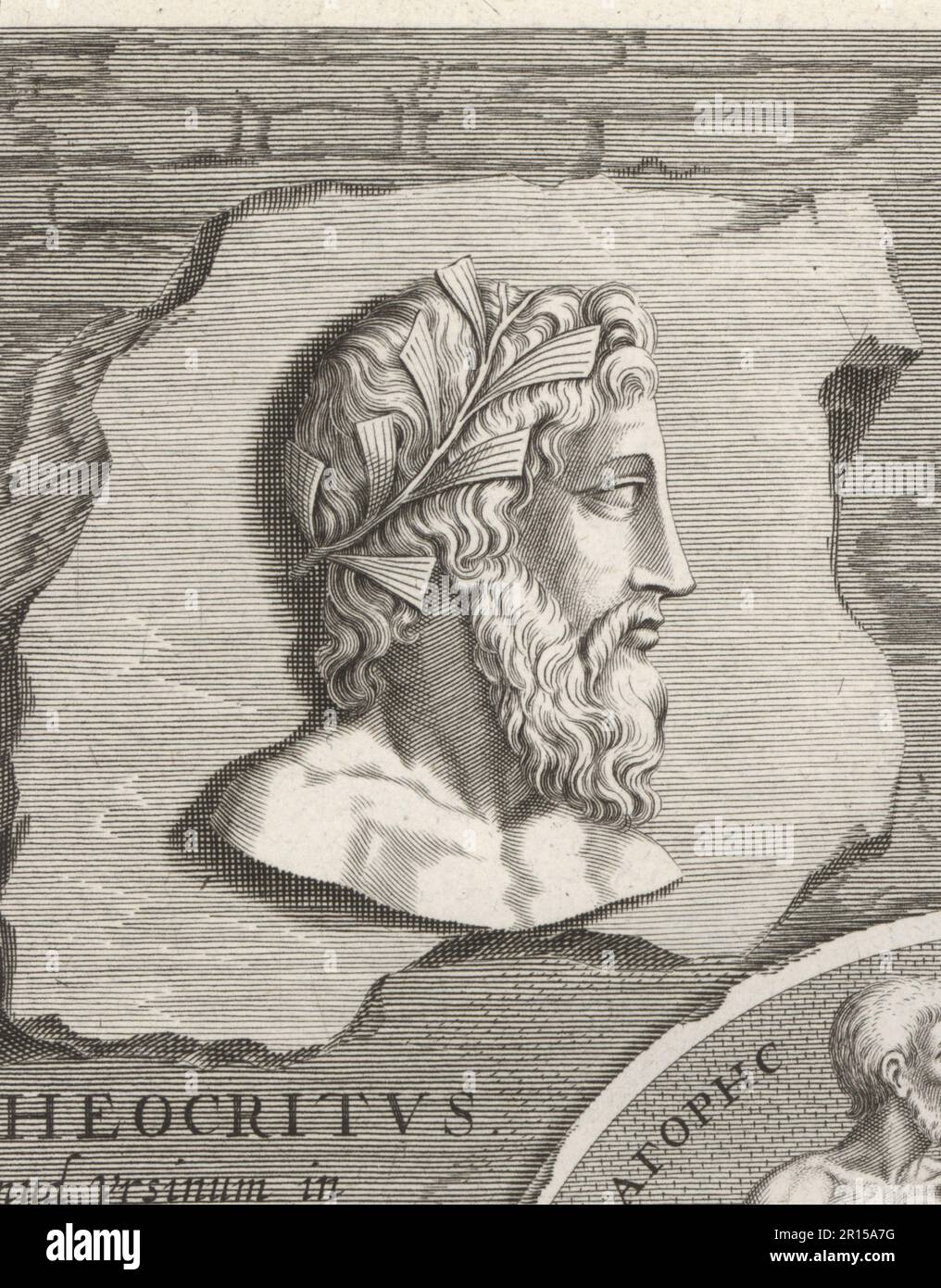
Hellenistic poet from Syracuse who created pastoral and bucolic poetry, immortalizing singing shepherds and rural idylls that inspired Virgil and the Western pastoral tradition.
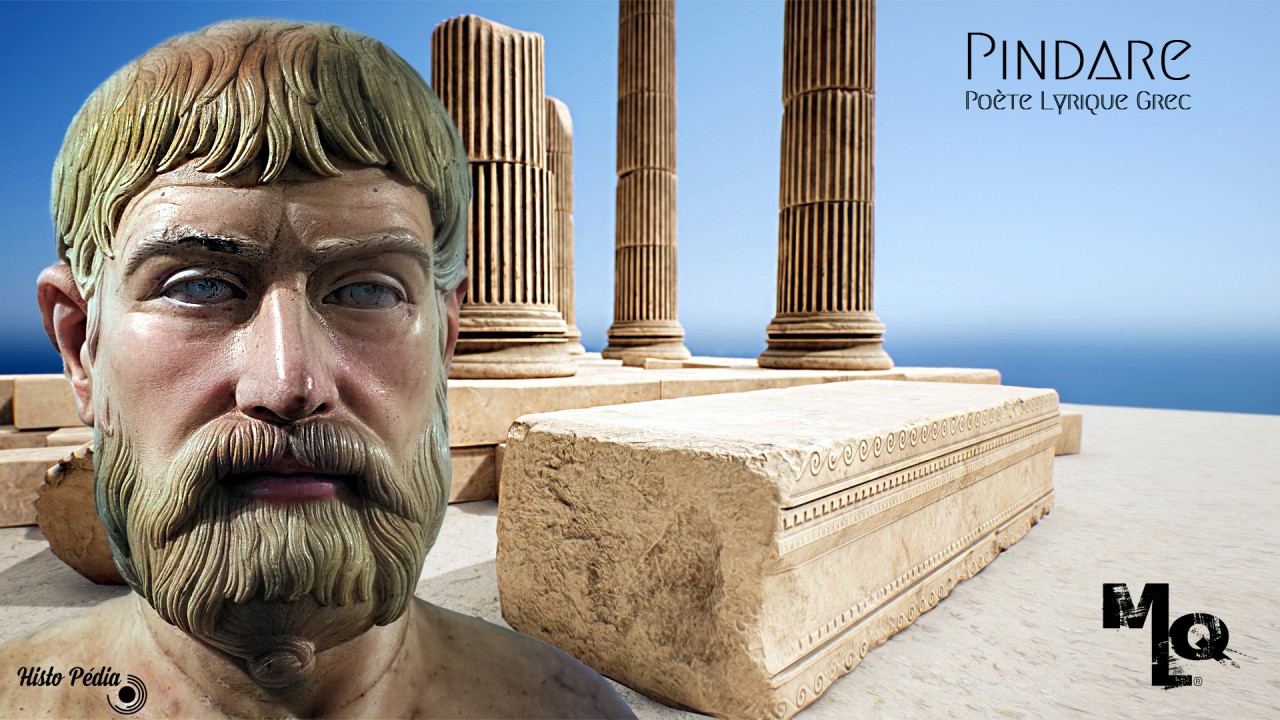
Greatest of the canonical Nine Lyric Poets of ancient Greece, celebrated for his triumphant Epinician Odes honoring victors of the Panhellenic Games.
Archaic Greek oral epic poet whose Theogony established the genealogy of the Greek gods and whose Works and Days founded didactic poetry and celebrated agrarian labor.
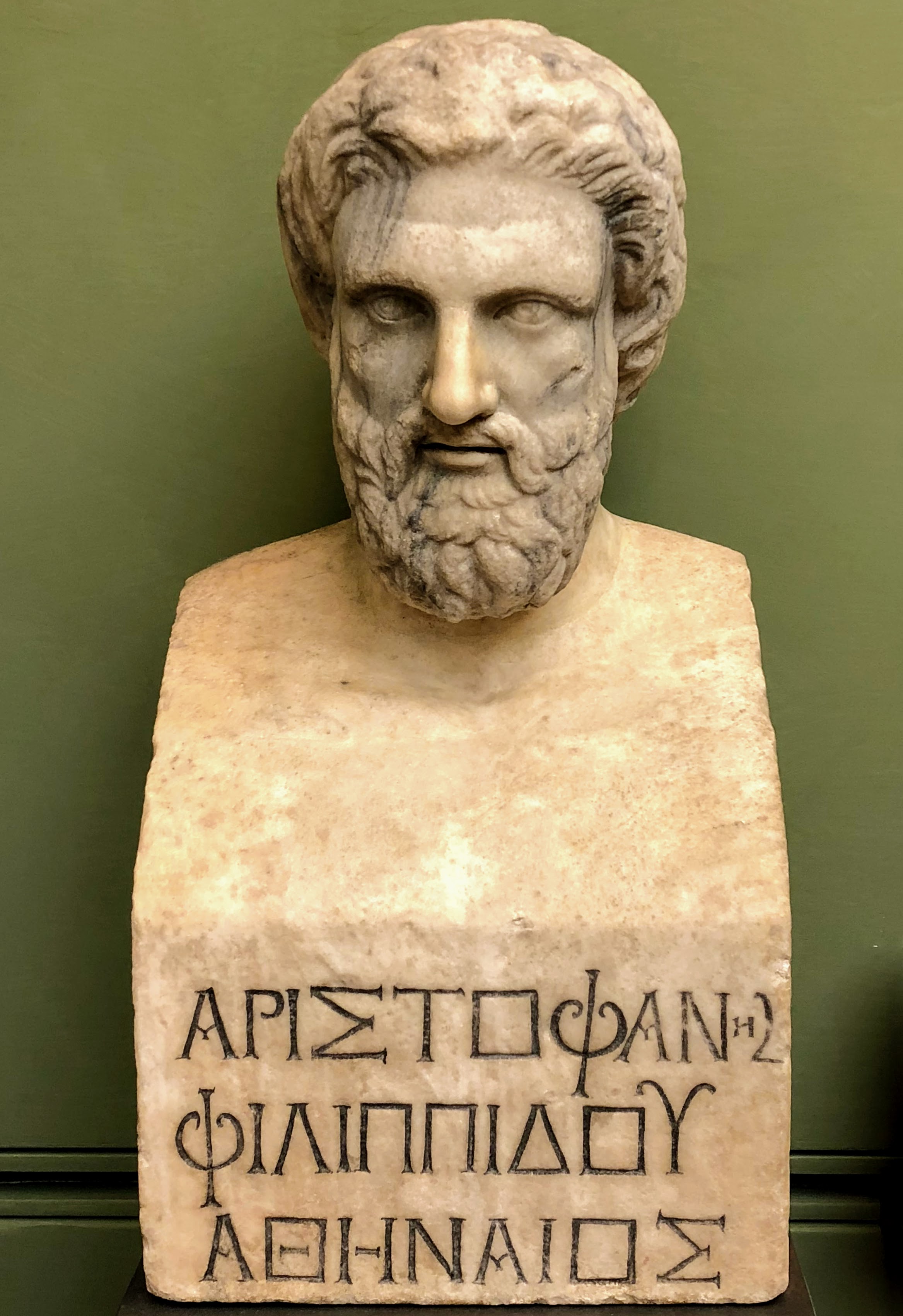
Greatest comedic playwright of ancient Athens and undisputed master of Old Comedy, whose political and philosophical satires include Lysistrata, The Birds, and The Clouds.
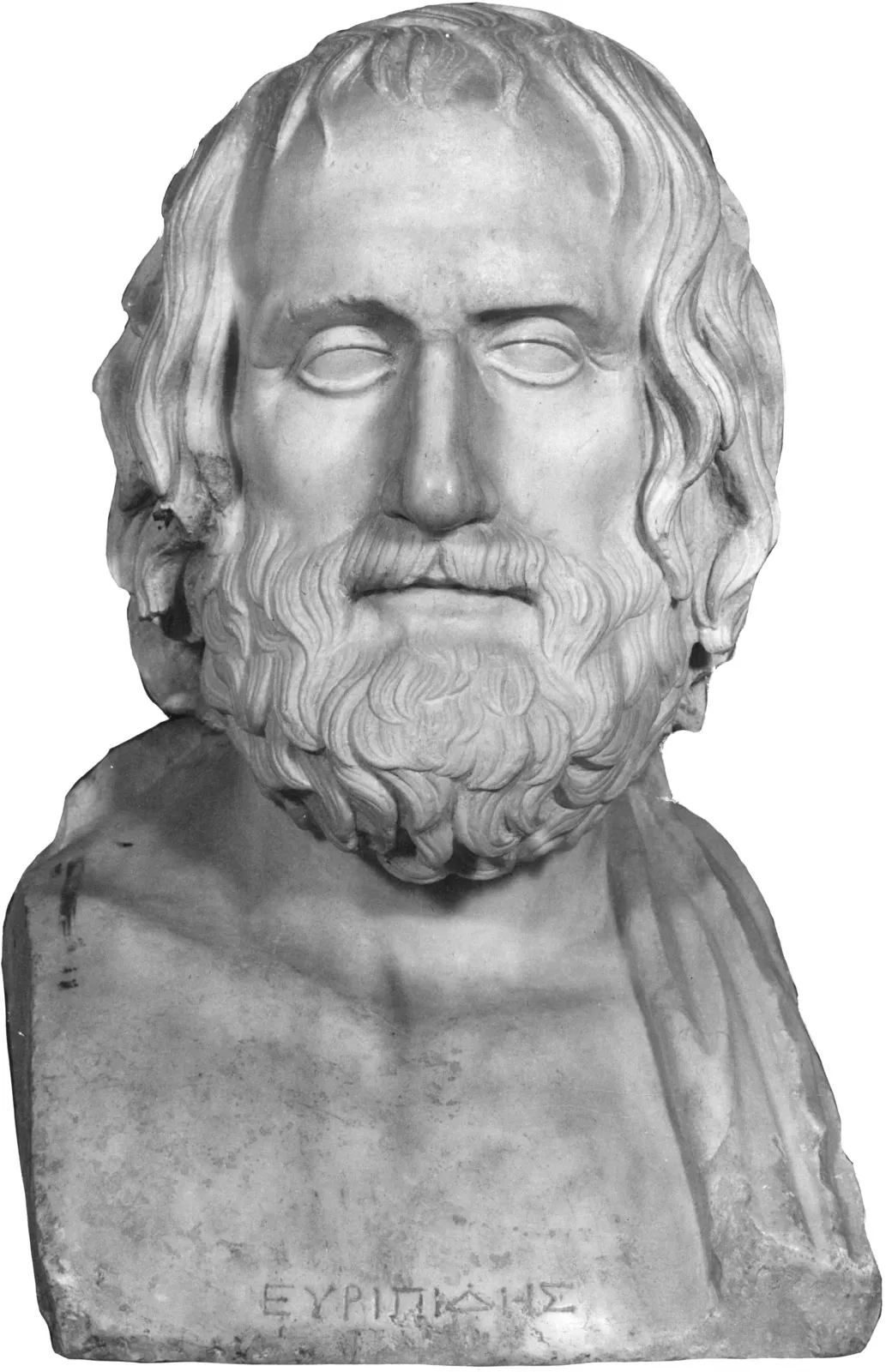
Innovative Athenian tragedian renowned for psychological realism, sympathetic female protagonists, and scathing critiques of mythological gods in Medea, The Trojan Women, and The Bacchae.
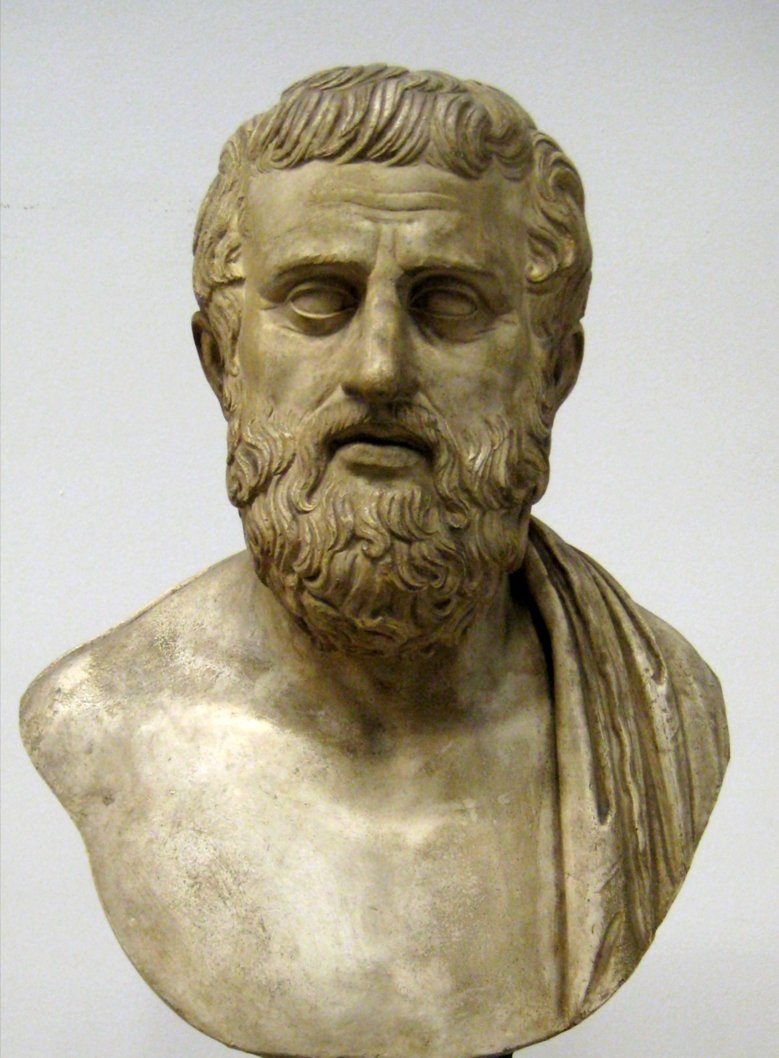
Foremost classical Athenian tragedian who introduced the third actor, painted scenery, and explored human destiny versus divine law in Oedipus Rex and Antigone.
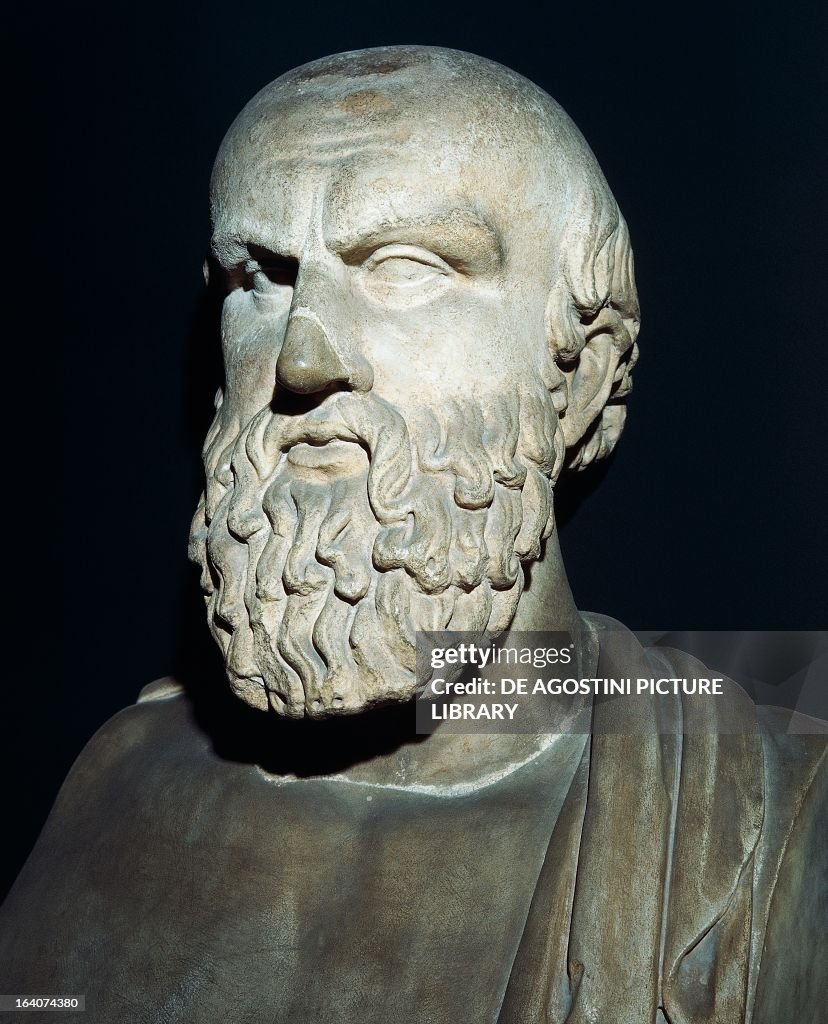
Revered as the 'Father of Tragedy', Athenian dramatist who expanded the theater by adding a second actor, creating dialogue and dramatic conflict in masterworks like the Oresteia.
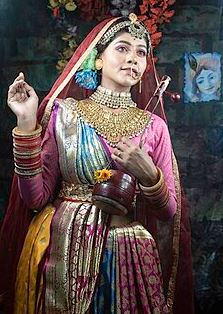
Celebrated 16th-century Rajput princess and Bhakti mystic poetess who defied royal court patriarchy and persecution to dance and sing over a thousand ecstatic devotional bhajans dedicated to Lord Krishna.
Profound Persian Sufi poet and apothecary whose allegorical masterpiece Mantiq al-Tayr (The Conference of the Birds) and Tazkirat al-Awliya (Biographies of the Saints) deeply inspired Rumi and world mysticism.
Preeminent poet of the pre-Islamic Arabian golden era (Jahiliyyah) and author of the most famous Mu'allaqah, revered as the foundational inventor of the classical Arabic ode (qasida) and mourning over desert ruins (Atlal).
One of the greatest classical Arab poets of the Abbasid Golden Age, famed for his dazzling wit, rebellious humor, and revolutionary mastery of khamriyyat (wine songs) at the court of Harun al-Rashid.