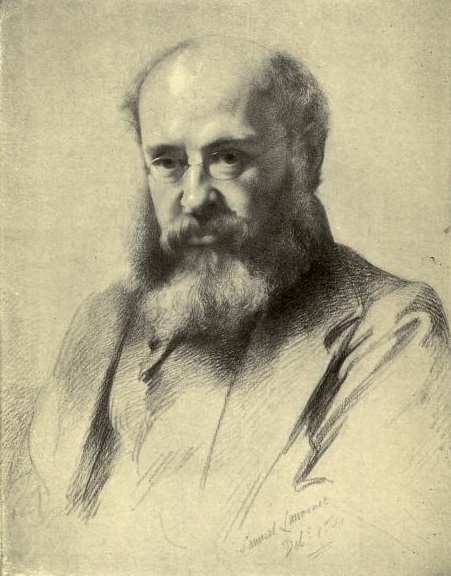
Anthony Trollope
Prolific Victorian novelist and General Post Office official who created the Chronicles of Barsetshire, the Palliser political series, and the pillar postal box.
Start typing to search worldwide archives and community tributes
Filterable archive covering centuries of intellectual, artistic, and moral contributions to the human story.
Prolific Victorian novelist and General Post Office official who created the Chronicles of Barsetshire, the Palliser political series, and the pillar postal box.
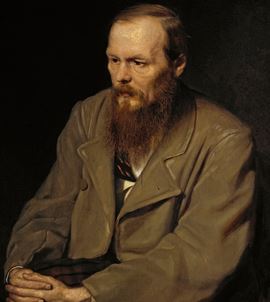
Supreme psychological novelist whose terrifying encounter with a Tsarist firing squad and Siberian labor camp forged transcendent explorations of guilt, free will, nihilism, and redemption in Crime and Punishment and The Brothers Karamazov.
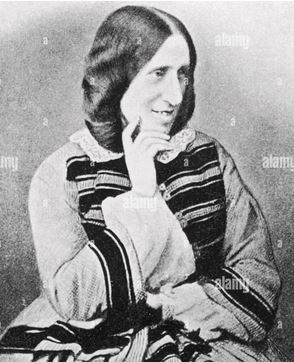
Intellectual titan of the Victorian era whose psychological realism and moral complexity in Silas Marner, The Mill on the Floss, and above all Middlemarch—hailed by Virginia Woolf as 'one of the few English novels written for grown-up people'—rank her among world literature's greatest minds.
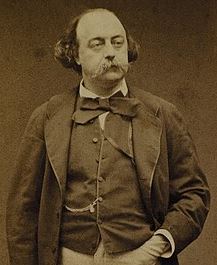
Fastidious master of French prose style who spent five agonizing years obsessing over 'le mot juste' (the right word) to create Madame Bovary (1857), enduring a sensational obscenity trial and birthing modern psychological realism.
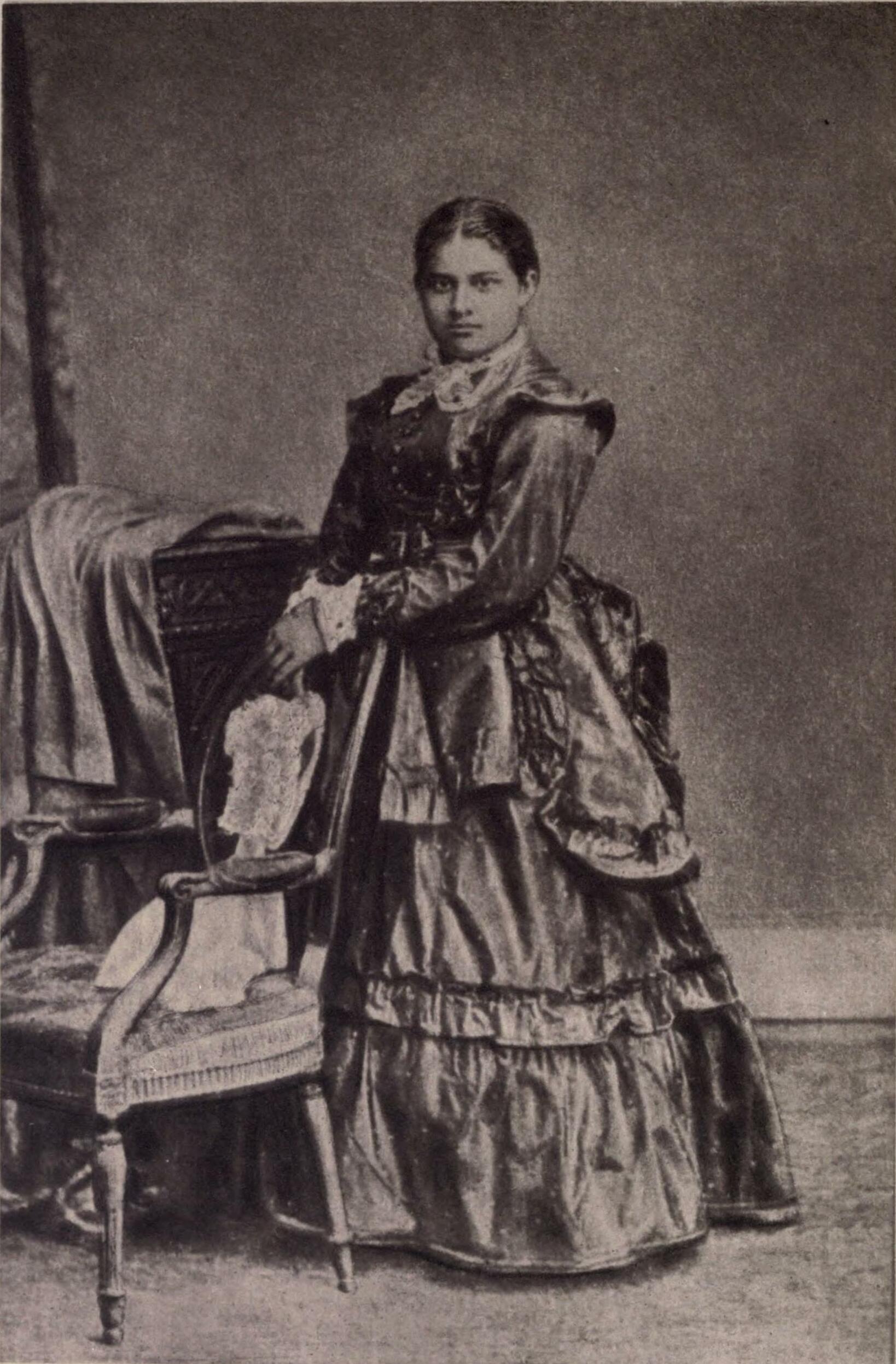
Bengali poet and translator recognized as the first Indian woman to write poetry in English and French, whose Ancient Ballads and Legends of Hindustan established Indian English lyricism.
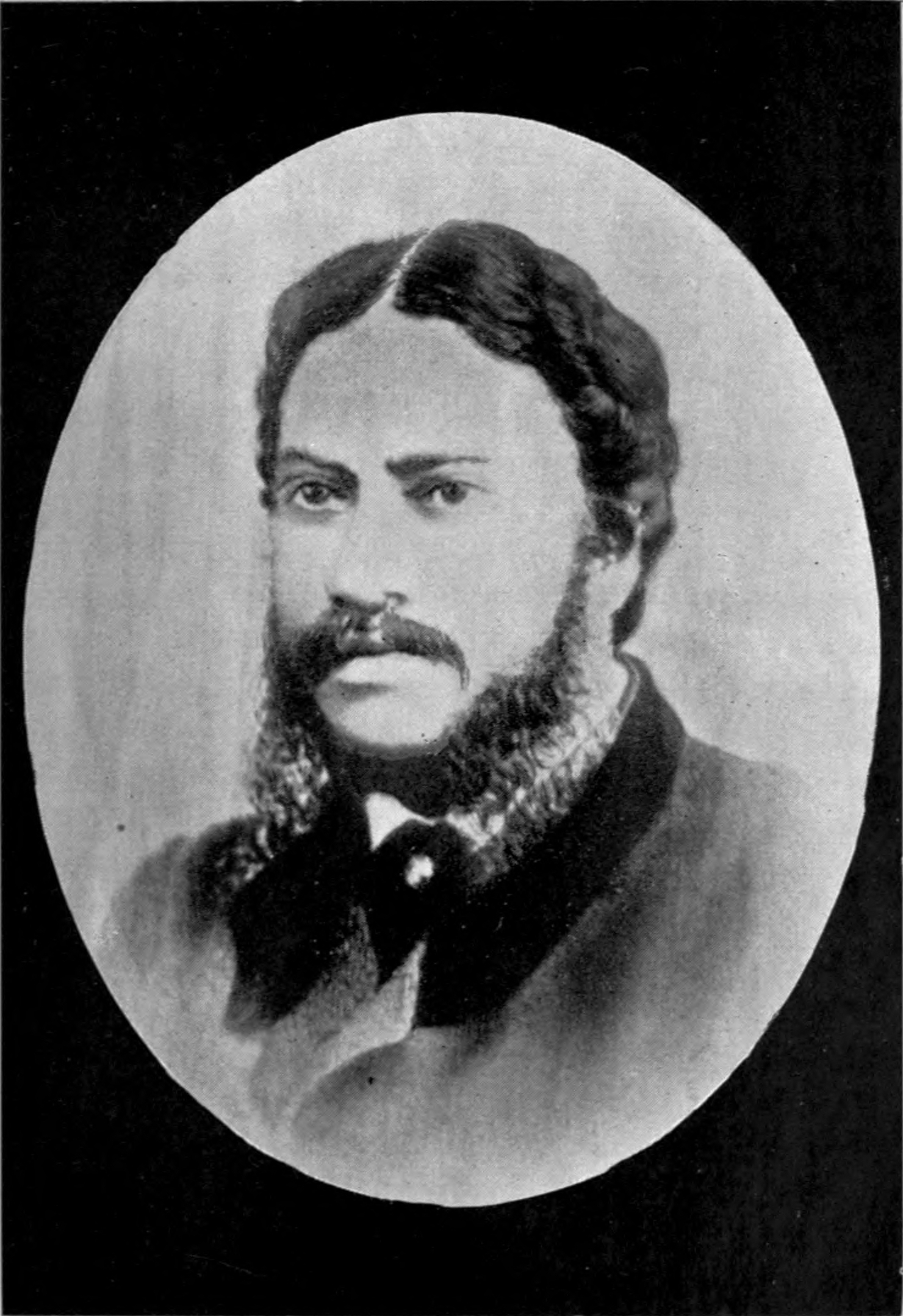
Pioneering 19th-century Bengali poet and dramatist who introduced blank verse (amritrakshar chhanda) and the sonnet into Bengali literature with his tragic epic Meghnad Badh Kavya.
Patriarch of modern Italian literature and Risorgimento icon whose historical novel I Promessi Sposi (The Betrothed) forged standard modern Italian prose.
Pioneering French poet, critic, and novelist who formulated the aesthetic doctrine of 'Art for Art's sake' (l'art pour l'art) in Mademoiselle de Maupin and Émaux et Camées.
Supreme master of swashbuckling historical adventure fiction whose timeless serial epics—The Three Musketeers (All for one, one for all!) and The Count of Monte Cristo—rank among the most widely translated novels in human history.
Master French novella writer, archaeologist, and Inspector General of Historical Monuments who wrote Carmen and preserved France's architectural heritage.
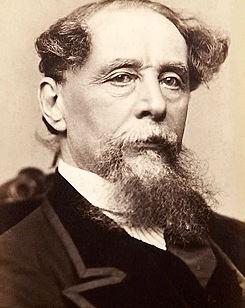
Undisputed giant of the Victorian novel and crusader against social cruelty whose unforgettable characters and serialized masterworks—A Christmas Carol, David Copperfield, Oliver Twist, and Great Expectations—championed the poor and reshaped global Christmas culture.
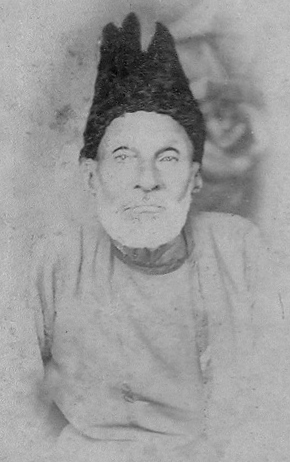
Preeminent classical Urdu and Persian poet (1797–1869) whose profound ghazals captured love, philosophical skepticism, and the tragic twilight of the Mughal Empire in Delhi.
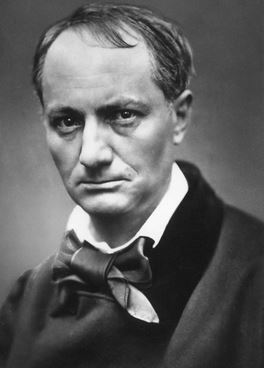
Revolutionary French poet whose 1857 masterpiece Les Fleurs du Mal (The Flowers of Evil) extracted incandescent beauty from urban decay, melancholy (spleen), and vice, founding modern European Symbolism and decadent aesthetics.
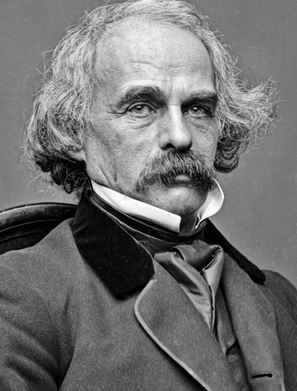
Preeminent figure of American Dark Romanticism haunted by his Puritan ancestors' role in the 1692 Salem Witch Trials, who explored guilt, sin, and moral hypocrisy in The Scarlet Letter (Hester Prynne) and The House of the Seven Gables.
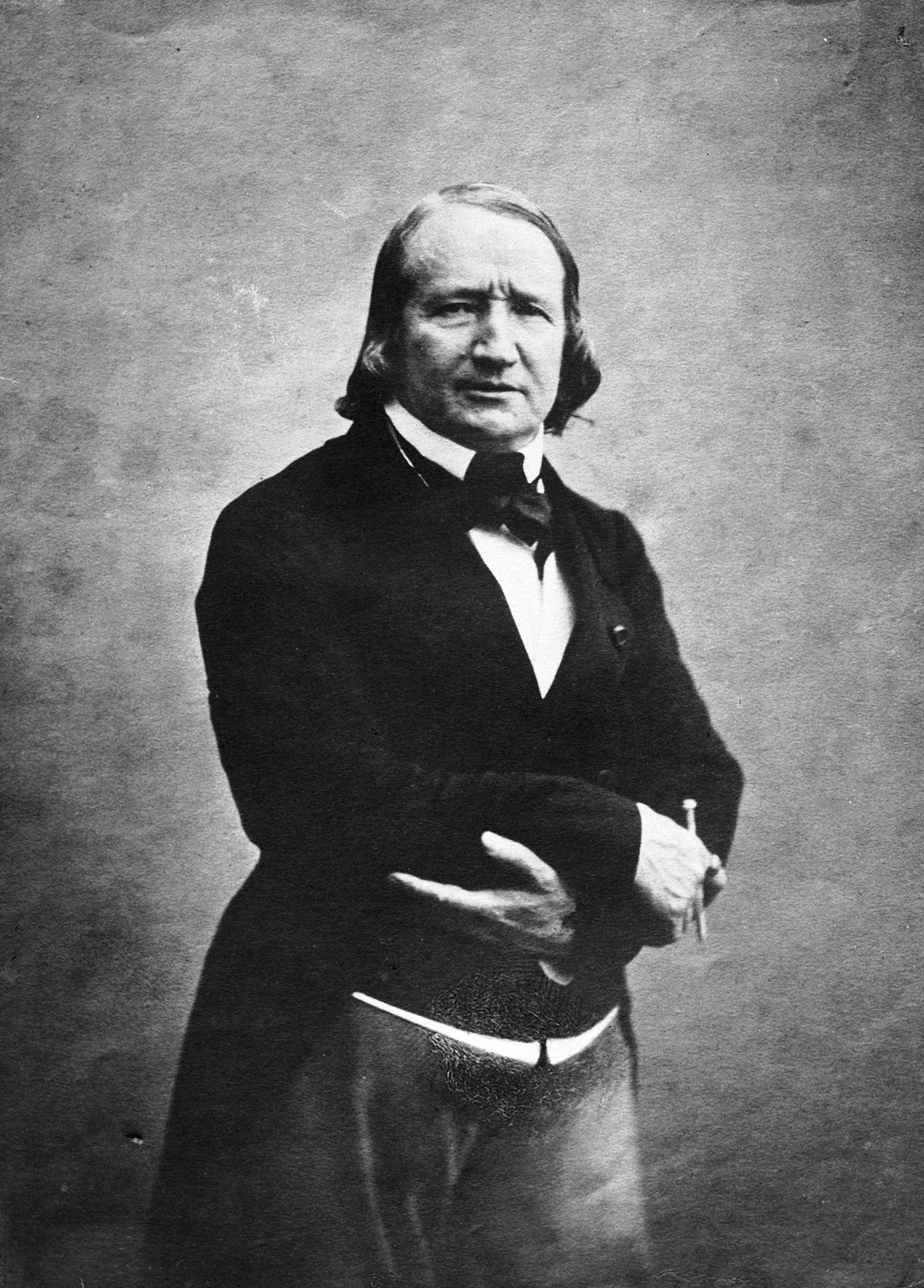
Stoic French Romantic poet, novelist, and playwright whose drama Chatterton, novel Servitude et grandeur militaires, and philosophical poem La Mort du loup exalted stoic solitude.
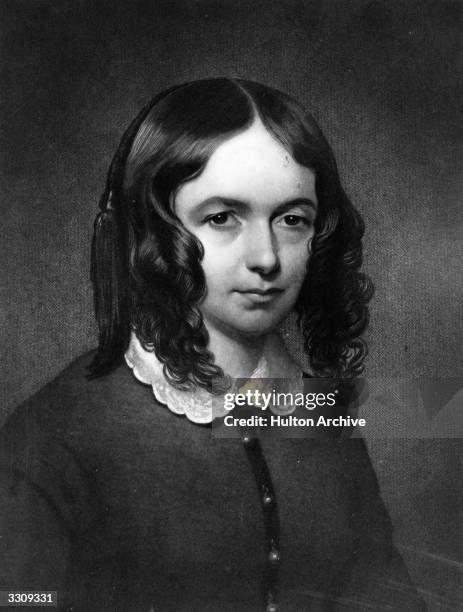
Celebrated Victorian poet whose Sonnets from the Portuguese ('How do I love thee?'), epic verse novel Aurora Leigh, and fierce abolitionist verses earned global reverence.
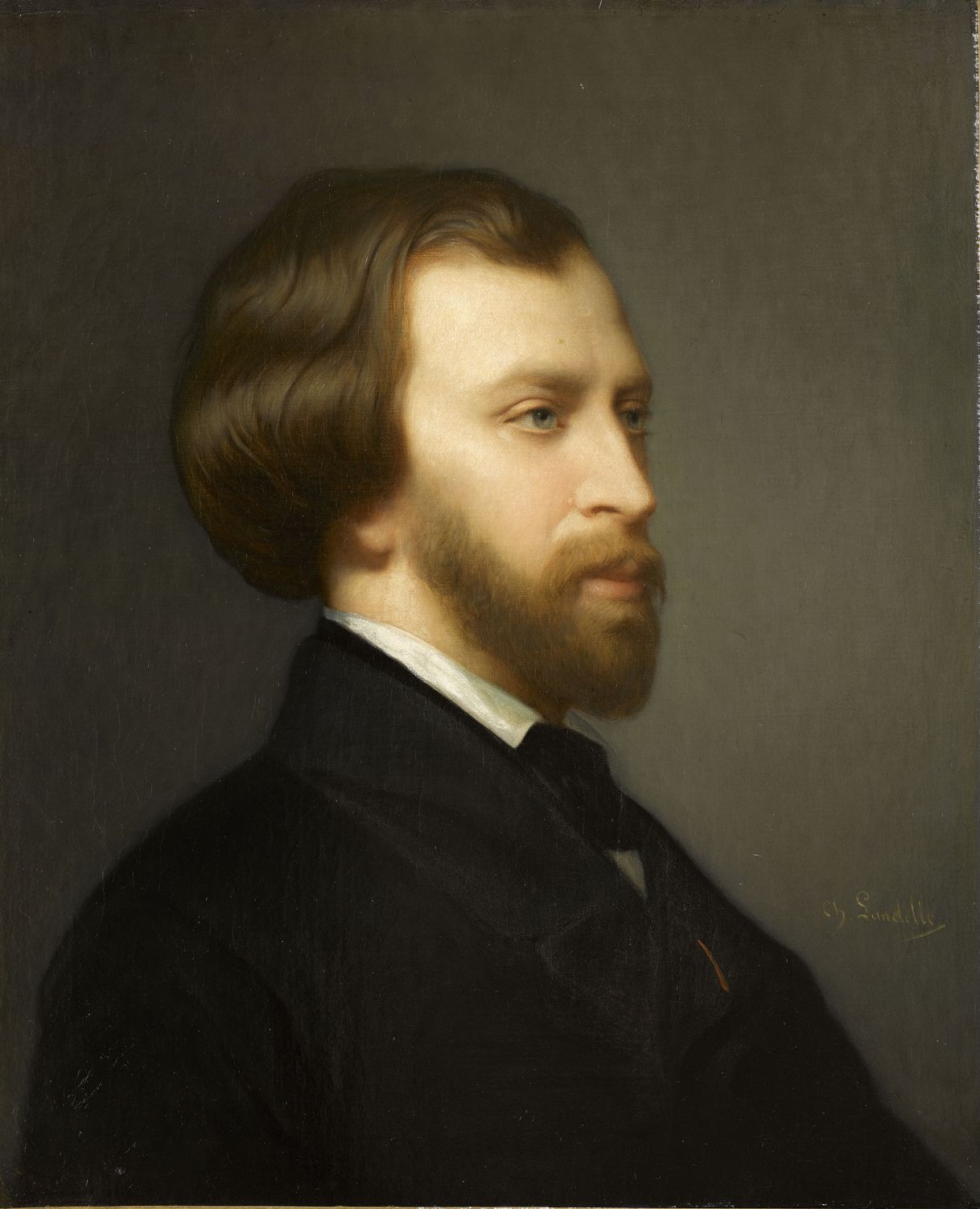
Brilliant French Romantic poet, novelist, and dramatist whose Confession d'un enfant du siècle and Lorenzaccio captured post-Napoleonic disillusionment.
One of Germany's greatest lyric poets and political satirists whose Book of Songs (Buch der Lieder)—featuring Die Lorelei—was set to music thousands of times by Schubert and Schumann, famously warning: 'Where they burn books, they will ultimately burn people.'