Public Figures & Cultural Luminaries
Filterable archive covering centuries of intellectual, artistic, and moral contributions to the human story.
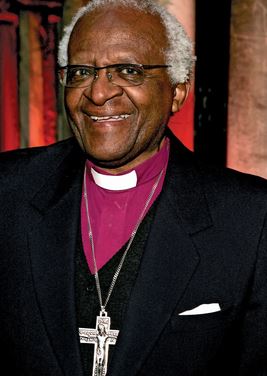
Desmond Tutu
 (Desmond Mpilo Tutu)
The moral conscience of South Africa; pioneered restorative justice through the Truth and Reconciliation Commission and championed LGBTQ+ and human rights globally.
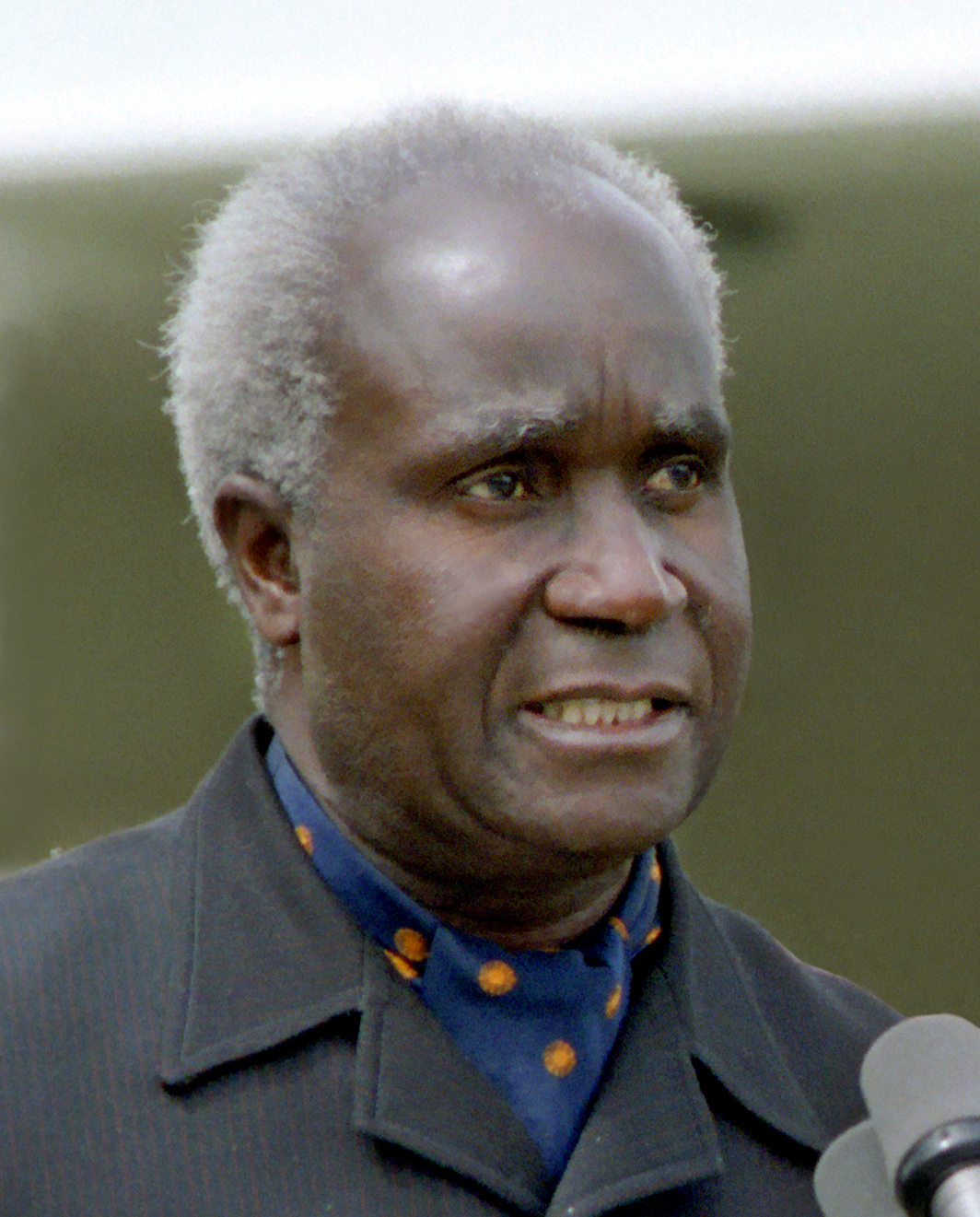
Kenneth Kaunda
 (Kenneth David Kaunda)
Founding Father and first President of Zambia who led the nation to independence in 1964 and provided vital sanctuary to southern African liberation movements against apartheid.
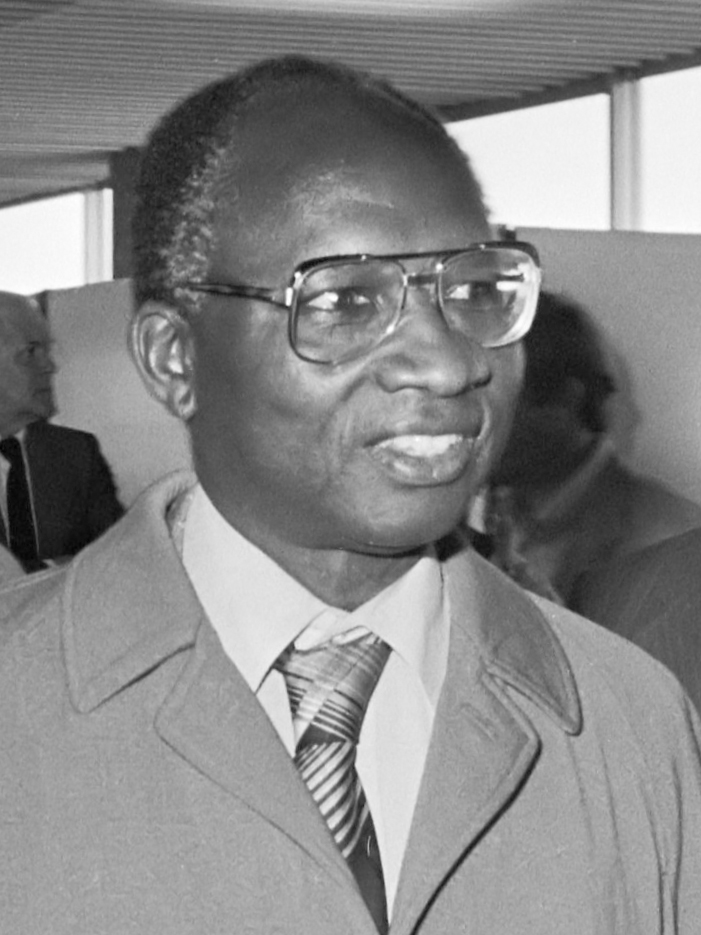
Sir Dawda Jawara
 (Dawda Kairaba Jawara)
Founding Father and first leader of The Gambia who led the nation from independence in 1965 to 1994, preserving democratic constitutional rule in a continent dominated by military coups.
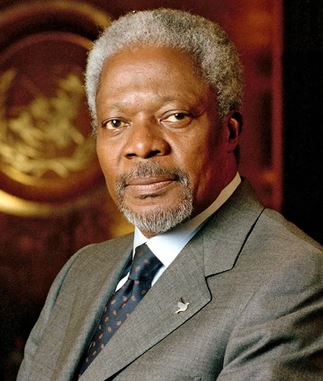
Kofi Annan
 (Kofi Atta Annan)
World's preeminent diplomat who redefined global development through the Millennium Goals, humanized the UN civil service, and elevated human rights to a fundamental pillar of international law.
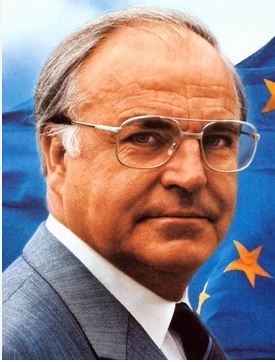
Helmut Kohl
 (Helmut Josef Michael Kohl)
Architect of German Reunification and Honorary Citizen of Europe; steered the creation of the Euro and European integration after the Cold War.
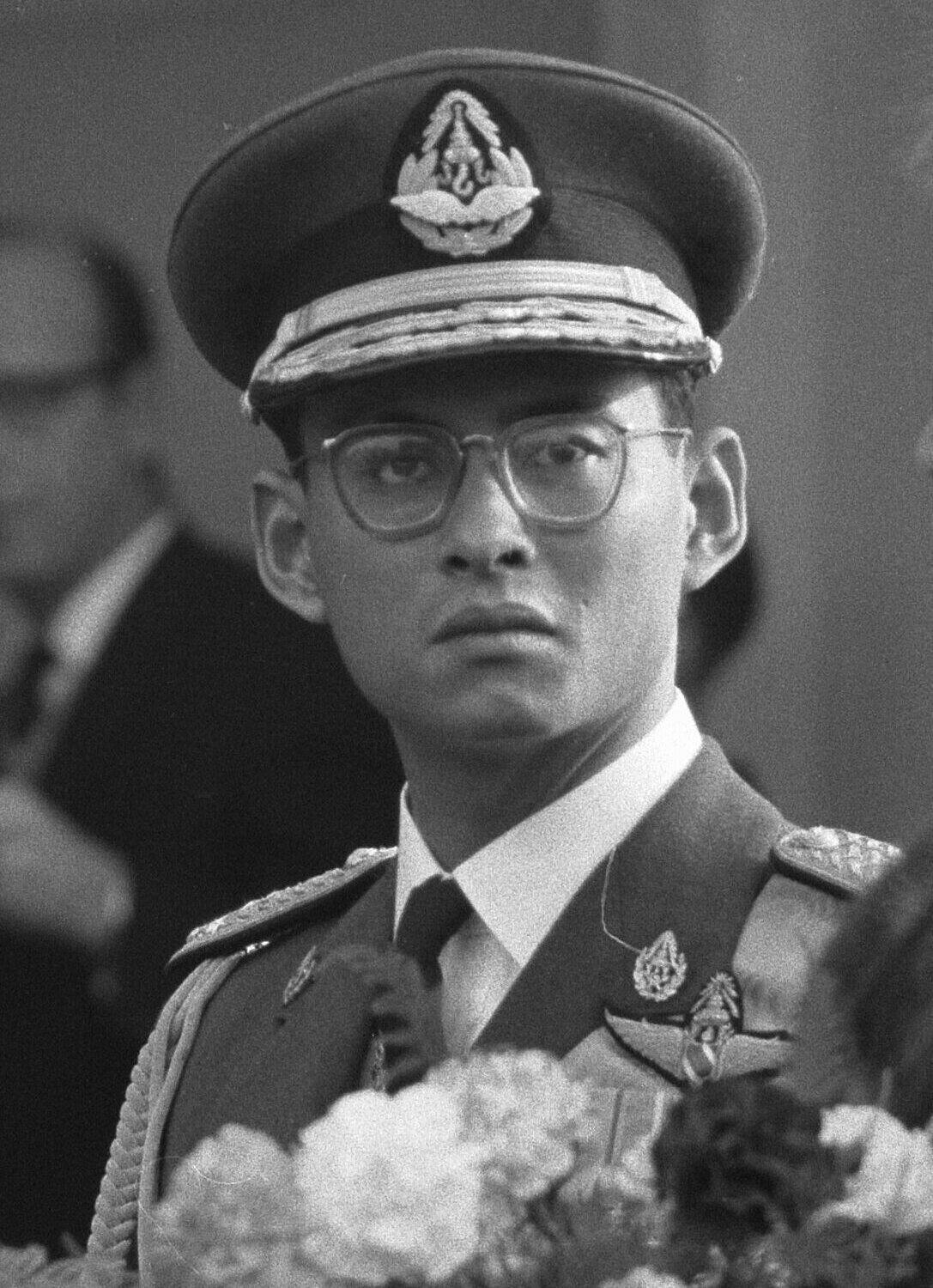
King Bhumibol Adulyadej (Rama IX)
 (พระบาทสมเด็จพระบรมชนกาธิเบศร มหาภูมิพลอดุลยเดชมหาราช)
Ninth monarch of the Chakri Dynasty of Thailand whose 70-year reign made him one of the longest-reigning monarchs in history, revered as the moral anchor of Thailand who initiated 4,000 royal development projects.
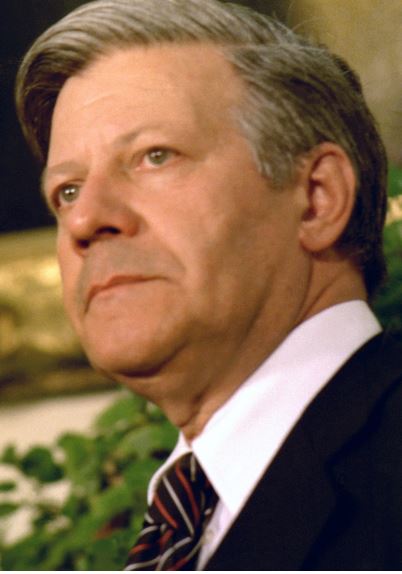
Helmut Schmidt
(Helmut Heinrich Waldemar Schmidt)
Preeminent economic realist and geopolitical strategist of Western Europe; laid the institutional foundations for the single European currency (Euro).
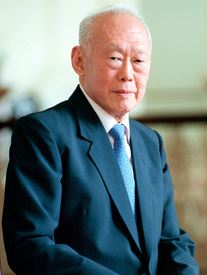
Lee Kuan Yew (李光耀)
World-renowned master of statecraft who authored Singapore's economic miracle ('From Third World to First') based on meritocracy, pragmatism, anti-corruption, and multi-racial harmony.
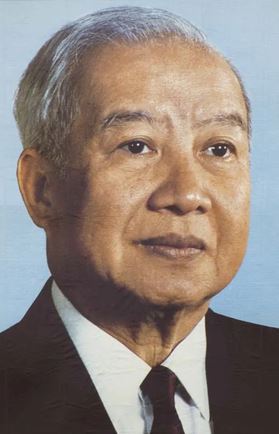
Norodom Sihanouk
 (នរោត្តម សីហនុ)
Secured Cambodian national independence without bloodshed in 1953 and acted as the vital unifier who restored the constitutional monarchy and peace after the Khmer Rouge genocide.
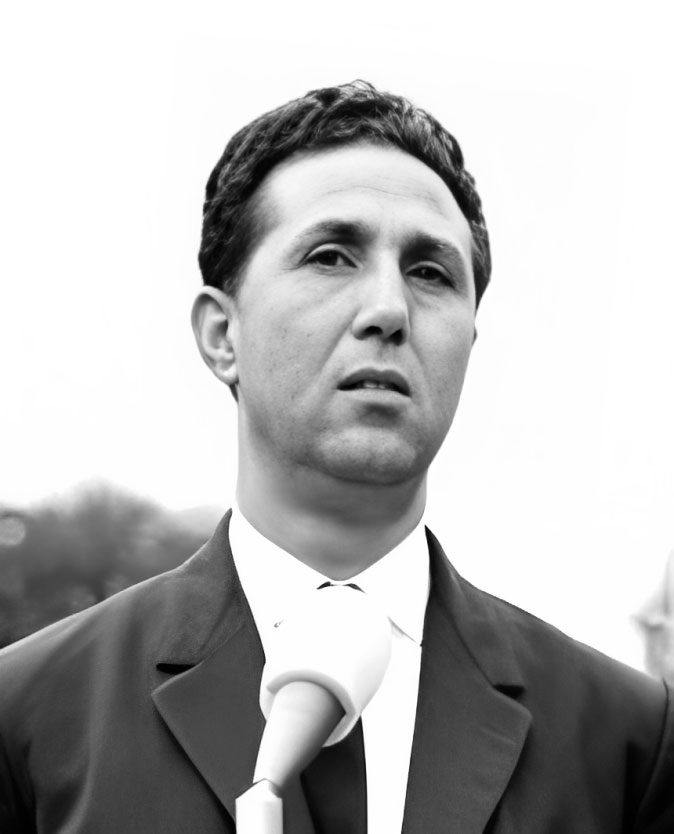
Ahmed Ben Bella
 (أحمد بن بلة)
Founding historic leader of the FLN, decorated WWII hero, and the first President of the People's Democratic Republic of Algeria (1963–1965), celebrated for self-management socialism and anti-imperialist solidarity.
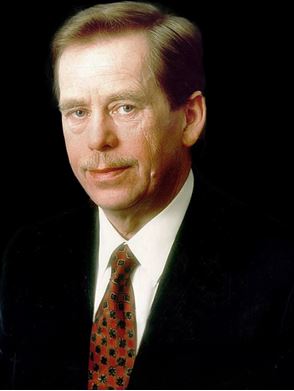
Václav Havel
 (Václav Havel)
Moral beacon who demonstrated how cultural dissent and ethical truth-telling can peacefully dismantle totalitarian tyranny; oversaw the bloodless 'Velvet Divorce' of Czechs and Slovaks.
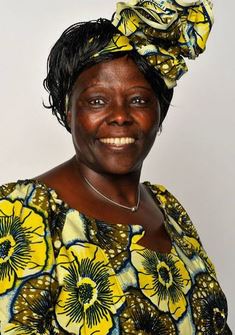
Wangari Maathai
 (Wangari Muta Maathai)
First African woman Nobel laureate; united grassroots ecology with democratic governance and female economic empowerment.
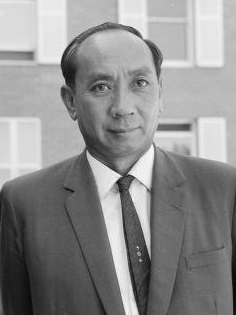
Goh Keng Swee
 (吳慶瑞)
(吳慶瑞)
Deputy Prime Minister and mastermind of Singapore's economic miracle who created the Jurong Industrial Estate, the Singapore Armed Forces, and the Monetary Authority of Singapore.
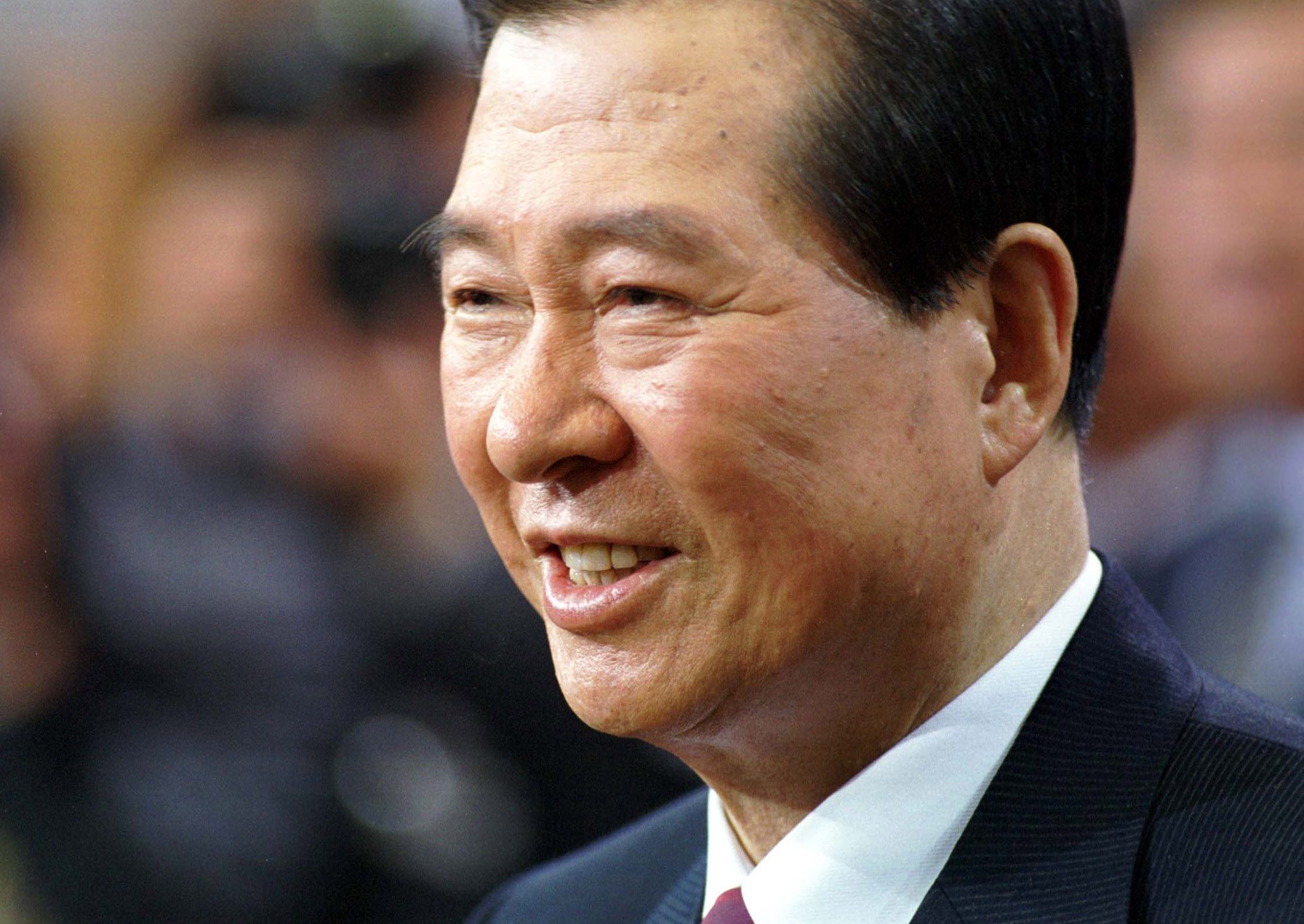
Kim Dae-jung
 (김대중 / 金大中)
President of South Korea, democracy activist, and 2000 Nobel Peace Prize laureate known as the 'Nelson Mandela of Asia' for his Sunshine Policy of North-South reconciliation.
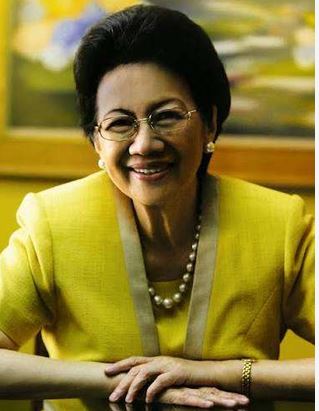
Corazon Aquino
 (María Corazón Cojuangco Aquino)
Icon of peaceful democratic transition across the globe; promulgated the 1987 Philippine Constitution restoring civil liberties, term limits, and human rights commissions.
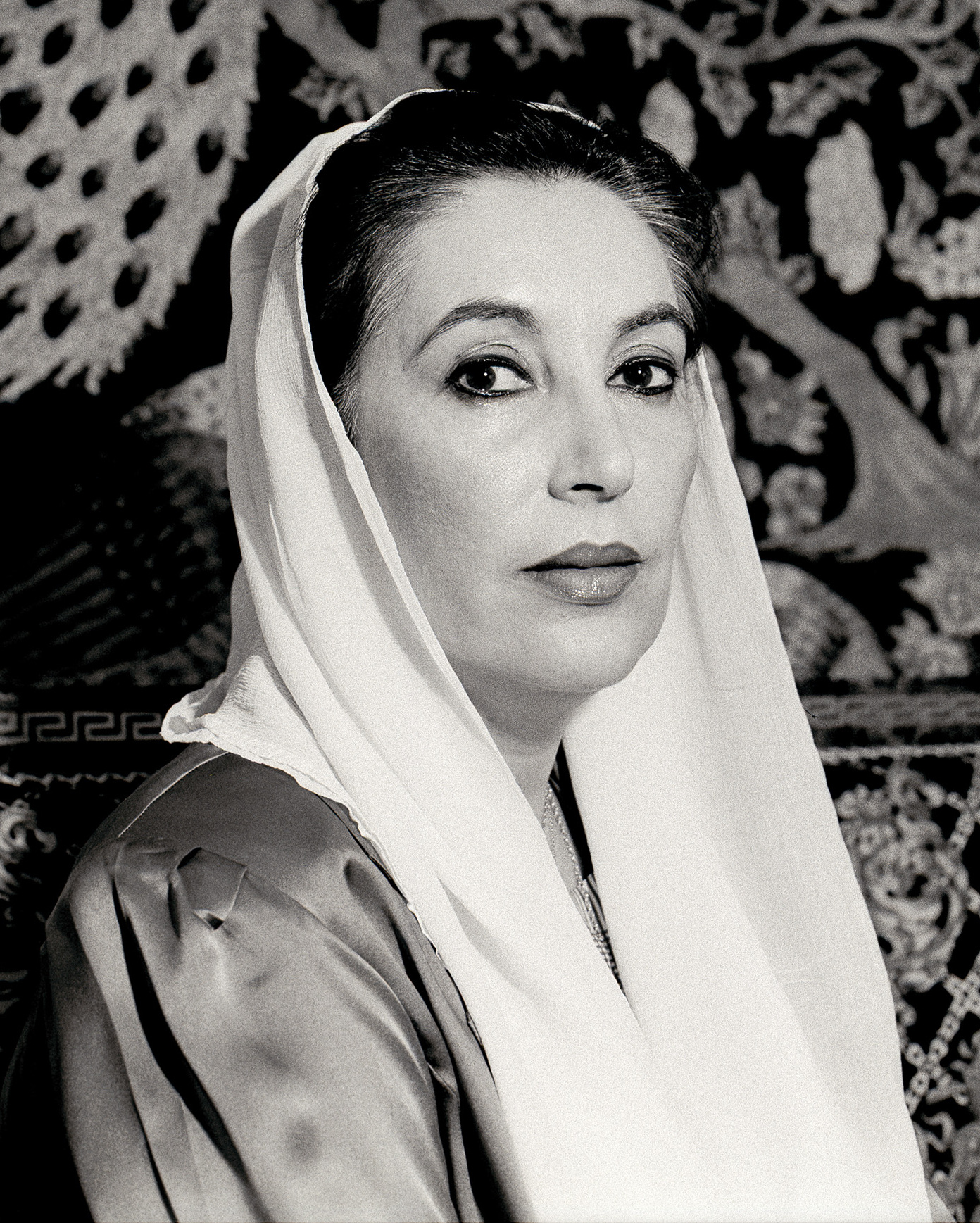
Benazir Bhutto
 (بینظیر بھٹو)
Pakistani politician who made history in 1988 as the first woman elected to head a democratic government in a Muslim-majority nation, serving twice as Prime Minister of Pakistan.
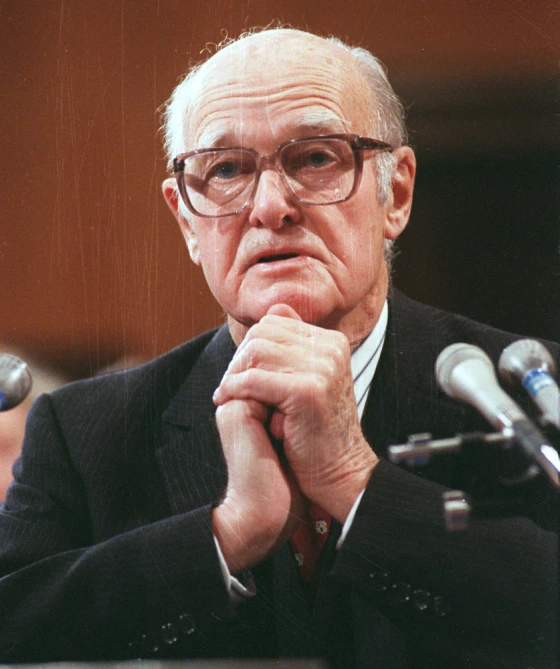
George F. Kennan
 (George Frost Kennan)
Visionary American diplomat, historian, and ambassador whose 1946 'Long Telegram' and 'X Article' formulated the grand strategy of Soviet Containment.
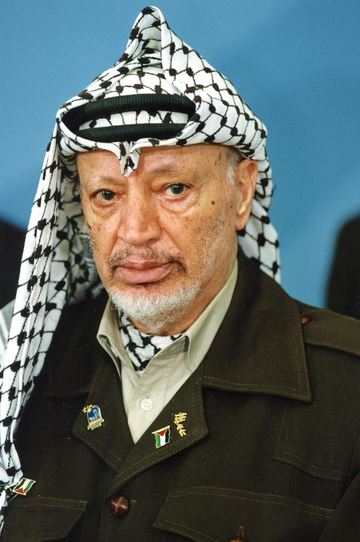
Yasser Arafat
 (محمد ياسر عبد الرحمن عبد الرؤوف عرفات القدوة)
Transformed the Palestinian refugee plight into an internationally recognized national self-determination movement, establishing the Palestinian National Authority.