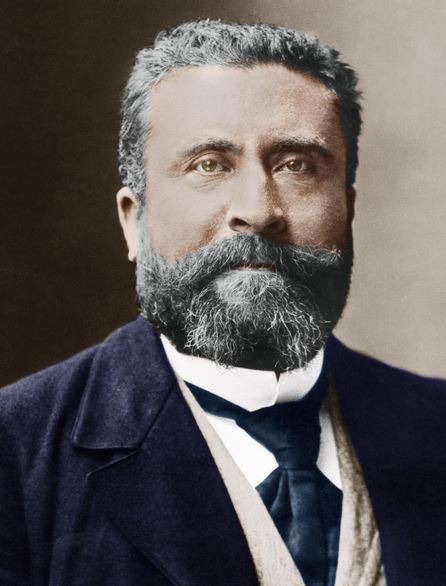
Jean Jaurรจs
Greatest moral tribune of the French left, who harmonized democratic republican values with democratic socialism and anti-militarism.
Start typing to search worldwide archives and community tributes
Filterable archive covering centuries of intellectual, artistic, and moral contributions to the human story.
Greatest moral tribune of the French left, who harmonized democratic republican values with democratic socialism and anti-militarism.
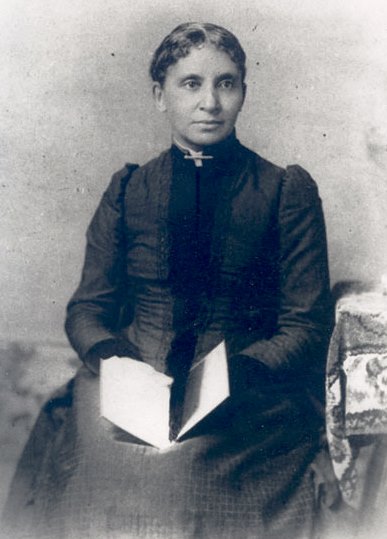
Pioneering African American abolitionist, poet, and diarist who traveled to the Sea Islands of South Carolina during the Civil War to educate liberated enslaved families in the historic Port Royal Experiment.
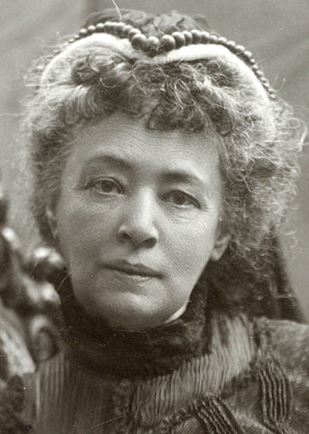
Austrian-Bohemian pacifist and novelist who wrote the epochal anti-war bestseller Lay Down Your Arms! (1889), inspired Alfred Nobel to create the Nobel Peace Prize, and in 1905 became the first woman to win it.
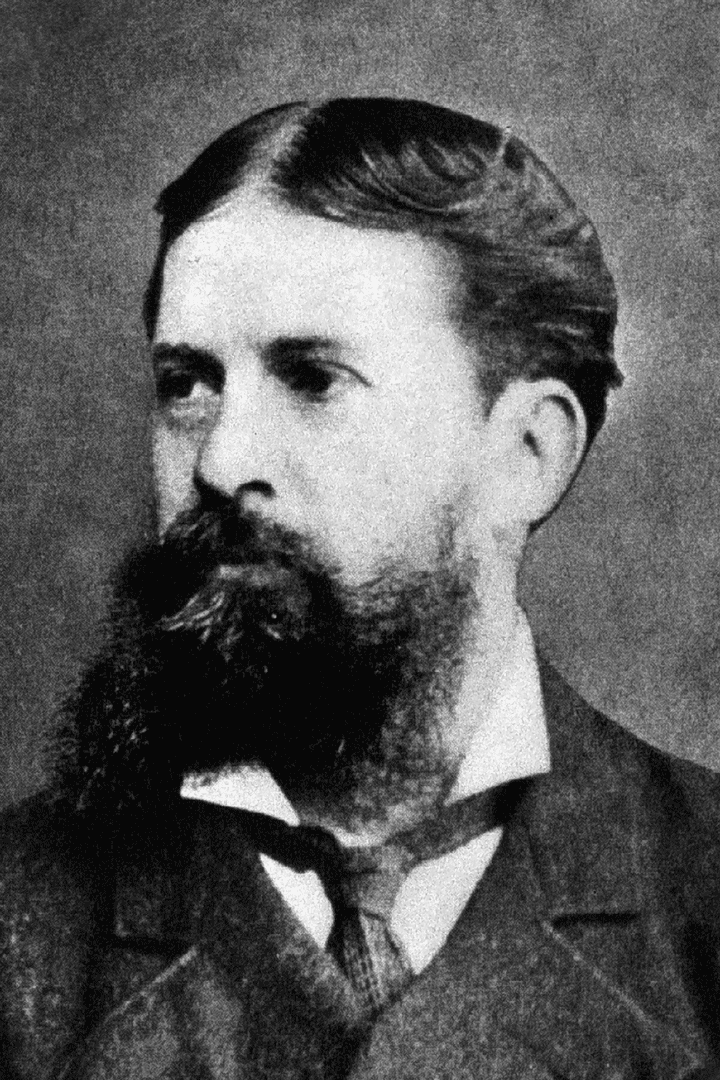
American philosopher, logician, and scientist celebrated as the father of pragmatism and modern semiotics, who introduced abduction (inference to the best explanation).
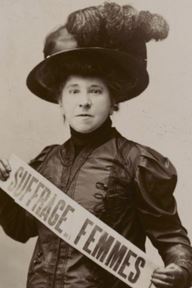
French feminist pioneer and journalist who popularized the word 'feminism', founded the journal La Citoyenne, and waged militant campaigns of tax resistance and civil disobedience for women's voting rights.
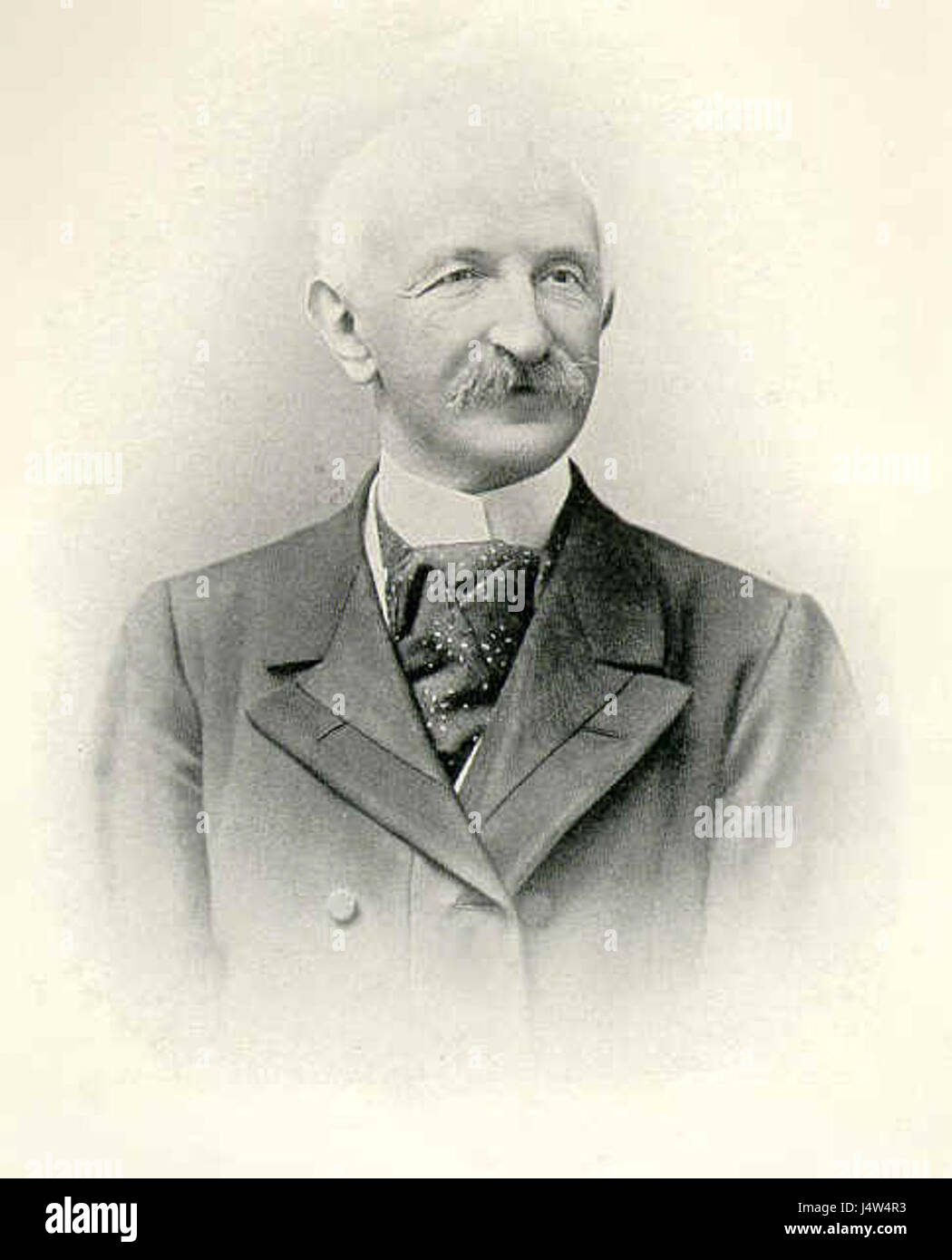
Charles Albert Gobat was a Swiss lawyer, statesman, and educator who served as administrator of the Inter-Parliamentary Union and later directed the International Peace Bureau. Jointly awarded the 1902 Nobel Peace Prize with รlie Ducommun, Gobat passed away while addressing a peace conference in Bern on the eve of World War I.
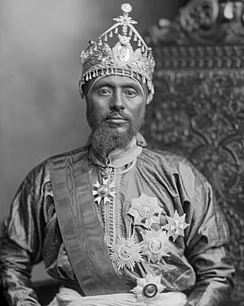
Emperor of Ethiopia who decisively defeated the invading Italian colonial army at the historic Battle of Adwa on March 1, 1896, preserving Ethiopia as the only uncolonized sovereign nation in Africa. Founded the capital Addis Ababa.
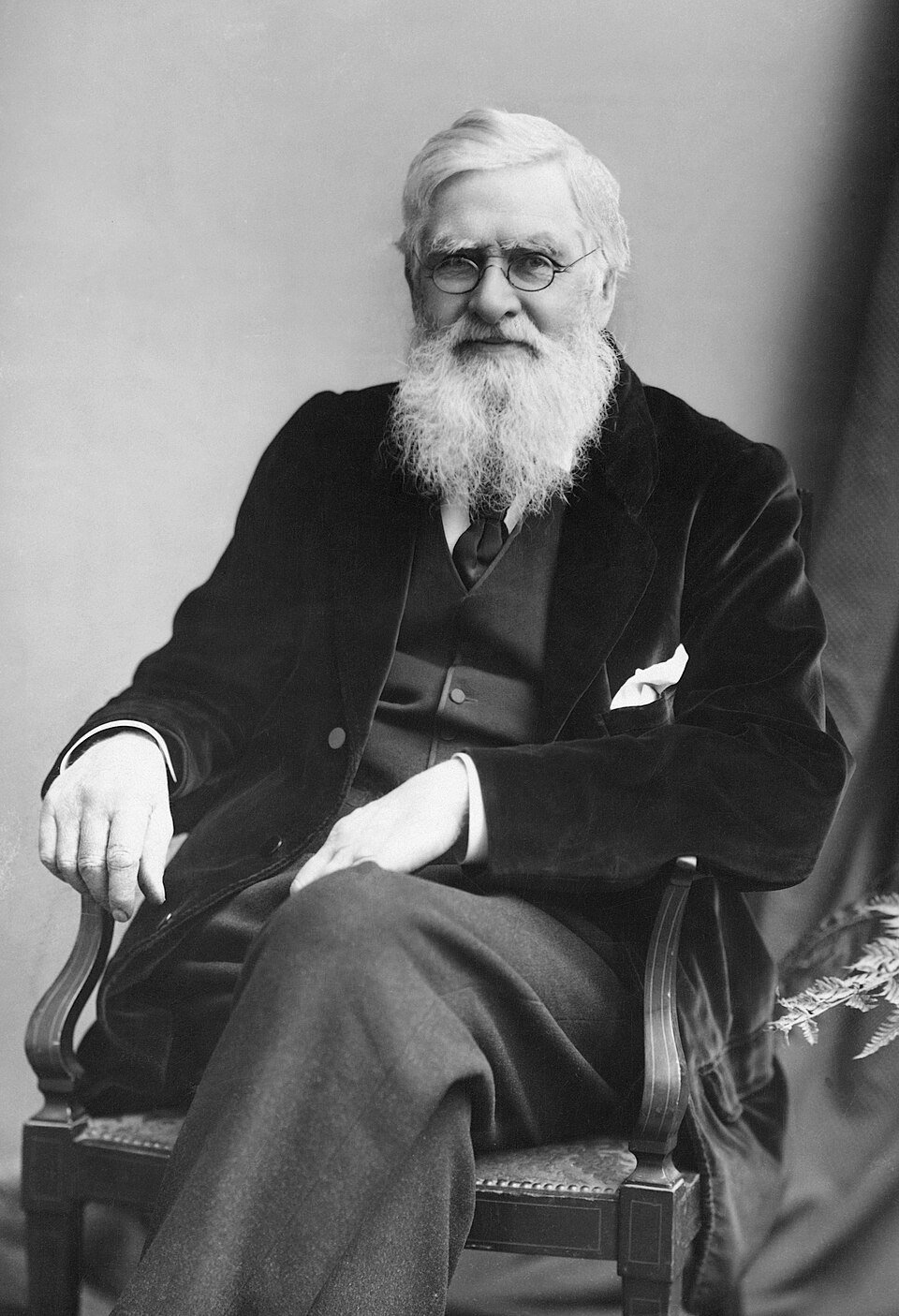
British naturalist and explorer who independently conceived the theory of evolution through natural selection and founded biogeography.
Tobias Asser was an eminent Dutch jurist who pioneered the international codification of private international law. He initiated and presided over the Hague Conferences on Private International Law (1893โ1904), co-founded the Institut de Droit International, and helped create the Hague Academy of International Law, receiving the 1911 Nobel Peace Prize.
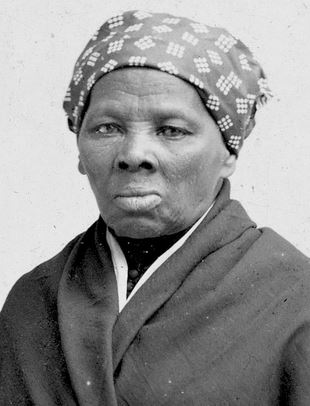
Iconic American abolitionist and political activist who escaped slavery and subsequently made roughly 13 missions to rescue approximately 70 enslaved people using the network of antislavery activists and safe houses known as the Underground Railroad.
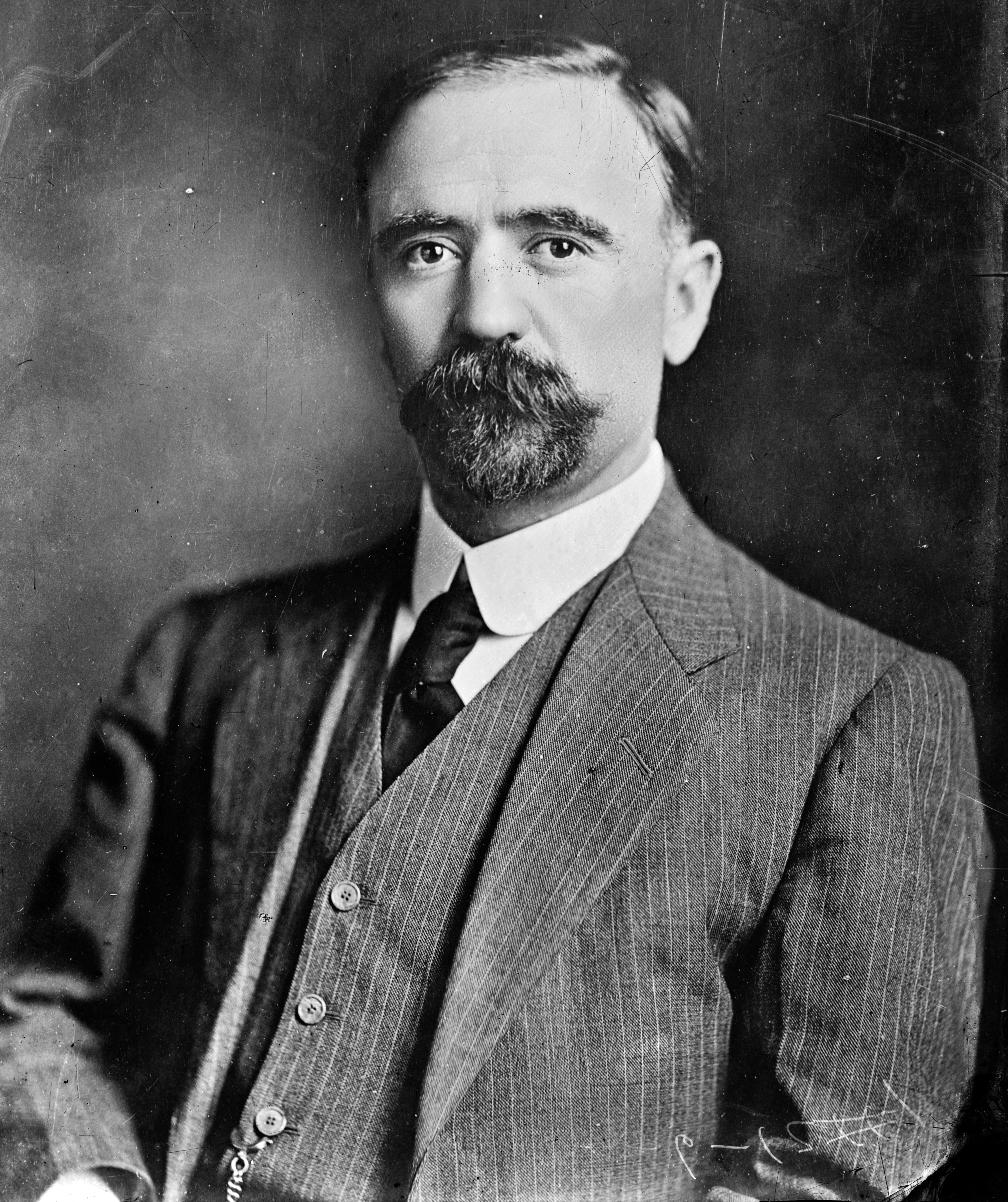
Mexican revolutionary leader and democratic President (1911โ1913) known as the 'Apostle of Democracy', whose 1910 Plan of San Luis Potosi ignited the Mexican Revolution and overthrew the thirty-four-year dictatorship of Porfirio Diaz.
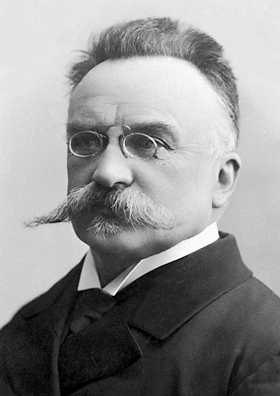
Auguste Beernaert was a Belgian statesman who served as Prime Minister of Belgium from 1884 to 1894. A champion of international law, he represented Belgium at the 1899 and 1907 Hague Peace Conferences, presided over the Inter-Parliamentary Union, and promoted social legislation and Congo reform, sharing the 1909 Nobel Peace Prize with Paul-Henri d'Estournelles de Constant.
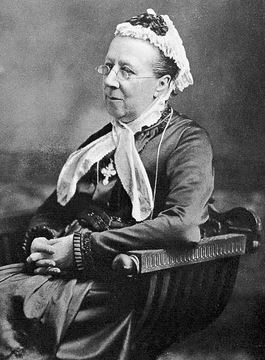
Rรฉformatrice sociale victorienne, fondatrice de la Workhouse Visiting Society, qui consacra cinquante ans ร humaniser les hospices de pauvres et ร professionnaliser les soins aux vieillards indigents.
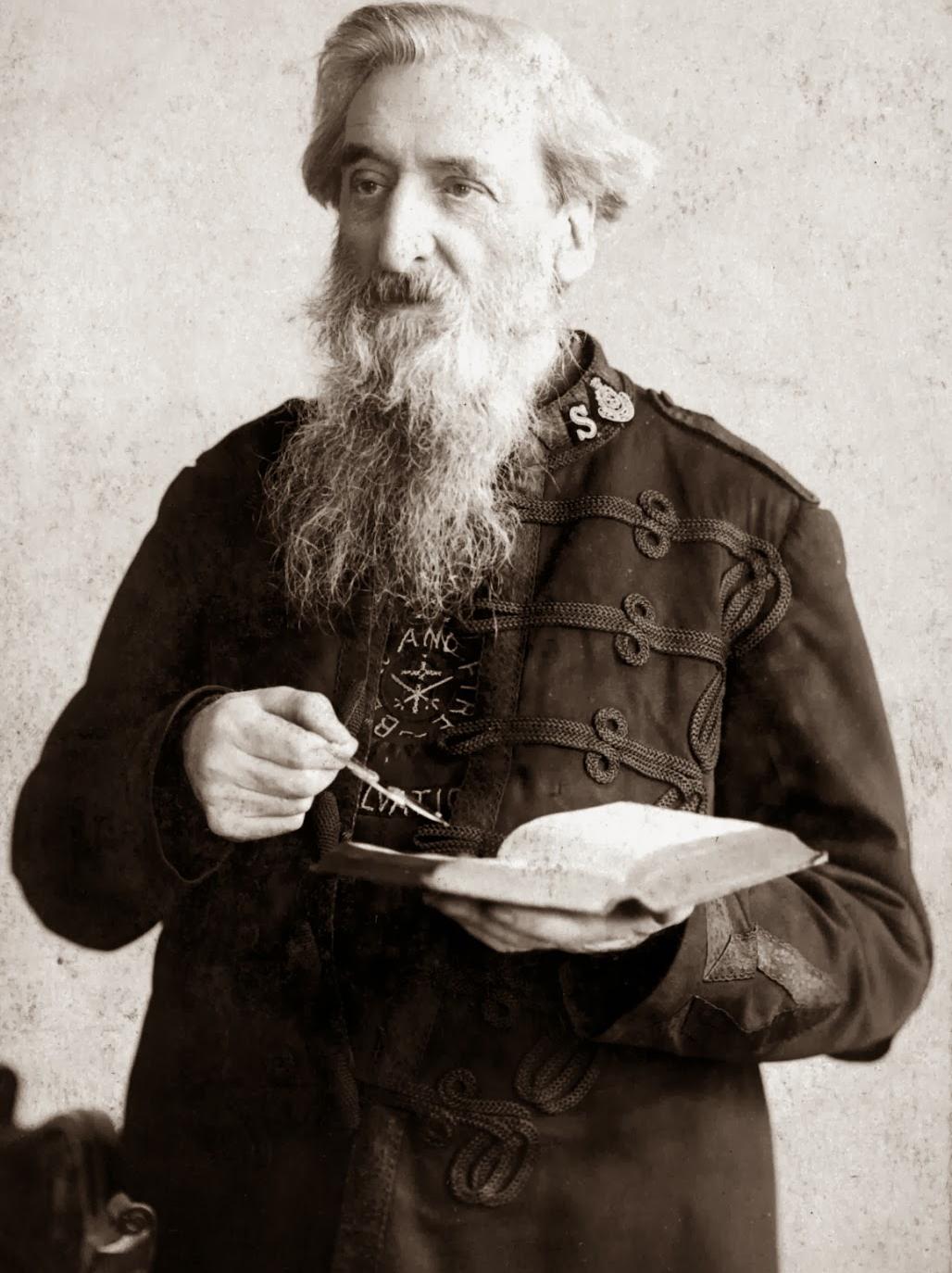
Prรฉdicateur britannique, fondateur et premier Gรฉnรฉral de l'Armรฉe du Salut en 1865, alliant secours social concret (nourriture, abri, rรฉinsertion) et rรฉdemption spirituelle.
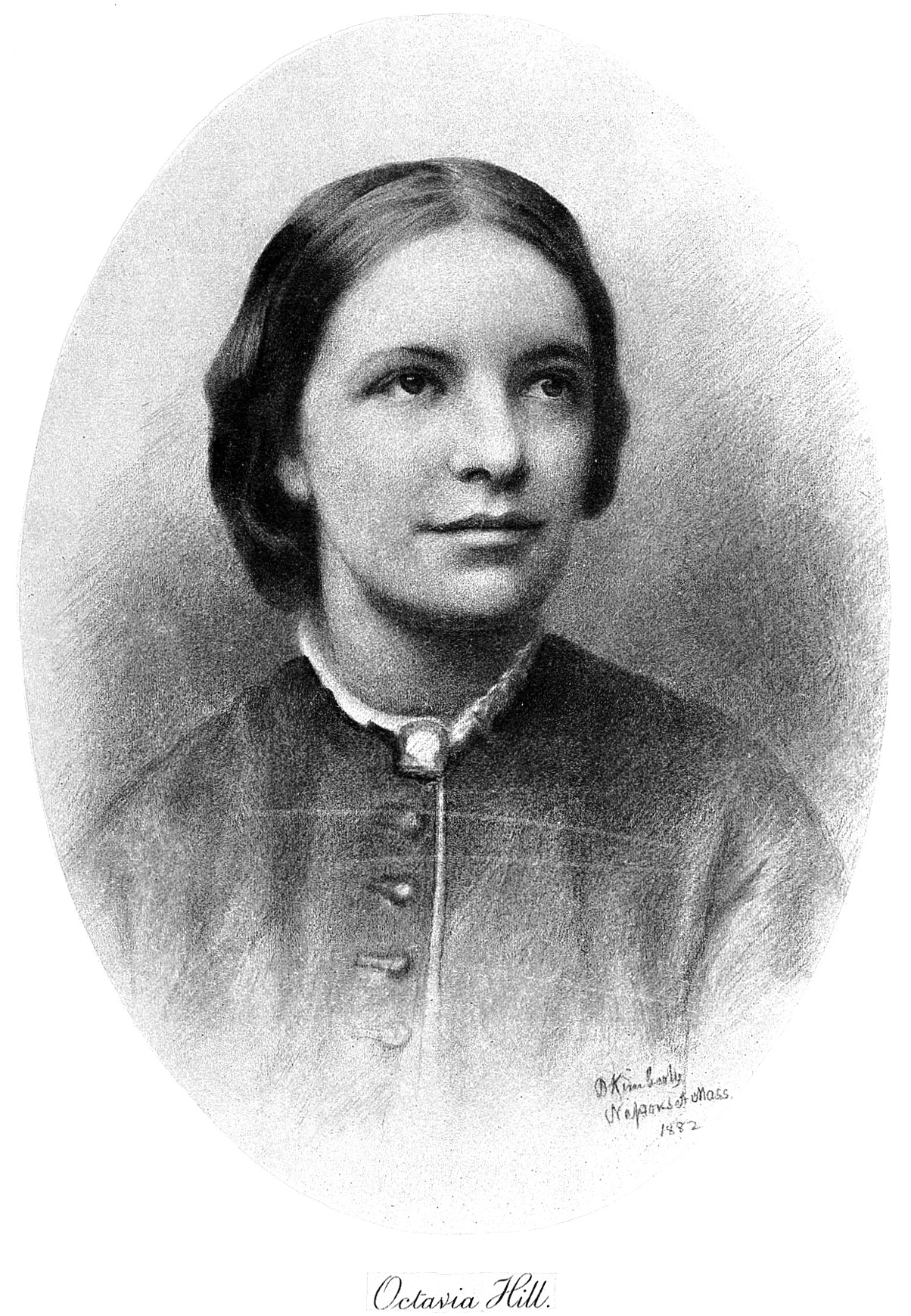
Pioneering British social reformer who founded modern social housing management in London's slums, championed urban public green spaces, and co-founded the National Trust in 1895 to preserve open lands for all citizens.
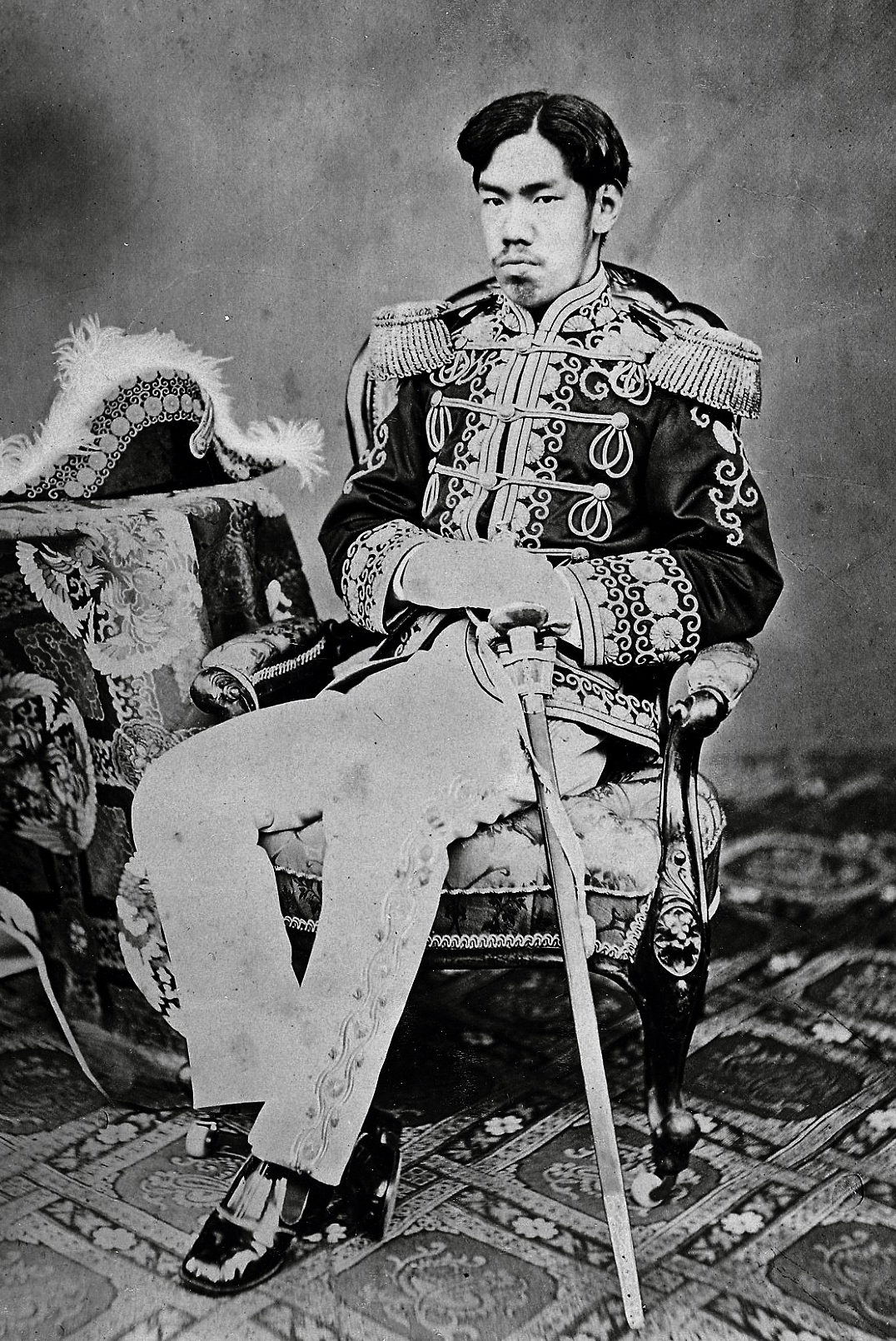
122nd Emperor of Japan whose transformative reign spearheaded the Meiji Restoration, industrializing Japan into a modern global world power.
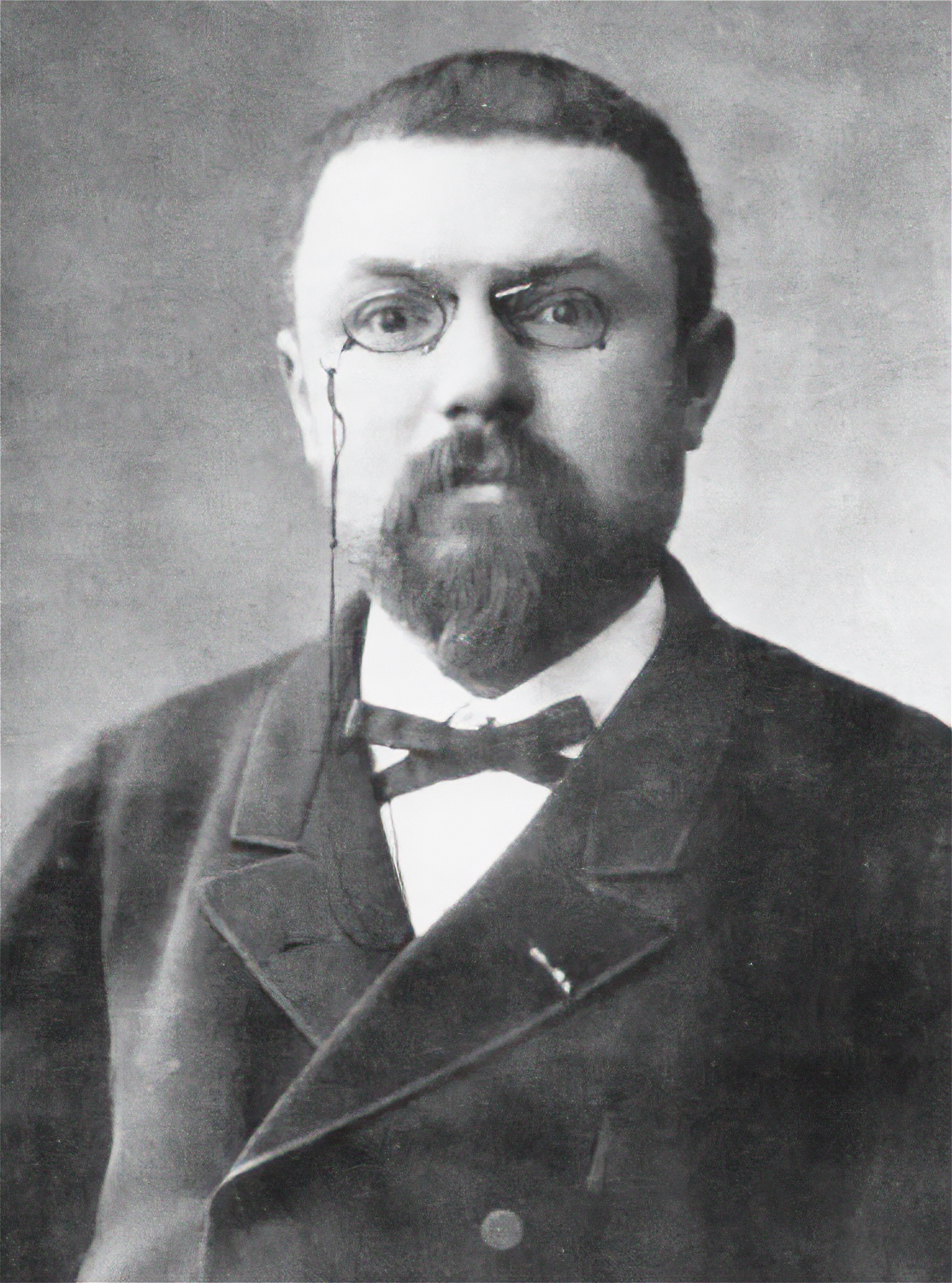
French polymath and 'Last Universalist' who founded algebraic topology, discovered deterministic chaos, and formulated the Poincarรฉ conjecture.
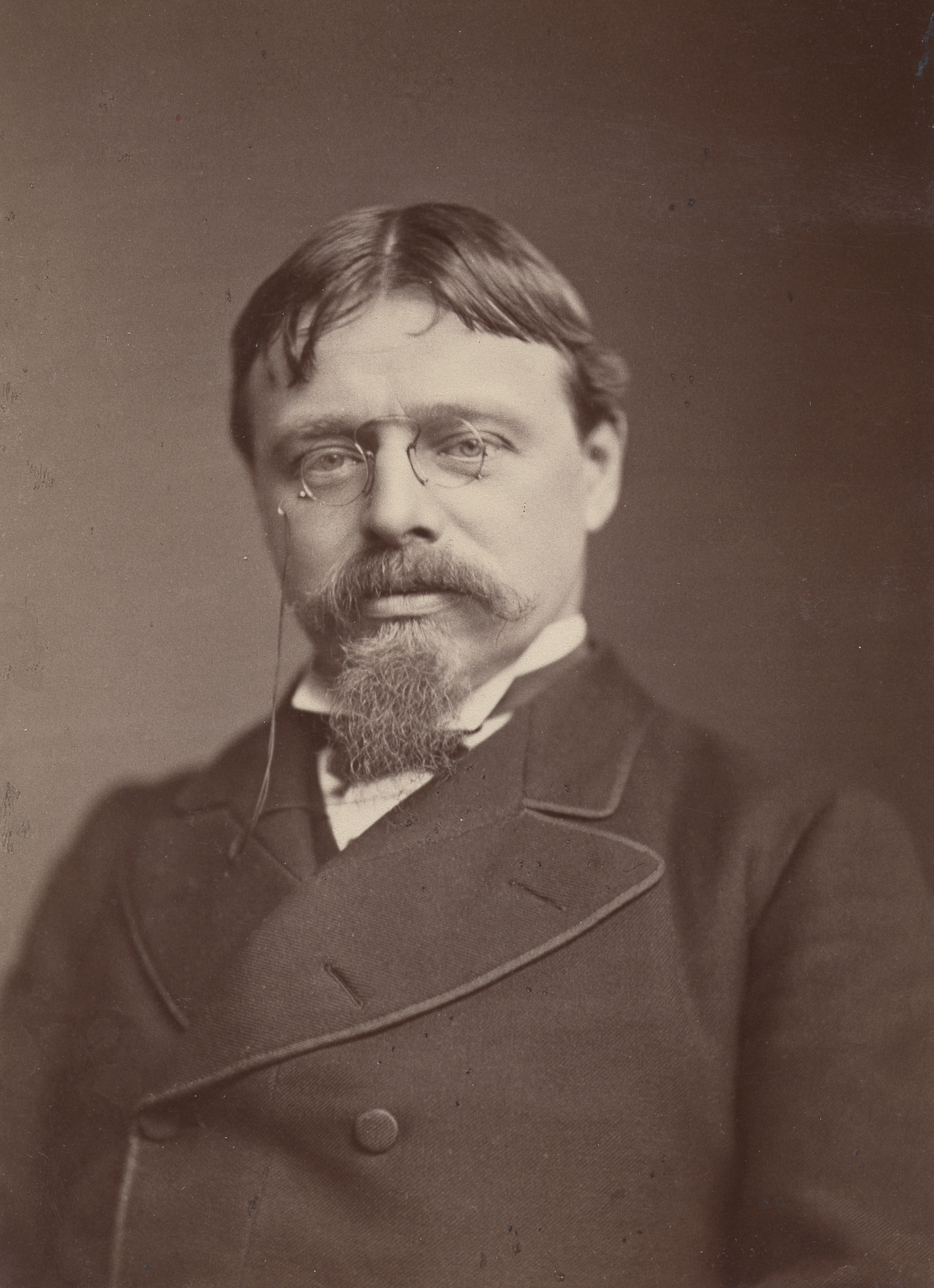
Dutch-born British Victorian painter whose dazzlingly realistic depictions of gleaming Roman white marble, azure Mediterranean seas, and 'The Roses of Heliogabalus' defined classical luxury.