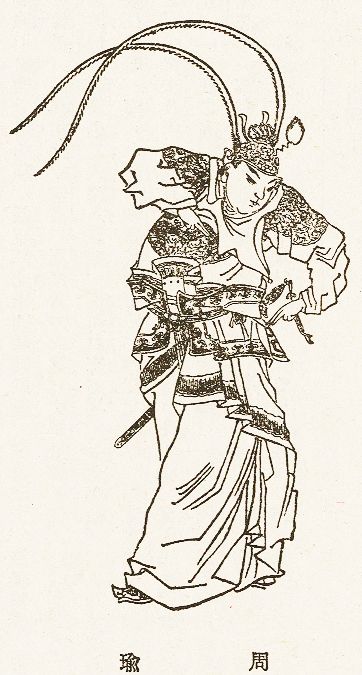
Zhou Yu
Grand Viceroy of Eastern Wu who commanded the allied southern fleet that annihilated Cao Cao's armada at the Battle of Red Cliffs in 208 CE, preserving southern Chinese autonomy.
Start typing to search worldwide archives and community tributes
Filterable archive covering centuries of intellectual, artistic, and moral contributions to the human story.
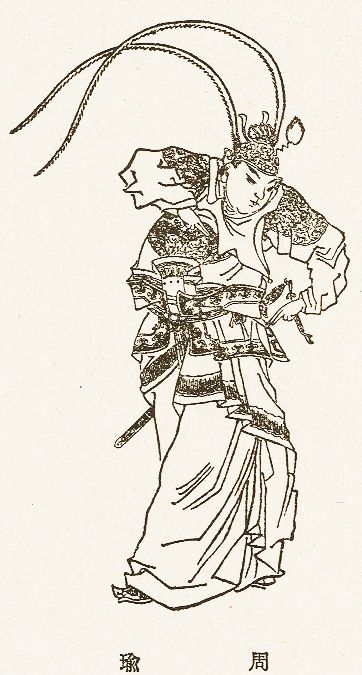
Grand Viceroy of Eastern Wu who commanded the allied southern fleet that annihilated Cao Cao's armada at the Battle of Red Cliffs in 208 CE, preserving southern Chinese autonomy.
Supreme commander and admiral of Eastern Wu whose brilliant fire attack at the Battle of Red Cliffs in 208 destroyed Cao Cao's navy and divided China into Three Kingdoms.
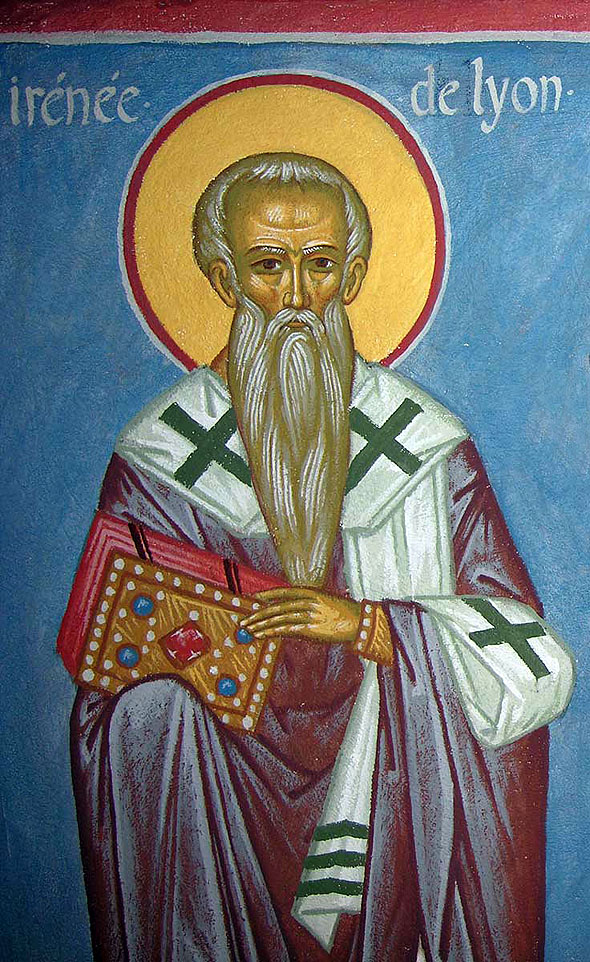
Pivotal Greek Church Father and Bishop of Lyon whose 'Against Heresies' refuted Gnosticism, confirmed the fourfold Gospel canon, and taught divine recapitulation.
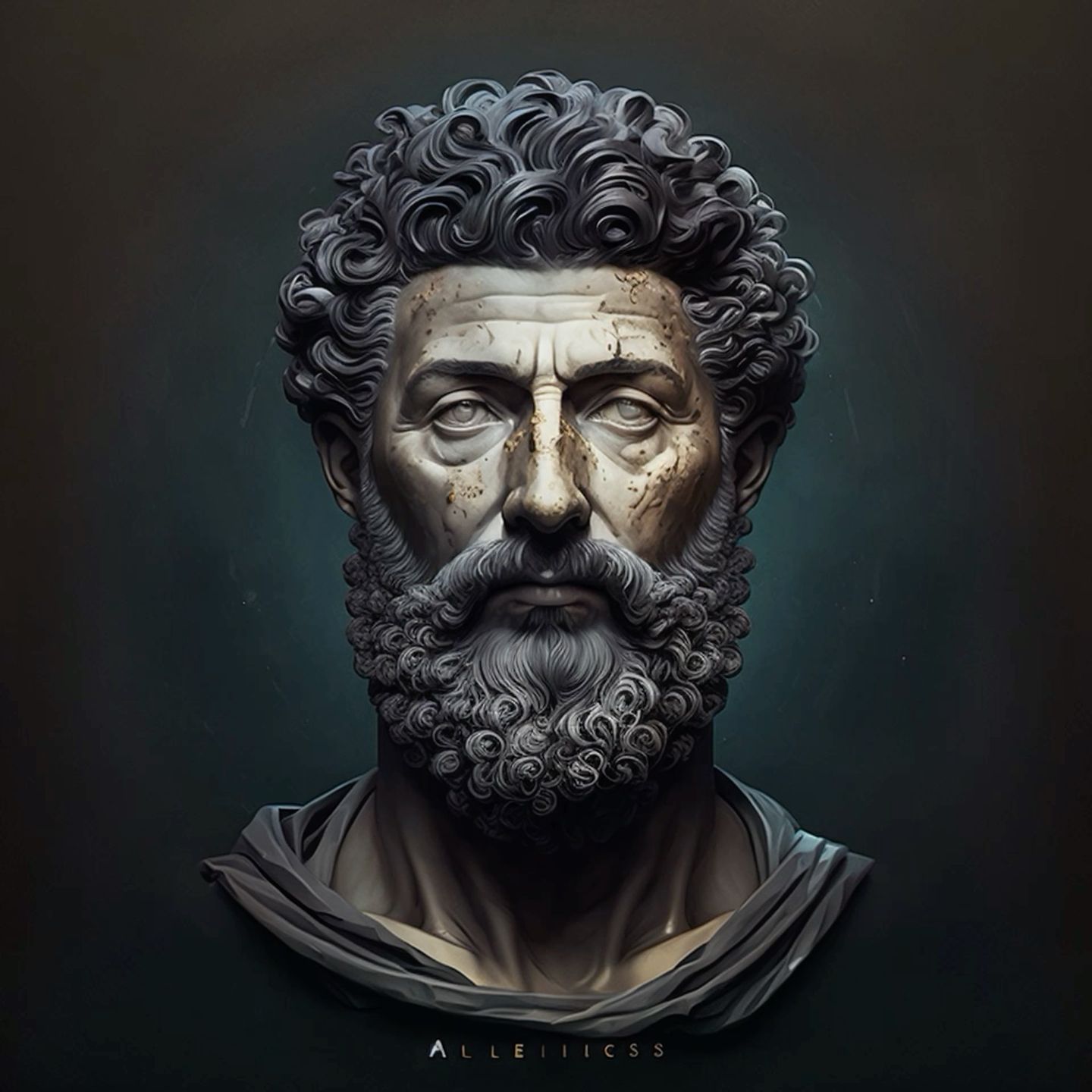
Last of the 'Five Good Emperors' of Rome, Stoic philosopher whose private journals Meditations remain a literary monument of duty and virtue.
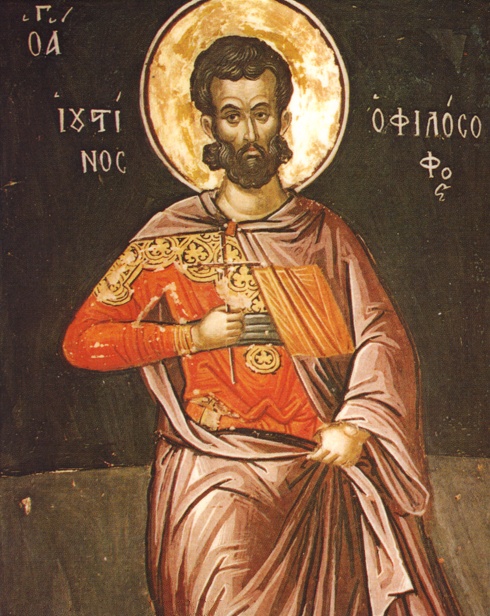
Foremost early Christian apologist who harmonized classical Greek philosophy with biblical revelation through his doctrine of the Logos Spermatikos.
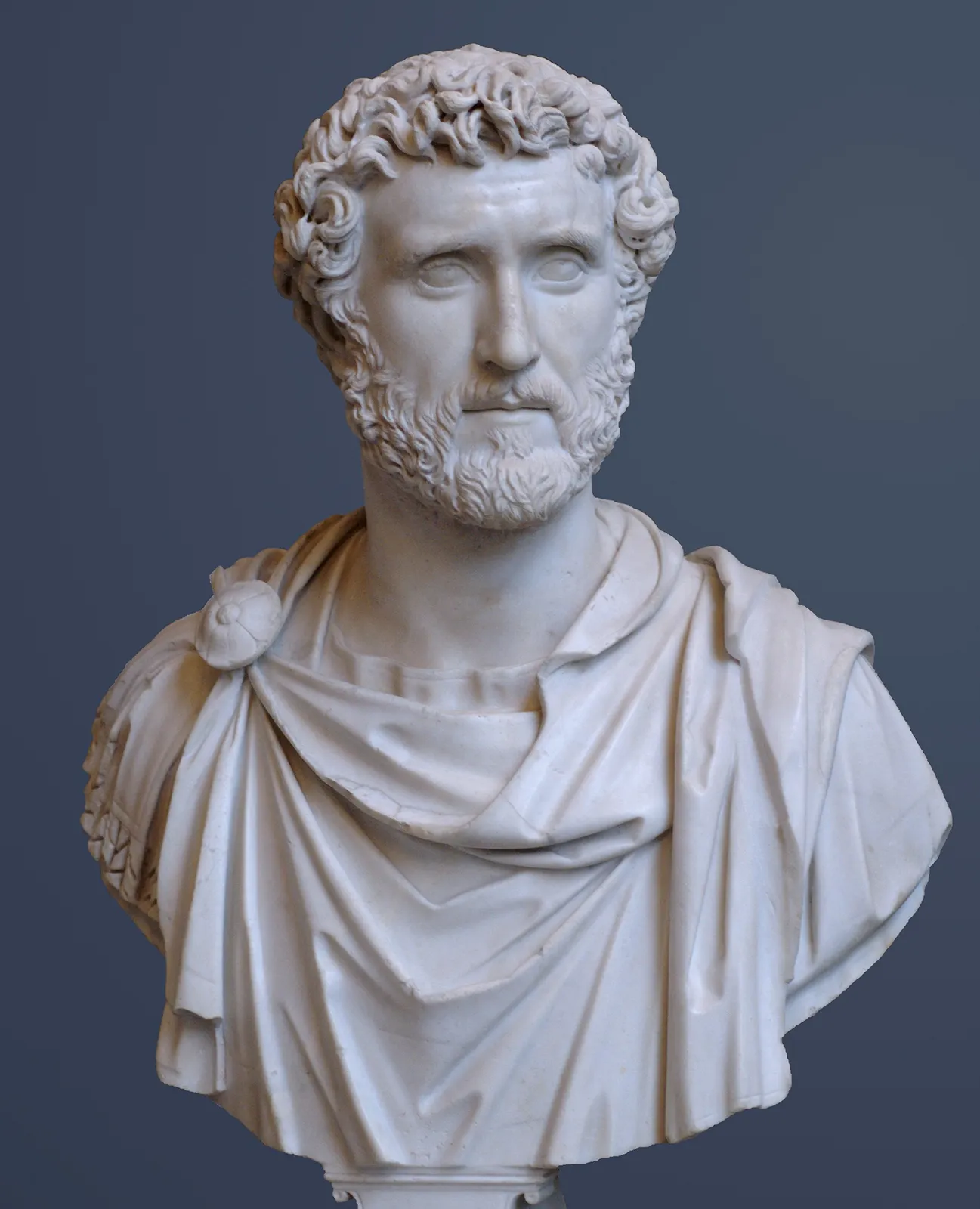
Roman Emperor of the Antonine Dynasty whose 23-year reign was the most peaceful in the entire history of the Roman Empire.
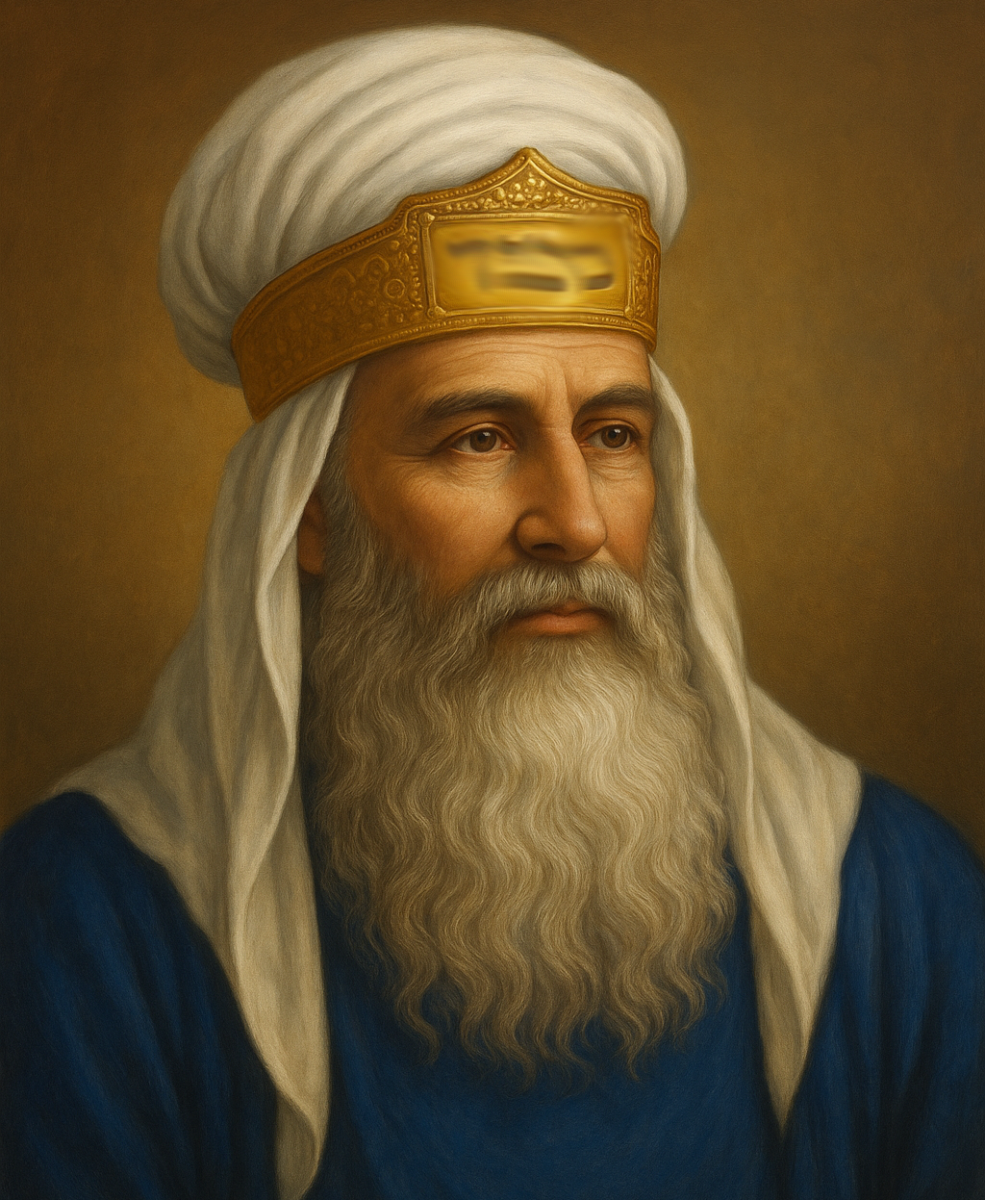
Eminent disciple of Rabbi Akiva and celebrated mystic to whom kabbalistic tradition attributes the divine revelations of the Zohar.
First Celestial Master of Daoism who founded the Way of the Celestial Masters (Tianshi Dao). Received divine revelation from Laozi on Mount Heming, establishing community covenants of healing, ethics, and meditation.
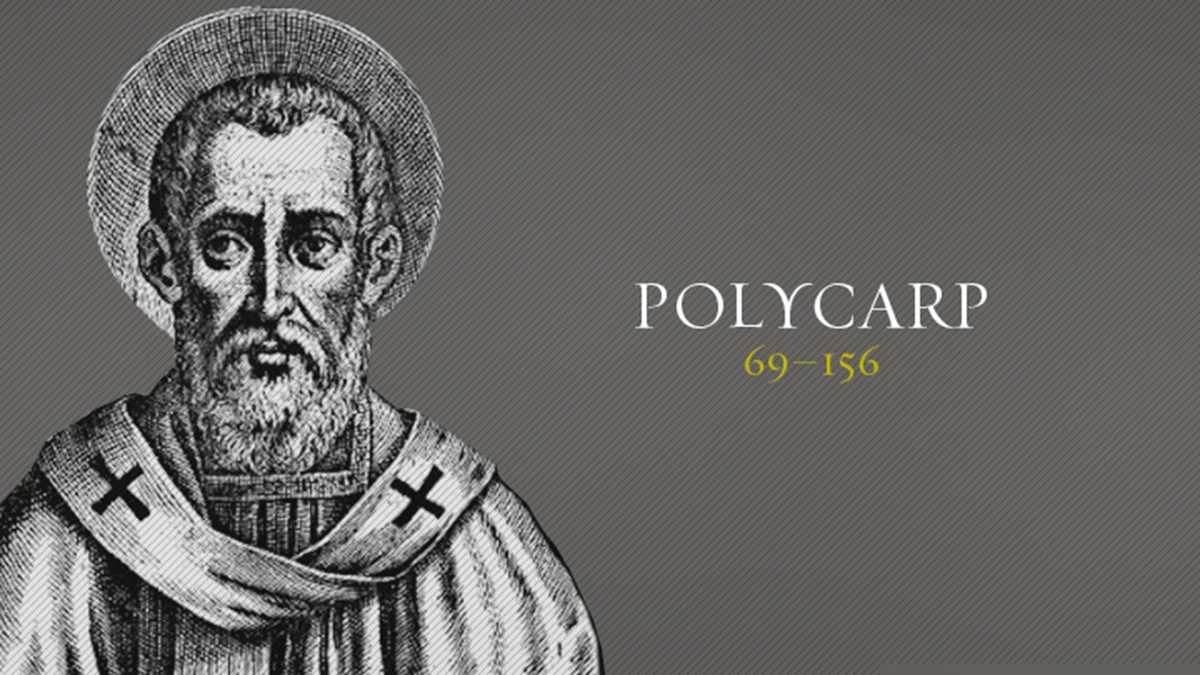
Revered Bishop of Smyrna, disciple of the Apostle John, and crucial defender of orthodoxy against early Gnosticism who died courageously at age eighty-six.
Han Dynasty polymath who invented the world's first seismoscope for detecting earthquakes, built the first water-powered celestial armillary sphere, and calculated Pi as sqrt(10).
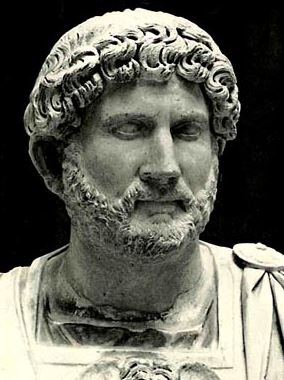
Third of the "Five Good Emperors" celebrated as the empire's supreme traveler, architect, and lover of Greek culture. Built Hadrian's Wall across northern Britain, reconstructed the Pantheon in Rome, and fortified imperial frontiers.
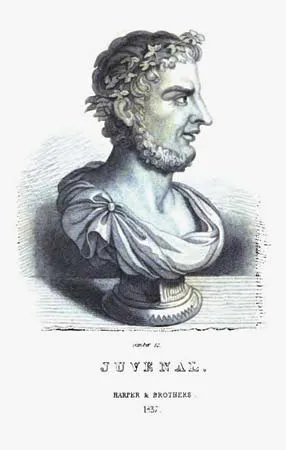
Formidable Roman satirical poet whose scathing hexameter Satires coined iconic idioms including 'bread and circuses' and 'who will watch the watchers'.
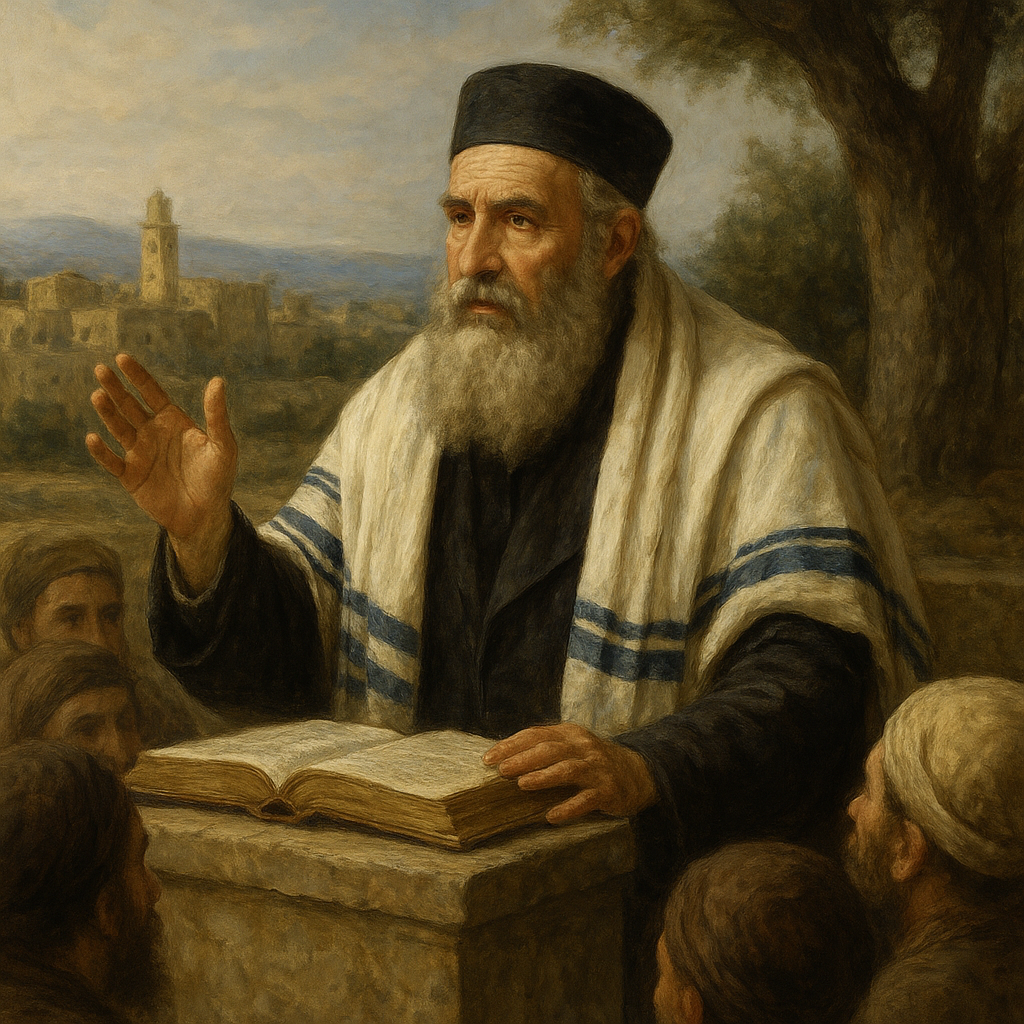
Supreme Mishnaic sage, mystic, and martyr who systemized the Oral Torah, championed the holiness of the Song of Songs, and died declaring the Shema.
Second of the "Five Good Emperors" and declared by the Roman Senate as Optimus Princeps (The Best Ruler). Conquered Dacia and Parthia, expanding the Roman Empire to its greatest territorial extent in history.
Roman lawyer, senator, and magistrate under Trajan whose preserved Epistulae provide an invaluable record of the eruption of Vesuvius and early Christian communities.
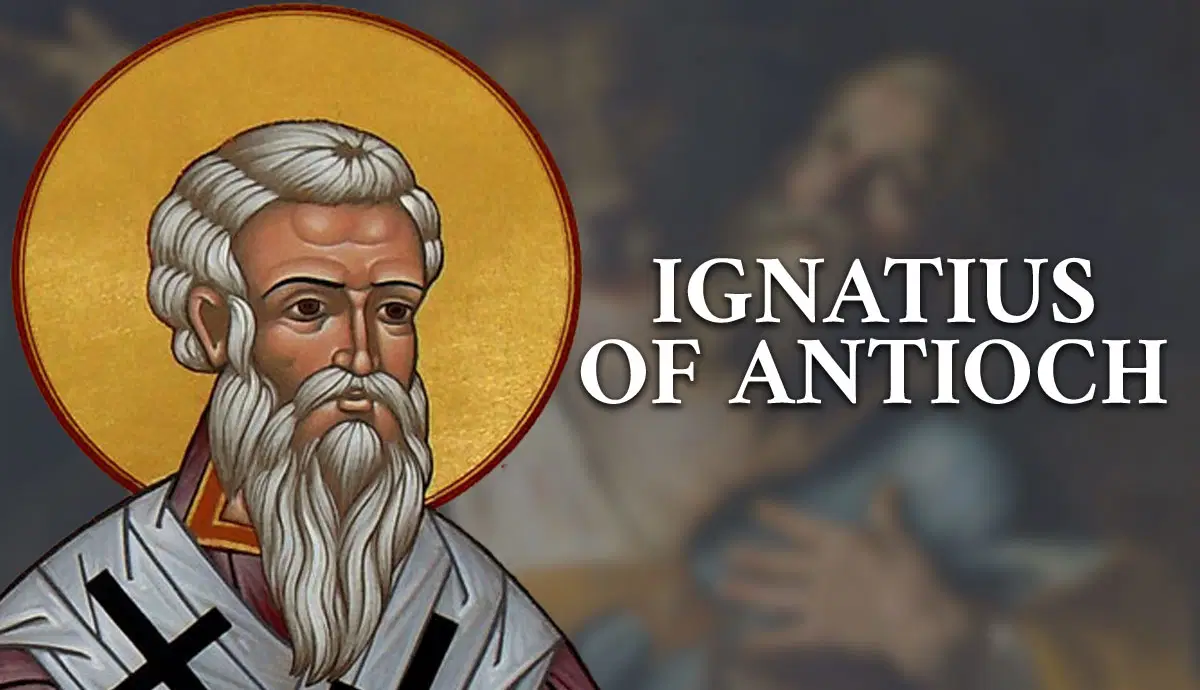
Apostolic Father and Bishop of Antioch who authored seven celebrated letters defining the threefold ministry of bishops, the real Eucharist, and Christian martyrdom.
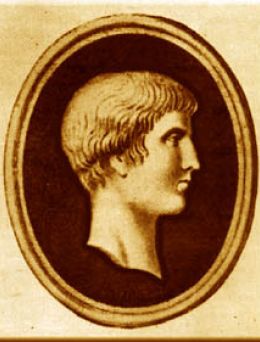
Roman poet from Hispania celebrated as the father of the modern epigram, whose witty, biting verses brilliantly chronicled the vices and absurdities of imperial Rome.
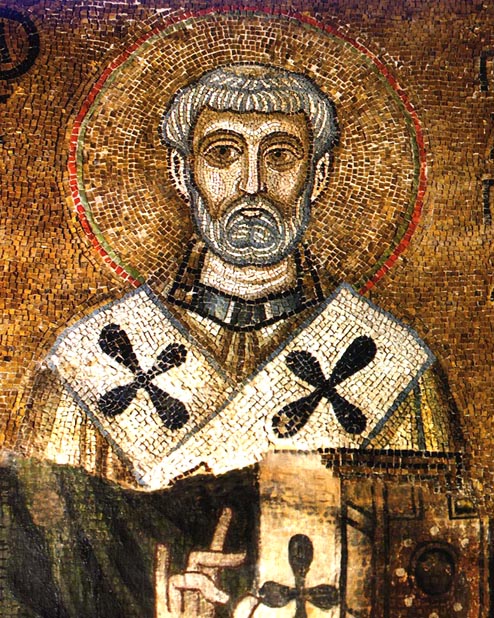
First Apostolic Father of the early Christian Church and Bishop of Rome, celebrated for his First Epistle to the Corinthians emphasizing apostolic succession and order.