Qi Jiguang
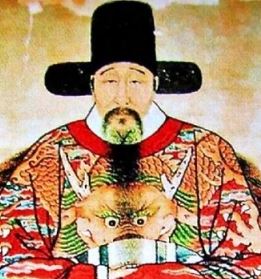
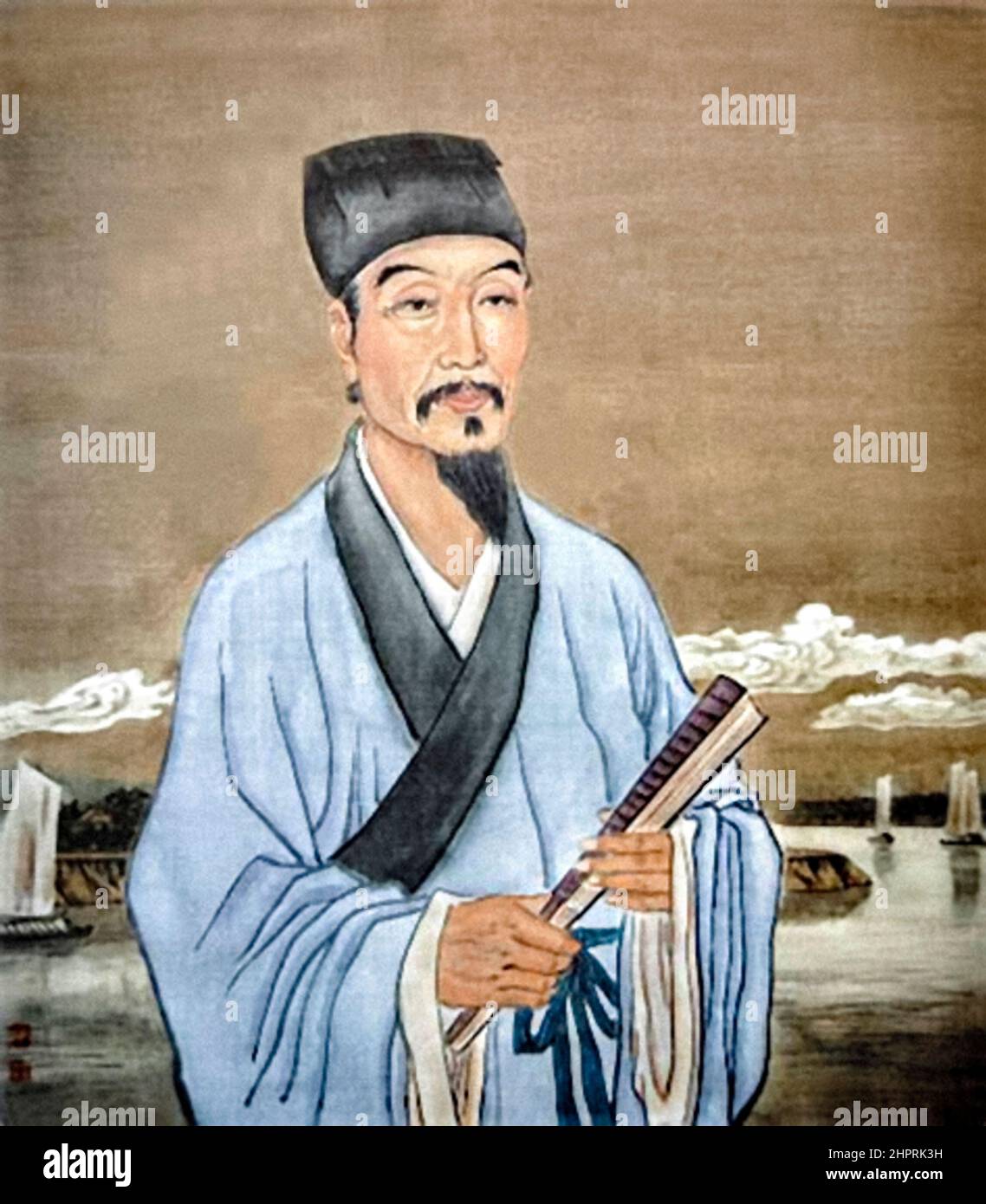
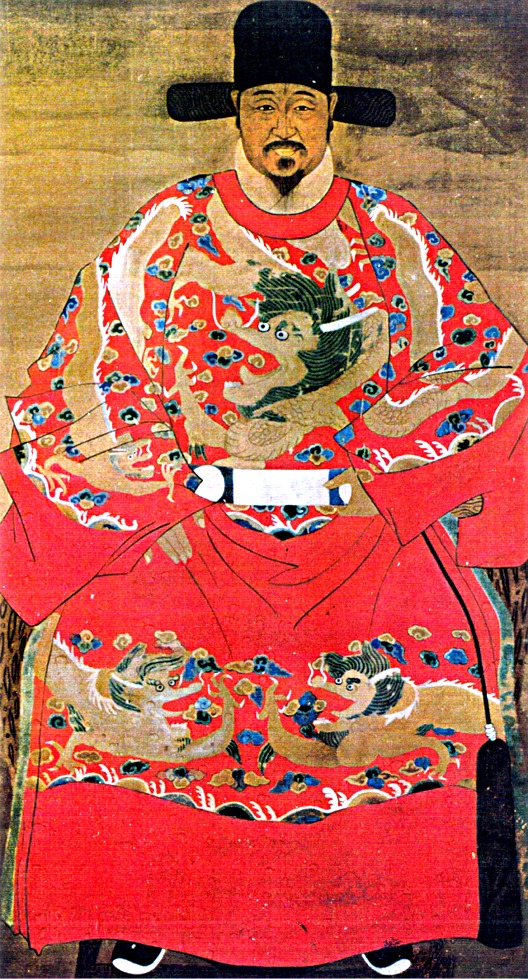
Ming dynasty military general and strategist who eradicated the Wokou pirate scourge along China's southeastern coast, invented the Mandarin Duck military formation, and refortified the Great Wall.
Start typing to search worldwide archives and community tributes
Filterable archive covering centuries of intellectual, artistic, and moral contributions to the human story.
Ming dynasty military general and strategist who eradicated the Wokou pirate scourge along China's southeastern coast, invented the Mandarin Duck military formation, and refortified the Great Wall.
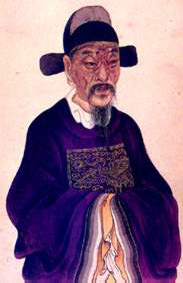
Ming dynasty general and military engineer who eradicated wokou coastal piracy, invented the Mandarin Duck tactical formation, and reinforced the Great Wall.
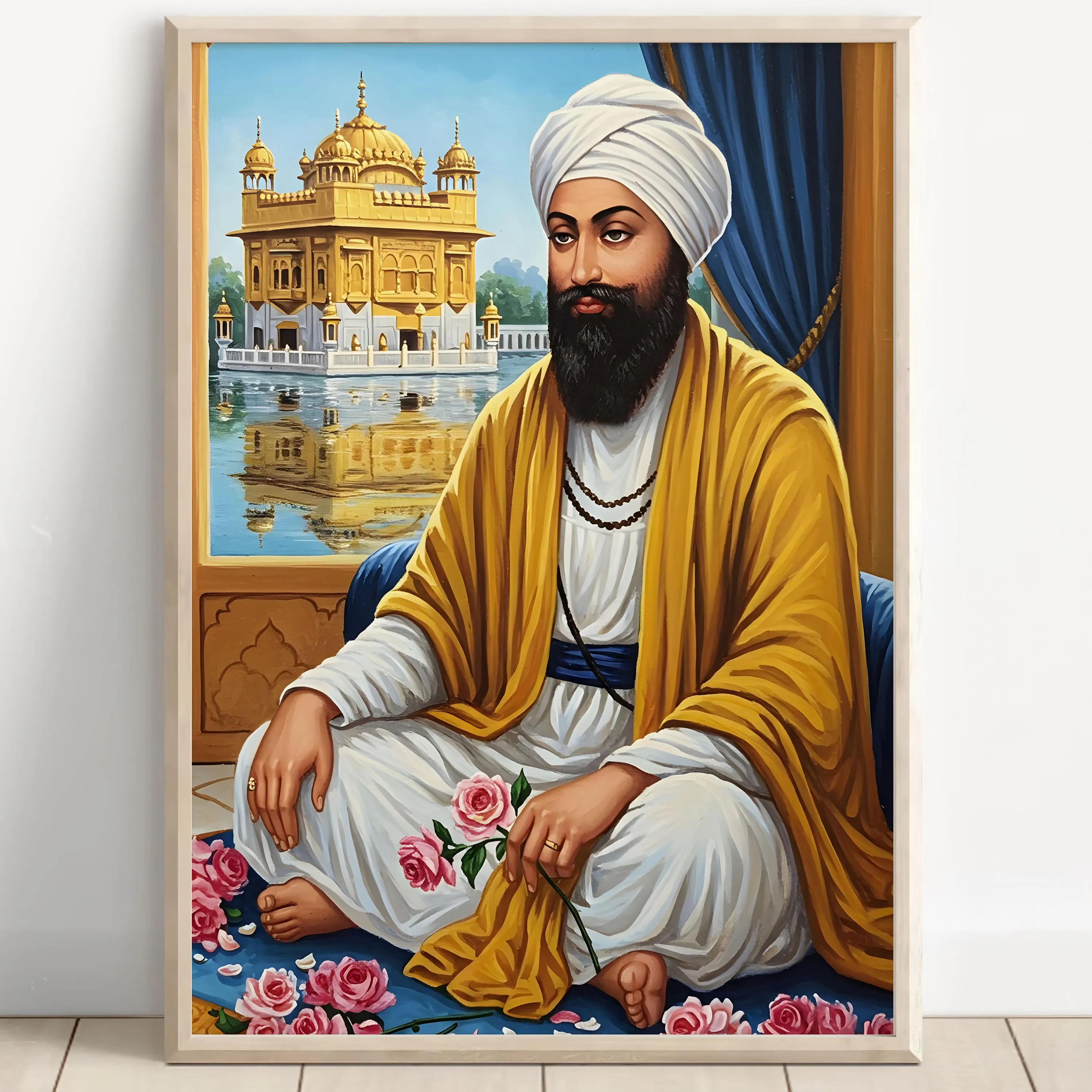
Legendary Ming dynasty official from Hainan renowned for uncompromising honesty, land reforms protecting peasants, and submitting his coffin memorial to the Jiajing Emperor.
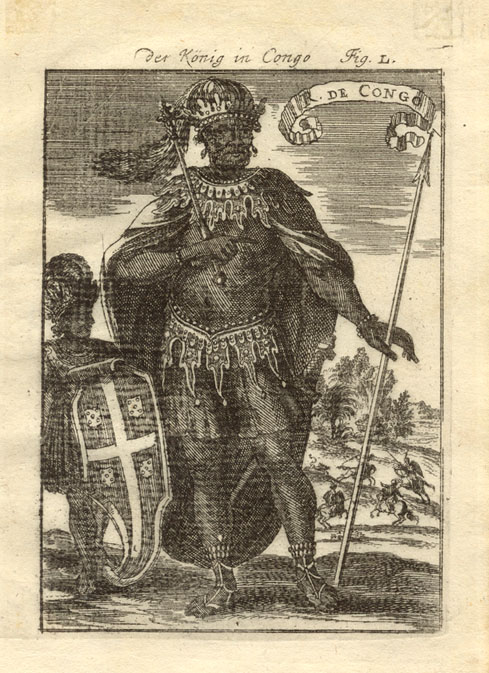
Manikongo (King) of the Kingdom of Kongo who reclaimed his throne from the devastating Jaga invasions with Portuguese assistance and Europeanized Kongo's royal court ceremonies.
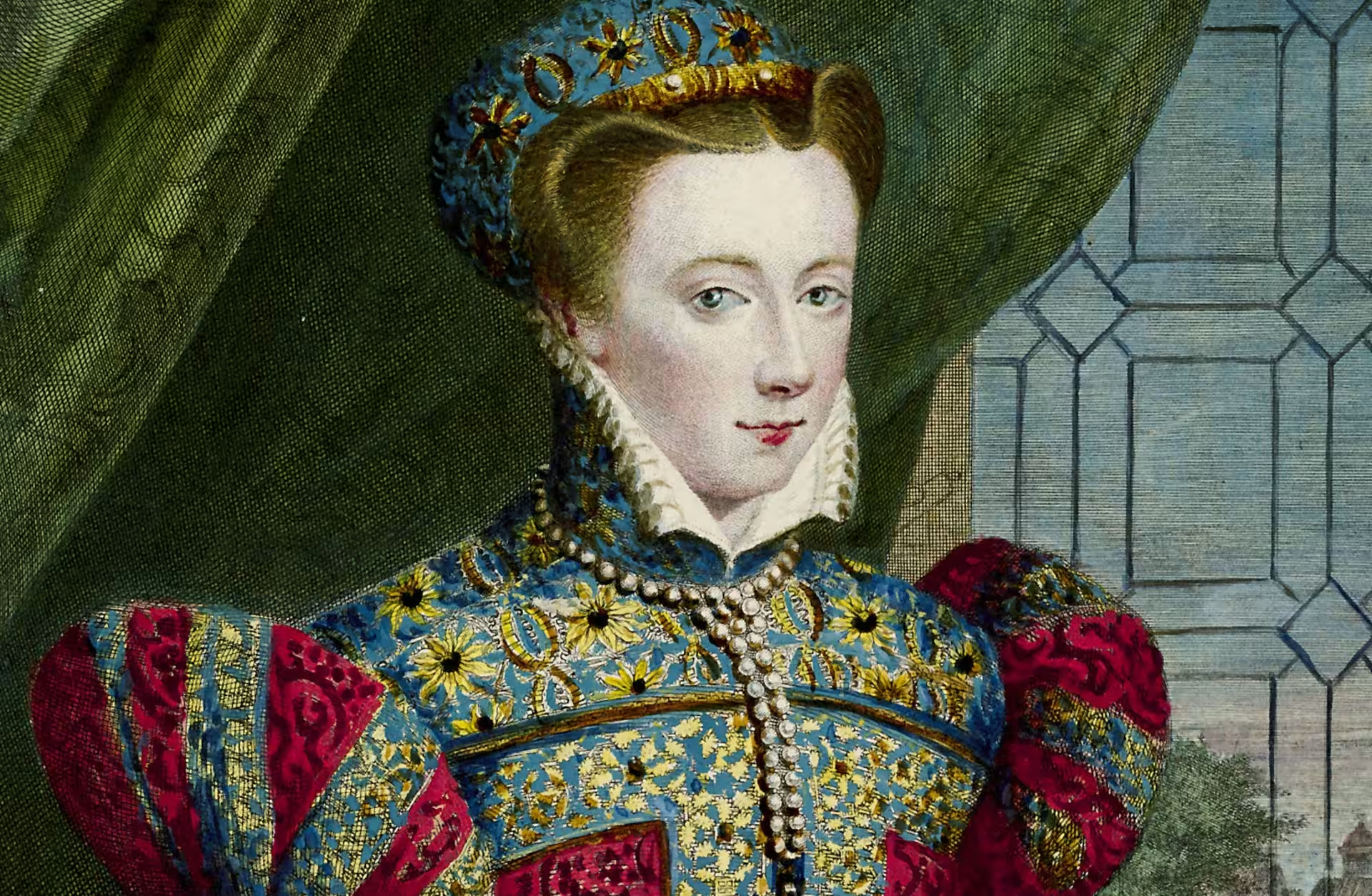
Queen of Scotland and Queen Consort of France whose tragic life, imprisonment, and execution made her an immortal romantic martyr.
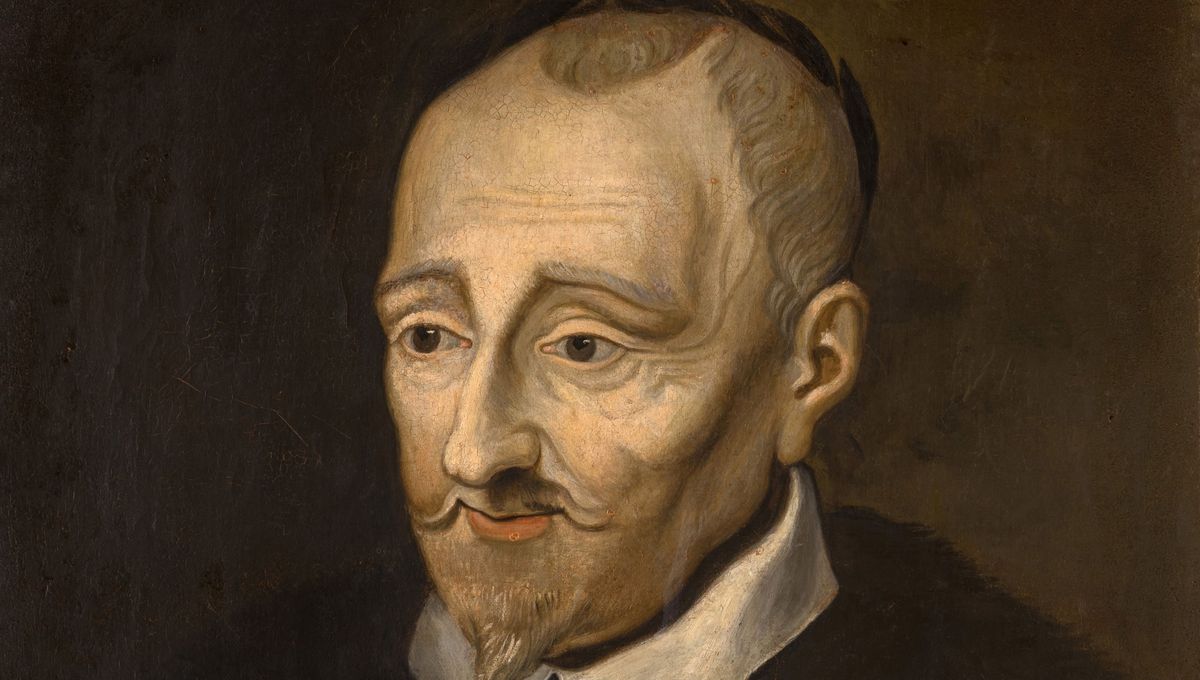
Acclaimed as the 'Prince of Poets' and leader of the French Renaissance Plรฉiade, renowned for 'Mignonne, allons voir si la rose' and Sonnets pour Hรฉlรจne.
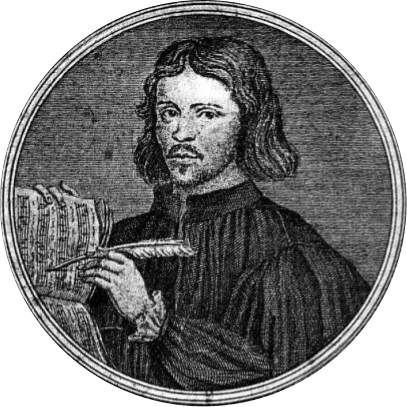
Father of English church music who composed through four turbulent Tudor monarchies, immortalized by his 40-part choral masterpiece 'Spem in alium'.
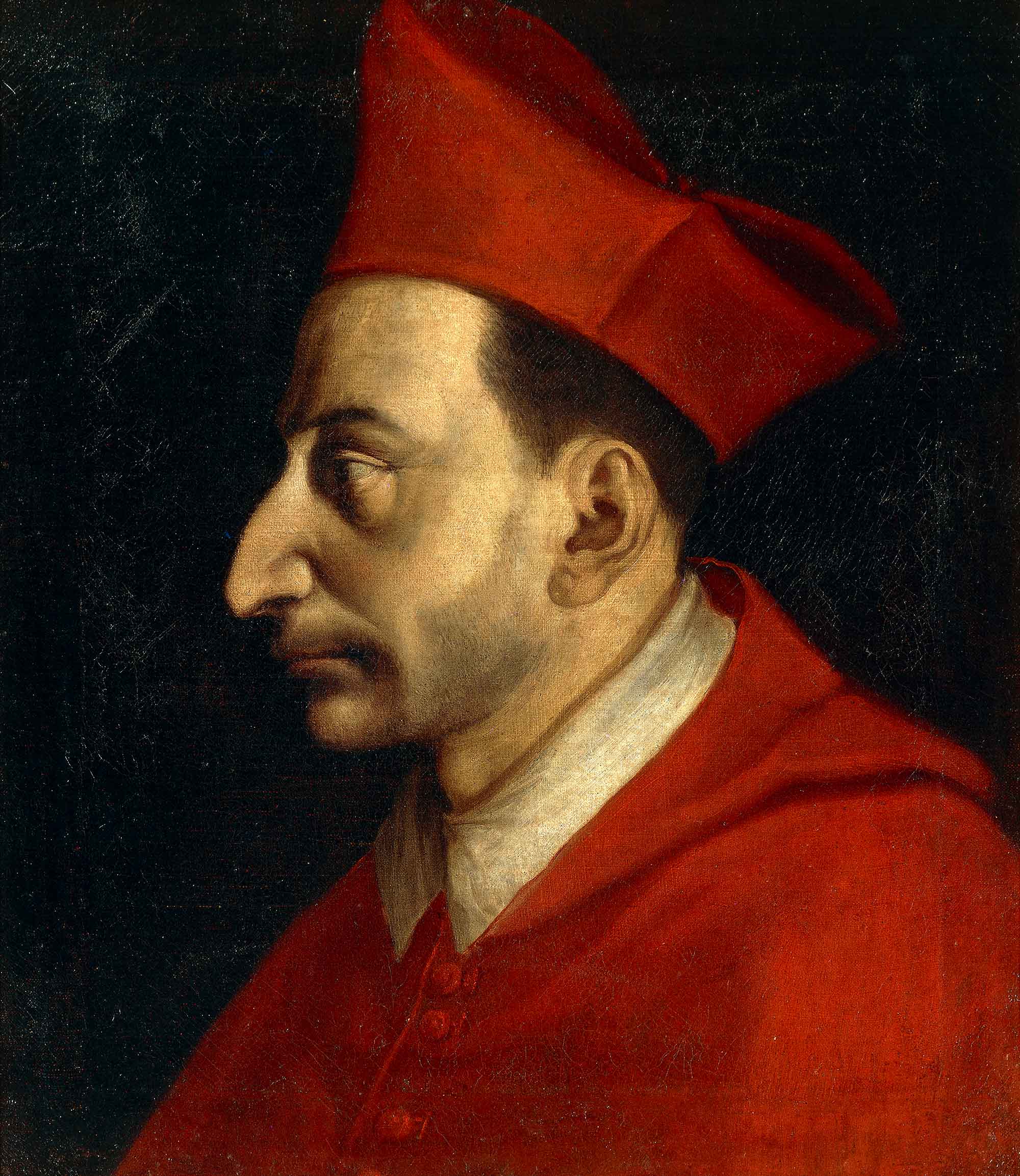
Archbishop of Milan, cardinal, and leading figure of the Catholic Counter-Reformation who finalized the Council of Trent and fearlessly nursed plague victims in Milan.
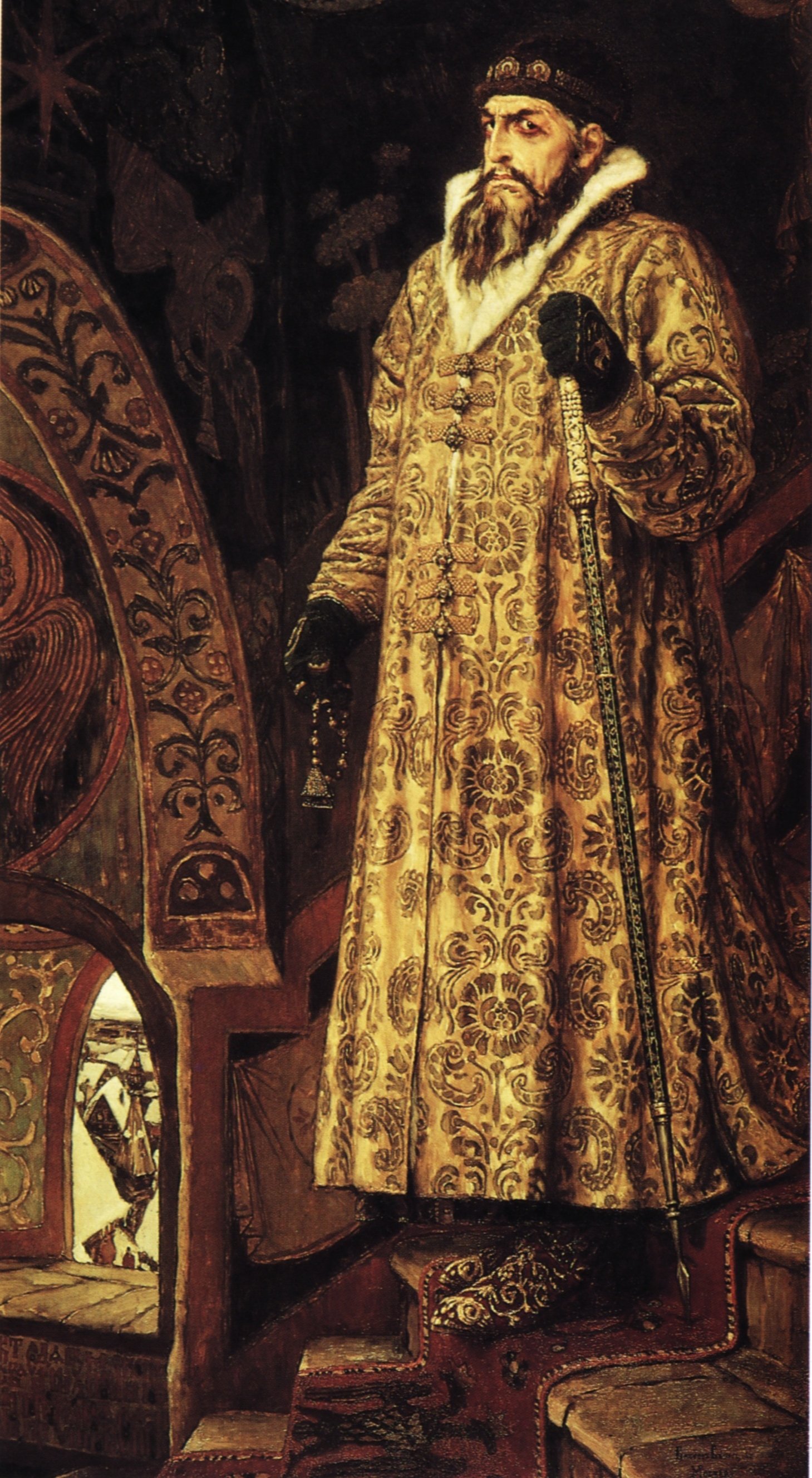
First crowned Tsar of all Russia who conquered the Khanates of Kazan and Astrakhan, opening Siberia and building Saint Basil's Cathedral.
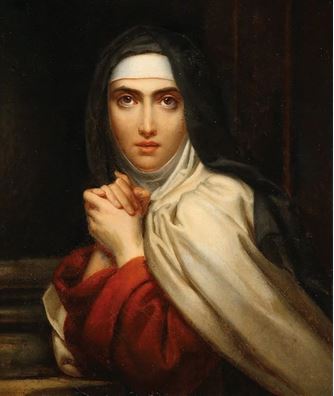
Spanish mystic, monastic reformer, and the first woman proclaimed a Doctor of the Church. Overcame institutional opposition to found the Discalced Carmelites and authored spiritual masterpieces including The Interior Castle.
Greatest statesman of the Ming Dynasty; instituted the 'Single Whip Law' (Yitiao Bianfa) simplifying all taxes into single silver payments and restored Ming fiscal solvency.
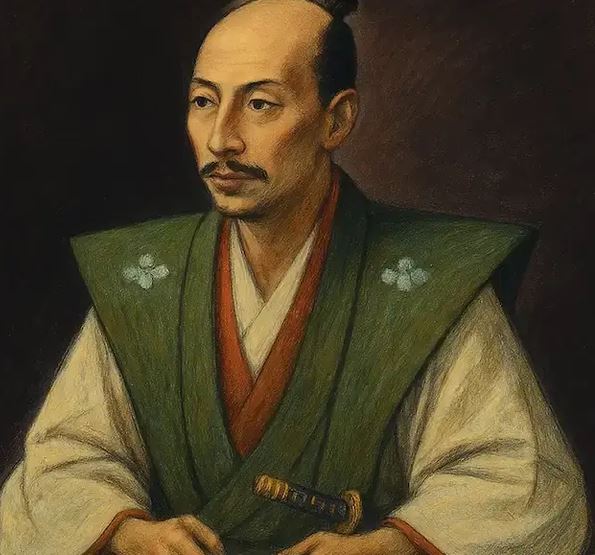
The first of Japan's "Three Great Unifiers" of the Sengoku (Warring States) period. Overthrew the Ashikaga Shogunate, revolutionized samurai tactics with volley-fire matchlock firearms at the Battle of Nagashino, and dismantled feudal economic barriers.
Ming dynasty novelist and poet widely attributed as the author of Journey to the West, the mythical fantasy immortalizing the Monkey King Sun Wukong.
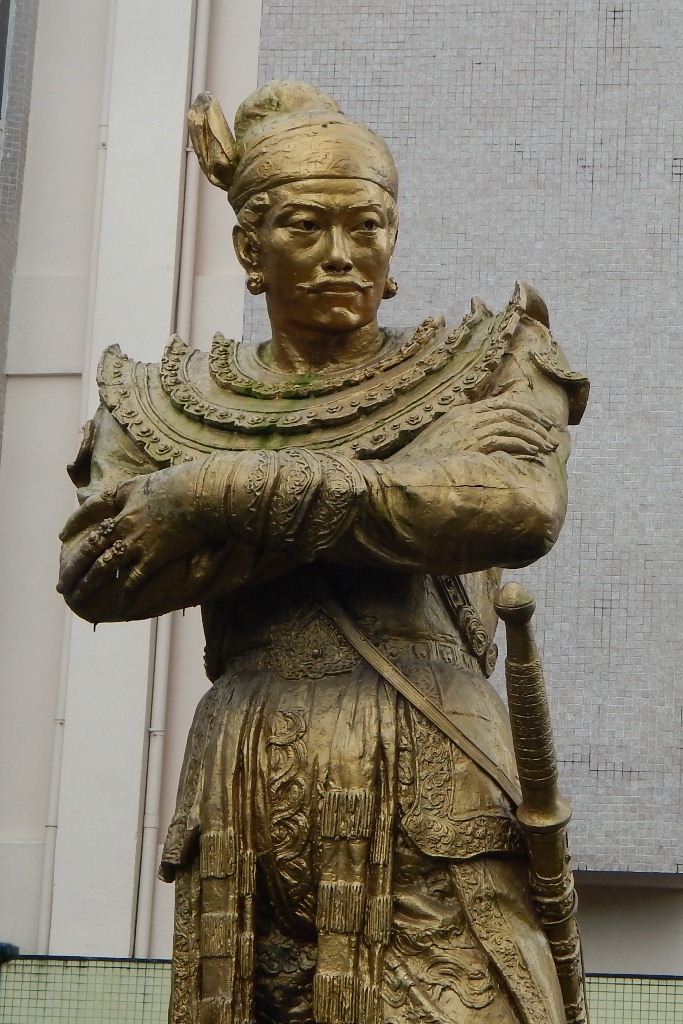
Third king of the Toungoo Dynasty who assembled the largest empire in the history of Southeast Asia, conquering Siam, Lan Na, and Lan Xang (Laos) across three decades of military campaigns.
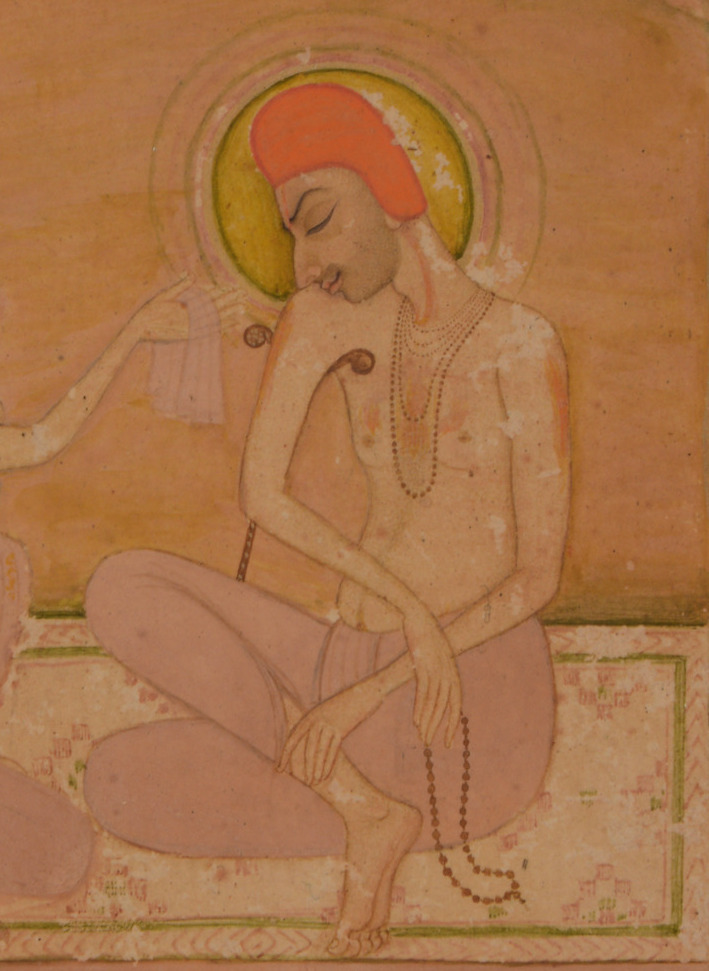
Born as an impoverished orphan selling boiled chickpeas in Lahore, Bhai Jetha rose through immaculate humility to become Guru Ram Das; he founded the holy city of Amritsar (Ramdaspur) and composed the four sacred stanzas of the Sikh marriage covenant.
Sixteenth-century blind Hindu poet, musician, and Bhakti saint (1478โ1581) whose lyrical devotional hymns in 'Sur Sagar' immortalized the childhood and divine love of Krishna in the Braj Bhasha dialect.
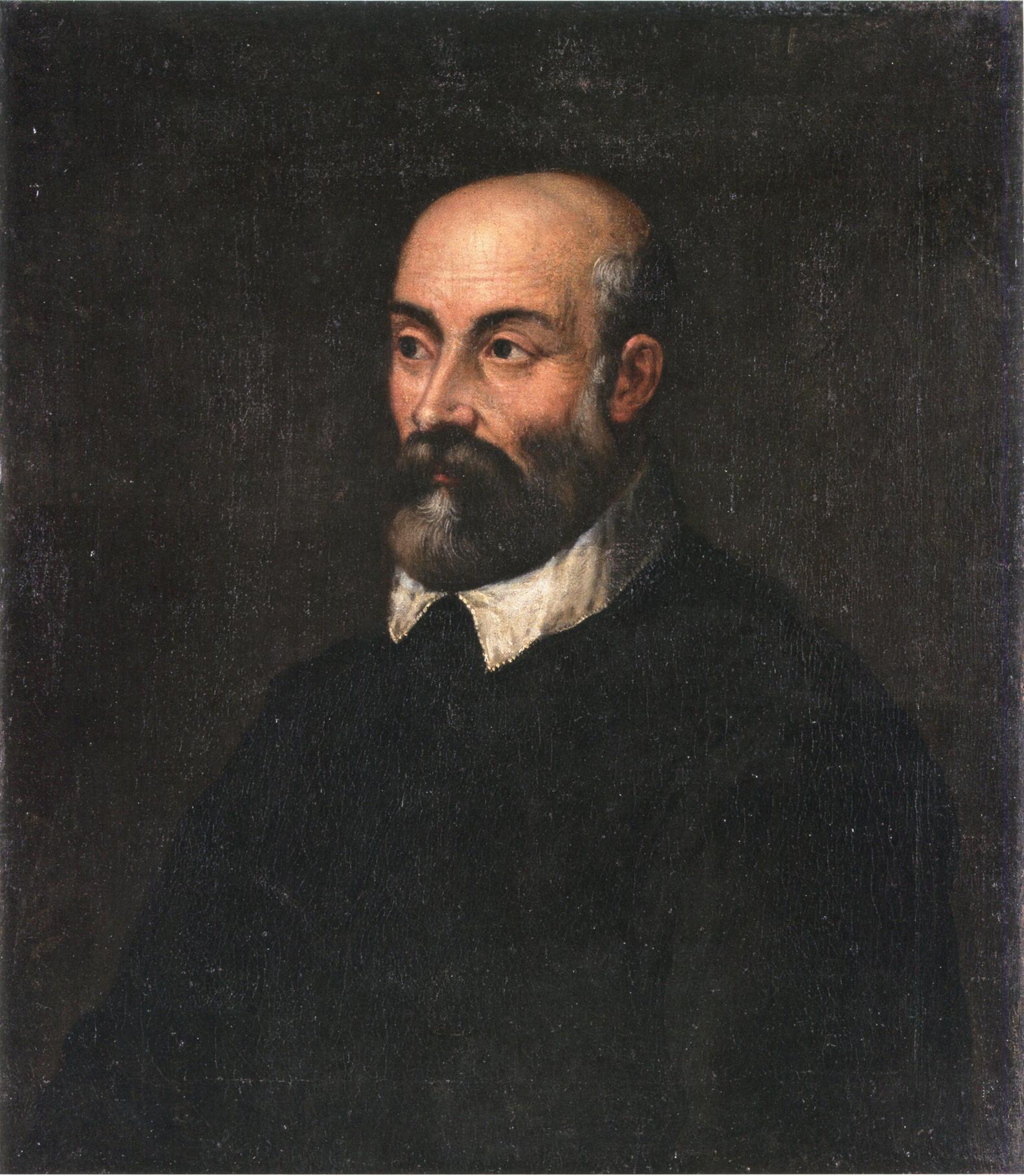
Most influential architect in Western history whose 'The Four Books of Architecture' and harmonious villas (Villa Capra 'La Rotonda') created worldwide Palladianism.
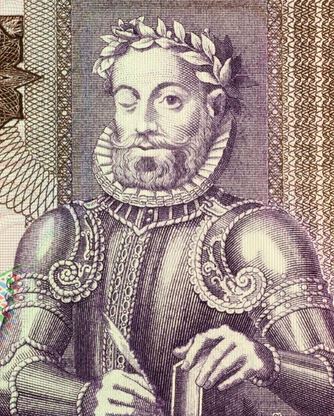
Portugal's supreme national poet and adventurer who lost his right eye in battle in Ceuta, composing the monumental national epic Os Lusรญadas (The Lusiads) in ten cantos celebrating Vasco da Gama's oceanic route to India.