Public Figures & Cultural Luminaries
Filterable archive covering centuries of intellectual, artistic, and moral contributions to the human story.
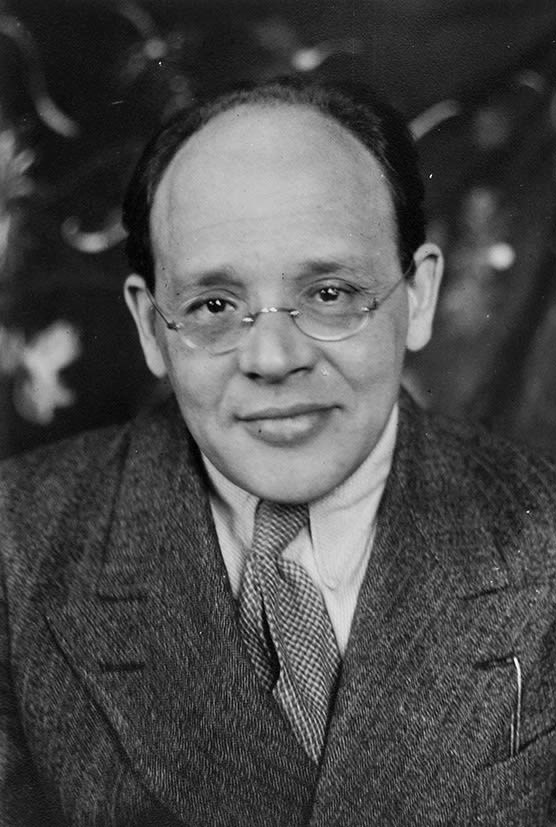
Isaac Babel
 (Исаак Эммануилович Бабель)
Peerless Russian-Jewish master of the short story whose Red Cavalry and Odessa Tales brought vivid brutality and poetic lyricism to world literature.
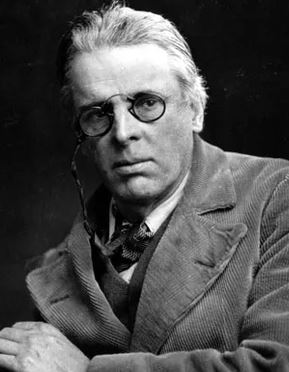
William Butler Yeats
 (William Butler Yeats)
Supreme Irish lyric poet and 1923 Nobel laureate who spearheaded the Irish Literary Revival, co-founded the Abbey Theatre with Lady Gregory, and chronicled the turbulent birth of modern Ireland in Easter, 1916 and The Second Coming.
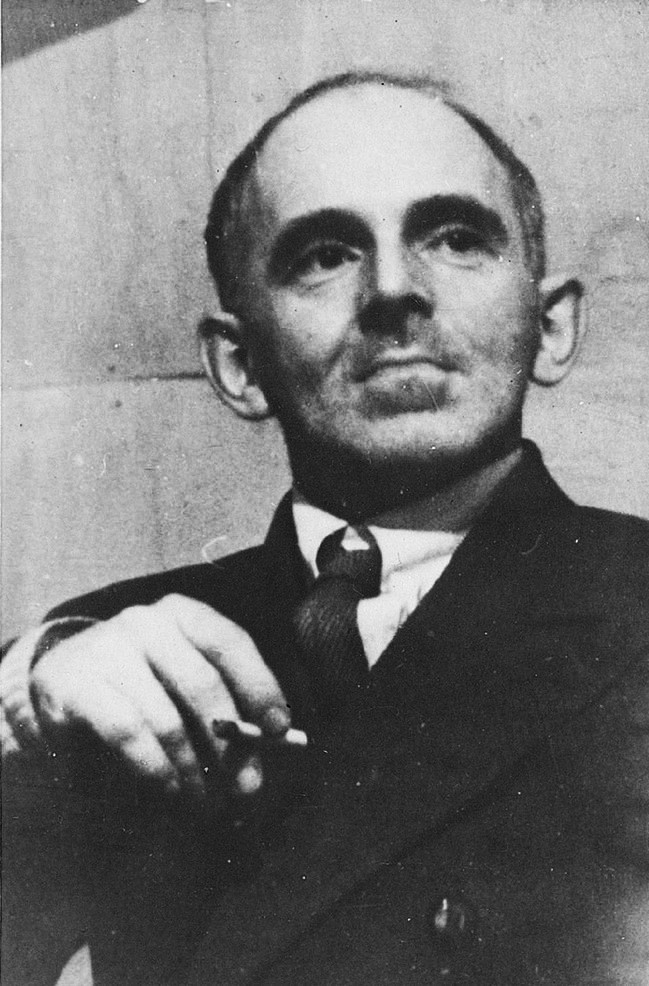
Osip Mandelstam
 (Осип Эмильевич Мандельштам)
Foremost Russian Acmeist poet and martyr whose collections Stone and Tristia, and fatal 'Stalin Epigram', made him an eternal symbol of artistic integrity.
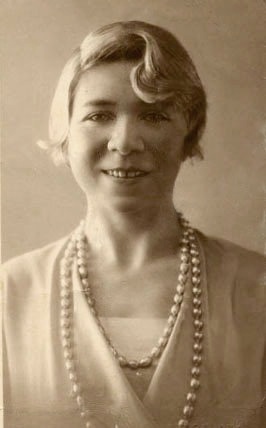
Alfonsina Storni
 (Alfonsina Storni)
Argentine modernist and avant-garde poet whose daring feminist verses confronted patriarchal hypocrisy and celebrated female sexual, intellectual, and economic autonomy.
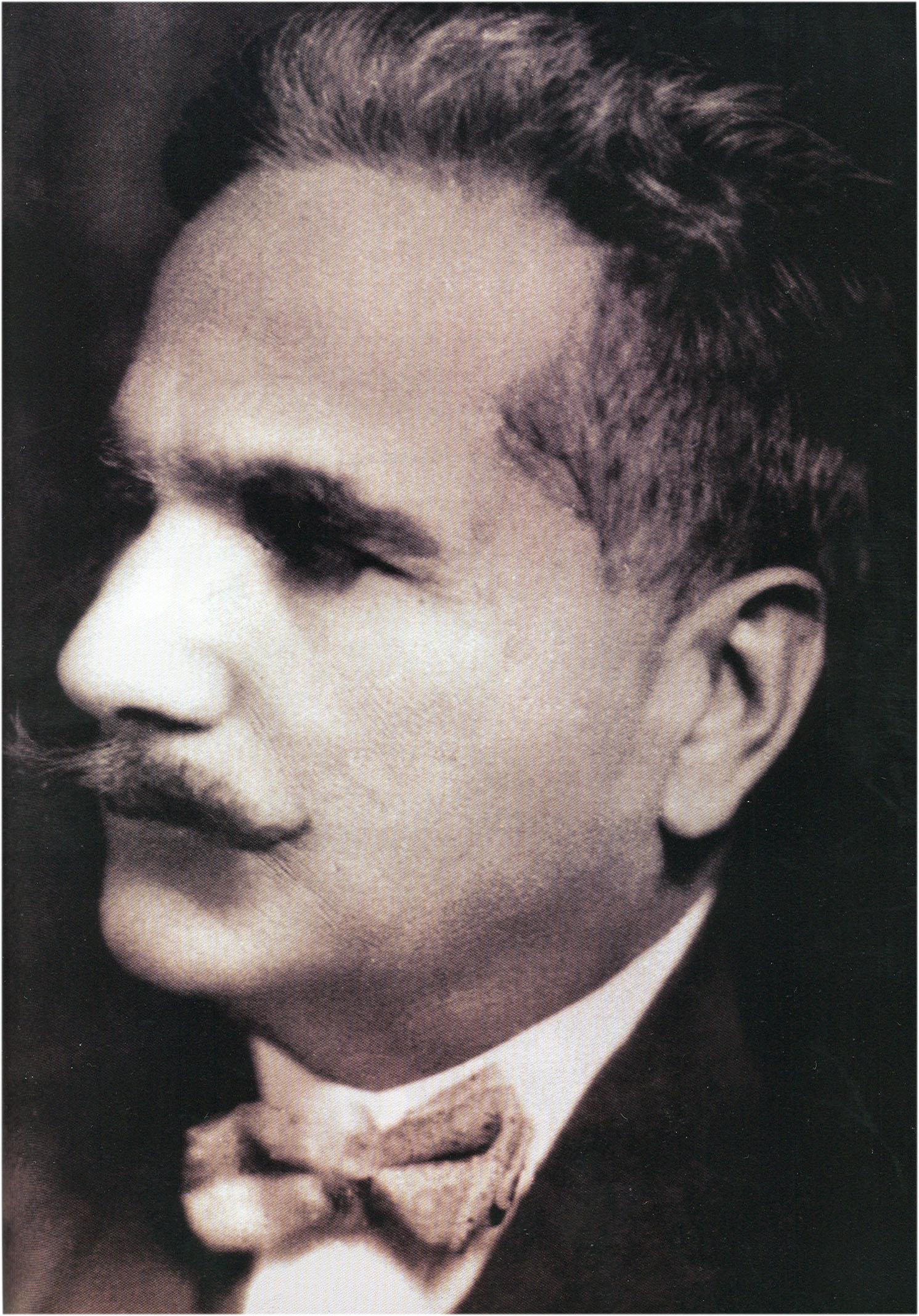
Sir Muhammad Iqbal
 (علامہ محمد اقبال (Mufakkir-e-Pakistan))
Renowned philosopher, barrister, and poet (1877–1938), revered as 'Allama Iqbal' and 'The Poet of the East', whose visionary poetry in Persian and Urdu inspired selfhood (Khudi) and the Pakistan Movement.
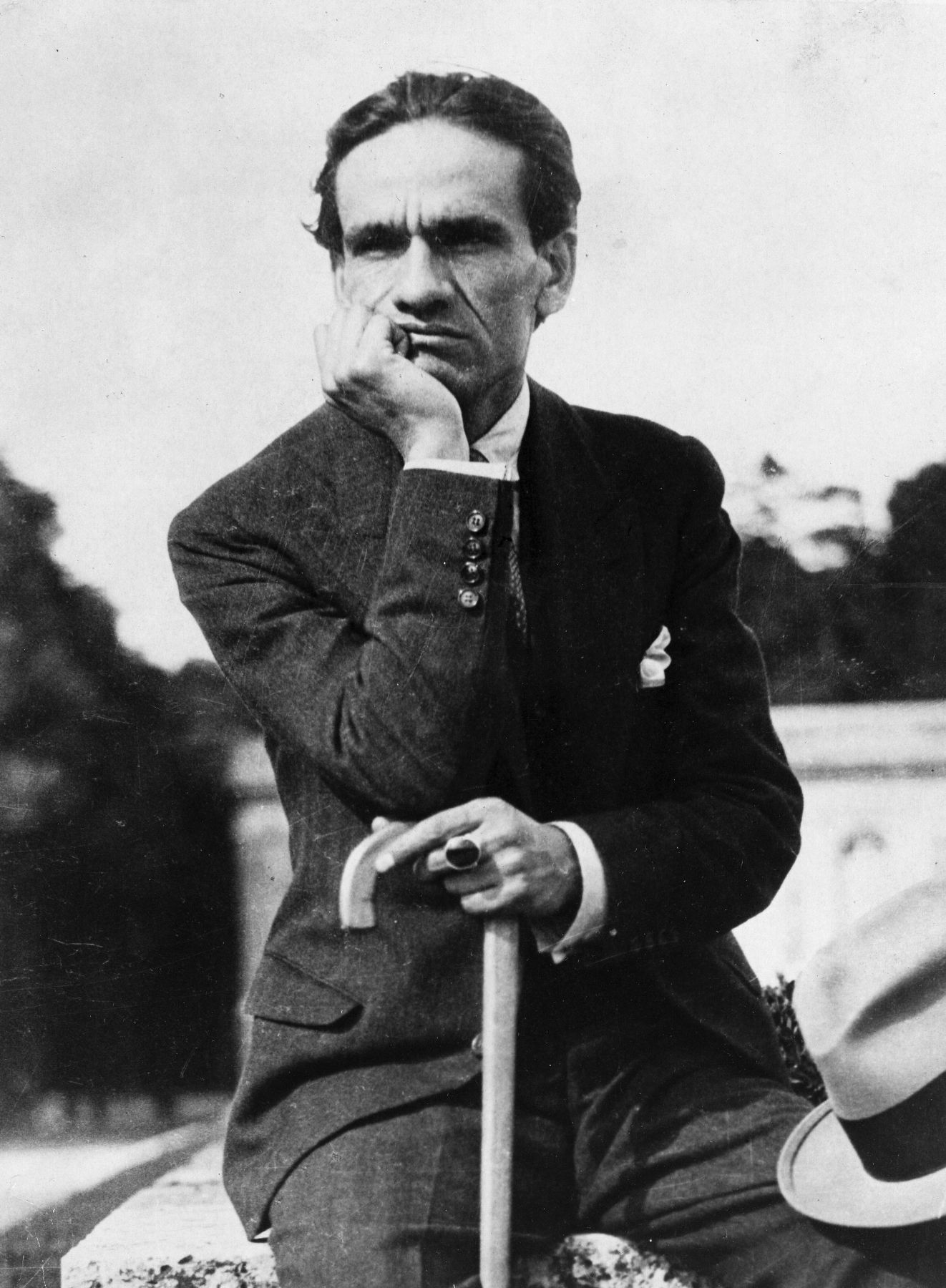
Cesar Vallejo
 (César Abraham Vallejo Mendoza)
Peruvian poet and writer widely considered one of the greatest poetic innovators of the twentieth century, author of the revolutionary avant-garde collection Trilce.
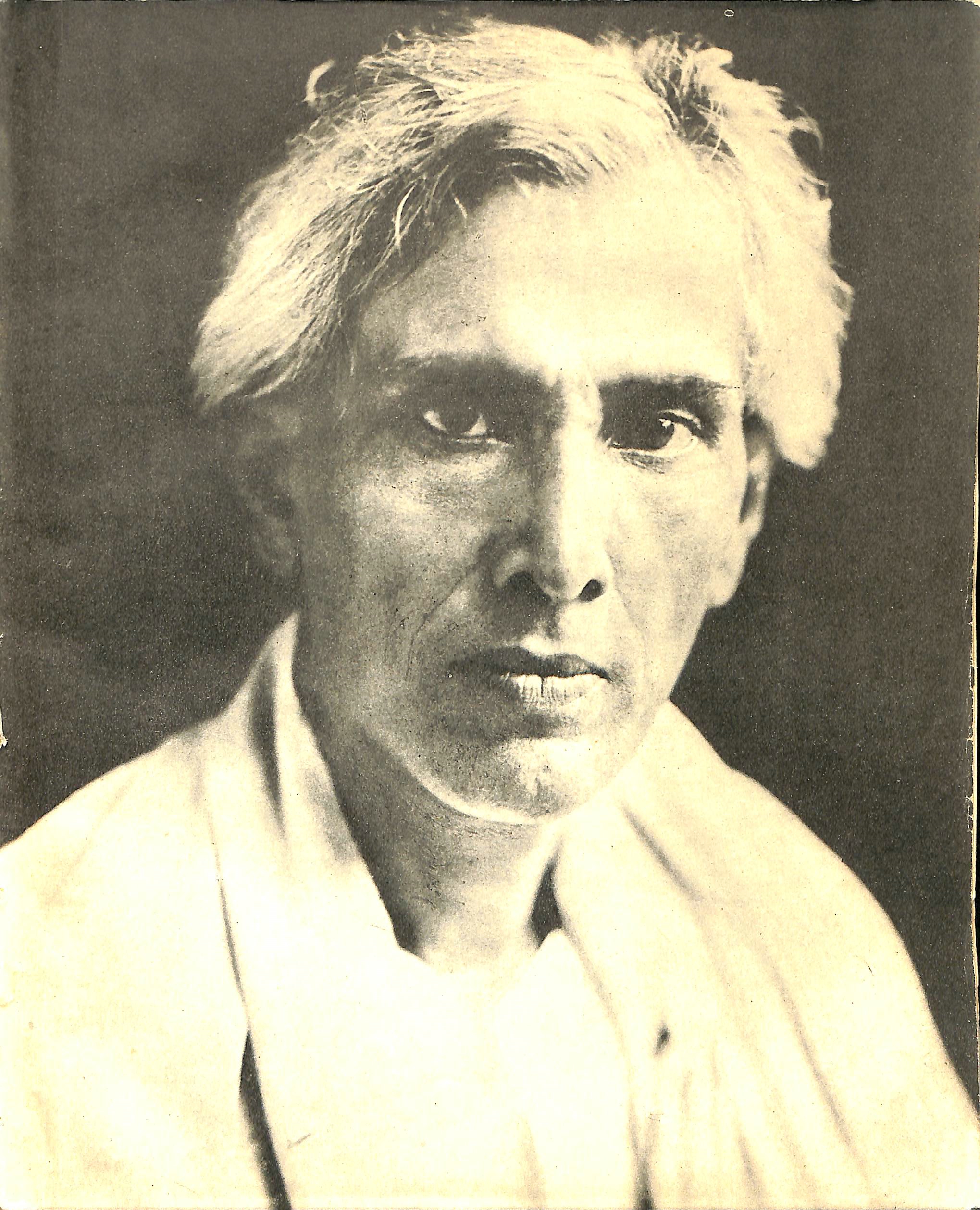
Sarat Chandra Chattopadhyay
 (শরৎচন্দ্র চট্টোপাধ্যায়)
Bengali novelist and short story writer whose works, including Devdas, Pather Dabi, and Charitraheen, made him the most widely translated and popular Indian fiction writer of the twentieth century.
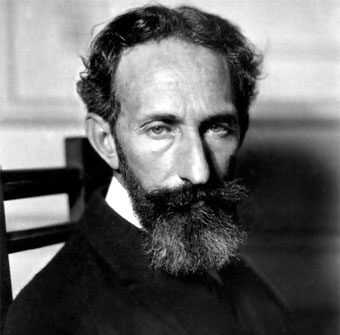
Horacio Quiroga
 (Horacio Silvestre Quiroga Forteza)
Uruguayan-Argentine short story writer regarded as the master of the Latin American gothic tale, whose Stories of Love, Madness and Death captured the lethal perils of the Misiones jungle.
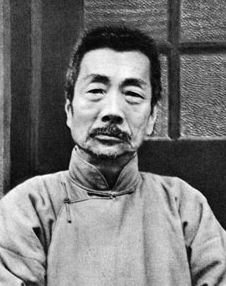
Zhou Shuren (Lu Xun)
 (魯迅 (周樹人))
Revered as the foundational father of modern Chinese literature whose revolutionary vernacular stories A Madman's Diary (1918) and The True Story of Ah Q spearheaded the May Fourth cultural revolution, fiercely attacking feudal hypocrisy.
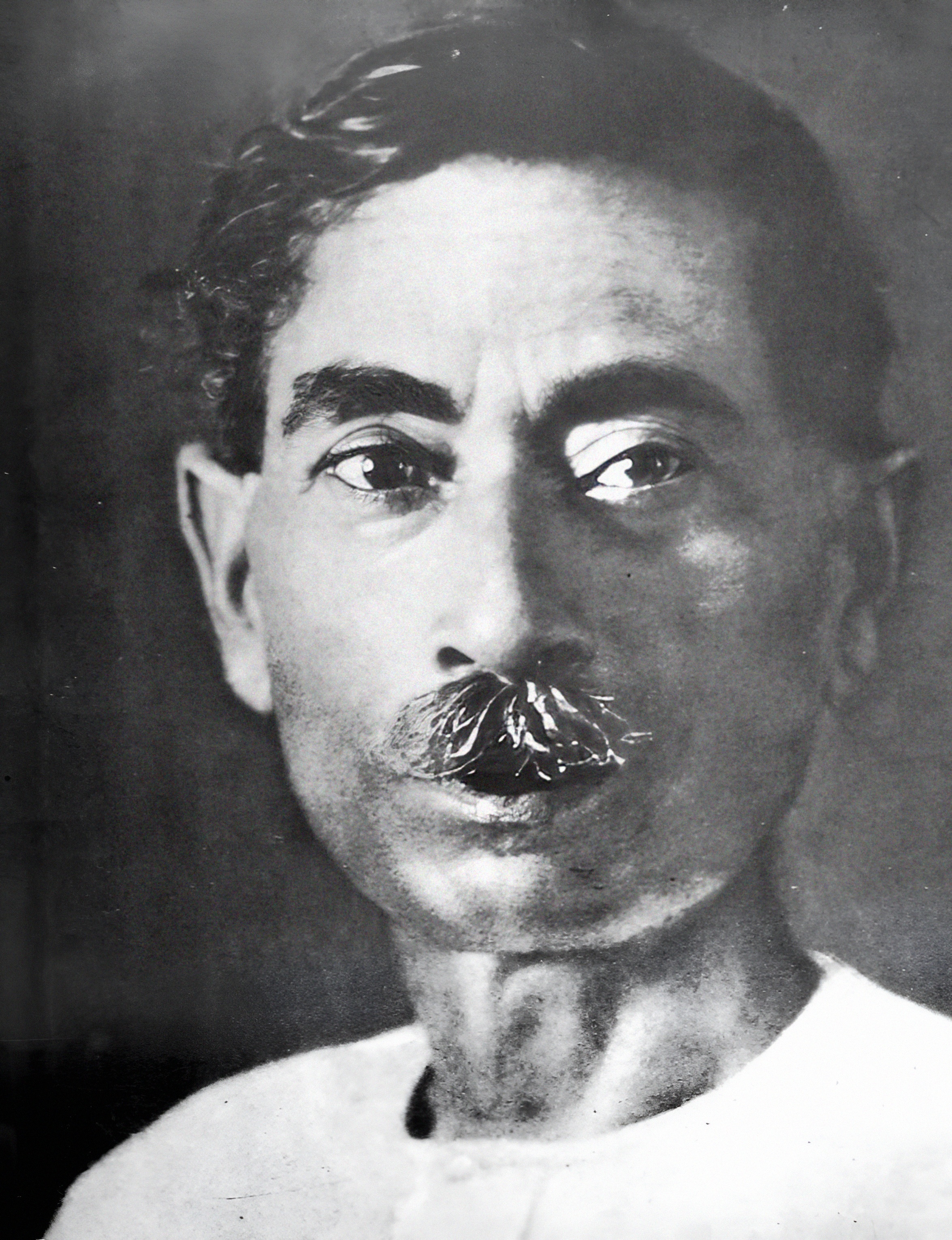
Munshi Premchand
(मुंशी प्रेमचंद (Dhanpat Rai Srivastava))
Foremost pioneer of modern realist Hindi and Urdu literature (1880–1936), honored as 'Upanyas Samrat' (Emperor of Novels), who wrote 'Godaan', 'Kafan', and hundreds of stories exposing social injustice and rural poverty.
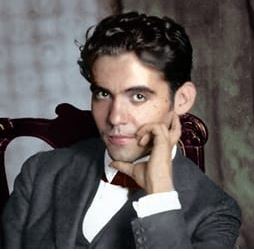
Federico del Sagrado Corazón de Jesús García Lorca
 (Federico García Lorca)
Preeminent Spanish poet and dramatist of the Generation of '27 whose Romancero gitano, theory of Duende, and searing tragedies—Blood Wedding and The House of Bernarda Alba—ended in his tragic murder by Nationalist fascists at the outbreak of the Spanish Civil War.
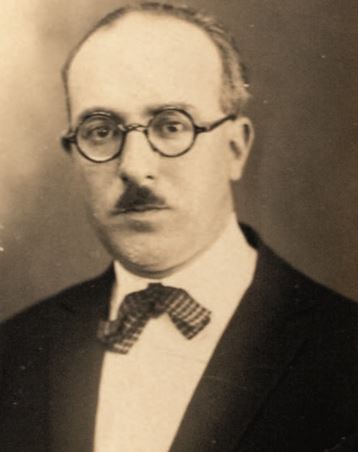
Fernando António Nogueira Pessoa
 (Fernando Pessoa)
Enigmatic Portuguese modernist genius who fractured his identity into over seventy distinct literary alter-egos ('heteronyms'—Alberto Caeiro, Álvaro de Campos, Ricardo Reis, Bernardo Soares) and authored the sublime existential diary The Book of Disquiet.
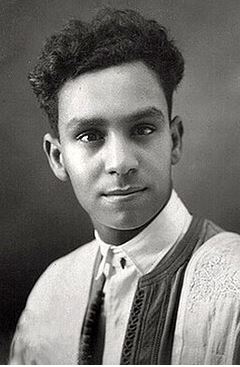
Abou el Kacem Chebbi
 (أبو القاسم الشابي)
Immortal national poet of Tunisia whose fiery romantic and revolutionary verses in 'The Will of Life' (Iradat al-Hayat) and 'To the Tyrants of the World' inspired generations of Arab anti-colonial struggles and the 2011 Arab Spring.
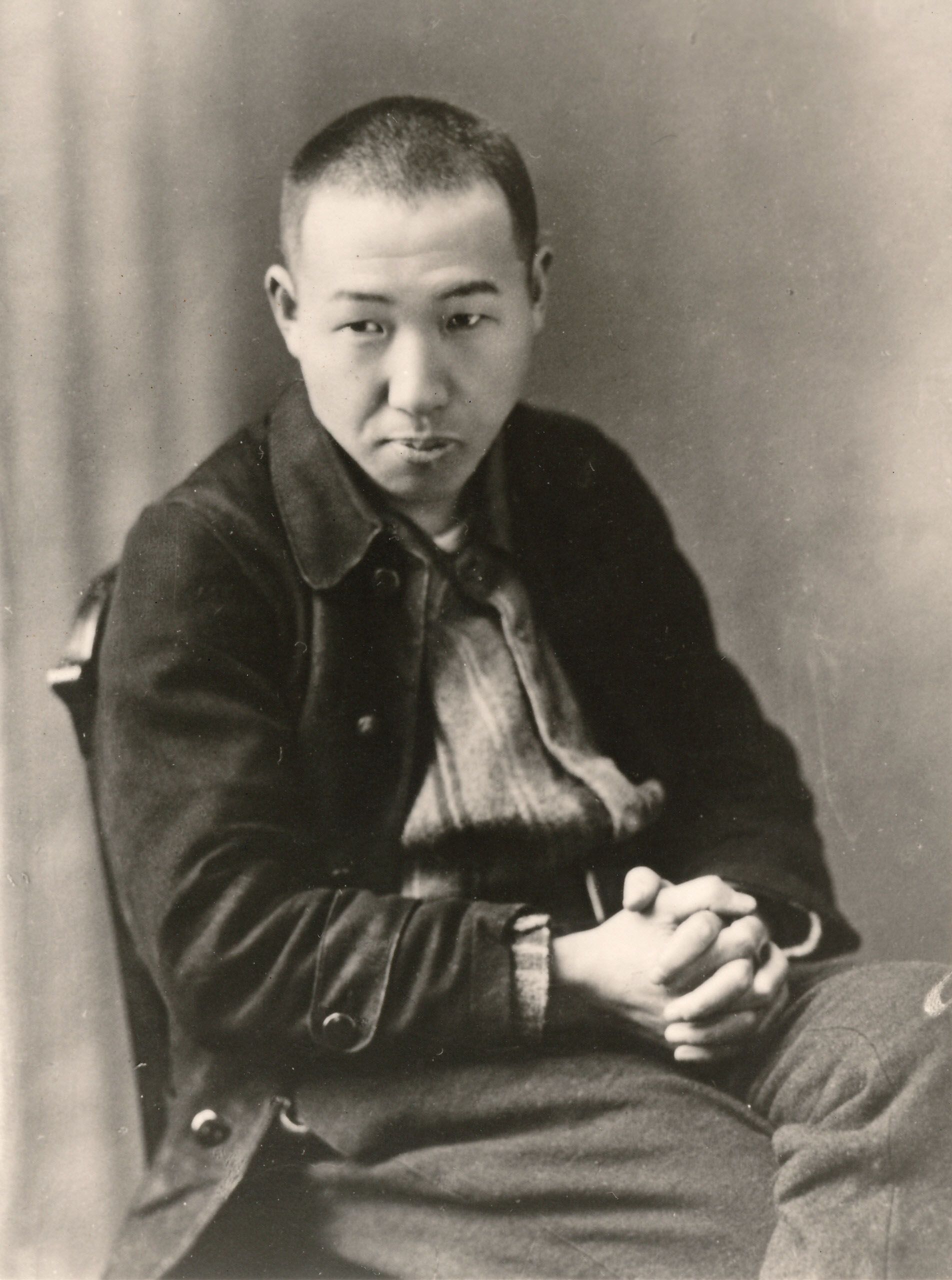
Kenji Miyazawa
 (宮沢賢治)
Beloved Japanese poet, children's author, and agronomist (1896–1933) whose magical realist masterpiece 'Night on the Galactic Railroad' and selfless poem 'Be Not Defeated by the Rain' (Ame ni mo Makezu) are cultural treasures.
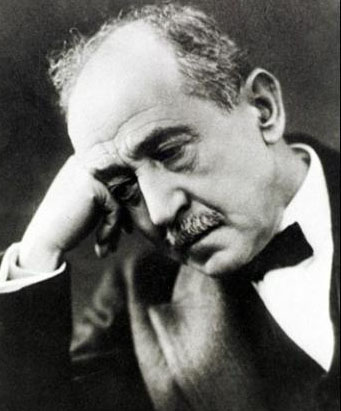
Ahmed Shawqi
 (أحمد شوقي)
Egyptian literary titan crowned by delegations from across the Arab world as 'Amir al-Shu'ara' (The Prince of Poets) in 1927, who revived classical Arabic poetic eloquence and pioneered verse drama.
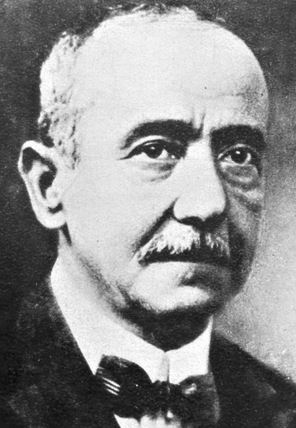
Ahmad Shawqi
(أحمد شوقي (أمير الشعراء))
Venerated across the Arab world as 'Amir al-Shu'ara' (The Prince of Poets), who spearheaded the neoclassical Arabic literary renaissance (Al-Nahda) and pioneered Arabic poetic drama in Cleopatra and Majnun Layla.
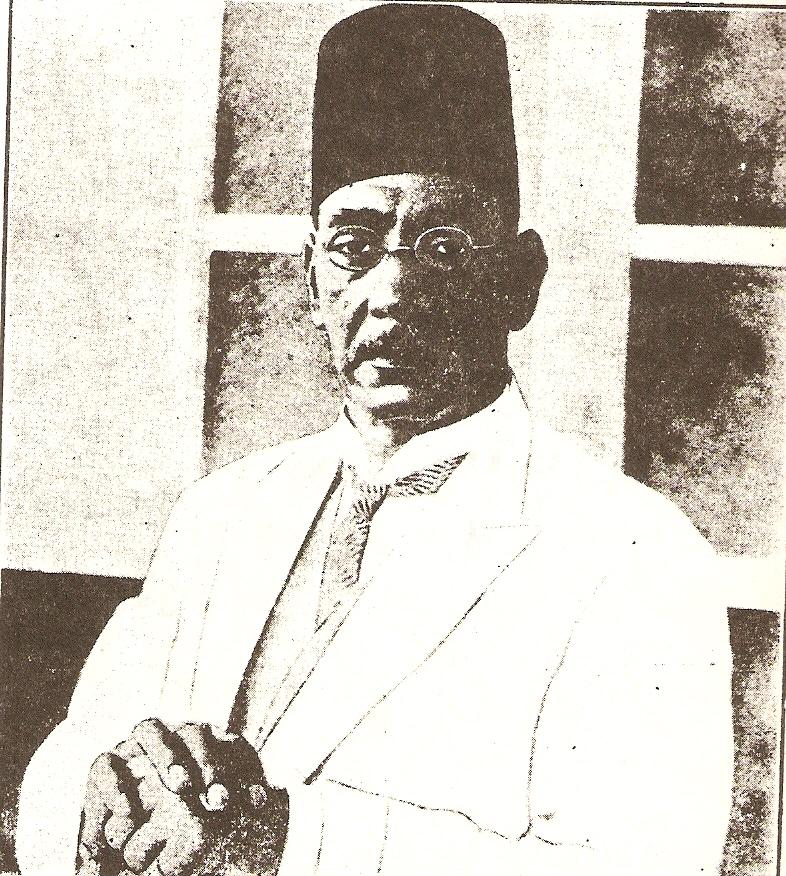
Hafez Ibrahim
(حافظ إبراهيم)
Beloved Egyptian national poet known as 'The Poet of the Nile', whose resonant verses championed the Egyptian peasant, celebrated the Arabic language, and mourned the victims of the Denshawai massacre.
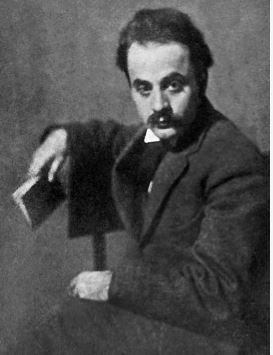
Gibran Khalil Gibran
 (جبران خليل جبران)
Lebanese-American mystic poet and artist whose prose-poetry masterwork The Prophet (1923)—translated into over one hundred languages—ranks as the third best-selling poet in history after Shakespeare and Laozi.