Public Figures & Cultural Luminaries
Filterable archive covering centuries of intellectual, artistic, and moral contributions to the human story.
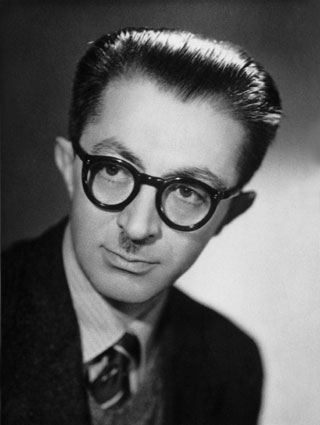
Sadegh Hedayat
 (صادق هدایت)
Iranian author universally recognized as the father of modern Persian prose fiction, whose surrealist psychological masterpiece The Blind Owl is the most translated Iranian literary work in history.
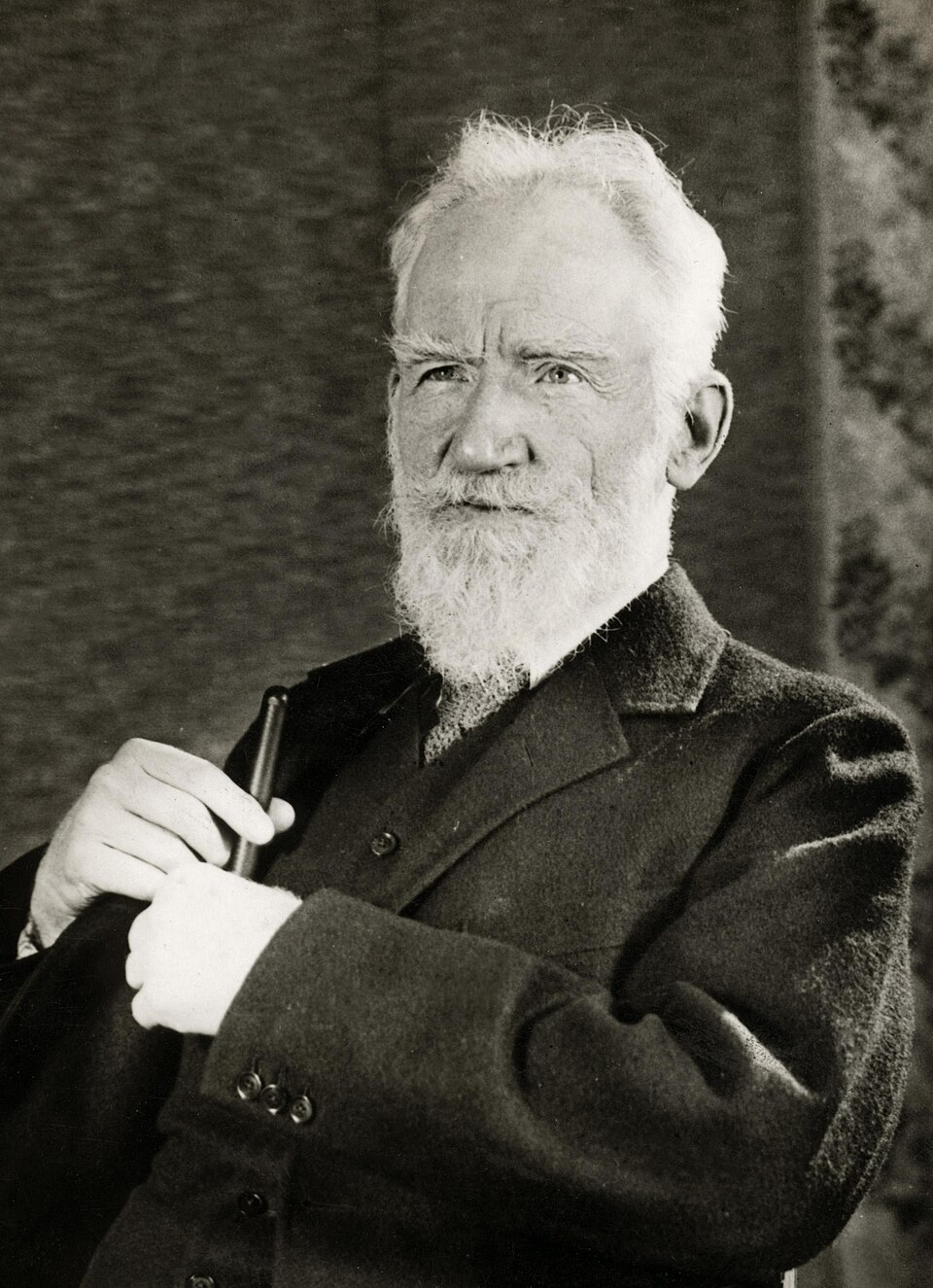
George Bernard Shaw
 (George Bernard Shaw)
Irish playwright, critic, socialist, and 1925 Nobel laureate who transformed English theater with biting satirical wit in Pygmalion, Saint Joan, and Man and Superman.
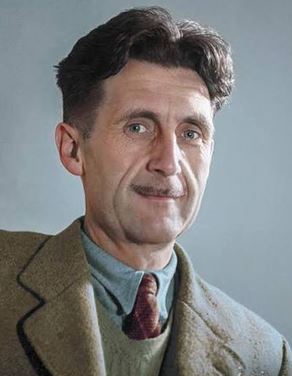
Eric Arthur Blair (George Orwell)
 (Eric Arthur Blair (George Orwell))
Supreme political satirist and essayist of the 20th century whose devastating warnings against totalitarianism—Animal Farm ('All animals are equal, but some are more equal than others') and Nineteen Eighty-Four (Big Brother, Newspeak, Thoughtcrime)—permanently armed the free world.
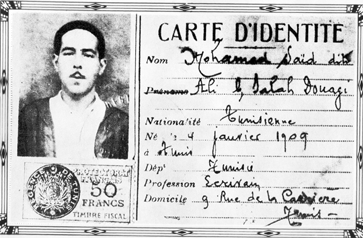
Ali Douagi
 (علي الدوعاجي)
Brilliant Tunisian bohemian writer, playwright, caricaturist, and songwriter who founded the modern Tunisian short story and animated the celebrated 'Taht Es-Sour' literary circle in the Bab Souika quarter.
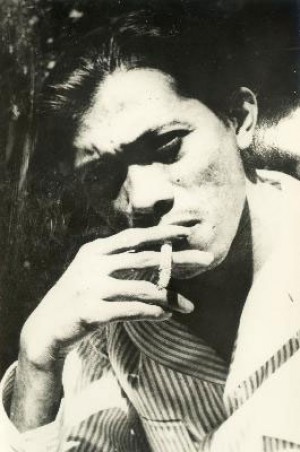
Chairil Anwar
 (Chairil Anwar)
Indonesian poet who spearheaded the 'Generation of 45' (Angkatan 45), liberating Indonesian poetry from archaic Malay poetic forms with intense, raw existential free verse.
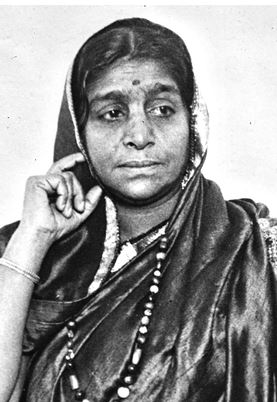
Sarojini Naidu
(सरोजिनी नायडू)
Indian poet and political leader celebrated as the 'Nightingale of India' (Bharat Kokila), who blended lyrical English romanticism with Indian folk motifs and served as the first woman governor of an Indian state.
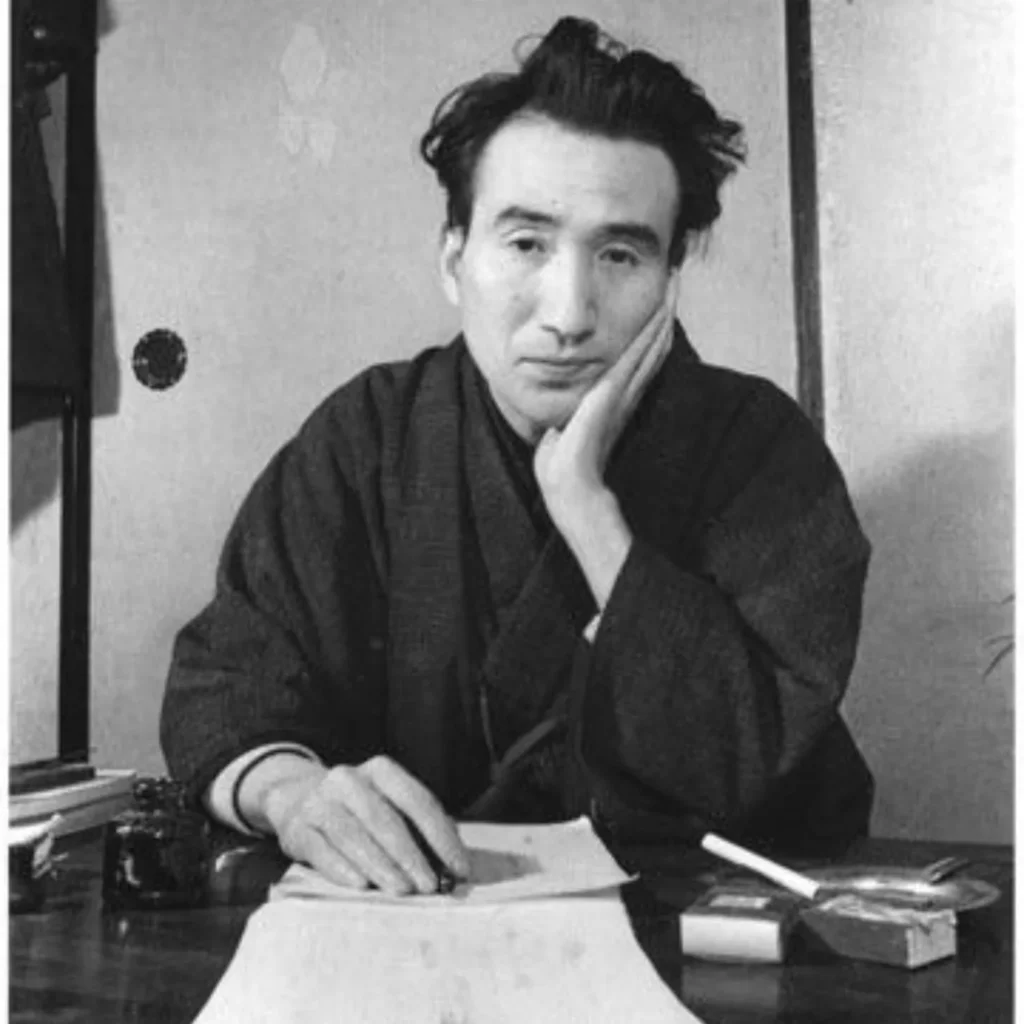
Osamu Dazai
 (太宰 治)
Major 20th-century Japanese novelist and master of the 'I-novel' (watakushi shōsetsu) whose No Longer Human and The Setting Sun captured post-war existential anguish.
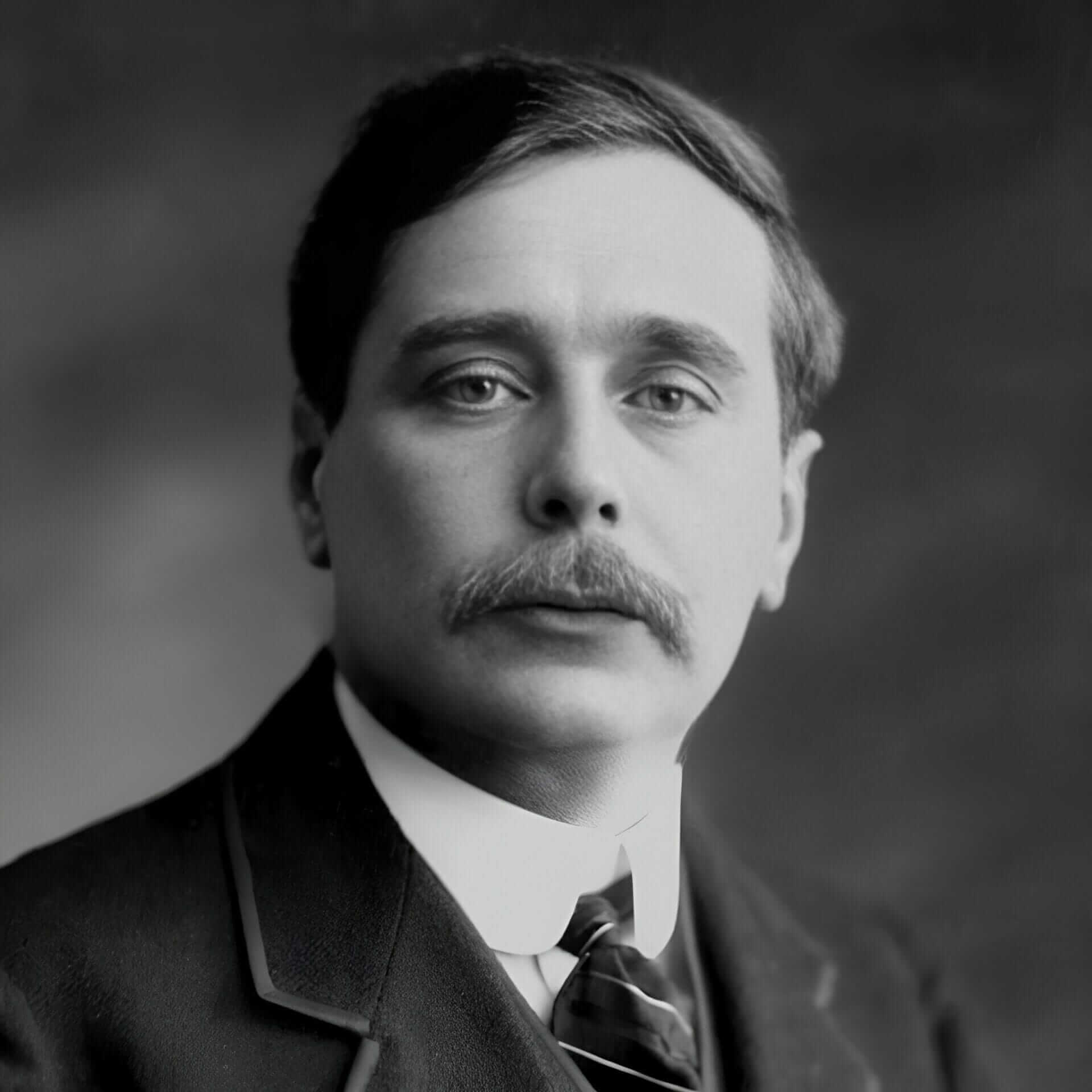
H.G. Wells
 (Herbert George Wells)
Visionary English author and social prophet revered as the 'Father of Science Fiction' for The Time Machine, The War of the Worlds, and The Invisible Man.
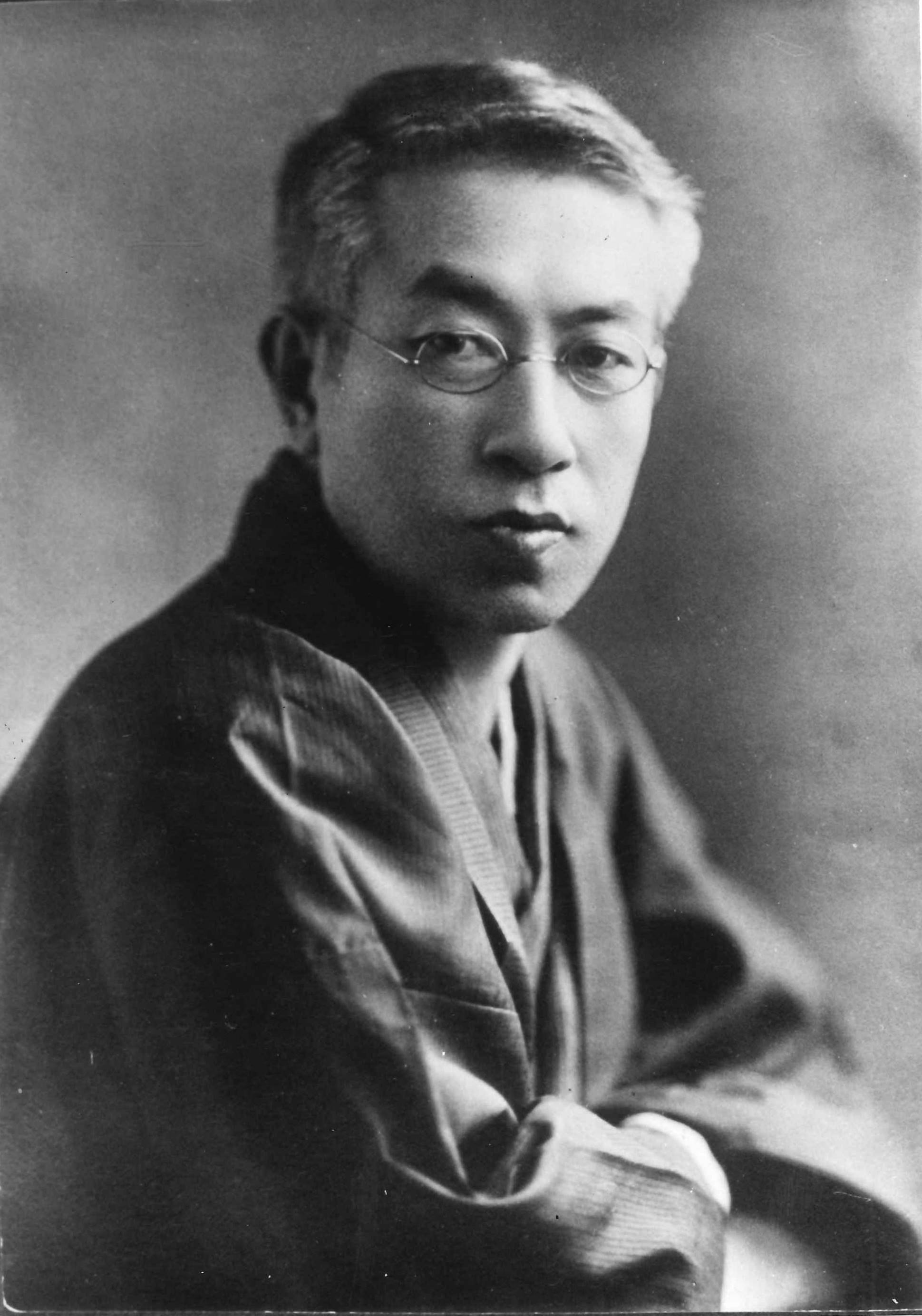
Shimazaki Toson
(島崎藤村 (Shimazaki Haruki))
Foremost figure of Japanese literary naturalism (1872–1943), author of 'The Broken Commandment' (Hakai) and the historical epic 'Before the Dawn' (Yoakemae), who chronicled Japan's transition from feudalism to modernity.
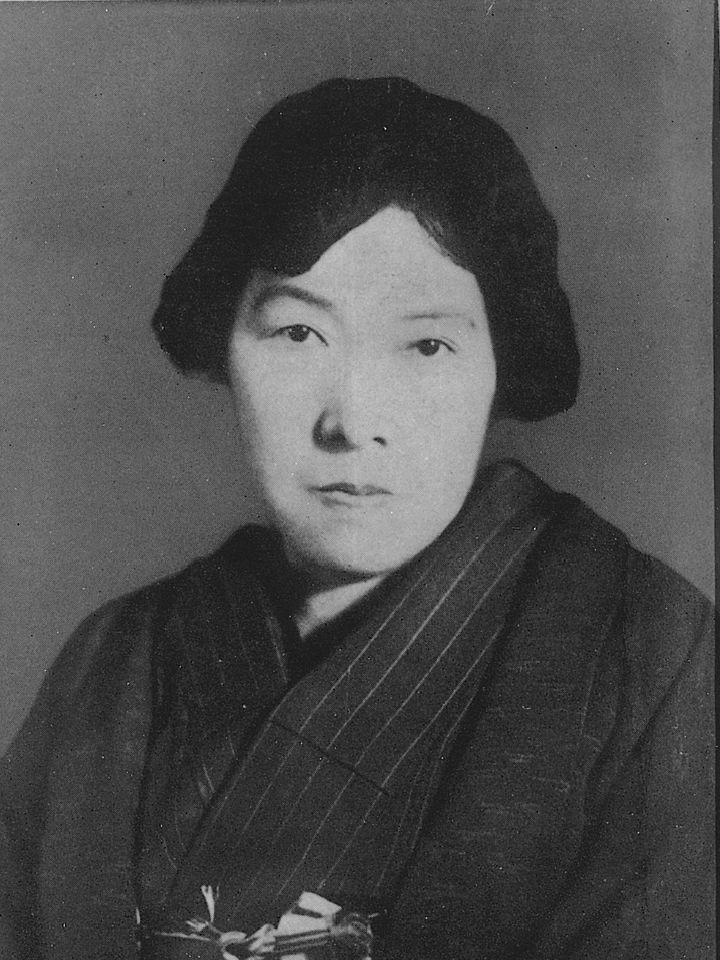
Akiko Yosano
(与謝野晶子 (Yosano Shoyo))
Groundbreaking Japanese poet, feminist, and social reformer (1878–1942) whose daring 1901 poetry collection 'Midaregami' (Tangled Hair) revolutionized modern tanka verse, and whose anti-war poem 'Thou Shalt Not Die' challenged militarism.
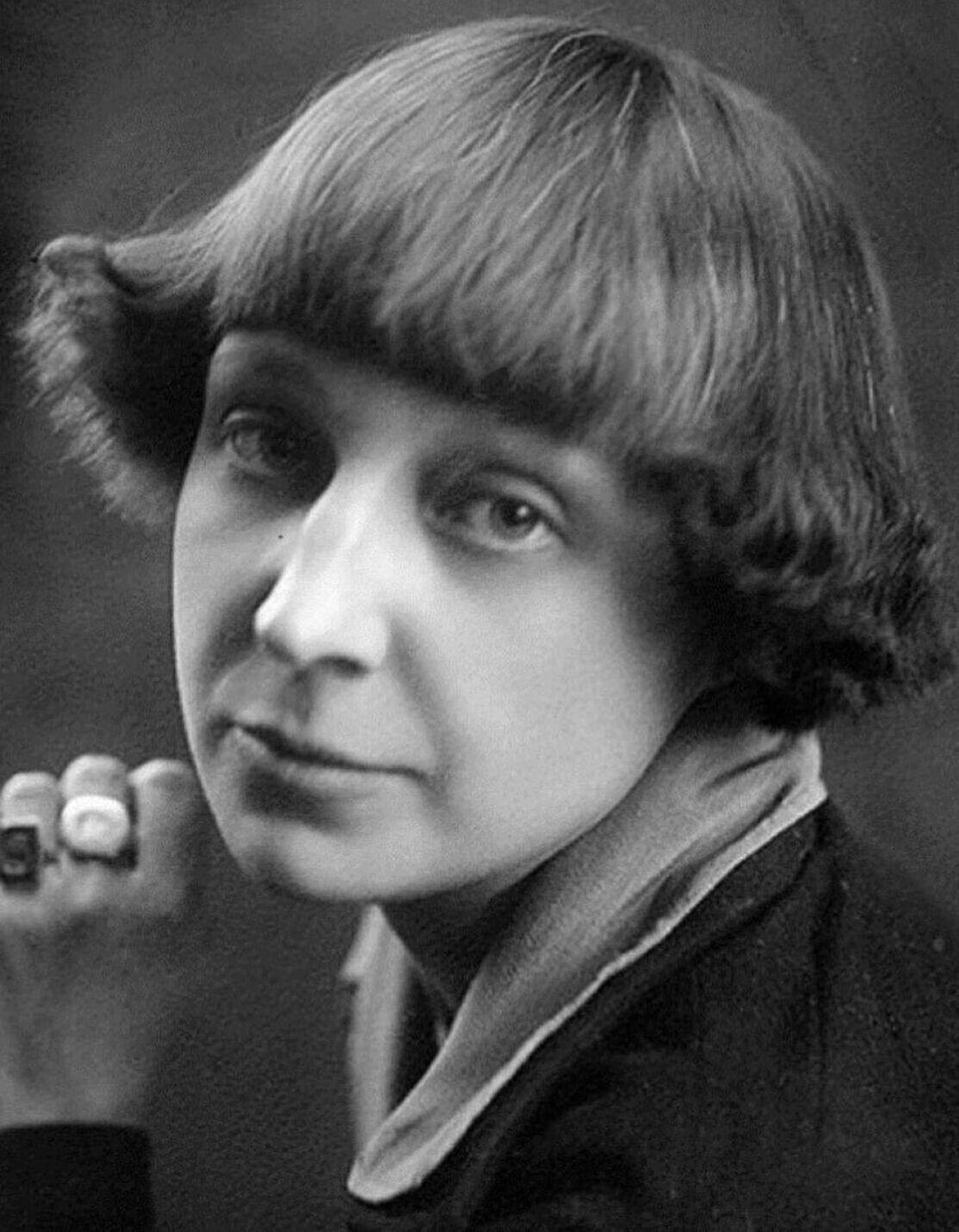
Marina Tsvetaeva
 (Марина Ивановна Цветаева)
Russian Silver Age lyric poet of incandescent emotional intensity, tragic passion, and rhythmic virtuosity in Poem of the End and Mileposts.
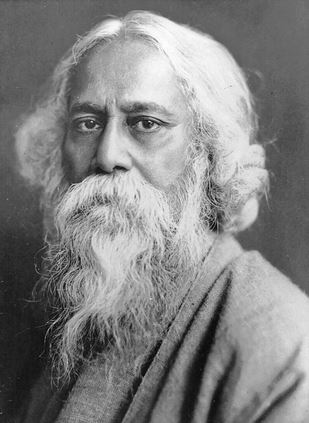
Rabindranath Tagore (Gurudev)
(রবীন্দ্রনাথ ঠাকুর)
Towering polymath and spiritual voice of Asia who became the first non-European to win the Nobel Prize in Literature (1913) for Gitanjali, founded the open-air university Visva-Bharati at Santiniketan, and composed the national anthems of both India and Bangladesh.
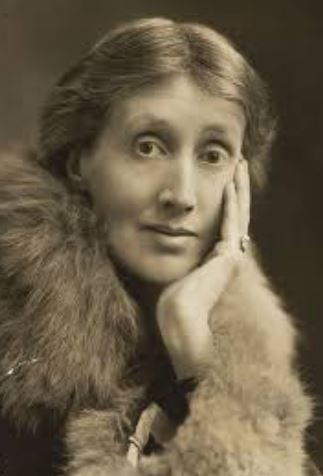
Adeline Virginia Woolf (née Stephen)
(Virginia Woolf)
Foremost British modernist novelist and pioneering feminist essayist whose stream-of-consciousness triumphs Mrs Dalloway and To the Lighthouse, alongside her rallying manifesto A Room of One's Own ('five hundred a year and a room of her own'), reshaped 20th-century consciousness.
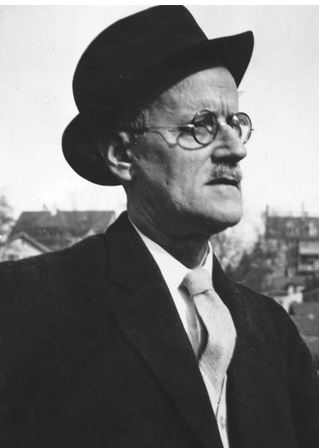
James Augustine Aloysius Joyce
(James Joyce)
Revolutionary Irish avant-garde novelist whose landmark masterwork Ulysses (1922)—recounting a single Dublin day, 16 June 1904 (Bloomsday), through Leopold Bloom's stream of consciousness—permanently transformed modern world literature.
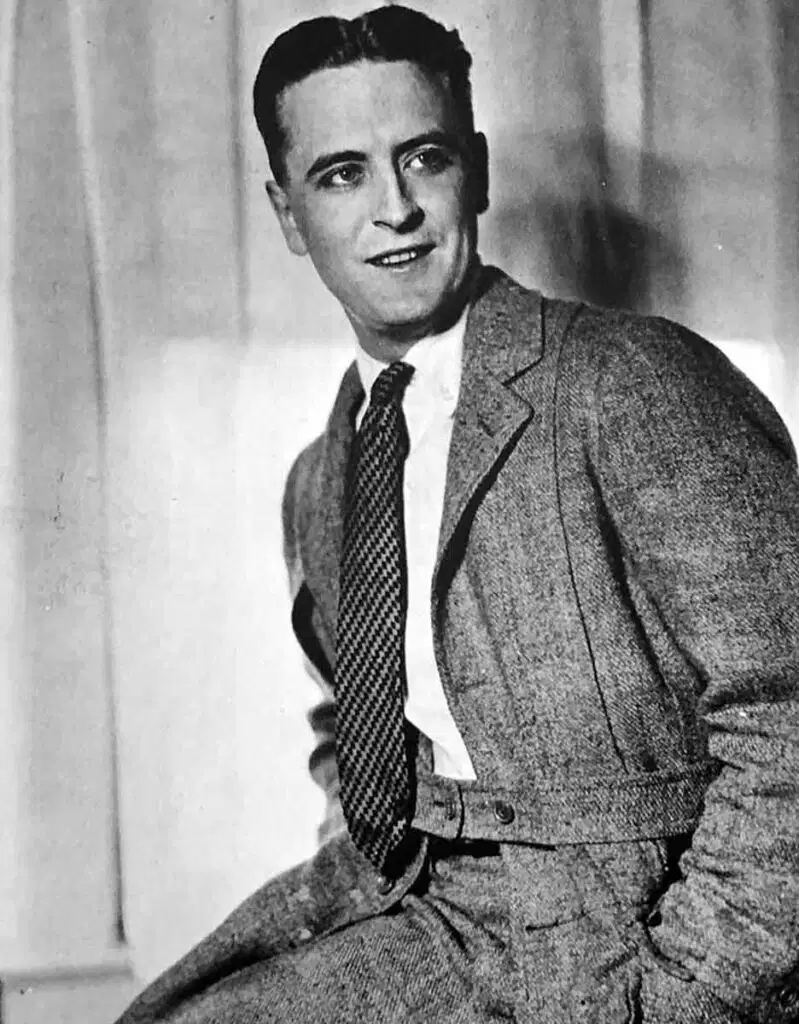
F. Scott Fitzgerald
 (Francis Scott Key Fitzgerald)
Voice of the Jazz Age and Lost Generation whose tragic masterpiece The Great Gatsby captured the glamour, excess, and disillusionment of the American Dream.
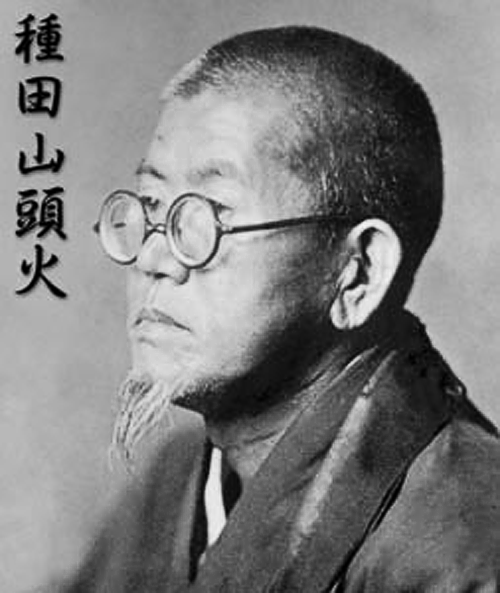
Taneda Santoka
(種田山頭火 (Taneda Shoichi))
Twentieth-century free-verse haiku poet and Zen mendicant monk (1882–1940) whose unconventional, unrhymed poems distilled the solitude of walking, begging bowls, flowing waters, and sake into spontaneous spiritual art.
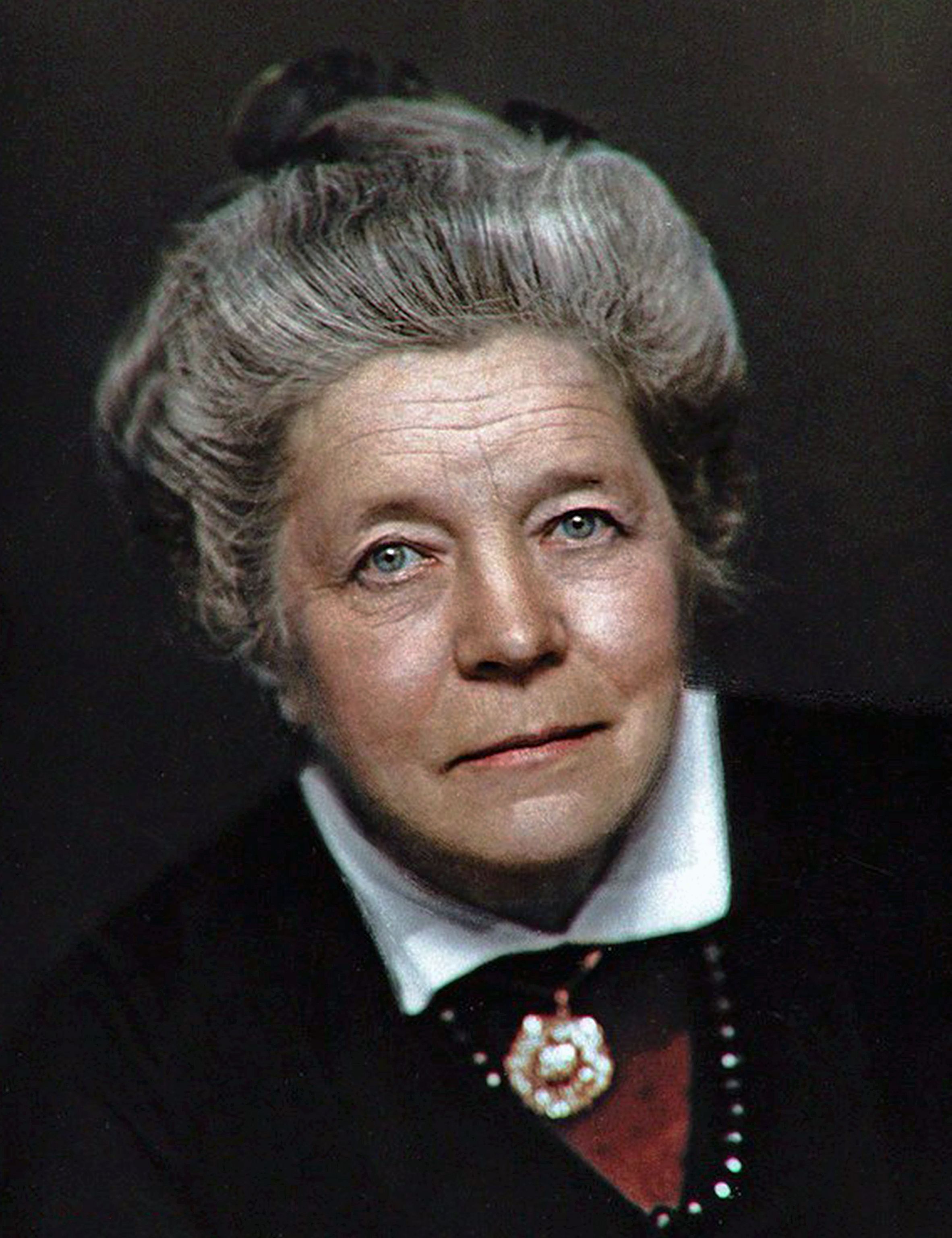
Selma Lagerlöf
 (Selma Ottilia Lovisa Lagerlöf)
First woman to win the Nobel Prize in Literature (1909) and first female member of the Swedish Academy, famous for Gösta Berling's Saga and The Wonderful Adventures of Nils.
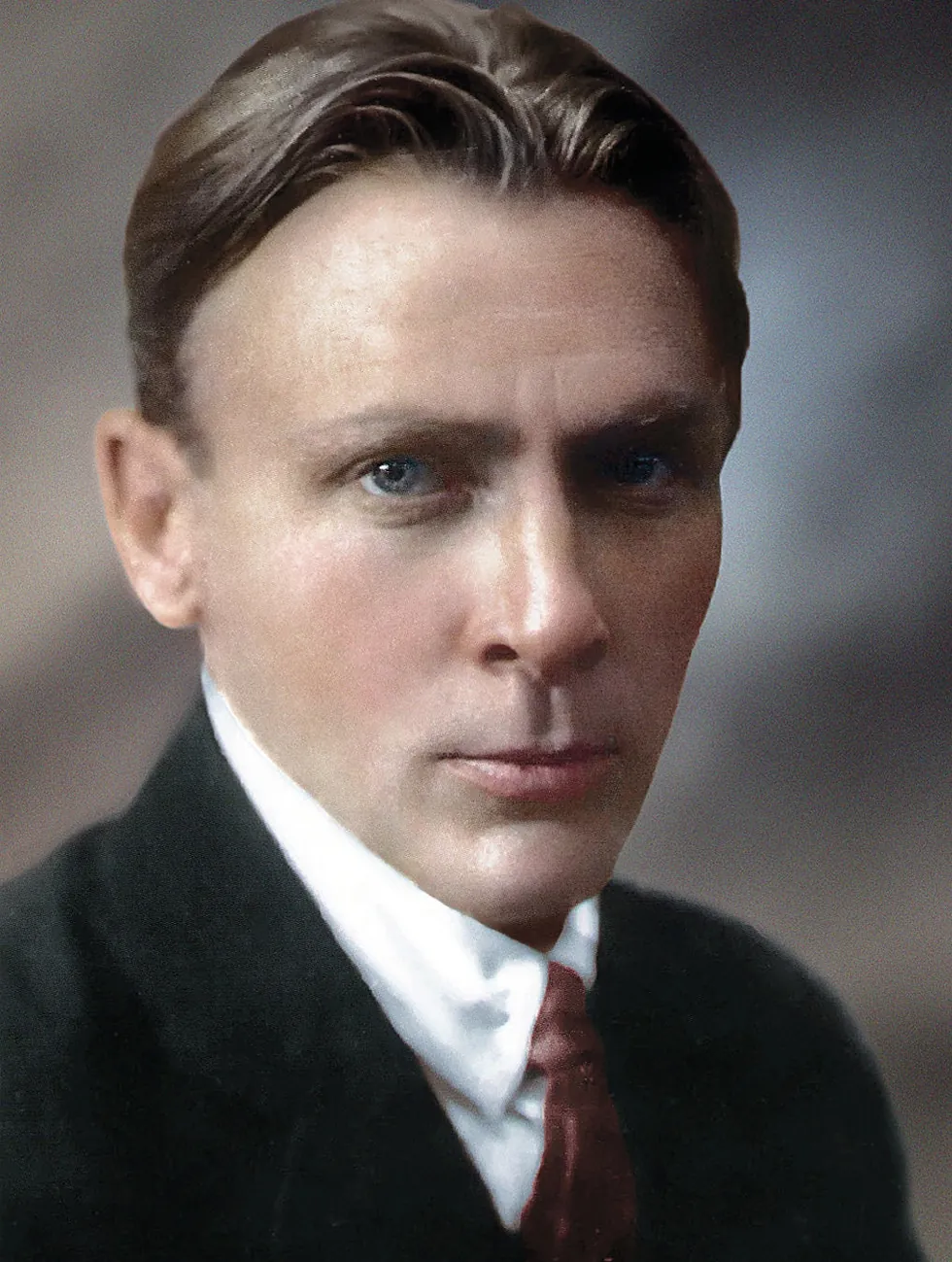
Mikhail Bulgakov
 (Михаил Афанасьевич Булгаков)
Master Soviet novelist and playwright whose satirical masterpiece The Master and Margarita brought Satan and a talking cat to 1930s Moscow.