Taha Hussein
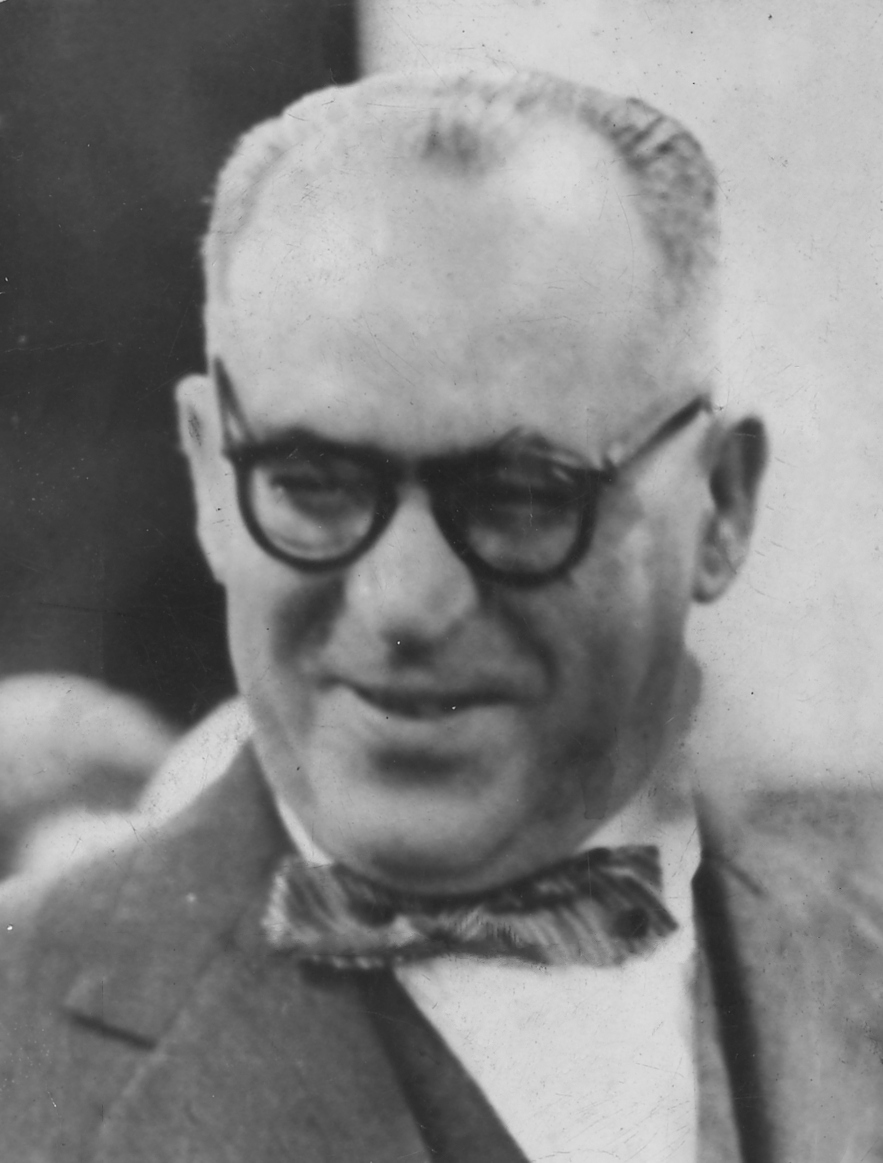
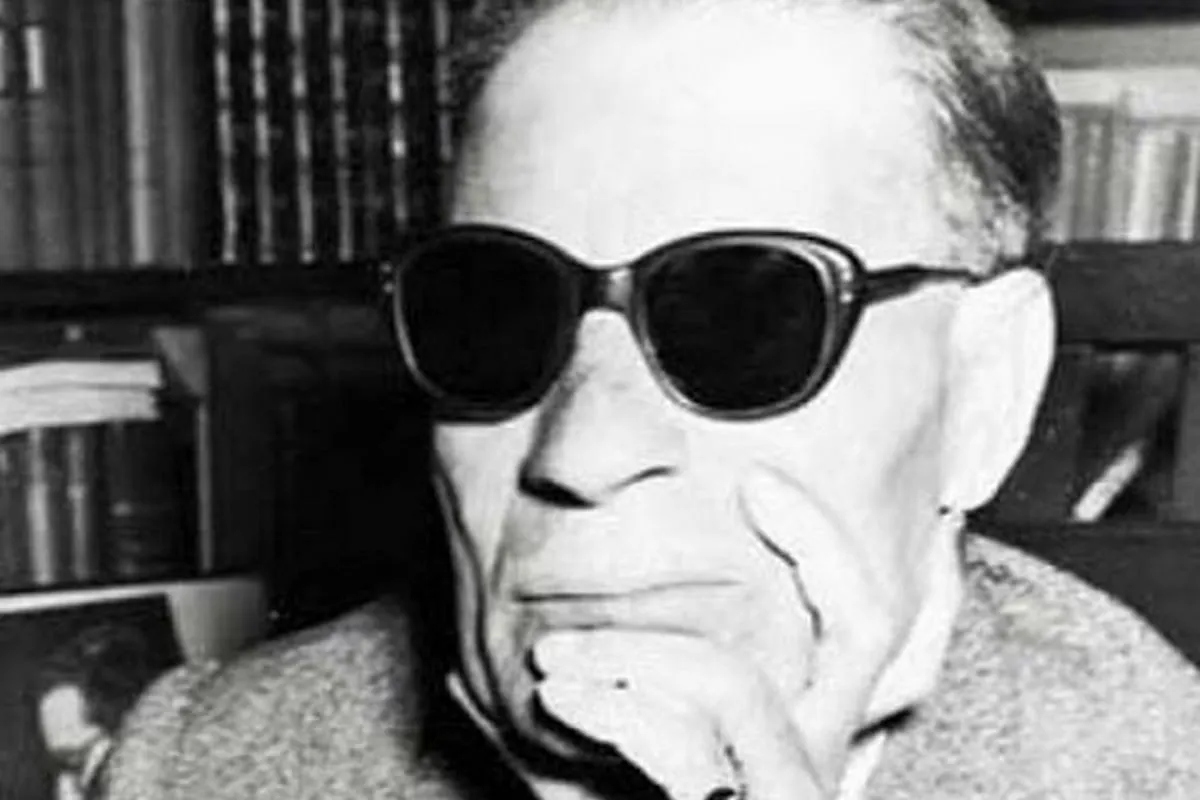
Revered as the 'Dean of Arabic Literature' (Qahir al-Zalam), blind Egyptian modernist author, educational reformer, and author of the classic autobiography The Days (Al-Ayyam).
Start typing to search worldwide archives and community tributes
Filterable archive covering centuries of intellectual, artistic, and moral contributions to the human story.
Revered as the 'Dean of Arabic Literature' (Qahir al-Zalam), blind Egyptian modernist author, educational reformer, and author of the classic autobiography The Days (Al-Ayyam).
Supreme Chilean poet and 1971 Nobel laureate hailed by Gabriel Garcรญa Mรกrquez as 'the greatest poet of the 20th century in any language', whose Twenty Love Poems, Canto General, and Elemental Odes gave voice to love, labor, and Latin American resistance.
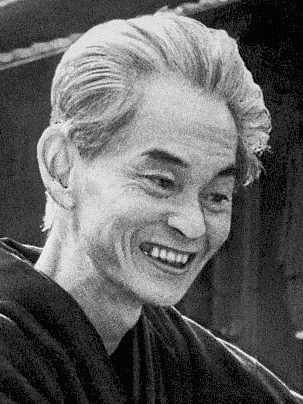
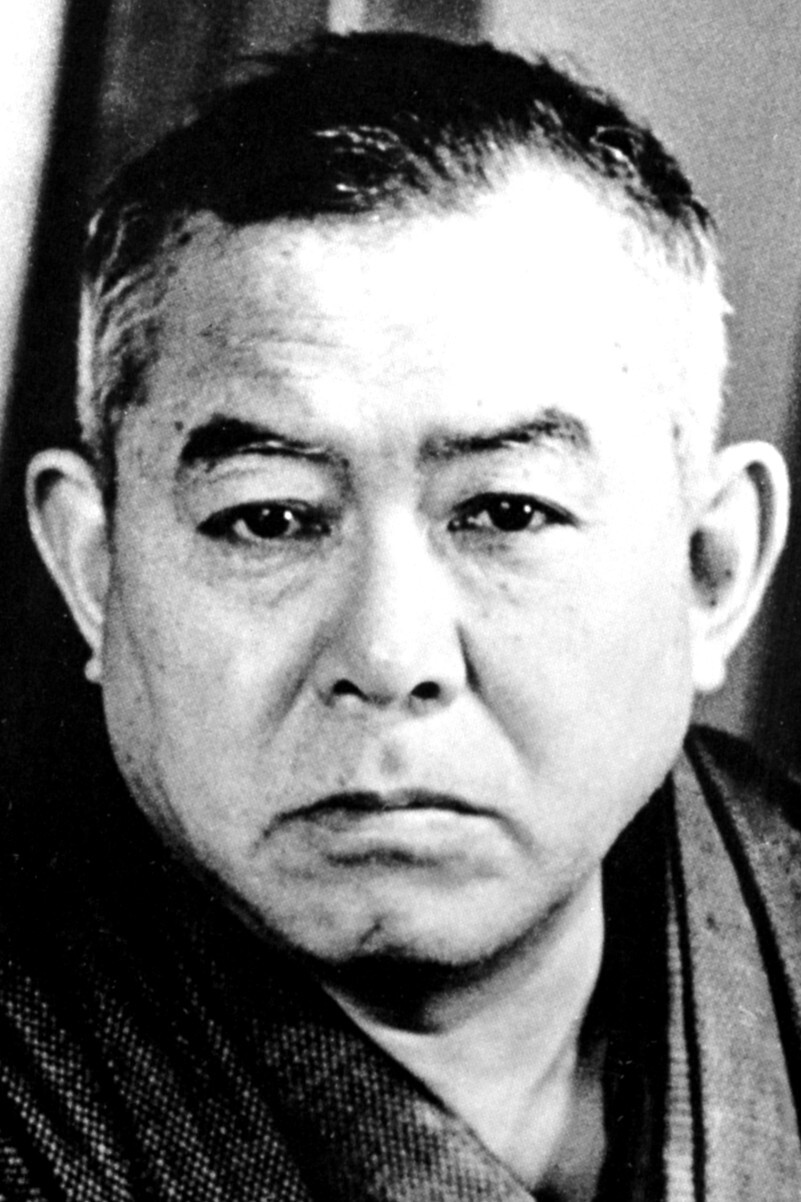
First Japanese writer to win the Nobel Prize in Literature (1968), master of subtle psychological nuance and traditional Japanese aesthetics in Snow Country and Thousand Cranes.
Prodigious Japanese author, nationalist, and aesthetician whose Confessions of a Mask, The Temple of the Golden Pavilion, and Sea of Fertility tetralogy explored beauty and death.
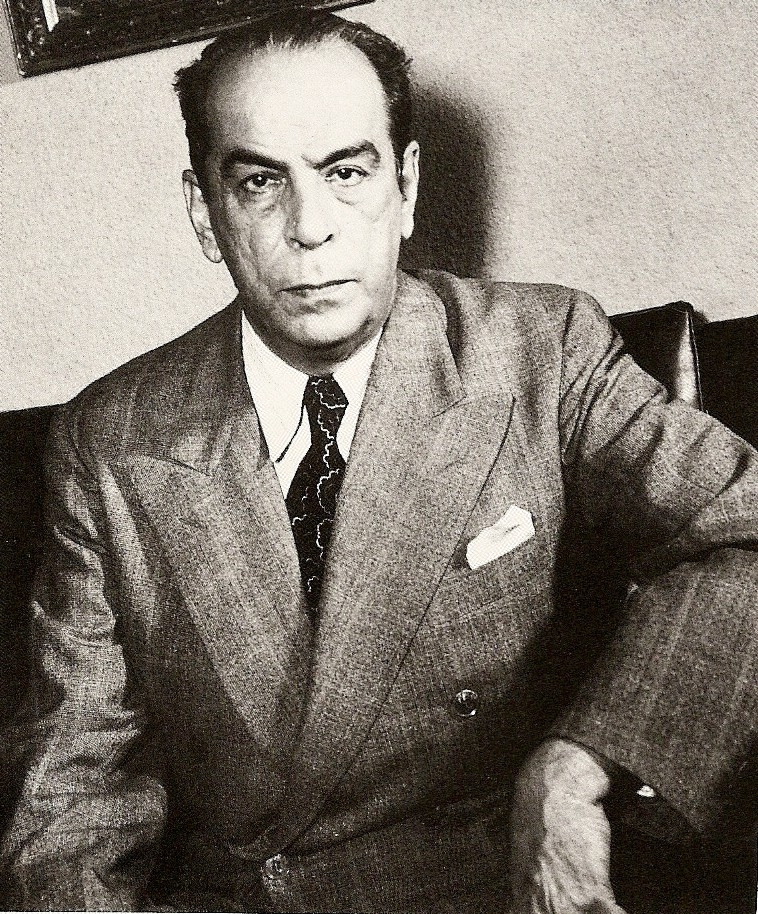
Venezuelan novelist and statesman whose 1929 masterpiece Dona Barbara became the defining allegorical epic of Latin American civilization versus barbarism in the plains.
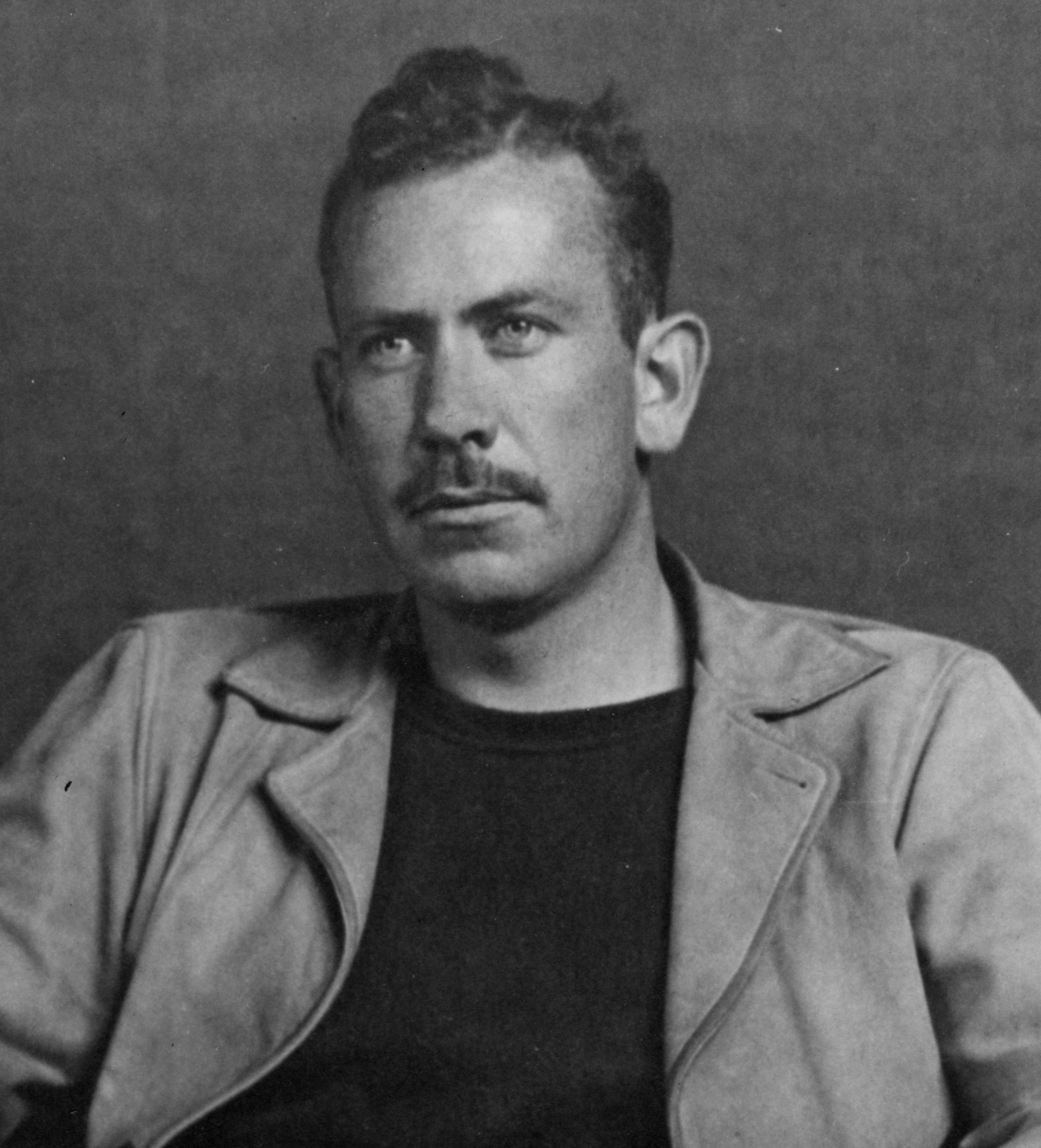
1962 Nobel laureate whose gritty American social realism in The Grapes of Wrath, Of Mice and Men, and East of Eden gave voice to the working poor and Dust Bowl migrants.
Pioneering Brazilian poet of the Modernist Movement whose 1922 poem Os Sapos served as the manifesto anthem of the historic Modern Art Week in Sao Paulo.
Brazilian novelist and diplomat whose epic The Devil to Pay in the Backlands is hailed as the Brazilian Ulysses, revolutionizing Portuguese prose with daring neologisms and metaphysical depth.
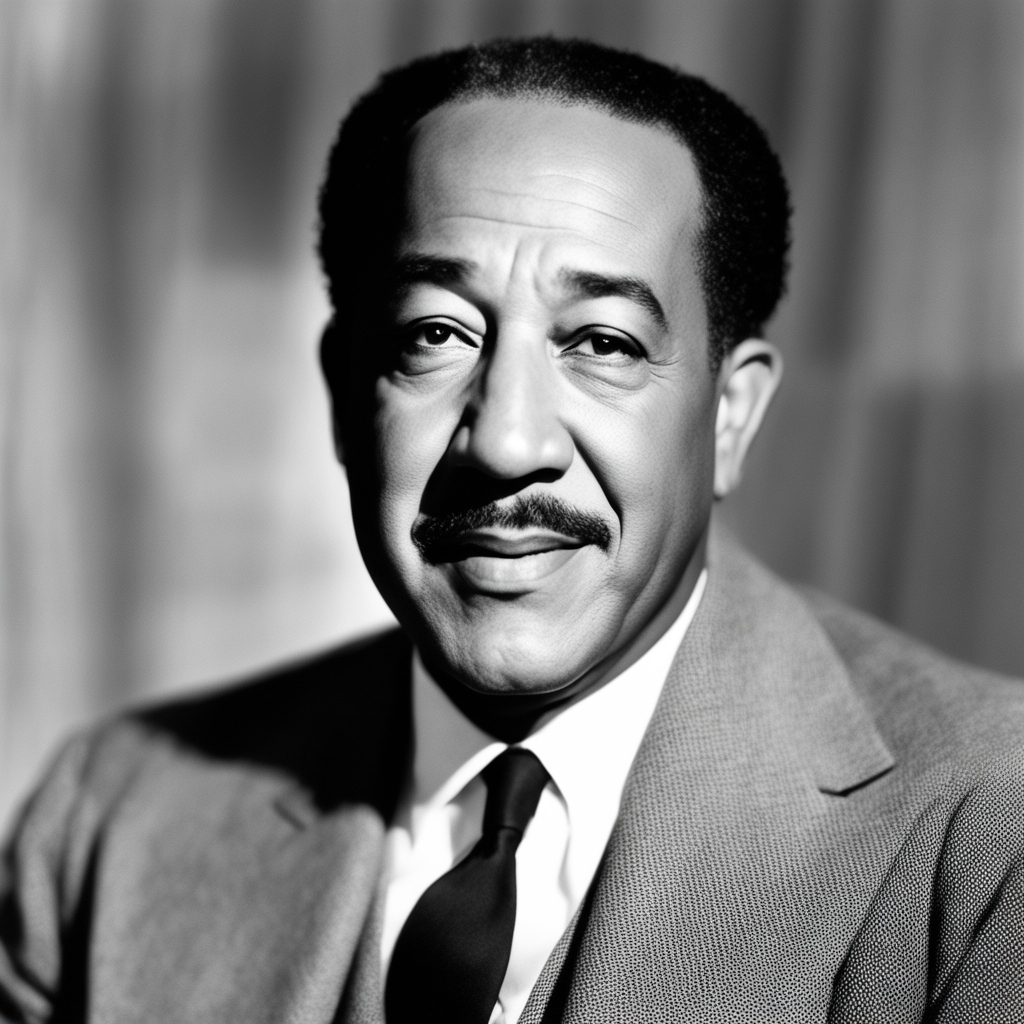
Poet Laureate of Harlem and leading voice of the Harlem Renaissance who invented jazz poetry in 'The Negro Speaks of Rivers', The Weary Blues, and 'Harlem'.
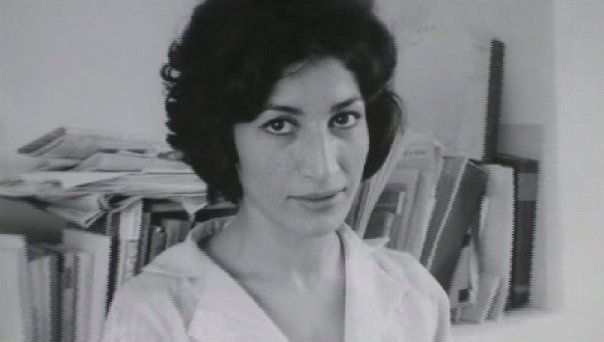
Iconic Iranian modernist poet and filmmaker whose candid, passionate feminist poetry shattered centuries of Persian patriarchal silence, and whose documentary The House Is Black is a cinematic masterpiece.
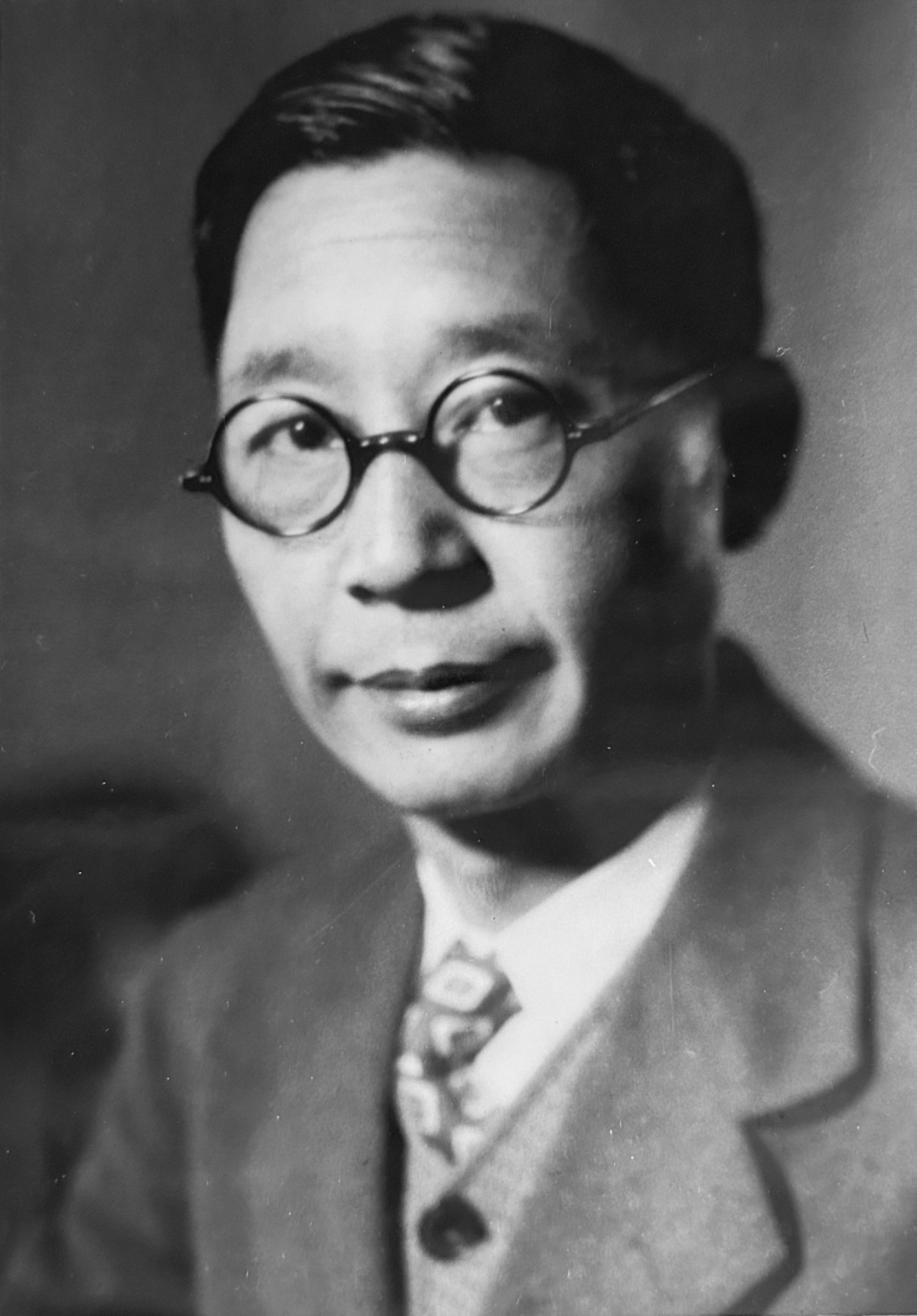
Manchu-Chinese novelist and playwright celebrated for Rickshaw Boy and Teahouse, master of Beijing dialect humor and empathetic chronicler of urban working-class life.
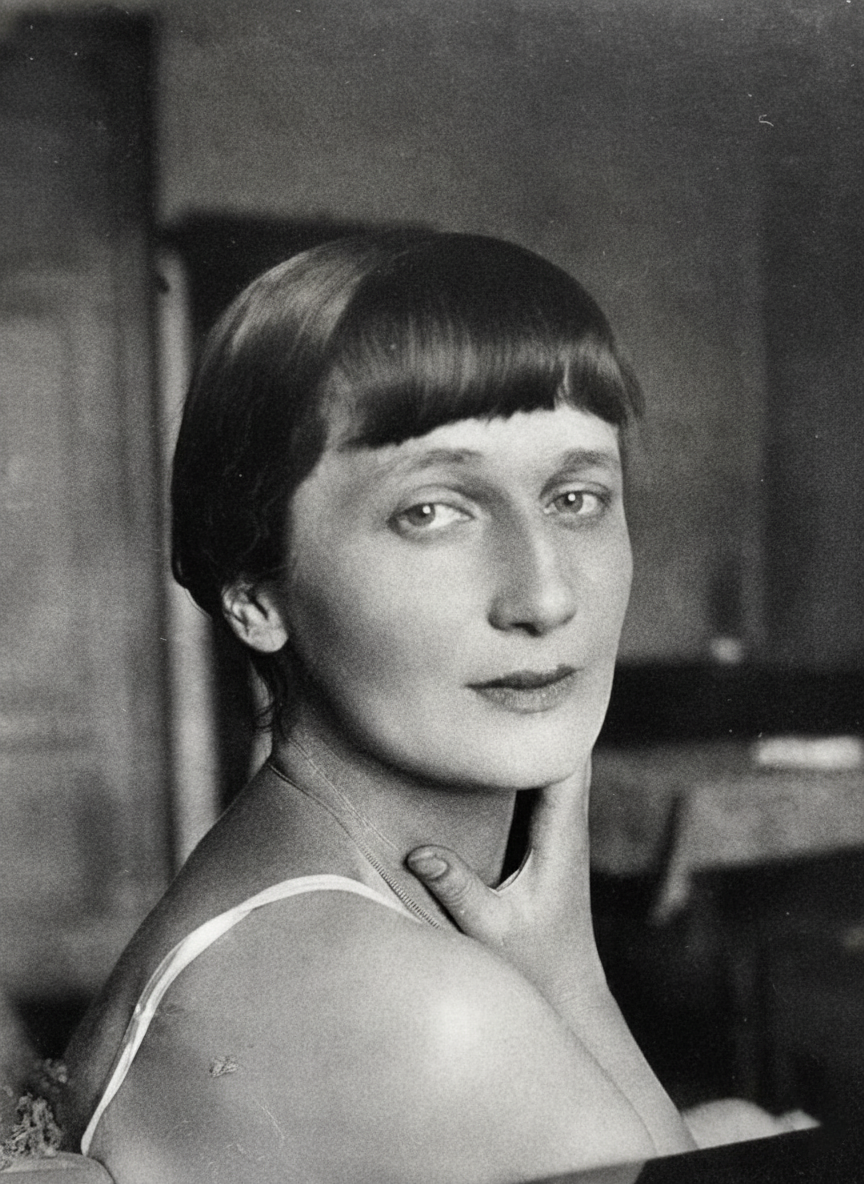
Supreme Russian modernist poet of the Silver Age and leader of Acmeism whose poem Requiem bore witness to the terror of Stalin's Great Purge.
Japanese novelist celebrated for The Makioka Sisters, Some Prefer Nettles, and In Praise of Shadows, master of traditional Japanese aesthetics and subtle erotic obsessions.
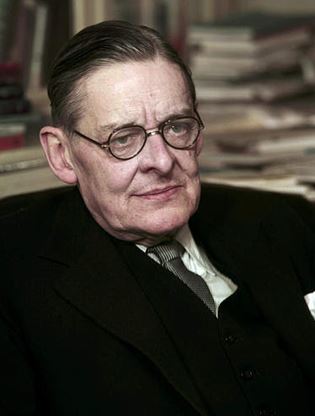
Titan of 20th-century poetry and 1948 Nobel laureate whose landmark epic The Waste Land ('April is the cruellest month') and spiritual Four Quartets articulated the disillusionment, fragmentation, and redemption of the modern post-war world.
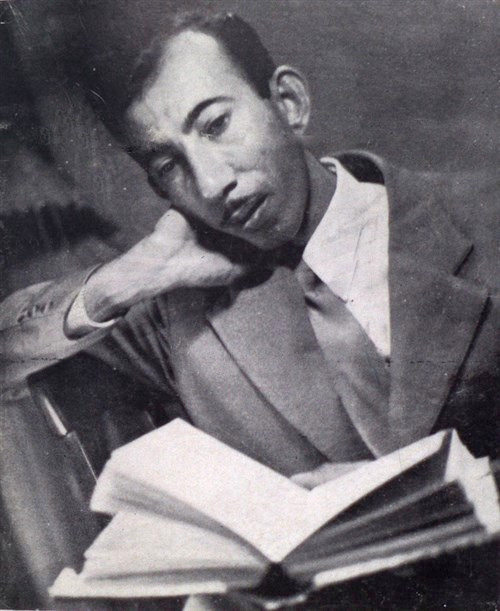
Iraqi poet celebrated as the father of modern Arabic free verse (shi'r hurr), whose revolutionary 1960 collection Rain Song transformed twentieth-century Arabic poetic meter and mythology.
Irish dramatist and socialist who immortalized the Dublin working-class tenements in his tragicomic Dublin Trilogy: The Shadow of a Gunman, Juno and the Paycock, and The Plough and the Stars.
Monumental self-taught Egyptian writer, critic, philosopher, and parliamentarian who authored over one hundred books, famously celebrated for his psychological biographical series 'Al-Abqariyyat' (The Geniuses).
German-Swiss 1946 Nobel laureate whose spiritual and philosophical novels Siddhartha, Steppenwolf, and The Glass Bead Game explored Eastern mysticism and personal authenticity.