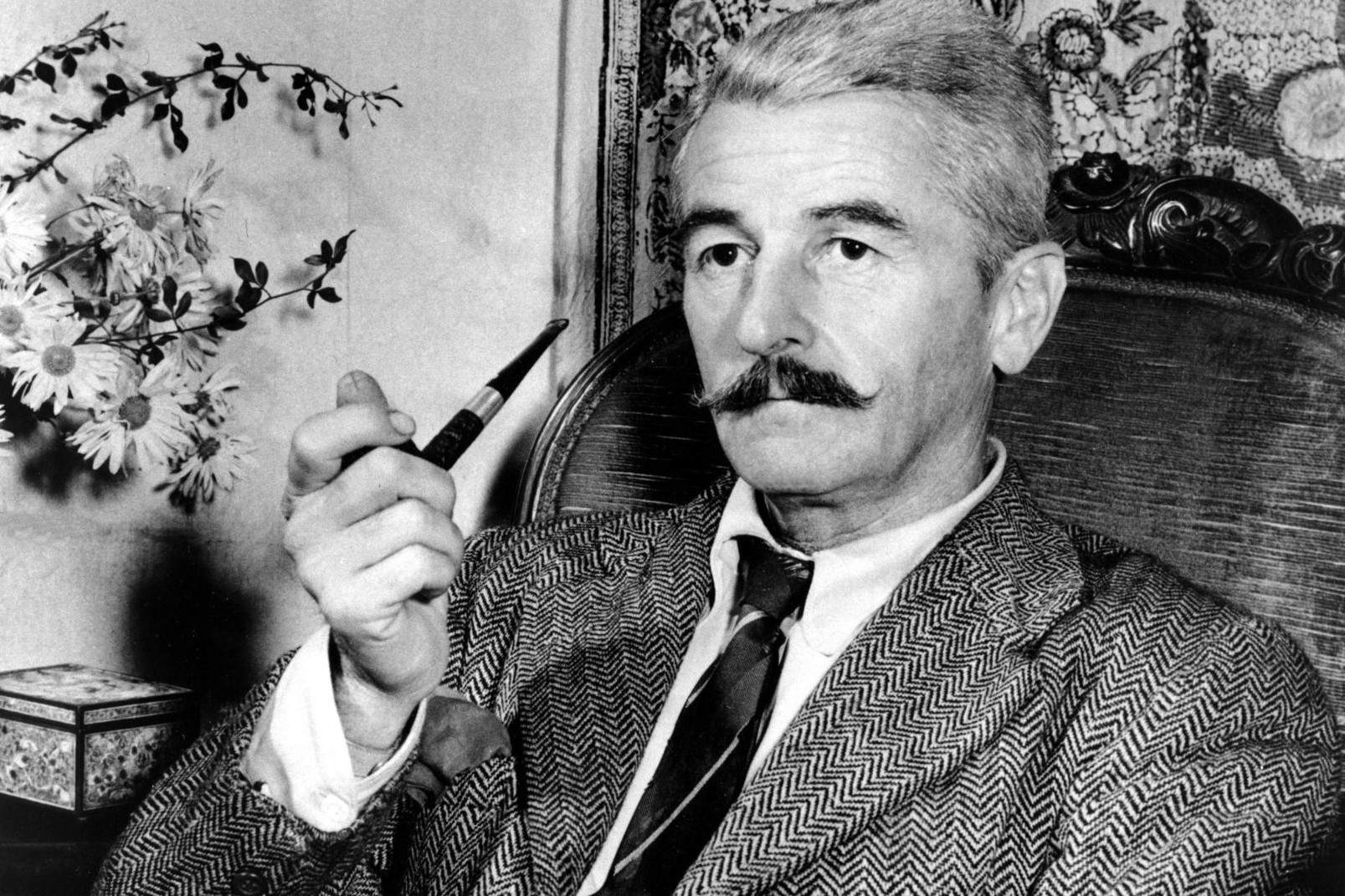
William Faulkner
1949 Nobel laureate in Literature who created Yoknapatawpha County, pioneering stream-of-consciousness modernism in The Sound and the Fury and Absalom, Absalom!.
Start typing to search worldwide archives and community tributes
Filterable archive covering centuries of intellectual, artistic, and moral contributions to the human story.
1949 Nobel laureate in Literature who created Yoknapatawpha County, pioneering stream-of-consciousness modernism in The Sound and the Fury and Absalom, Absalom!.
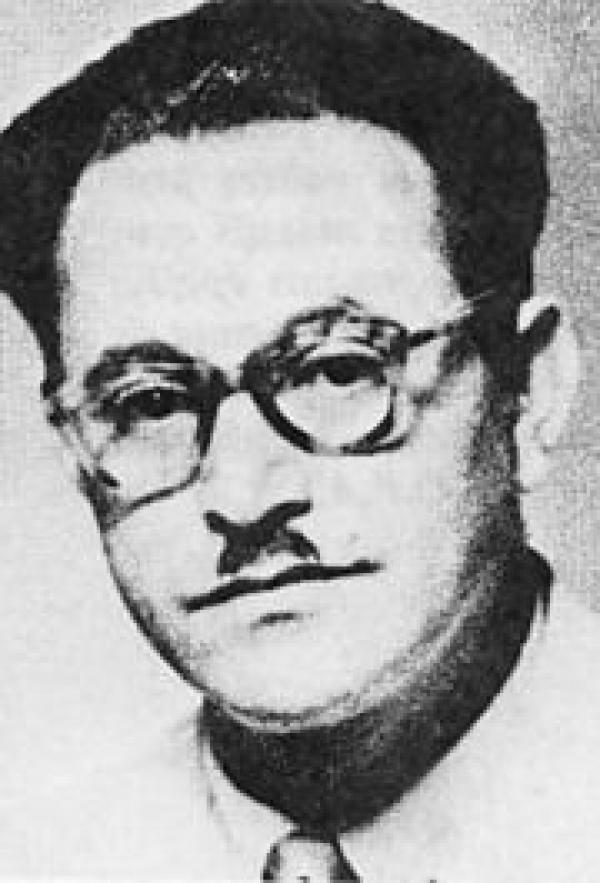
Kabyle Algerian poet, essayist, and pioneer of literary broadcasting on French radio who championed Maghrebi cultural identity and served as secret diplomatic mediator between Charles de Gaulle and the GPRA.
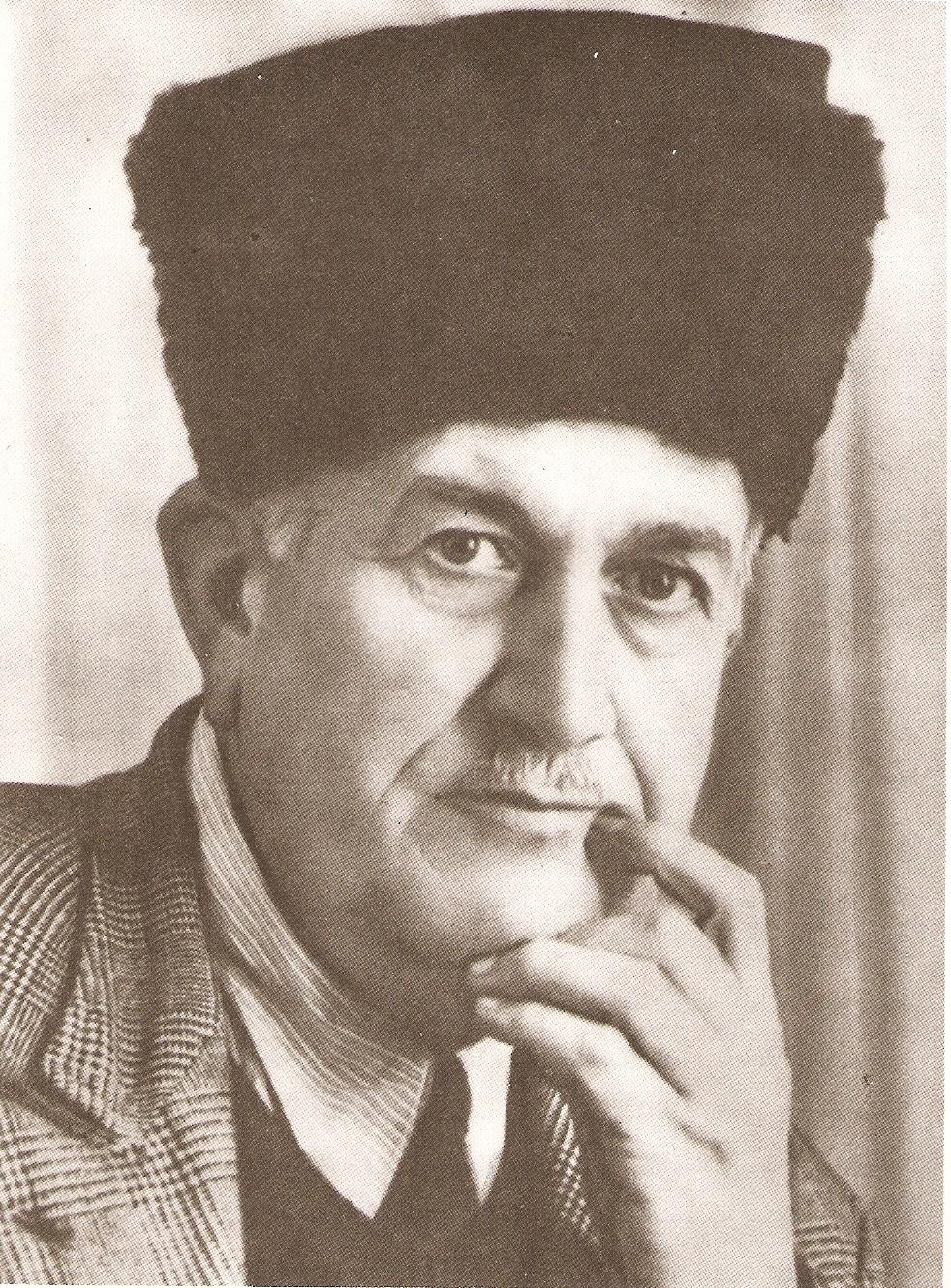
Beloved Kabyle Algerian novelist and educator who captured the dignity, poverty, and soul of Berber mountain life in 'The Poor Man's Son' (Le Fils du pauvre), murdered alongside five educator colleagues by the fascist OAS.
Venerated national poet of Libya who wielded his verse as a weapon against Italian fascist colonialism, endured decades of exile, and championed national unity in the independent United Kingdom of Libya.
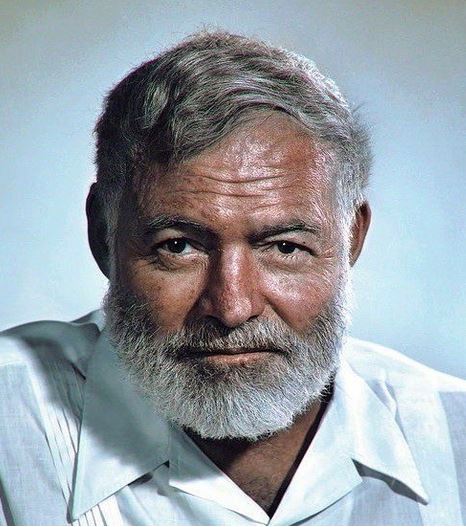
Titan of 20th-century American fiction and 1954 Nobel laureate whose spare, declarative 'iceberg theory' prose style and adventurous life in Paris, Spain, and Cuba produced The Sun Also Rises, A Farewell to Arms, and The Old Man and the Sea.
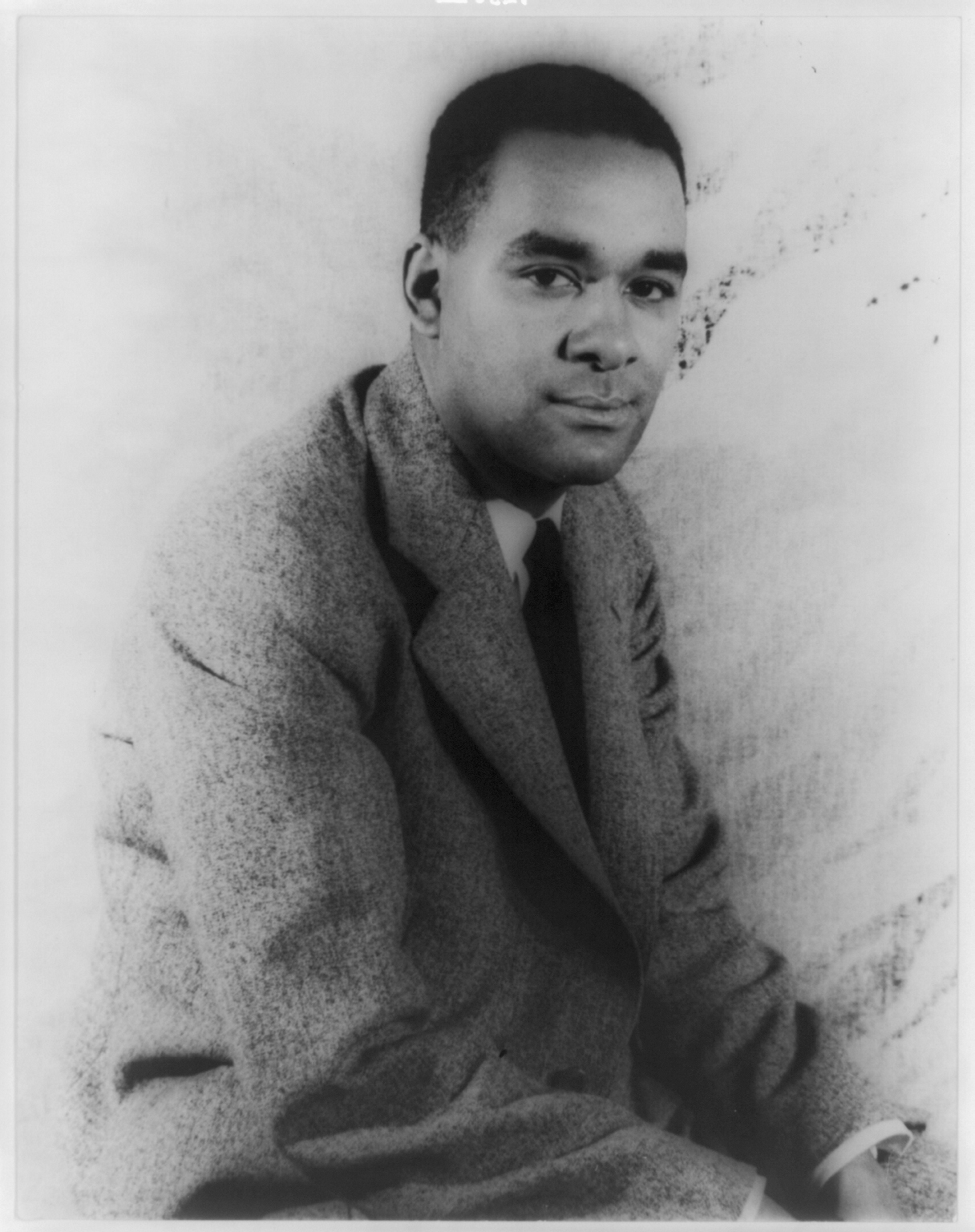
Pioneering African American author whose raw, powerful masterpieces Native Son and Black Boy shattered racial taboos and changed the course of American literature.
Passionate anti-colonial poet of the Negritude movement whose militant collection Coups de pilon and poem Afrique electrified the struggle for African independence before his untimely death at thirty-three.
Russian poet, translator, and novelist awarded the 1958 Nobel Prize in Literature whose epic Doctor Zhivago was smuggled abroad to become a global sensation.
Harlem Renaissance author and anthropologist whose masterwork Their Eyes Were Watching God celebrated Southern Black folklore and female independence.
French-Algerian existentialist novelist and 1957 Nobel laureate whose philosophy of the Absurd and revoltโin The Stranger (L'รtranger), The Myth of Sisyphus, and The Plagueโurged humanity to 'imagine Sisyphus happy' in defiant lucidity.
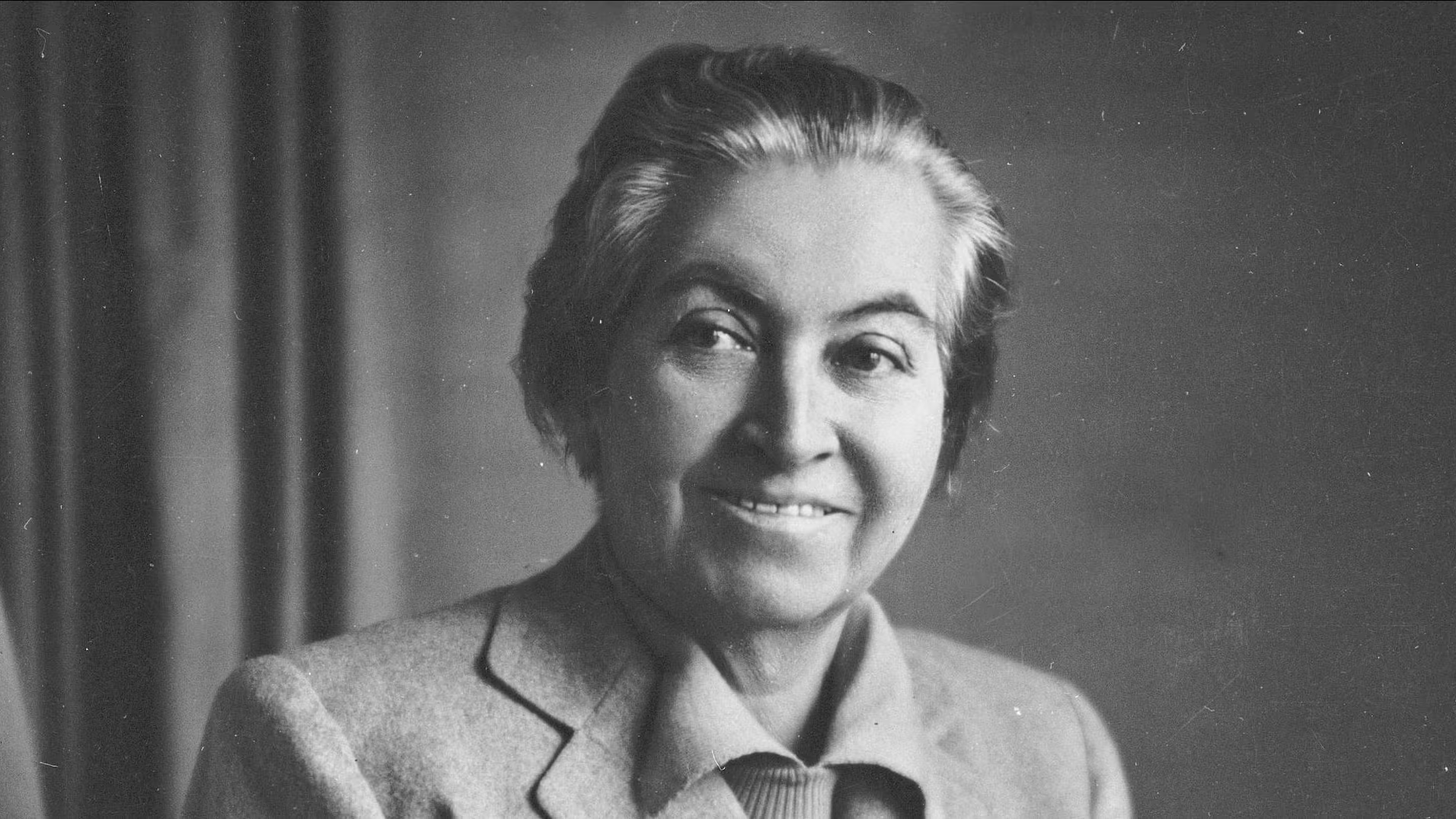
First Latin American author to win the Nobel Prize in Literature (1945), Chilean poet, educator, and diplomat renowned for Desolaciรณn, Ternura, and maternal lyricism.
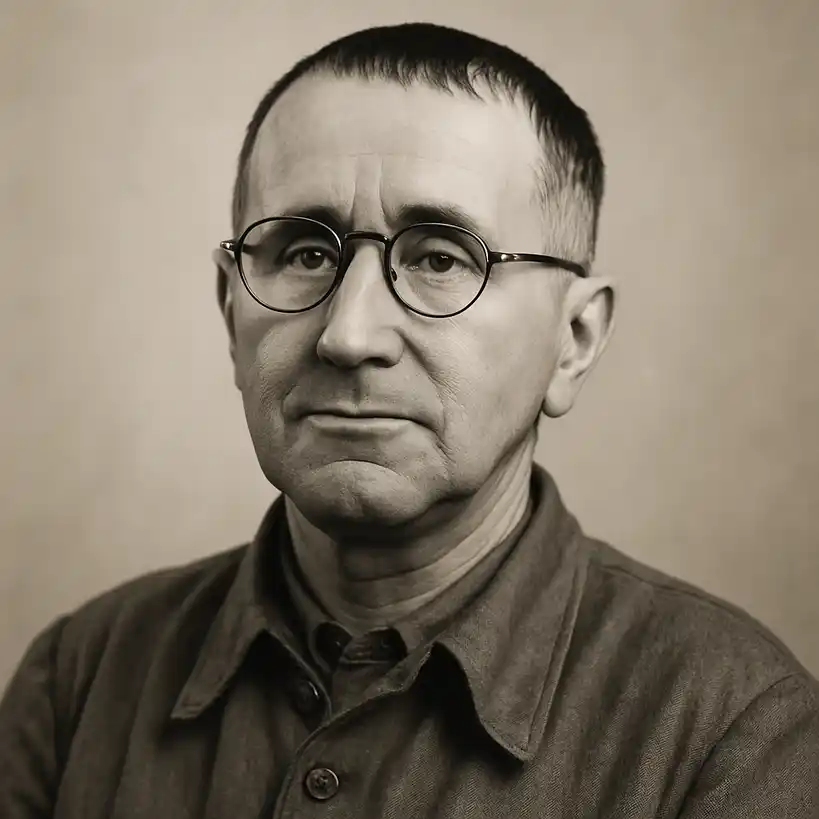
Revolutionary German playwright, theatrical theorist, and poet who invented Epic Theatre, the alienation effect (Verfremdungseffekt), and The Threepenny Opera.
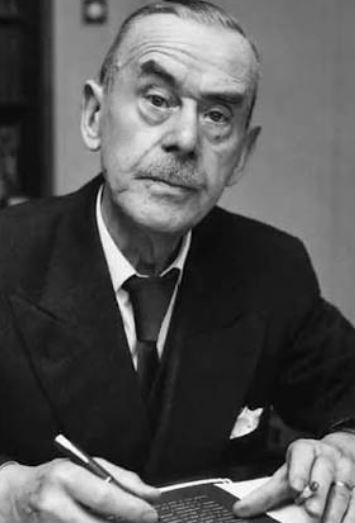
German literary patrician and 1929 Nobel laureate whose monumental novelsโBuddenbrooks, Death in Venice, and The Magic Mountainโdissected European bourgeois decadence and who broadcast fearless anti-Nazi speeches across wartime Germany.
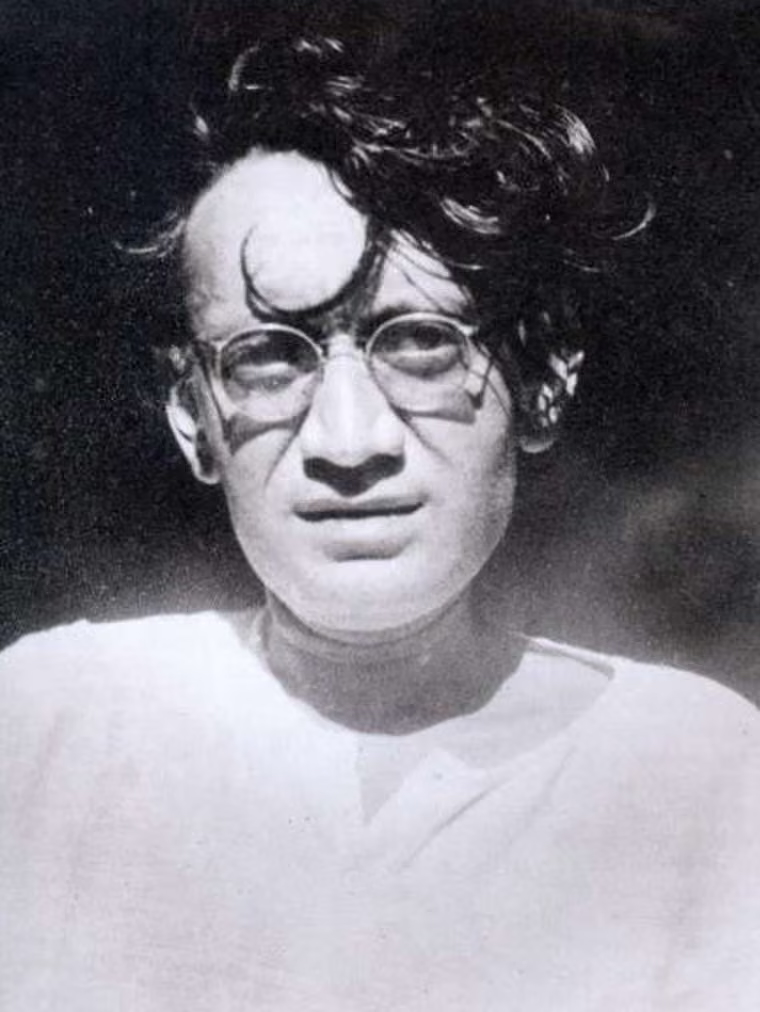
Iconic Urdu short-story writer and essayist (1912โ1955), author of 'Toba Tek Singh', 'Khol Do', and 'Thanda Gosht', renowned for his raw, courageous, and deeply compassionate portrayals of the human tragedy of Partition.
First Russian writer to win the Nobel Prize in Literature (1933), renowned for his classical prose style in The Gentleman from San Francisco and Dark Avenues.
Brazilian novelist of the 1930s Regionalist Movement, whose stark masterpiece Barren Lives captured the devastating droughts and social injustice suffered by migrants in the northeastern sertao.
Mexican novelist and physician who founded the novel of the Mexican Revolution, author of the 1915 realistic classic The Underdogs (Los de abajo).
1920 Nobel laureate in Literature whose psychological masterwork Hunger (Sult) pioneered stream of consciousness and the 20th-century modernist antihero.