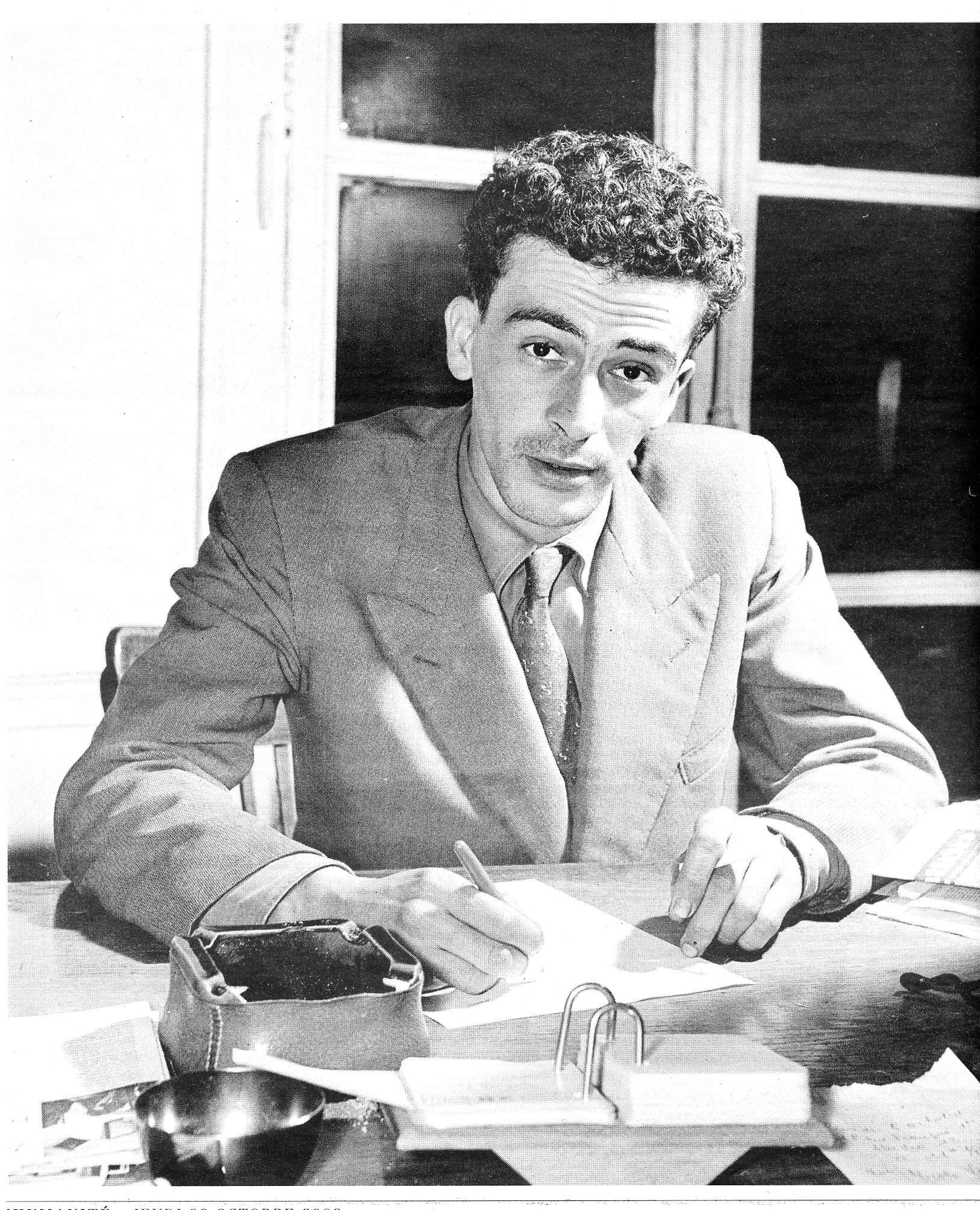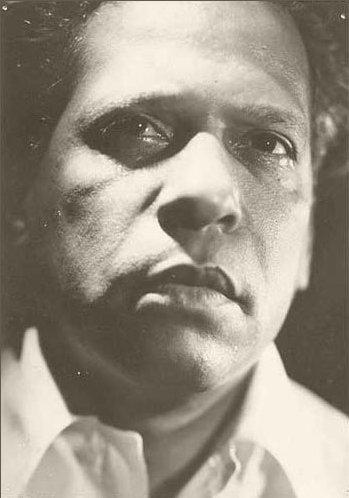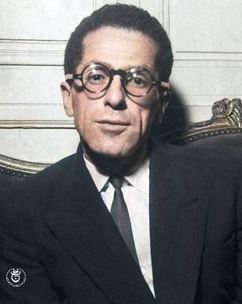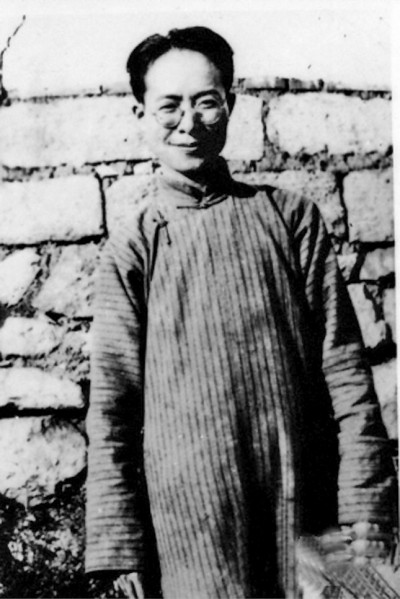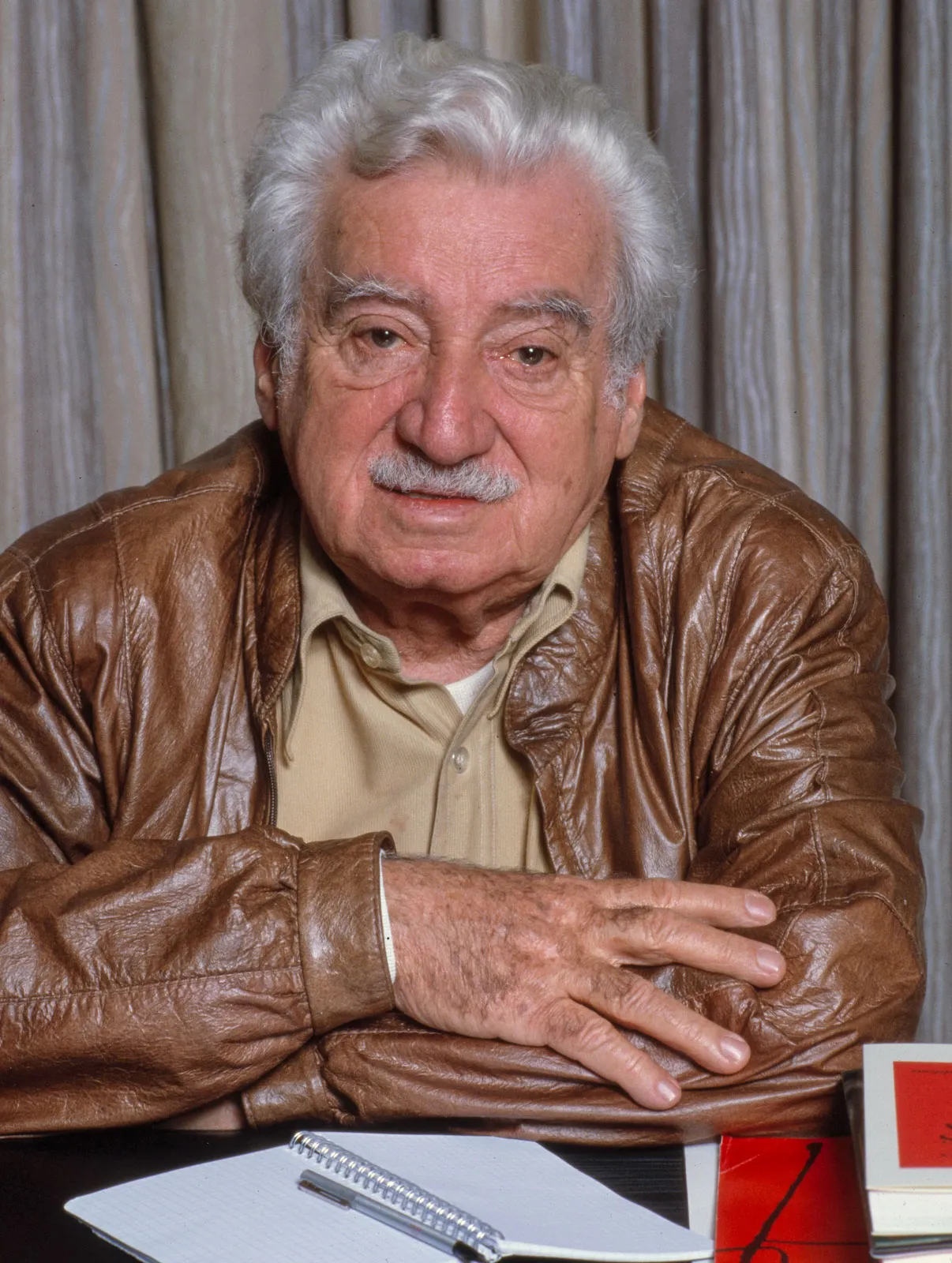
Jorge Amado
Foremost Brazilian novelist whose colorful, sensual chronicles of Afro-Bahian culture in Gabriela, Clove and Cinnamon and Dona Flor and Her Two Husbands captivated the world.
Start typing to search worldwide archives and community tributes
Filterable archive covering centuries of intellectual, artistic, and moral contributions to the human story.
Foremost Brazilian novelist whose colorful, sensual chronicles of Afro-Bahian culture in Gabriela, Clove and Cinnamon and Dona Flor and Her Two Husbands captivated the world.
Pioneering Chinese poet, essayist, and children's author whose delicate collections A Maze of Stars and Letters to Young Readers nurtured generations of Chinese readers.
Syrian diplomat and poet hailed as the most celebrated contemporary Arab poet, renowned for his sensual romantic lyricism and searing political elegies following the 1967 Six-Day War.
Preeminent Mexican poet, essayist, and 1990 Nobel laureate whose landmark sociological essay The Labyrinth of Solitude (El laberinto de la soledad) and circular calendar poem Sunstone (Piedra de Sol) unlocked the soul of Mexican identity.
Nigerian writer whose bizarre, intoxicating 1952 mythological novel The Palm-Wine Drinkard became the first African novel in English to achieve worldwide international fame.
Revolutionary Moroccan Amazigh poet and novelist from the Anti-Atlas who co-founded the avant-garde literary review 'Souffles' and pioneered 'linguistic guerrilla warfare' against political and cultural censorship.
Nigerian author widely recognized as the 'Mother of Modern African Literature', becoming in 1966 the first internationally published African female novelist in the English language with Efuru.
Heroic Algerian investigative journalist, poet, and novelist whose assassination in 1993 marked the tragic opening of the targeted killings of intellectuals during the Algerian Civil War, immortalized by his motto 'Silence is death'.
Japanese avant-garde novelist and playwright dubbed the 'Japanese Kafka', whose existential masterpiece The Woman in the Dunes explored alienation and human endurance.
Revered Egyptian diplomat, critic, and author acclaimed as the father of the modern Egyptian novella, whose 1940 masterpiece 'The Lamp of Umm Hashim' explored the philosophical clash between Western science and traditional Eastern faith.
Egyptian physician, novelist, and playwright revered as the undisputed master of the modern Arabic short story, celebrated for 'The Cheapest Nights' and his revolutionary avant-garde play 'The Farfoors'.
Prolific Egyptian novelist, journalist, and editor-in-chief of 'Rose al-Yusuf' whose daring novels dissected bourgeois hypocrisy, political corruption, and women's liberation, adapted into over forty classic Egyptian films.
Senegalese poet and folklorist of the Negritude movement who preserved West African oral folklore in Tales of Amadou Koumba and authored the iconic poem Souffles (Breaths).
Algerian literary giant who revolutionized modern Maghrebi literature with his polyphonic masterpiece 'Nedjma' (1956) and pioneered revolutionary popular street theater in Algerian Arabic and Amazigh.
Afro-Cuban poet acclaimed as Cuba's National Poet, who incorporated Afro-Cuban son rhythms into Spanish verse (poesia negra) and championed racial equality and anti-imperialism.
Eminent Algerian anthropologist, linguist, and author of 'The Opium and the Stick', whose pioneering codification of Tamazight grammar and Kabyle poetry sparked the Berber Spring of 1980.
Chinese writer celebrated for his lyrical pastoral novella Border Town, who captured the traditional culture and Miao indigenous harmony of rural western Hunan.
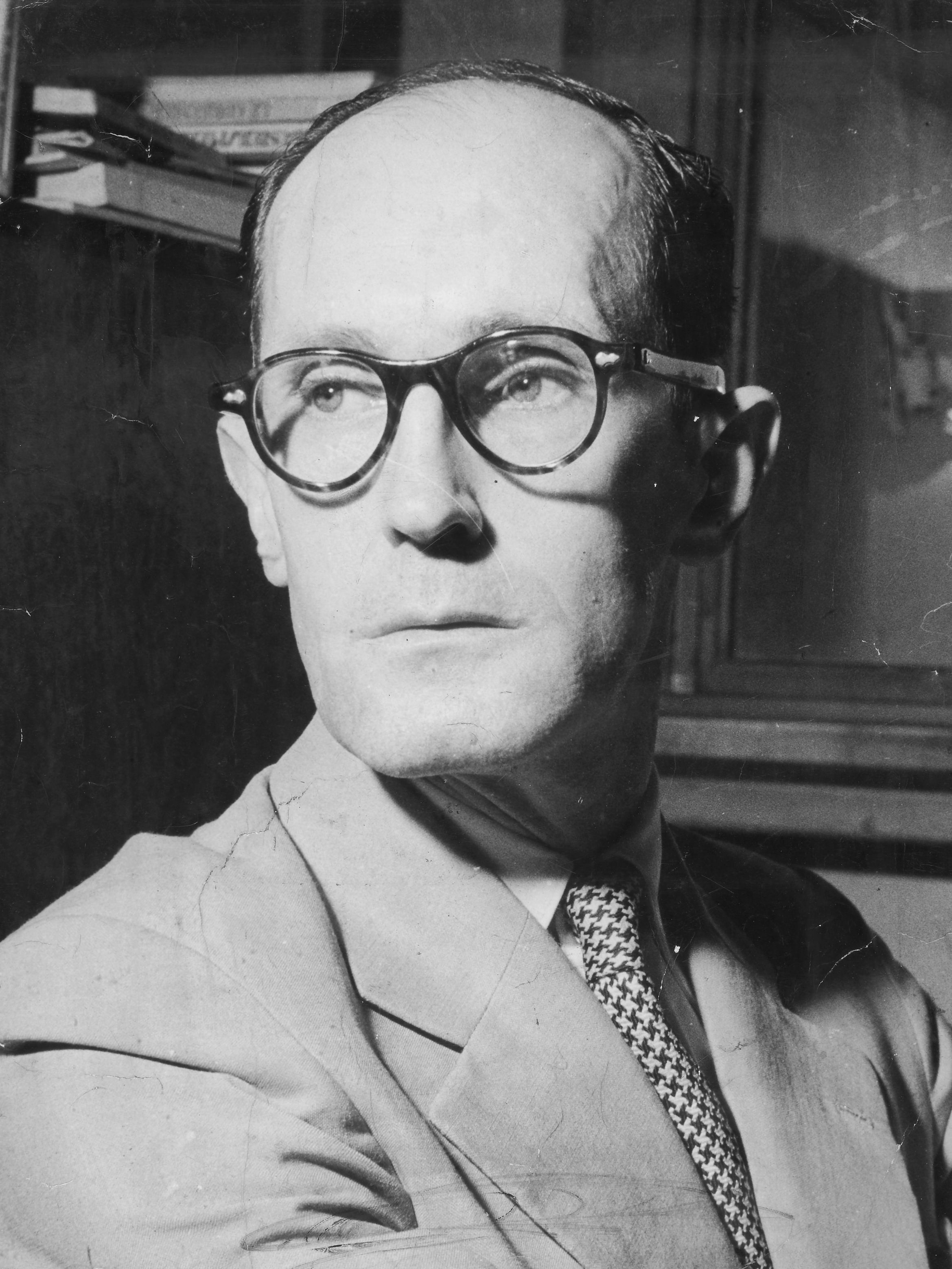
Brazilian poet widely considered the most influential Brazilian poet of the twentieth century, whose modernist verses blended introspective irony, social conscience, and linguistic simplicity.