Public Figures & Cultural Luminaries
Filterable archive covering centuries of intellectual, artistic, and moral contributions to the human story.
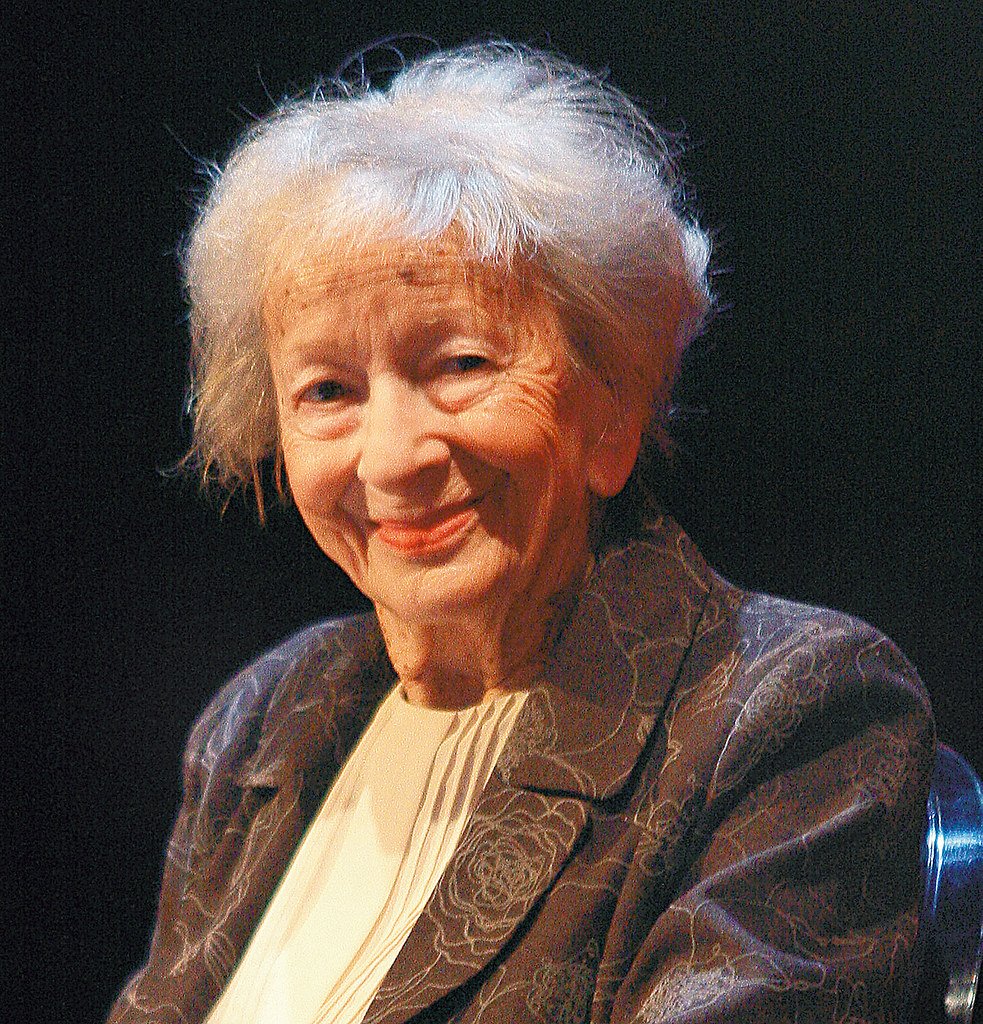
Wisława Szymborska
 (Maria Wisława Anna Szymborska)
1996 Nobel laureate in Literature and 'Mozart of Poetry', Polish lyricist whose witty, ironic, and philosophically playful poems celebrated the extraordinary in the ordinary.
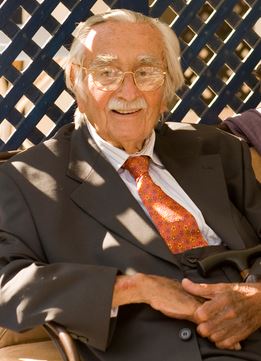
Edmond Amran El Maleh
 (إدمون عمران المالح)
Moroccan-Jewish writer, philosopher, and Communist activist who fiercely defended Palestinian rights, celebrated Judeo-Arabic-Berber symbiotic identity, and authored 'Aïlen ou la nuit du récit'.
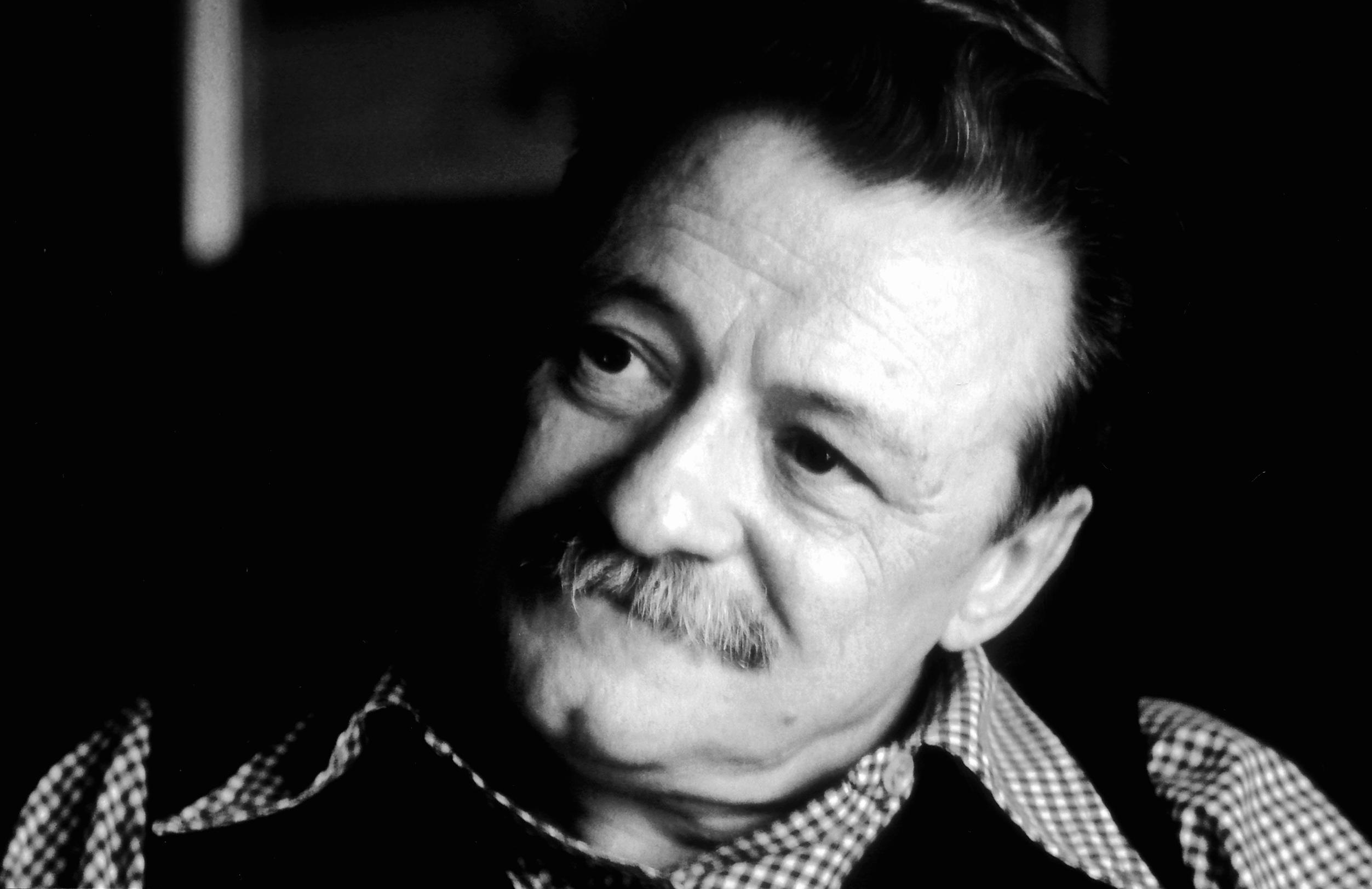
Mario Benedetti
 (Mario Orlando Hamlet Hardy Brenno Benedetti Farrugia)
Uruguayan writer and poet of the Generation of 45, renowned for his poignant novel The Truce and accessible, socially engaged poetry that resonated across the Spanish-speaking world.
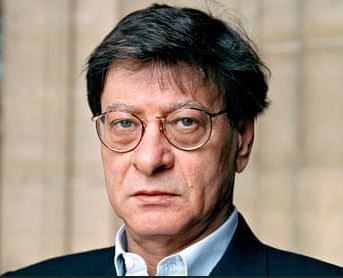
Mahmoud Darwish
 (محمود درويش)
One of the greatest Arab poets of the modern era, celebrated worldwide for his lyrical mastery, profound exploration of exile, identity, collective memory, and Palestinian national yearning.
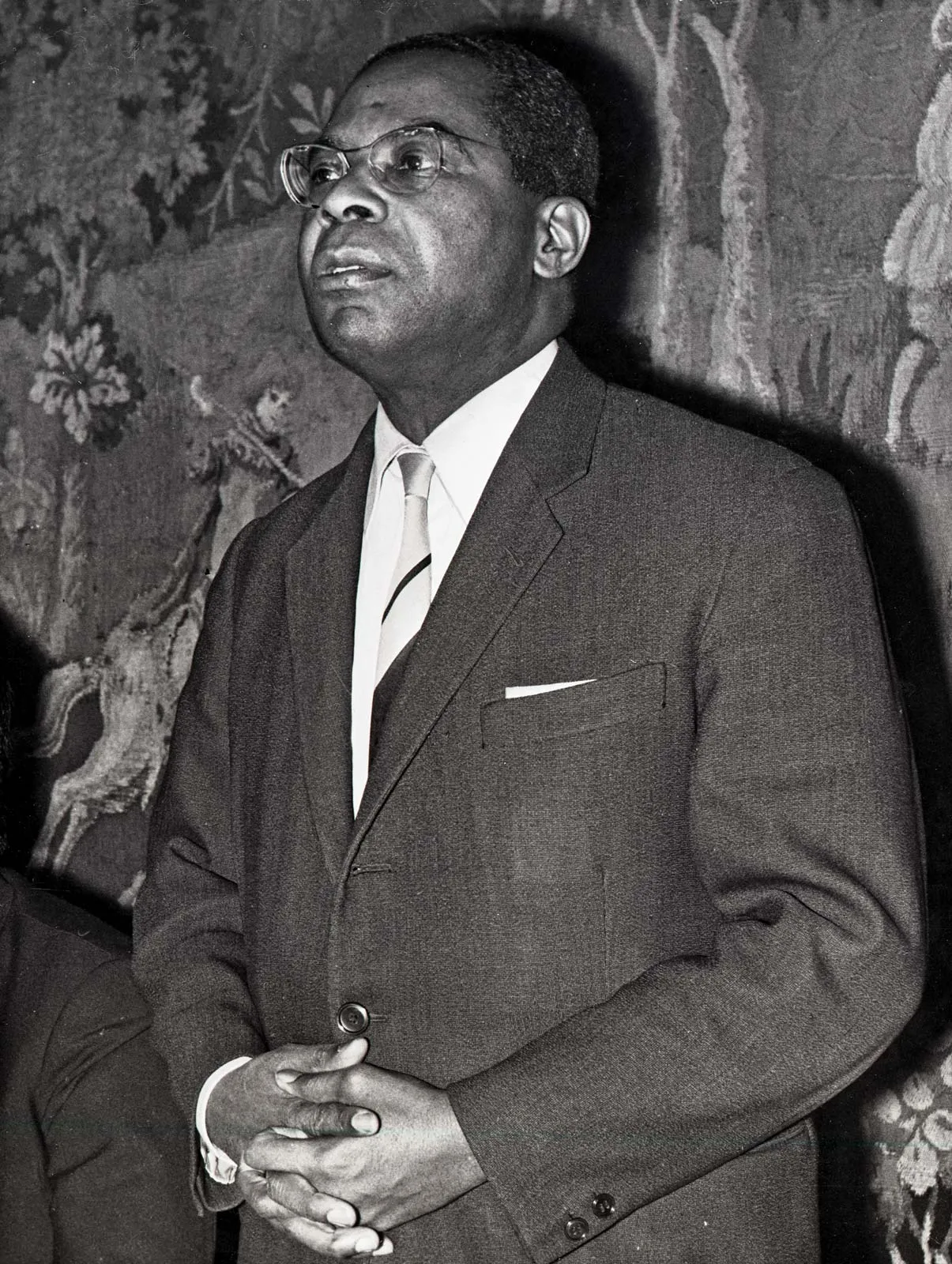
Aimé Césaire
 (Aimé Fernand David Césaire)
Martinican poet, playwright, and statesman who coined the term 'Négritude' in his masterpiece Cahier d'un retour au pays natal and authored Discours sur le colonialisme.
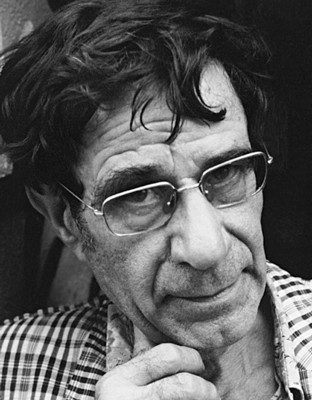
Driss Chraïbi
(إدريس الشرايبي)
Pioneering Moroccan author who detonated modern North African Francophone literature with his explosive 1954 debut novel 'The Simple Past' (Le Passé simple), challenging patriarchal despotism and colonial hypocrisy.
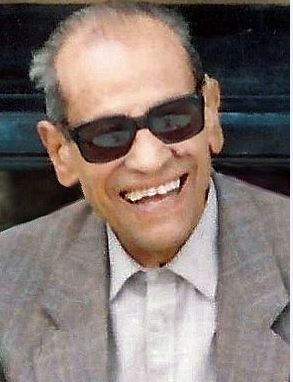
Naguib Mahfouz Abdelaziz Ibrahim Ahmed Pasha
 (نجيب محفوظ)
Preeminent Egyptian literary giant and first Arabic-language writer to win the Nobel Prize in Literature (1988), whose monumental Cairo Trilogy (Palace Walk) and Children of Gebelawi captured the alleys and soul of Egypt over seven decades.
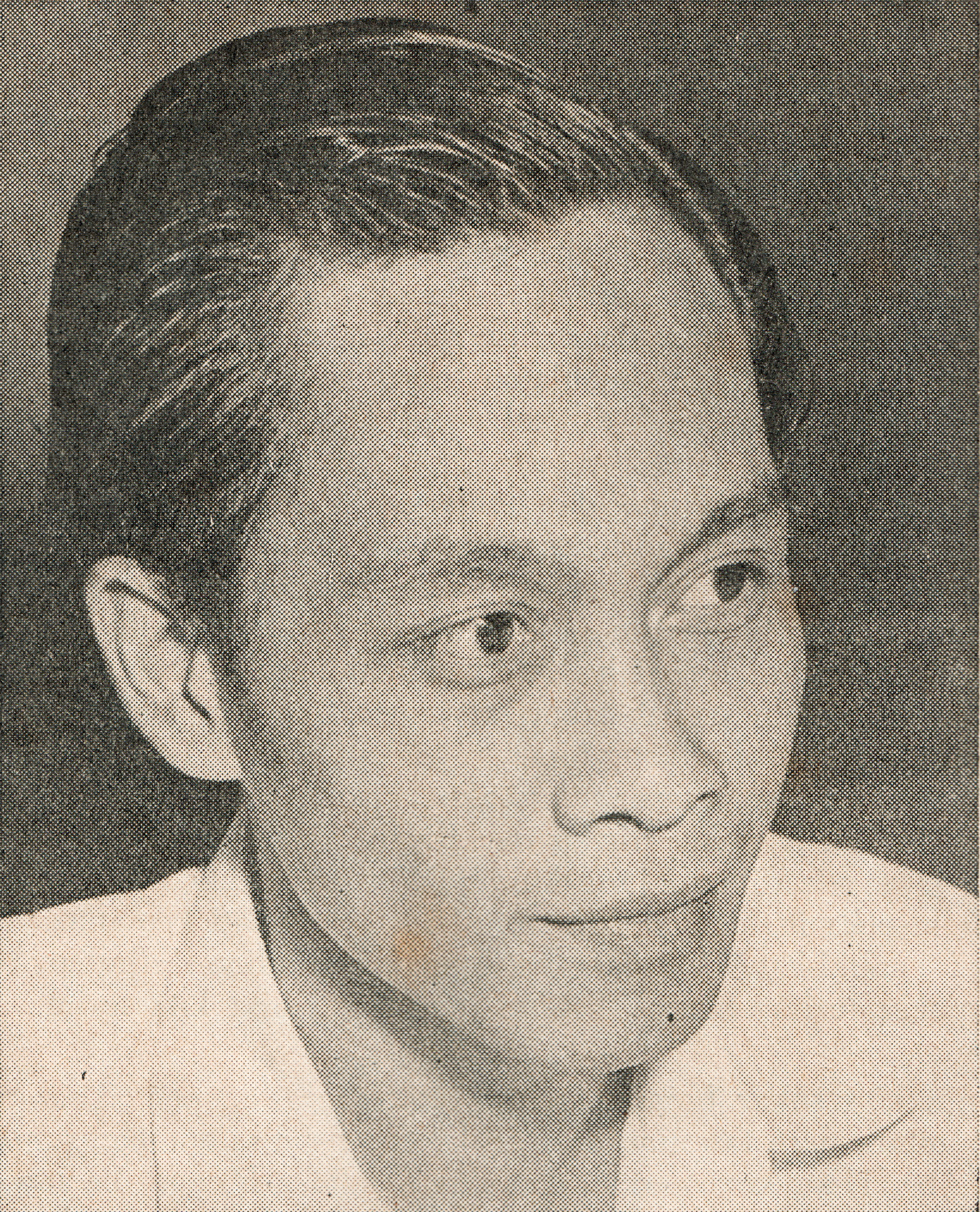
Pramoedya Ananta Toer
 (Pramoedya Ananta Toer)
Indonesian novelist and dissident whose monumental Buru Quartet, composed while imprisoned without trial on the remote penal island of Buru, stands as Southeast Asia's greatest literary epic.
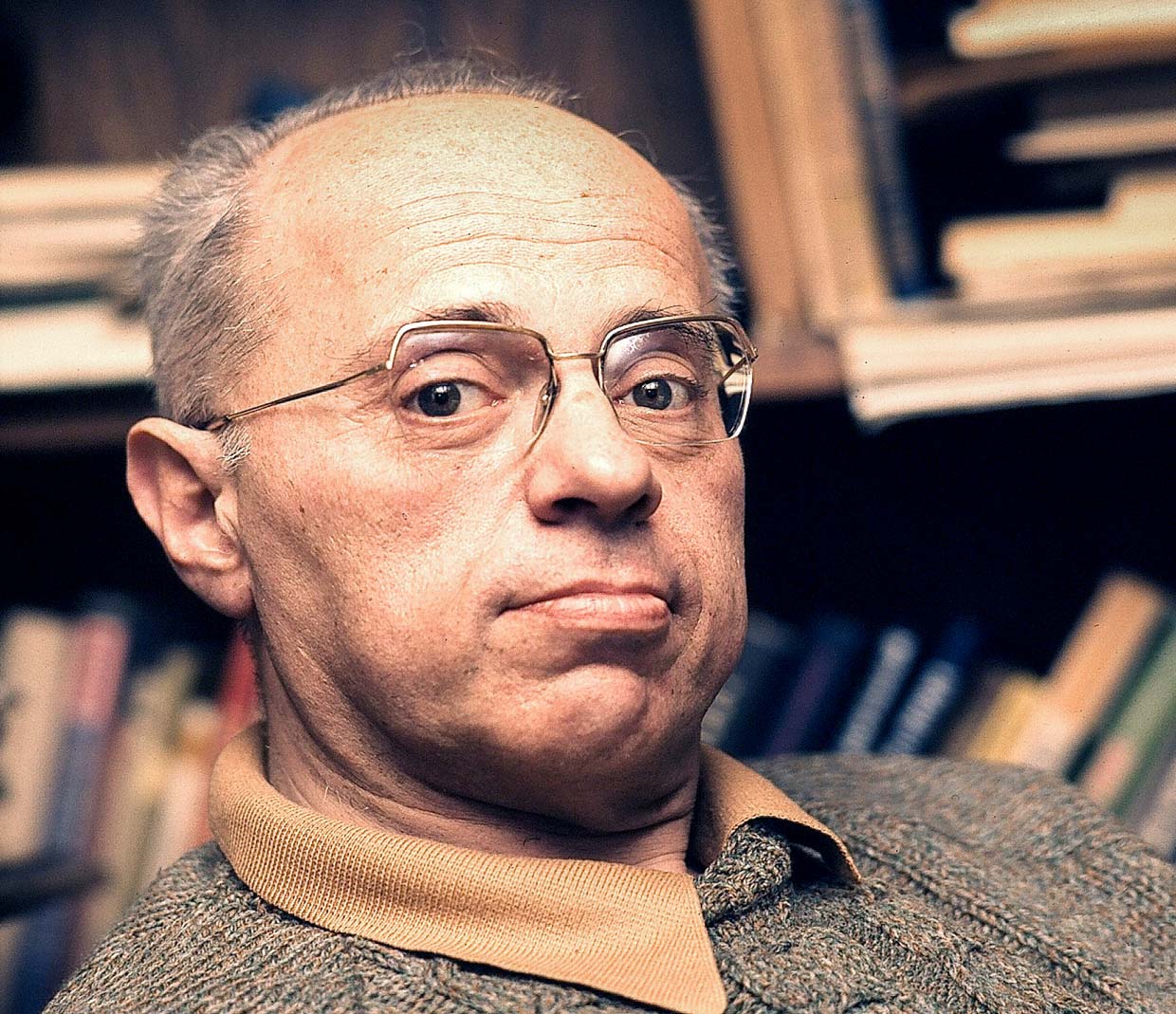
Stanisław Lem
(Stanisław Herman Lem)
Foremost Polish science fiction author and philosopher of technology whose Solaris, The Cyberiad, and Summa Technologiae explored the limits of human intelligence.
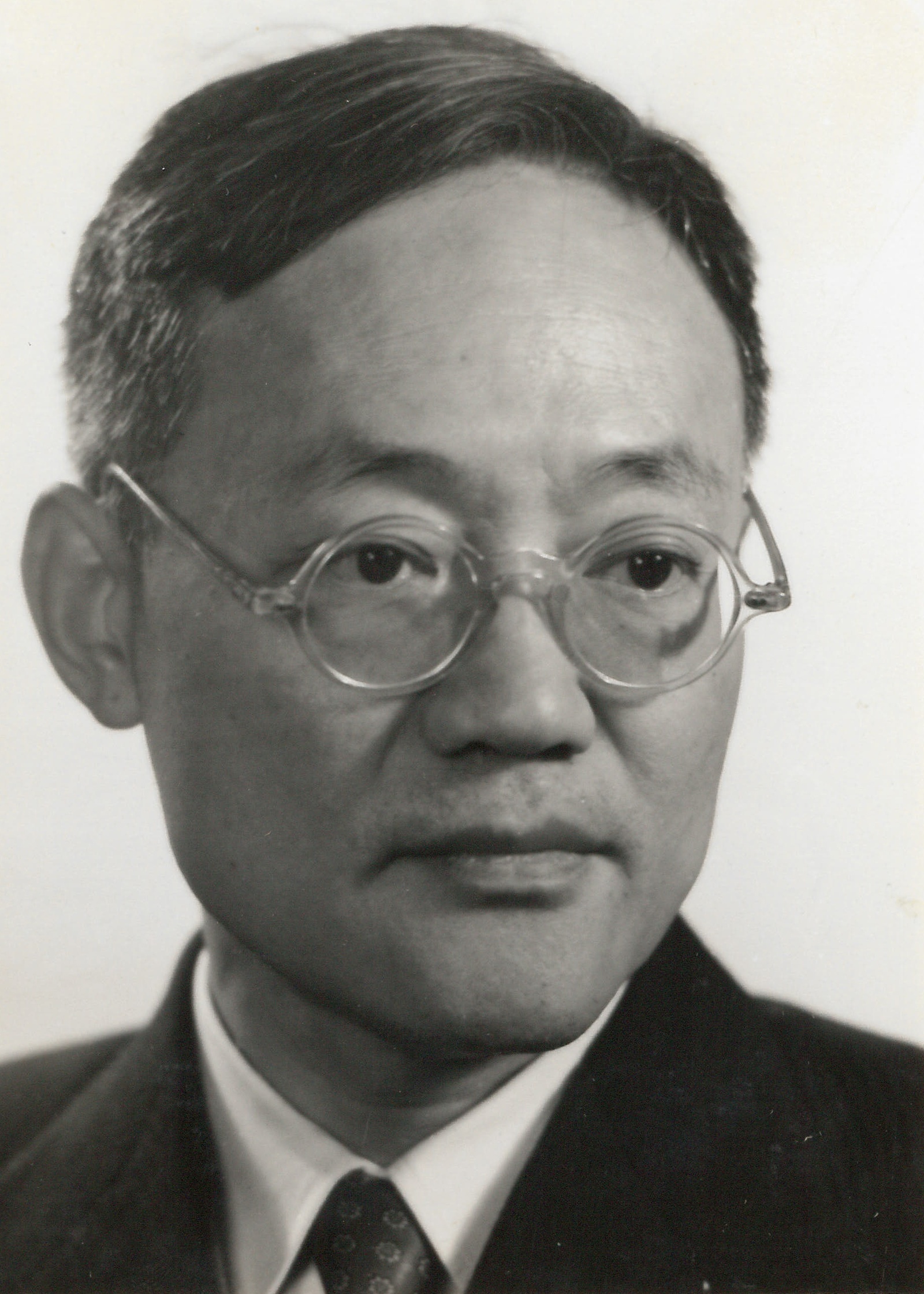
Ba Jin
 (巴金)
(巴金)
Chinese novelist and essayist whose Torrents Trilogy, especially the classic novel Family, inspired millions of youth to rebel against oppressive feudal patriarchal traditions.
Mahmoud Messadi
 (محمود المسعدي)
Distinguished Tunisian existentialist writer, educator, and statesman who served as Minister of National Education and Minister of Culture, celebrated for his philosophical masterworks 'Essoud' (The Dam) and 'Thus Spoke Abu Huraira'.
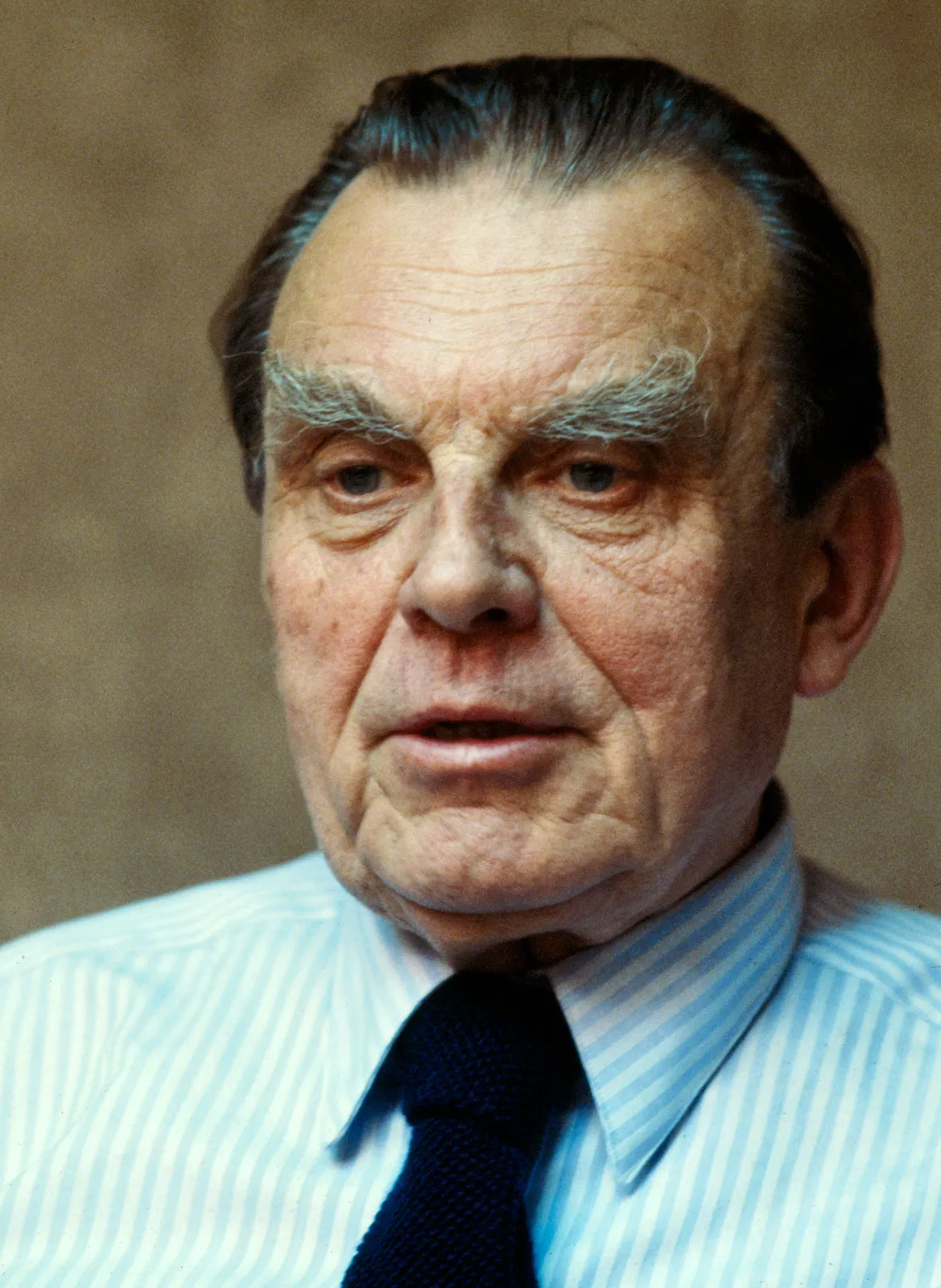
Czesław Miłosz
 (Czesław Miłosz)
1980 Nobel laureate in Literature, Polish poet, essayist, and dissident whose The Captive Mind exposed the psychological seduction of totalitarianism.
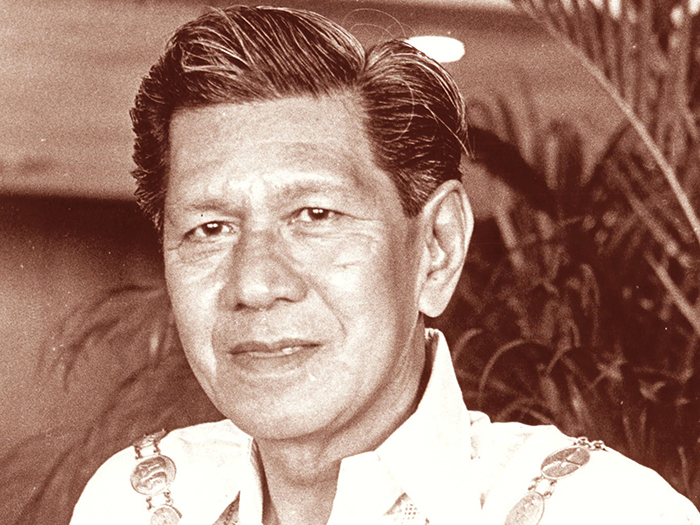
Nick Joaquin
 (Nicomedes Márquez Joaquín)
Philippine writer, playwright, and journalist named National Artist for Literature, who explored the complex Spanish-Catholic and Filipino identity in The Woman Who Had Two Navels and A Portrait of the Artist as Filipino.
Ahmed Sefrioui
(أحمد صفريوي)
Pioneering Moroccan author who published 'La Boîte à merveilles' (The Wonder Box) in 1954, recognized as the foundational classic of modern Moroccan literature in the French language.
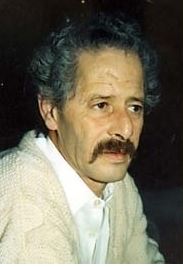
Mohamed Choukri
(محمد شكري)
Rifian Moroccan literary icon who grew up illiterate on the streets of Tangier, learned to read and write at age twenty in prison, and authored the raw international autobiographical masterpiece 'For Bread Alone' (Al-Khubz al-Hafi).
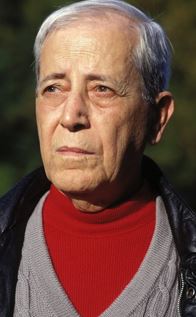
Mohammed Dib
 (محمد ديب)
One of Algeria's most prolific and poetic writers, whose realist 'Algerian Trilogy' (La Grande Maison, L'Incendie, Le Métier à tisser) exposed the raw social misery and peasant awakening under colonial rule.
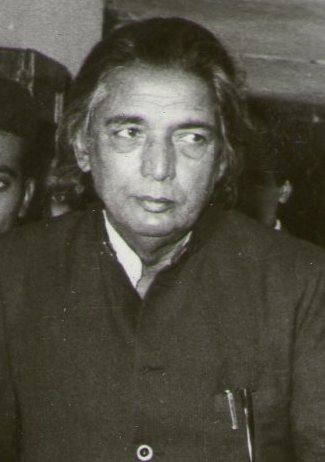
Kaifi Azmi
 (कैफ़ी आज़मी)
Urdu poet and lyricist of the Progressive Writers' Movement whose revolutionary poem Aurat championed female emancipation, and who transformed his impoverished native village of Mijwan.
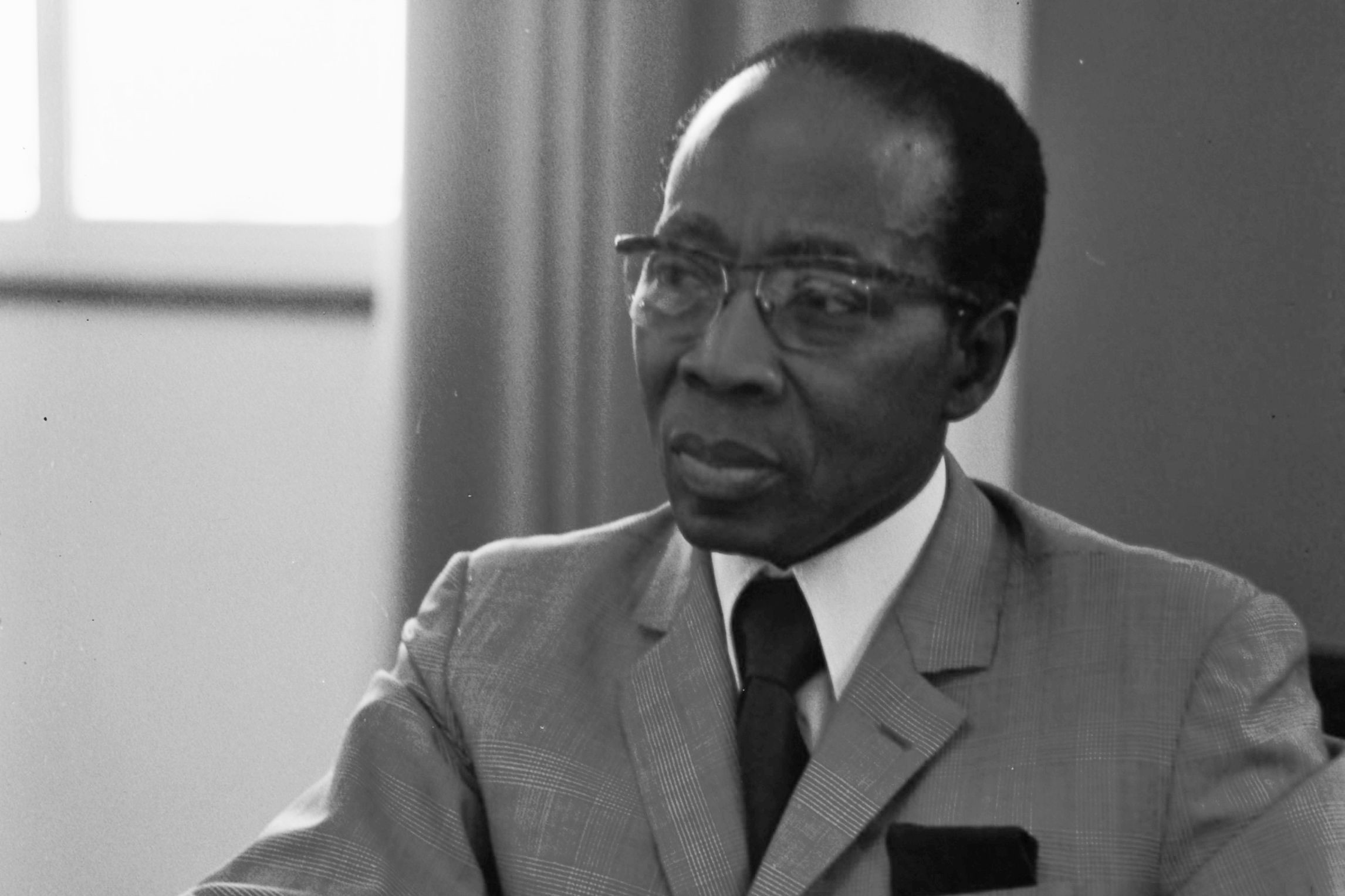
Léopold Sédar Senghor
 (Léopold Sédar Senghor)
Senegalese poet, philosopher, statesman, and first President of Senegal who co-founded the Négritude movement and became the first African elected to the Académie Française.