Public Figures & Cultural Luminaries
Filterable archive covering centuries of intellectual, artistic, and moral contributions to the human story.
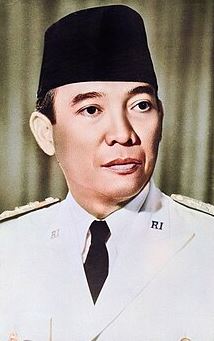
Sukarno
 (Soekarno)
Founding Father of Indonesia who unified thousands of diverse islands under a single national identity and championed global anti-imperialism.
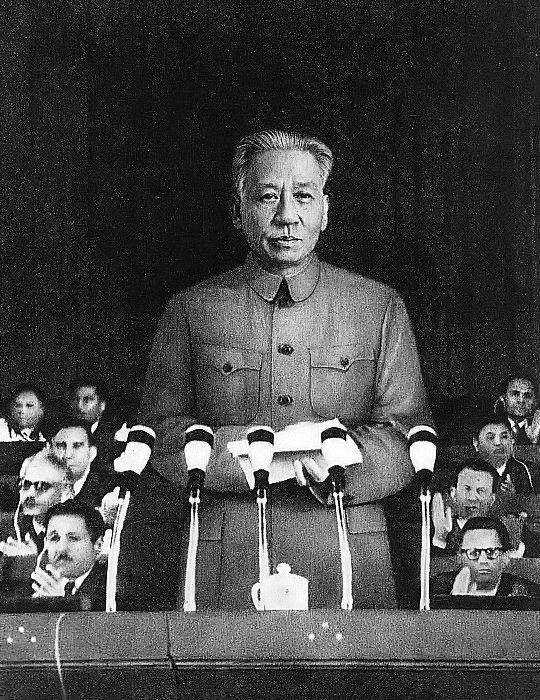
Liu Shaoqi
 (刘少奇)
(刘少奇)
Chairman of the People's Republic of China and chief architect of post-Great Leap Forward economic recovery, author of How to Be a Good Communist, who died in solitary persecution during the Cultural Revolution.
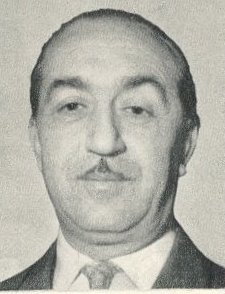
Mongi Slim
 (المنجي سليم)
Distinguished Tunisian diplomat and nationalist leader who was elected the first African President of the United Nations General Assembly in 1961 and resolved the Congo crisis.
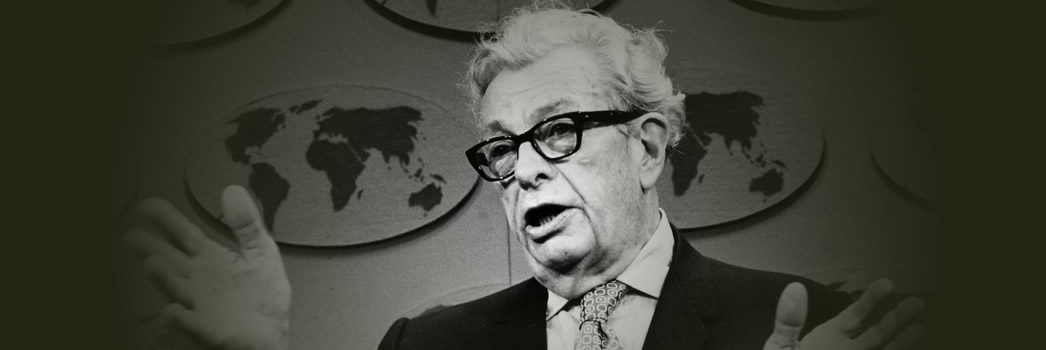
Everett Dirksen
 (Everett McKinley Dirksen)
Eloquent Senate Republican Minority Leader known as 'The Wizard of Ooze' whose bipartisan statesmanship broke the Southern filibuster to pass the Civil Rights Act of 1964.
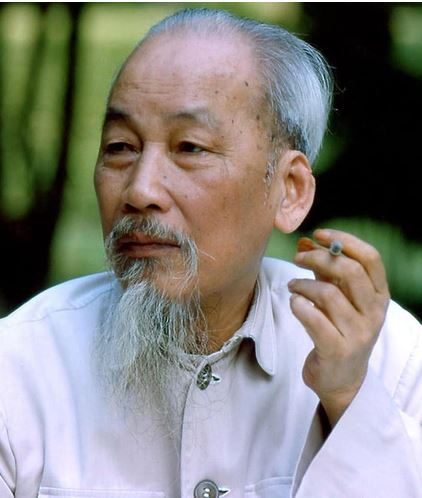
Ho Chi Minh
 (Hồ Chí Minh (Nguyễn Sinh Cung))
Global icon of national anti-colonial liberation and sovereignty who defeated French colonial rule at Dien Bien Phu and inspired the unification of Vietnam.
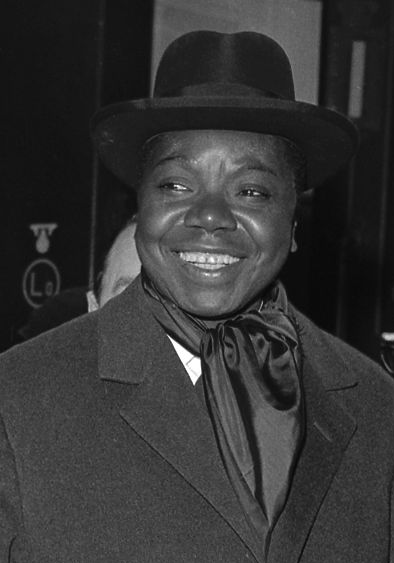
Moise Tshombe
 (Moïse Kapenda Tshombe)
Congolese political leader who declared the mineral-rich State of Katanga independent in 1960, employed European mercenaries, and later returned as Prime Minister of the Democratic Republic of the Congo.
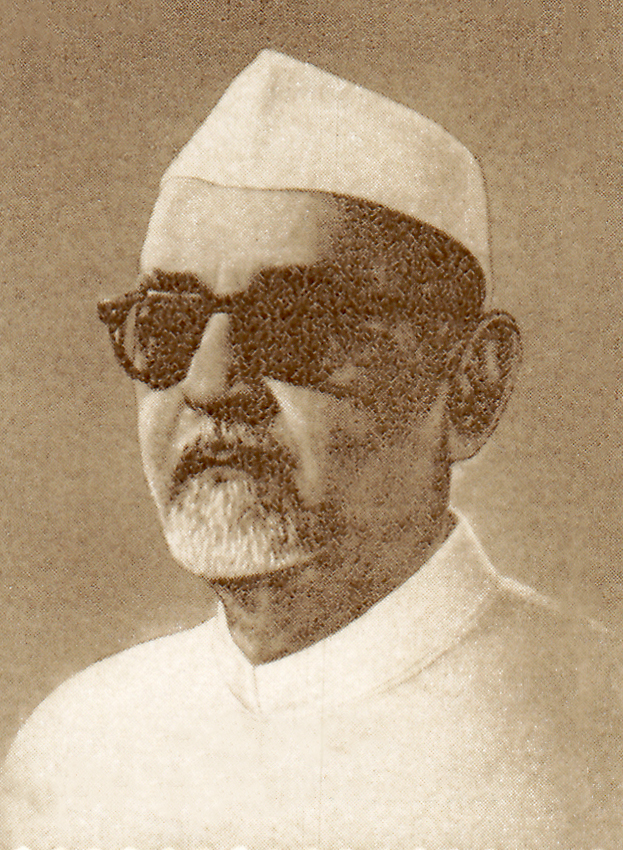
Zakir Husain
 (ज़ाकिर हुसैन)
Third President of India, pioneering educationist, and co-founder of Jamia Millia Islamia who served as vice-chancellor of Aligarh Muslim University and formulated Gandhi's Basic Education model (Nai Talim).
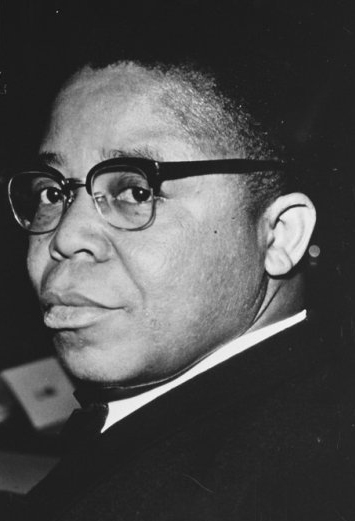
Joseph Kasa-Vubu
(Joseph Kasa-Vubu)
First President of the Democratic Republic of the Congo upon independence in 1960, leader of the ABAKO movement, who governed through the catastrophic early years of the Congo Crisis.
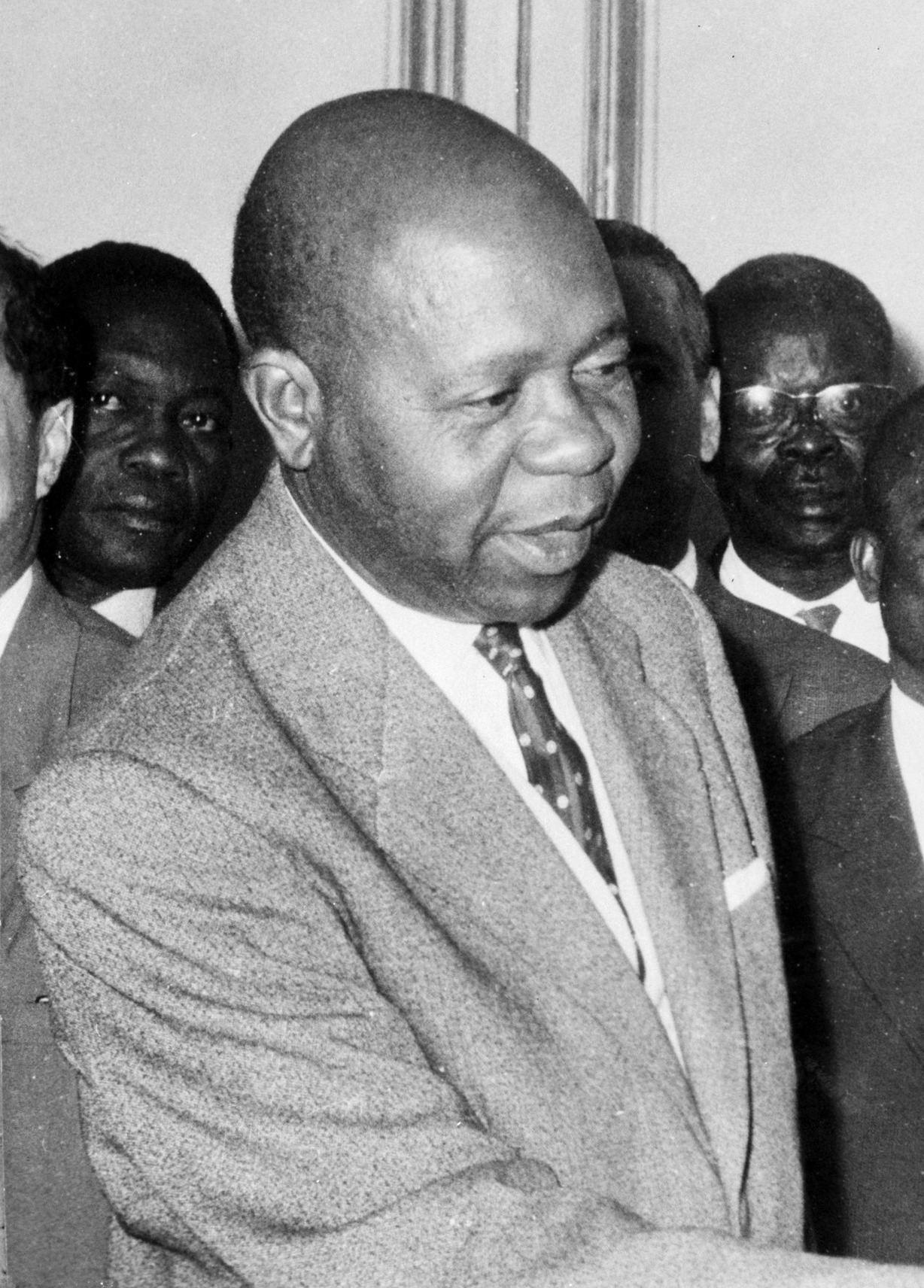
Leon M'ba
 (Léon M'ba)
First President of Gabon who led the country to independence in 1960, restored to power by French paratroopers following the 1964 coup, establishing Franco-Gabonese strategic ties.
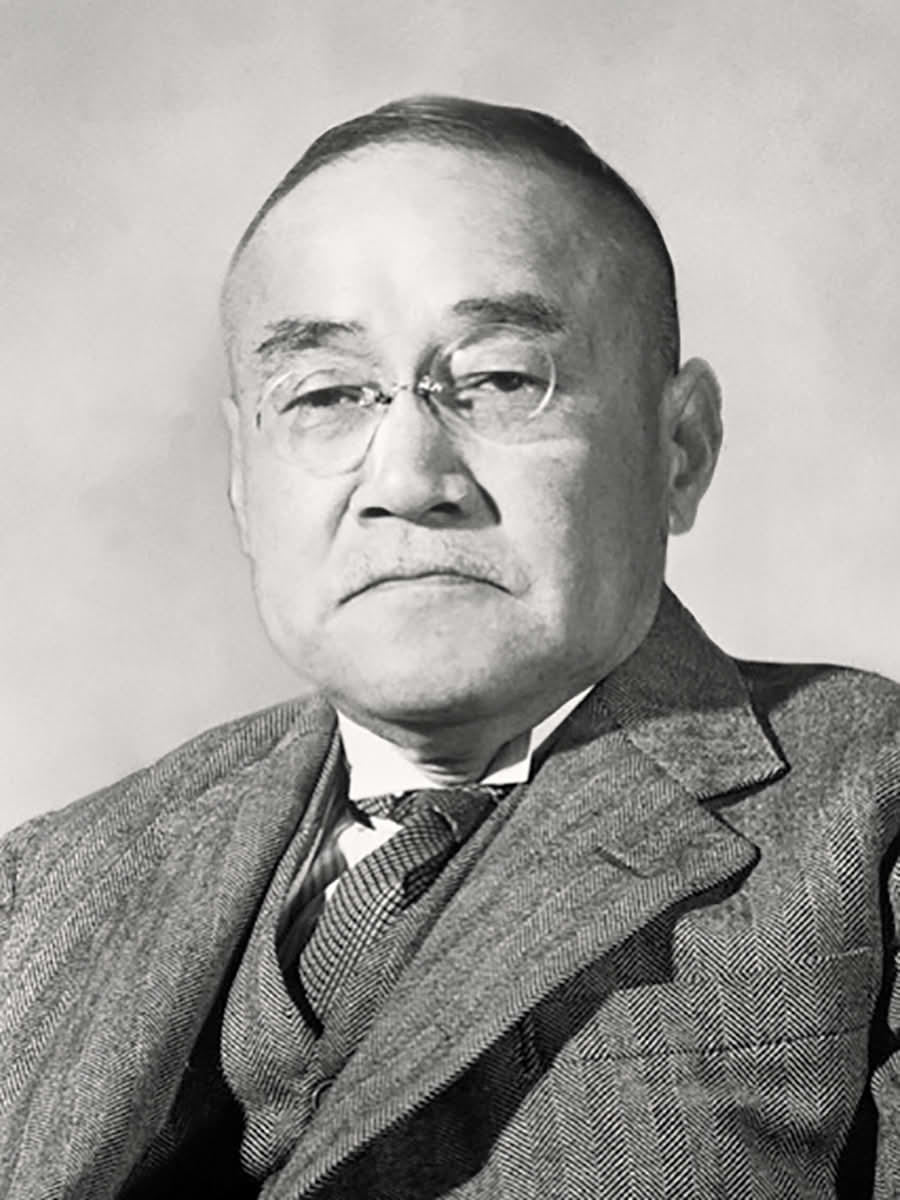
Shigeru Yoshida
 (吉田 茂)
Five-term Prime Minister of Japan who signed the 1951 San Francisco Peace Treaty, ending the Allied occupation, and formulated the Yoshida Doctrine prioritizing economic growth.
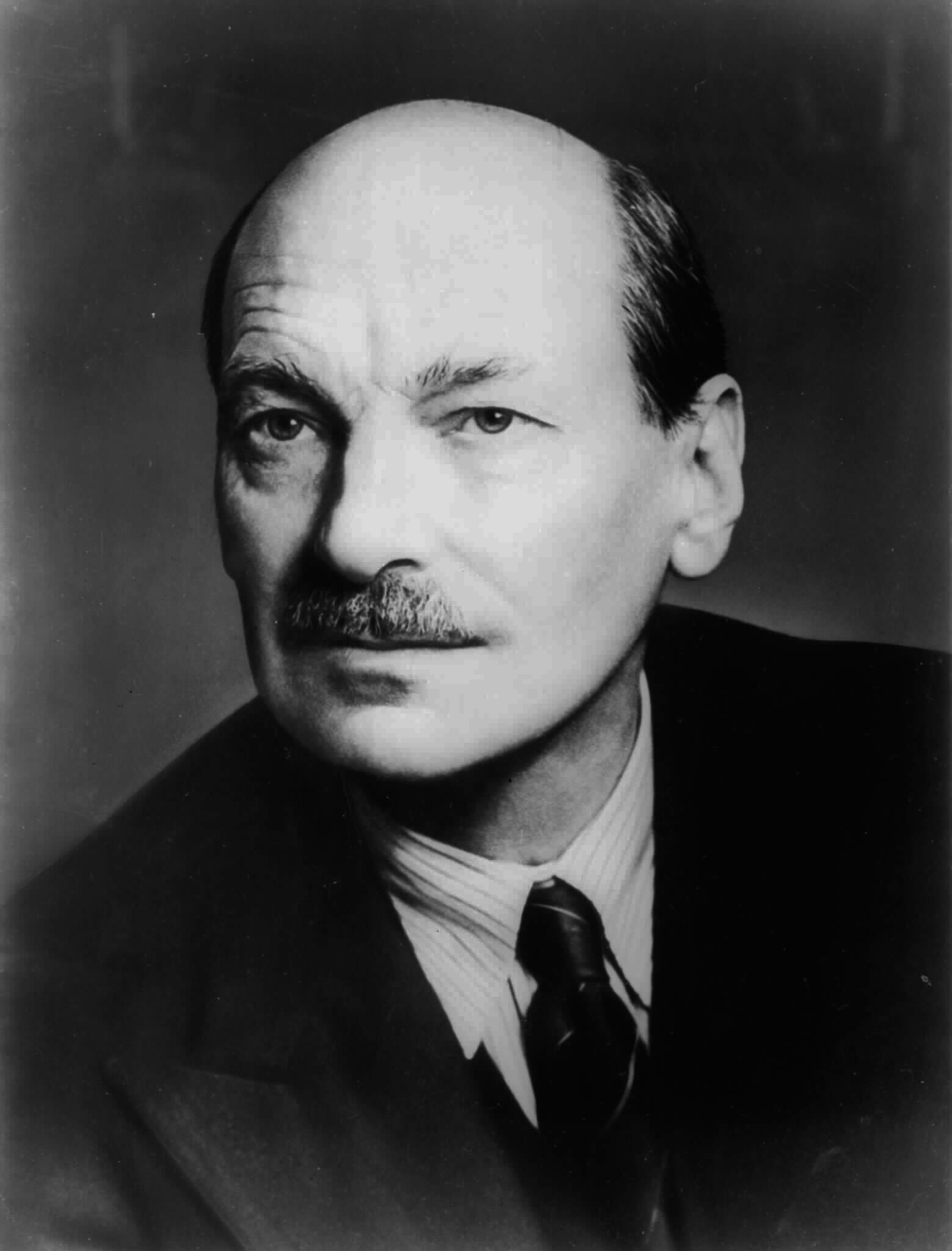
Clement Attlee
 (Clement Richard Attlee, 1st Earl Attlee)
British Prime Minister (1945–1951) who defeated Winston Churchill in a post-war landslide, created the modern British welfare state including the National Health Service, nationalized key industries, and granted independence to India.
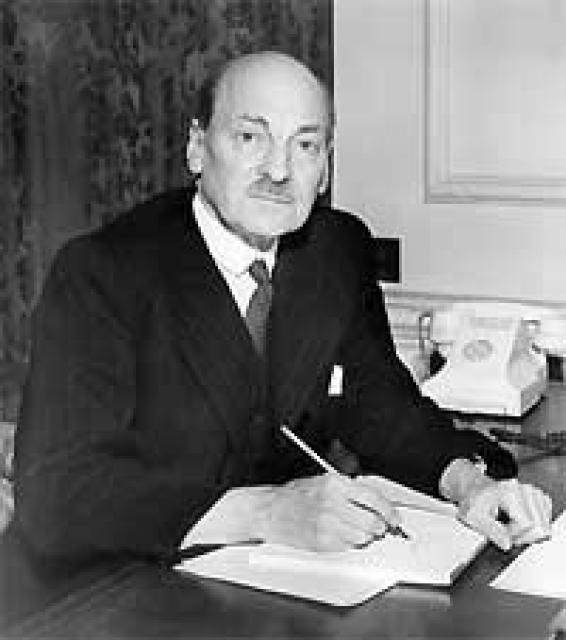
Clement Attlee, 1st Earl Attlee
(Clement Richard Attlee)
British Labour Prime Minister who established the modern Welfare State, founded the National Health Service (NHS), and presided over the independence of India.
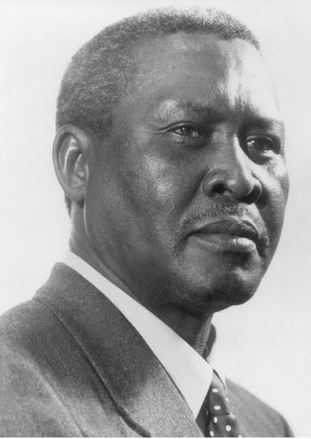
Albert Luthuli (Albert John Mvumbi Luthuli)
First African to receive the Nobel Peace Prize; set the moral foundation of non-violent resistance and democratic brotherhood for the South African anti-apartheid movement.
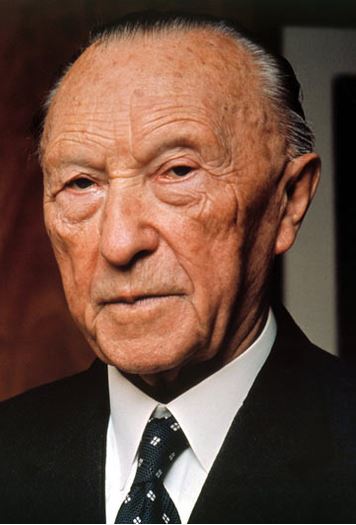
Konrad Adenauer
 (Konrad Hermann Joseph Adenauer)
Rebuilt a devastated Germany into a prosperous democracy (Wirtschaftswunder) and signed the historic Élysée Treaty with Charles de Gaulle in 1963.
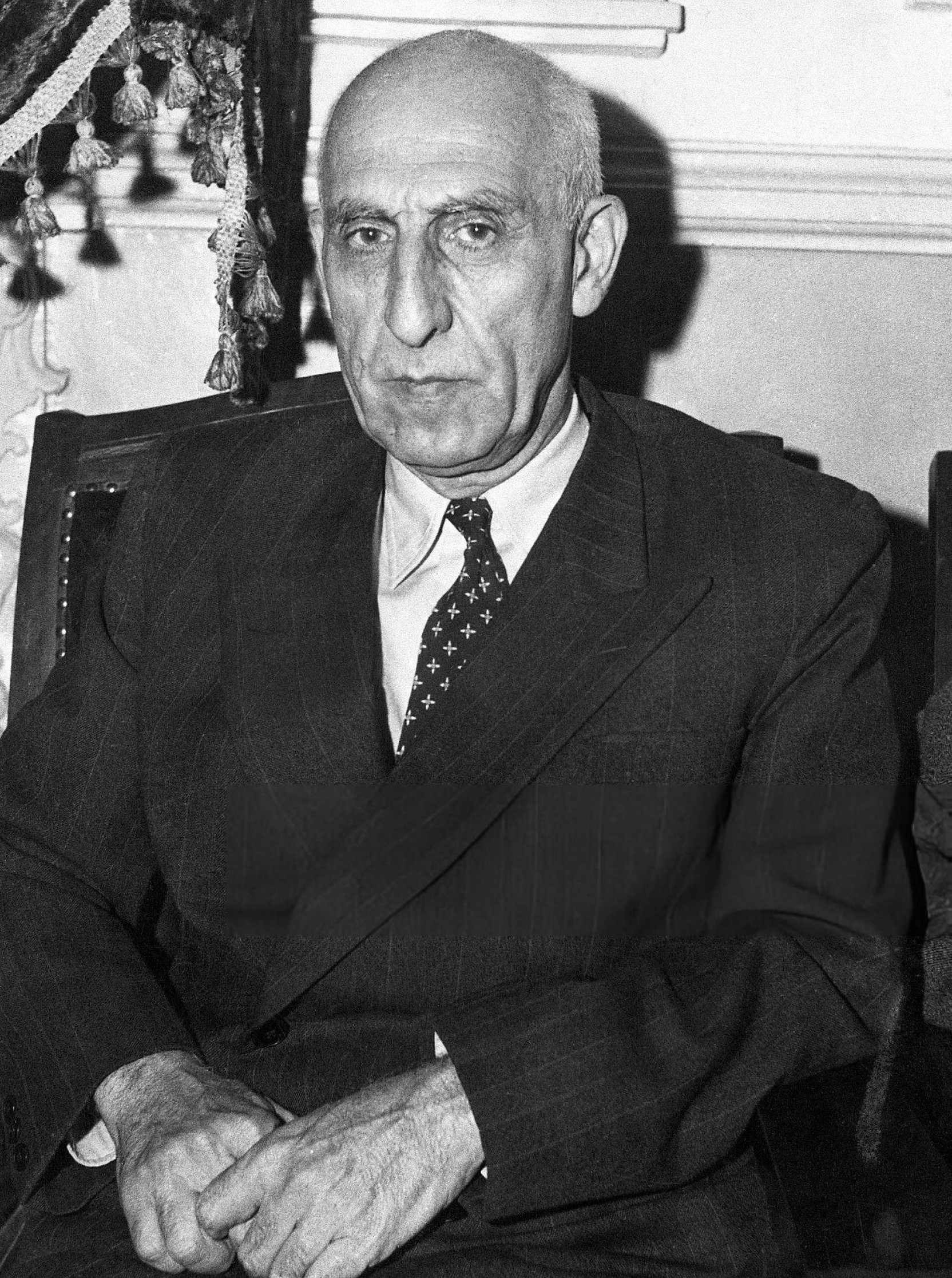
Mohammad Mosaddegh
 (محمد مصدق)
Democratically elected Prime Minister of Iran who nationalized the British-controlled Iranian oil industry, leading to his overthrow in the 1953 CIA/MI6 coup (Operation Ajax).
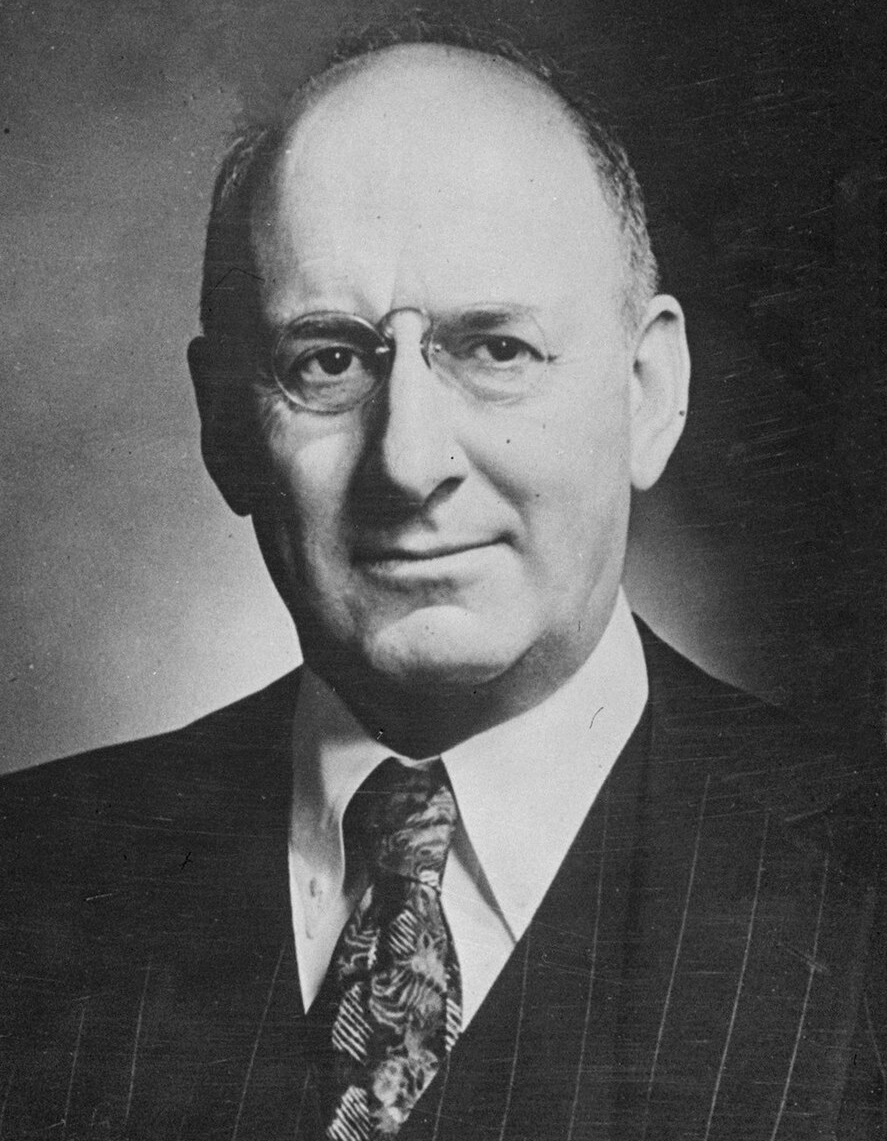
Henry Morgenthau Jr.
(Henry Morgenthau Jr.)
FDR's Secretary of the Treasury who financed the New Deal and World War II, led the 1944 Bretton Woods Conference creating the IMF and World Bank, and established the War Refugee Board.
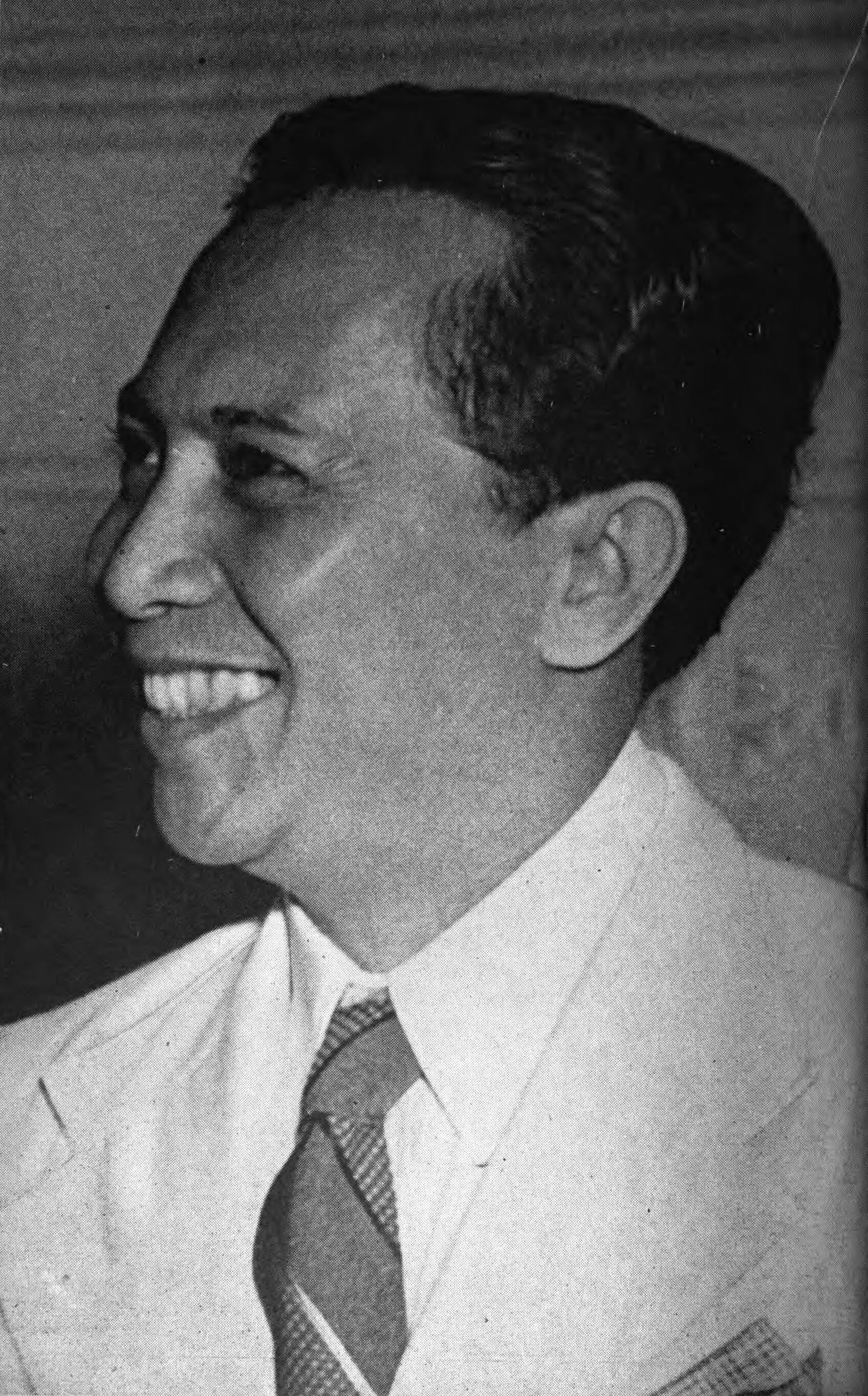
Sutan Sjahrir
(Sutan Sjahrir)
First Prime Minister of independent Indonesia (1945–1947), intellectual leader of the underground anti-fascist resistance during the Japanese occupation, who secured international diplomatic recognition for the young republic at the United Nations.
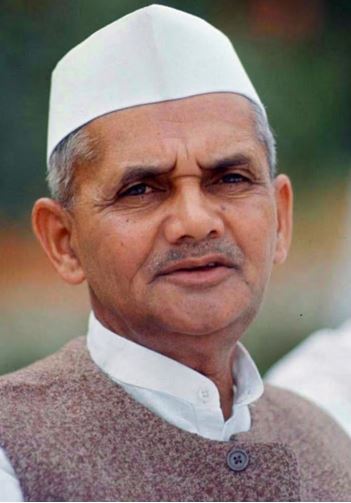
Lal Bahadur Shastri
(लाल बहादुर शास्त्री)
Icon of ethical governance, modesty, and agrarian development; laid the groundwork for India's food security and dairy self-sufficiency (Amul).