Public Figures & Cultural Luminaries
Filterable archive covering centuries of intellectual, artistic, and moral contributions to the human story.
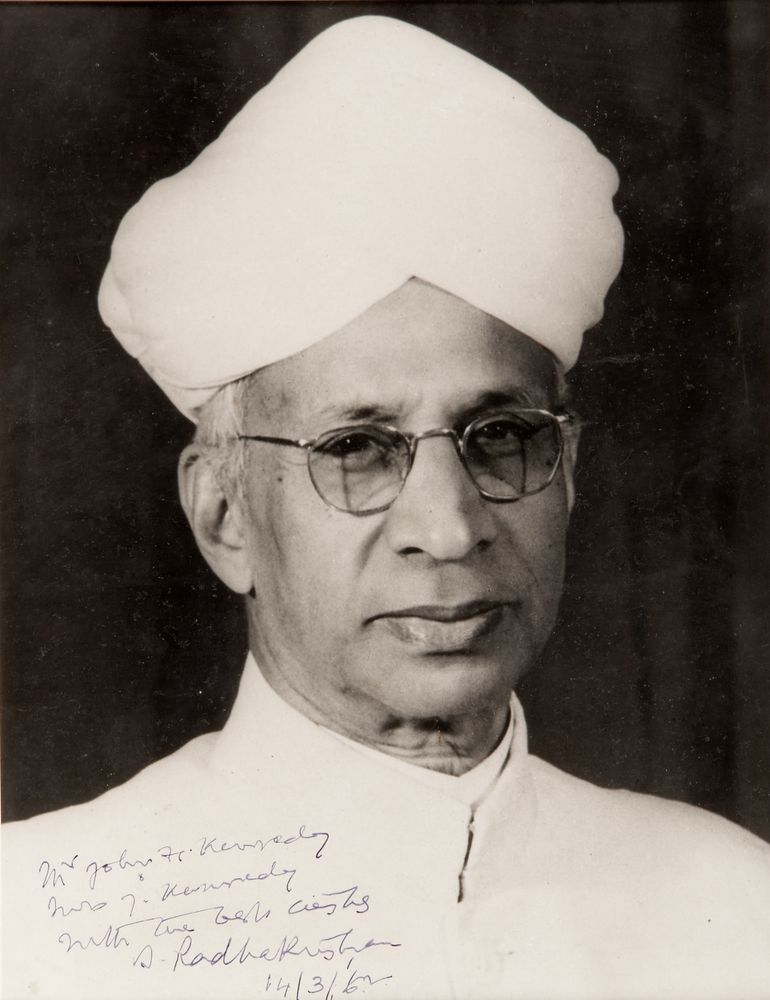
Sarvepalli Radhakrishnan
 (సర్వేపల్లి రాధాకృష్ణన్)
Second President of India and preeminent philosopher of comparative religion who interpreted Indian Advaita Vedanta to the Western academic world, celebrated nationwide on Teachers' Day.
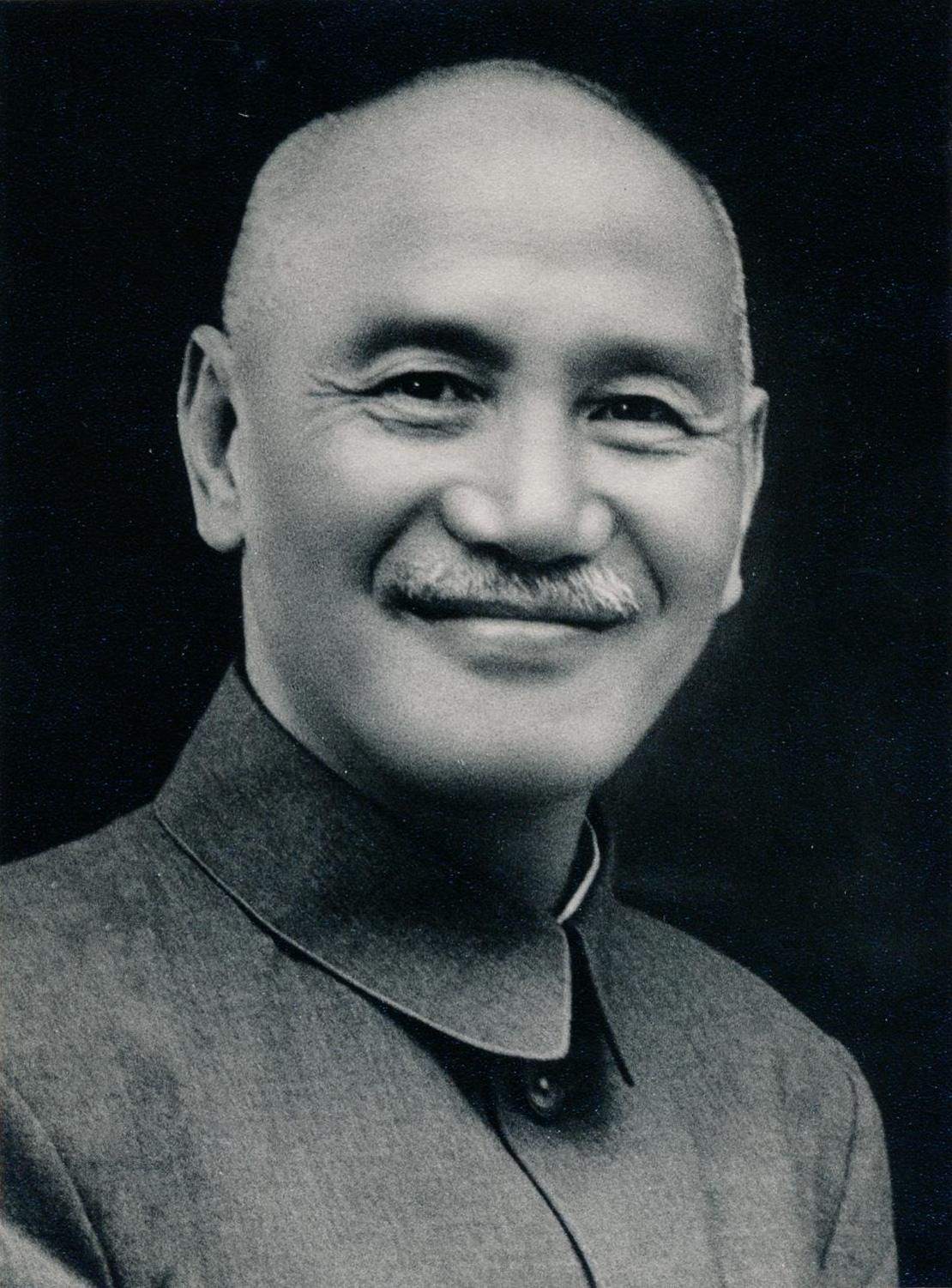
Chiang Kai-shek
 (蔣中正 (蔣介石))
Leader of the Republic of China for nearly half a century, who led the Northern Expedition, fought Imperial Japan in World War II, and retreated to Taiwan in 1949, laying the foundation for Taiwan's economic takeoff.
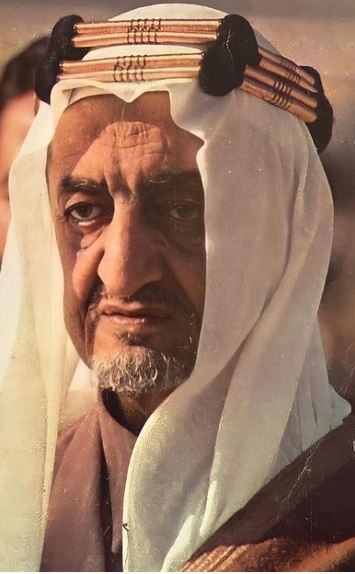
King Faisal bin Abdulaziz
 (فيصل بن عبد العزيز آل سعود)
Transformed Saudi Arabia into a major global financial and diplomatic power while spearheading educational modernization and Pan-Islamic solidarity.
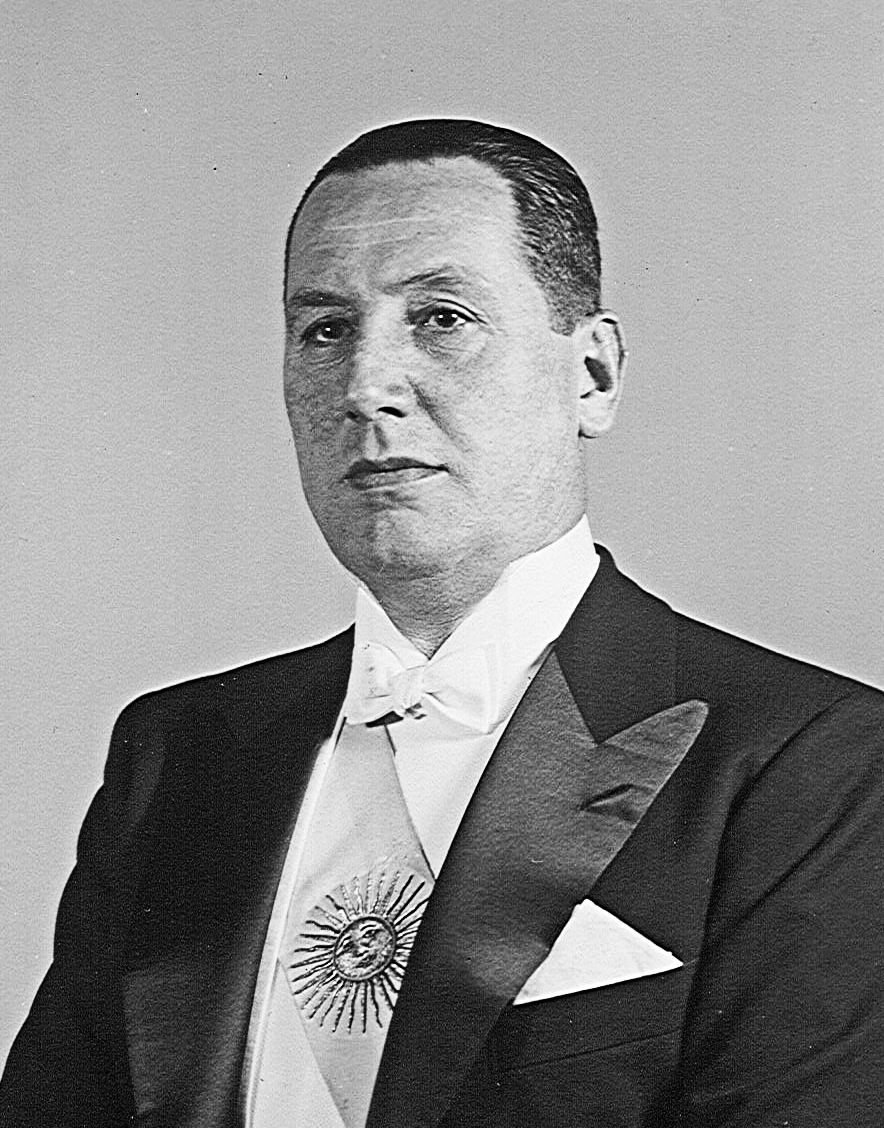
Juan Domingo Peron
 (Juan Domingo Perón)
Three-time President of Argentina who founded Peronism (Justicialism), championing the rights of the working-class 'descamisados', nationalizing railways, and dominating 20th-century Argentine politics.
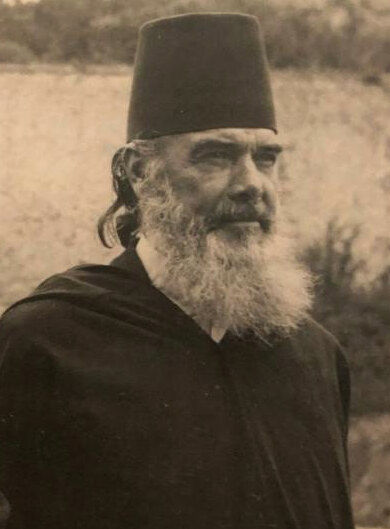
Messali Hadj
 (مصالي الحاج)
Pioneering Algerian nationalist statesman venerated as the 'Father of Modern Algerian Nationalism', who founded the Étoile Nord-Africaine in 1926 and was the first to demand total unconditional independence from France.
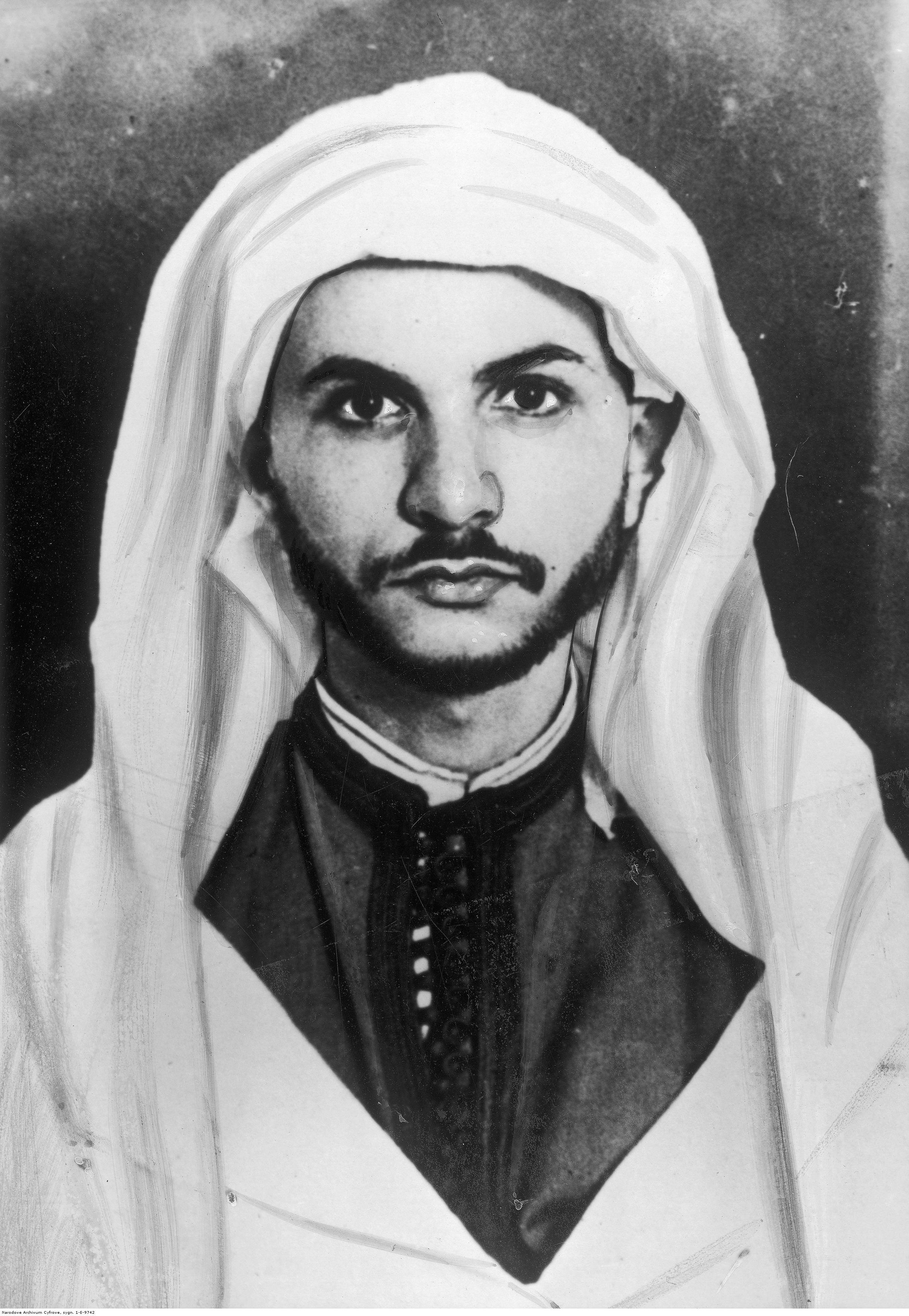
Allal al-Fassi
 (علال الفاسي)
Preeminent Moroccan statesman, Islamic legal scholar, poet, and founder of the Istiqlal (Independence) Party, who championed political liberation, constitutional democracy, and cultural authenticity.
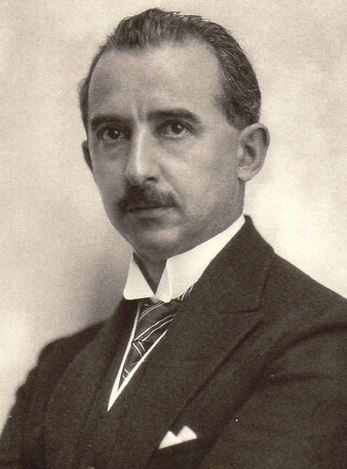
İsmet İnönü
 (Mustafa İsmet İnönü)
Co-founder of the modern Republic of Turkey, maintained national neutrality in WWII, and peacefully handed over power after losing free democratic elections in 1950.
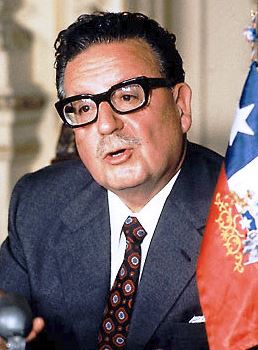
Salvador Allende
 (Salvador Guillermo Allende Gossens)
Universal martyr of democratic socialism; proved that radical redistributive transformation could be pursued strictly within constitutional norms and democratic voting.
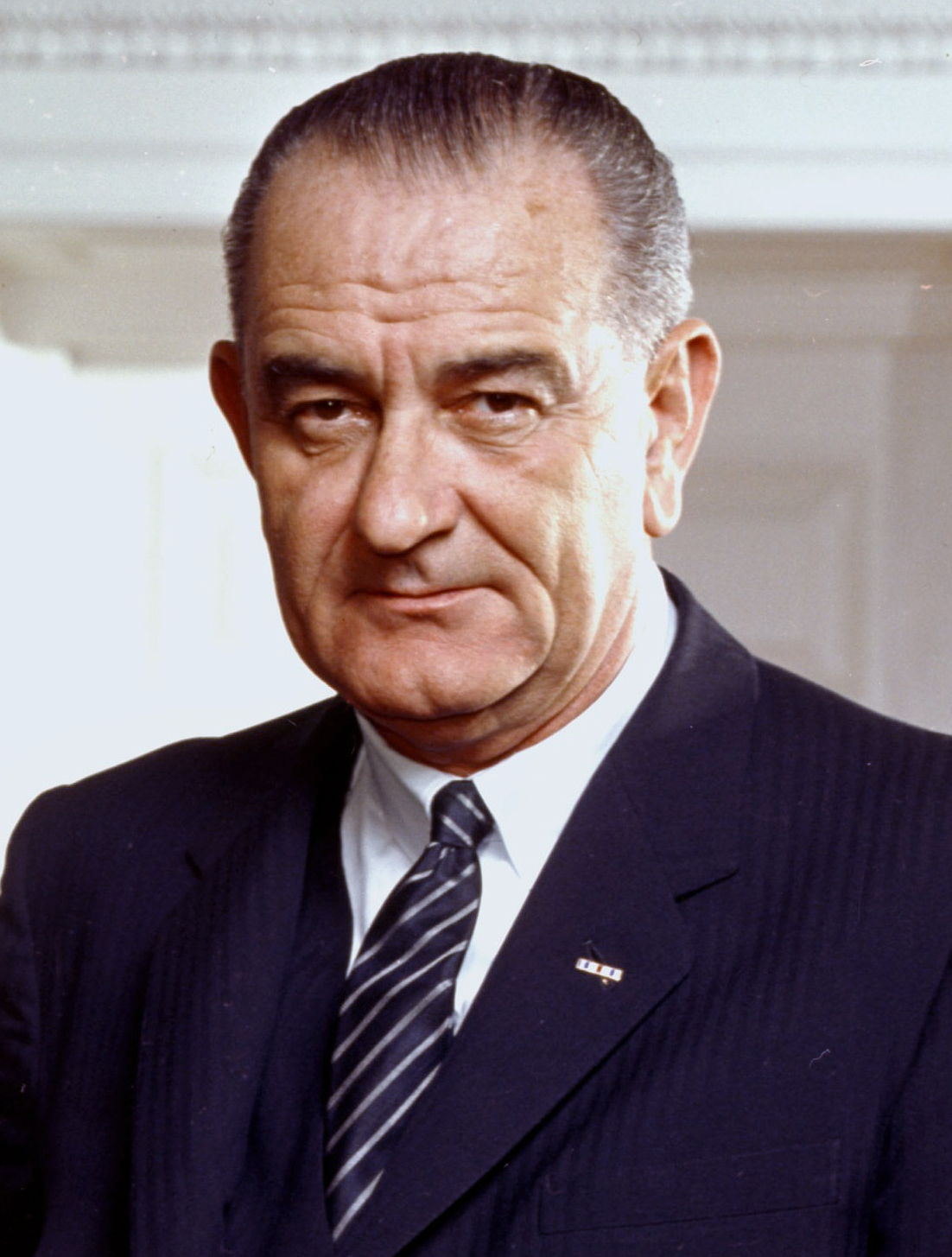
Lyndon B. Johnson
 (Lyndon Baines Johnson)
36th US President and legislative titan whose 'Great Society' domestic vision enacted Medicare, Medicaid, the Civil Rights Act of 1964, and the Voting Rights Act of 1965.
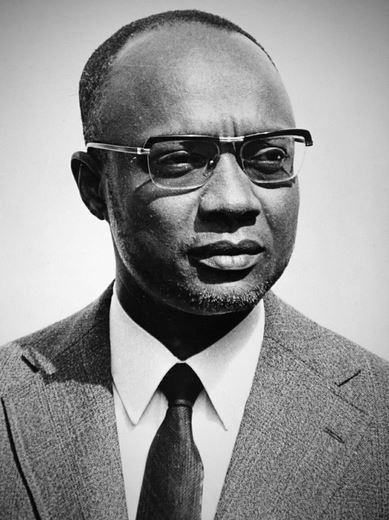
Amílcar Cabral (Amílcar Lopes da Costa Cabral)
Foremost intellectual strategist of African anti-colonialism whose liberation war fatally undermined the Portuguese Estado Novo dictatorship, precipitating the Carnation Revolution.
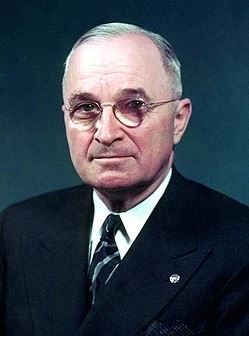
Harry S. Truman
(Harry S. Truman)
Forged the post-war Western security architecture, integrated the US armed forces racially, and contained Soviet expansion during the opening phase of the Cold War.
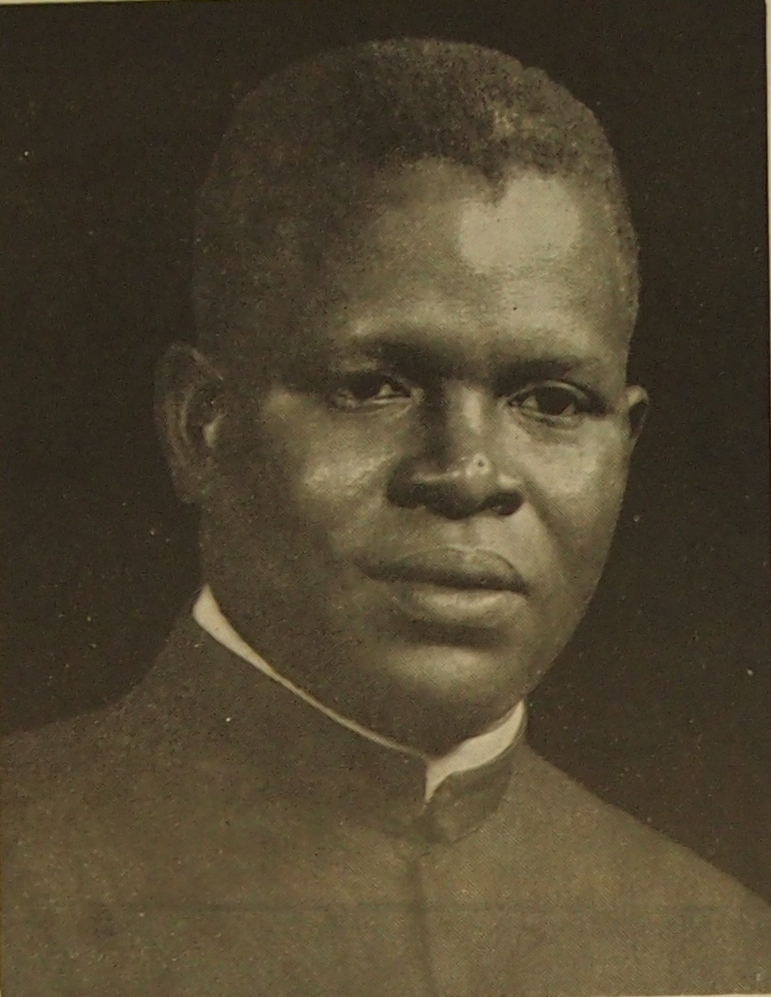
Fulbert Youlou
 (Fulbert Youlou)
First President of the Republic of the Congo (Brazzaville) known as 'Abbé Youlou', an ordained Roman Catholic priest who wore his soutane cassock in presidential office.
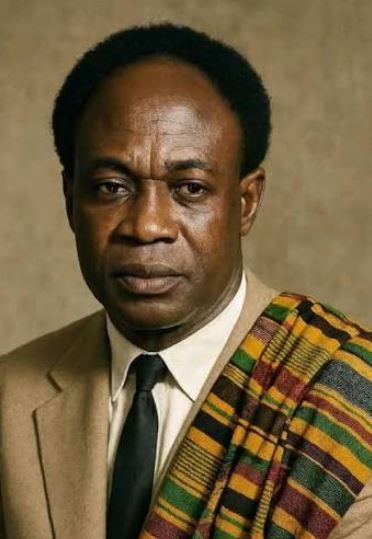
Kwame Nkrumah
 (Francis Nwia-Kofi Kwame Nkrumah)
Pioneer of modern Sub-Saharan African independence whose charismatic vision ignited the decolonization wave across the African continent.
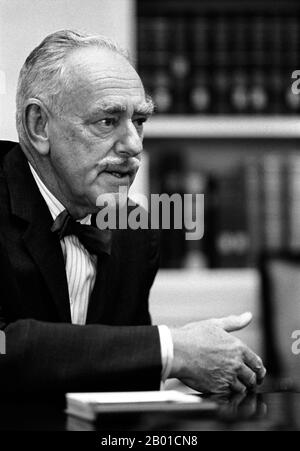
Dean Gooderham Acheson
(Dean Gooderham Acheson)
Truman's Secretary of State and chief architect of the Cold War order, who created the Marshall Plan, the Truman Doctrine, NATO, and authored Present at the Creation.
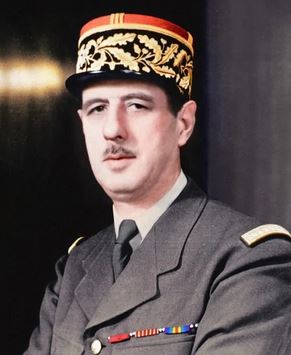
Charles de Gaulle
 (Charles de Gaulle)
Rescued French national sovereignty in 1940, established the enduring constitutional framework of the Fifth Republic, and championed national strategic independence.
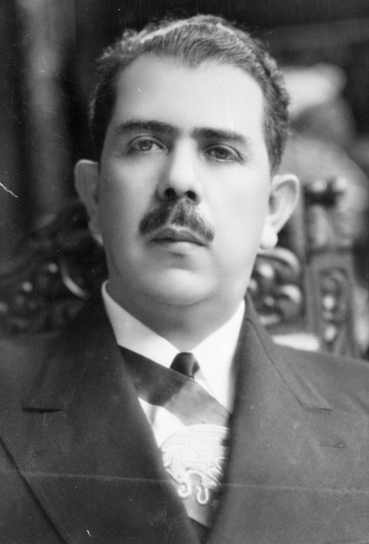
Lazaro Cardenas
 (Lazaro Cardenas del Rio)
President of Mexico (1934–1940) who fulfilled the promises of the Mexican Revolution by nationalizing the foreign-owned petroleum industry to create PEMEX, redistributing 45 million acres of land to peasant ejidos, and sheltering Spanish Civil War refugees.
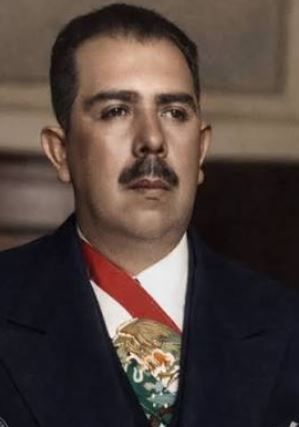
Lázaro Cárdenas
(Lázaro Cárdenas del Río)
Icon of Mexican national economic sovereignty and social justice; carried out the largest agrarian reform in Latin American history and nationalized vital mineral assets.
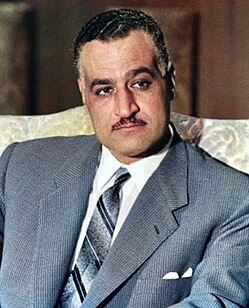
Gamal Abdel Nasser
 (جمال عبد الناصر حسين)
Defied European colonial empires during the 1956 Suez Crisis, transforming Egypt into a leader of anti-colonial liberation movements across Africa and the Arab world.