Public Figures & Cultural Luminaries
Filterable archive covering centuries of intellectual, artistic, and moral contributions to the human story.
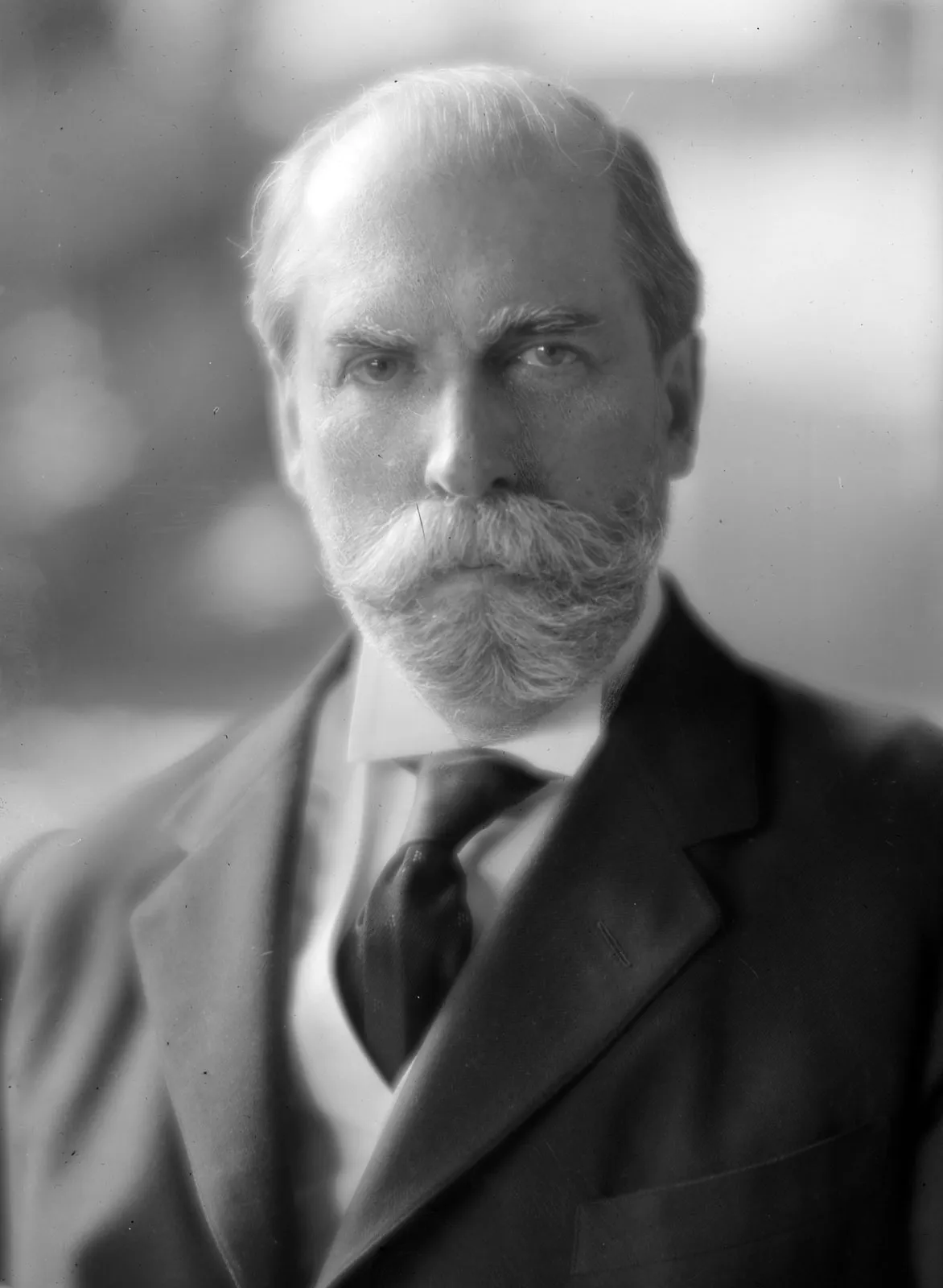
Charles Evans Hughes
 (Charles Evans Hughes)
11th Chief Justice of the United States, Governor of New York, Secretary of State, and 1916 Republican presidential nominee who led the Washington Naval Conference and resisted FDR's Court-packing plan.
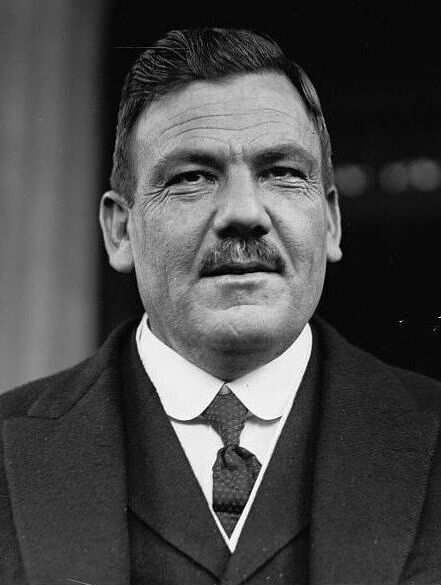
Plutarco Elias Calles
 (Plutarco Elías Calles)
President of Mexico who founded the Institutional Revolutionary Party (PRI) that ruled Mexico for seven decades, and whose fierce enforcement of anti-clerical laws provoked the Cristero War.
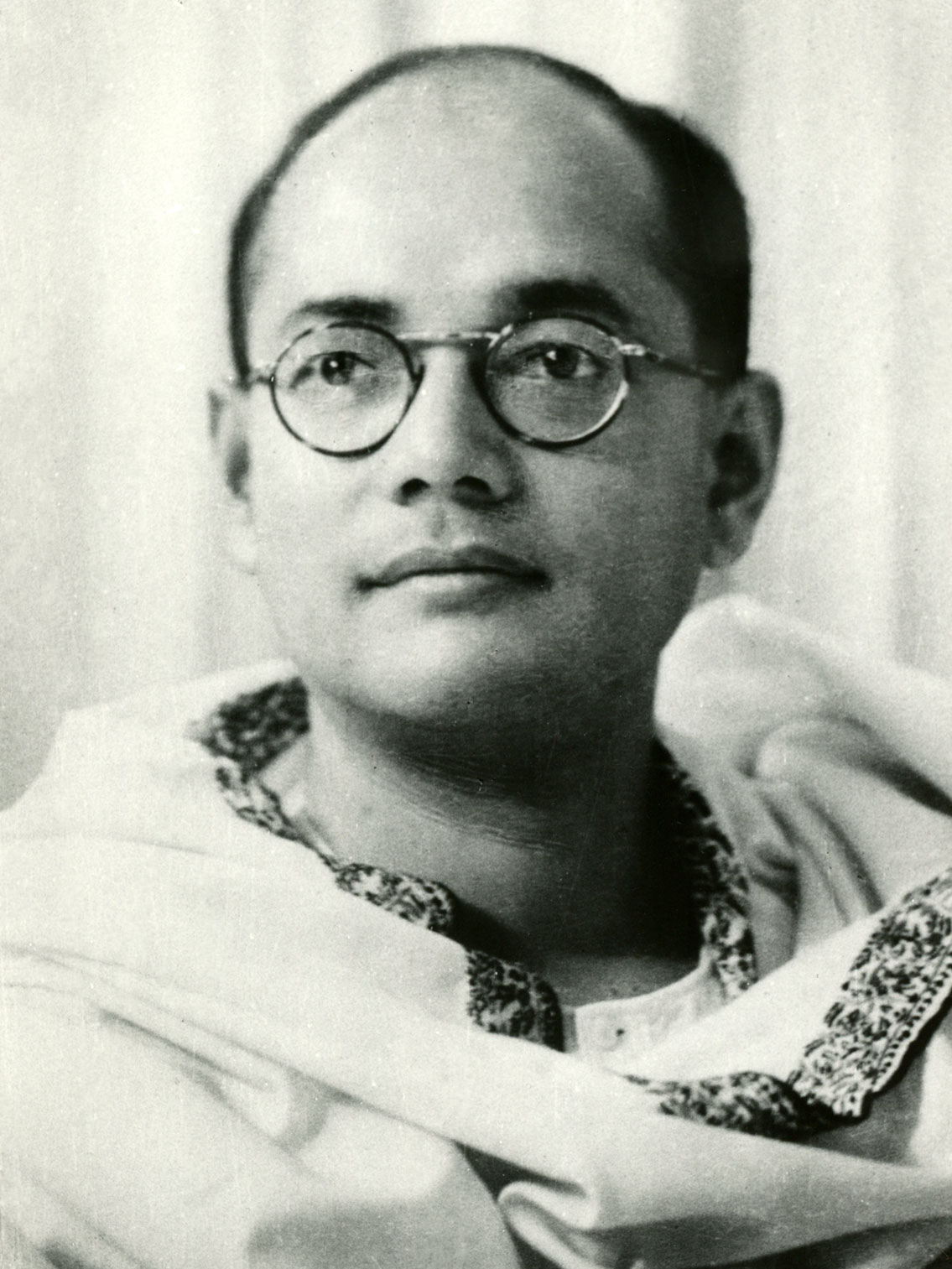
Subhas Chandra Bose
 (সুভাষচন্দ্র বসু (নেতাজি))
Revolutionary Indian nationalist leader revered as 'Netaji' (Respected Leader), who established the Indian National Army (INA) and proclaimed the Azad Hind Provisional Government with the battle cry 'Jai Hind!'.
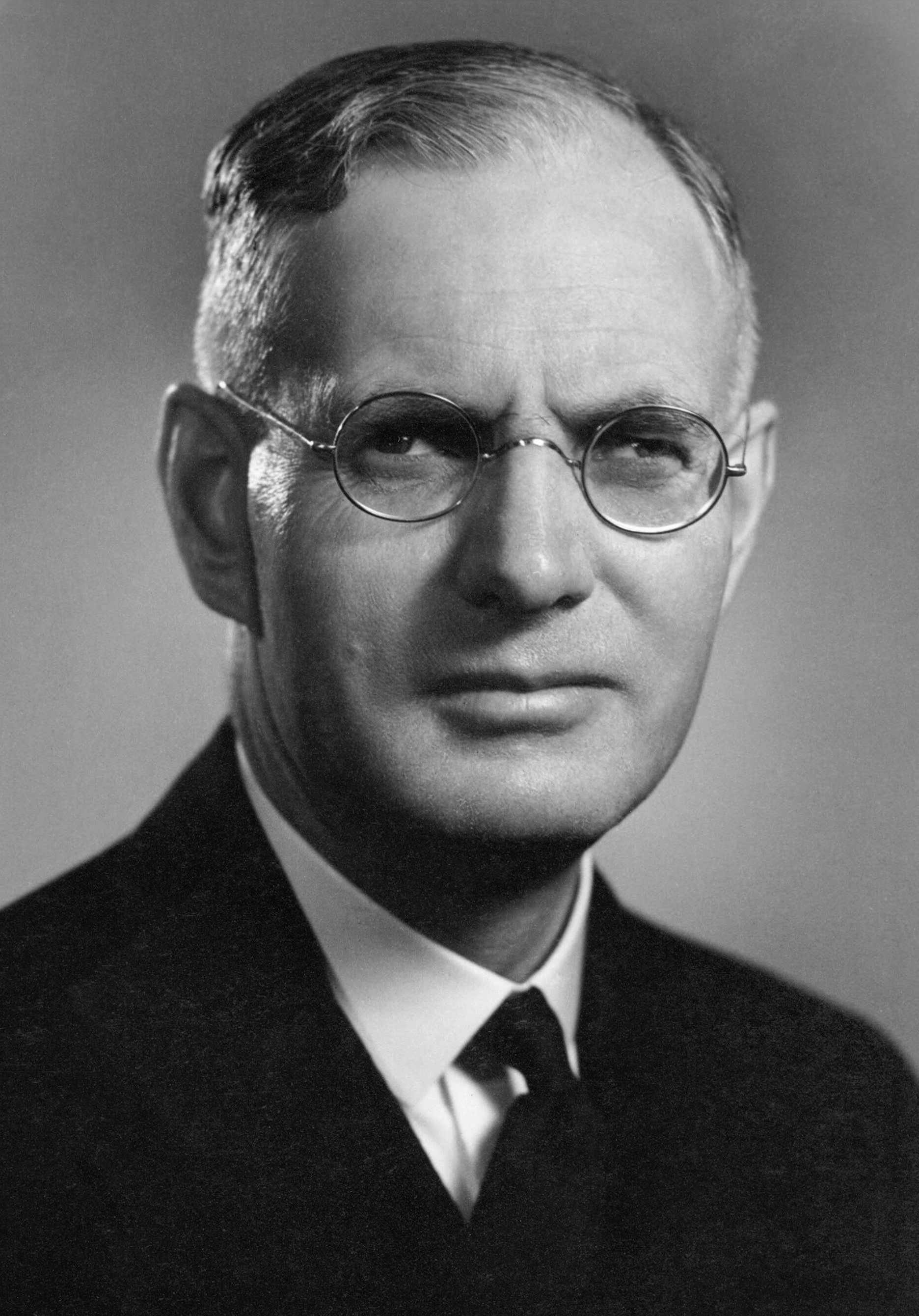
John Curtin
 (John Joseph Curtin)
Fourteenth Prime Minister of Australia (1941–1945) who successfully led Australia through the darkest perils of World War II, defied Winston Churchill to recall Australian troops to defend the homeland, and forged the historic alliance with the United States.
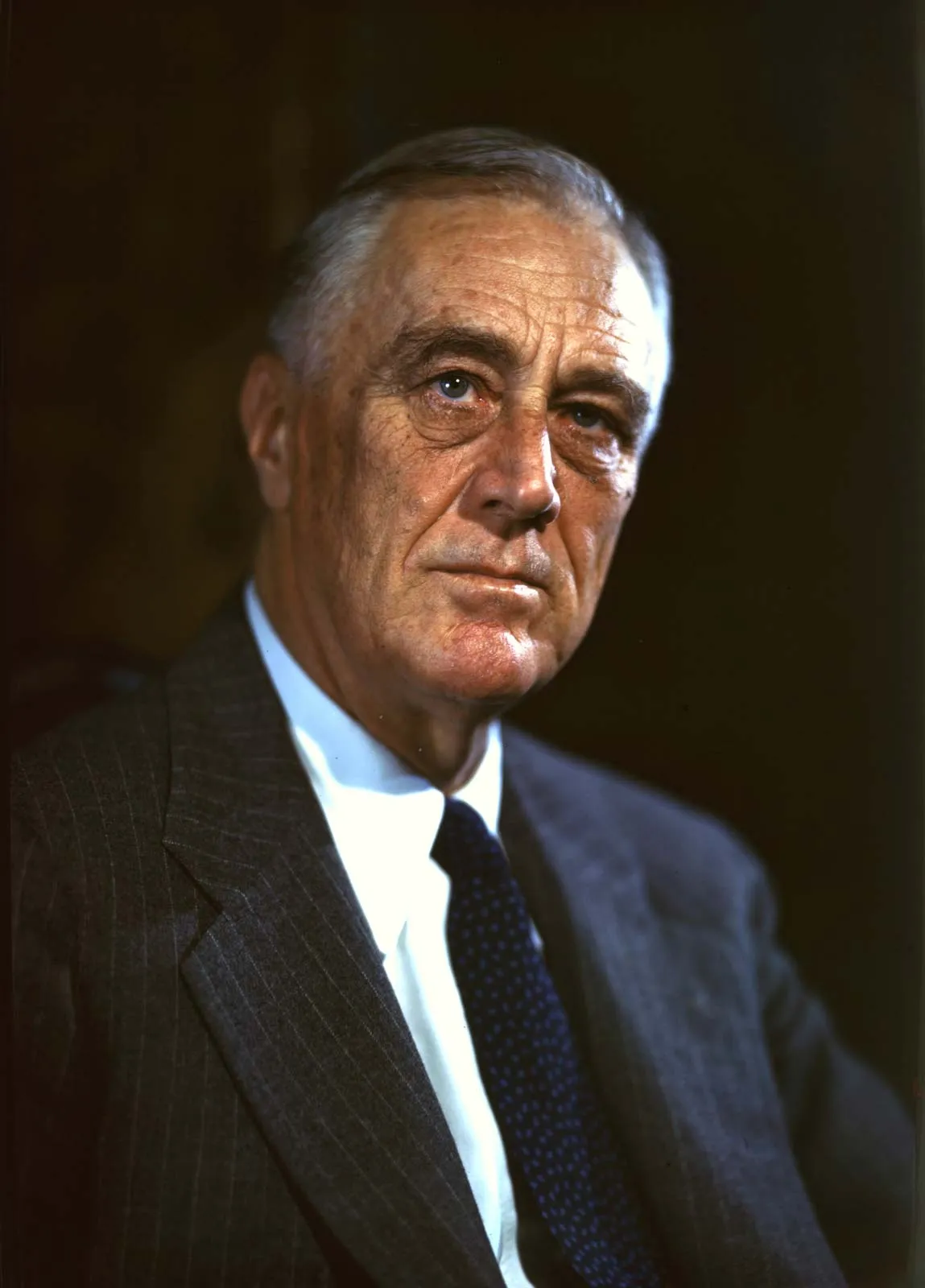
Franklin D. Roosevelt
(Franklin Delano Roosevelt)
Redefined American liberalism, built the modern social safety net, organized the Arsenal of Democracy to defeat fascism, and laid the foundations for the United Nations.
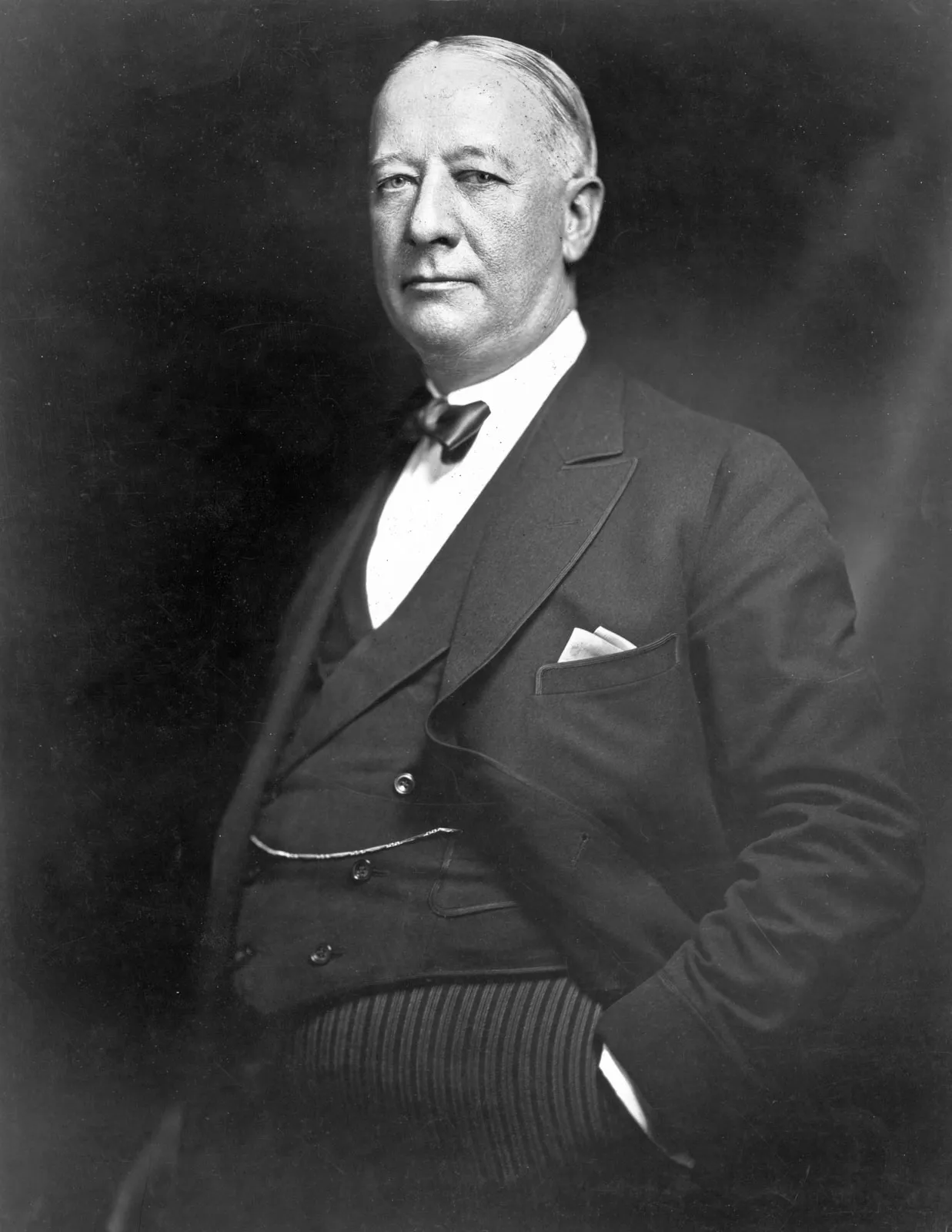
Al Smith
(Alfred Emanuel Smith)
Four-term Governor of New York, leader of Tammany Hall reform, and the first Roman Catholic major-party presidential nominee (1928) who built the Empire State Building.
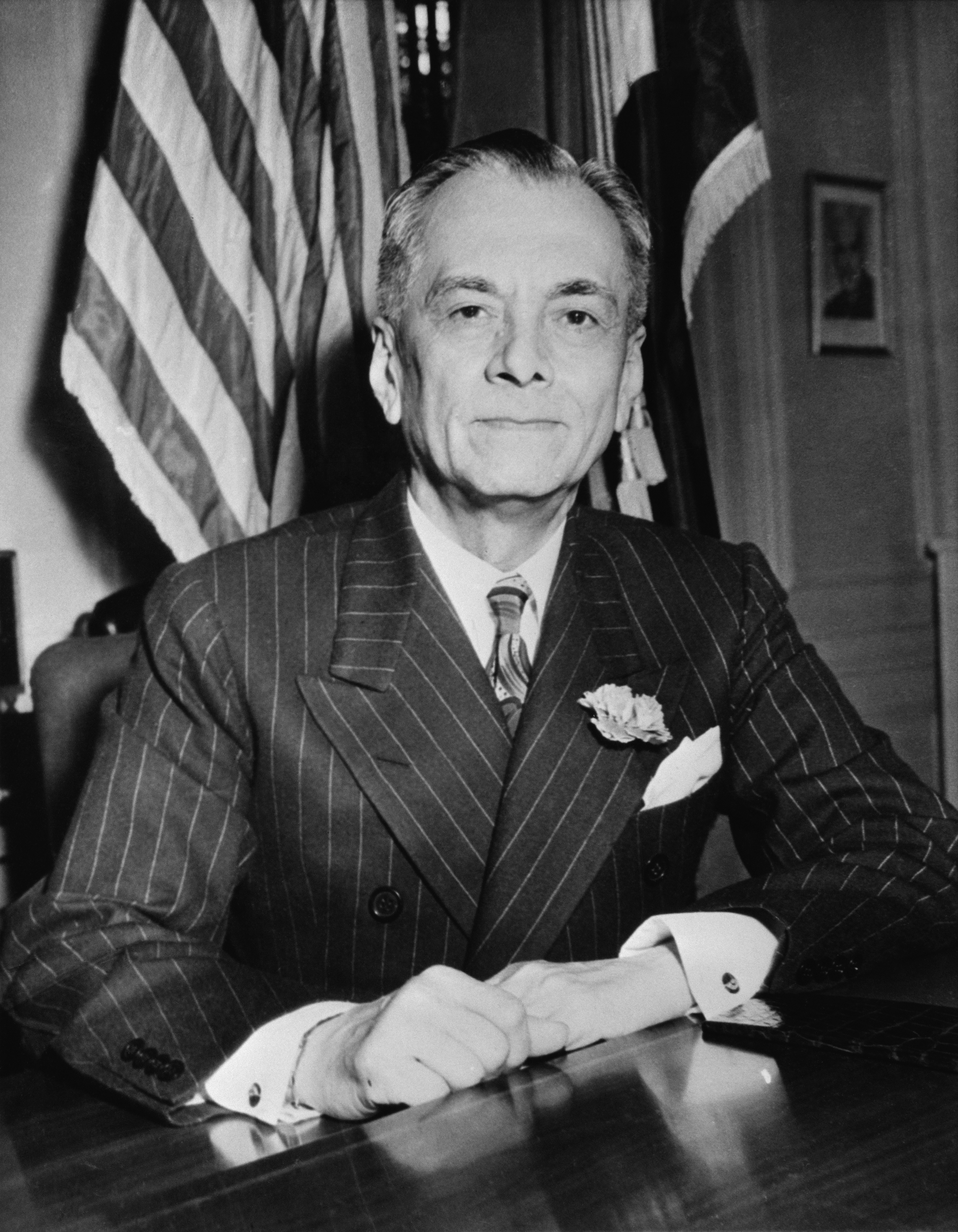
Manuel L. Quezon
 (Manuel Luis Quezón y Molina)
First President of the Commonwealth of the Philippines who championed the Tydings-McDuffie Act securing Philippine independence, created the national language (Filipino), and rescued over 1,200 European Jews.
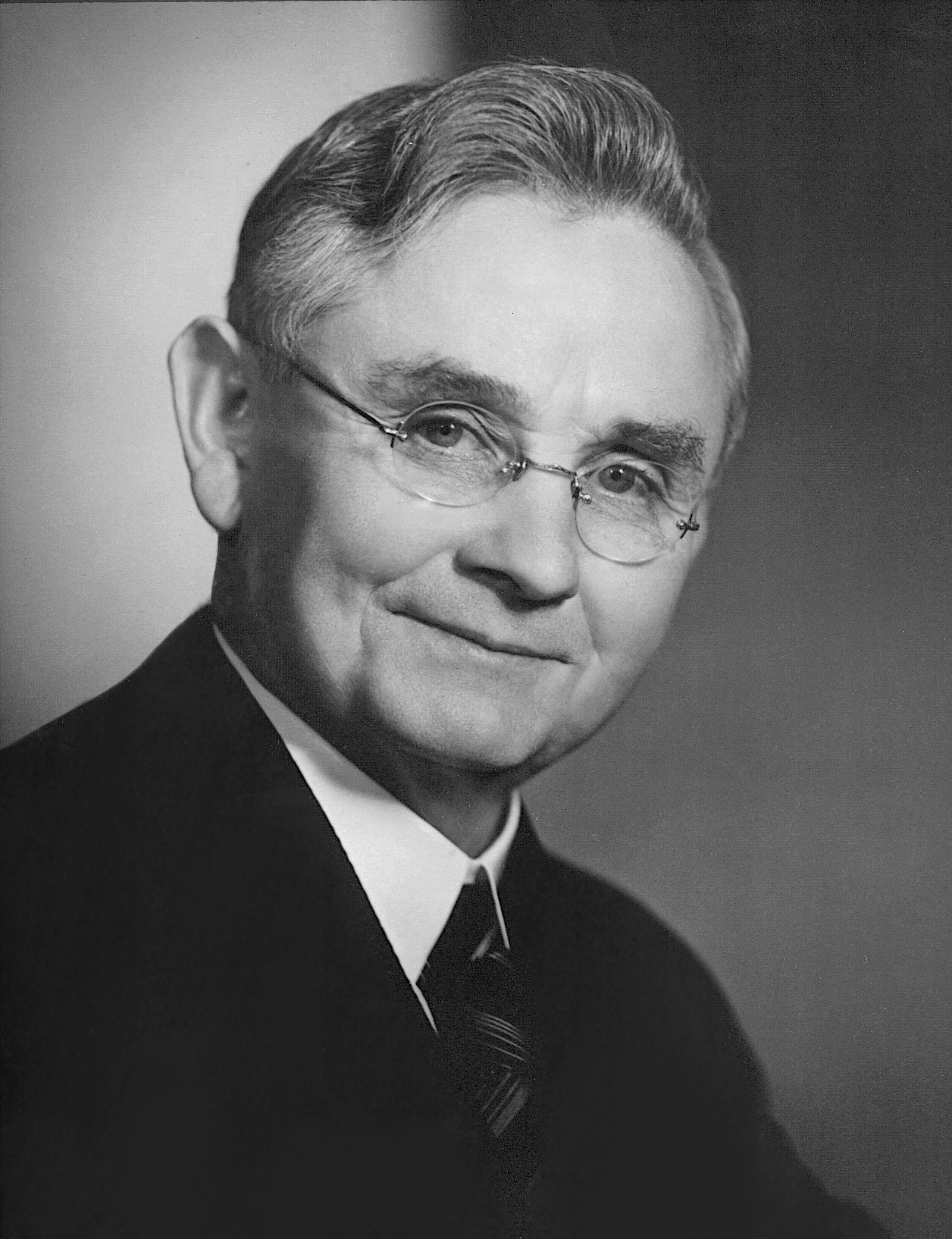
Michael Joseph Savage
(Michael Joseph Savage)
First Labour Prime Minister of New Zealand (1935–1940), universally revered as the 'Father of the Modern Welfare State' whose 1938 Social Security Act introduced the world's first universal, free healthcare and cradle-to-grave social security system.
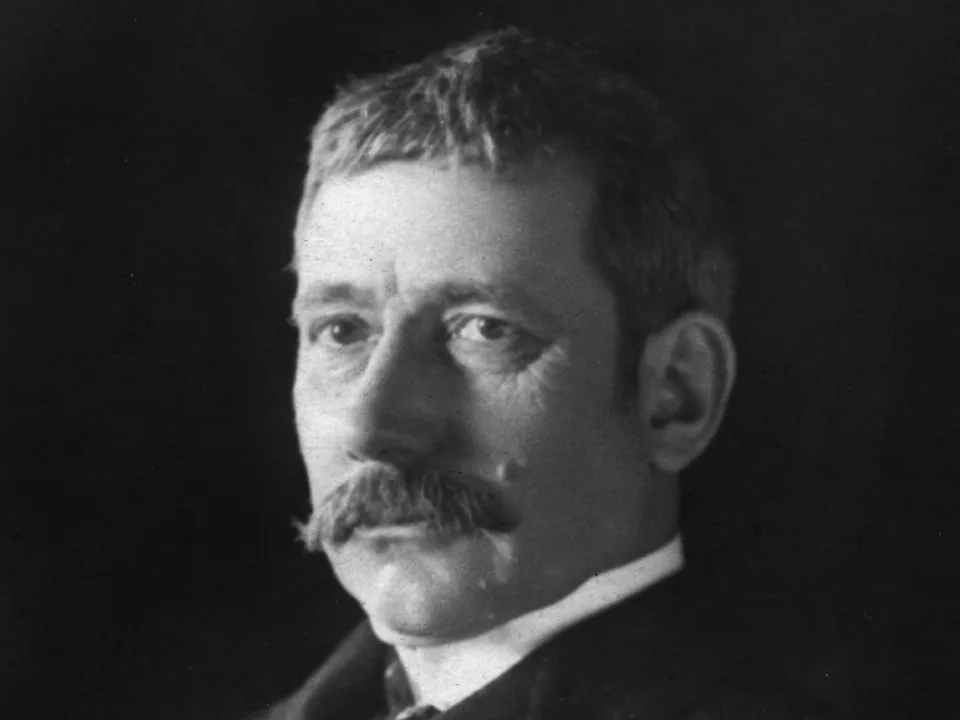
Elihu Root
(Elihu Root)
Secretary of War, Secretary of State, and 1912 Nobel Peace Prize laureate who modernized the US Army, designed territorial administrations, and co-founded the World Court.
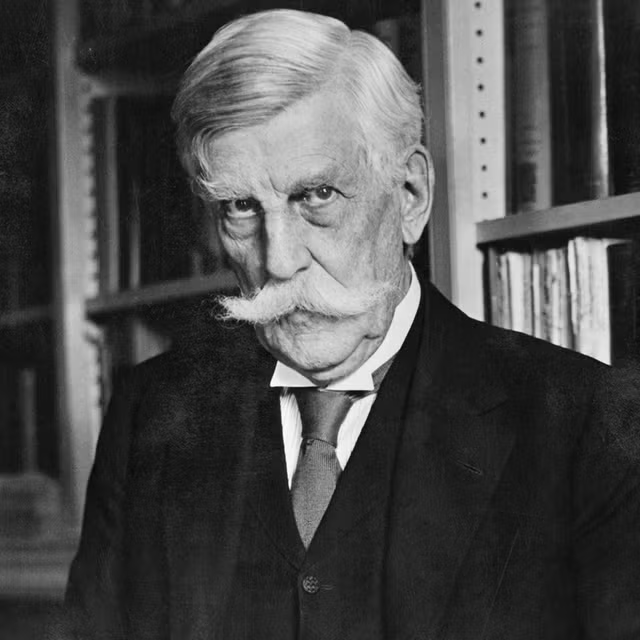
Oliver Wendell Holmes Jr.
(Oliver Wendell Holmes Jr.)
Supreme Court Justice known as 'The Great Dissenter' who formulated legal realism in The Common Law and defined the 'clear and present danger' test for free speech.
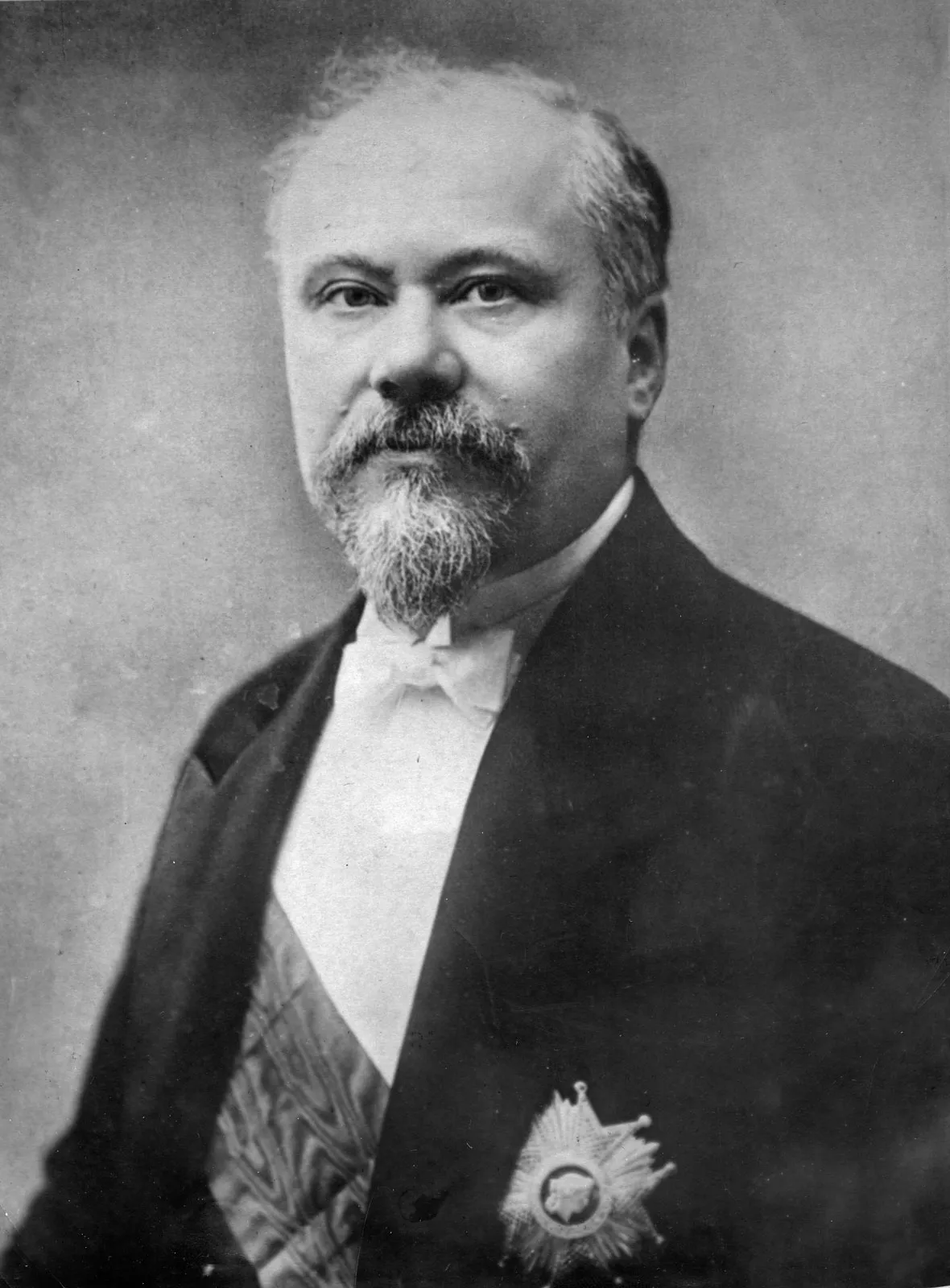
Raymond Poincaré
 (Raymond Nicolas Landry Poincaré)
President of France throughout World War I who formed the 'Union Sacrée' and served as five-time Prime Minister, stabilizing the currency as 'Poincaré the Franc'.
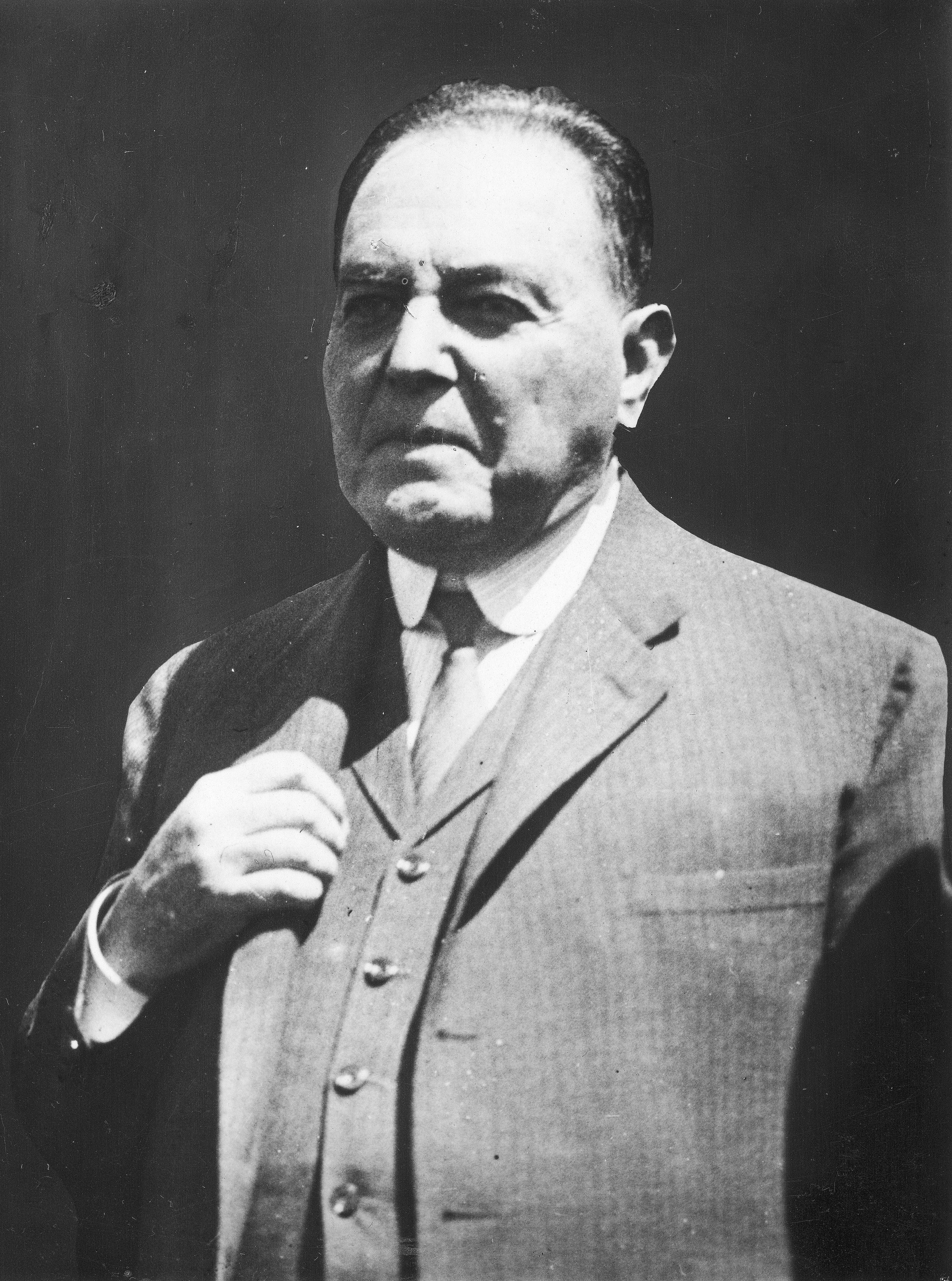
Hipolito Yrigoyen
 (Juan Hipólito del Sagrado Corazón de Jesús Yrigoyen)
Two-time President of Argentina and leader of the Radical Civic Union (UCR), who was the first president elected under universal male suffrage (Saenz Pena Law), founding YPF and universal social reform.
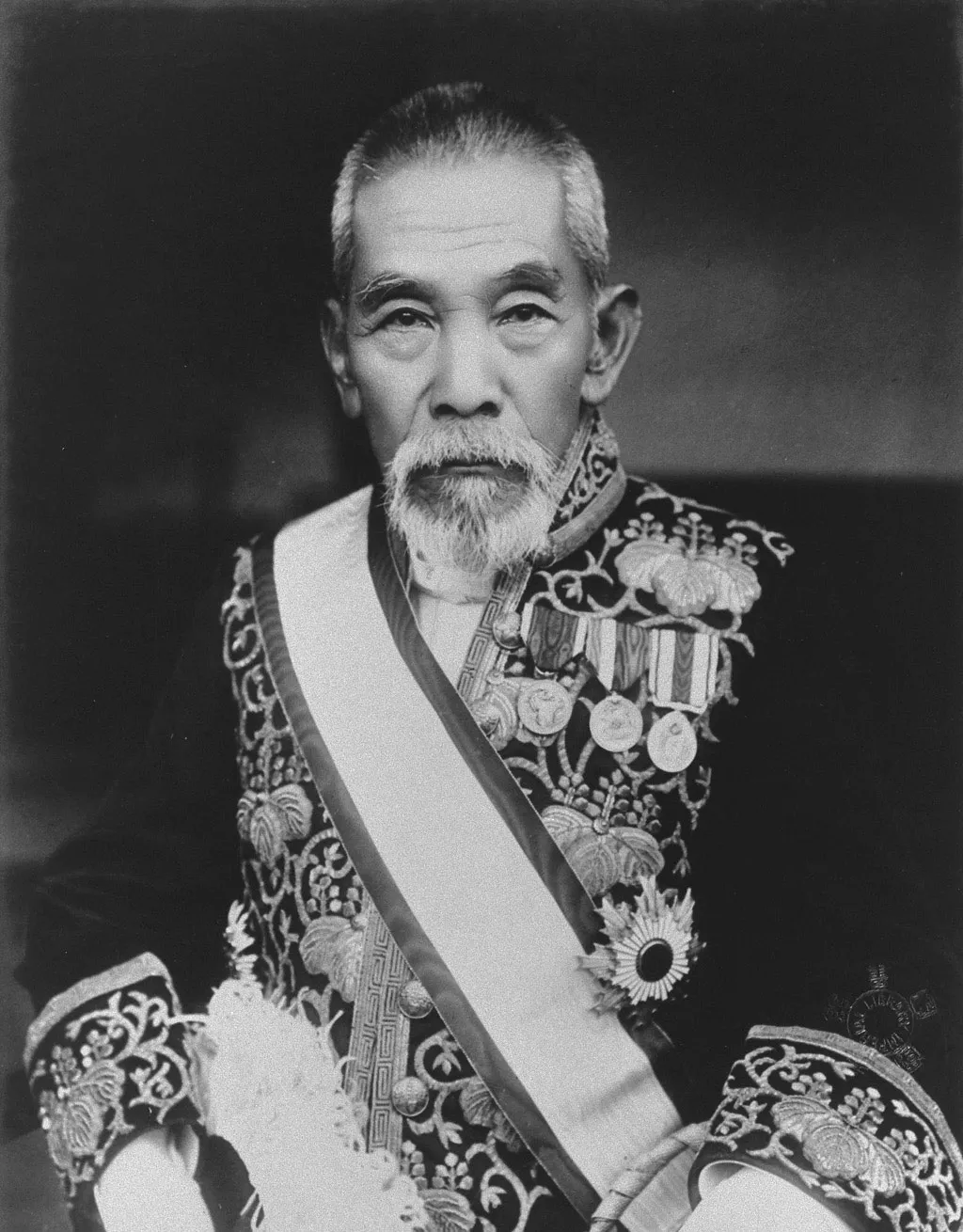
Inukai Tsuyoshi
 (犬養 毅)
Prime Minister of Japan and 'God of Constitutional Politics' whose murder by military extremists in the May 15 Incident ended pre-war Japanese party democracy.
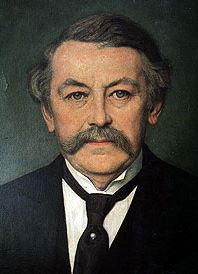
Aristide Briand
(Aristide Briand)
Awarded the 1926 Nobel Peace Prize; pioneer of European reconciliation and the visionary proposal for a European federal union in 1929.
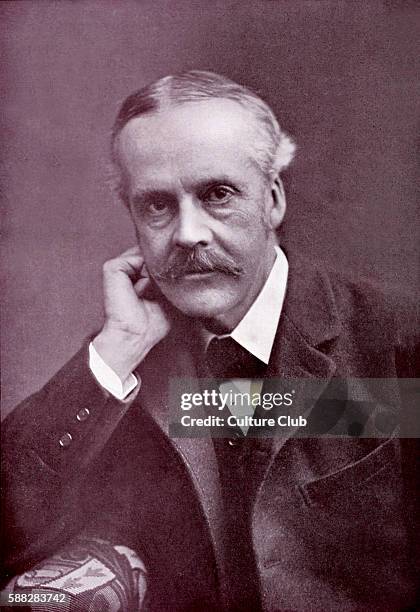
Arthur James Balfour, 1st Earl of Balfour
 (Arthur James Balfour)
British Prime Minister and Foreign Secretary whose 1917 Balfour Declaration supported a Jewish national home in Palestine, and whose 1926 report established the British Commonwealth.
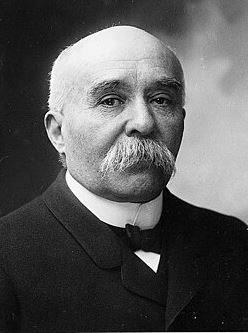
Georges Clemenceau
(Georges Benjamin Clemenceau)
Unbending wartime prime minister who restored national civilian and military resolve to achieve victory in World War I.
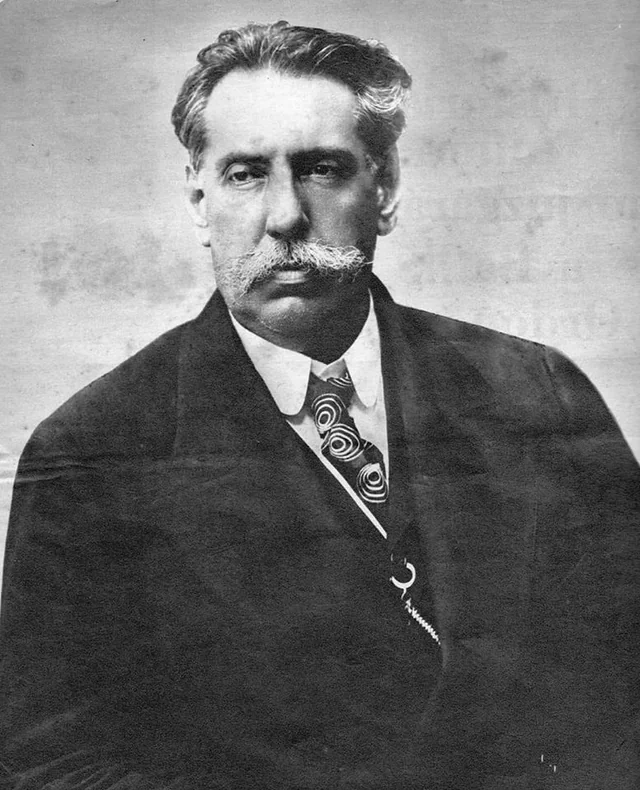
José Batlle y Ordóñez
 (José Pablo Torcuato Batlle y Ordóñez)
Two-term President of Uruguay whose visionary 'Batllismo' reforms created the first welfare state in the Americas, introducing eight-hour workdays and female suffrage.
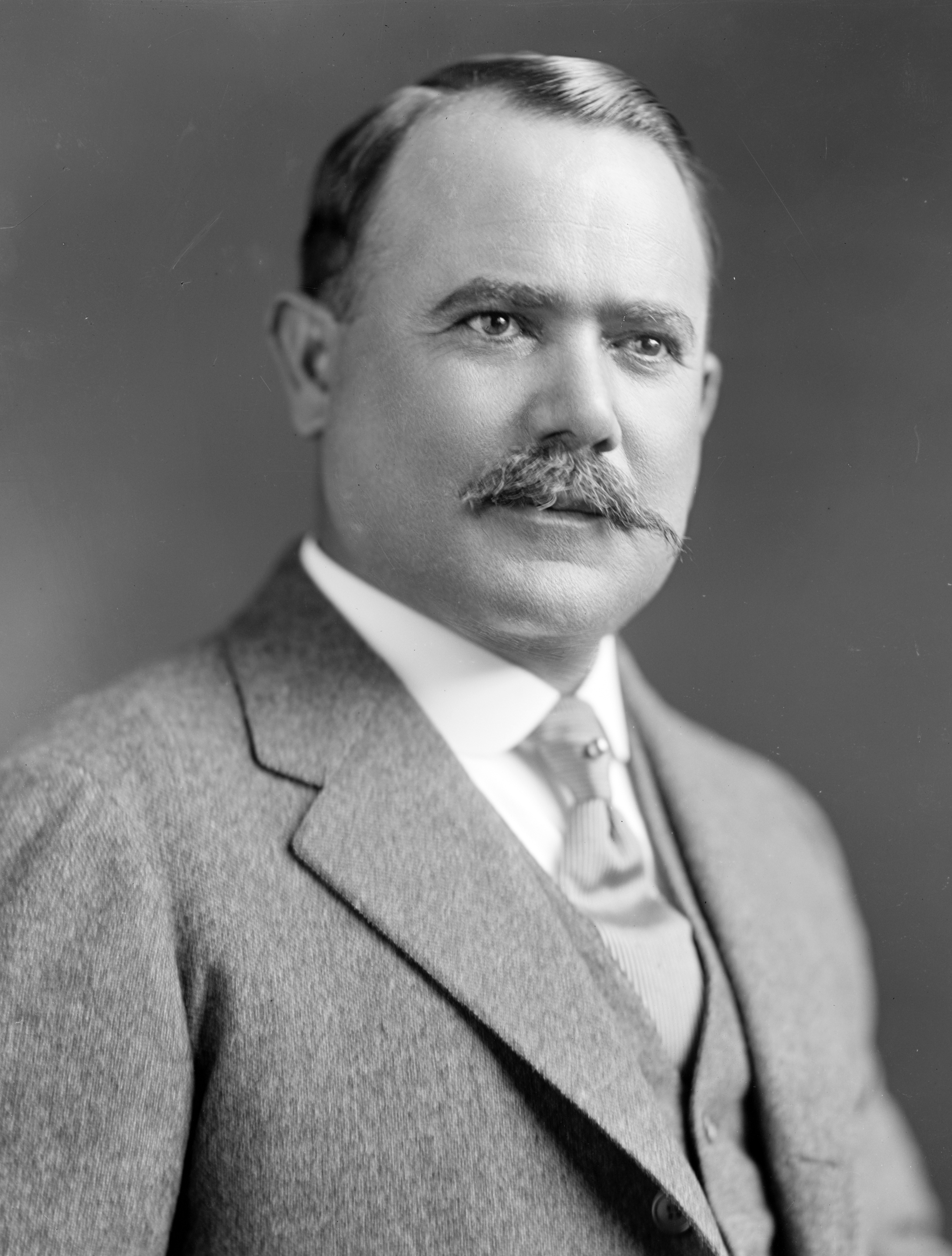
Alvaro Obregon
(Alvaro Obregon Salido)
Mexican general who never lost a single battle in the Mexican Revolution, defeated Pancho Villa at the Battle of Celaya, and served as President of Mexico (1920–1924), stabilizing the nation and launching mass rural public education under Jose Vasconcelos.