Public Figures & Cultural Luminaries
Filterable archive covering centuries of intellectual, artistic, and moral contributions to the human story.
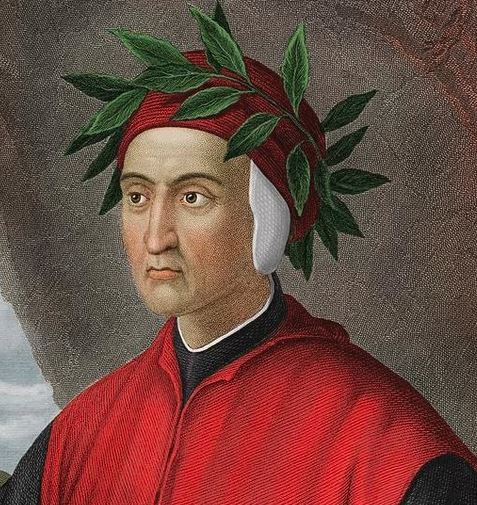
Durante di Alighiero degli Alighieri (Dante)
 (Dante Alighieri)
Supreme Italian poet whose epic masterpiece, the Divine Comedy (Inferno, Purgatorio, Paradiso), created the modern Italian language and stands as the greatest literary synthesis of the medieval Christian worldview.
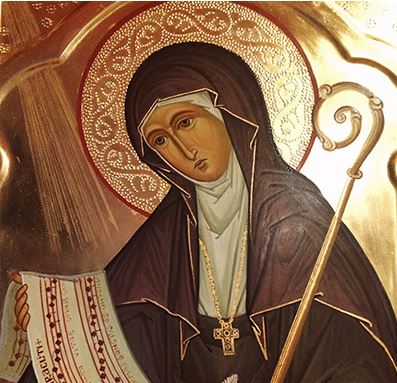
Saint Hildegard of Bingen
 (Hildegard von Bingen)
Benedictine abbess, mystic, polymath, and composer whose luminous liturgical chants in Symphonia armoniae celestium revelationum and allegorical morality play Ordo Virtutum mark the summit of medieval sacred music.
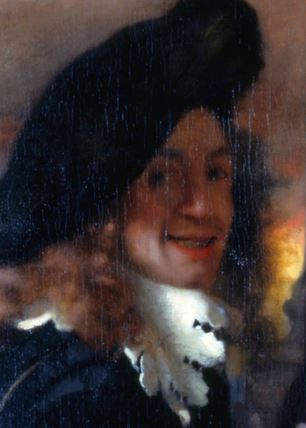
Johannes Vermeer
 (Johannes Vermeer)
Dutch Golden Age painter of Delft celebrated for his luminous quietude, optical precision with the camera obscura, and intimate domestic scenes—including Girl with a Pearl Earring and The Milkmaid.
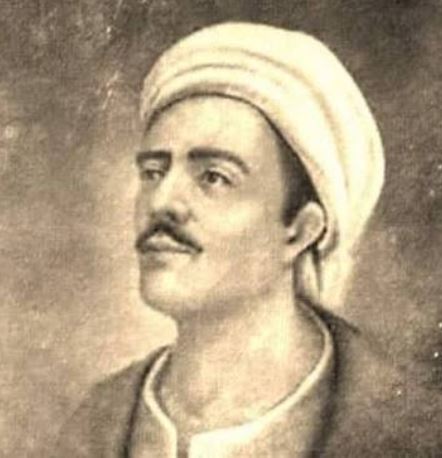
Yunus Emre
 (Yunus Emre)
Legendary 13th-century Anatolian Sufi poet whose heartfelt, accessible Old Anatolian Turkish verses championed universal human brotherhood, divine love, and humility, shaping Turkish national culture.
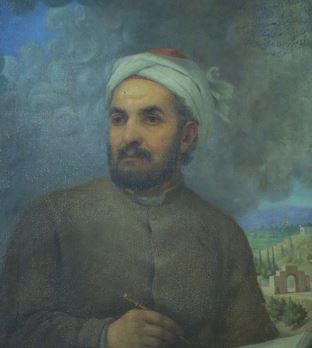
Khwaja Shams al-Din Muhammad Hafez Shirazi
 (خواجه شمسالدین محمد حافظ شیرازی)
The undisputed supreme master of the Persian ghazal, whose Divan weaves mystical ecstasy, spiritual yearning, critique of hypocrisy, and sensual beauty into the most beloved poetry in the Persian-speaking world.
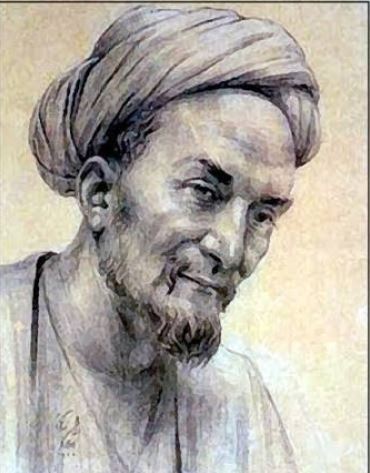
Abu Muhammad Muslih al-Din bin Abdallah Shirazi (Saadi)
(ابومحمد مصلحالدین بن عبدالله شیرازی (سعدی))
Supreme master of classical Persian eloquence and ethical humanism, whose masterpieces the Gulistan (The Rose Garden) and Bustan (The Orchard) celebrate universal compassion, with his famous poem 'Bani Adam' adorning the United Nations.
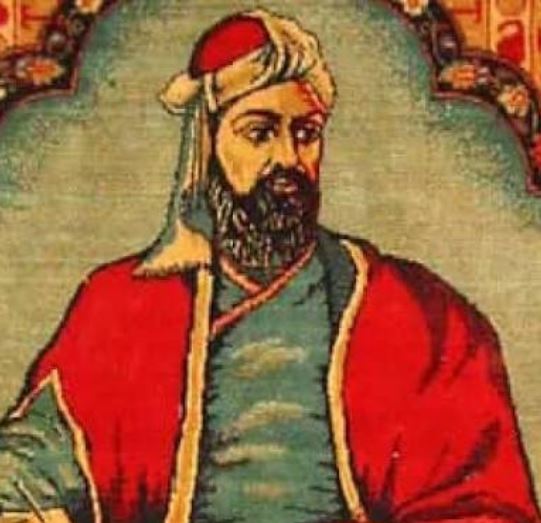
Jamal al-Din Abu Muhammad Ilyas ibn Yusuf (Nizami Ganjavi) (نظامی گنجوی)
Great 12th-century Persian romantic poet whose monumental quintet of epics, the Khamsa (including Layla and Majnun, Khosrow and Shirin, and Haft Paykar), established the highest standard for narrative romance in Eastern literature.
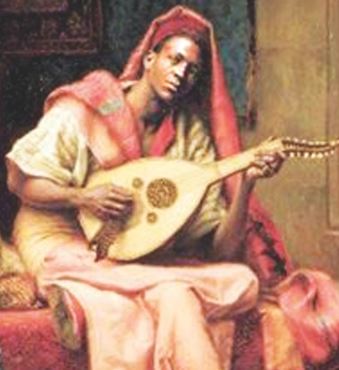
Abu al-Hasan 'Ali ibn Nafi' (Ziryab)
 (أبو الحسن علي بن نافع (زرياب))
Legendary 9th-century musician and polymath who introduced the fifth string to the oud, founded the world's first music conservatory in Córdoba, created the Andalusian musical tradition (Nawbah), and transformed European courtly culture.
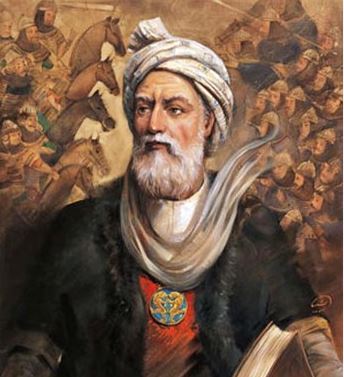
Hakim Abu al-Qasim Ferdowsi Tusi
(ابوالقاسم فردوسی طوسی)
Magnificent Persian epic poet who dedicated thirty-three years to writing the Shahnameh (Book of Kings)—humanity's longest epic poem by a single author—rescuing the Persian language and mythological heritage from extinction.
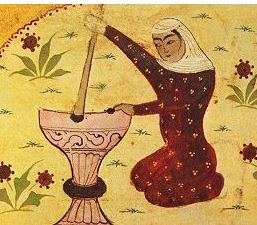
Rabi'a al-'Adawiyya al-Qaysiyya
(رابعة العدوية)
8th-century Muslim mystic and poetess of Basra who pioneered the doctrine of pure, disinterested Divine Love (*Mahabbah*), loving God neither from fear of Hell nor desire for Paradise, but purely for His Divine Beauty.
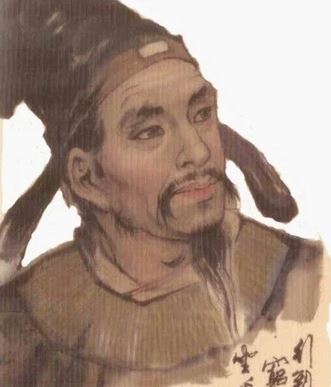
Wang Wei
 (王維)
(王維)
Great Tang polymath celebrated as the 'Poet-Buddha' whose serene Chan (Zen) Buddhist landscape poetry and pioneering monochrome ink-wash paintings caused Su Shi to declare: 'There is painting in his poetry, and poetry in his painting.'
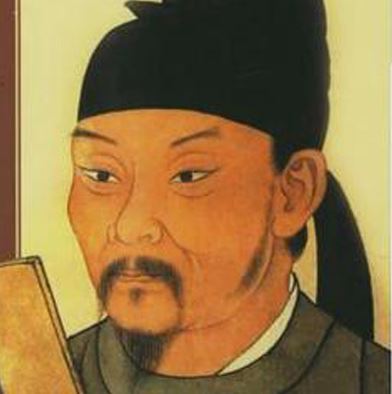
Du Fu (Tu Fu)
(杜甫)
Revered alongside Li Bai as one of China's twin poetic summits, celebrated as the 'Poet-Sage' whose profound social realism, compassionate humanitarianism, and formal mastery chronicled the devastation of the An Lushan Rebellion.
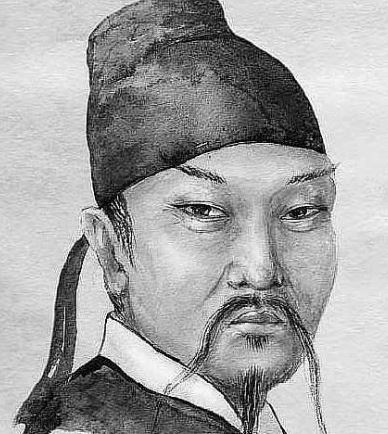
Li Bai (Li Po)
(李白)
Supreme lyric poet of China's Golden Tang Dynasty, revered as the 'Poet Immortal' (Shixian), whose luminous verses on wine, the moon, friendship, and untamed nature defined Chinese poetic consciousness.
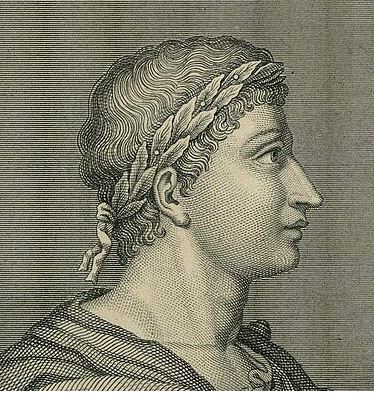
Publius Ovidius Naso
(Publius Ovidius Naso)
Brilliant Roman poet whose 15-book epic Metamorphoses provided the definitive mythological handbook for Renaissance painting, sculpture, and European literature, despite his tragic exile by Augustus.
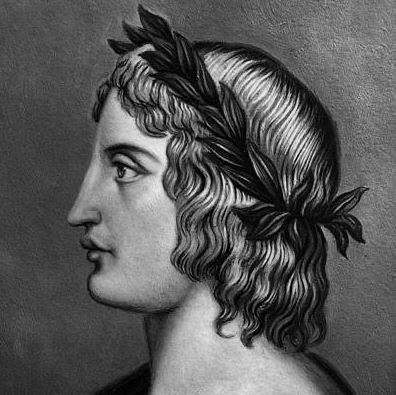
Publius Vergilius Maro
(Publius Vergilius Maro)
Foremost Roman poet of classical antiquity whose national epic, the Aeneid, celebrated Rome's mythical Trojan origin and moral destiny with unmatched melancholic elegance and linguistic perfection.
Praxiteles
 (Πραξιτέλης)
Celebrated 4th-century BCE Athenian sculptor who introduced sensual grace, naturalism, and the revolutionary Praxitelean S-curve into Greek marble sculpture, creating the renowned Aphrodite of Knidos.
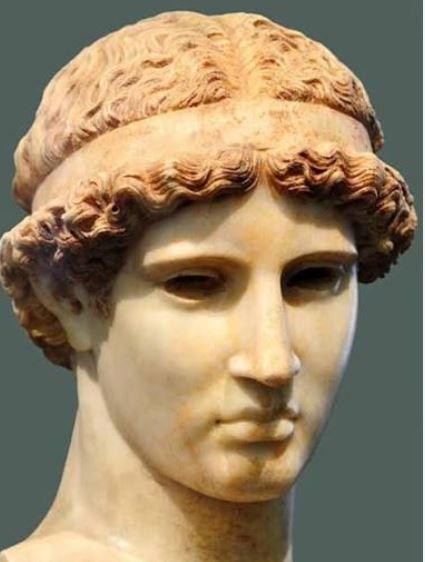
Phidias
(Φειδίας)
Supreme Greek sculptor of the Golden Age of Athens, artistic overseer of the Parthenon, creator of the colossal Athena Parthenos and the Statue of Zeus at Olympia (one of the Seven Wonders of the Ancient World).
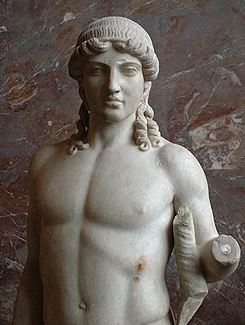
Polykleitos of Argos
(Πολύκλειτος)
Classical Greek sculptor and bronze master who formulated the Canon—the mathematical system of ideal human anatomical proportions—and created the iconic Doryphoros (Spear-Bearer).