 Ireland
•
3 views
Ireland
•
3 views
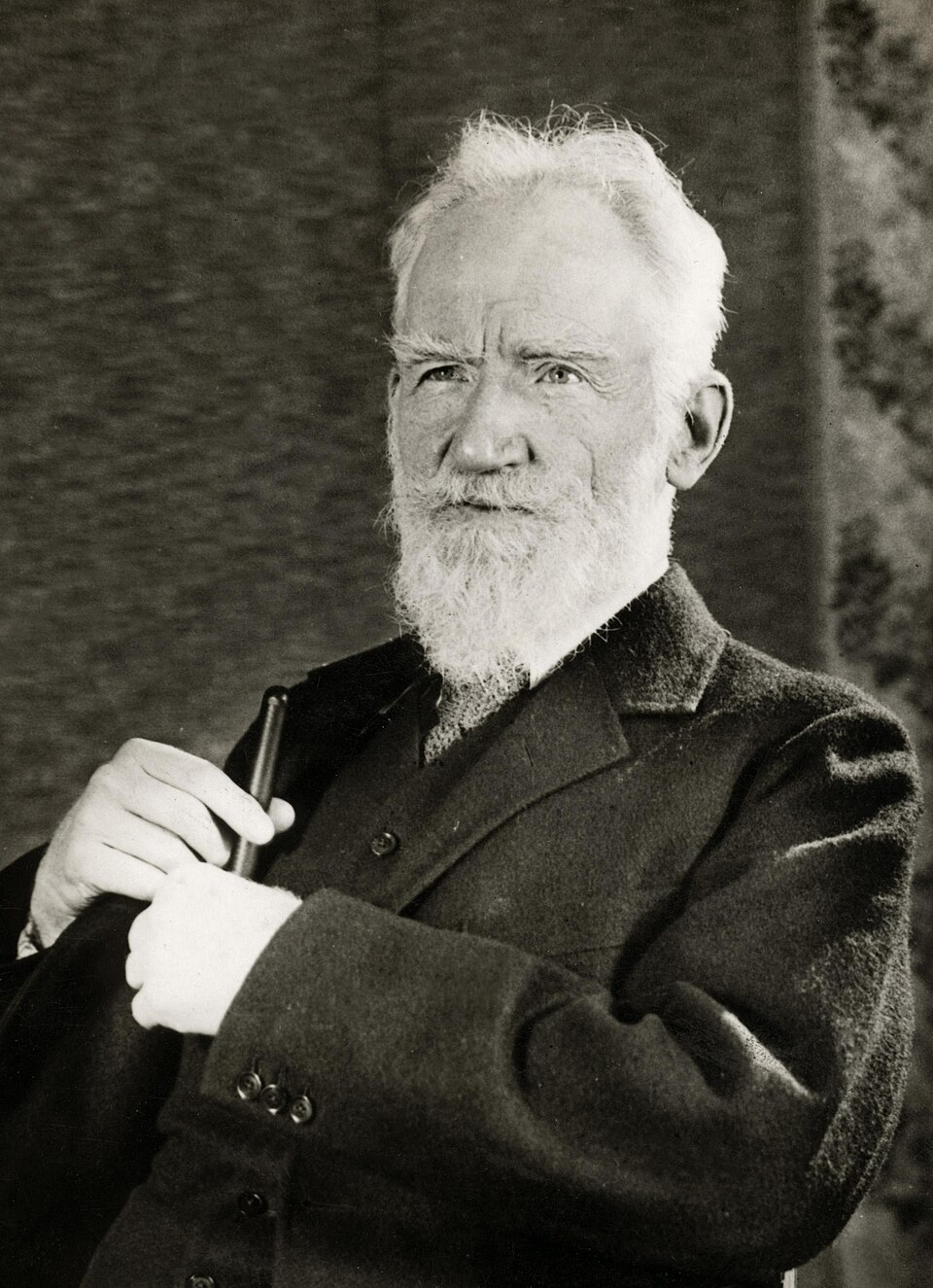
George Bernard Shaw

Dublin, Ireland
Archival Overview
Irish playwright, critic, socialist, and 1925 Nobel laureate who transformed English theater with biting satirical wit in Pygmalion, Saint Joan, and Man and Superman.
Biographical Record
George Bernard Shaw (1856–1950) was an Irish playwright, critic, polemicist, and socialist who became the most formidable theatrical voice in the English language since Shakespeare. Born in Dublin, he moved to London in 1876, establishing himself as an incisive music, art, and drama critic while becoming a founding leader of the Fabian Society alongside Sidney and Beatrice Webb.
Championing Henrik Ibsen's realism against Victorian melodrama, Shaw authored over sixty plays addressing class, prostitution, militarism, religion, and feminism. Highlights include Arms and the Man, Major Barbara, Man and Superman, Pygmalion (adapted into My Fair Lady), and Saint Joan. Awarded the Nobel Prize in Literature in 1925 and an Academy Award in 1938, he remains the only person to win both honors.
Key Life Milestones
Pygmalion Premiered
Premiered Pygmalion in Vienna and London, brilliantly dramatizing phonetician Henry Higgins and flower girl Eliza Doolittle.
Nobel Prize in Literature
Awarded the Nobel Prize in Literature for his work marked by idealism and humanity, stimulating satire and poetic beauty.
Memorial Guestbook & Tributes
0 messages recordedLeave a Respectful Tribute
Final Resting Place
Perpetual MemorialAyot St Lawrence, United Kingdom