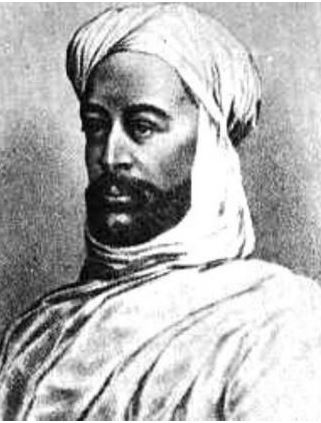
Al-Mahdi ibn Tumart
Masmuda Berber religious reformer who studied in Baghdad under Al-Ghazali, proclaimed himself the Mahdi, authored the theology of Tawhid (Divine Unity), and founded the Almohad revolution in Tinmel.
Start typing to search worldwide archives and community tributes
Filterable archive covering centuries of intellectual, artistic, and moral contributions to the human story.
Masmuda Berber religious reformer who studied in Baghdad under Al-Ghazali, proclaimed himself the Mahdi, authored the theology of Tawhid (Divine Unity), and founded the Almohad revolution in Tinmel.
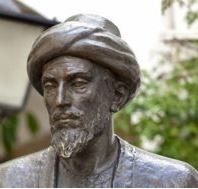
Andalusian Jewish philosopher and dayyan (rabbinic judge) who authored 'Duties of the Heart' (Al-Hidayah ila Fara'id al-Qulub), the foundational classic of Jewish ethics.
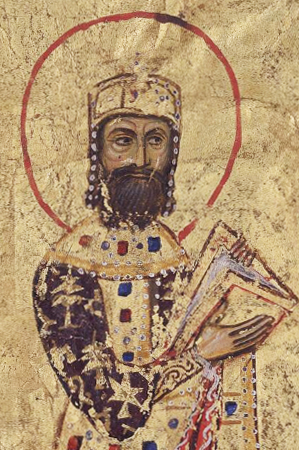
Byzantine Emperor who founded the Komnenian dynasty, rescued the empire from near-collapse, and whose appeal to Rome sparked the First Crusade.
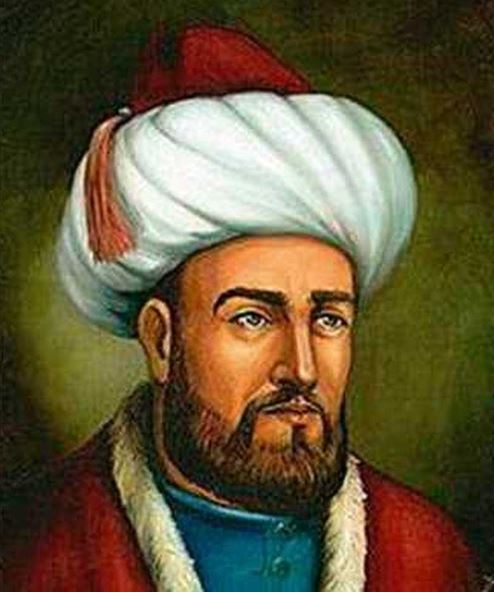
Pivotal Islamic thinker celebrated as "Proof of Islam" (Hujjat al-Islam). Revitalized religious sciences by synthesizing orthodox jurisprudence, theology, and Sufi mysticism in his masterpiece Ihya Ulum al-Din.
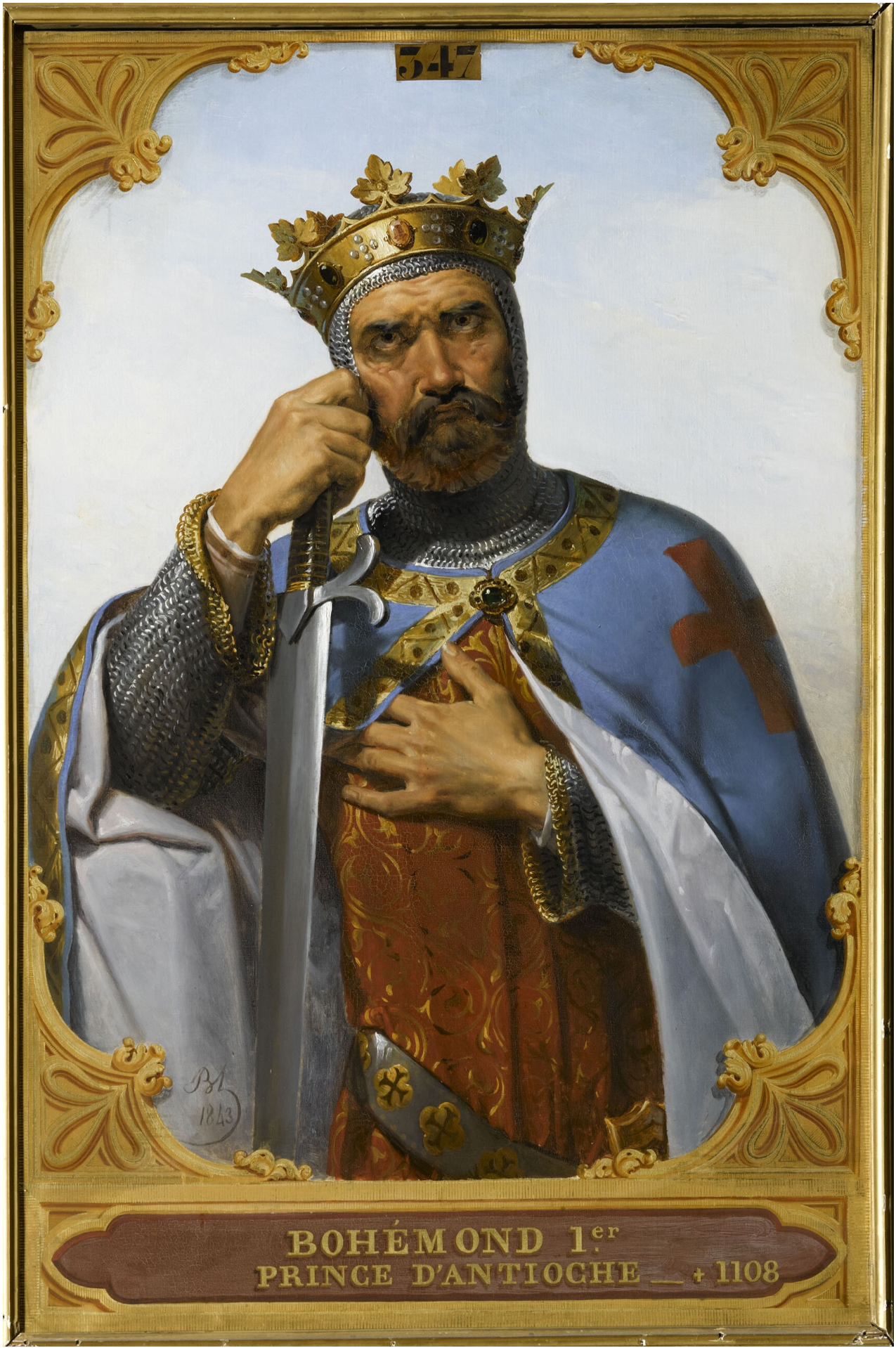
Norman prince and supreme military strategist of the First Crusade who captured Antioch through bribery and routed Kerbogha's relief army to found the Principality of Antioch.
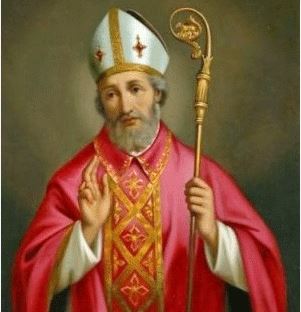
Archbishop of Canterbury and founder of scholasticism famous for formulating the Ontological Argument for God's existence and the motto "Faith seeking understanding" (Fides quaerens intellectum).
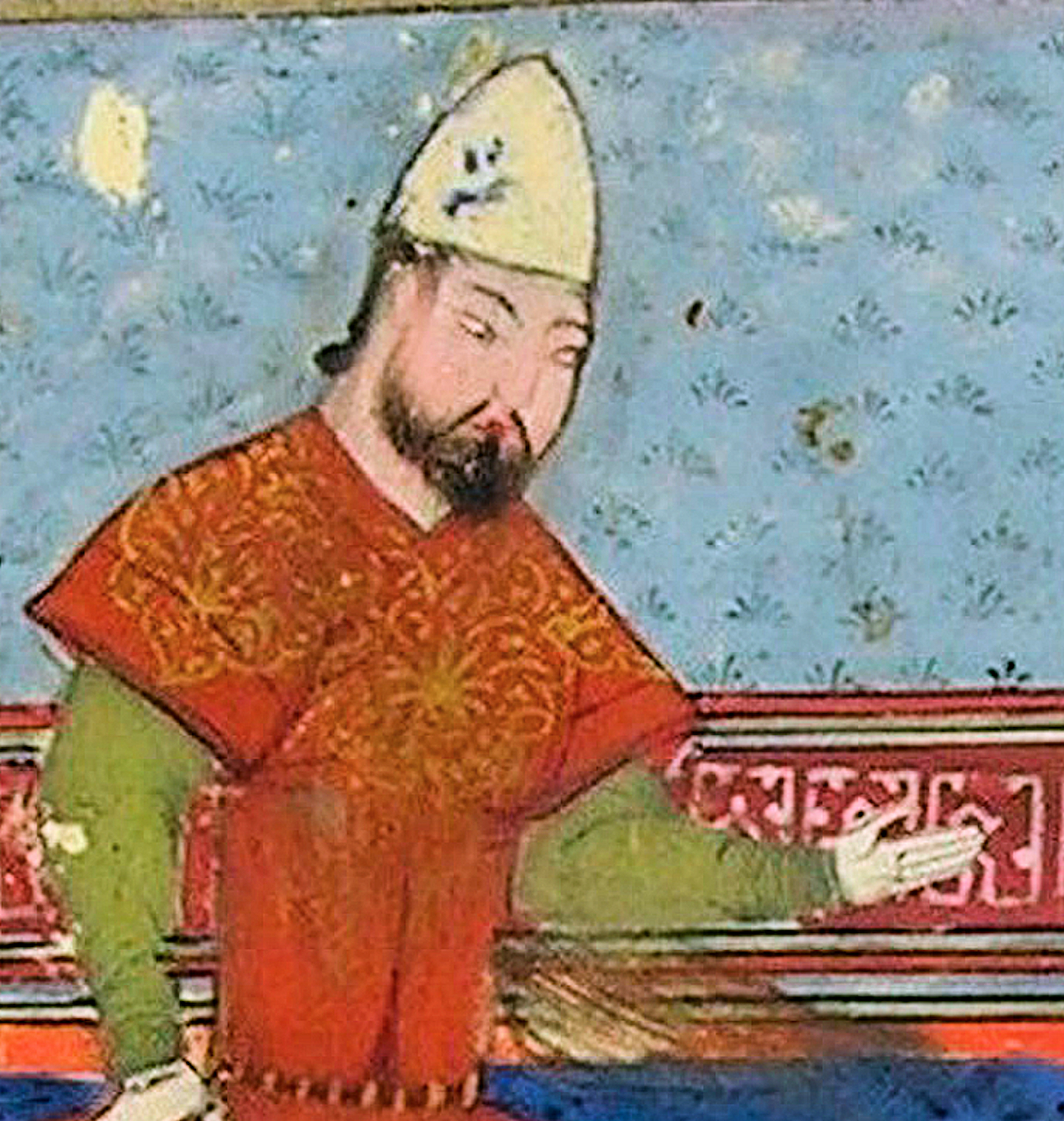
Second Sultan of the Seljuk Sultanate of Rum who was the first Muslim commander to face the First Crusade, wiped out the Peoples' Crusade in 1096, and established Konya as the capital of Anatolia.
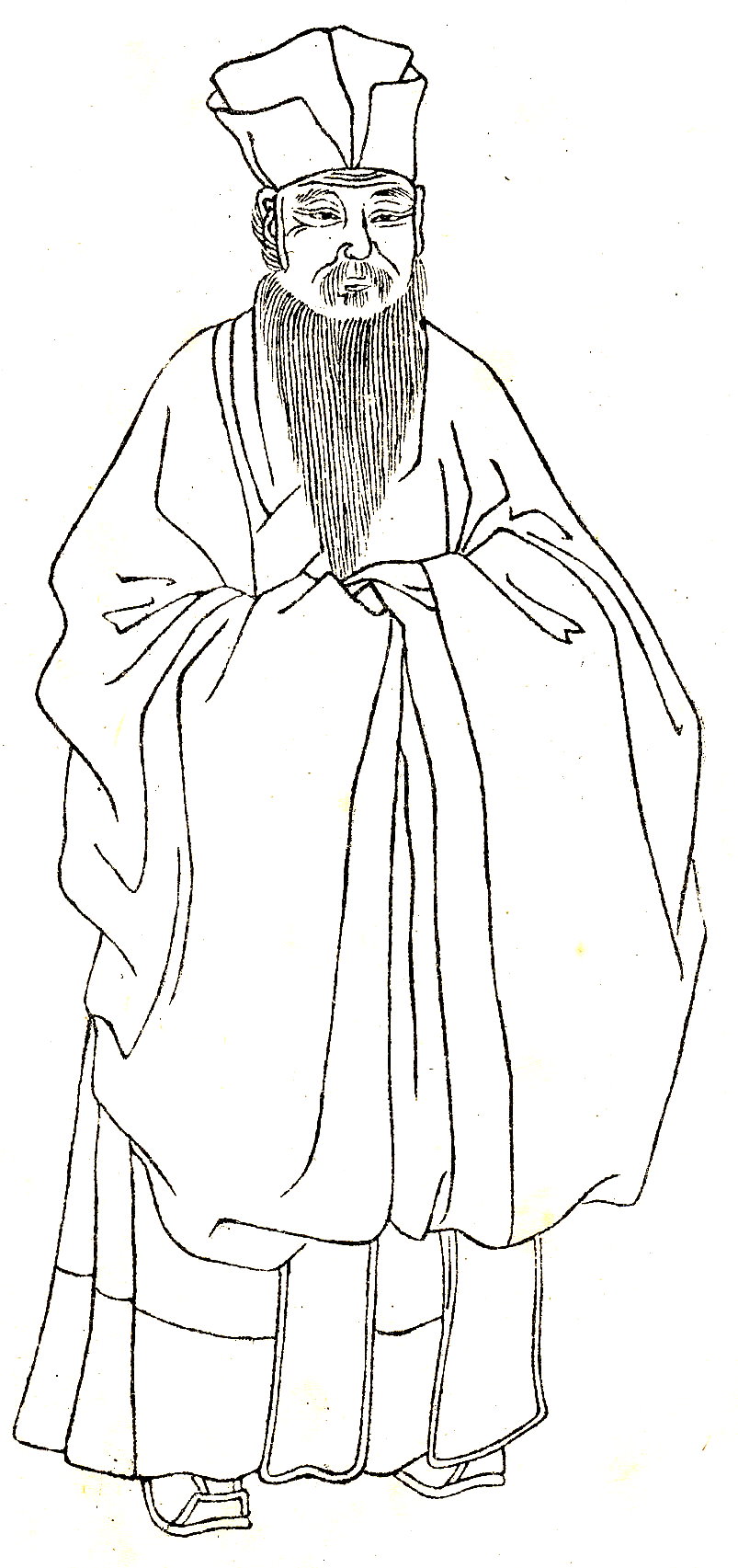
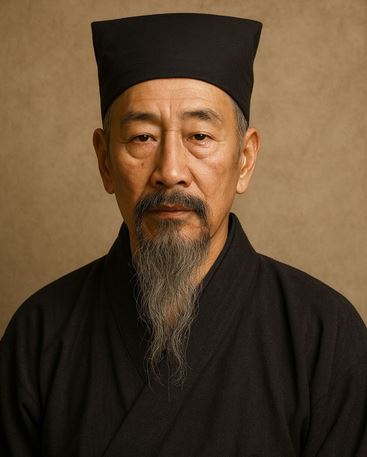
Northern Song dynasty philosopher who, alongside his brother Cheng Hao, established the School of Principle (Lixue) that formed the philosophical foundation of the Cheng-Zhu Neo-Confucian orthodoxy.
Ascetic Sanhaja Berber leader who co-founded Marrakech in 1062, built the colossal Almoravid Empire from Senegal to the Pyrenees, and saved Islamic Spain from the Reconquista at the Battle of Sagrajas (Zallaqa) in 1086.
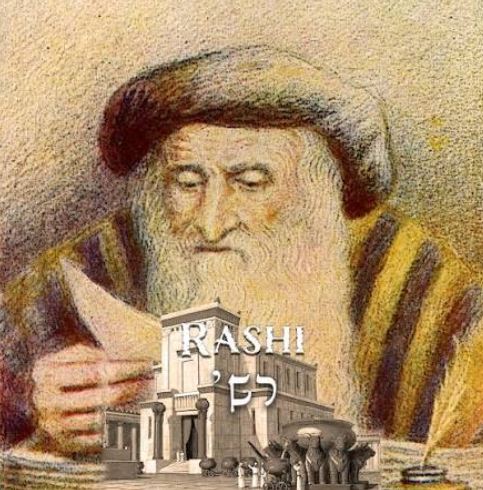
Eleventh-century French rabbi revered as the "Father of Commentators." His concise, luminous commentaries on the Hebrew Bible and Babylonian Talmud remain essential to all traditional Jewish learning and preserved Old French vocabulary.
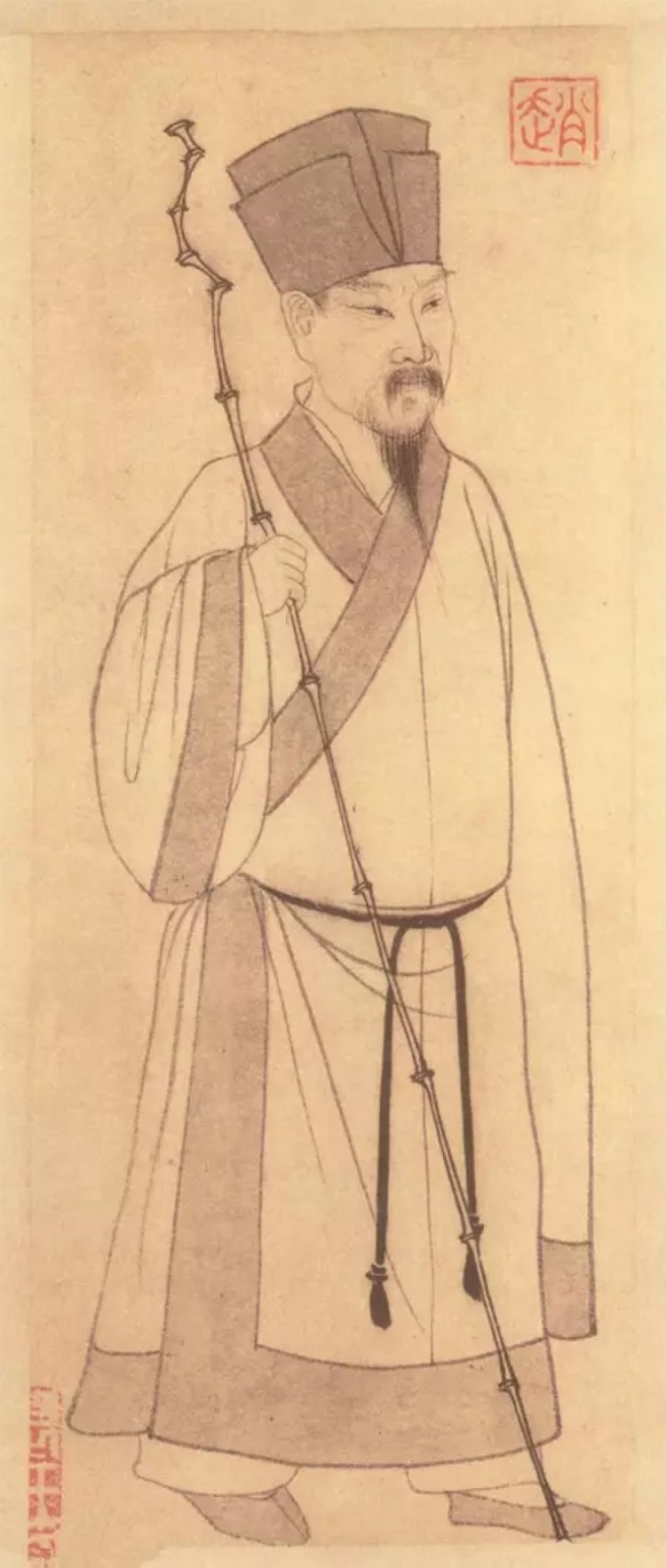
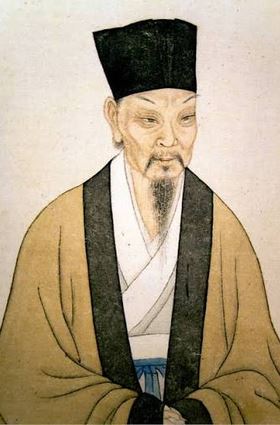
Northern Song dynasty polymath (1037โ1101), known as Su Dongpo, who excelled as a poet, calligrapher, painter, and statesman, revolutionizing Ci lyric poetry and leaving an immortal cultural legacy.
Supreme cultural polymath of the Northern Song dynasty whose buoyant Buddhist-Taoist resilience, peerless ci poetry, and prose masterworksโlike the Red Cliff Odesโrank him as one of China's greatest literary titans.
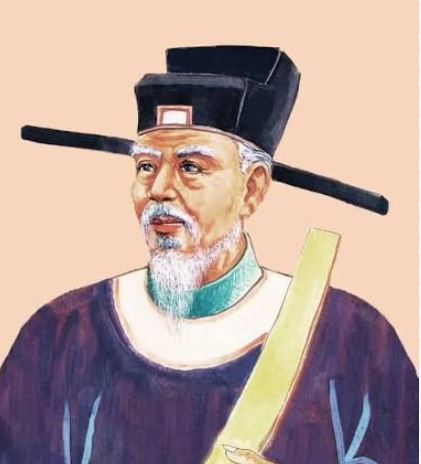
Song Dynasty Prime Minister and engineer who designed the 40-foot water-driven astronomical clock tower of Kaifeng, featuring the world's earliest mechanical escapement and endless power-transmitting chain drive.
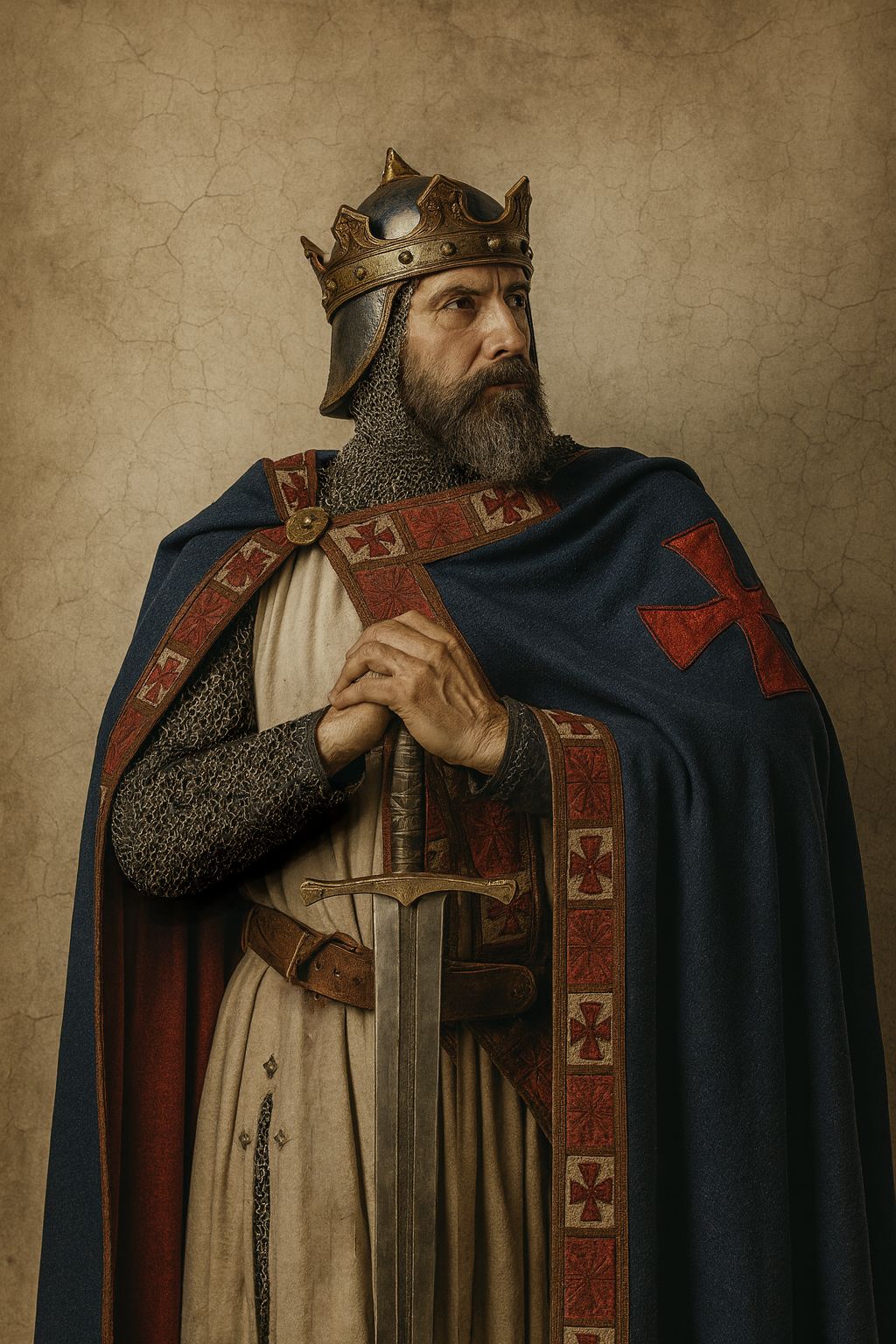
Leader of the First Crusade and first ruler of the Kingdom of Jerusalem who took the title 'Advocate of the Holy Sepulchre' and won the Battle of Ascalon.
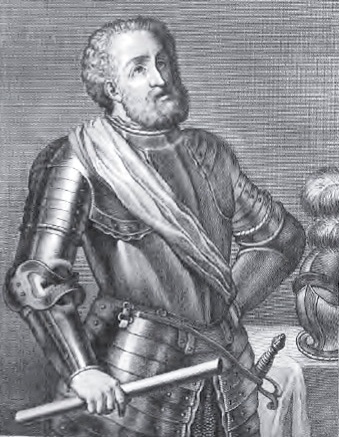
Castilian military leader and folk hero of the Reconquista who served both Christian and Muslim lords, never lost a battle, and conquered Valencia.
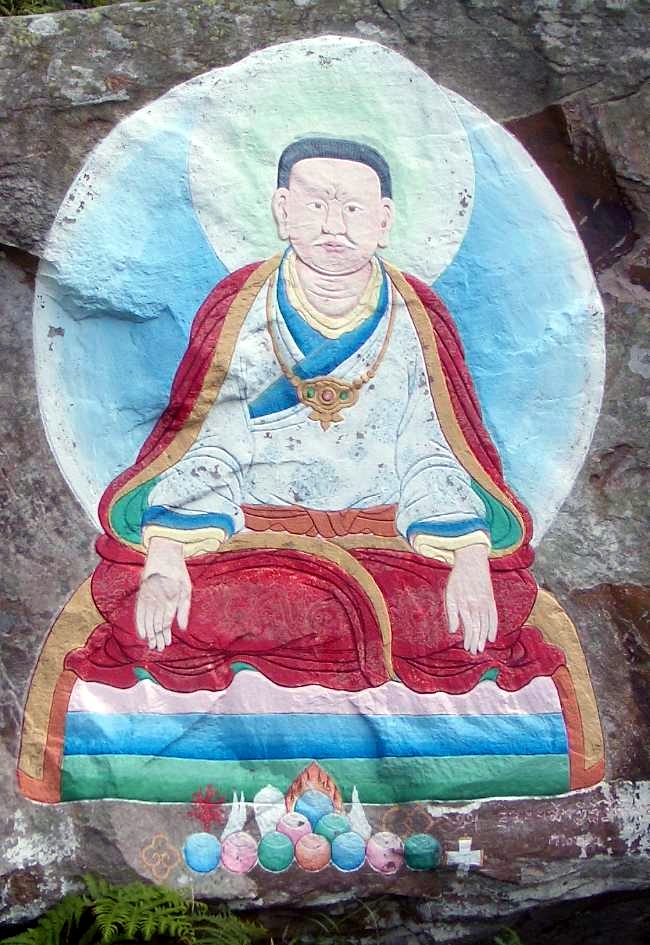
Tibetan householder yogi and translator who journeyed thrice to India, studied under Naropa and Maitripa, and founded the Kagyu lineage in Tibet, famously mentoring Milarepa.
Song Dynasty universal polymath whose Dream Pool Essays described the magnetic needle compass (magnetic declination), petrified bamboo fossils (geomorphology), and movable type printing.
Third and greatest Sultan of the Great Seljuk Empire whose reign, alongside Grand Vizier Nizam al-Mulk, represented the military and cultural zenith of medieval Islamic civilization.