Public Figures & Cultural Luminaries
Filterable archive covering centuries of intellectual, artistic, and moral contributions to the human story.
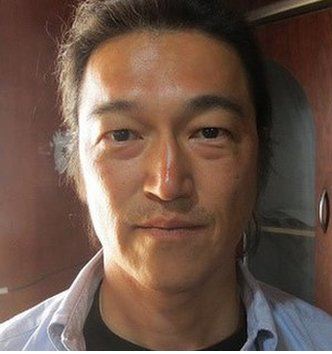
Kenji Goto
 (後藤 健二 (Goto Kenji))
Kenji Goto was a renowned Japanese freelance video journalist, documentary filmmaker, and author who dedicated his career to documenting the suffering of innocent civilians, refugees, and children in the world's most perilous conflict zones, from Sierra Leone and Rwanda to Iraq and Syria. In October 2014, he bravely entered ISIS-controlled Syria in an attempt to rescue a captured friend, where he was captured and executed in January 2015.
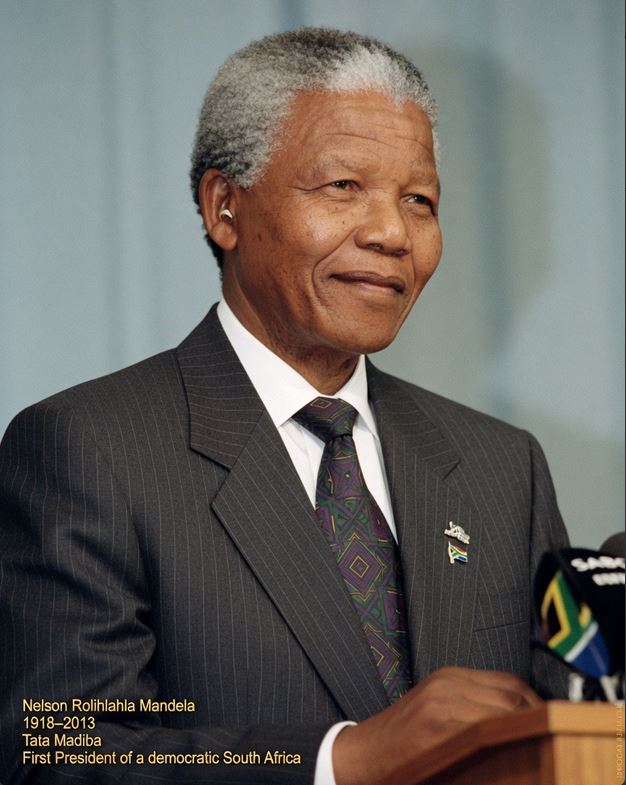
Nelson Rolihlahla Mandela
 (Nelson Rolihlahla Mandela)
Global beacon of justice, reconciliation, and human dignity. Mandela spent 27 years imprisoned for opposing apartheid before leading South Africa to multiracial democracy as its first Black president.
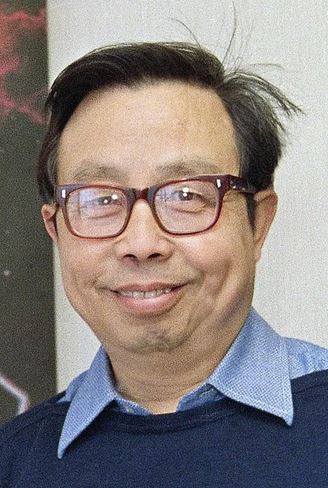
Fang Lizhi
 (方励之)
(方励之)
Fang Lizhi was a premier Chinese astrophysicist and university educator whose open advocacy for human rights, academic freedom, and democratic reform earned him the title of 'China's Sakharov'. His stirring campus lectures inspired the 1986 student democracy protests and laid the philosophical foundations for the 1989 Tiananmen Square movement, after which he spent a year sheltered inside the US Embassy in Beijing before entering exile.
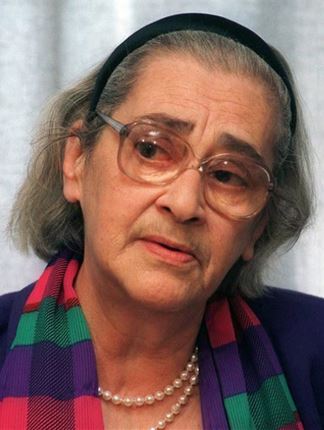
Elena Bonner (Елена Георгиевна Боннэр)
Elena Bonner was a fearless Soviet pediatrician, World War II veteran, and premier human rights activist who co-founded the Moscow Helsinki Group in 1976 and served as the voice and international representative of her husband, Andrei Sakharov. Defying constant KGB surveillance, arrests, and internal exile in Gorky, she represented Soviet prisoners of conscience before the world community and accepted the 1975 Nobel Peace Prize on Sakharov's behalf.
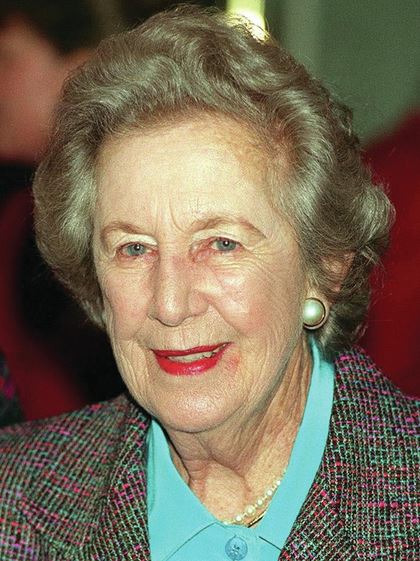
Helen Suzman
(Helen Gavronsky)
South African anti-apartheid activist and parliamentarian who for thirteen years was the sole liberal opposition member of the all-white South African Parliament, relentlessly exposing government human rights abuses.
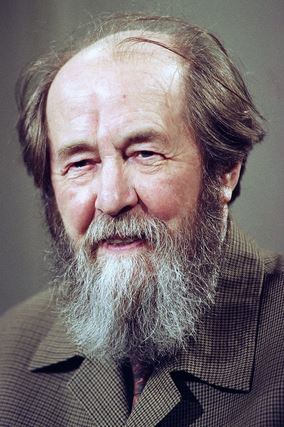
Aleksandr Solzhenitsyn
 (Александр Исаевич Солженицын)
Aleksandr Solzhenitsyn was a monumental Russian novelist, historian, and dissident whose epic exposé of the Soviet forced-labor camp system, The Gulag Archipelago, shattered Western illusions regarding totalitarian communism and altered the moral course of twentieth-century history. Awarded the 1970 Nobel Prize in Literature, he survived eight years in the Gulag and internal exile before being stripped of his Soviet citizenship and expelled in 1974.
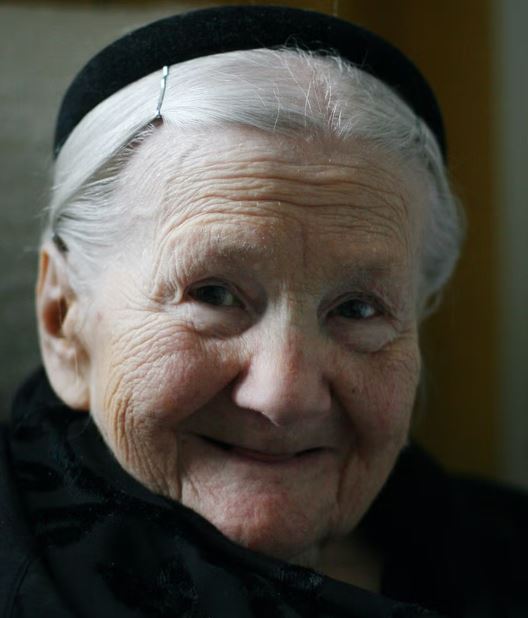
Irena Sendler
 (Irena Stanisława Sendlerowa)
Polish social worker and resistance operative who headed the Children's Bureau of Żegota, smuggling approximately 2,500 Jewish infants and children out of the Warsaw Ghetto and hiding their true identities in buried jars.
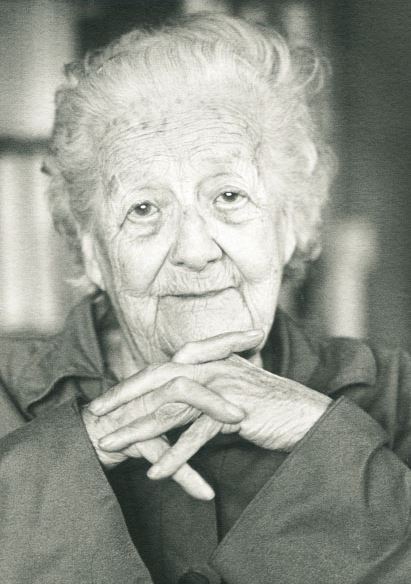
Germaine Tillion
 (Germaine Tillion)
French ethnologist and resistance fighter who co-founded the Musée de l'Homme network, secretly composed a satirical operetta while imprisoned in Ravensbrück, and campaigned against torture in the Algerian War.
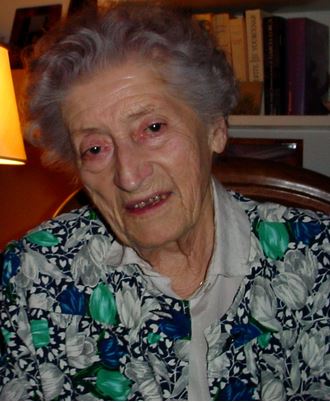
Lucie Aubrac
(Lucie Bernard (Lucie Aubrac))
Iconic French history teacher and resistance fighter who co-founded the Libération-Sud network and led daring armed commando assaults to liberate imprisoned resistance comrades from Gestapo prisons in Lyon.
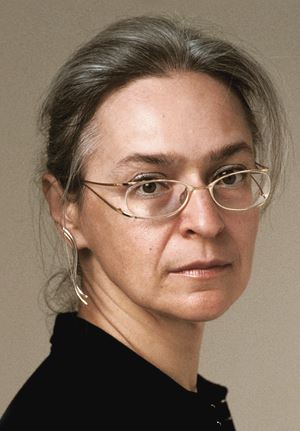
Anna Politkovskaya
 (Анна Степановна Политковская)
Anna Politkovskaya was a celebrated Russian investigative journalist, writer, and human rights defender whose courageous reporting for Novaya Gazeta exposed war crimes, torture, and state-sponsored atrocities during the Second Chechen War. Despite enduring arrests, mock executions, and poisoning attempts, she unmasked authoritarian abuses until she was assassinated in her Moscow apartment building in October 2006.
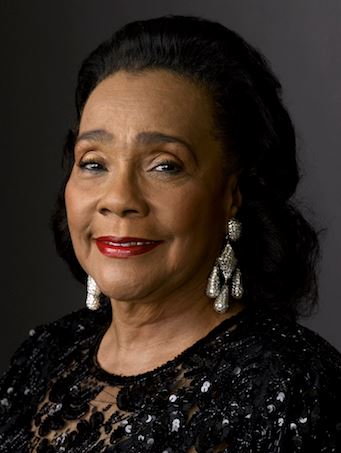
Coretta Scott King
(Coretta Scott)
American civil rights author, activist, and leader who stood alongside Martin Luther King Jr., founded the King Center, campaigned successfully to establish MLK Day as a federal holiday, and championed international anti-apartheid and LGBTQ+ rights.
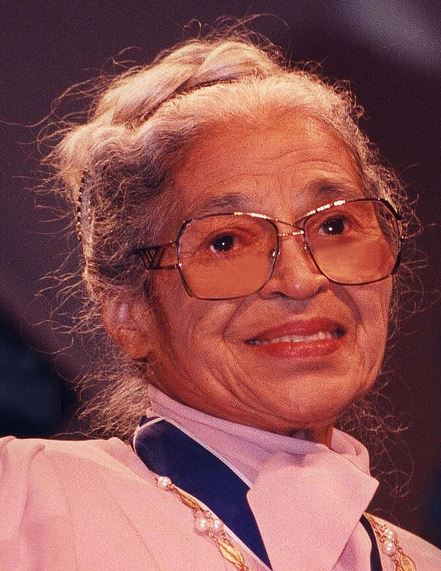
Rosa Parks
(Rosa Louise McCauley Parks)
American civil rights activist whose refusal to surrender her seat on a segregated Montgomery bus in 1955 ignited the Montgomery bus boycott and catalyzed the modern Civil Rights Movement.
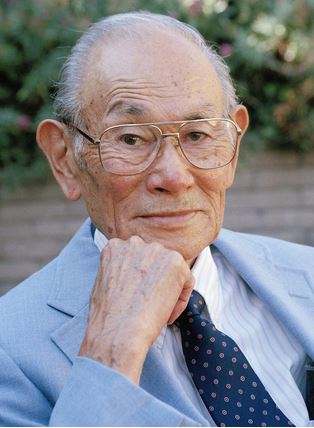
Fred Korematsu
(Fred Toyosaburo Korematsu (是松 豊三郎))
Fred Korematsu was an American civil rights activist who courageously refused to comply with President Franklin D. Roosevelt's Executive Order 9066, which forcibly interned over 120,000 Japanese Americans during World War II. Challenging his conviction all the way to the US Supreme Court in Korematsu v. United States (1944), he persevered for four decades until his conviction was formally overturned in 1983.
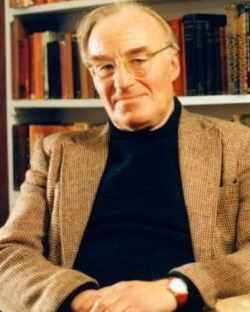
Peter Benenson
 (Peter James Henry Solomon Benenson)
Peter Benenson was a visionary British barrister and human rights campaigner who founded Amnesty International in 1961 after reading about two Portuguese students imprisoned for raising a toast to freedom. Pioneering grassroots letter-writing campaigns and the concept of 'prisoners of conscience', Benenson mobilized millions of ordinary citizens worldwide to hold dictatorial regimes accountable to universal standards of justice.
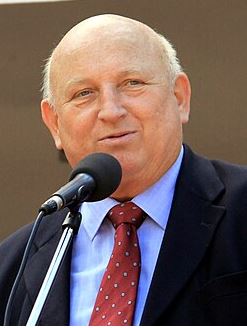
Jacek Kuroń
 (Jacek Jan Kuroń)
Jacek Kuroń was an iconic Polish historian, dissident theorist, and principal strategist of the democratic opposition whose visionary concept of civil self-organization dismantled communist totalitarianism from within. Co-founder of the Workers' Defence Committee (KOR) and chief adviser to Lech Wałęsa's Solidarity, he spent over nine years in political imprisonment before guiding Poland's peaceful transition to democracy.
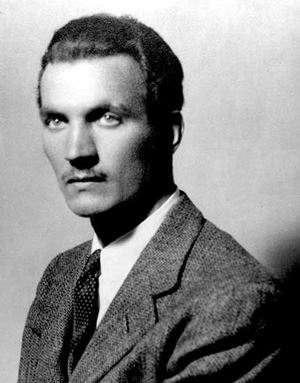
Jan Karski
(Jan Kozielewski)
Polish underground resistance courier who smuggled himself into the Warsaw Ghetto and the Izbica transit camp, bringing the first eyewitness accounts of the extermination of European Jews to Churchill and Roosevelt.
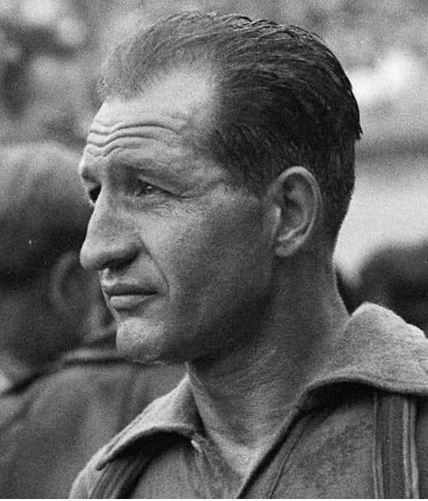
Gino Bartali
 (Gino Bartali)
Legendary two-time Tour de France champion cyclist who used his training rides during WWII to smuggle forged identity papers inside his bicycle frame, saving hundreds of Italian and foreign Jews from deportation.
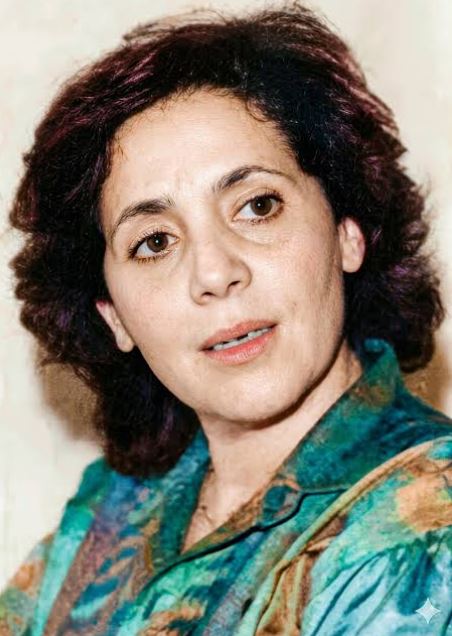
Baya Hocine
 (باية حسين)
Pioneering Algerian teenage fedayeen who carried out urban resistance operations in the Battle of Algiers, condemned to death at age sixteen, and later became a prominent post-independence journalist.