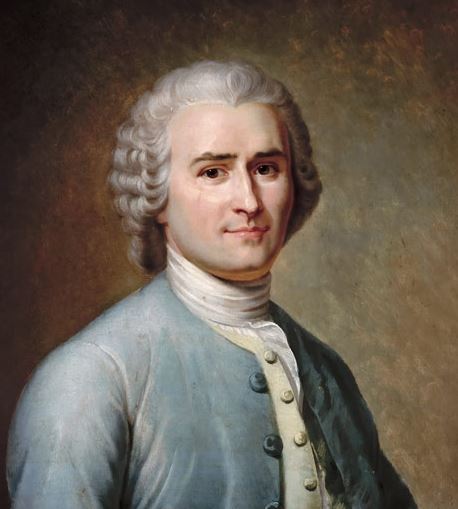
Jean-Jacques Rousseau
Genevan philosopher whose Social Contract, รmile, and Confessions championed popular sovereignty, direct democracy, natural education, and the primacy of authentic human sentiment.
Start typing to search worldwide archives and community tributes
Filterable archive covering centuries of intellectual, artistic, and moral contributions to the human story.
Genevan philosopher whose Social Contract, รmile, and Confessions championed popular sovereignty, direct democracy, natural education, and the primacy of authentic human sentiment.
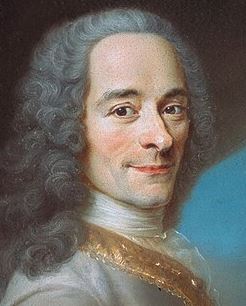
Incarnation of the French Enlightenment whose biting wit in Candide and passionate defense of civil liberties made him the universal symbol of religious tolerance and free speech.
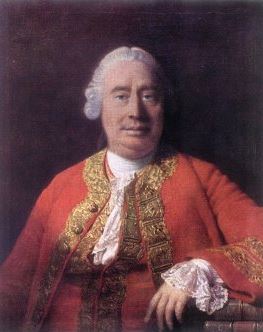
Foremost thinker of the Scottish Enlightenment whose radical empiricism dismantled the rational basis of causality, personal identity, and induction, waking Kant from his 'dogmatic slumber'.
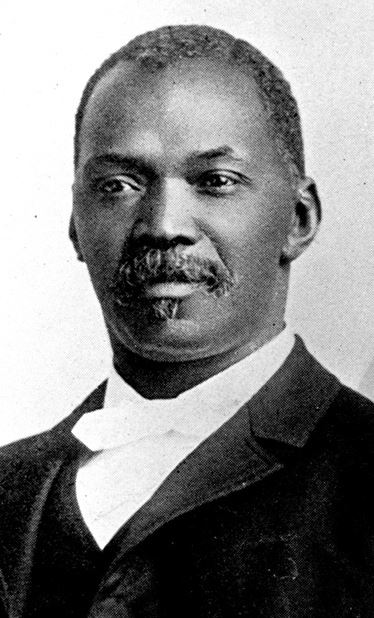
Ghanaian-born philosopher who became the first African to earn a doctorate and hold a university professorship in Europe, teaching at Halle, Wittenberg, and Jena.
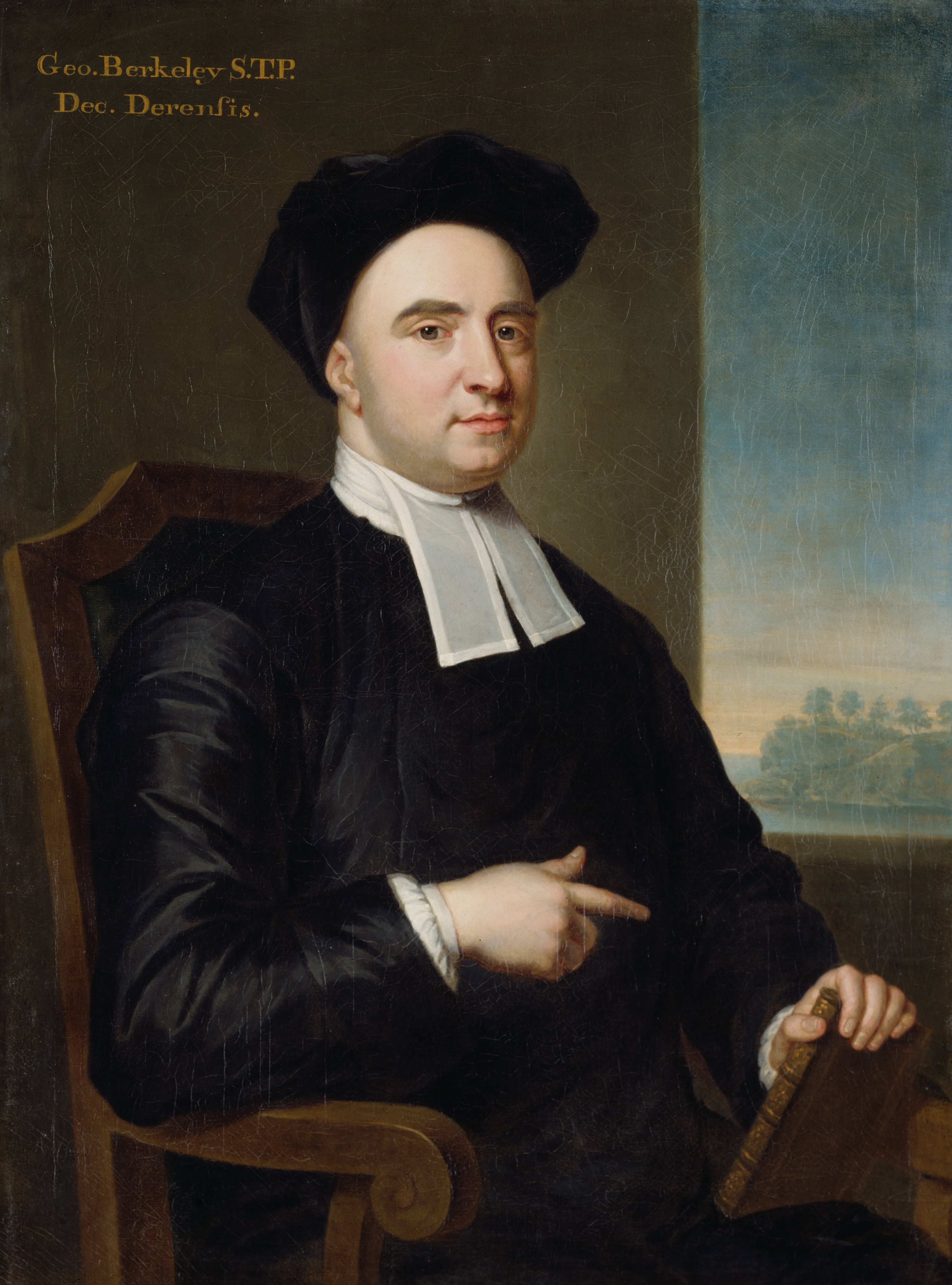
Irish philosopher and Anglican bishop who formulated subjective idealism (immaterialism), asserting with the maxim 'esse est percipi' (to be is to be perceived) that material objects exist only as perceptions in minds.
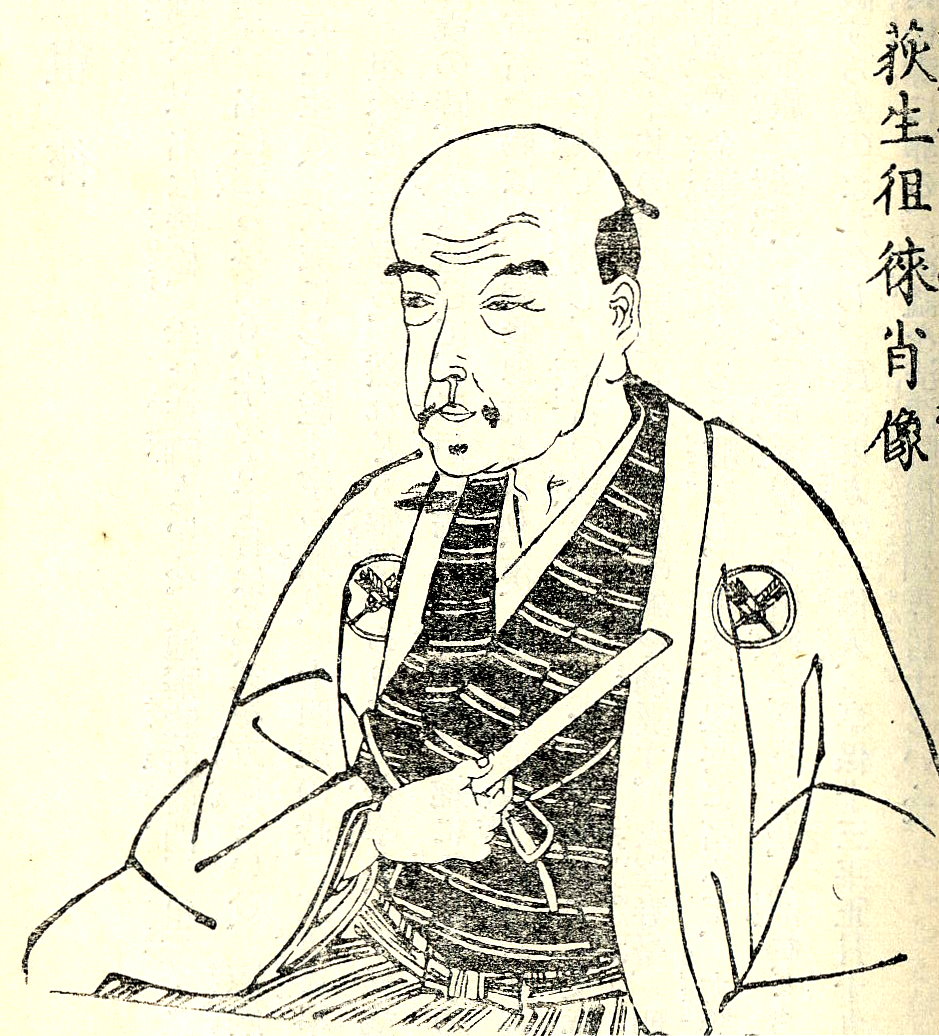
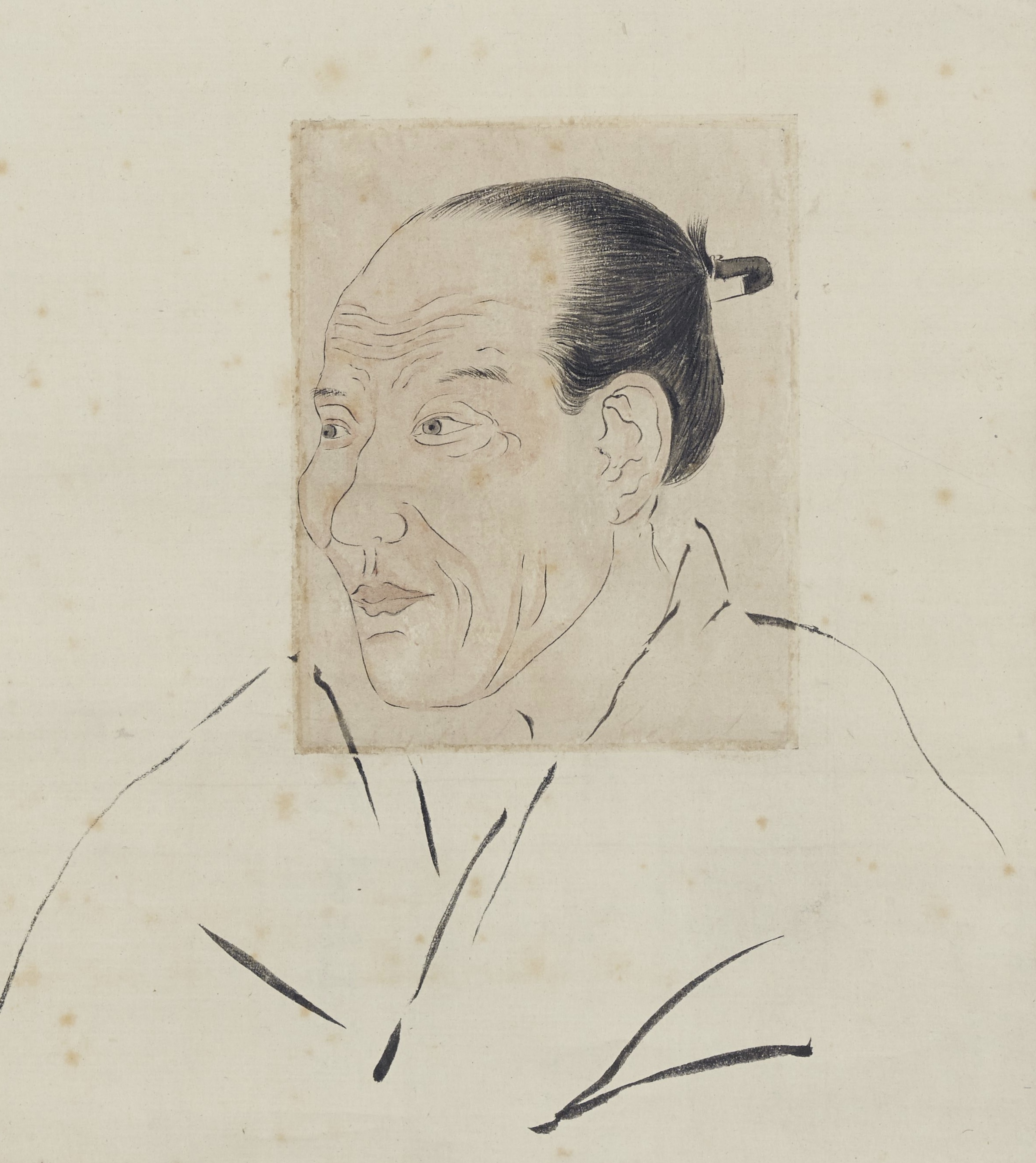
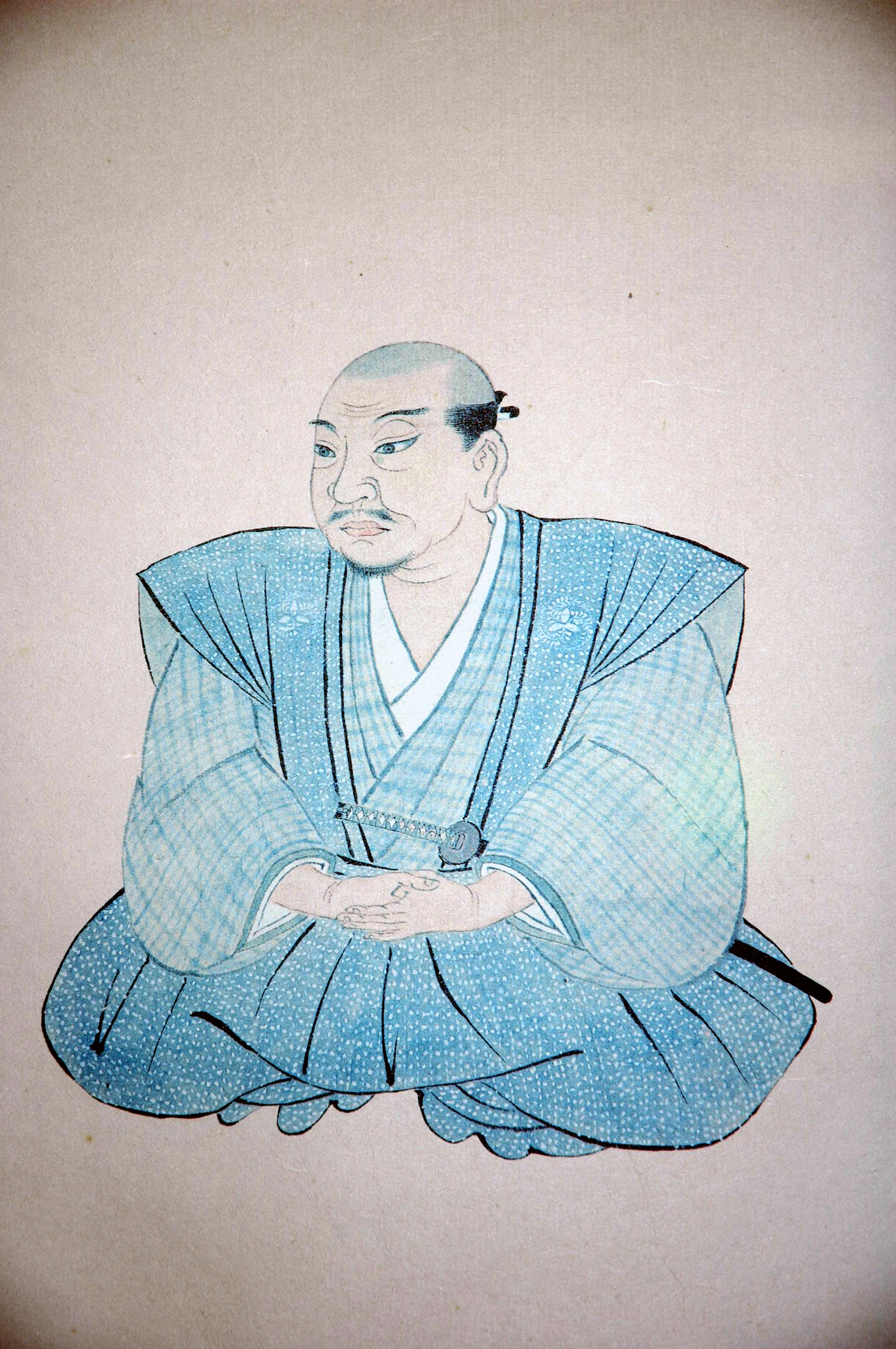
Revolutionary Edo-period Japanese Confucian philosopher and political theorist who founded the School of Ancient Learning (Kogaku), rejecting Song Neo-Confucian moralism in favor of utilitarian institutional statecraft.
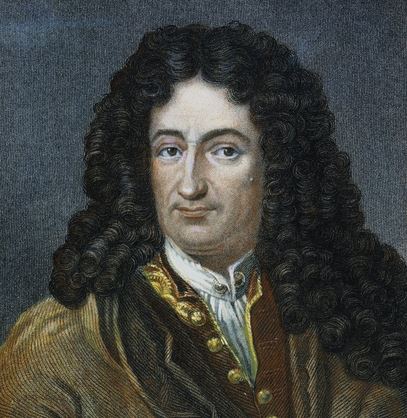
Universal genius who co-invented infinitesimal calculus, built mechanical calculators, and formulated the Monadology, the Principle of Sufficient Reason, and optimistic theodicy.
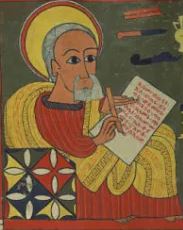
Ethiopian philosopher and foremost disciple of Zar Yaqob who expanded the Hatata with profound ethical treatises on practical morality, women's rights, and social justice.
Pioneering Japanese Confucian philosopher and humanist who founded the renowned Kogido Academy in Kyoto, teaching that moral benevolence (Ren) is an active emotional affection rather than cold metaphysical dogma.
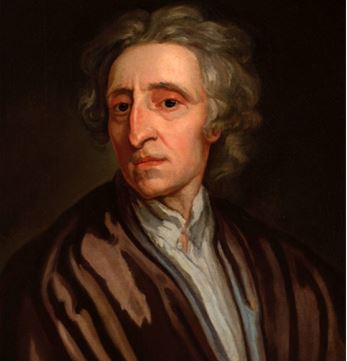
'Father of Classical Liberalism' who argued that the human mind is a tabula rasa shaped by experience and defended inalienable natural rights to life, liberty, and property.
Seventeenth-century Ethiopian philosopher whose 1667 treatise Hatata pioneered rationalist deconstructive philosophy and individual conscience years before John Locke and Spinoza.
Visionary Edo-period Japanese philosopher of the Wang Yangming school (Oyomeigaku) who served as chief advisor in Okayama Domain and formulated the world's earliest comprehensive philosophy of ecological conservation and watershed management.
English political philosopher whose Leviathan founded modern social contract theory, warning that life without sovereign authority is 'solitary, poor, nasty, brutish, and short'.
Jewish-Dutch philosopher of radical brilliance whose Ethics set forth a pantheistic monism identifying God with Nature (Deus sive Natura), laying the foundation for modern secular democracy.
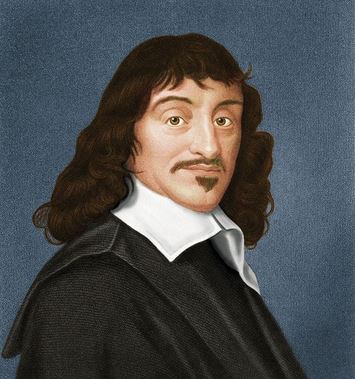
'Father of Modern Philosophy' and inventor of Cartesian coordinates, who demolished skepticism through radical doubt to discover the bedrock principle: Cogito, ergo sum.
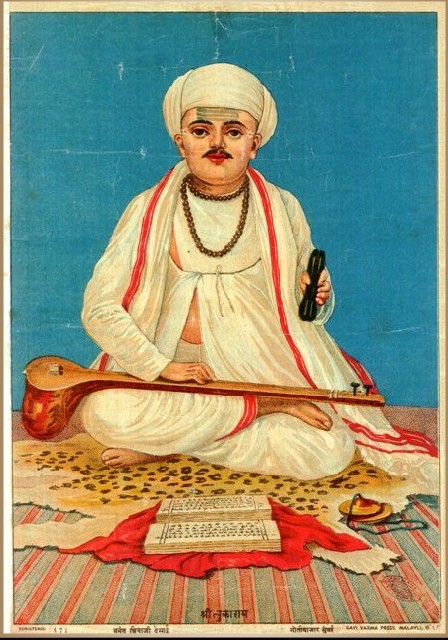
17th-century Marathi poet-saint whose 4,500 devotional 'Abhangas' championed spiritual egalitarianism, denounced religious hypocrisy, and served as the spiritual guiding light to Chhatrapati Shivaji Maharaj.
Revered Japanese Confucian philosopher known as the 'Sage of Omi', who resigned his samurai post to care for his elderly mother and founded the Japanese school of Wang Yangming Neo-Confucianism (Oyomeigaku).
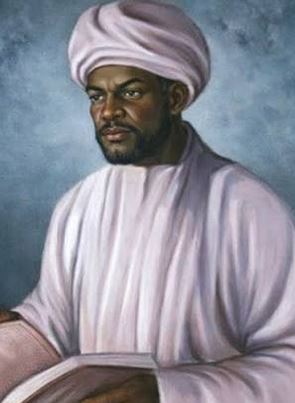
West African scholar and jurist of Timbuktu who wrote Mi'raj al-Su'ud, establishing the definitive Islamic legal and philosophical treatise prohibiting the enslavement of Muslims and non-subjugated Africans.