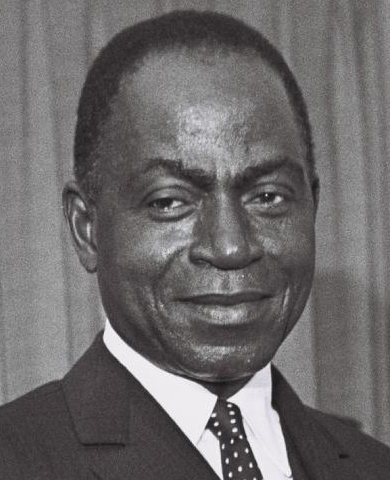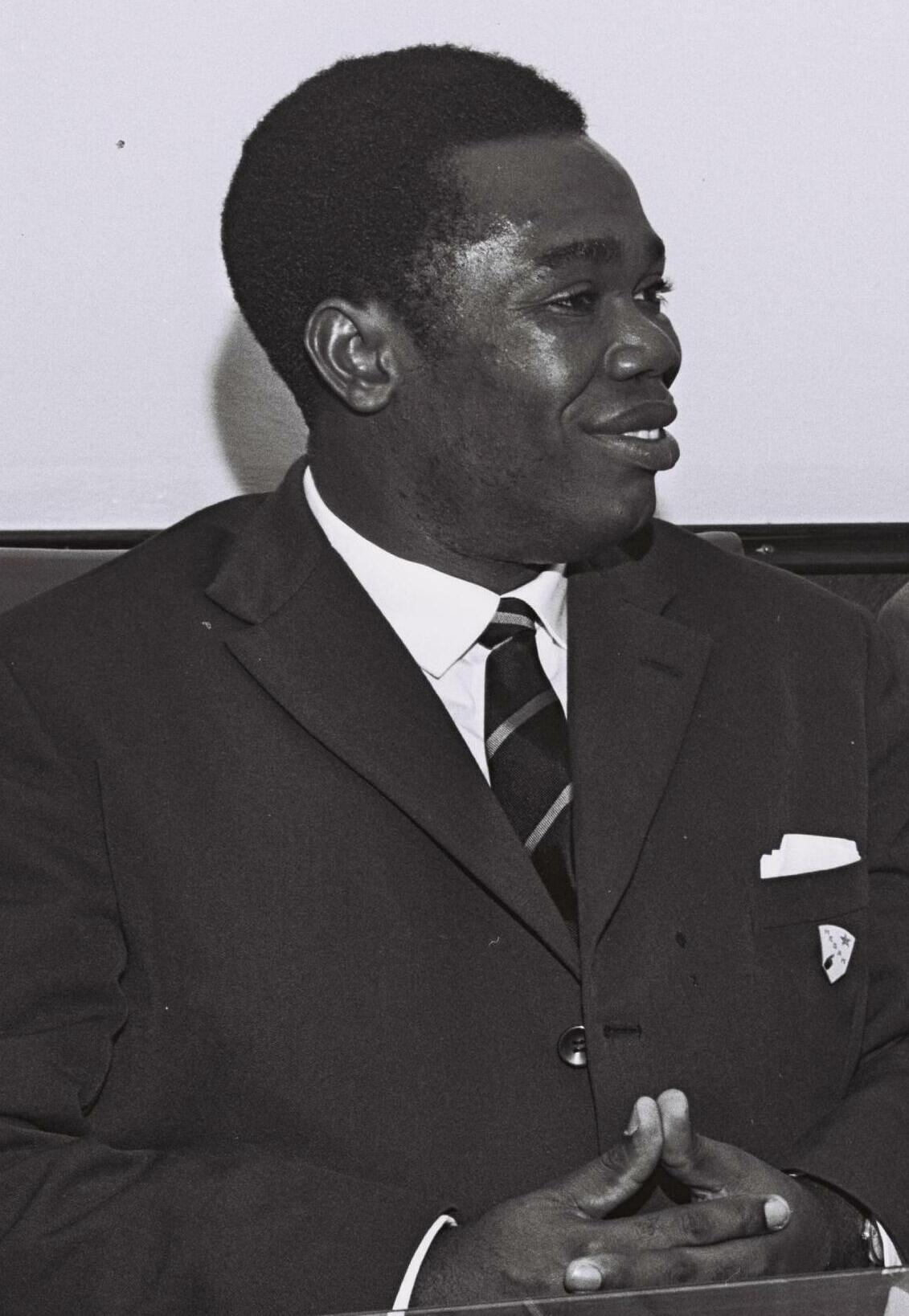
David Dacko
Founding President of the Central African Republic who took office upon independence in 1960 and later returned to restore the republic in 1979 following the fall of Emperor Bokassa.
Start typing to search worldwide archives and community tributes
Filterable archive covering centuries of intellectual, artistic, and moral contributions to the human story.
Founding President of the Central African Republic who took office upon independence in 1960 and later returned to restore the republic in 1979 following the fall of Emperor Bokassa.
First President of the Islamic Republic of Mauritania (1960โ1978) who built the national capital of Nouakchott from the desert sands, united Arab-Berber and Afro-Mauritanian populations, and established national currency (Ouguiya).
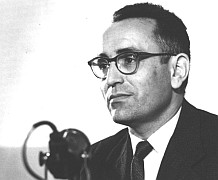
Eminent Algerian nationalist leader and intellectual who succeeded Ferhat Abbas as President of the Provisional Government of the Algerian Republic (GPRA) in 1961, overseeing the Evian Accords and the proclamation of independence.
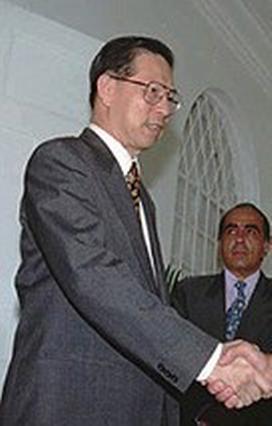
First directly elected President of Singapore, architect, and labor movement leader who championed the construction of Singapore's Mass Rapid Transit (MRT) subway system.
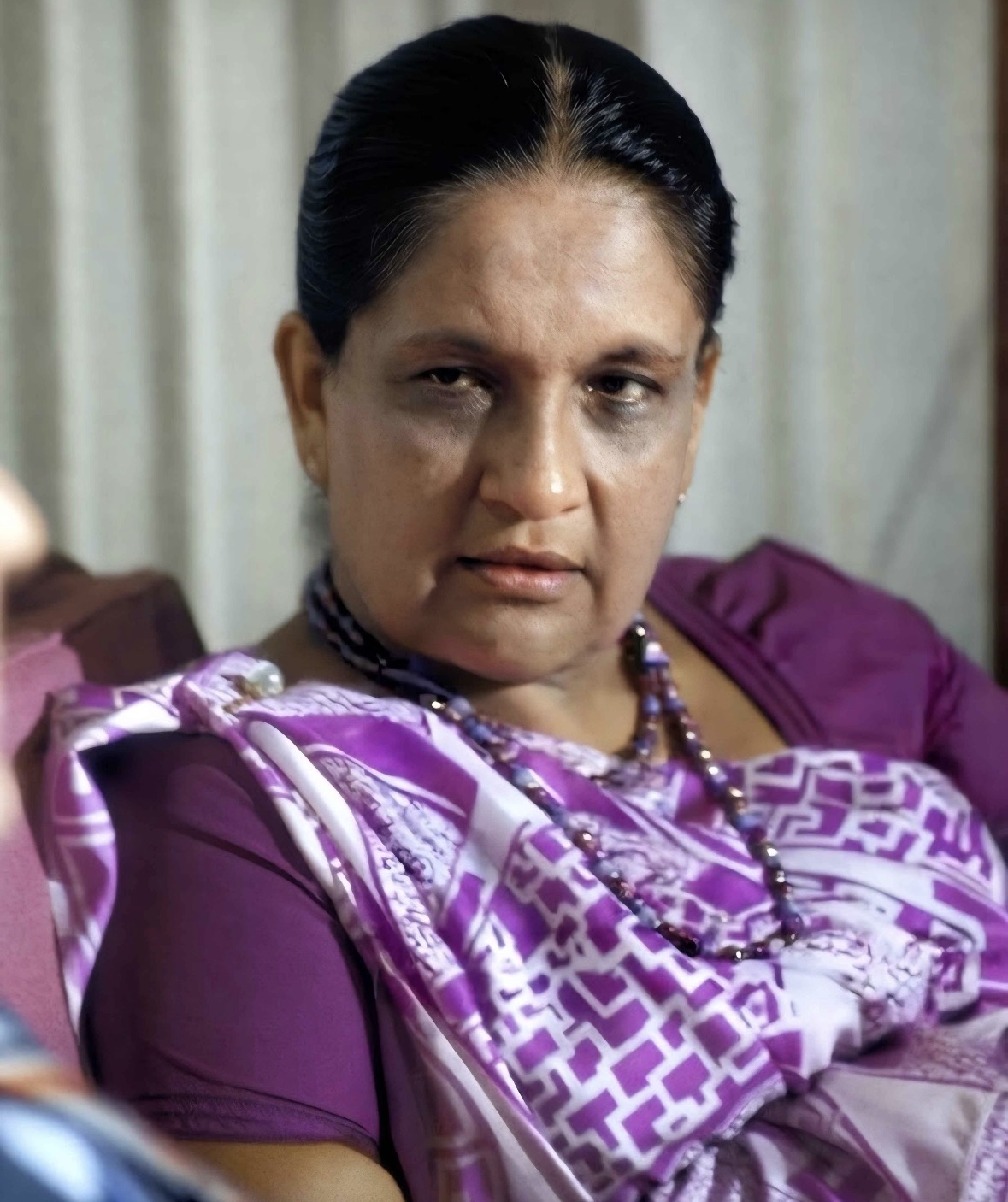
Sri Lankan statesman who made world history on July 21, 1960, by becoming the first democratically elected female prime minister in modern world history, serving three terms.
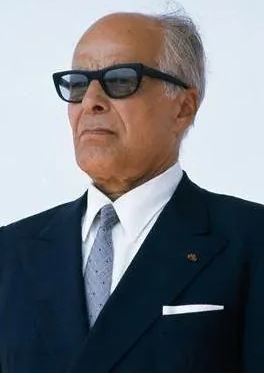
Transformed Tunisia into the most progressive nation in the Arab world for women's rights, outlawing polygamy and establishing free universal education and healthcare.
Moral giant of African post-colonial governance; united over 120 ethnic groups into one stable peaceful nation and provided rear bases to defeat white minority regimes in Rhodesia and South Africa.
Revered as the consummate diplomatic survivor and tireless regional peacemaker who preserved Jordanian stability amidst constant Middle Eastern turbulence.
Key architect of the modern Tunisian state, coordinator of the national liberation struggle in New York and Tunis, and the first Prime Minister of the Republic of Tunisia under Habib Bourguiba.
Architect of modern Chinese economic resurgence; pioneered Special Economic Zones, coined 'socialism with Chinese characteristics', and negotiated Hong Kong's 'One Country, Two Systems'.
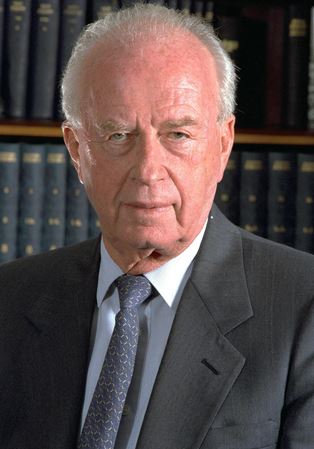
Martyr for Middle Eastern peace who made the historic leap from military warrior to peacemaker, signing the landmark Oslo Accords.
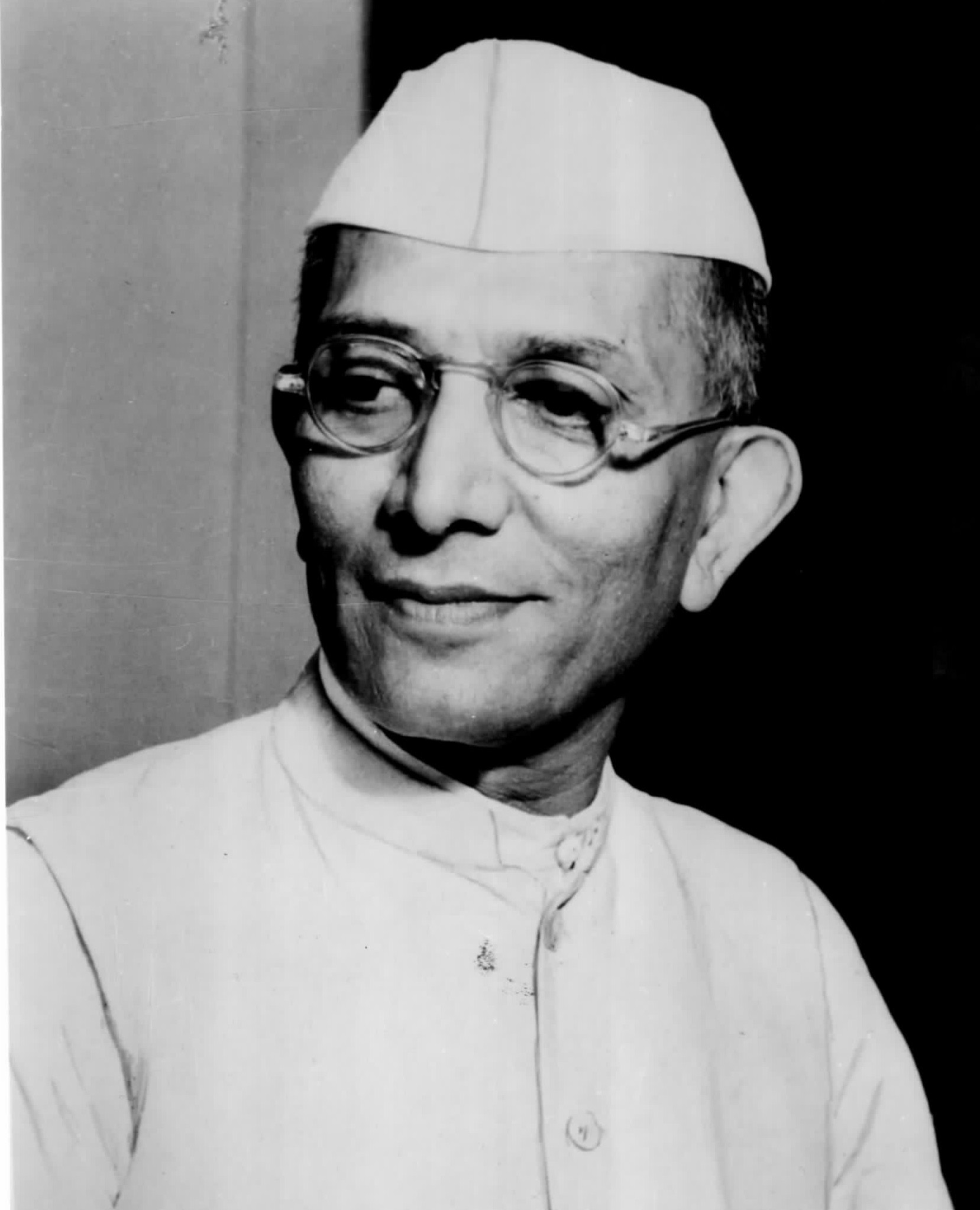
Fourth Prime Minister of India (1977โ1979) and first non-Congress Prime Minister, staunch Gandhian ascetic who led the Janata Party to victory restoring Indian democracy following the 21-month Emergency, only person awarded both India and Pakistan's highest civilian honors.
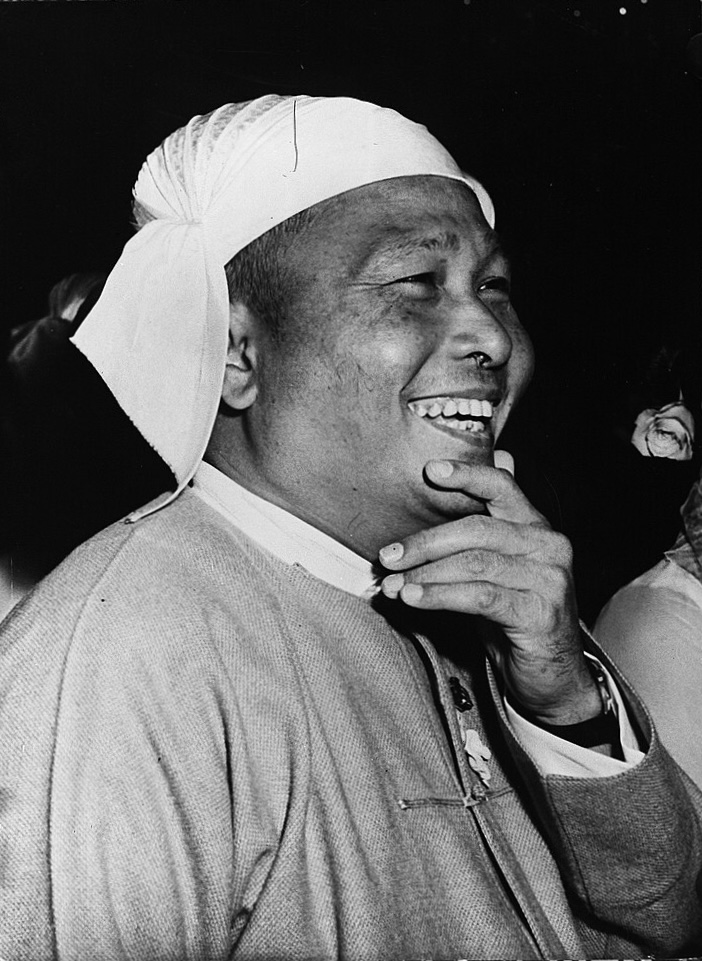
First Prime Minister of independent Burma who led the nation through civil war and ethnic insurgencies, convened the Sixth Buddhist Council, and co-founded the Non-Aligned Movement.
Royal prince of Laos known as 'The Red Prince' who renounced aristocratic privilege to lead the Pathet Lao liberation movement and became the first President of the Lao People's Democratic Republic in 1975.
Founding Father and first President of Ivory Coast known as 'The Sage of Africa', who made Ivory Coast the world's leading cocoa exporter in the 'Ivorian Miracle'.
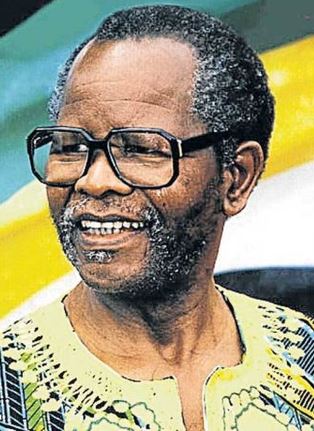
The diplomatic master strategist of the South African liberation movement; held the ANC united in exile and spearheaded the global boycott that broke the Pretoria regime.
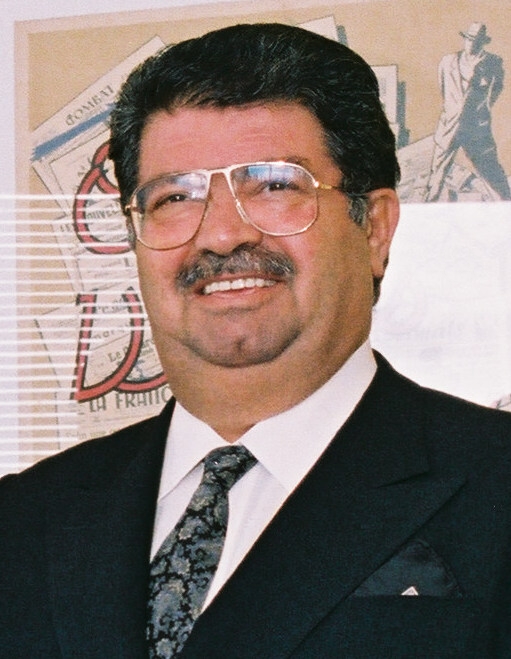
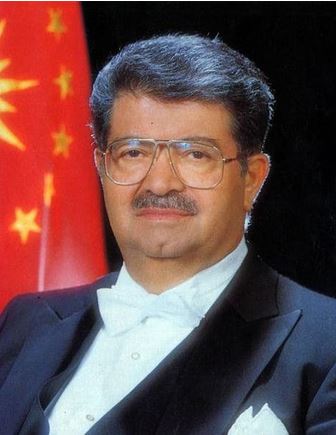
Eighth President of Turkey (1989โ1993) and Prime Minister who dismantled state monopolies, transitioned Turkey from an autarkic economy to a modern global export powerhouse, and opened groundbreaking peace dialogues with Kurdish leaders.
Modernized the Turkish economy into a competitive global powerhouse, expanded telecommunications and infrastructure, and broke political taboos regarding regional diplomacy and Kurdish identity.