Public Figures & Cultural Luminaries
Filterable archive covering centuries of intellectual, artistic, and moral contributions to the human story.
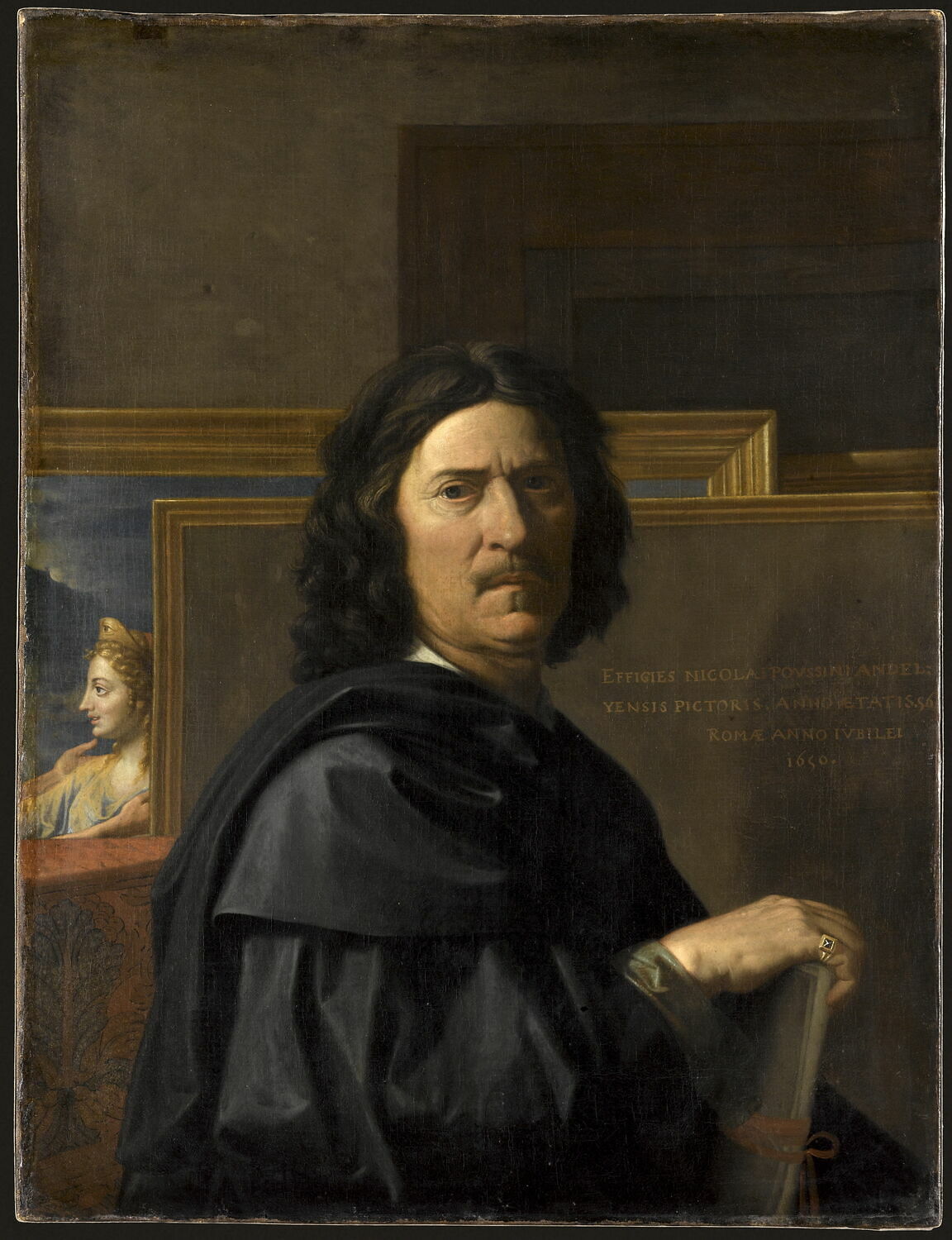
Nicolas Poussin
 (Nicolas Poussin)
Founder of the French Classical tradition whose rigorous clarity, logic, and order dominated French academic art.
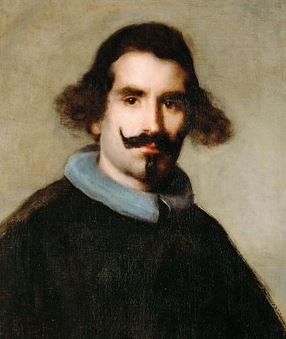
Diego Rodríguez de Silva y Velázquez
 (Diego Velázquez)
Supreme giant of the Spanish Golden Age and leading painter at the court of King Philip IV, celebrated for his profound psychological insight, optical atmospheric realism, and his meta-artistic pinnacle Las Meninas.
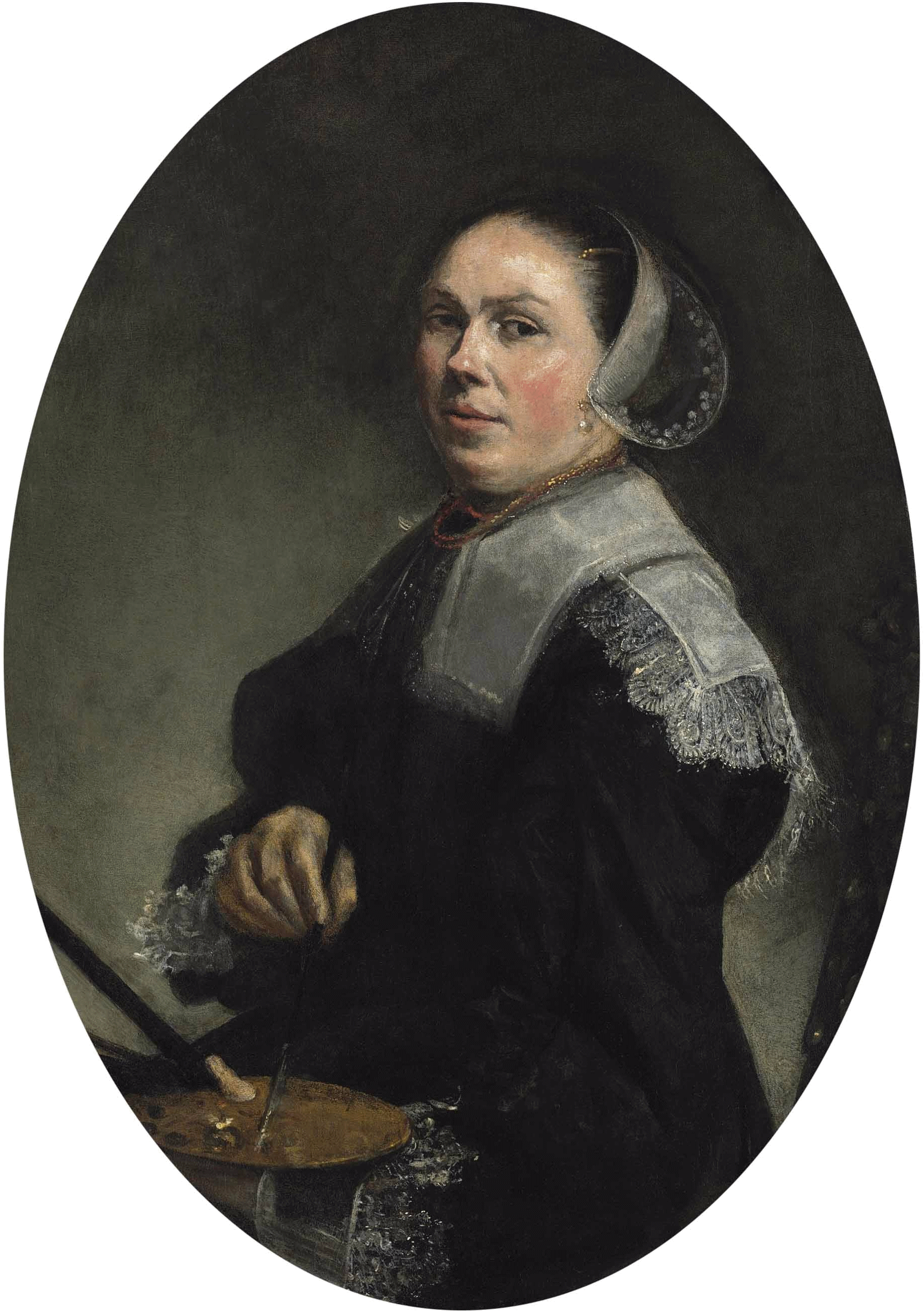
Judith Jans Leyster
 (Judith Leyster)
Leading woman master of the Dutch Golden Age and one of the first admitted to the Haarlem Guild of Saint Luke, celebrated for lively genre scenes and her sparkling 'Self-Portrait'.
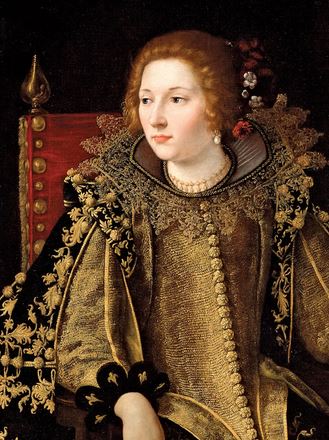
Artemisia Gentileschi
 (Artemisia Lomi Gentileschi)
Pioneering Italian Baroque painter who triumphed over adversity to become the first female member of Florence's Accademia delle Arti del Disegno.
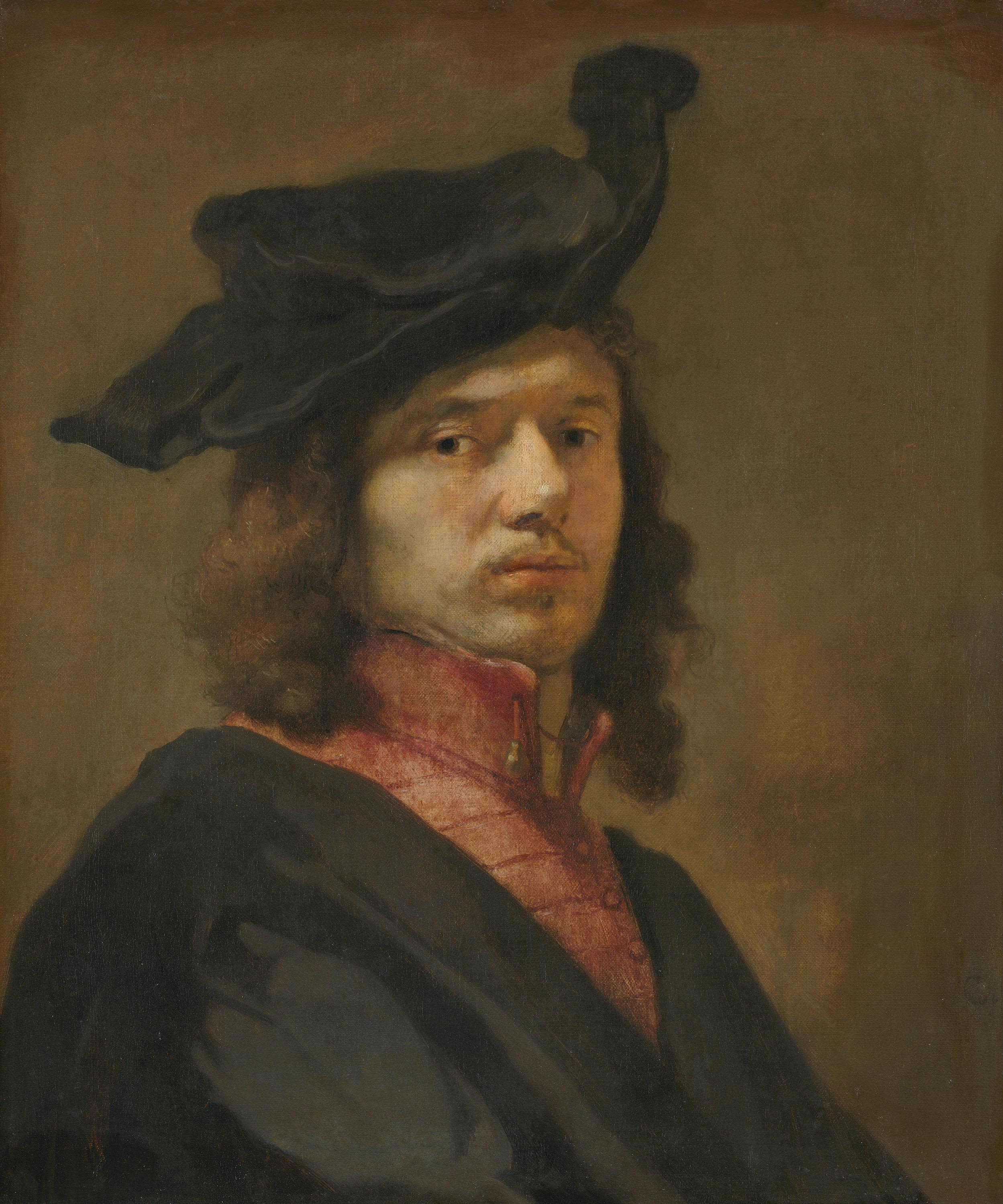
Carel Pietersz Fabritius
(Carel Fabritius)
Rembrandt's most brilliant student and mentor of Vermeer whose exquisite, luminous trompe-l'œil masterpiece 'The Goldfinch' survived the tragic Delft explosion of 1654.
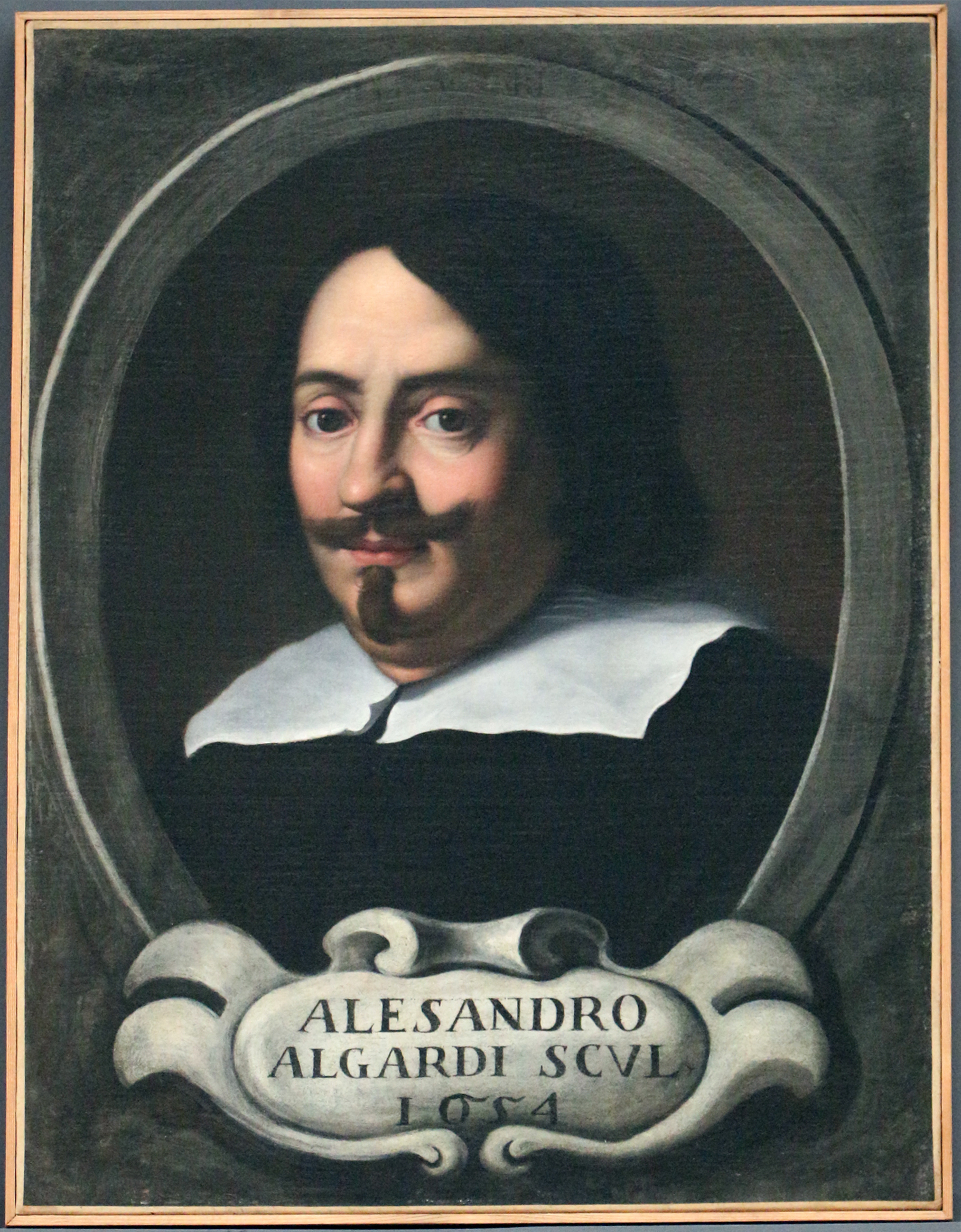
Alessandro Algardi
(Alessandro Algardi)
Bolognese Baroque sculptor, chief rival of Bernini in Rome, whose colossal marble relief 'The Expulsion of Attila' in Saint Peter's Basilica set the peak of high-relief drama.
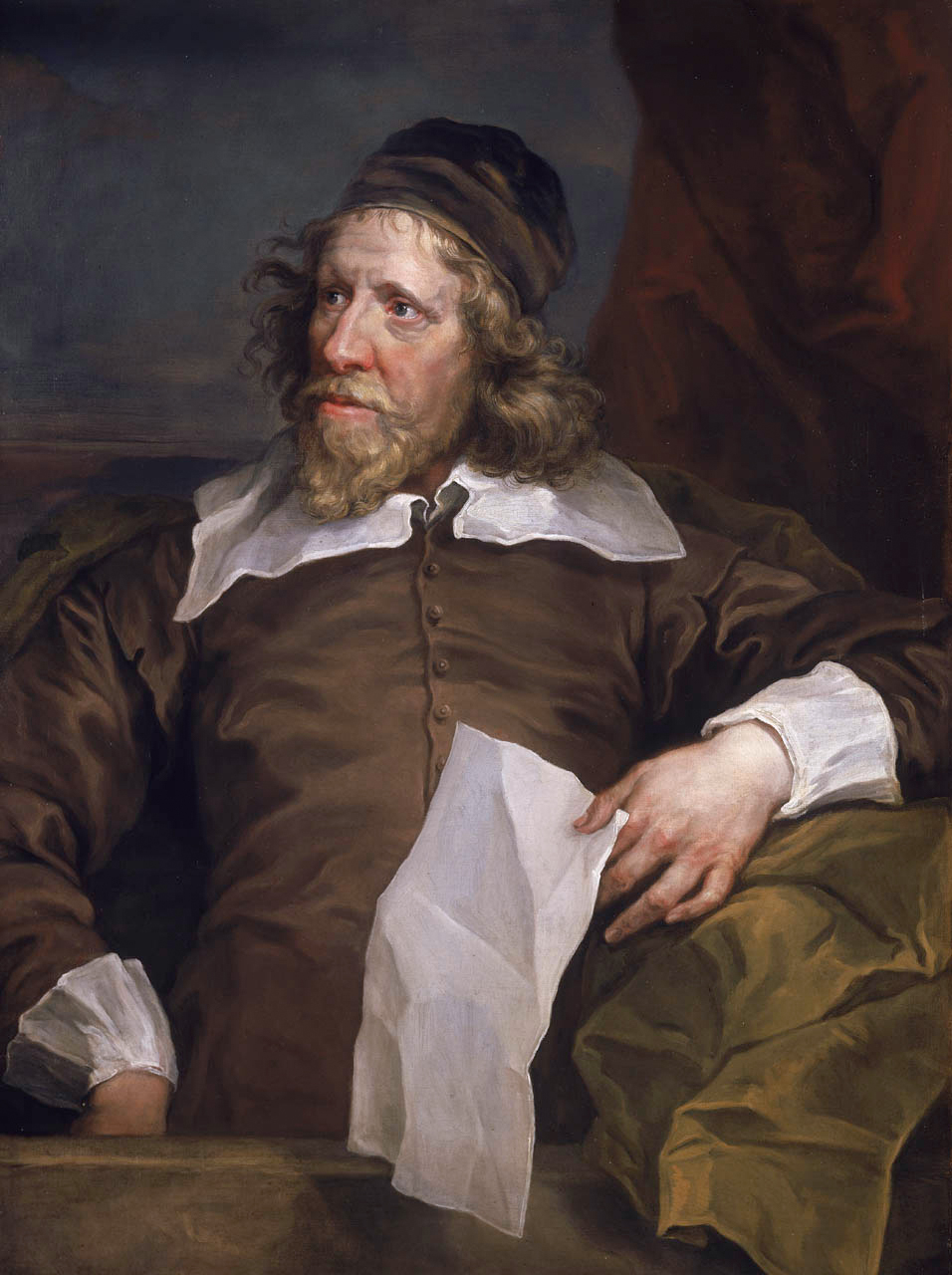
Inigo Jones
 (Inigo Jones)
First significant English architect who introduced classical Renaissance and Palladian architecture to Britain, designing the Queen's House at Greenwich and the Banqueting House at Whitehall.
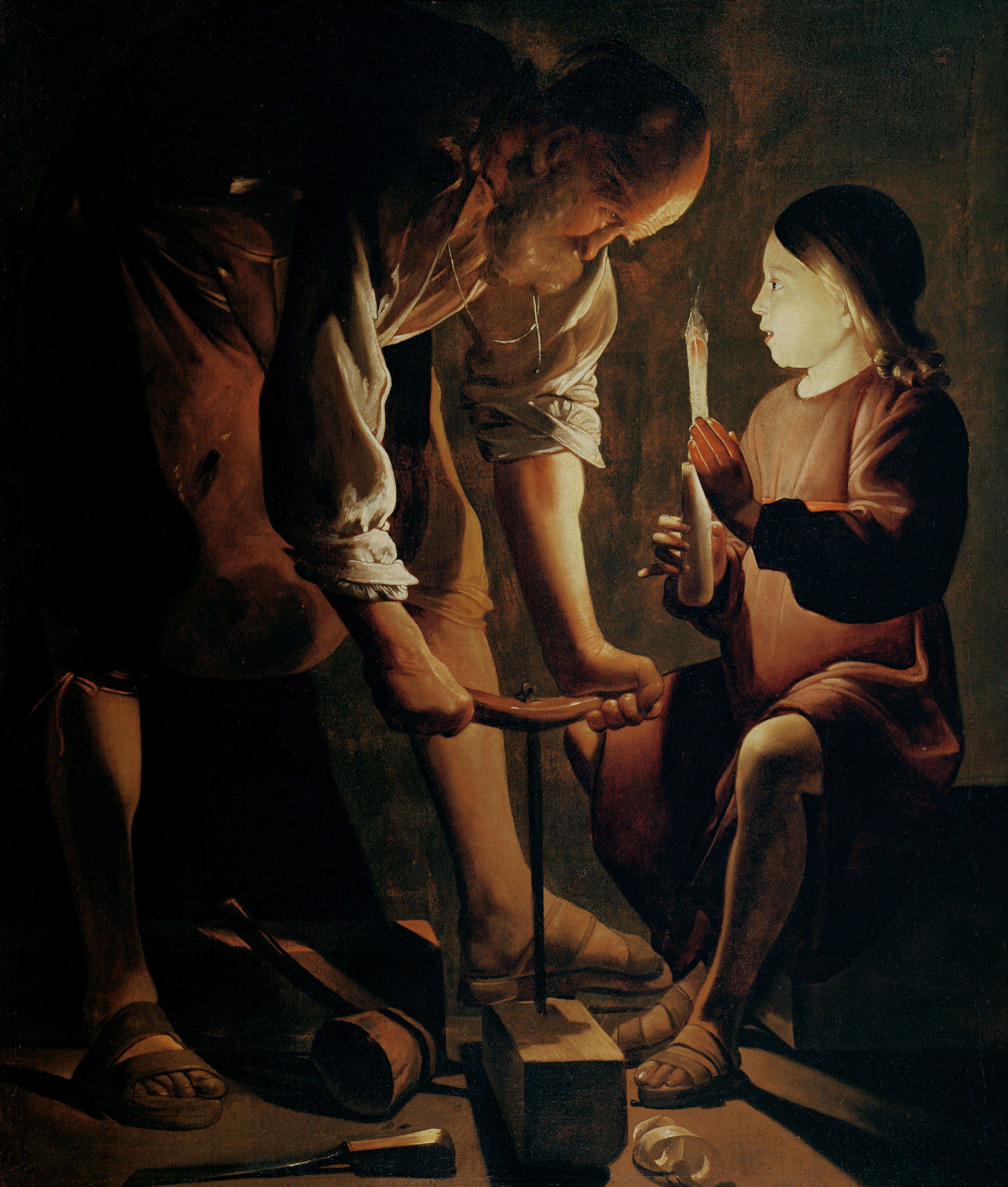
Georges de La Tour
(Georges de La Tour)
Master of French Baroque chiaroscuro whose serene, meditative nocturnal paintings illuminated by a single candle—such as 'The Penitent Magdalene'—are peaks of silent spirituality.
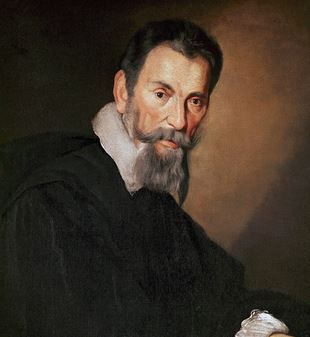
Claudio Giovanni Antonio Monteverdi
(Claudio Monteverdi)
Revolutionary Italian composer who bridged the Renaissance and Baroque eras, pioneered the 'Seconda Pratica' making music servant to emotional text, composed the first operatic masterpiece (L'Orfeo), and transformed sacred music with his 1610 Vespers.
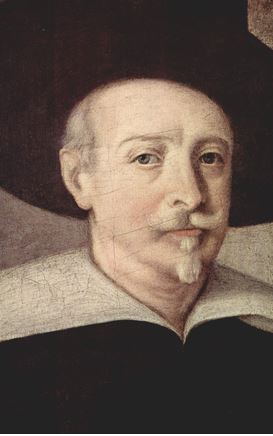
Guido Reni
(Guido Reni)
Premier Bolognese master of classical Baroque painting whose ceiling fresco 'Aurora' and celestial, idealized religious canvases earned him the title 'The Divine'.
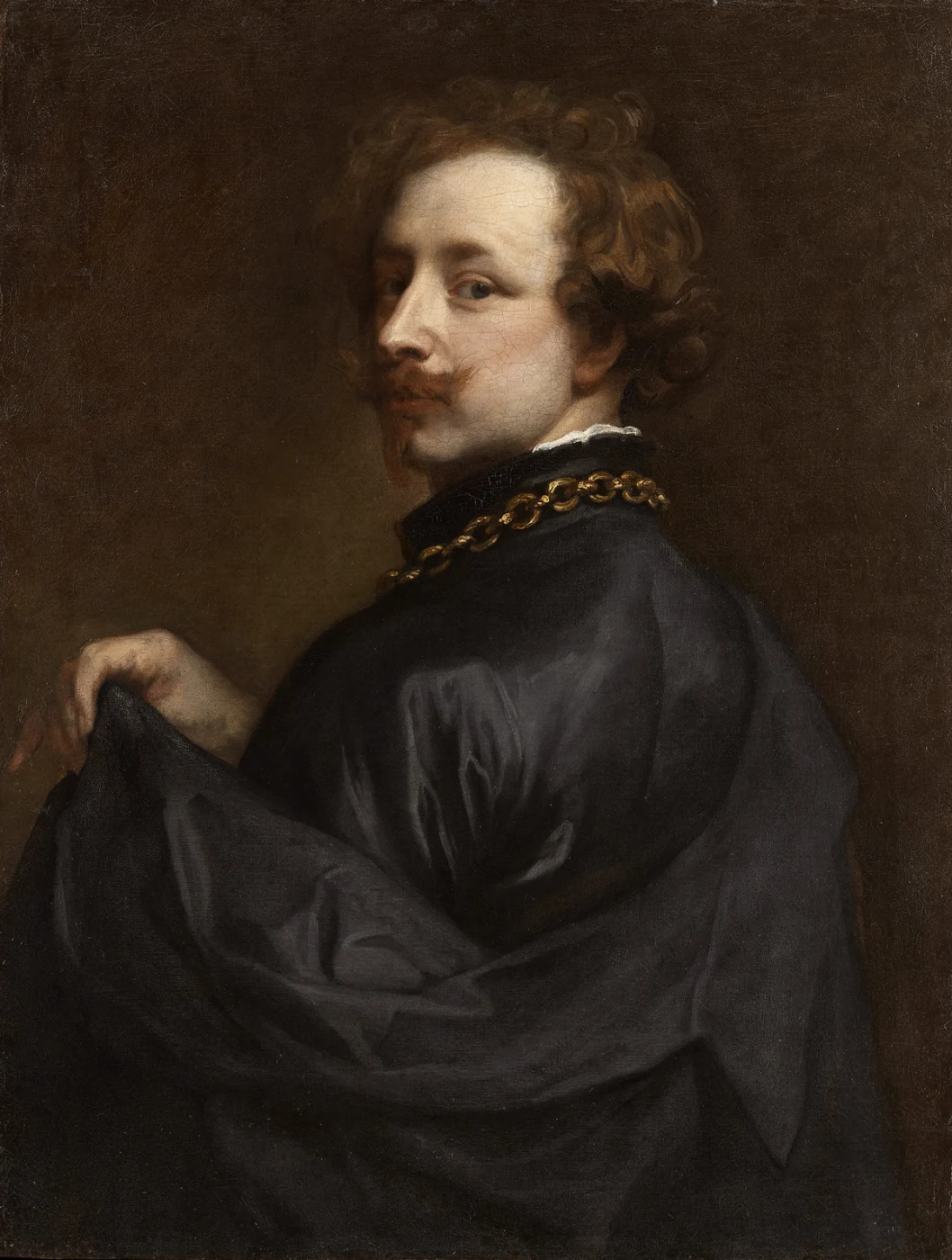
Anthony van Dyck
 (Antoon van Dyck)
Flemish Baroque virtuoso who transformed English portraiture as leading court painter to King Charles I.
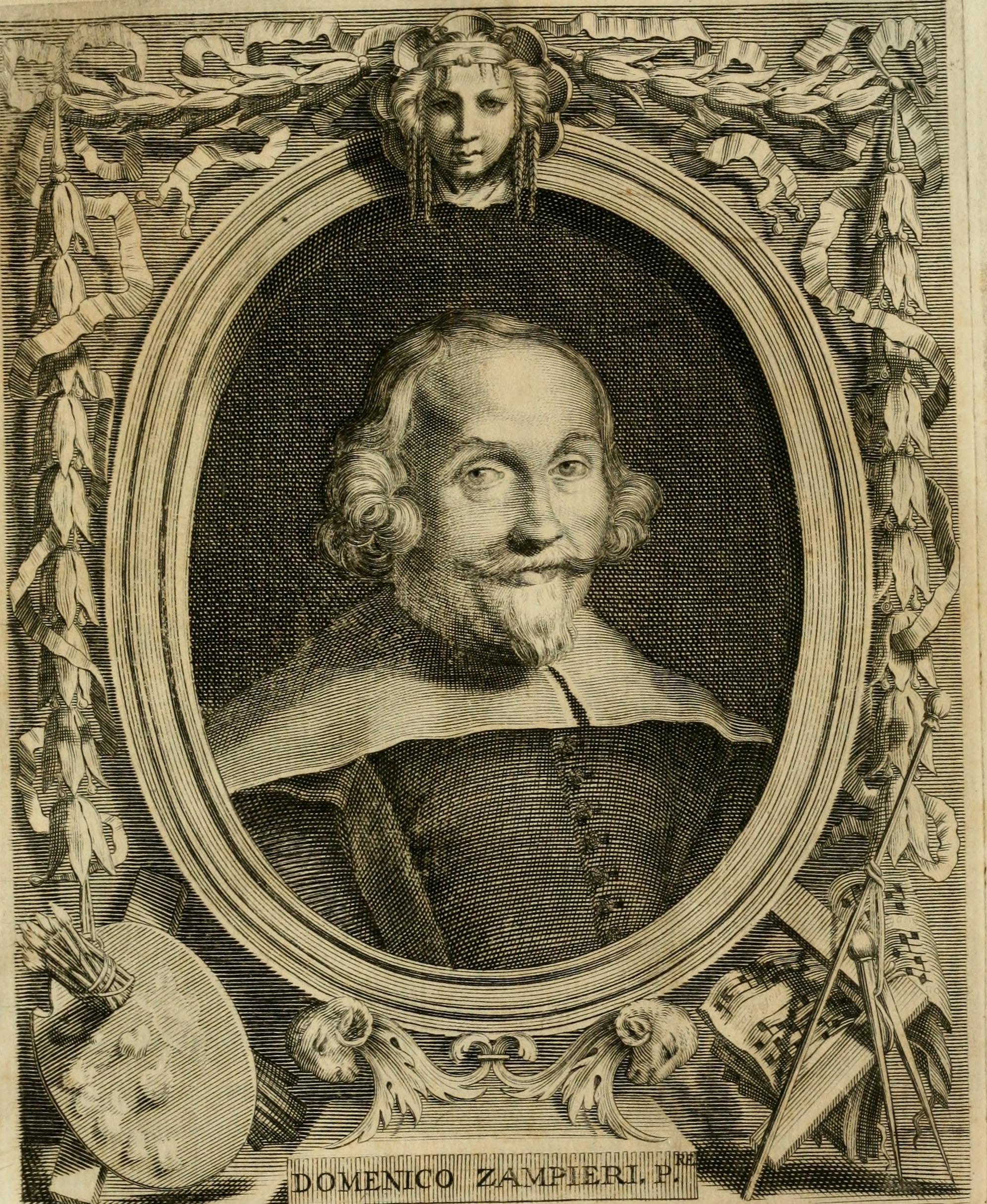
Domenico Zampieri
(Domenichino)
Leading Bolognese classical Baroque painter whose 'The Last Communion of Saint Jerome' and frescoes in Sant'Andrea della Valle set the benchmark for expressive gestures.
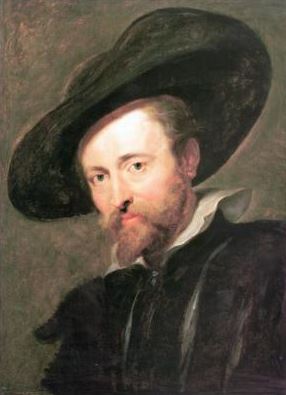
Sir Peter Paul Rubens
 (Peter Paul Rubens)
Supreme master of the Flemish Baroque who synthesized Venetian color, Roman monumental dynamism, and northern realism, orchestrating colossal mythological canvases and negotiating peace treaties across Europe.
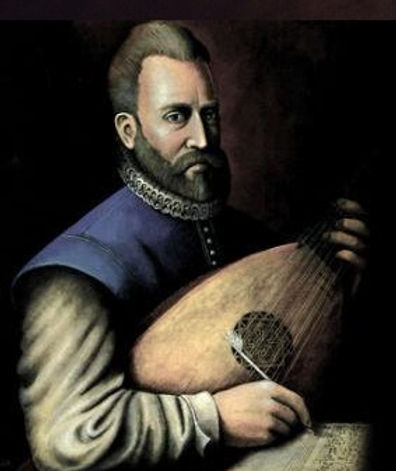
John Dowland
(John Dowland)
English Renaissance lutenist and composer celebrated as the master of Elizabethan musical melancholy, immortalized by 'Flow My Tears' and the Lachrimae consort pavans.
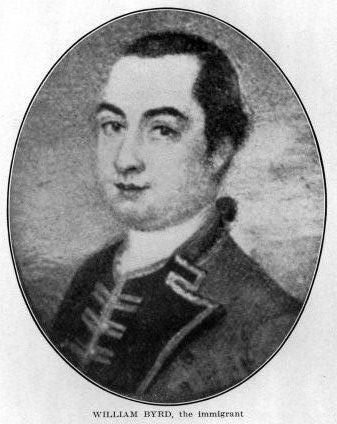
William Byrd
(William Byrd)
English Renaissance composer celebrated as the greatest polyphonist of the Elizabethan Golden Age, master of sacred Latin masses, Anglican services, and keyboard music.
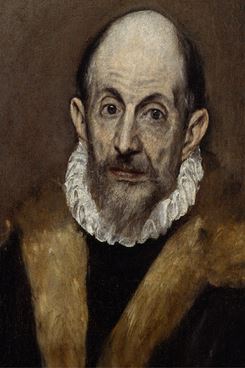
El Greco
 (Doménikos Theotokópoulos / Δομήνικος Θεοτοκόπουλος)
Visionary master of the Spanish Renaissance whose elongated figures and dramatic acid colors anticipated Expressionism.
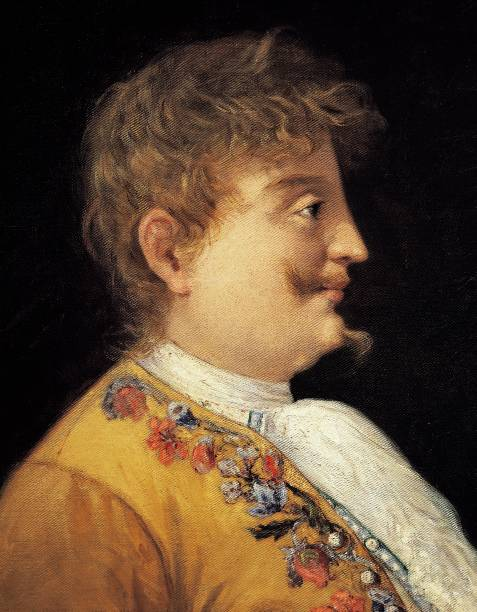
Carlo Gesualdo
(Carlo Gesualdo di Venosa)
Italian Renaissance nobleman and composer whose radical, intensely chromatic madrigals and sacred responsories anticipated modern harmony by three centuries.
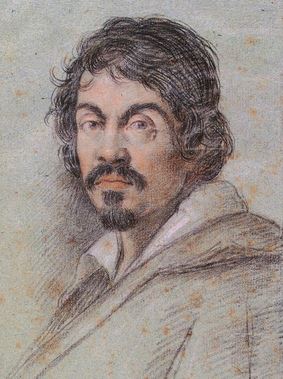
Michelangelo Merisi da Caravaggio
(Michelangelo Merisi)
Revolutionary Italian Baroque painter who electrified Europe by casting dramatic spotlight beams through pitch-black shadows (tenebrism) and depicting saints and martyrs with unsparing, gritty plebeian realism.