Public Figures & Cultural Luminaries
Filterable archive covering centuries of intellectual, artistic, and moral contributions to the human story.
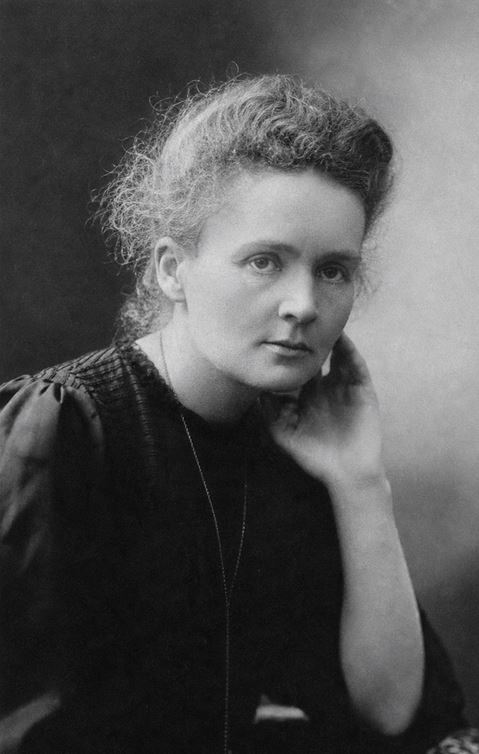
Marie Skłodowska-Curie
 (Maria Skłodowska-Curie)
Trailblazing physicist and chemist who conducted pioneering research on radioactivity. The first woman to win a Nobel Prize, the first person to win Nobel Prizes in two different scientific fields (Physics & Chemistry), and the first female professor at the University of Paris.
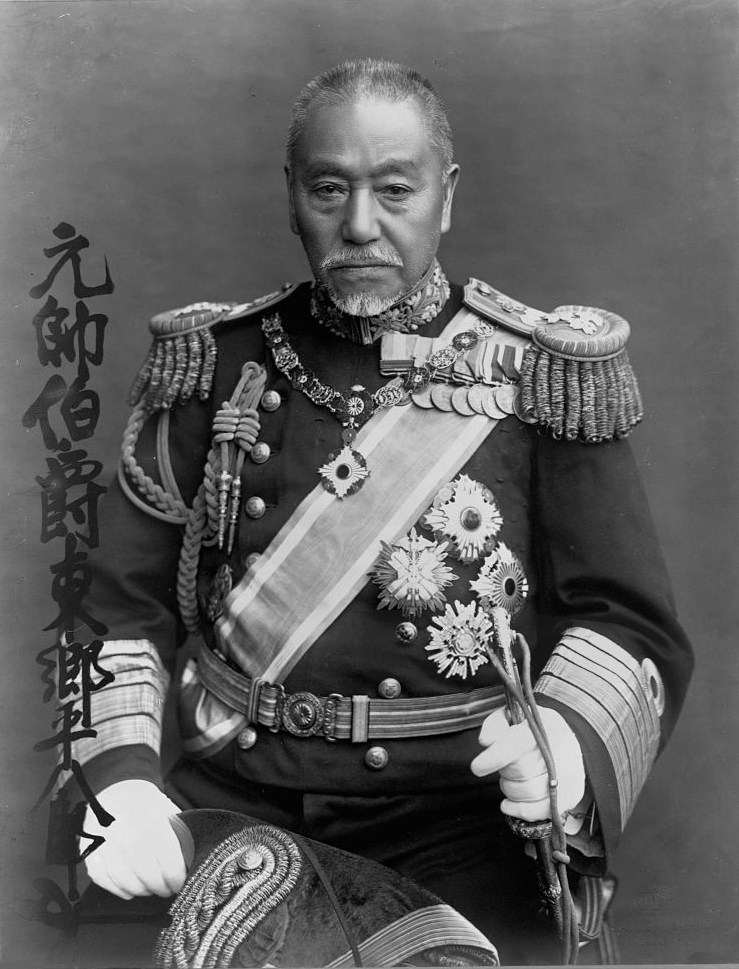
Togo Heihachiro
 (東郷 平八郎)
Fleet Admiral of the Imperial Japanese Navy dubbed the 'Nelson of the East', who annihilated the Russian Imperial Baltic Fleet at the Battle of Tsushima in 1905, changing world naval history.
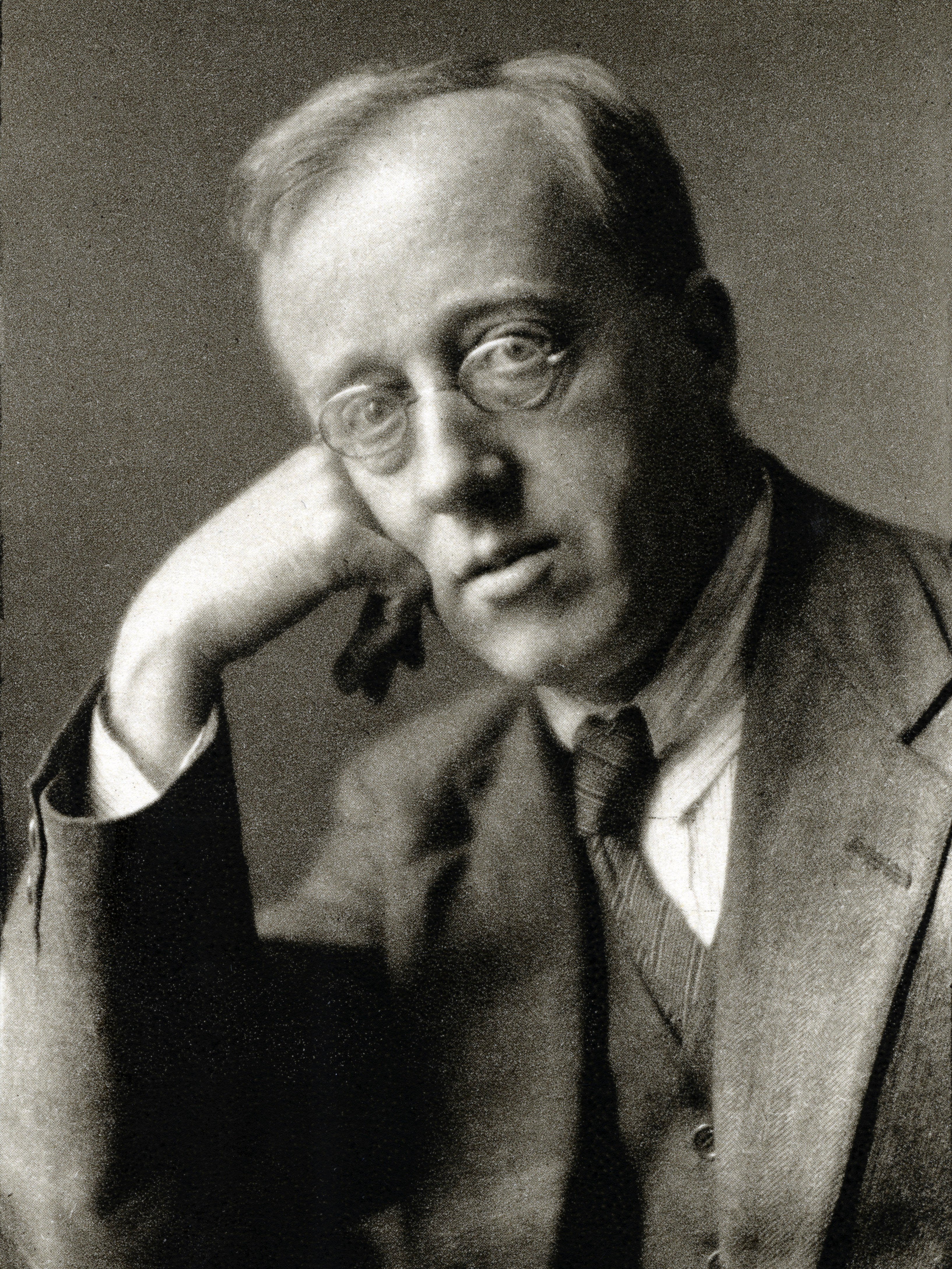
Gustav Holst
 (Gustav Theodore Holst)
English composer and educator world-renowned for his monumental orchestral suite The Planets.
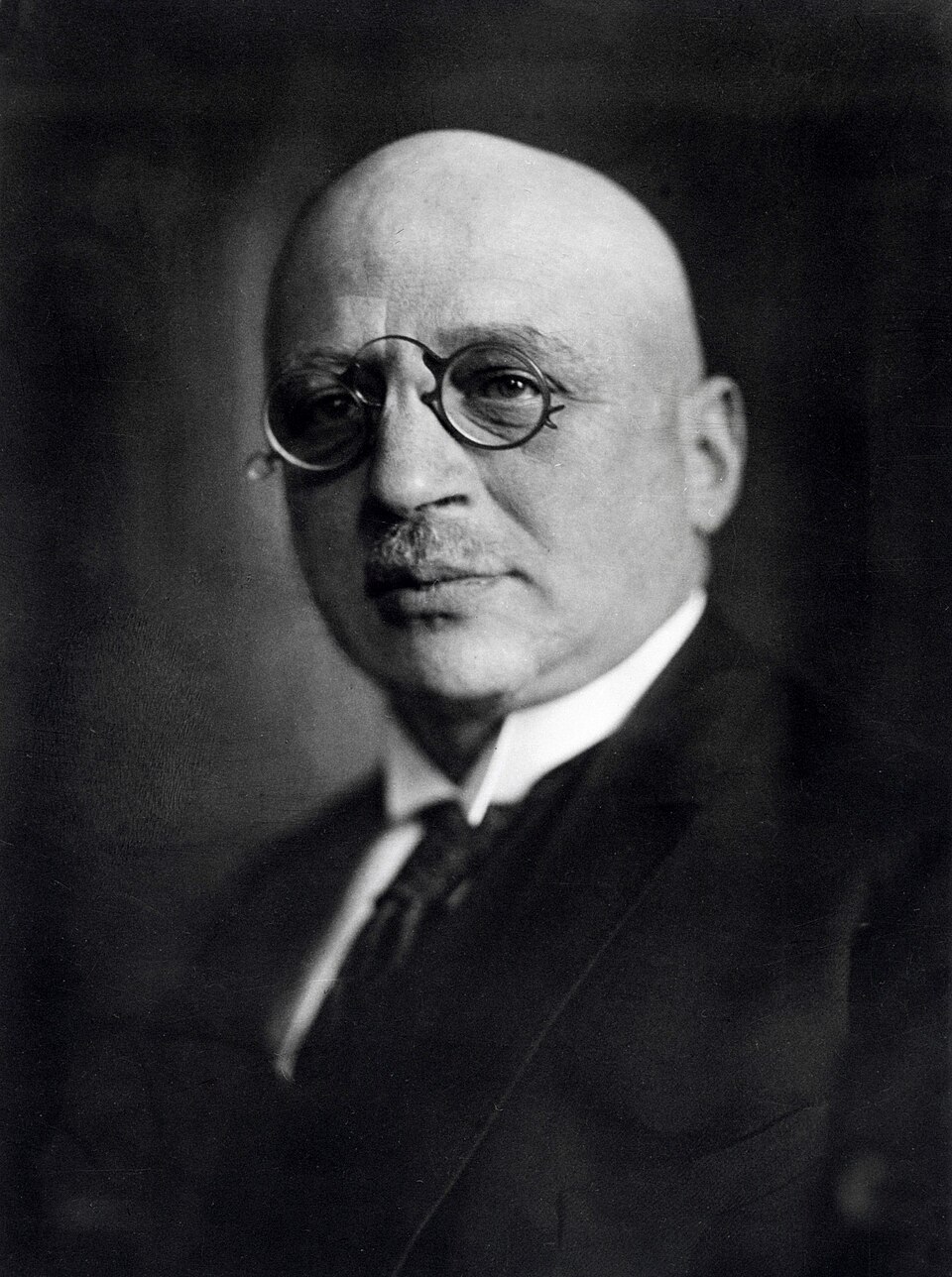
Fritz Haber
(Fritz Haber)
German chemist who invented the Haber-Bosch process synthesizing ammonia from air, feeding half the modern human population.
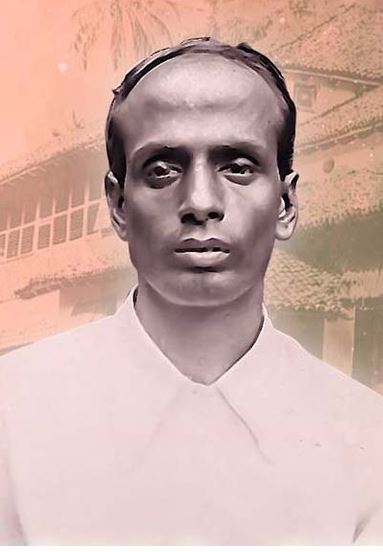
Surya Sen
 (সূর্য সেন)
Revered as 'Masterda', Bengali schoolteacher who masterminded the historic Chittagong Armoury Raid of 1930 and proclaimed a provisional independent government.
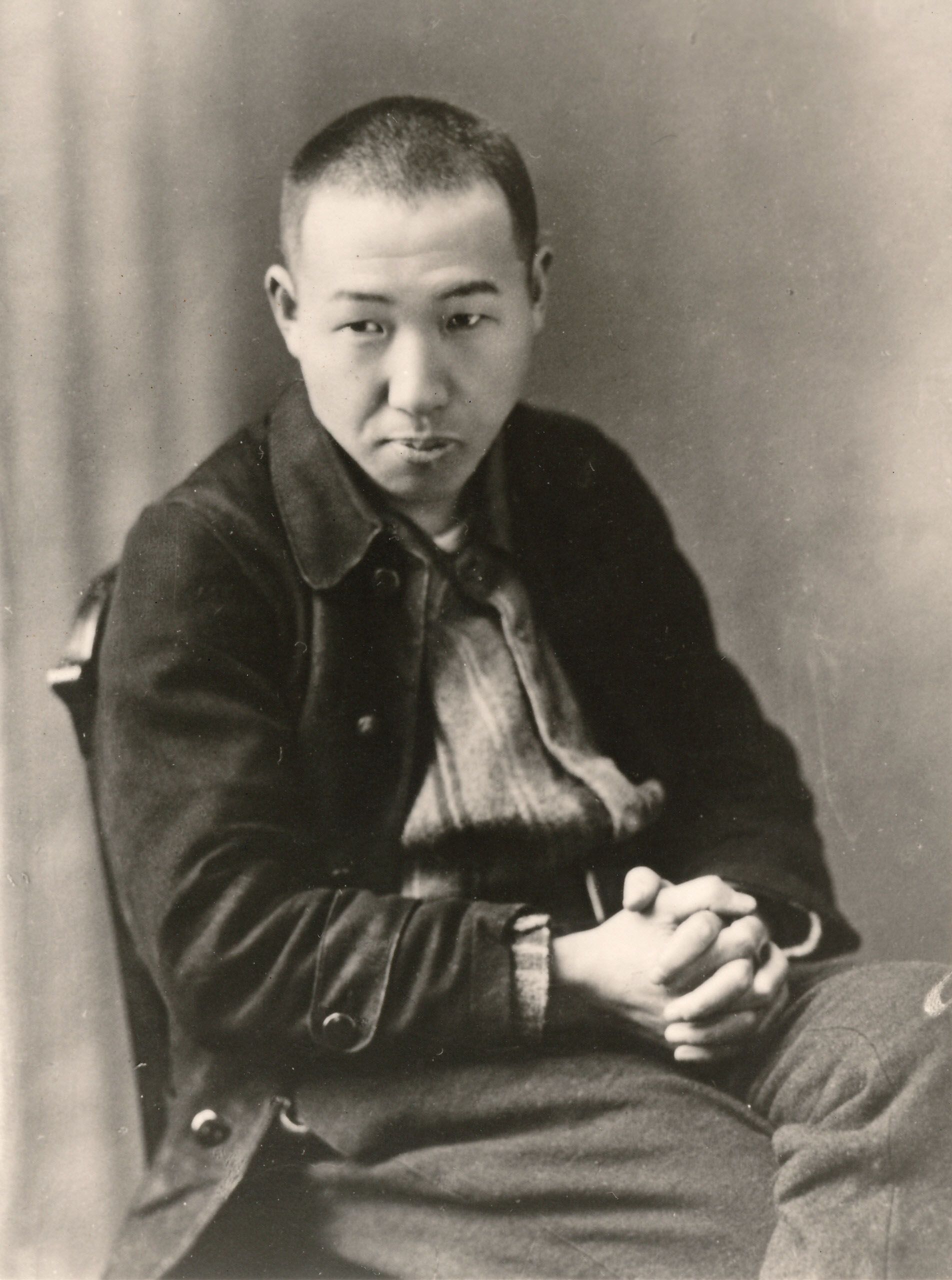
Kenji Miyazawa
(宮沢賢治)
Beloved Japanese poet, children's author, and agronomist (1896–1933) whose magical realist masterpiece 'Night on the Galactic Railroad' and selfless poem 'Be Not Defeated by the Rain' (Ame ni mo Makezu) are cultural treasures.
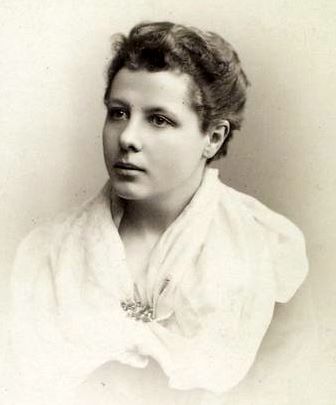
Annie Besant
(Annie Besant (nee Wood))
British social reformer, trade union champion, and orator who organized the historic 1888 London Matchgirls' Strike, moved to India to champion education and the Home Rule movement, and was elected President of the Indian National Congress in 1917.
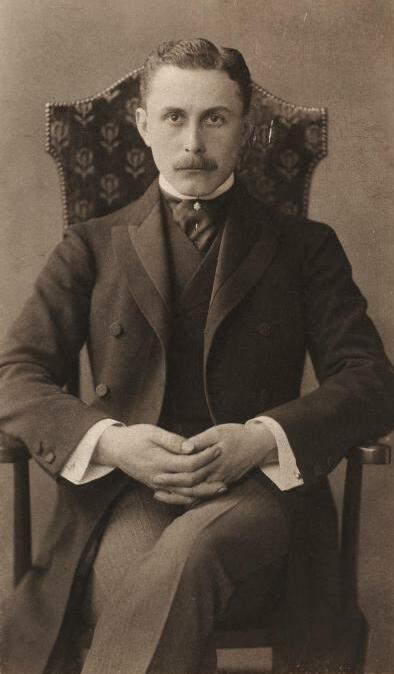
Adolf Loos
 (Adolf Franz Karl Viktor Maria Loos)
Austrian architect and uncompromising polemicist who authored 'Ornament and Crime', pioneered the spatial 'Raumplan' concept, and shaped European modernist architecture.
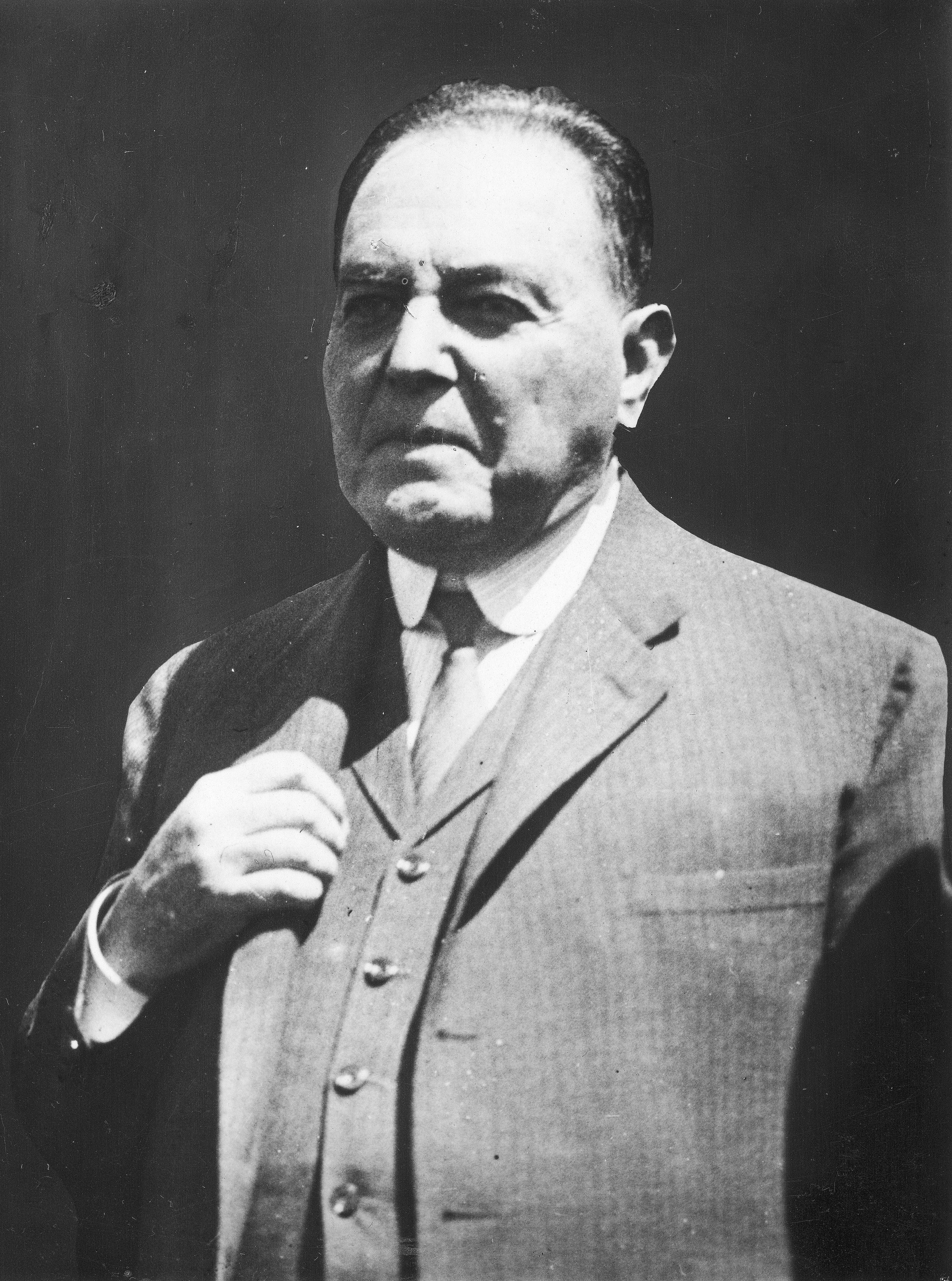
Hipolito Yrigoyen
 (Juan Hipólito del Sagrado Corazón de Jesús Yrigoyen)
Two-time President of Argentina and leader of the Radical Civic Union (UCR), who was the first president elected under universal male suffrage (Saenz Pena Law), founding YPF and universal social reform.
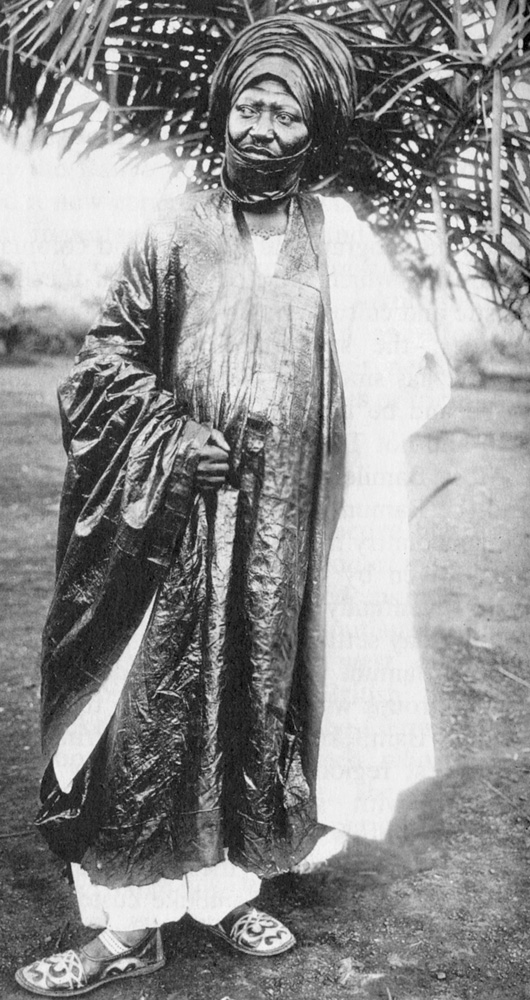
King Njoya of Bamum
 (Ibrahim Njoya (Mfon of Bamum))
Visionary seventeenth Sultan of the Kingdom of Bamum in Cameroon who invented the indigenous Shumom alphabet, constructed a printing press, mapped his kingdom, and built Foumban Royal Palace.
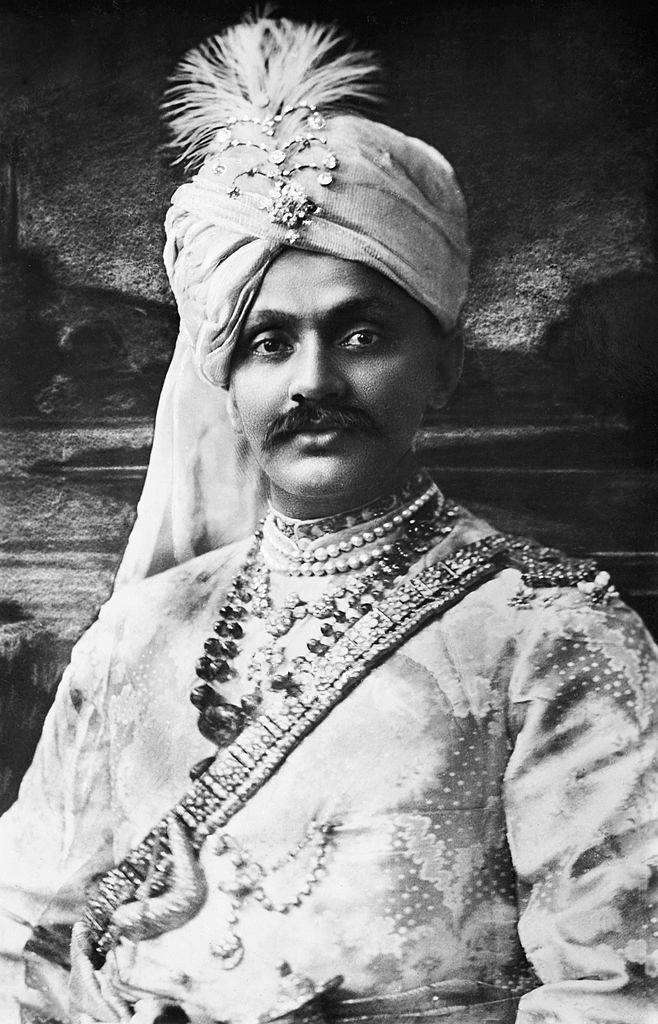
Sir Ranjitsinhji Vibhaji II
 (રણજીતસિંહજી વિભાજી જાડેજા)
Indian ruler, Maharaja Jam Sahib of Nawanagar, and pioneering cricketer who played for England, inventor of the leg glance stroke; namesake of the Ranji Trophy.
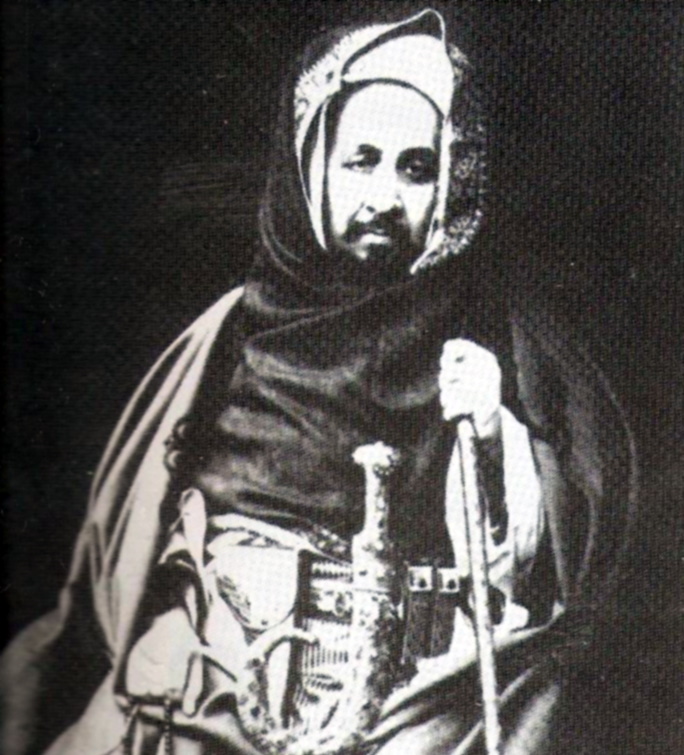
Ahmad al-Sharif al-Senussi
 (أحمد الشريف السنوسي)
Third supreme leader of the Senussi Sufi order who commanded broad North African and Saharan military resistance against French, British, and Italian colonial invasions.
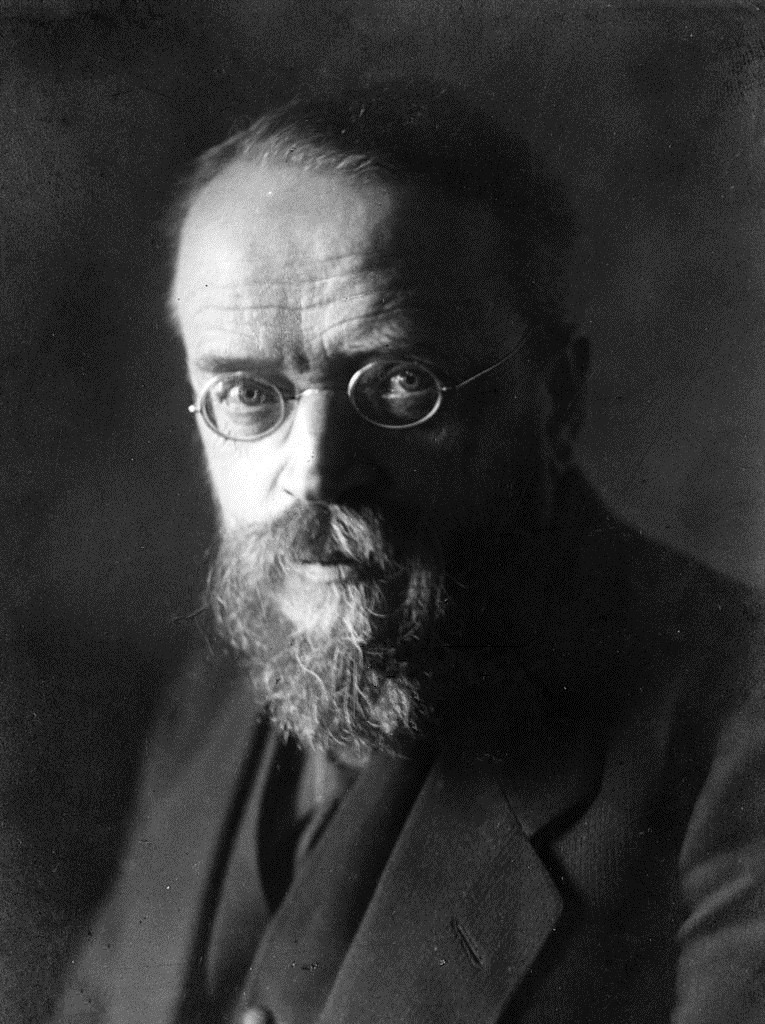
Carl Correns
 (Carl Erich Correns)
German botanist and geneticist who independently rediscovered Mendel's laws of heredity in 1900, discovered non-Mendelian cytoplasmic (maternal) inheritance, and served as the first director of the Kaiser Wilhelm Institute for Biology.
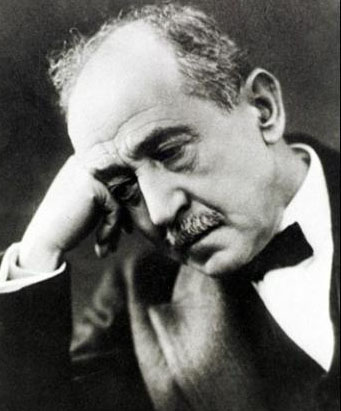
Ahmed Shawqi
 (أحمد شوقي)
Egyptian literary titan crowned by delegations from across the Arab world as 'Amir al-Shu'ara' (The Prince of Poets) in 1927, who revived classical Arabic poetic eloquence and pioneered verse drama.
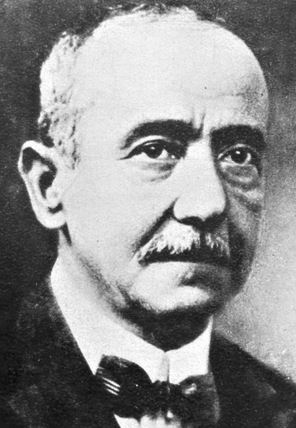
Ahmad Shawqi
(أحمد شوقي (أمير الشعراء))
Venerated across the Arab world as 'Amir al-Shu'ara' (The Prince of Poets), who spearheaded the neoclassical Arabic literary renaissance (Al-Nahda) and pioneered Arabic poetic drama in Cleopatra and Majnun Layla.
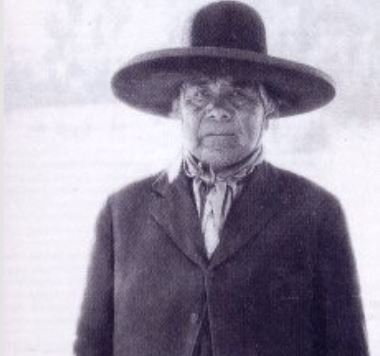
Wovoka (Jack Wilson the Paiute Prophet)
 (Wovoka (The Wood Cutter))
Northern Paiute spiritual prophet who experienced a celestial vision during the total solar eclipse of New Year's Day 1889. Preached the Ghost Dance religion of universal love, non-violence, and spiritual reunion.
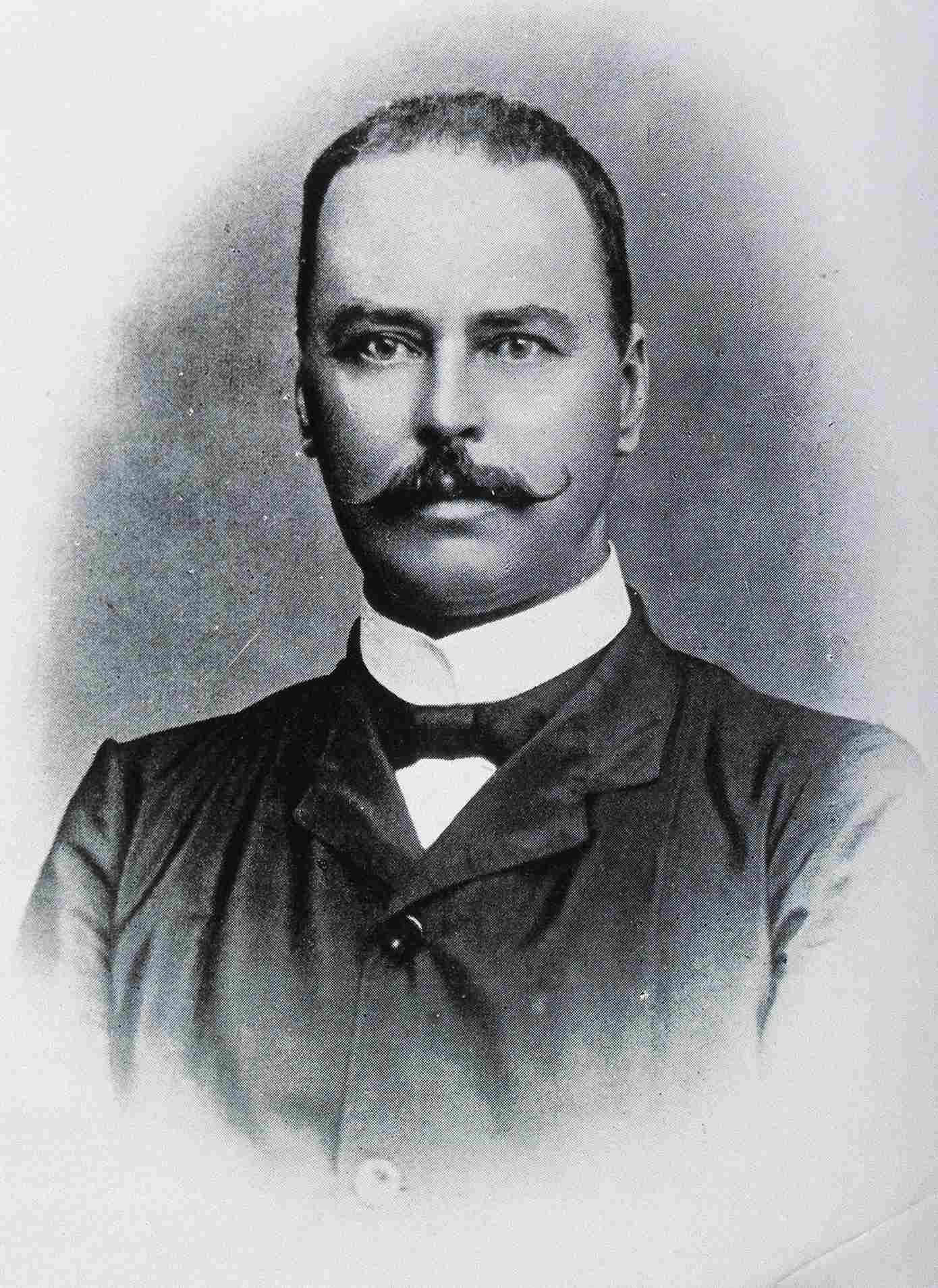
Ronald Ross
(Sir Ronald Ross)
British physician who proved that malaria parasites are transmitted by mosquitoes, becoming the first British Nobel laureate in 1902.
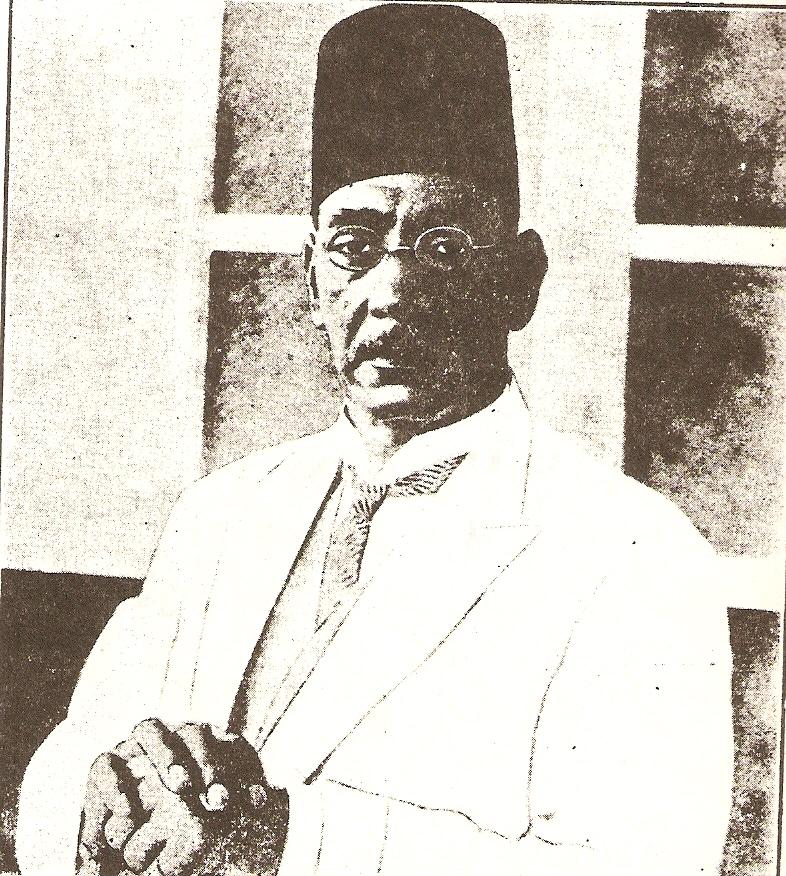
Hafez Ibrahim
(حافظ إبراهيم)
Beloved Egyptian national poet known as 'The Poet of the Nile', whose resonant verses championed the Egyptian peasant, celebrated the Arabic language, and mourned the victims of the Denshawai massacre.