Public Figures & Cultural Luminaries
Filterable archive covering centuries of intellectual, artistic, and moral contributions to the human story.
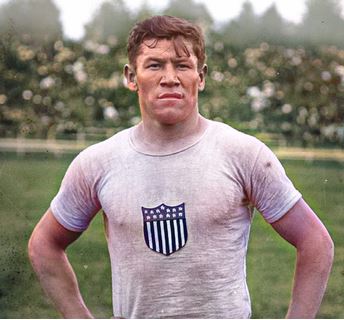
Jim Thorpe
 (James Francis Thorpe (Wa-Tho-Huk))
Jim Thorpe (Sac and Fox name: Wa-Tho-Huk, 'Bright Path') is celebrated as one of the greatest and most versatile all-around athletes in modern history. An Olympic champion who dominated the pentathlon and decathlon at the 1912 Stockholm Games, he excelled at the highest professional level in American football (serving as the first president of the NFL), Major League Baseball, and basketball.
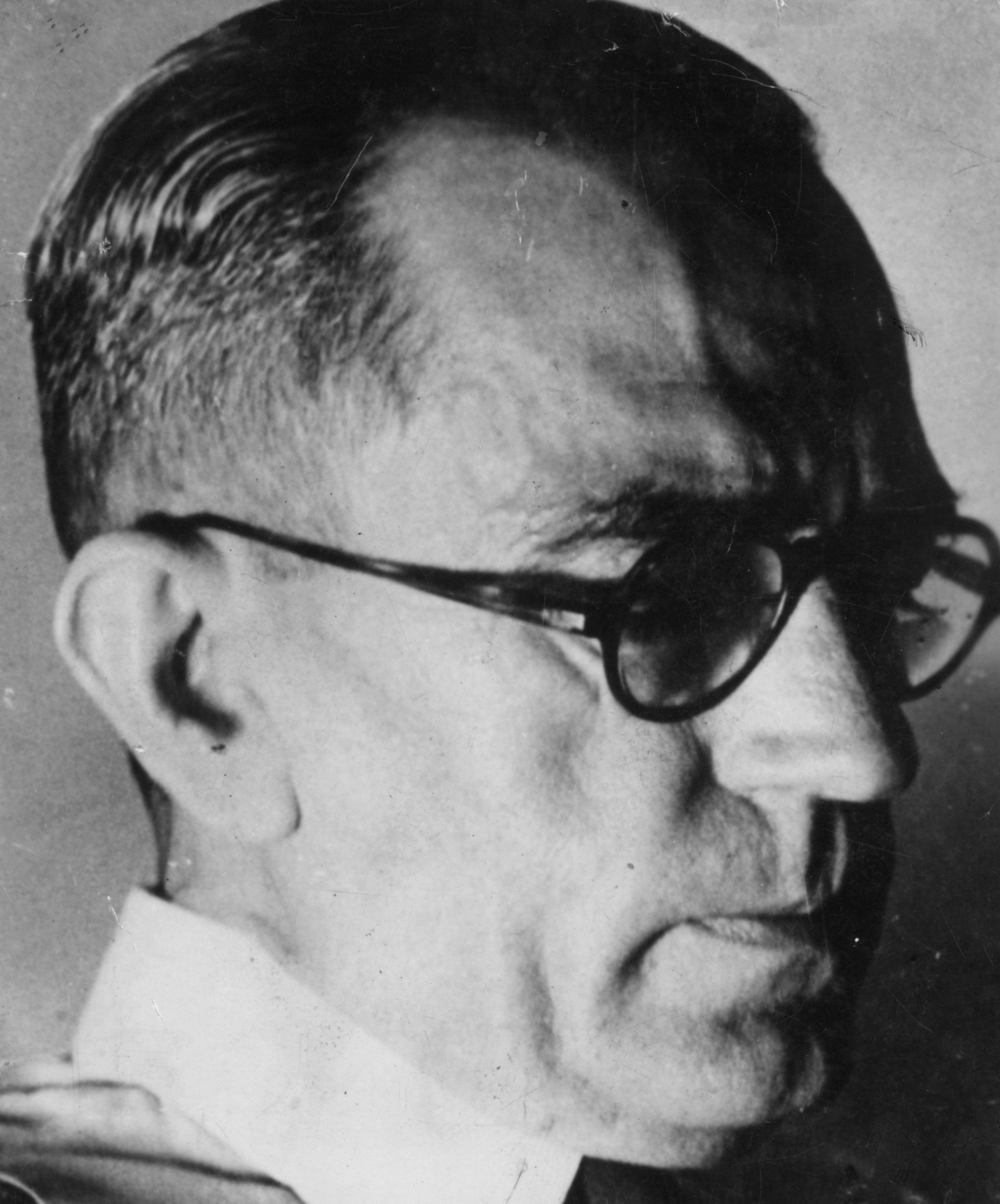
Graciliano Ramos
 (Graciliano Ramos de Oliveira)
Brazilian novelist of the 1930s Regionalist Movement, whose stark masterpiece Barren Lives captured the devastating droughts and social injustice suffered by migrants in the northeastern sertao.
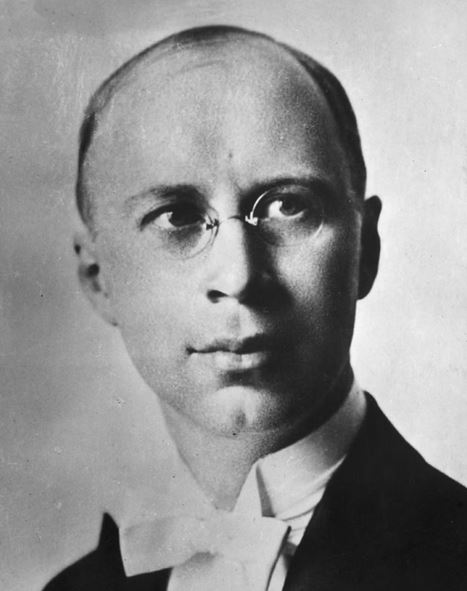
Sergei Sergeyevich Prokofiev
 (Сергей Сергеевич Прокофьев)
Prodigious Russian and Soviet composer whose razor-sharp wit, motoric rhythms, and lyricism produced enduring masterpieces across genres—including Romeo and Juliet (Dance of the Knights), Peter and the Wolf, and the Classical Symphony.
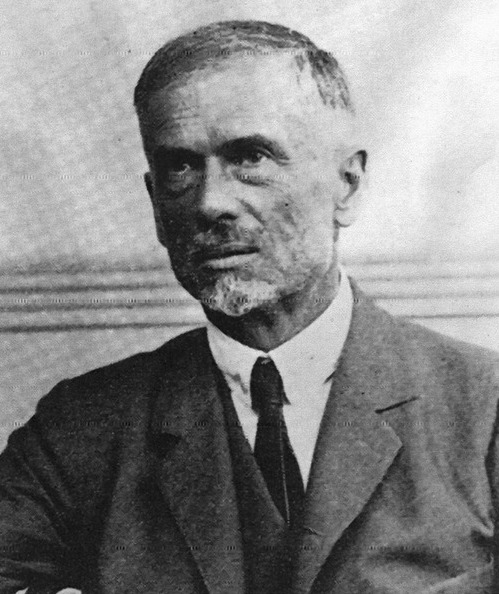
Sergei Winogradsky
 (Сергей Николаевич Виноградский)
Pioneering microbiologist acclaimed as the 'Father of Microbial Ecology', who discovered chemosynthesis—proving that life can thrive on inorganic chemical oxidation without sunlight—and isolated the nitrogen-fixing bacteria that sustain global agriculture.
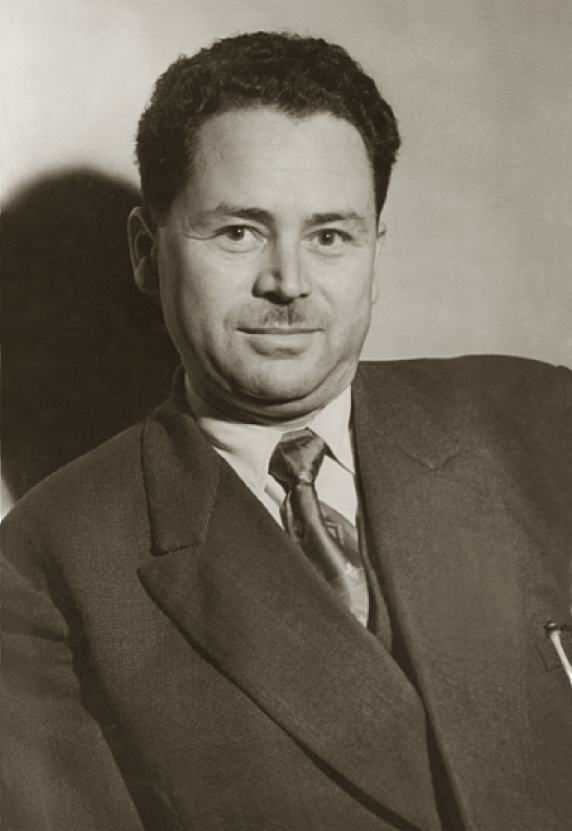
Farhat Hached
 (فرحات حشاد)
Pioneering Tunisian trade unionist who founded the General Union of Tunisian Workers (UGTT) in 1946, creating the first independent indigenous trade union in the Arab world, assassinated by French death squads.
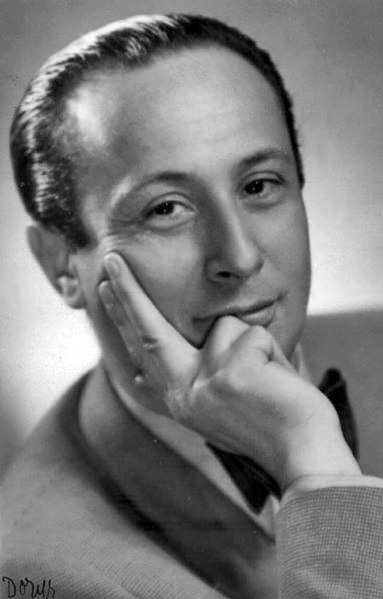
Wilm Hosenfeld
 (Wilhelm Adalbert Hosenfeld)
German Army officer in Warsaw who covertly sheltered and saved Polish Jews, including pianist Władysław Szpilman, recognized as Righteous Among the Nations.
Sameera Moussa
 (سميرة موسى)
Pioneering Egyptian nuclear physicist who became the first female university lecturer at Cairo University, researched affordable medical radiotherapy for cancer, and organized the Atomic Energy for Peace Conference.
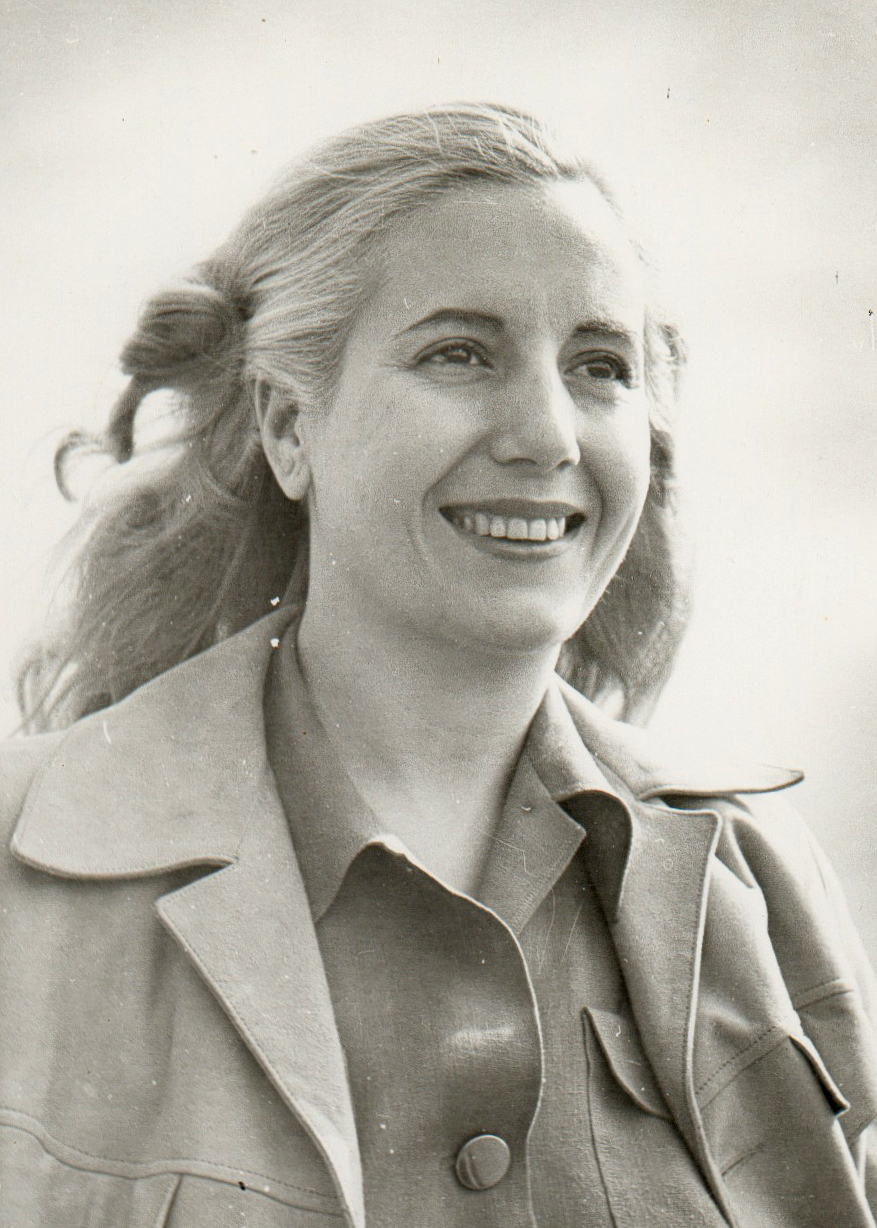
Eva Peron (Evita)
 (María Eva Duarte de Perón)
Legendary First Lady of Argentina revered as 'Evita' and 'Spiritual Leader of the Nation', who secured women's voting rights in 1947 and directed the Eva Peron Foundation for the impoverished.
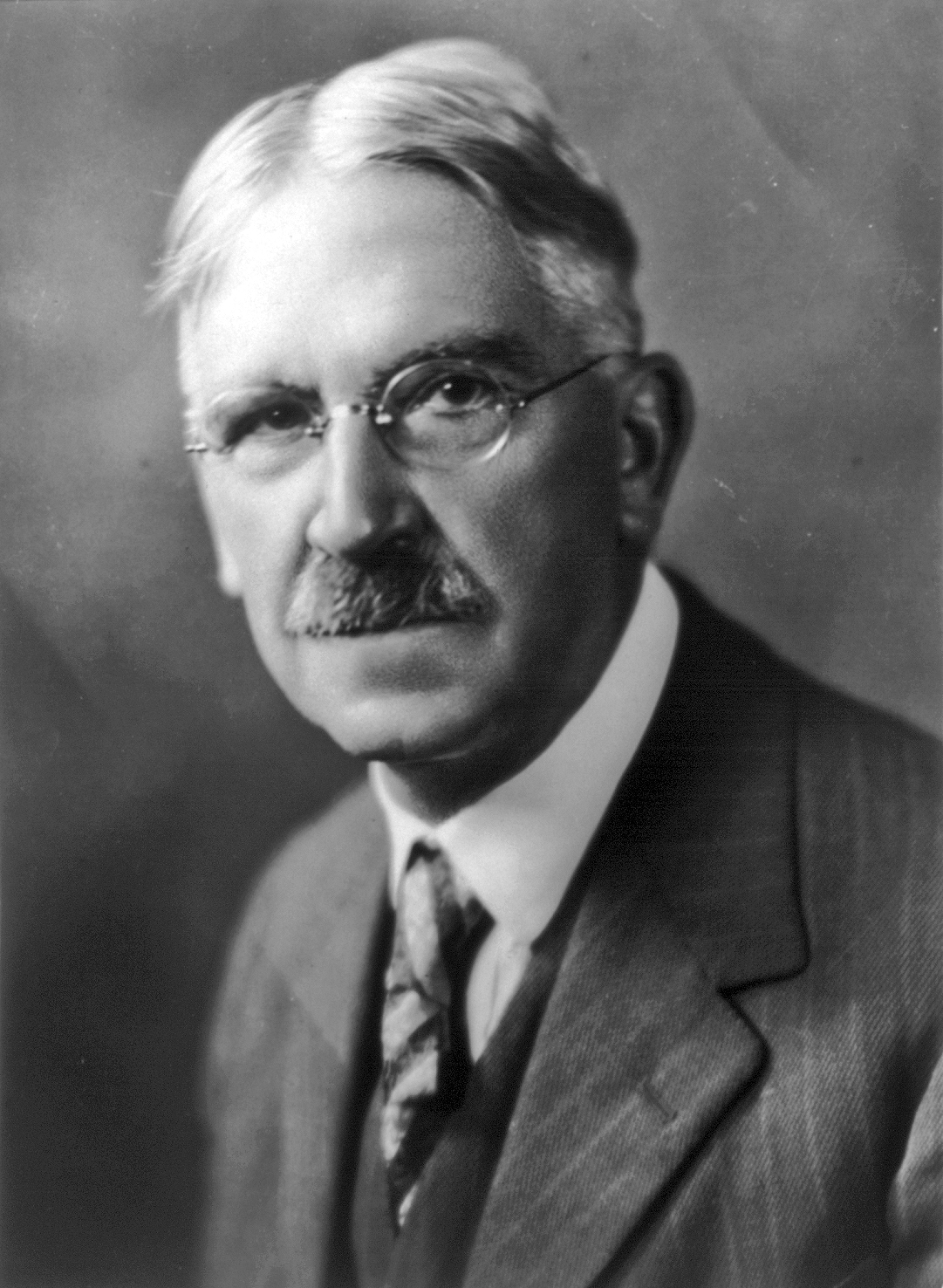
John Dewey
(John Dewey)
American philosopher, psychologist, and educational reformer who developed instrumentalism and progressive education, co-founded the NAACP and the ACLU, and authored Democracy and Education.
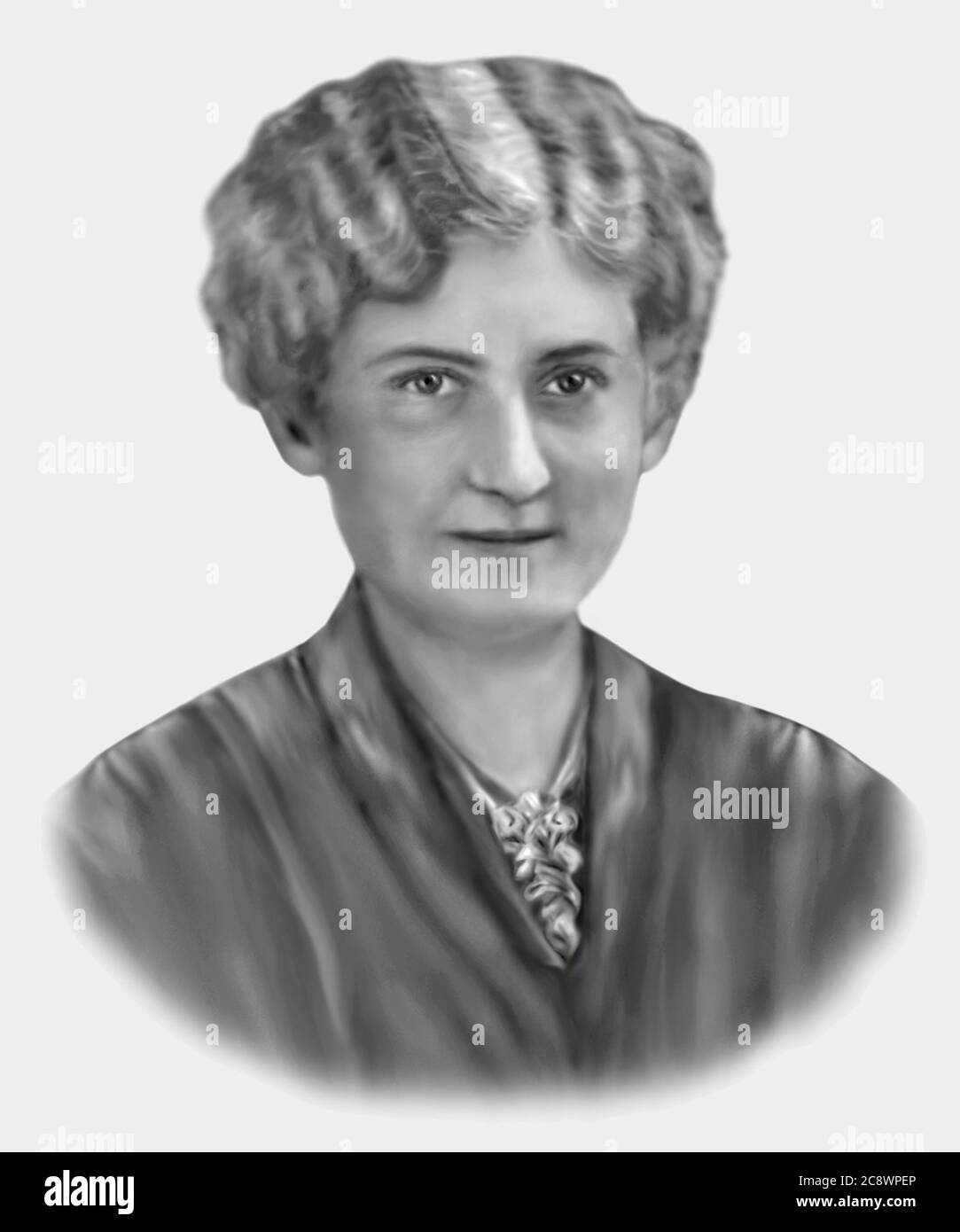
Maria Tecla Artemisia Montessori
 (Maria Montessori)
Médecin et pédagogue italienne de renommée mondiale, créatrice de la méthode Montessori et inlassable apôtre de l'éducation pour la paix universelle.
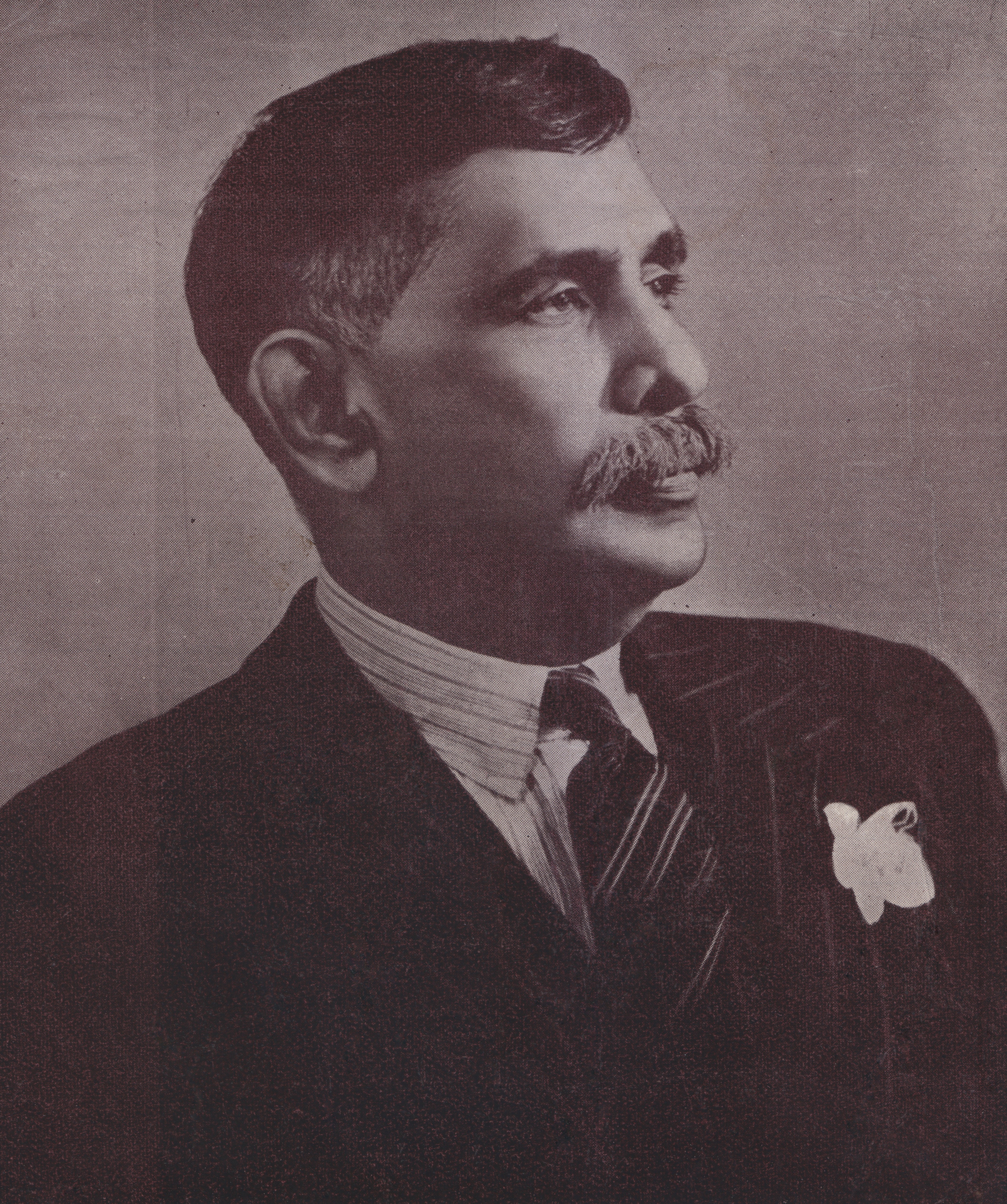
D. S. Senanayake
 (දොන් ස්ටීවන් සේනානායක)
Founding Father and first Prime Minister of independent Ceylon (Sri Lanka) known as 'The Father of the Nation', who restored ancient dry zone irrigation reservoirs and led Ceylon to freedom in 1948.
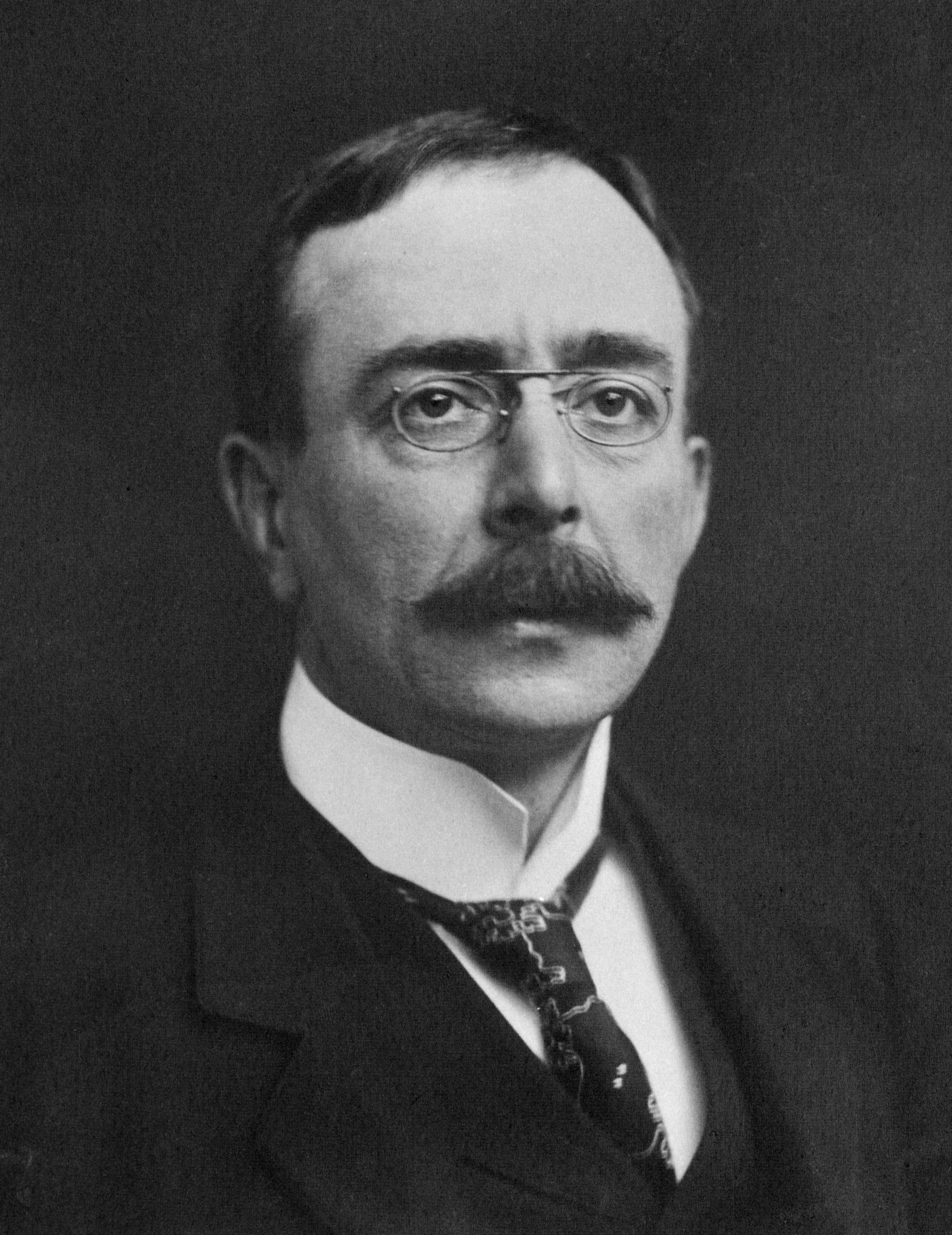
Charles Sherrington
 (Sir Charles Scott Sherrington)
English neurophysiologist who won the 1932 Nobel Prize in Medicine for mapping the reflex functions of the central nervous system, coining the immortal terms 'synapse', 'proprioception', and 'motor unit'.
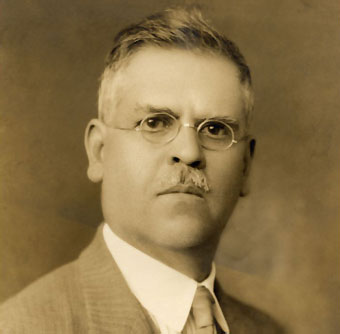
Mariano Azuela
 (Mariano Azuela González)
Mexican novelist and physician who founded the novel of the Mexican Revolution, author of the 1915 realistic classic The Underdogs (Los de abajo).
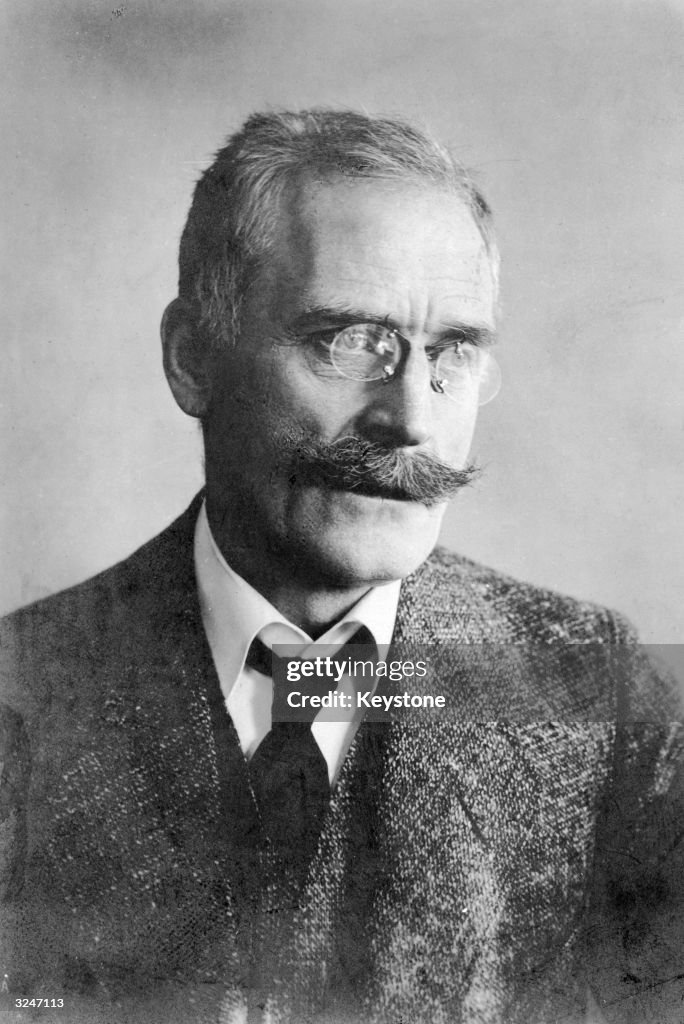
Knut Hamsun
 (Knut Hamsun)
1920 Nobel laureate in Literature whose psychological masterwork Hunger (Sult) pioneered stream of consciousness and the 20th-century modernist antihero.
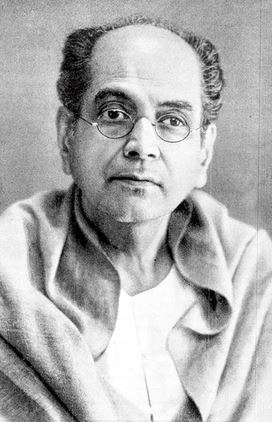
Abanindranath Tagore
 (অবনীন্দ্রনাথ ঠাকুর)
Indian artist and writer who founded the influential Bengal School of Art, creating the iconic patriotic painting Bharat Mata and championing pan-Asian aesthetic indigenism against British academicism.
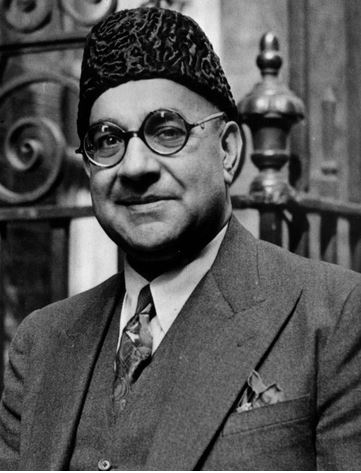
Liaquat Ali Khan
(لیاقت علی خان)
Consolidated Pakistan's state institutions, currency, and military apparatus amidst catastrophic refugee displacement after Partition.
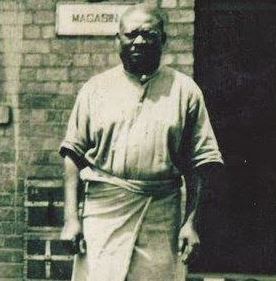
Papa Simon Kimbangu
 (Simon Kimbangu)
Congolese Baptist catechist who began a miraculous healing ministry at Nkamba in 1921. Imprisoned for thirty years by Belgian colonial authorities, his steadfast non-violence inspired the Kimbanguist Church of millions.
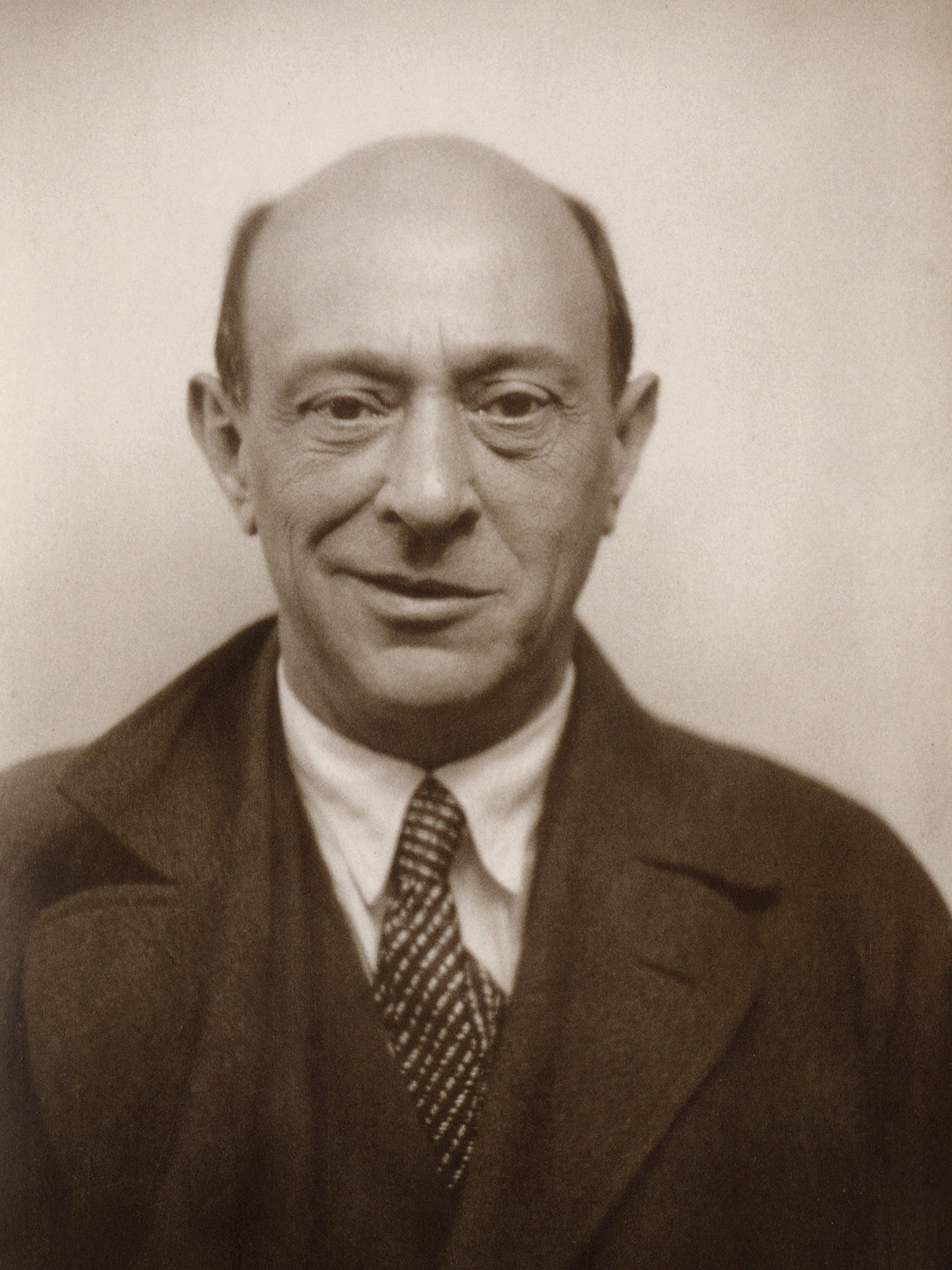
Arnold Schoenberg
 (Arnold Franz Walter Schoenberg)
Austrian-American modern composer and pioneer of atonality and the twelve-tone serial technique.