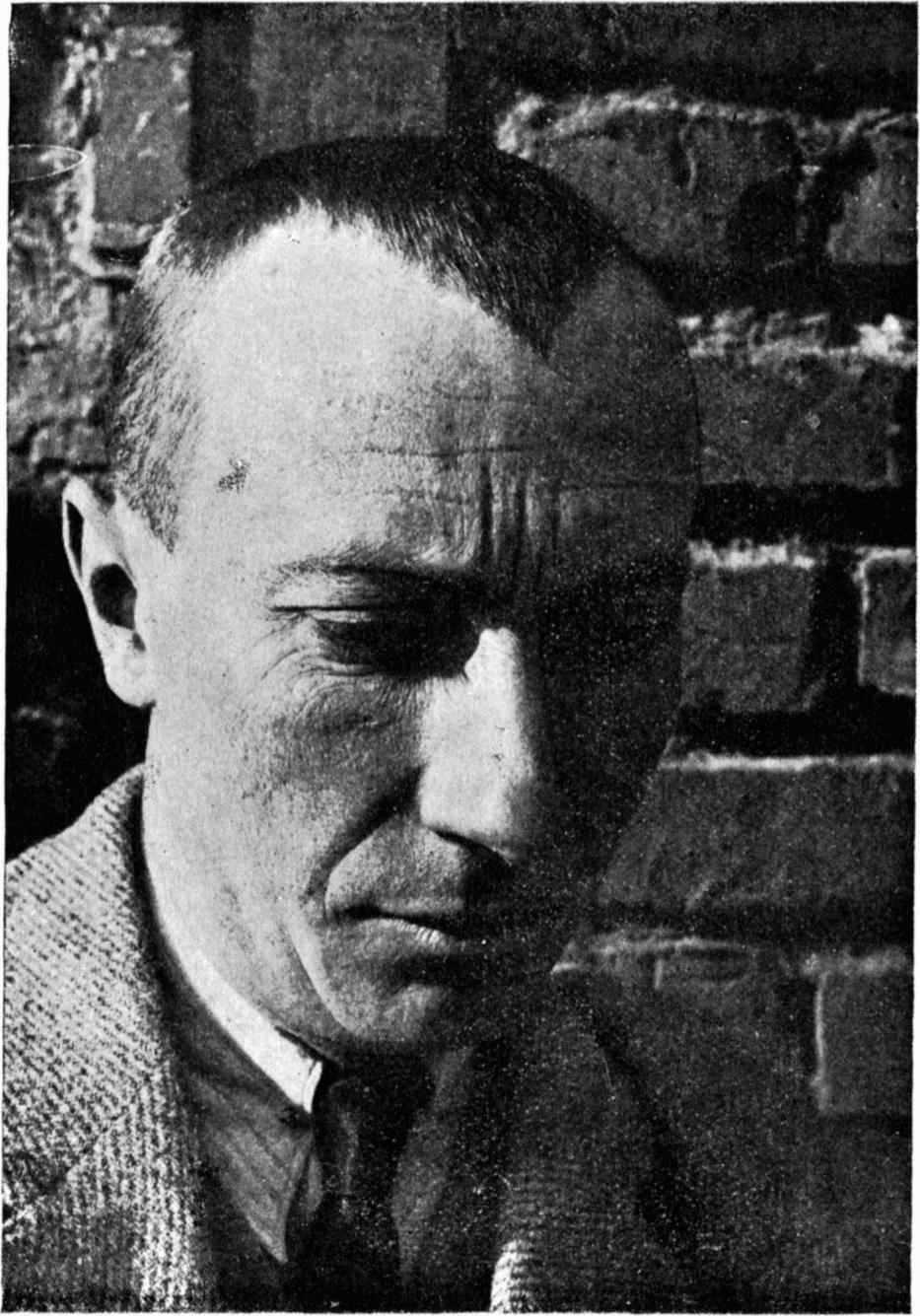
Hans Arp
French-German sculptor, painter, and poet who co-founded Zurich Dada and pioneered biomorphic abstraction and the artistic embrace of chance.
Start typing to search worldwide archives and community tributes
Filterable archive covering centuries of intellectual, artistic, and moral contributions to the human story.
French-German sculptor, painter, and poet who co-founded Zurich Dada and pioneered biomorphic abstraction and the artistic embrace of chance.
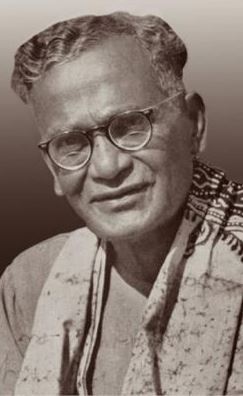
Pioneering modern Indian artist who decorated the original manuscript of the Constitution of India and created the iconic linocut of Mahatma Gandhi on the Dandi Salt March.
Italian painter who was a leading figure of Italian Futurism before joining Giorgio de Chirico to pioneer Metaphysical painting and a monumental classical revival.
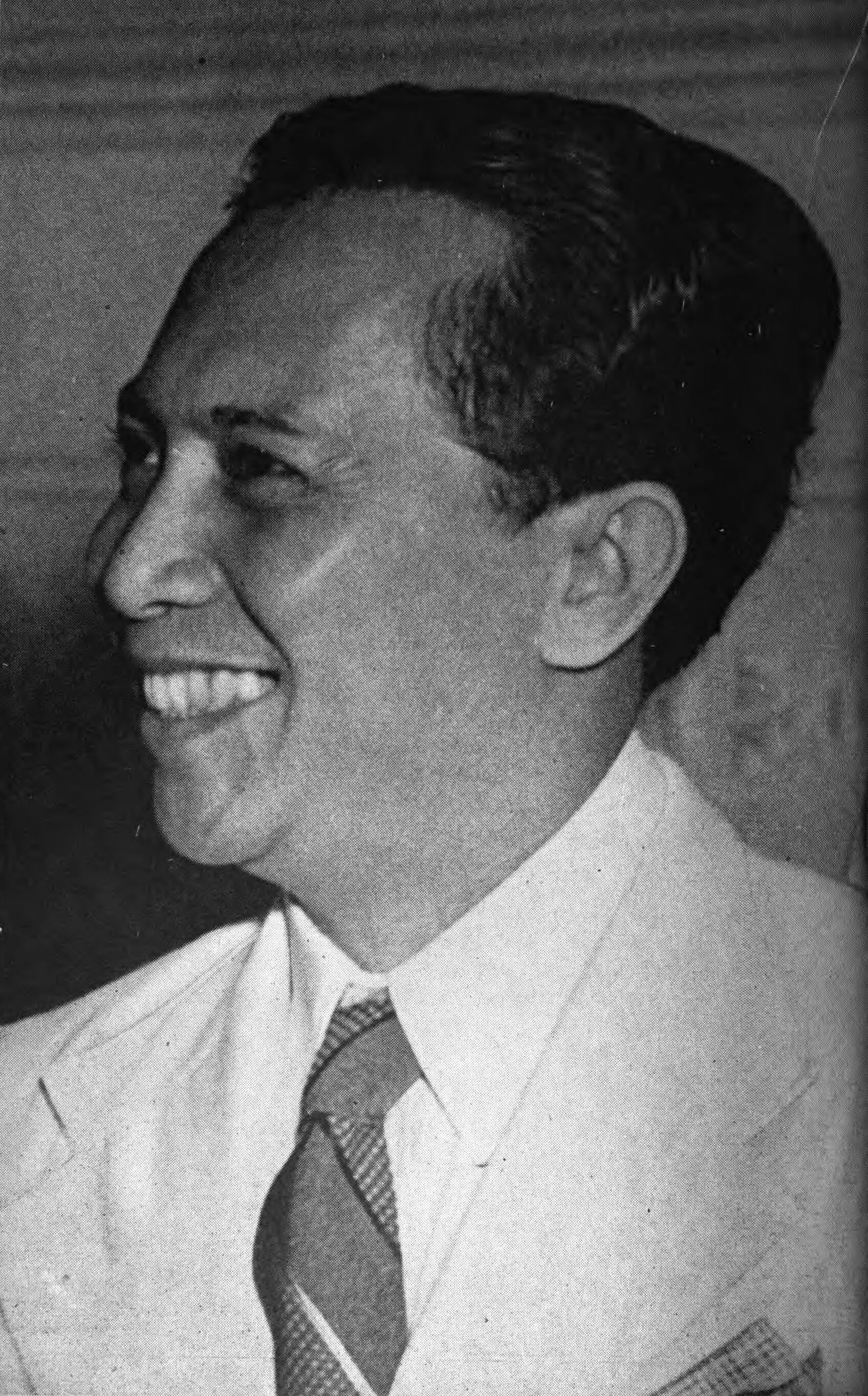
First Prime Minister of independent Indonesia (1945โ1947), intellectual leader of the underground anti-fascist resistance during the Japanese occupation, who secured international diplomatic recognition for the young republic at the United Nations.
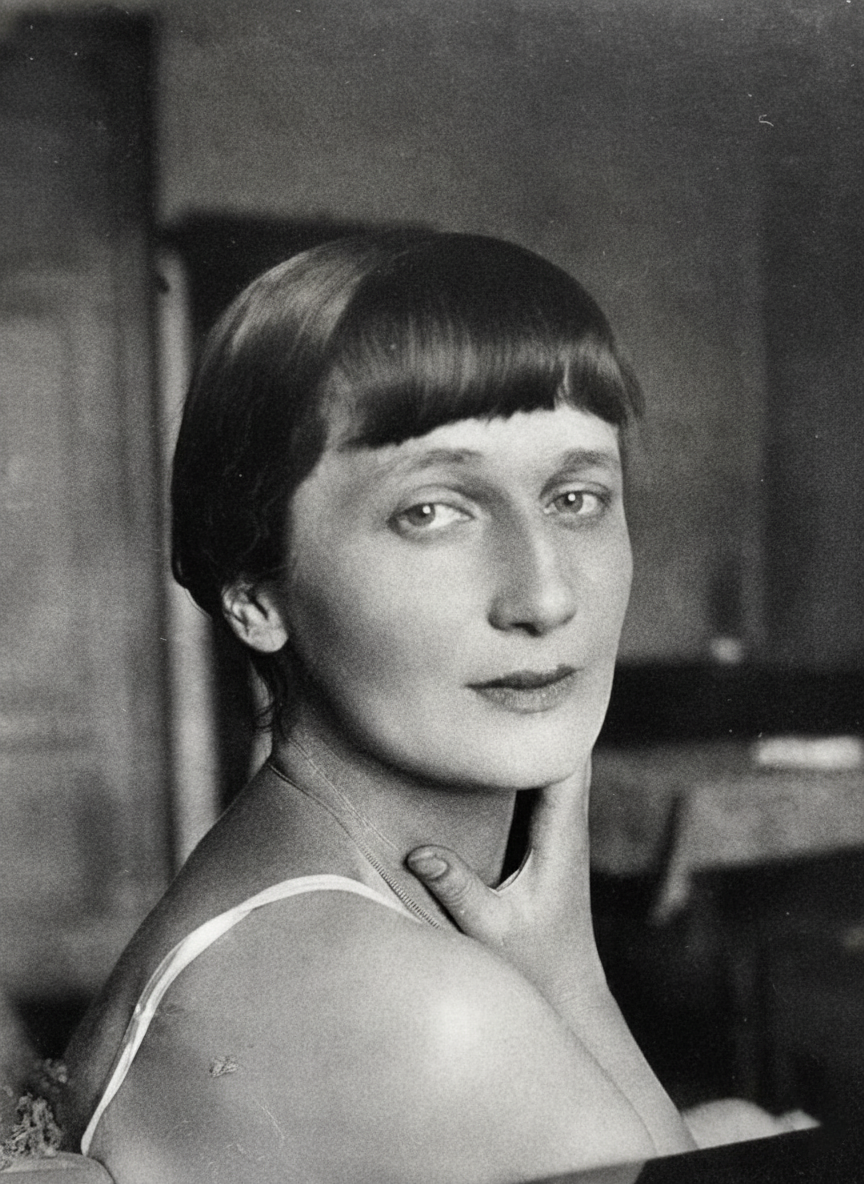
Supreme Russian modernist poet of the Silver Age and leader of Acmeism whose poem Requiem bore witness to the terror of Stalin's Great Purge.
Italian artist who connected Paris Cubism with Italian Futurism, famous for kaleidoscopic nightclub dancers, fractured war trains, and later classical frescoes.
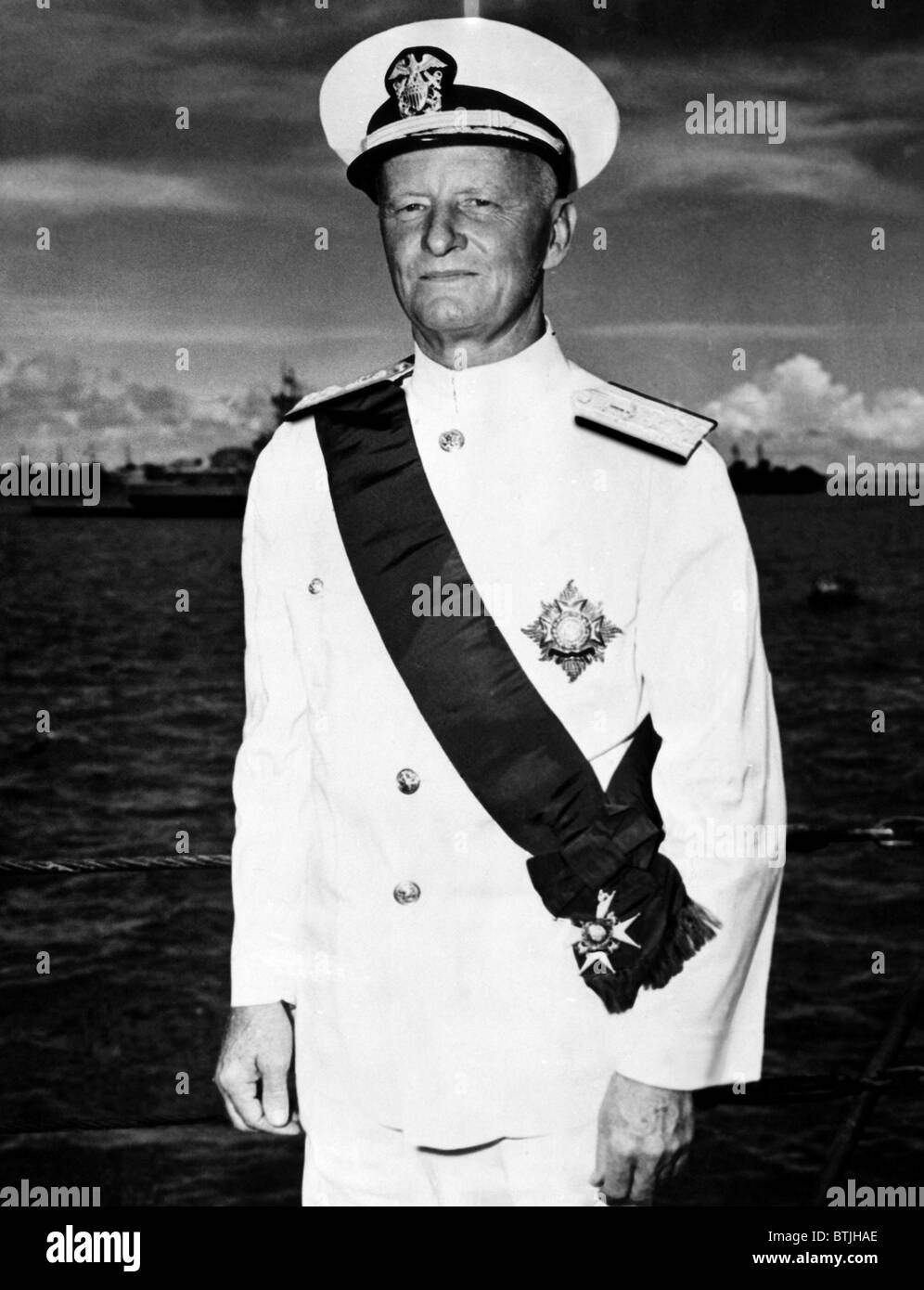
Fleet Admiral and Commander-in-Chief of the US Pacific Fleet who orchestrated the victory at Midway and directed the Central Pacific drive to victory in WWII.
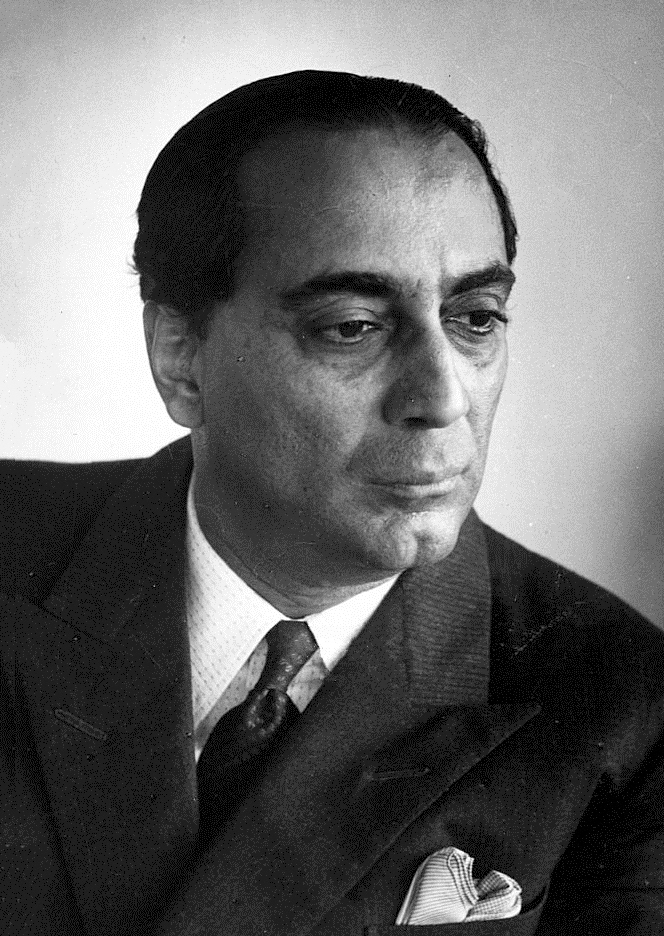
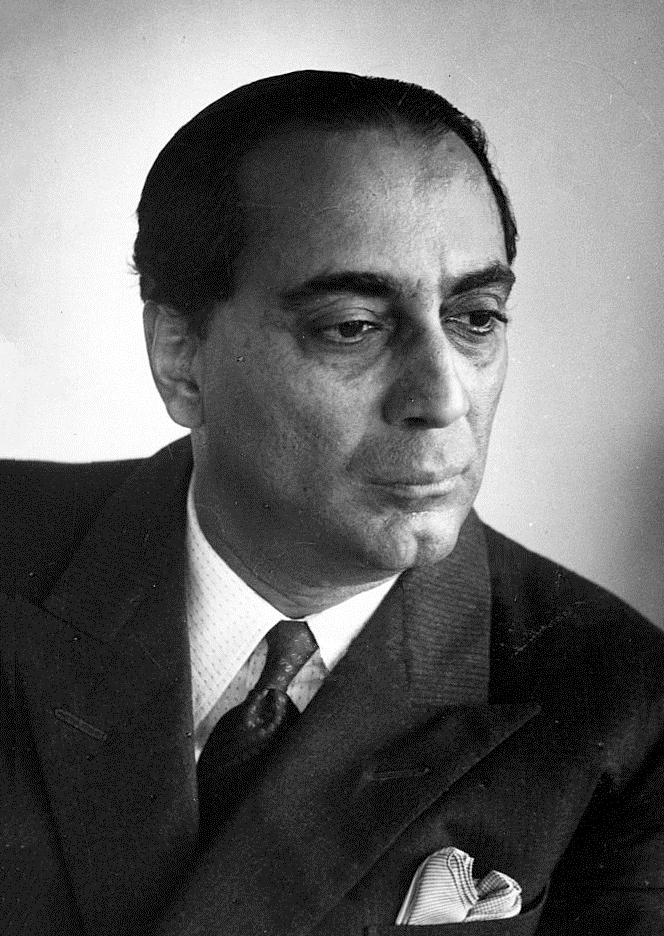
Indian nuclear physicist widely acclaimed as the father of the Indian nuclear program, who formulated India's three-stage nuclear power strategy and founded TIFR.
Visionary Indian nuclear physicist acclaimed as the 'Father of the Indian Nuclear Programme', who formulated the relativistic electron-positron scattering formula (Bhabha Scattering) and designed India's three-stage nuclear power strategy.
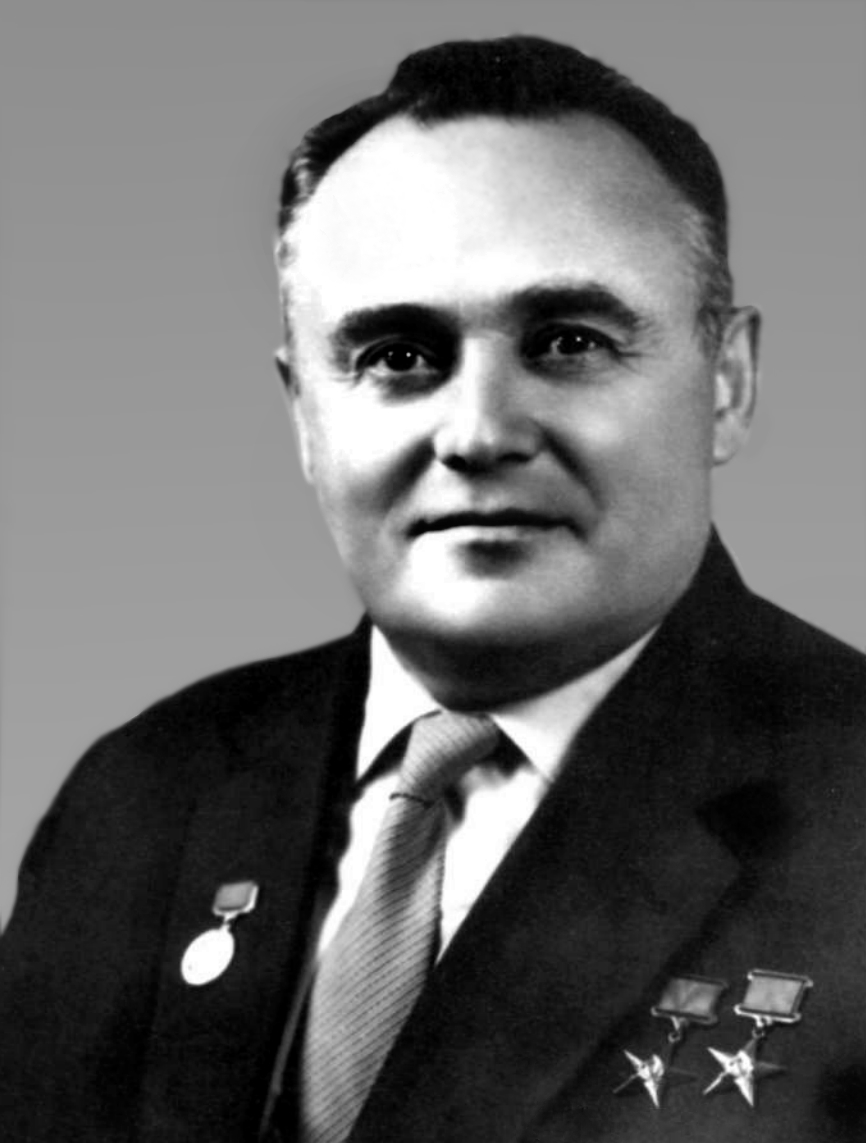
Legendary Soviet 'Chief Designer' who orchestrated the launches of Sputnik 1, the first dog Laika, and Yuri Gagarin.
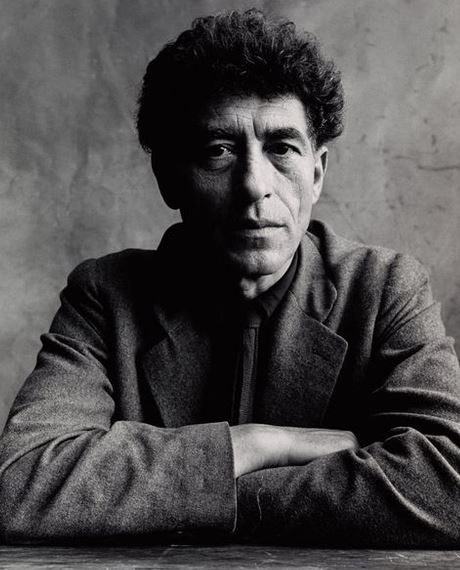
Swiss sculptor and painter renowned for his elongated, thread-like bronze figures evoking human vulnerability and existential isolation.
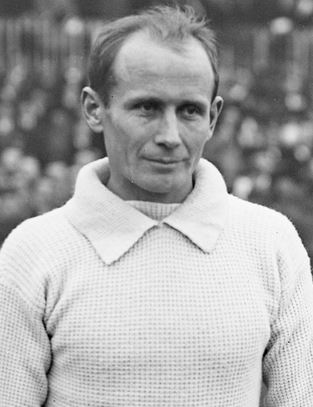
Juho Pietari 'Hannes' Kolehmainen was the founding father of Finland's distance running dynasty and the very first 'Flying Finn'. At the 1912 Stockholm Olympic Games, he captured three gold medals (5,000m, 10,000m, cross-country), famously 'running Finland onto the map of the world'. Eight years later at Antwerp 1920, he won gold in the Olympic marathon in a world record time.
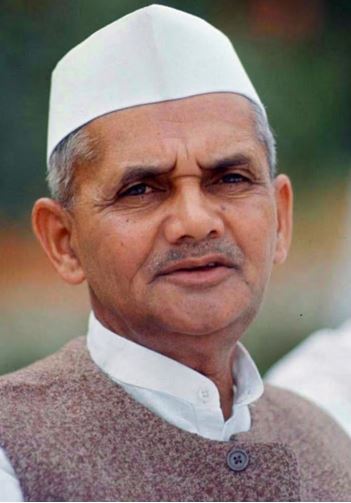
Icon of ethical governance, modesty, and agrarian development; laid the groundwork for India's food security and dairy self-sufficiency (Amul).
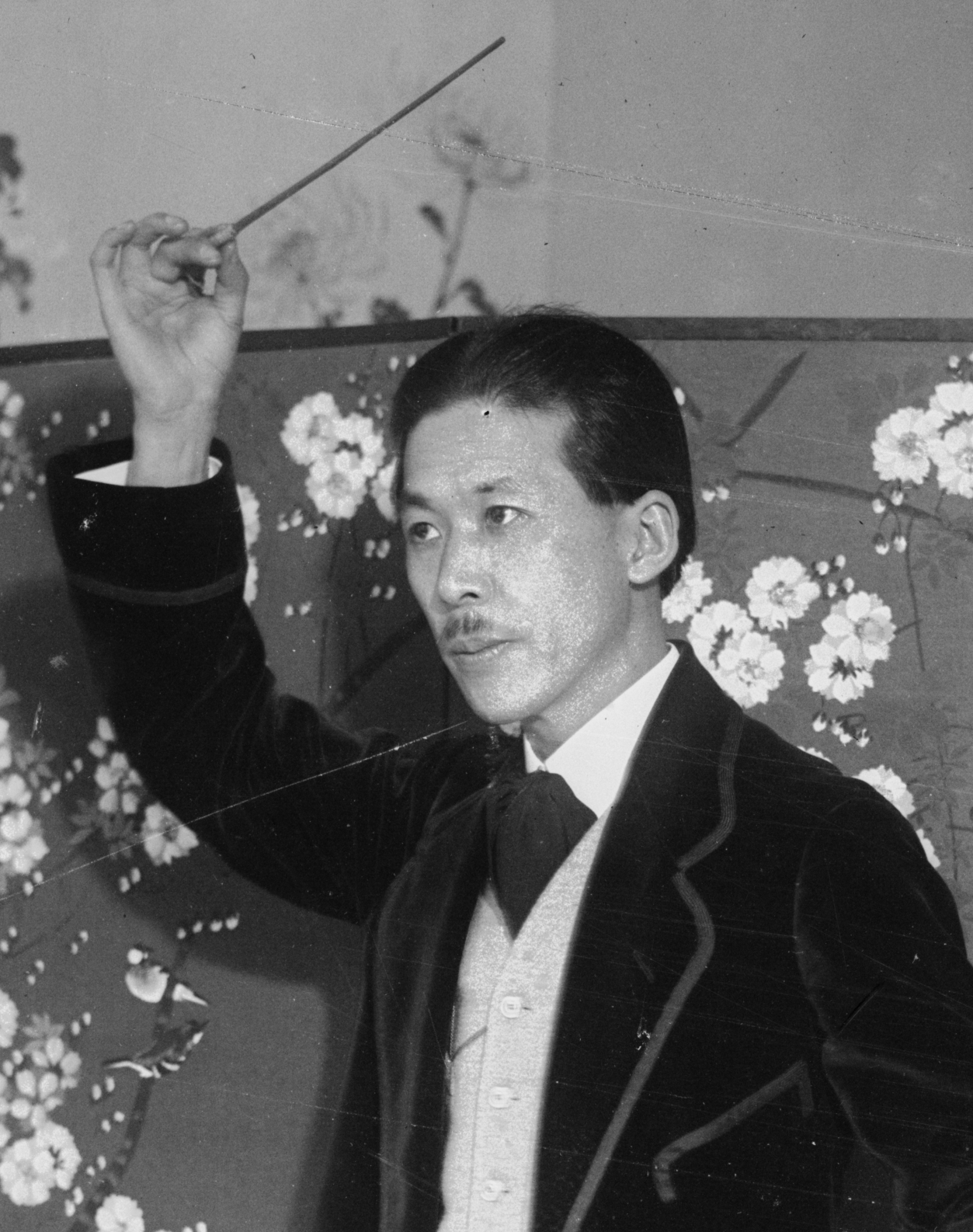
Japanese composer and conductor who composed Japan's first symphony and first western-style opera, Kurofune (The Black Ships), and founded the Japan Philharmonic.
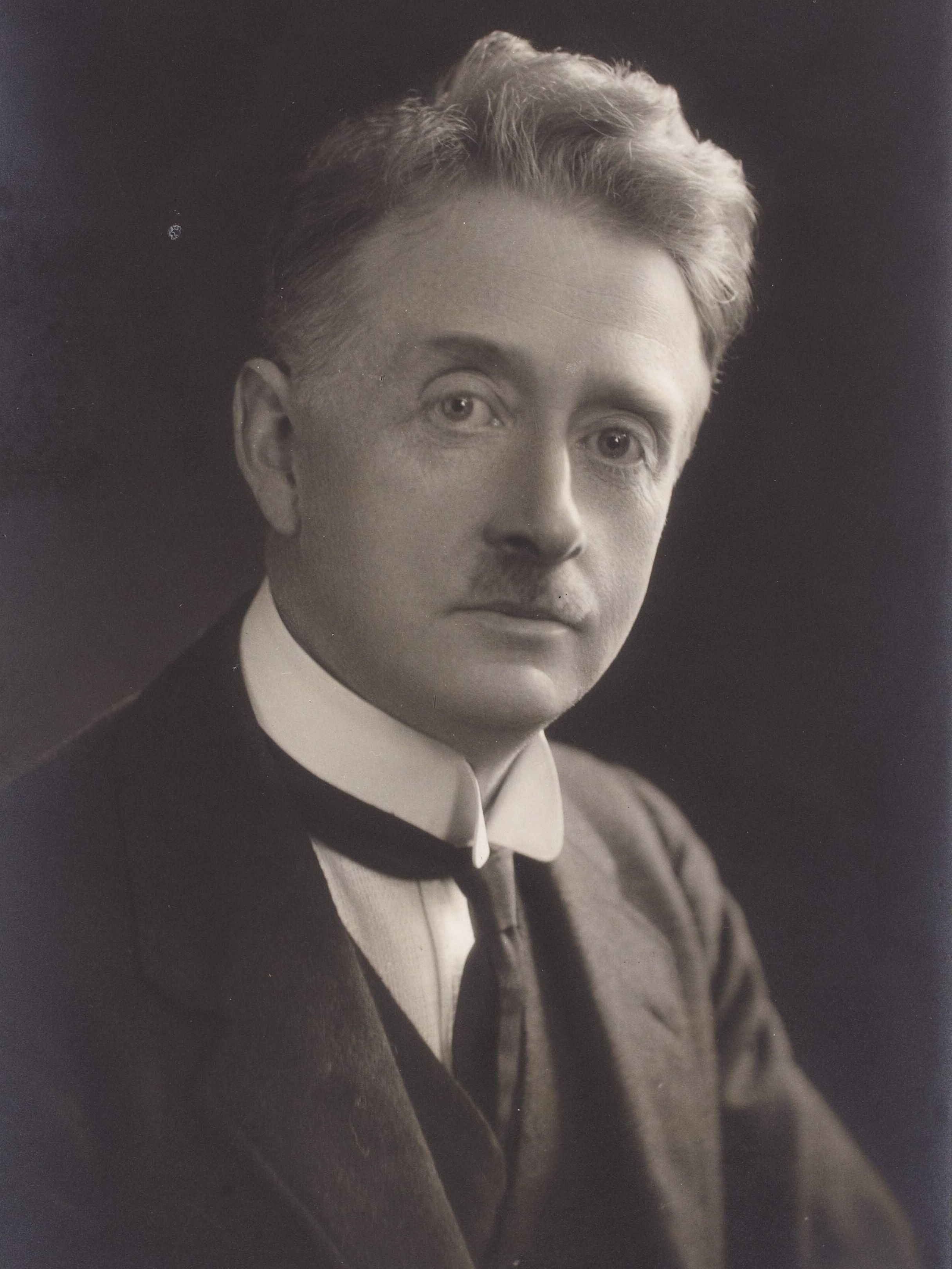
Founding statesman and first President of the Executive Council of the Irish Free State (1922โ1932) who established stable constitutional democracy following the Irish Civil War, founded the Shannon Hydroelectric Scheme, and peacefully handed over power to his civil war opponents.
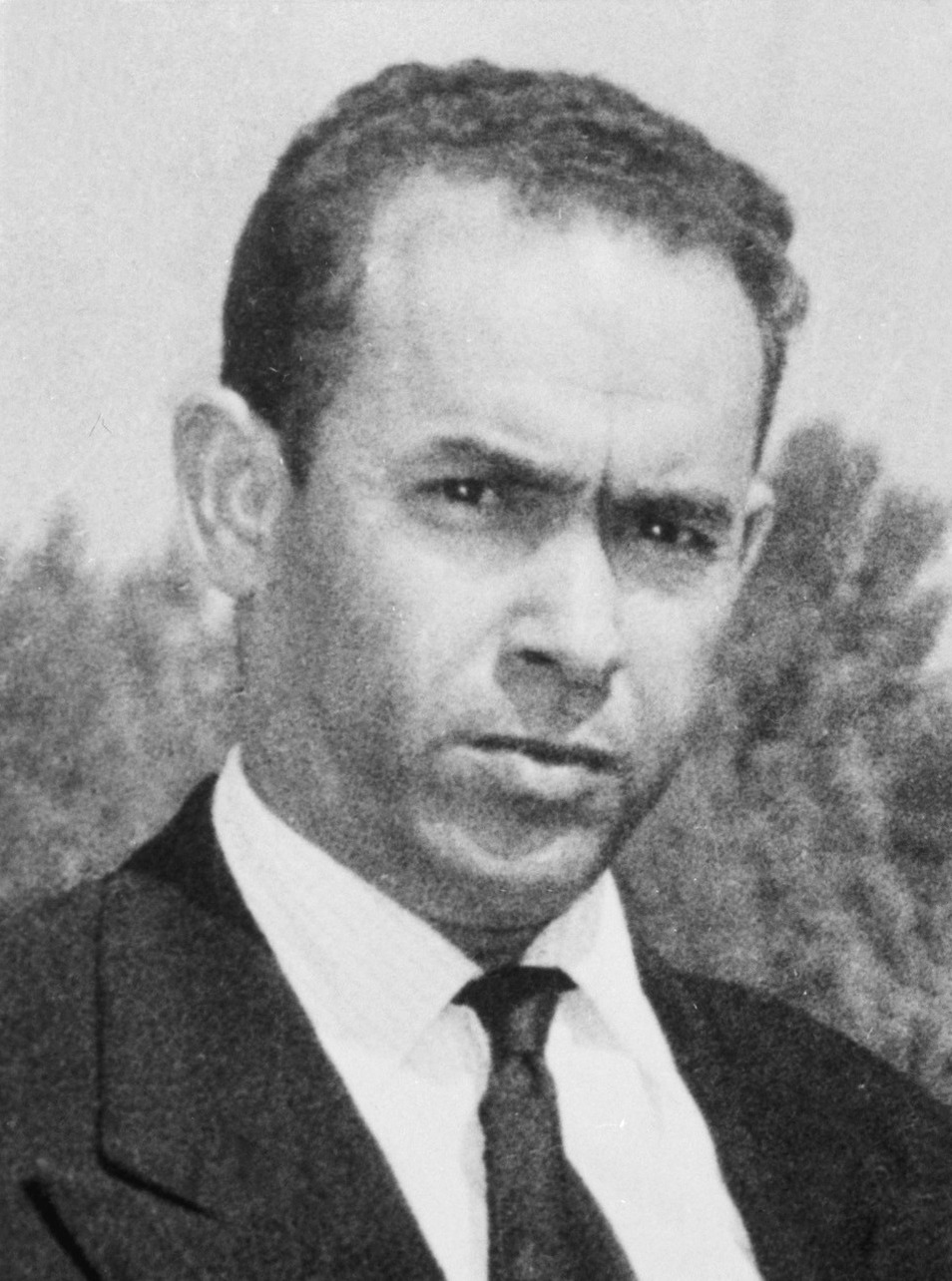
Dynamic Moroccan socialist statesman and anti-imperialist leader who headed the National Union of Popular Forces (UNFP) and served as leader of the Tricontinental Conference, championing global liberation before his mysterious assassination in Paris.
German-American Christian existentialist philosopher and theologian whose 'The Courage to Be' and 'Systematic Theology' defined faith as the state of being grasped by an 'ultimate concern'.
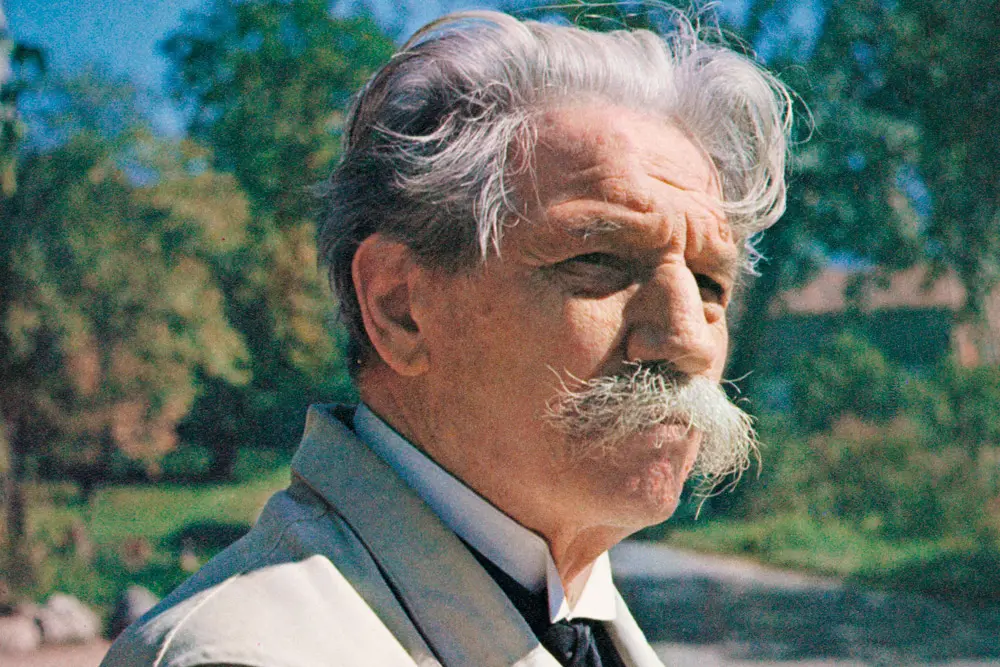
Albert Schweitzer was an Alsatian polymath, Lutheran theologian, virtuoso organist, and medical missionary who established the Lambarรฉnรฉ Hospital in equatorial Africa. Renowned for his moral philosophy of 'Reverence for Life' (Ehrfurcht vor dem Leben), he was awarded the 1952 Nobel Peace Prize and devoted his Nobel funds to constructing a leper colony.