Public Figures & Cultural Luminaries
Filterable archive covering centuries of intellectual, artistic, and moral contributions to the human story.
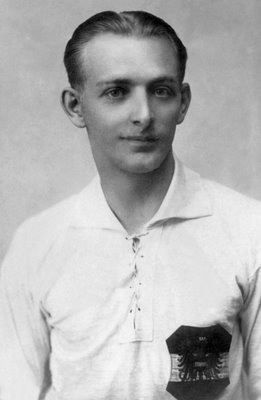
Matthias Sindelar
 (Matthias Šindelář)
Austrian football virtuoso known as 'Der Papierene' (The Paper Man), center-forward and captain of Hugo Meisl's 'Wunderteam' who defied the Nazi annexation of Austria.
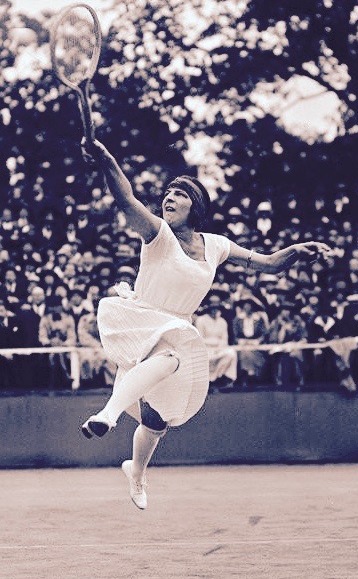
Suzanne Rachel Flore Lenglen
 (Suzanne Rachel Flore Lenglen)
French tennis player who dominated women's tennis from 1919 to 1926, winning 31 Grand Slam tournament titles and revolutionizing female athletic wear.
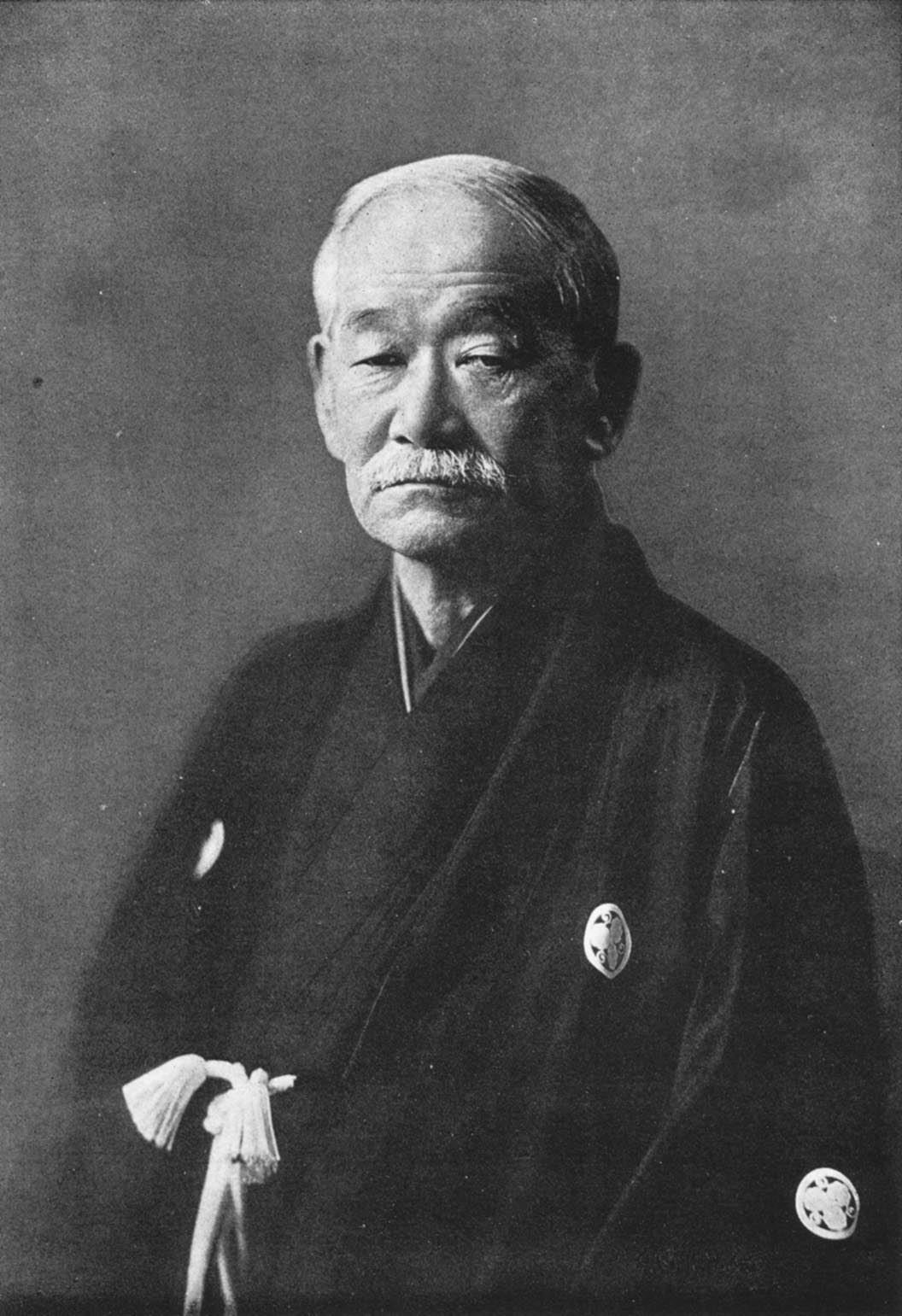
Kano Jigoro
 (嘉納 治五郎)
Japanese educator and martial arts master who founded Judo in 1882, transforming traditional jujutsu into a global Olympic sport centered on maximum efficiency and mutual welfare.
Jigorō Kanō
(嘉納 治五郎 (Kanō Jigorō))
Jigorō Kanō was a visionary Japanese educator, polymath, and martial artist who created modern Judo (the 'Gentle Way') in 1882 by establishing the Kōdōkan in Tokyo. Pioneering the concept of physical culture combined with moral development ('Maximum Efficiency with Minimum Effort' and 'Mutual Welfare and Benefit'), he was the first Asian member of the International Olympic Committee.
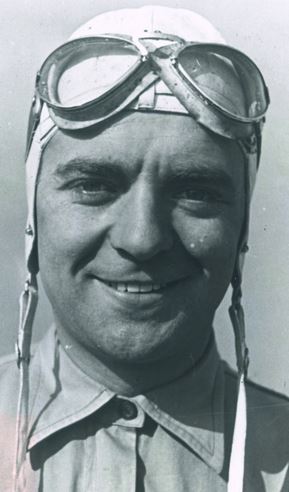
Bernd Rosemeyer
 (Bernd Rosemeyer)
Fearless German Grand Prix driver who mastered the mid-engine 500-horsepower Auto Union Grand Prix car, winning the 1936 European Drivers' Championship before perishing at age twenty-eight in a speed record attempt.
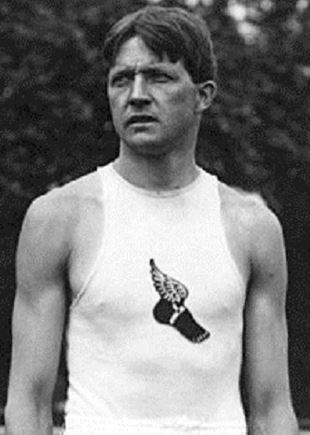
Ray Ewry
 (Raymond Clarence Ewry)
Raymond Clarence 'Ray' Ewry was an American track and field phenomenon who won eight official Olympic gold medals (and two more at the 1906 Intercalated Games) without ever losing a single Olympic competition. Confined to a wheelchair as a boy due to childhood polio, he developed superhuman leg spring to dominate the standing high jump, standing long jump, and standing triple jump.
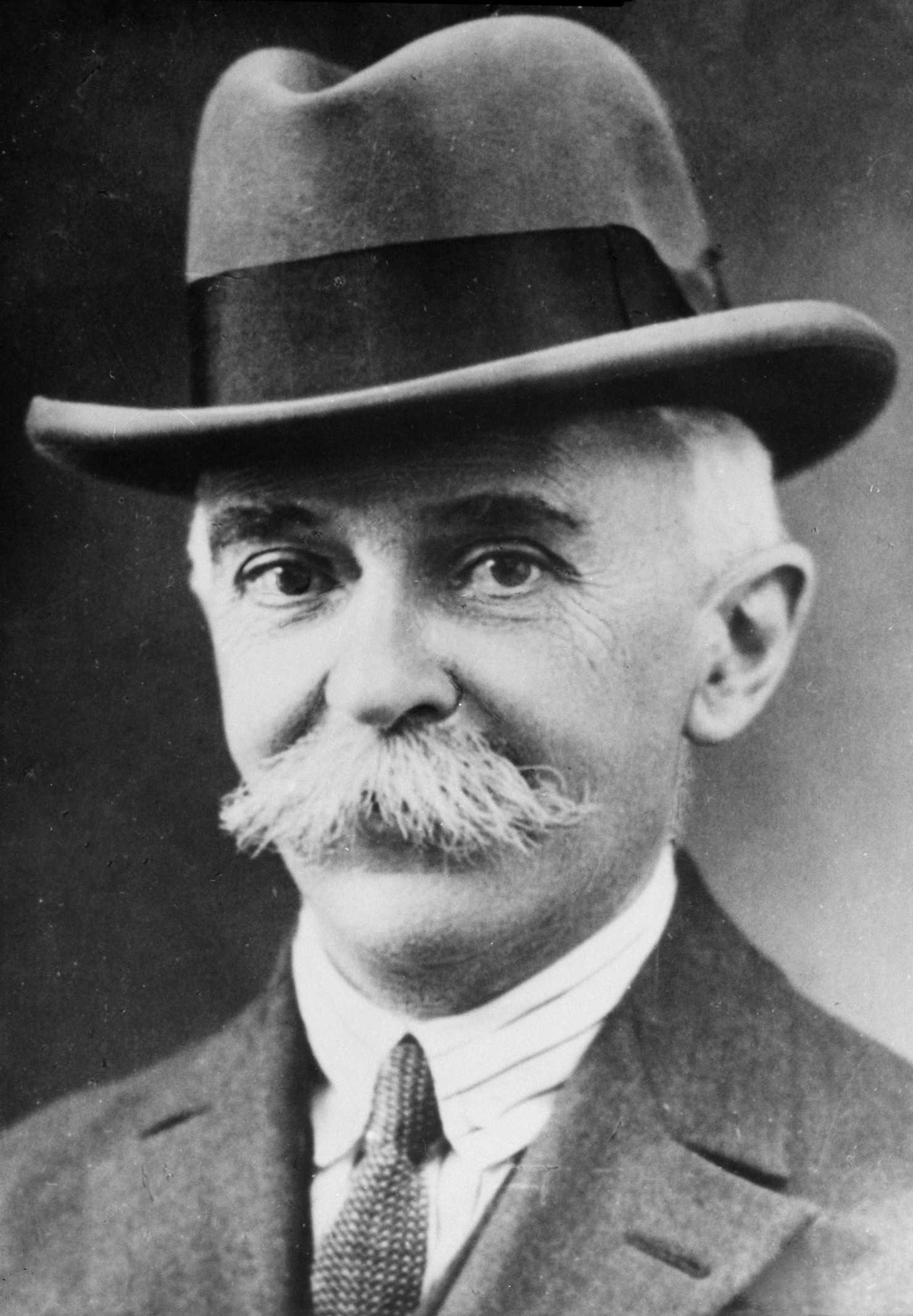
Pierre de Frédy, Baron de Coubertin
(Pierre de Frédy, baron de Coubertin)
French educator and historian, founder of the International Olympic Committee and universally regarded as the father of the modern Olympic Games.
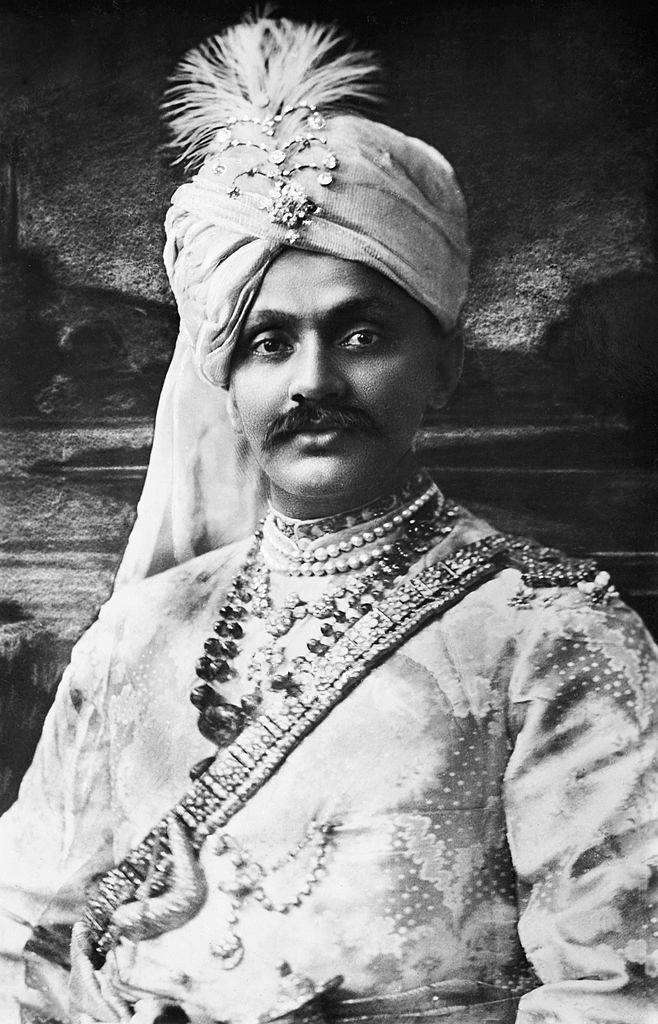
Sir Ranjitsinhji Vibhaji II
 (રણજીતસિંહજી વિભાજી જાડેજા)
Indian ruler, Maharaja Jam Sahib of Nawanagar, and pioneering cricketer who played for England, inventor of the leg glance stroke; namesake of the Ranji Trophy.
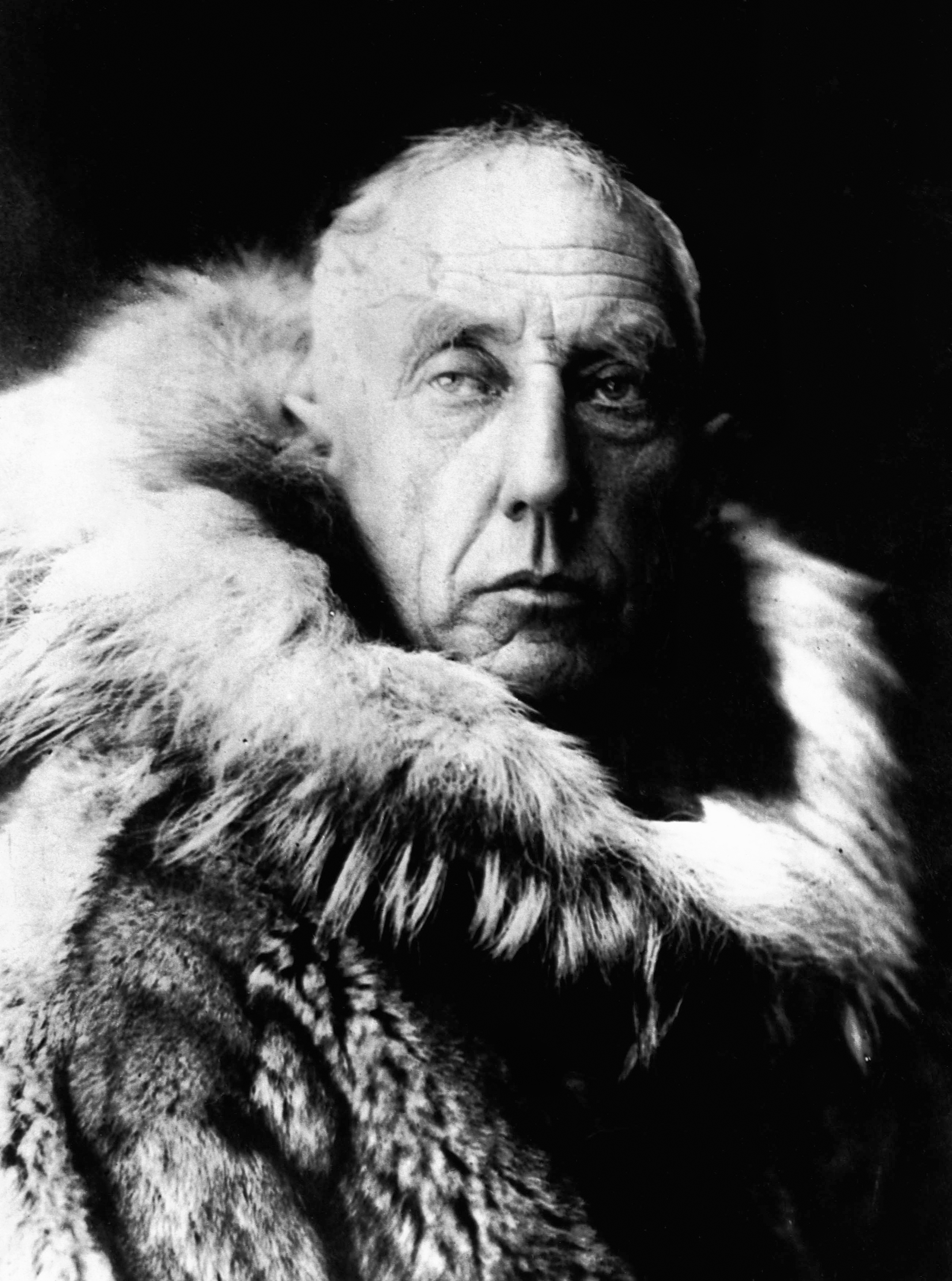
Roald Amundsen
 (Roald Engelbregt Gravning Amundsen)
Norwegian polar explorer who led the first expedition to reach the South Pole in 1911, the first to traverse the Northwest Passage, and the first verified explorer to reach the North Pole by air.
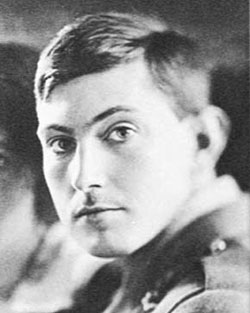
George Herbert Leigh Mallory
 (George Herbert Leigh Mallory)
English mountaineer who took part in the first three British expeditions to Mount Everest, famous for his quote 'Because it's there'.
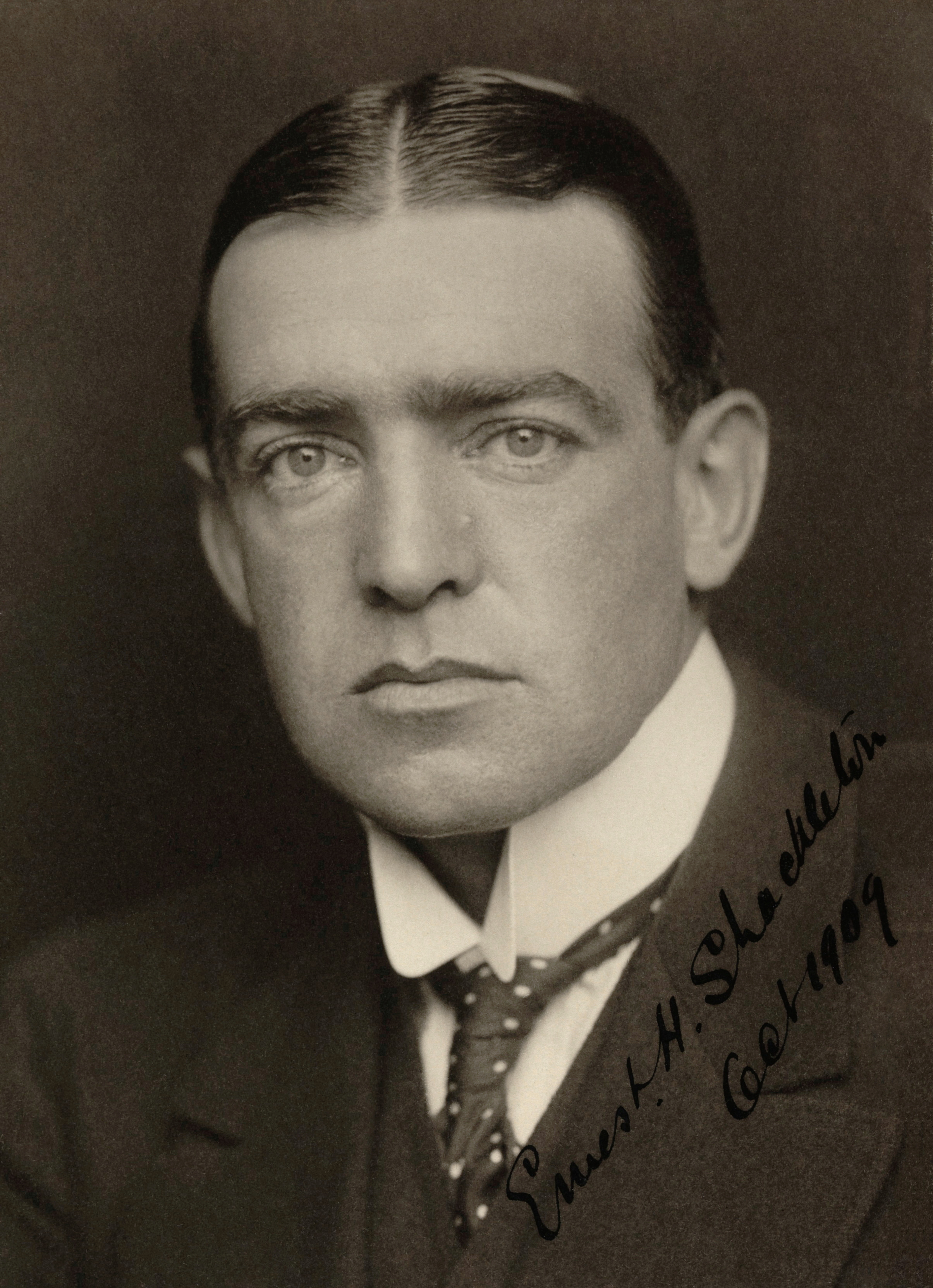
Ernest Shackleton
 (Sir Ernest Henry Shackleton)
Anglo-Irish polar explorer renowned for supreme leadership during the 1914–1917 Imperial Trans-Antarctic Expedition, rescuing his entire twenty-eight-man crew without losing a single life after their ship Endurance was crushed by pack ice.
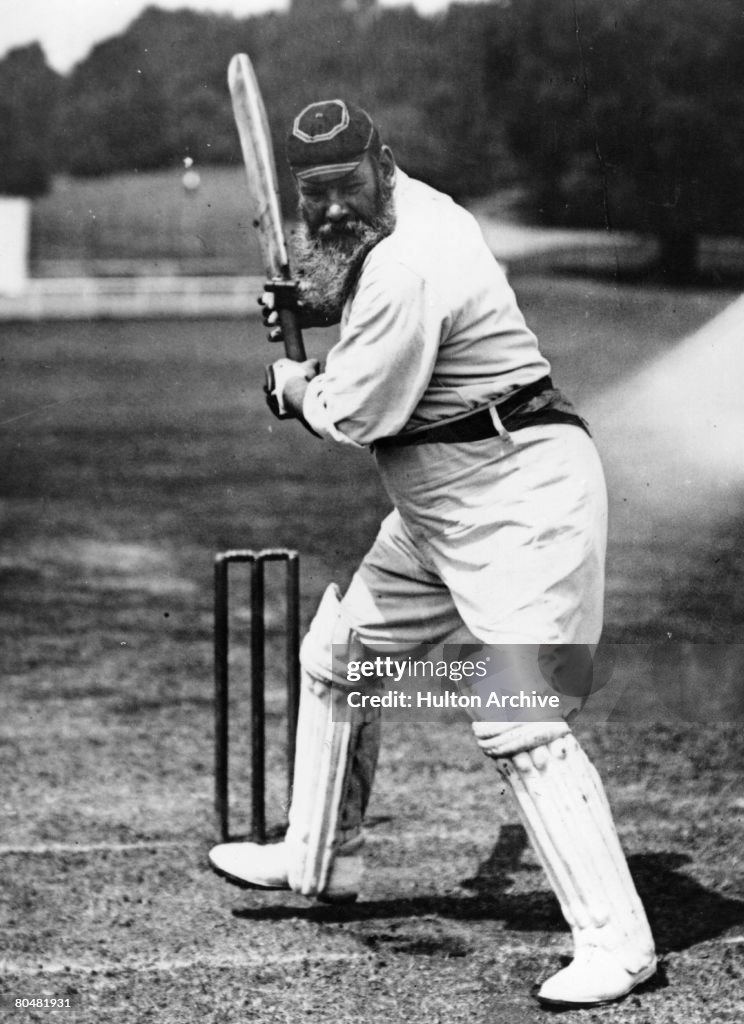
William Gilbert Grace
(William Gilbert Grace)
English amateur cricketer and physician, universally regarded as the founding father of modern batsmanship and Victorian sport's greatest celebrity.
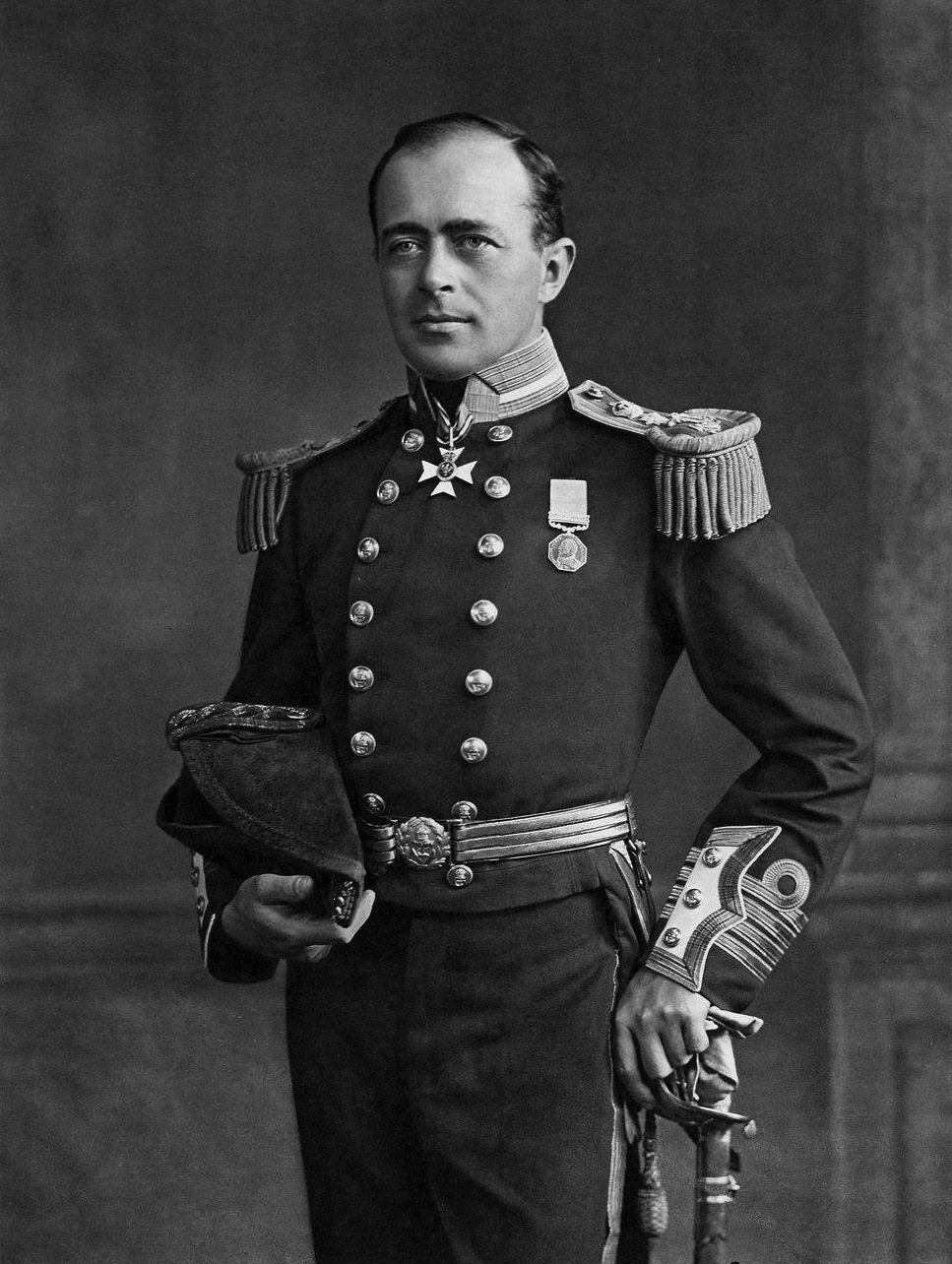
Robert Falcon Scott
(Robert Falcon Scott)
British Royal Navy officer and Antarctic explorer whose heroic 1910–1913 Terra Nova Expedition reached the South Pole and whose poignant final diary entries inspired generations of polar scientists.