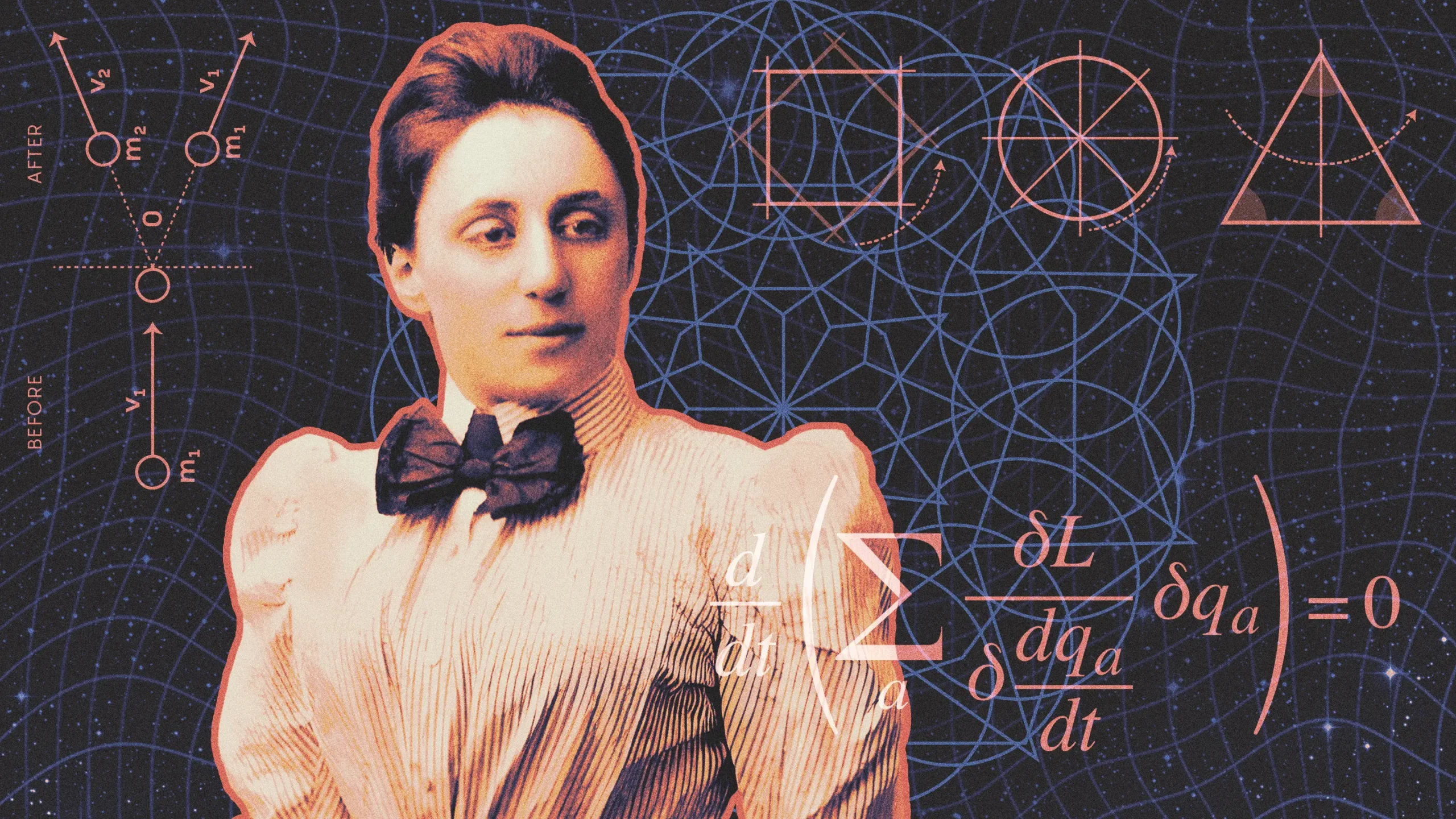
Emmy Noether
German mathematical genius who formulated Noether's theorem connecting symmetry and conservation laws, revolutionizing abstract algebra.
Start typing to search worldwide archives and community tributes
Filterable archive covering centuries of intellectual, artistic, and moral contributions to the human story.
German mathematical genius who formulated Noether's theorem connecting symmetry and conservation laws, revolutionizing abstract algebra.
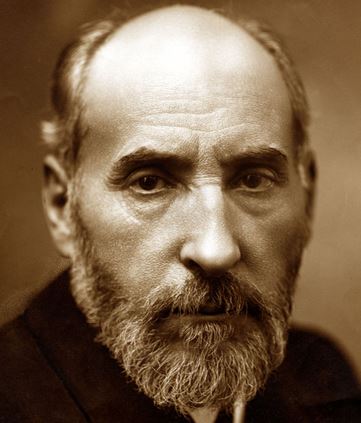
Spanish histologist and Nobel laureate who established the Neuron Doctrineโproving that the nervous system is composed of discrete individual nerve cells (neurons) communicating across synapses.
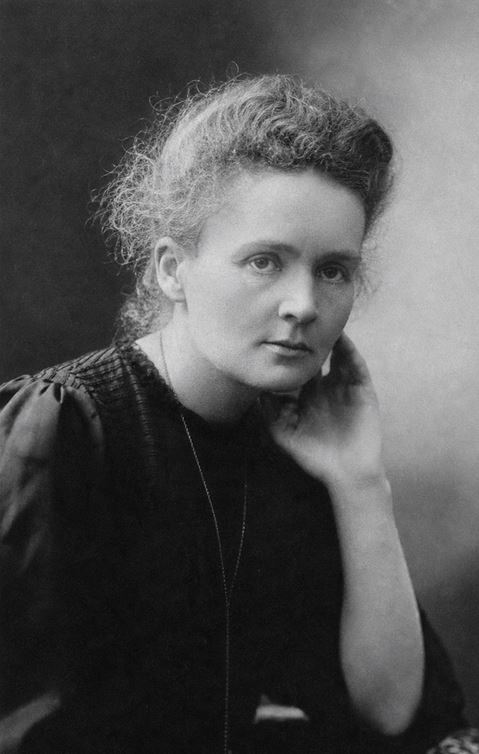
Trailblazing physicist and chemist who conducted pioneering research on radioactivity. The first woman to win a Nobel Prize, the first person to win Nobel Prizes in two different scientific fields (Physics & Chemistry), and the first female professor at the University of Paris.
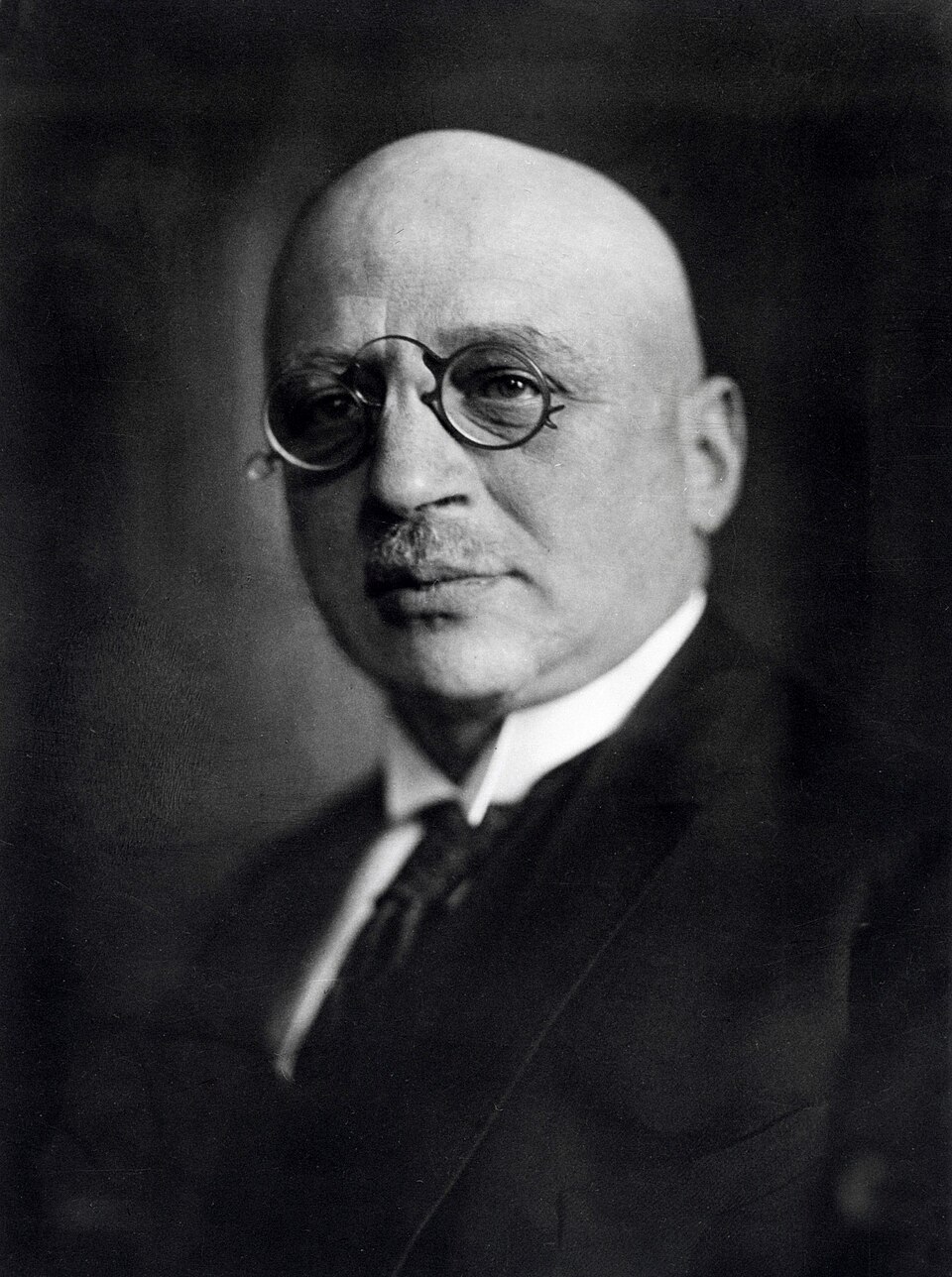
German chemist who invented the Haber-Bosch process synthesizing ammonia from air, feeding half the modern human population.
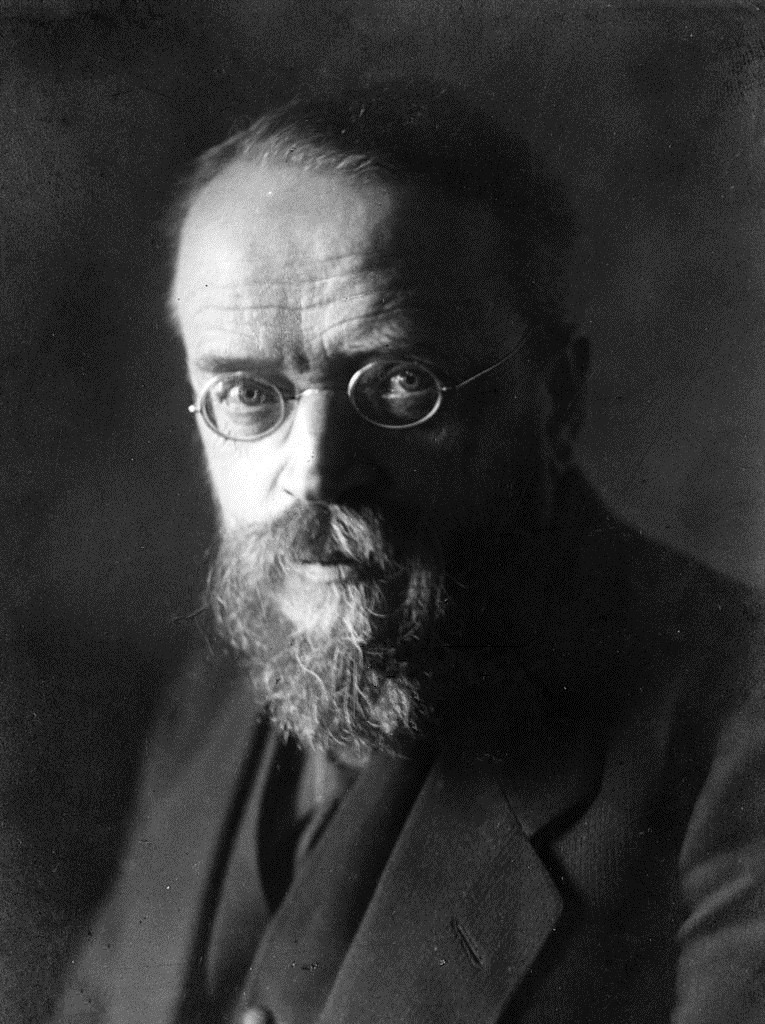
German botanist and geneticist who independently rediscovered Mendel's laws of heredity in 1900, discovered non-Mendelian cytoplasmic (maternal) inheritance, and served as the first director of the Kaiser Wilhelm Institute for Biology.
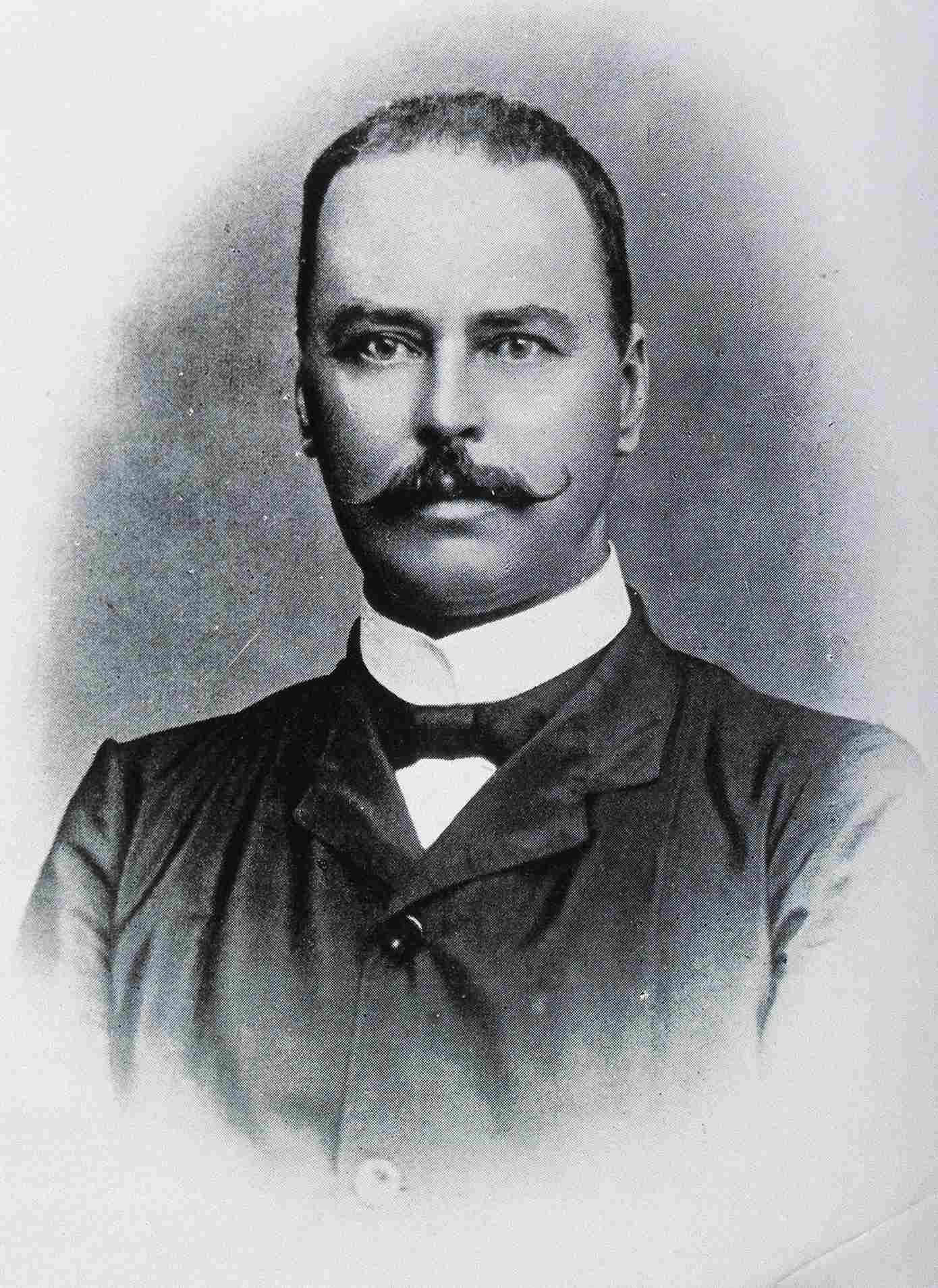
British physician who proved that malaria parasites are transmitted by mosquitoes, becoming the first British Nobel laureate in 1902.
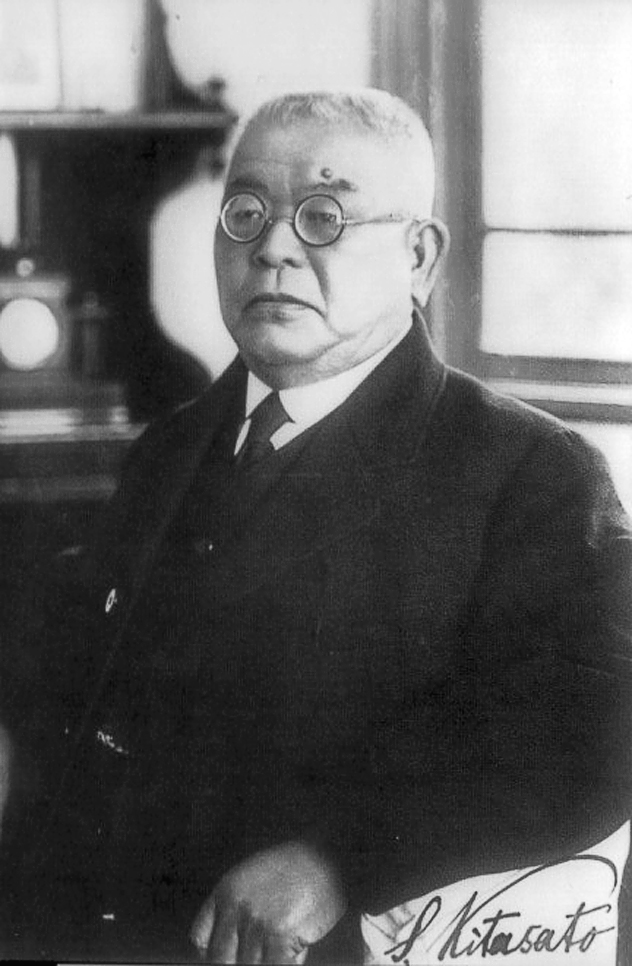
Pioneering Japanese physician and bacteriologist who co-discovered the bubonic plague pathogen and developed serum therapy against tetanus and diphtheria alongside Emil von Behring.
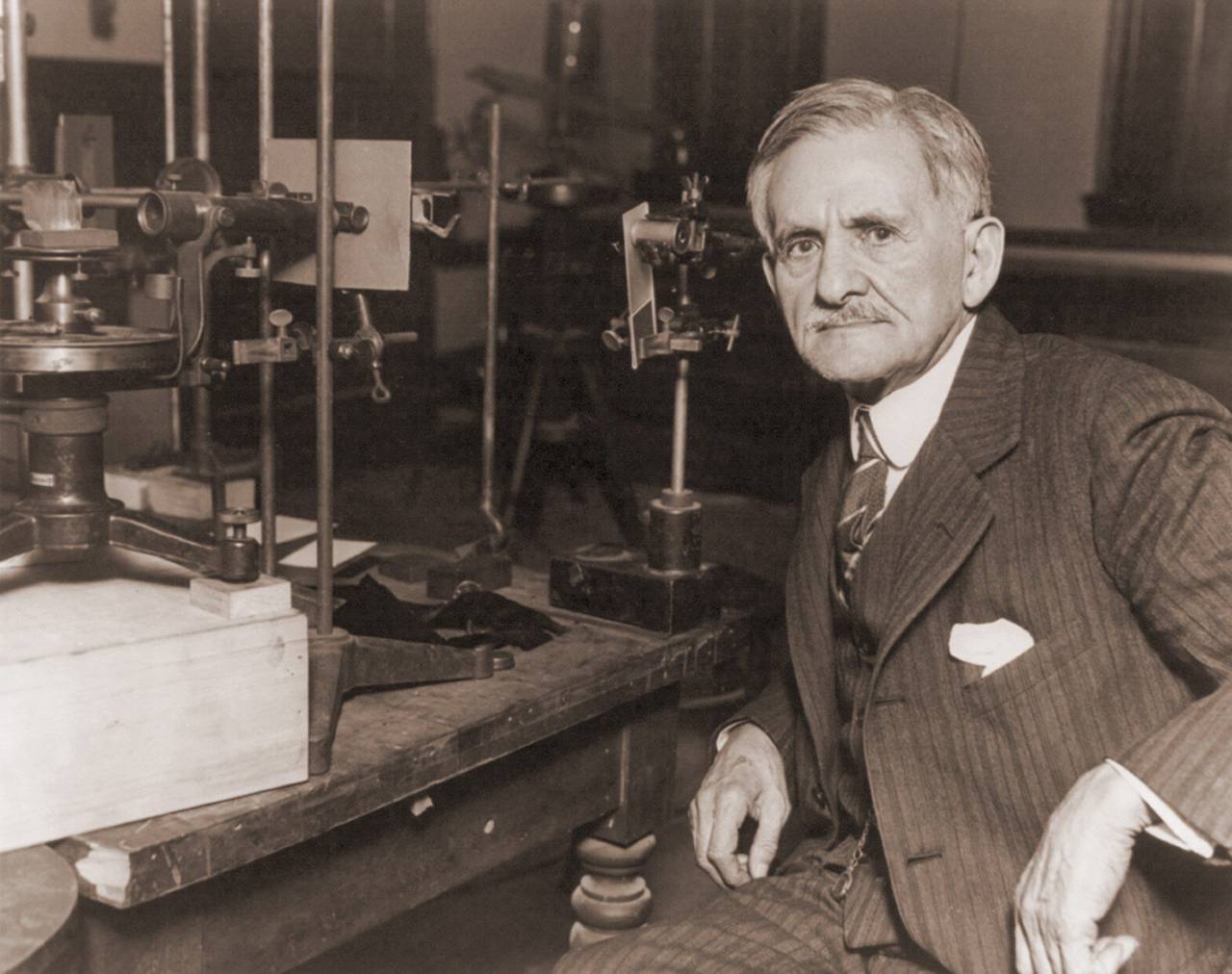
Master experimentalist whose Michelson-Morley interferometer experiment disproved the luminiferous aether.
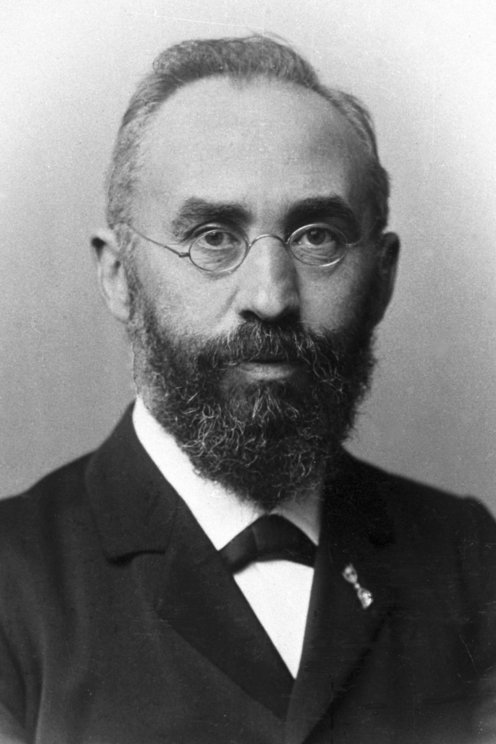
Dutch physicist who unified Maxwell's electromagnetism with electron theory and formulated the Lorentz transformations.
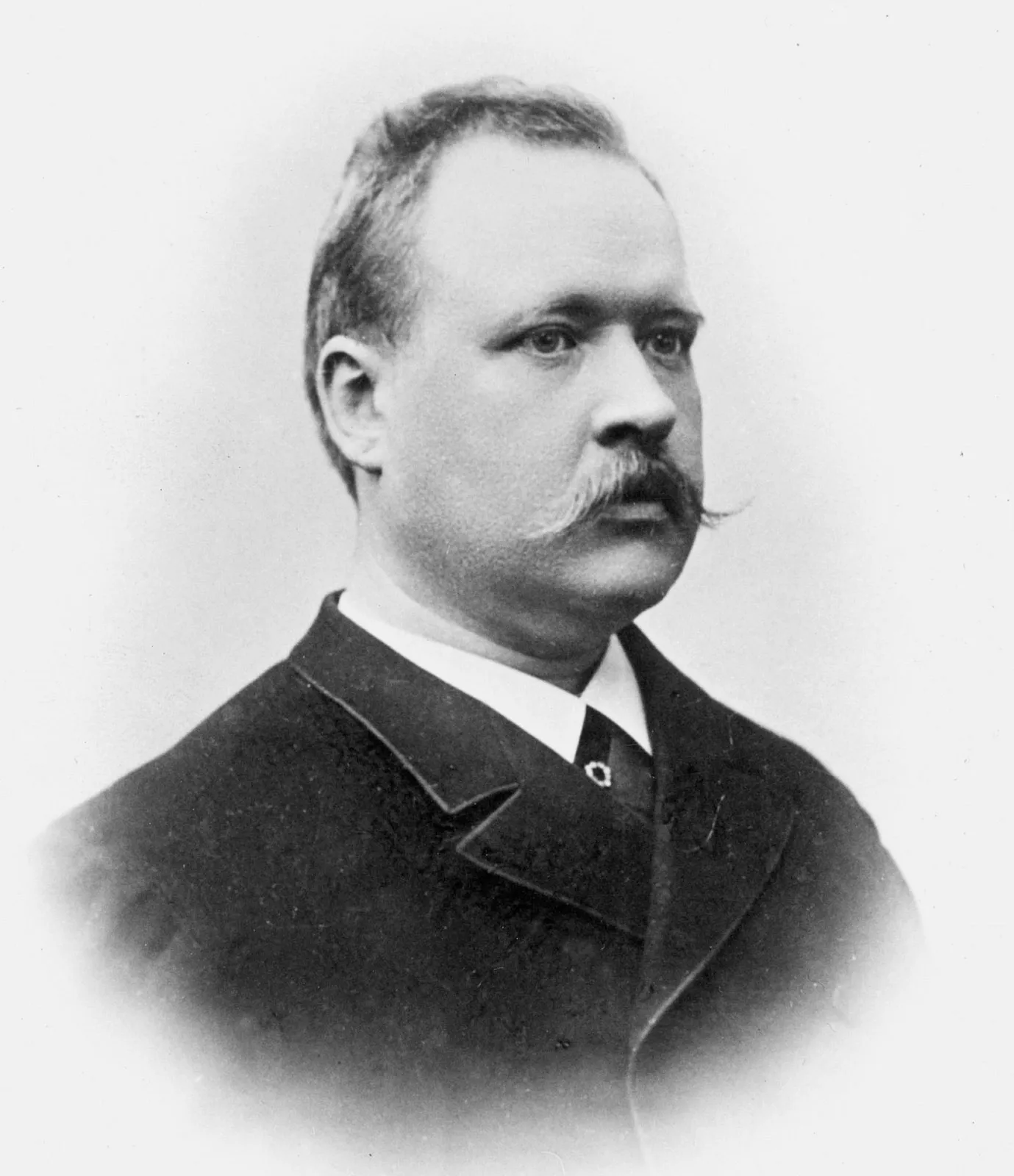
Swedish Nobel laureate who founded physical chemistry with his theory of electrolytic dissociation and first quantified CO2 global warming.
Dutch low-temperature pioneer who liquefied helium and discovered superconductivity.
Italian cytologist and Nobel laureate who discovered the Golgi apparatus in cells and invented the silver nitrate staining method for neurons.
German mathematician who unified geometry through group theory in his Erlangen Program and discovered the non-orientable one-sided closed surface known as the Klein bottle.
Self-taught English mathematician and electrical engineer who condensed Maxwell's 20 original quaternion equations into the modern four vector calculus equations of electromagnetism and predicted the ionosphere.
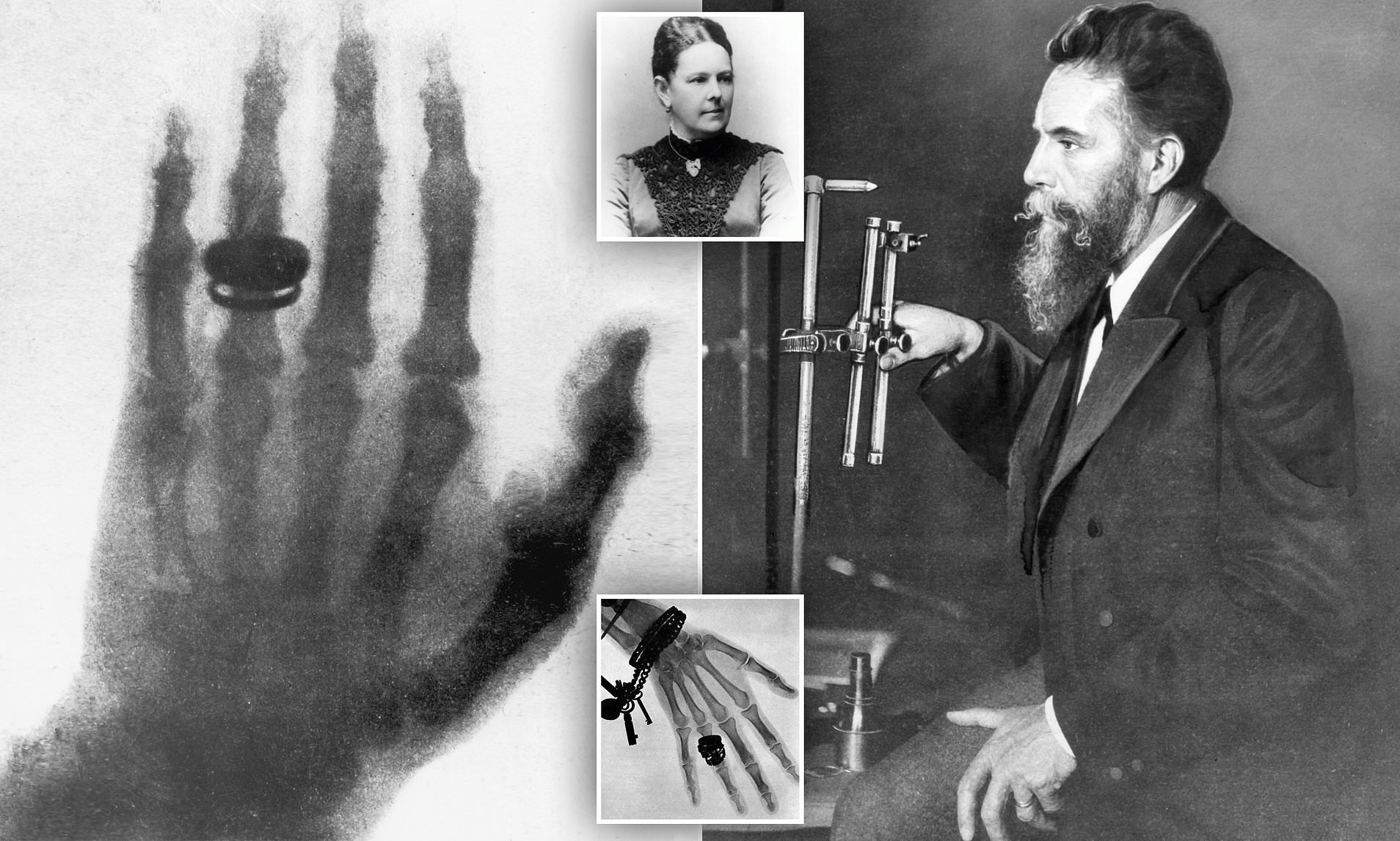
German mechanical engineer and physicist who discovered X-rays, revolutionizing diagnostic medicine.
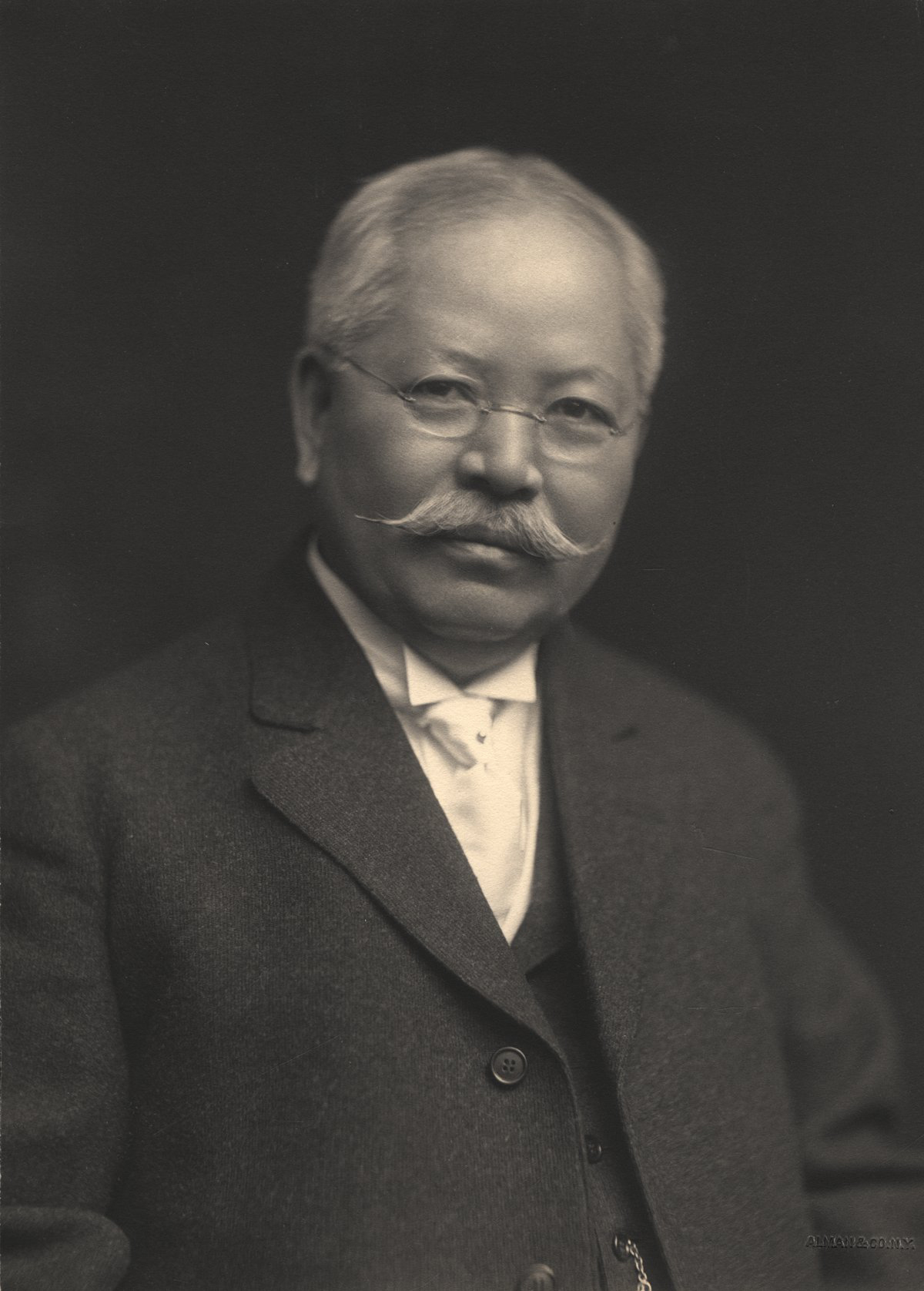
Japanese chemist and industrial biotechnology pioneer who successfully isolated and purified the hormone adrenaline (epinephrine), the first pure hormone extracted from natural tissue.
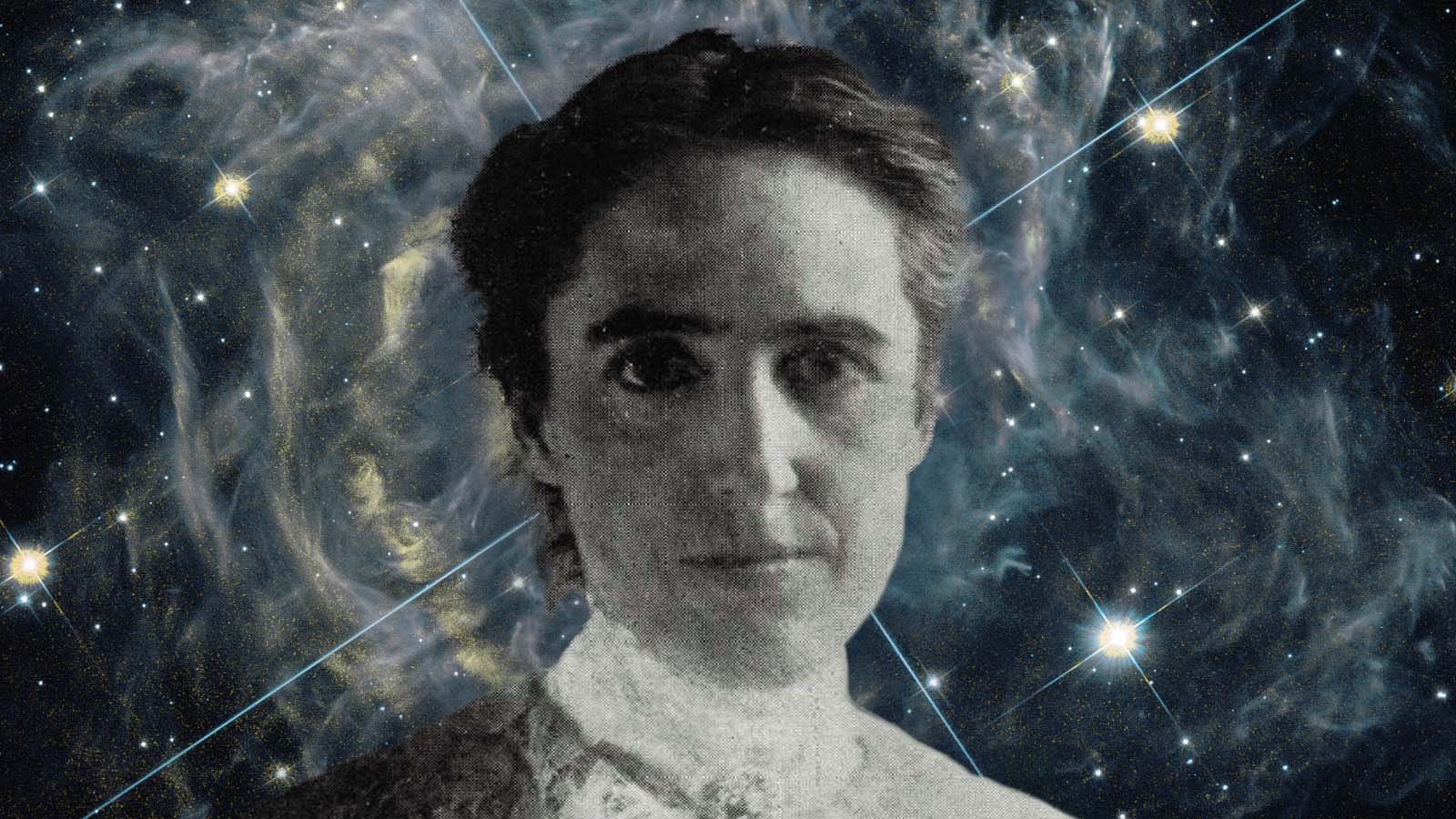
American astronomer whose discovery of the Cepheid variable period-luminosity relation provided the 'standard candle' to measure the universe.
Russian botanist who discovered viruses in 1892 by proving that the infectious agent of tobacco mosaic disease passed through unglazed porcelain Chamberland filters that trapped all known bacteria, launching the science of virology.