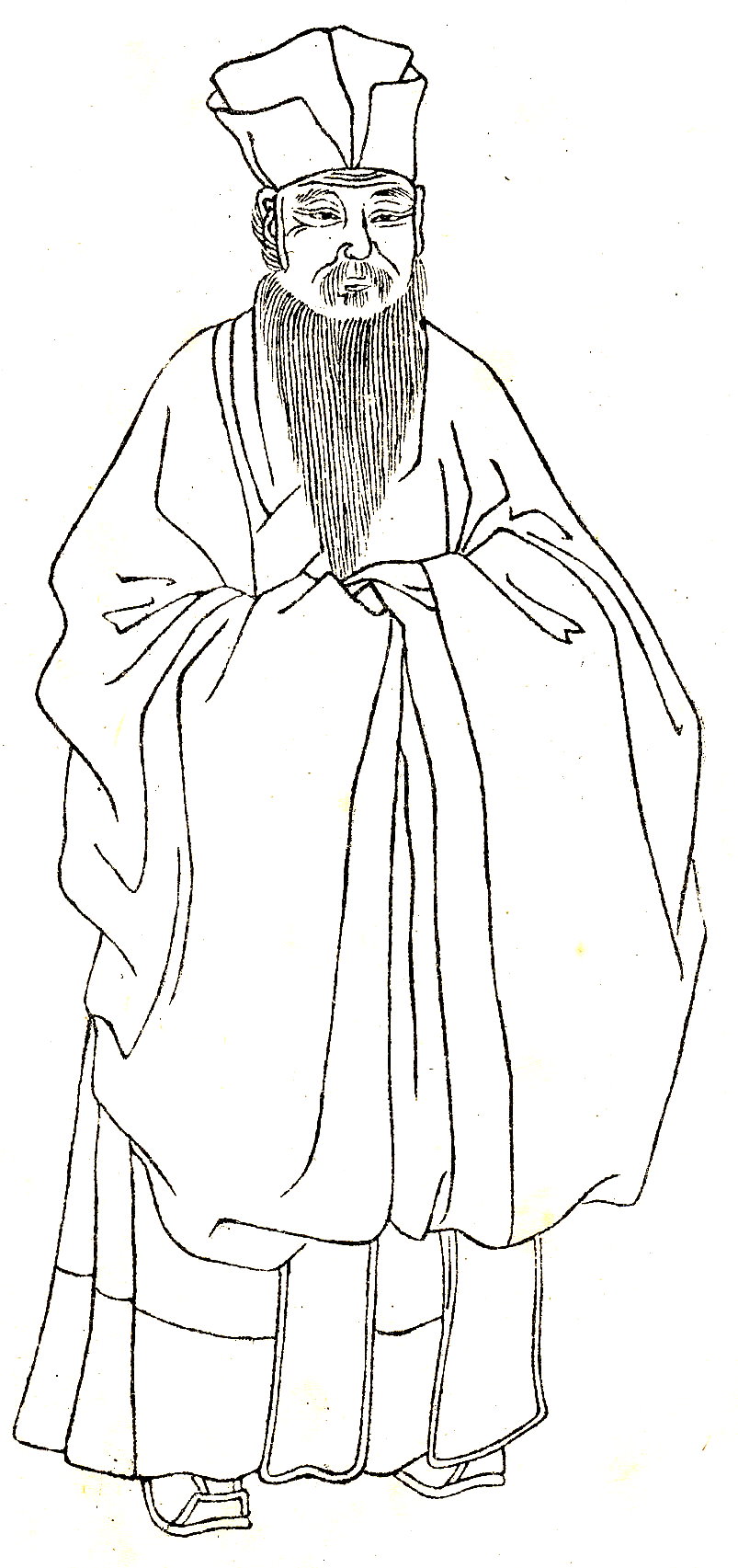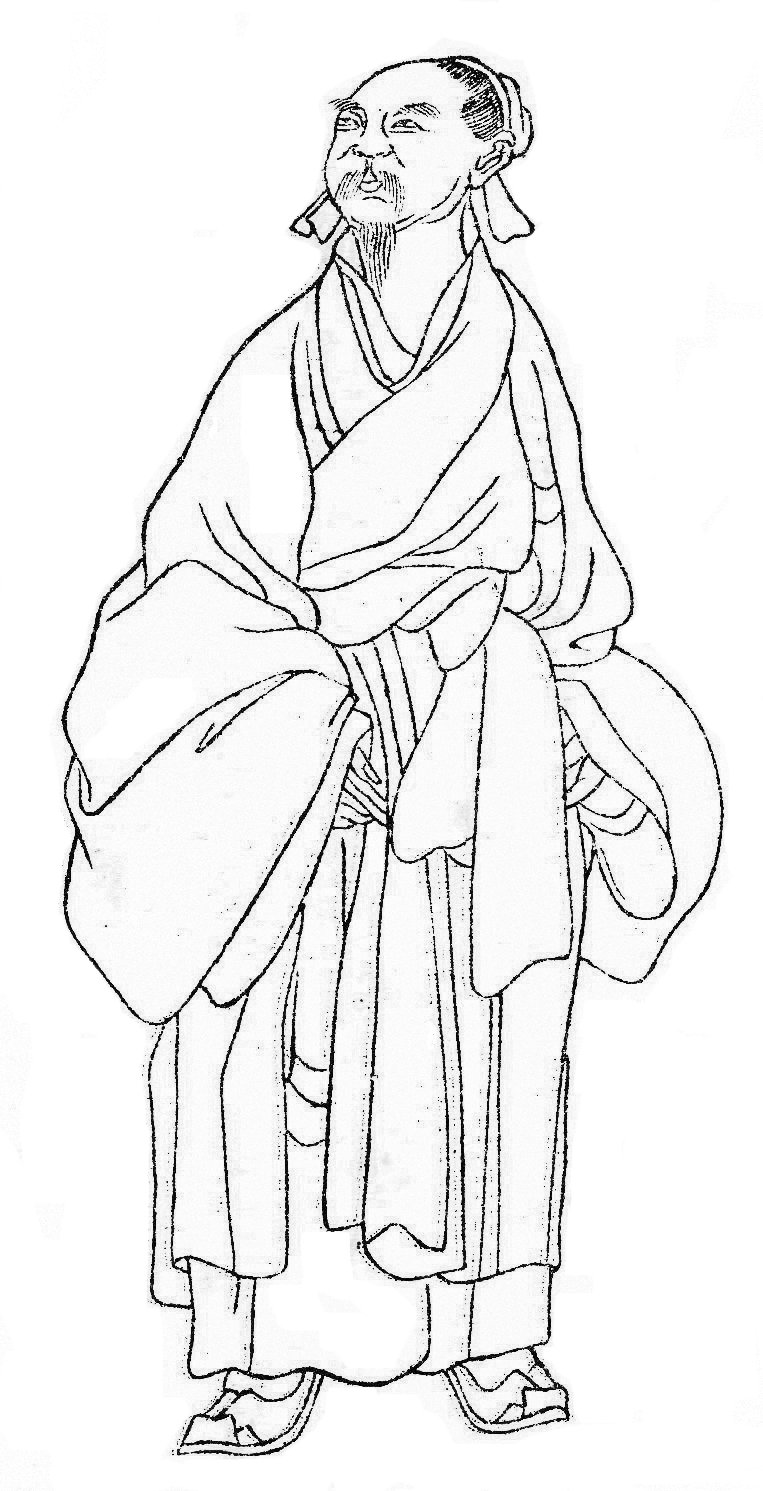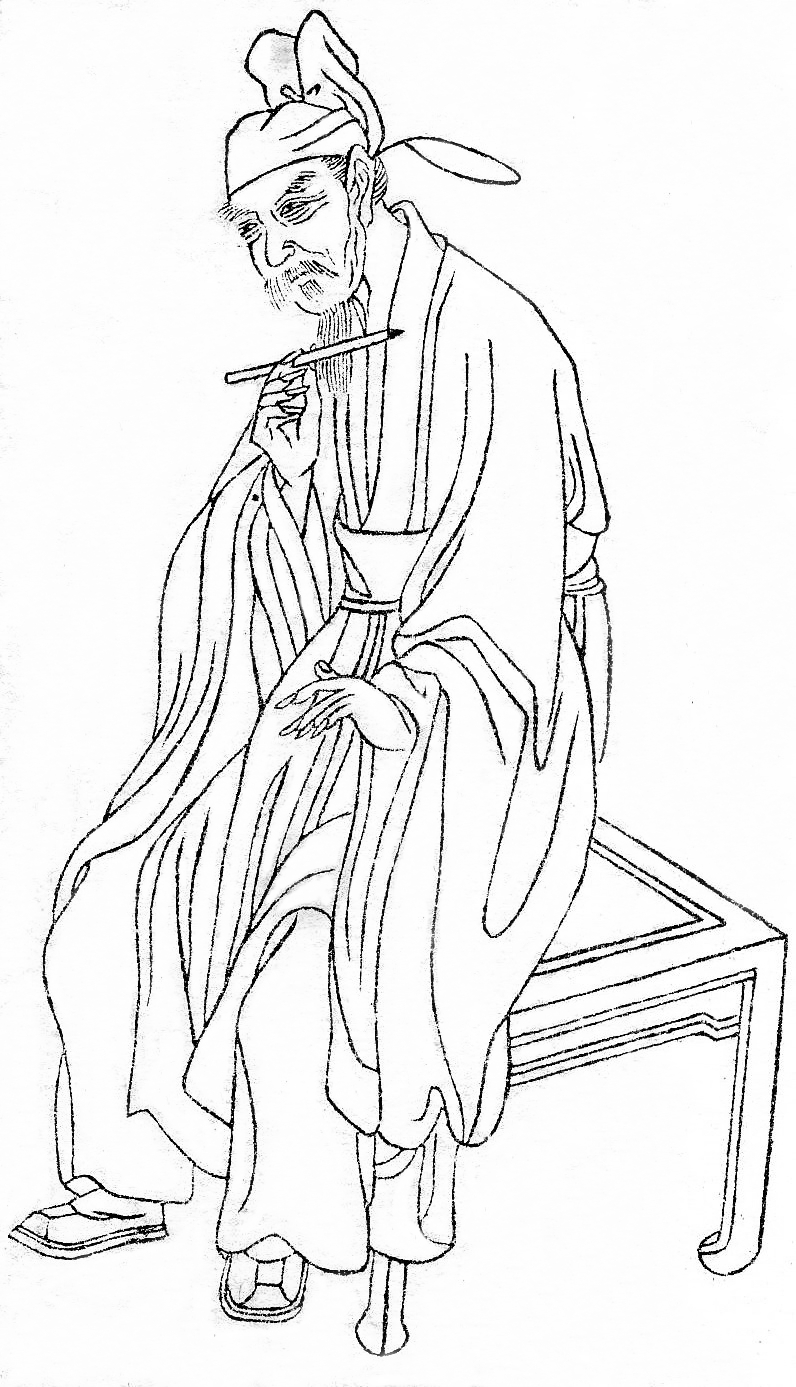
Lu Jiuyuan
Song dynasty Neo-Confucian master 'Lu Xiangshan' who founded the School of the Heart/Mind (Xinxue), famously debating Zhu Xi at the Goose Lake Temple and declaring that 'The Mind is the Principle'.
Start typing to search worldwide archives and community tributes
Filterable archive covering centuries of intellectual, artistic, and moral contributions to the human story.
Song dynasty Neo-Confucian master 'Lu Xiangshan' who founded the School of the Heart/Mind (Xinxue), famously debating Zhu Xi at the Goose Lake Temple and declaring that 'The Mind is the Principle'.
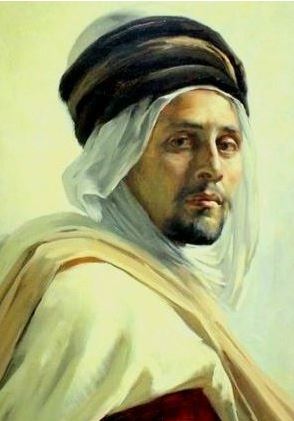
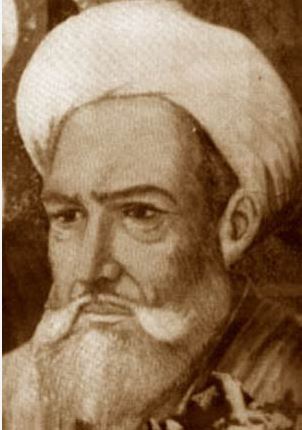
Founder of the School of Illumination (Hikmat al-Ishraq) who synthesized ancient Persian Zoroastrian wisdom, Pythagorean thought, and Platonism into a luminous ontology of radiant Light.
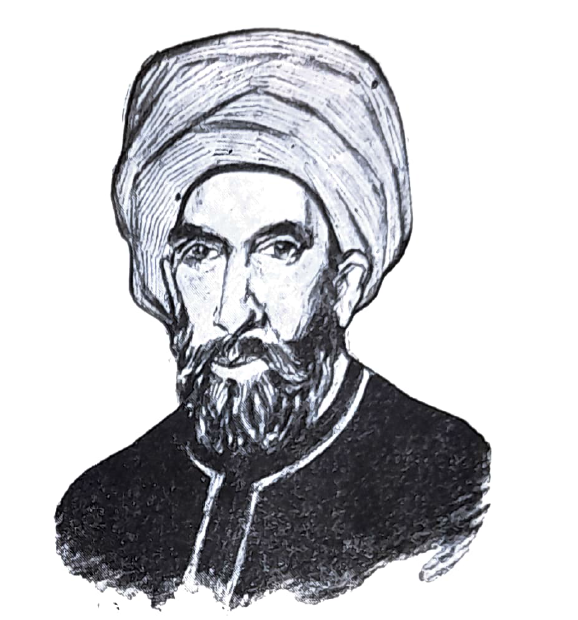
Andalusian Muslim philosopher and physician who authored the philosophical novel Hayy ibn Yaqdhan (The Self-Taught Philosopher), which inspired John Locke's tabula rasa and Defoe's Robinson Crusoe.
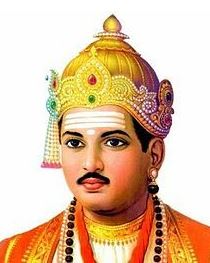
12th-century Kannada philosopher, statesman, and social reformer who rejected caste and gender discrimination, established the Anubhava Mantapa spiritual parliament, and pioneered the democratic 'Vachana' poetic philosophy.
Pioneering Andalusian philosopher, astronomer, and musician known to the Latin West as Avempace, author of The Regime of the Solitary and critic of Ptolemaic epicycles.
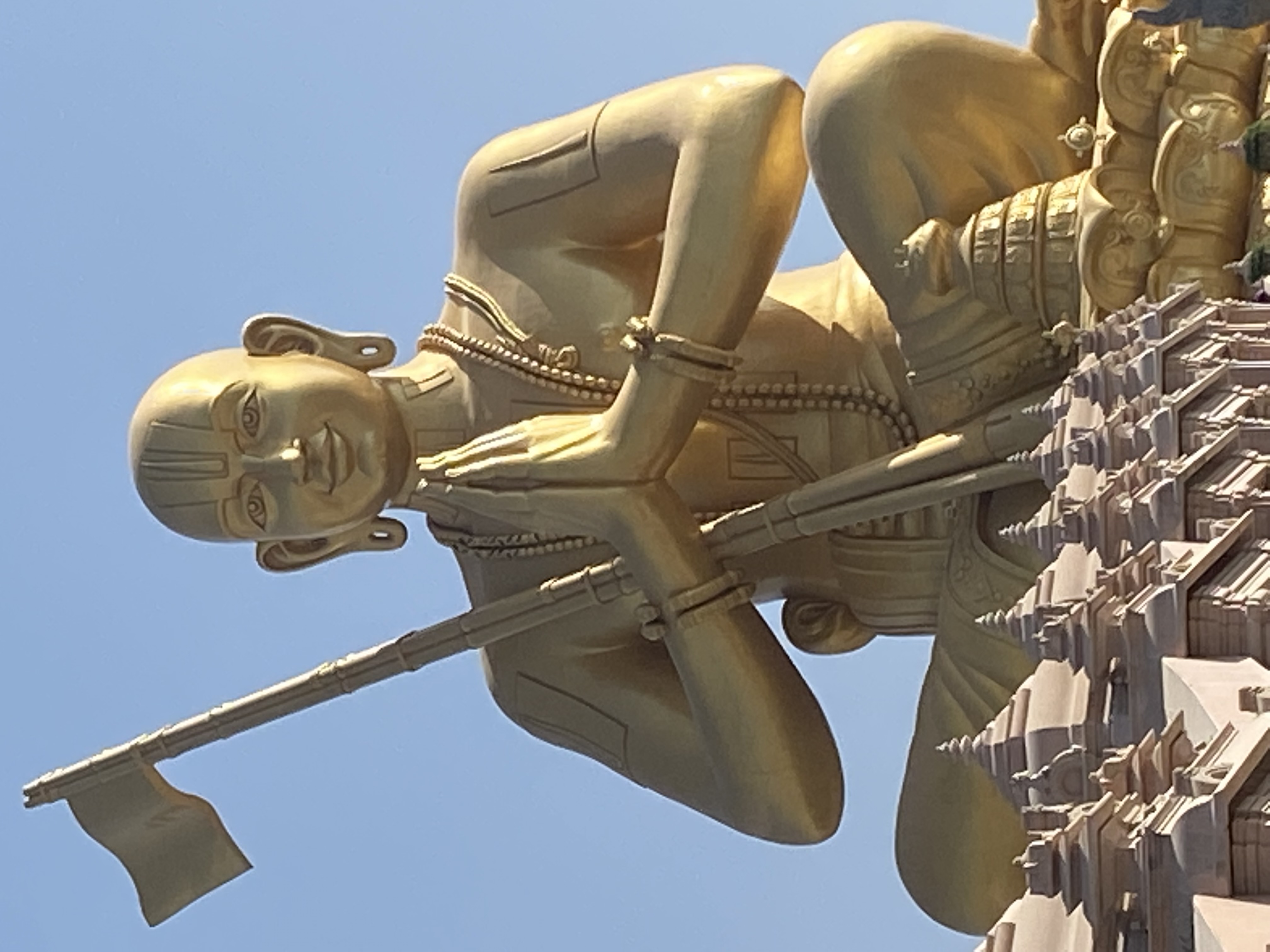
Supreme Hindu philosopher-theologian who founded Vishishtadvaita (Qualified Non-Dualism) Vedanta, author of the 'Sri Bhashya', who championed loving devotion (Bhakti) and opened sacred temple mantras to all castes.
Northern Song dynasty philosopher who, alongside his brother Cheng Hao, established the School of Principle (Lixue) that formed the philosophical foundation of the Cheng-Zhu Neo-Confucian orthodoxy.
Northern Song dynasty Neo-Confucian philosopher and founder of the Hengqu School whose four-line moral manifesto and essay 'The Western Inscription' (Ximing) articulated the universal ethical kinship of all humanity with Heaven and Earth.
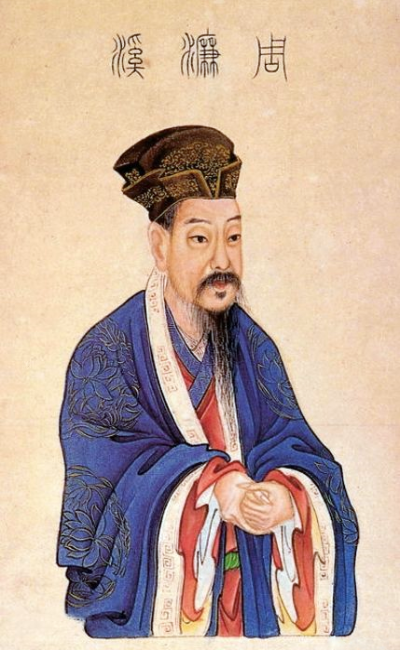
Northern Song dynasty thinker regarded as the 'First Pioneer of Neo-Confucianism', author of the 'Explanation of the Diagram of the Supreme Ultimate' (Taijitu Shuo) and the celebrated ode to moral purity, 'On the Love of the Lotus'.
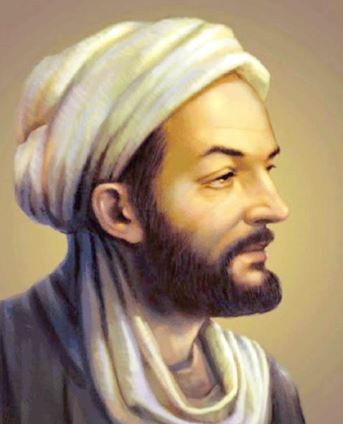
'Prince of Physicians' and towering philosopher whose metaphysical encyclopedia The Book of Healing and Floating Man thought experiment shaped Islamic and European philosophy.
Titan of Purva Mimamsa philosophy whose brilliant treatises 'Shlokavarttika' and 'Tantravarttika' defended Vedic realism and commonsense realism against Buddhist nominalism, establishing the intrinsic validity of knowledge (Svatah-pramanya).
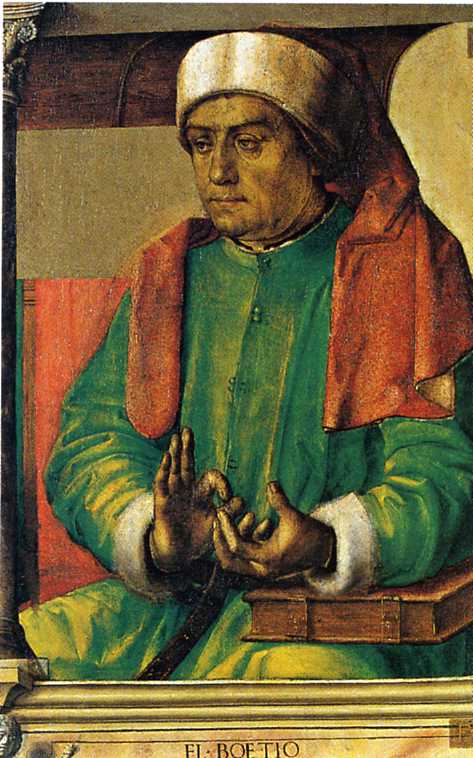
Roman philosopher and statesman who translated Aristotle into Latin and composed The Consolation of Philosophy while imprisoned awaiting execution, bridging antiquity and the Middle Ages.
Late classical Greek Neoplatonist philosopher known as 'The Successor' (Diadochus) who systematized Neoplatonism in The Elements of Theology and preserved ancient Euclid commentary.
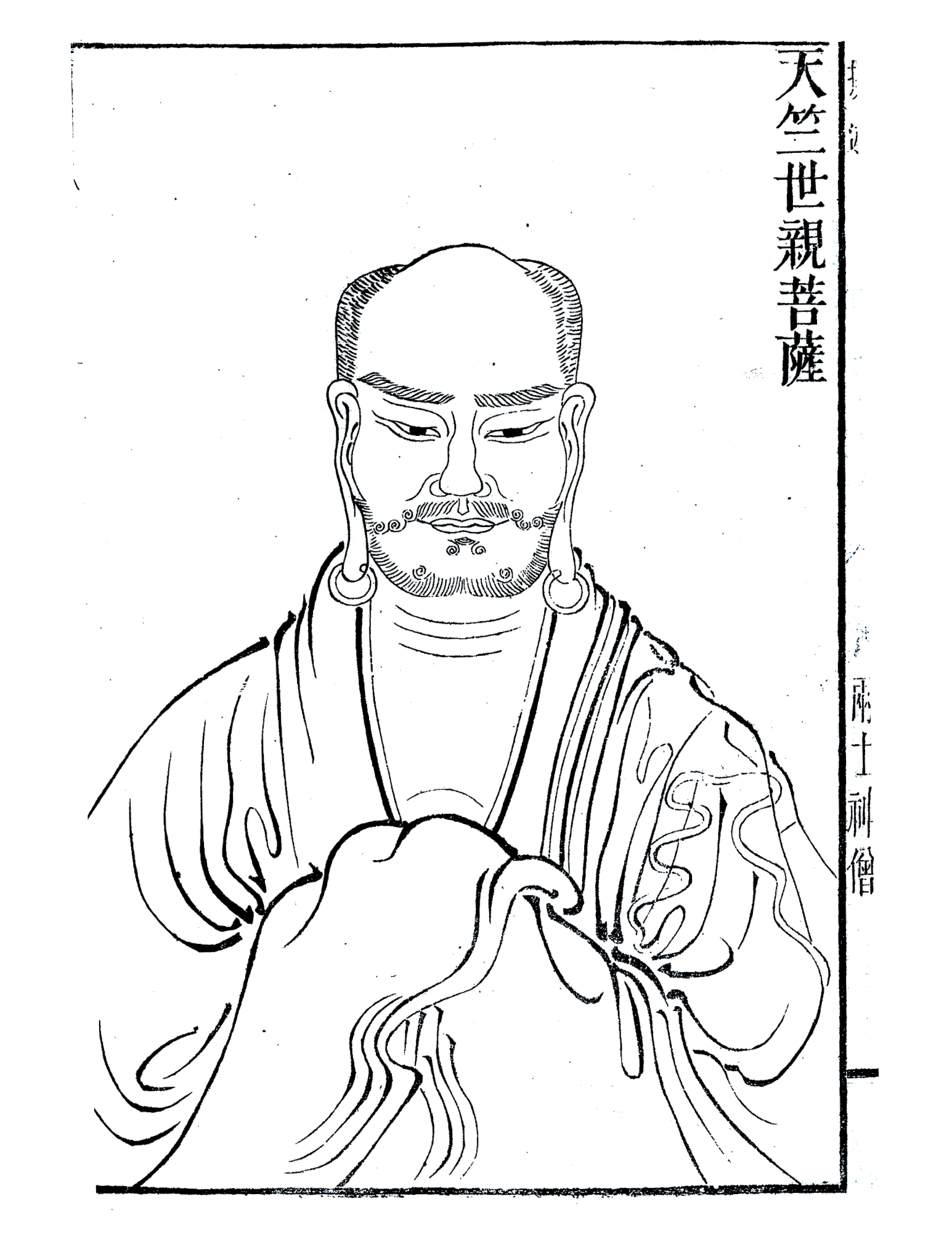
Peerless 4th-century Buddhist philosopher who authored the encyclopedic 'Abhidharmakosha' before converting to Mahayana under his brother Asanga, co-founding the Yogacara (Mind-Only / Vijnanavada) philosophical school.
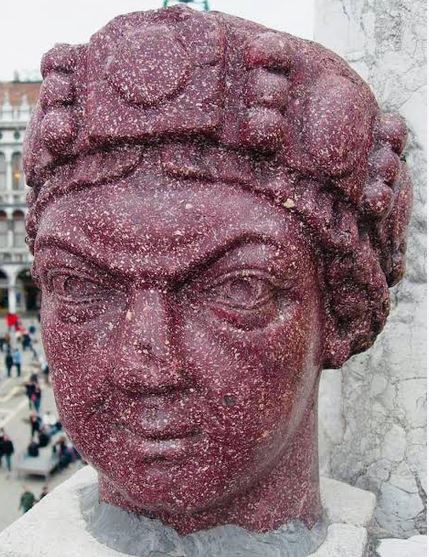
Phoenician-born Neoplatonist philosopher who edited and published Plotinus's Enneads and wrote the Isagoge, whose 'Tree of Porphyry' became the standard introduction to logic for over a millennium.
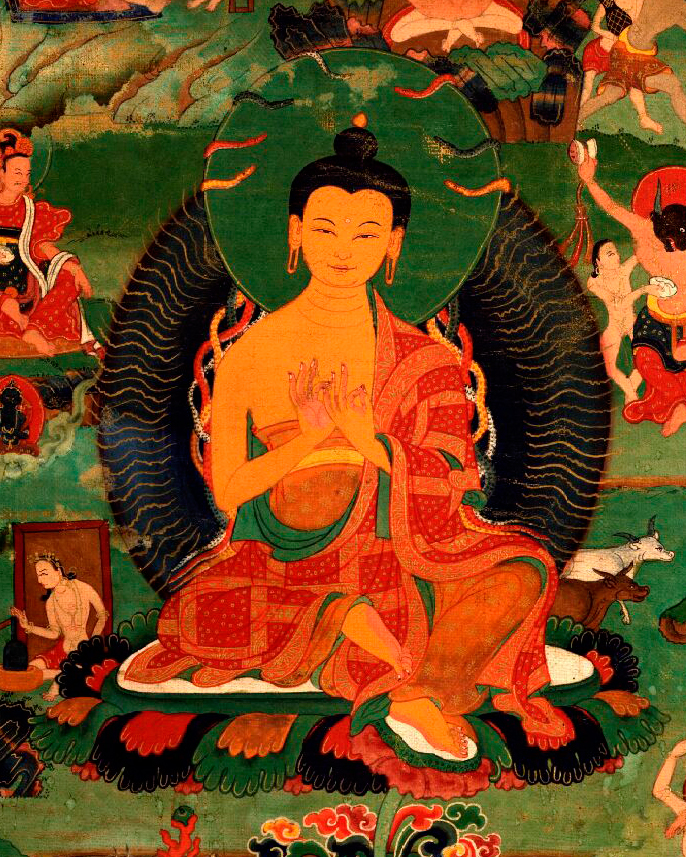
One of the greatest philosophers in world history, founder of the Madhyamaka (Middle Way) school of Mahayana Buddhism, who formulated the profound doctrine of Sunyata (Emptiness) and the Two Truths.
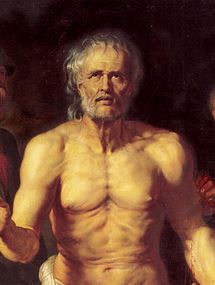
Preeminent Roman Stoic philosopher and statesman whose moral letters to Lucilius and essays on anger and tranquility provided timeless wisdom on resilience and human dignity.
Revered ancient Indian sage who authored the foundational 'Brahma Sutras' (Vedanta Sutras), synthesizing the mystical teachings of the Upanishads into the bedrock of all Vedanta philosophy.