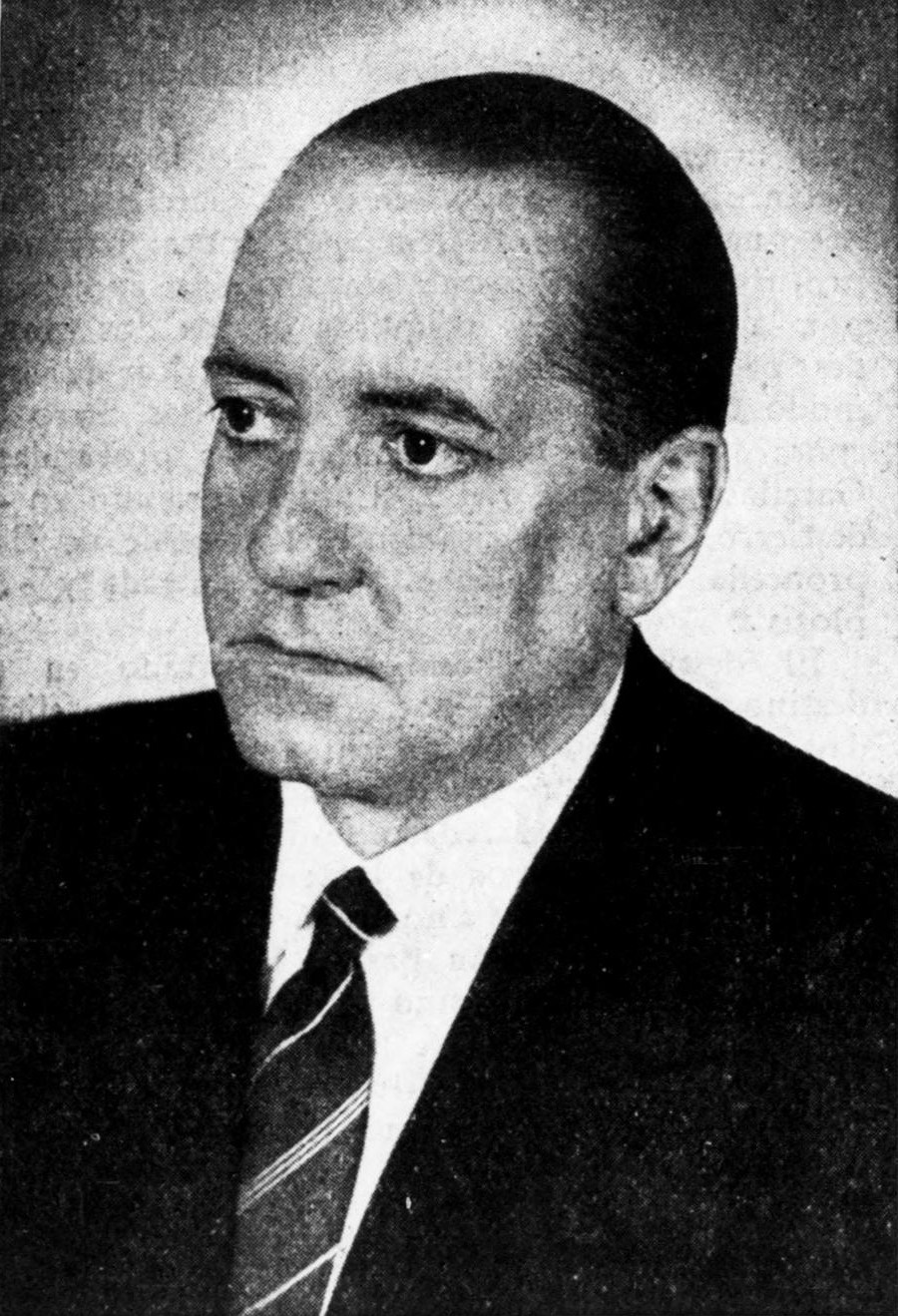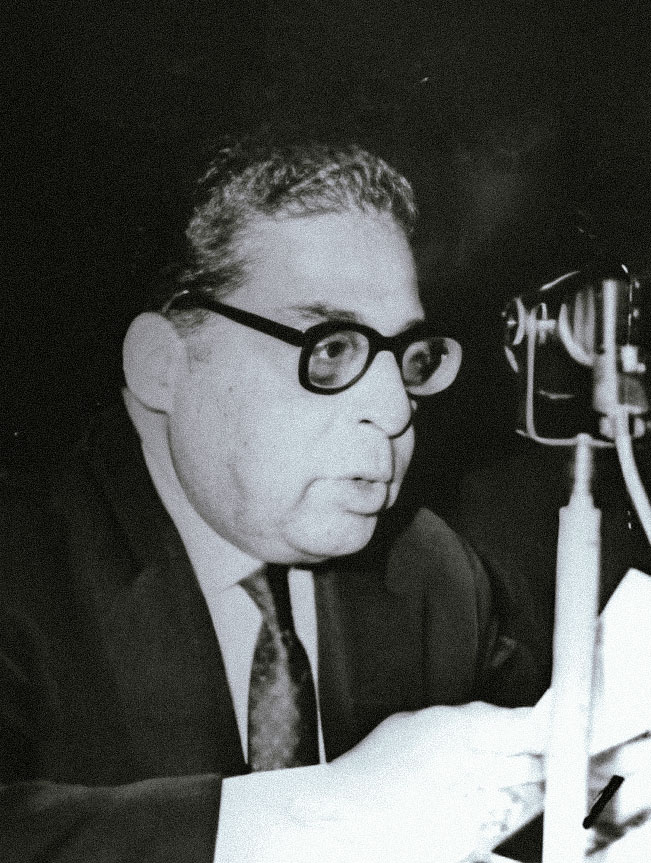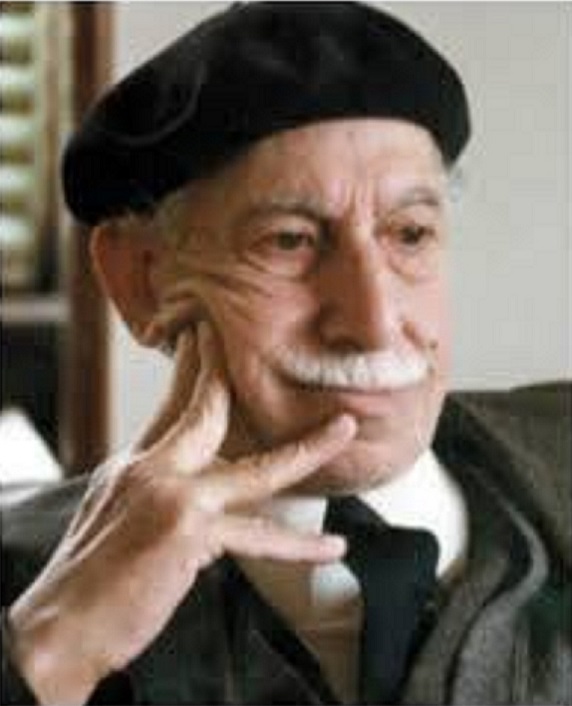
Tawfiq al-Hakim
Pioneering Egyptian dramatist, novelist, and essayist who founded modern Arabic theater with The Sleepers of Ephesus and created the modern novel Return of the Spirit.
Start typing to search worldwide archives and community tributes
Filterable archive covering centuries of intellectual, artistic, and moral contributions to the human story.
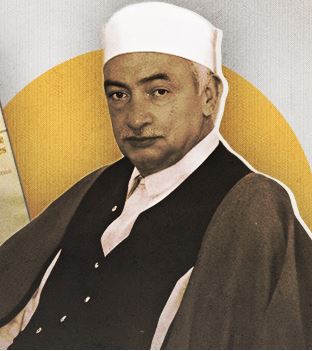
Pioneering Egyptian dramatist, novelist, and essayist who founded modern Arabic theater with The Sleepers of Ephesus and created the modern novel Return of the Spirit.
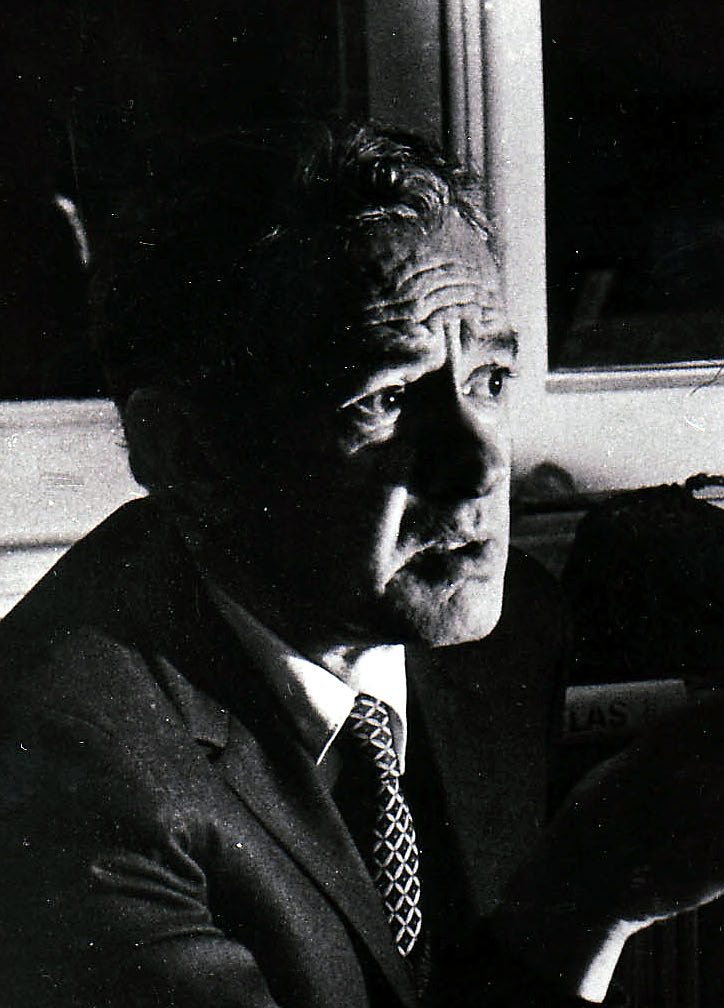
Argentine literary wizard whose metaphysical labyrinths, infinite libraries, and philosophical parables in Ficciones (The Library of Babel, Tlön, Uqbar, Orbis Tertius) and El Aleph revolutionized postmodern world literature.
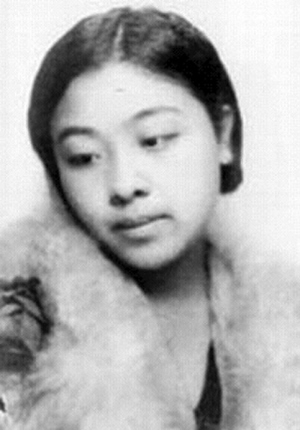
Chinese modernist and feminist writer who shocked readers with Miss Sophia's Diary in 1928 and won the 1951 Stalin Prize for The Sun Shines Over the Sanggan River.
Mexican author whose sparse output of one novel, Pedro Paramo, and one short-story collection, The Burning Plain, stands among the greatest achievements of twentieth-century world literature.
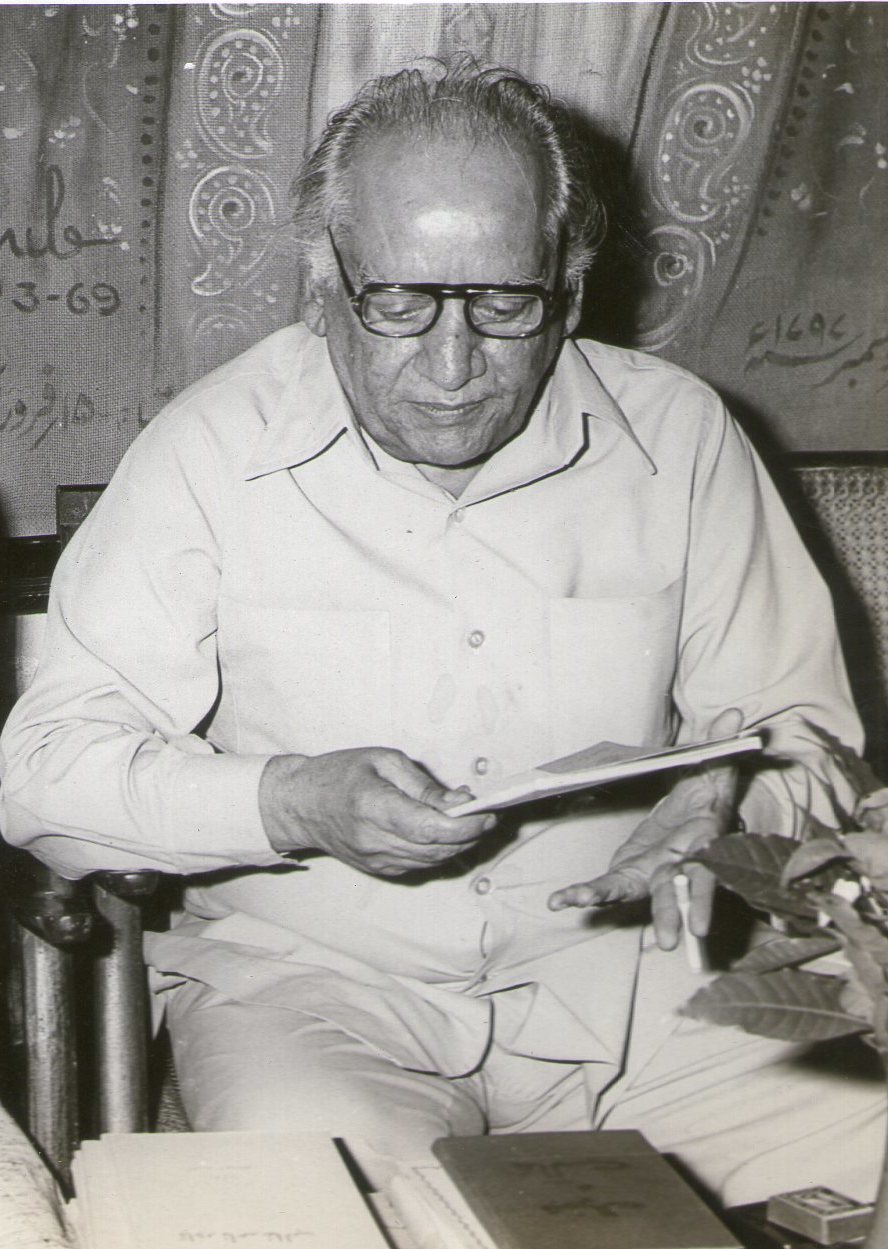
Celebrated 20th-century progressive Urdu poet (1911–1984), awarded the International Lenin Peace Prize, whose lyrical verse melded classical ghazal romanticism with passionate advocacy for human rights and democracy.
Pioneering Tunisian novelist and educator acclaimed as the 'Father of the Modern Tunisian Novel', who daringly introduced spoken vernacular dialogue into literature in his masterwork 'Degla fi Arajiniha' (Dates on their Bunches).
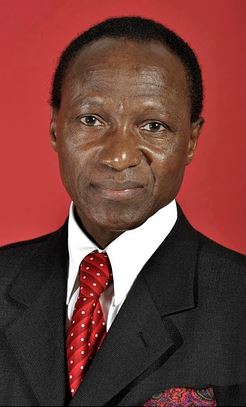
Ugandan poet and anthropologist celebrated for Song of Lawino, a monumental dramatic monologue that championed traditional African indigenous culture against shallow Western mimicry.
Renowned Indian Urdu poet and intellectual who rejuvenated the classical ghazal tradition with Indian sensuality and Western romanticism, winning the Jnanpith Award in 1969.
Senegalese novelist whose epistolary masterpiece So Long a Letter (Une si longue lettre) won the inaugural Noma Award, becoming the foundational feminist novel of modern Francophone Africa.
Chinese novelist and social realist critic who wrote Midnight and served as modern China's first Minister of Culture, funding the prestigious Mao Dun Literature Prize.
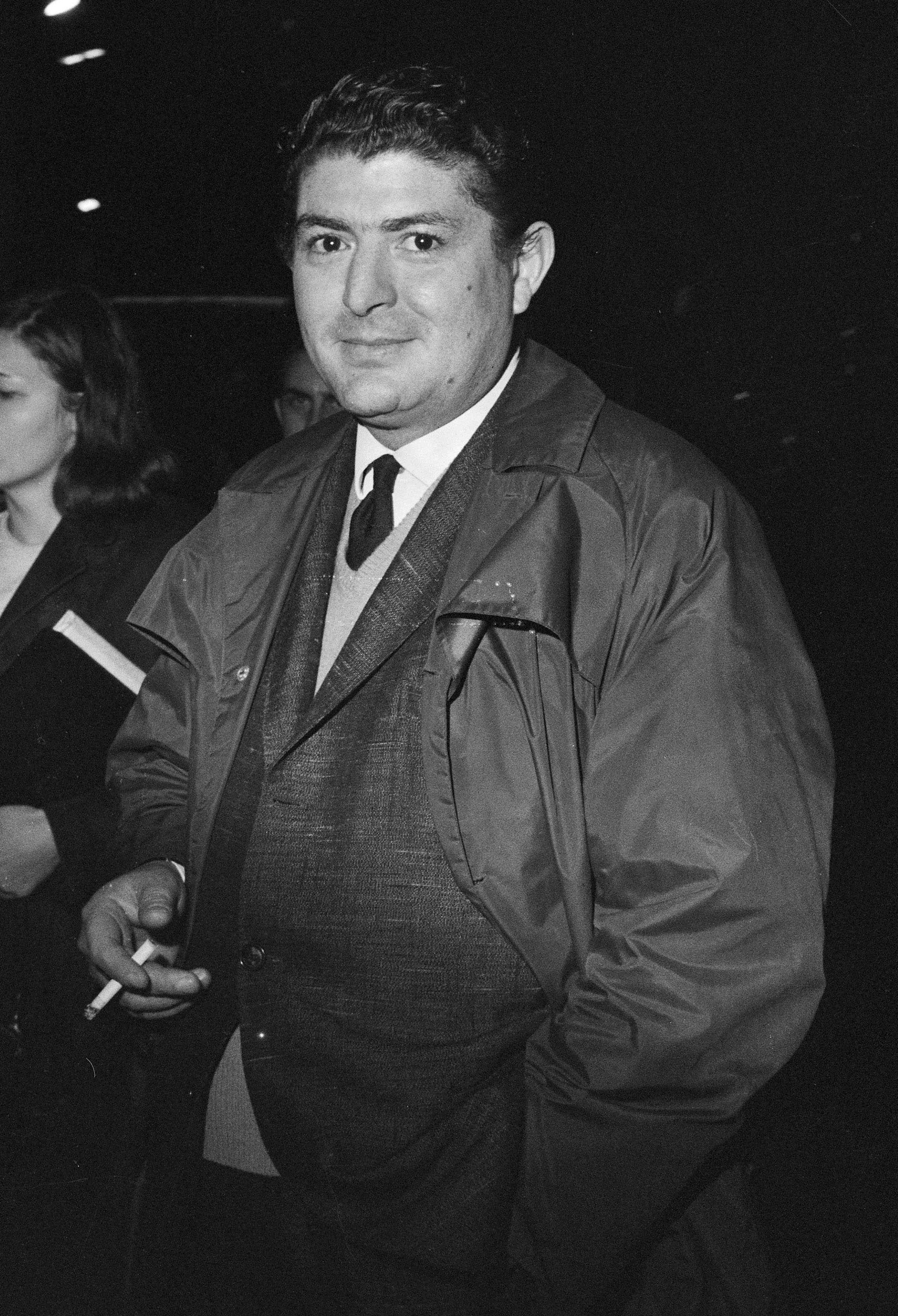
Cuban novelist and musicologist who conceptualized 'lo real maravilloso' (the marvelous real), authoring The Kingdom of This World and Explosion in a Cathedral.
Guinean novelist author of The African Child (L'Enfant noir) and The Radiance of the King (Le Regard du roi), pioneering classics of 20th-century Francophone African literature.
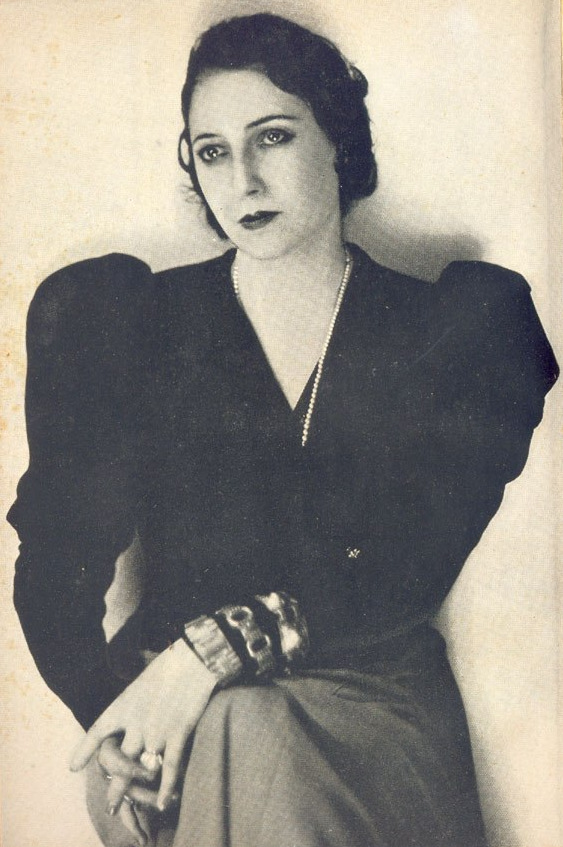
Uruguayan poet proclaimed 'Juana de America' in 1929, renowned for her sensual, life-affirming celebrations of nature, motherhood, and female bodily sovereignty.
Lyrical Algerian poet and novelist who famously declared 'The French language is my exile' and voluntarily ceased publishing fiction after independence until Arabic achieved its rightful cultural restoration.
Visionary Brazilian modernist and mystical innovator whose stream-of-consciousness masterpieces The Passion According to G.H. and The Hour of the Star redefined modern prose.
Algerian Mozabite Amazigh poet acclaimed as the 'Poet of the Algerian Revolution', who penned the words of the Algerian national anthem 'Kassaman' with his own blood on the walls of Barberousse Prison in 1955.
First Algerian woman to publish a novel in French ('Jacinthe noire', 1947), gifted ethnomusicologist and singer who preserved the ancient ancestral oral poetry and polyphonic chants of Kabylie.
Guatemalan novelist and poet who pioneered magical realism through Mayan mythology and political critique, winning the 1967 Nobel Prize in Literature for El Senor Presidente and Men of Maize.