Public Figures & Cultural Luminaries
Filterable archive covering centuries of intellectual, artistic, and moral contributions to the human story.
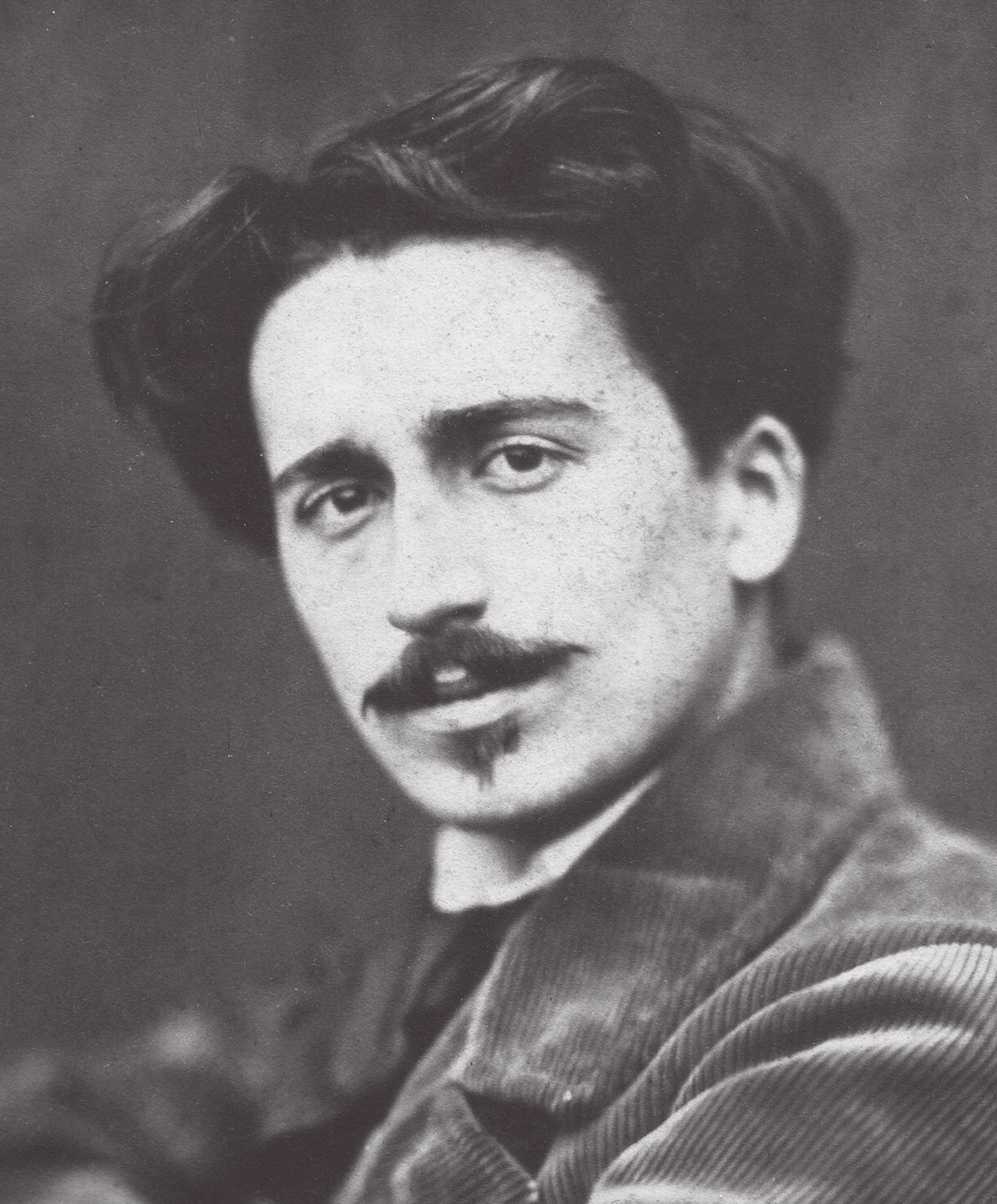
Félicien Rops
 (Félicien Rops)
Belgian Symbolist printmaker and illustrator whose dark, erotic, and satirical prints—such as 'Pornokrates'—illustrated Baudelaire and captured the decadent spirit of late 19th-century Europe.
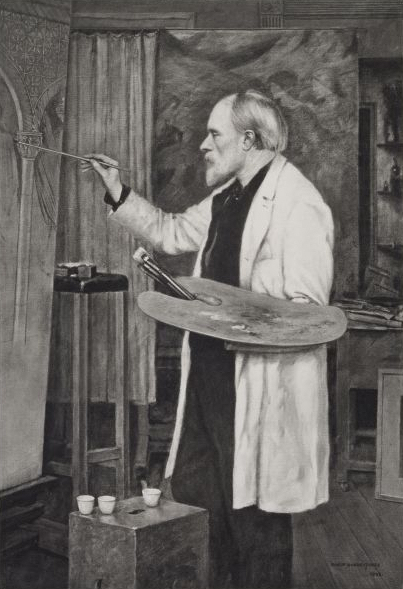
Sir Edward Coley Burne-Jones
 (Edward Burne-Jones)
Leading late Pre-Raphaelite and Symbolist painter whose dreamy Arthurian legends, stained glass for William Morris, and masterworks like 'The Golden Stairs' brought medieval romance to life.
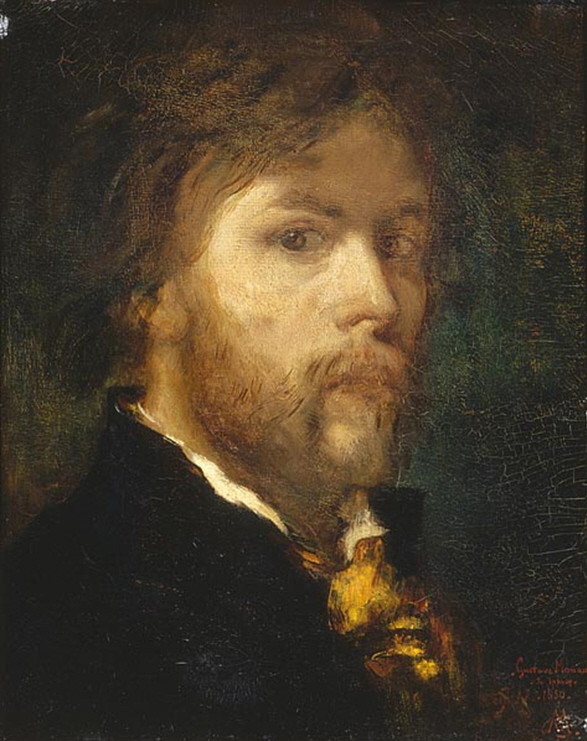
Gustave Moreau
 (Gustave Moreau)
Patriarch of French Symbolism whose jewel-encrusted, mythological masterworks like 'The Apparition' and 'Jupiter and Semele' mentored Henri Matisse and Georges Rouault.
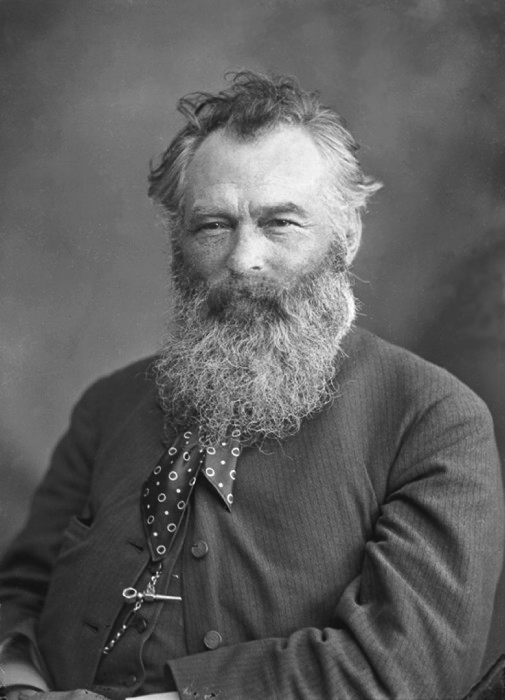
Ivan Ivanovich Shishkin
 (Иван Иванович Шишкин)
Supreme Russian landscape painter of majestic pine forests and ancient oak groves whose masterwork 'Morning in a Pine Forest' is the most recognizable painting in Russian culture.
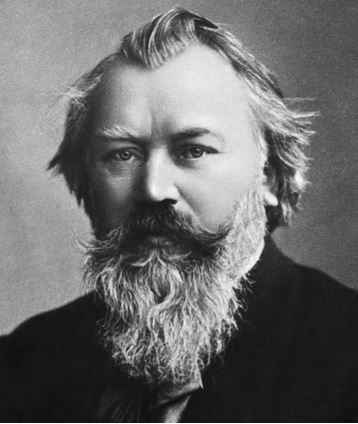
Johannes Brahms
 (Johannes Brahms)
Towering master of German Late Romanticism whose rigorous classical counterpoint, four monumental symphonies, Violin Concerto, and Ein deutsches Requiem upheld Beethoven's heritage with profound autumn warmth.
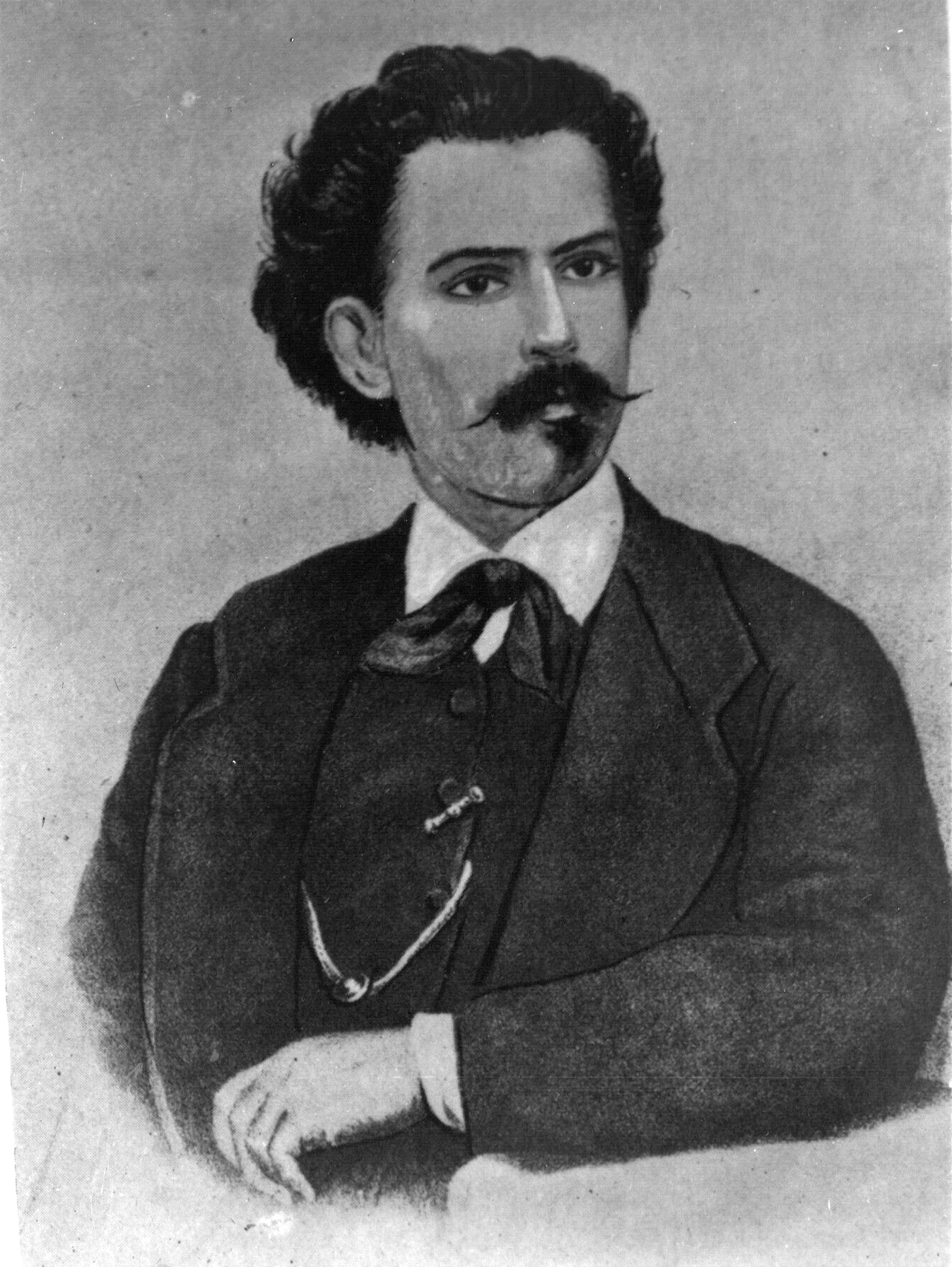
Antonio Carlos Gomes
 (Antônio Carlos Gomes)
Brazilian composer who was the first New World opera composer to achieve triumphant success in Europe, renowned for his 1870 opera Il Guarany staged at La Scala in Milan.
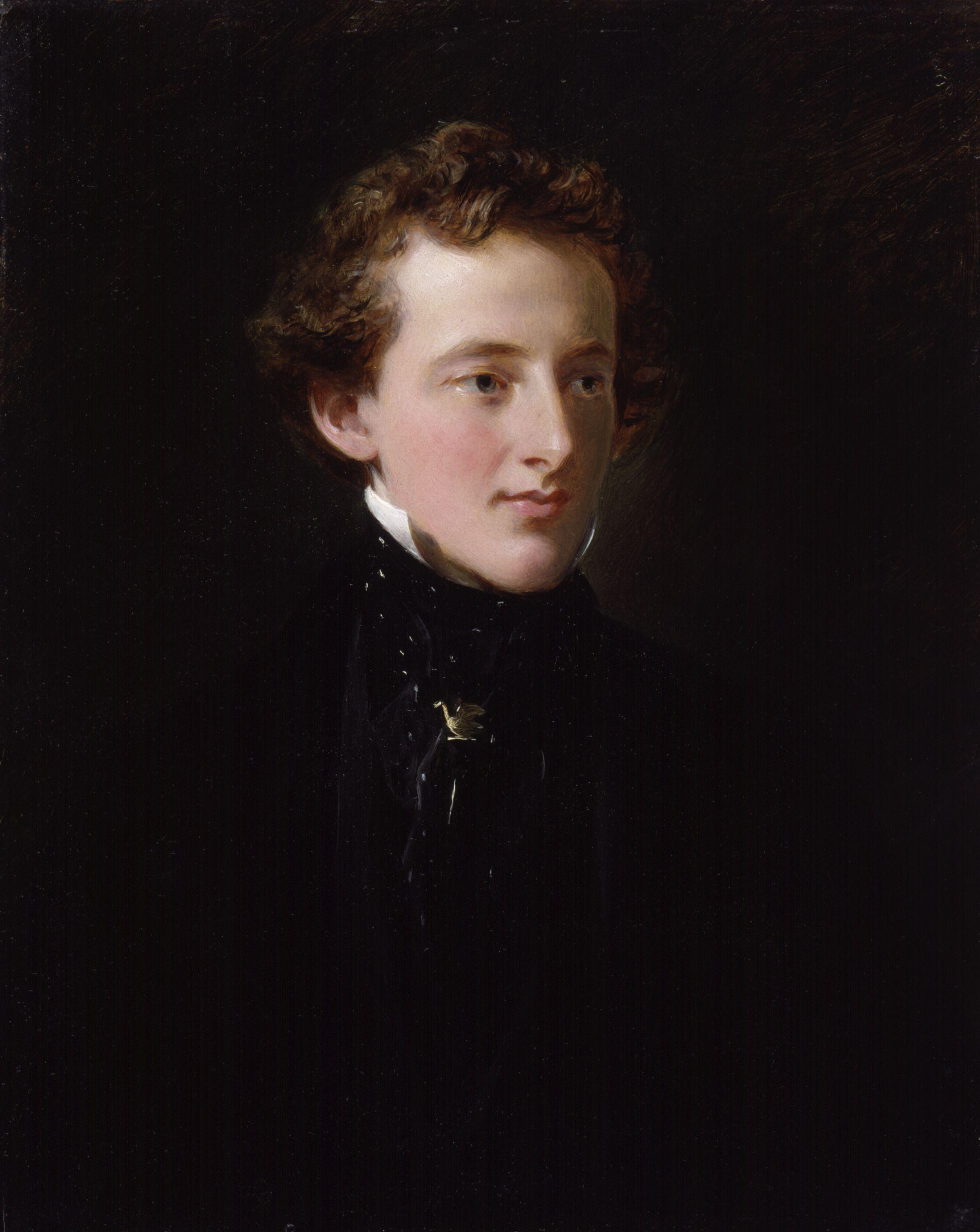
Sir John Everett Millais
(John Everett Millais)
Prodigy co-founder of the Pre-Raphaelite Brotherhood whose botanical tour-de-force 'Ophelia' (1851) and 'Christ in the House of His Parents' are crowns of Victorian British art.
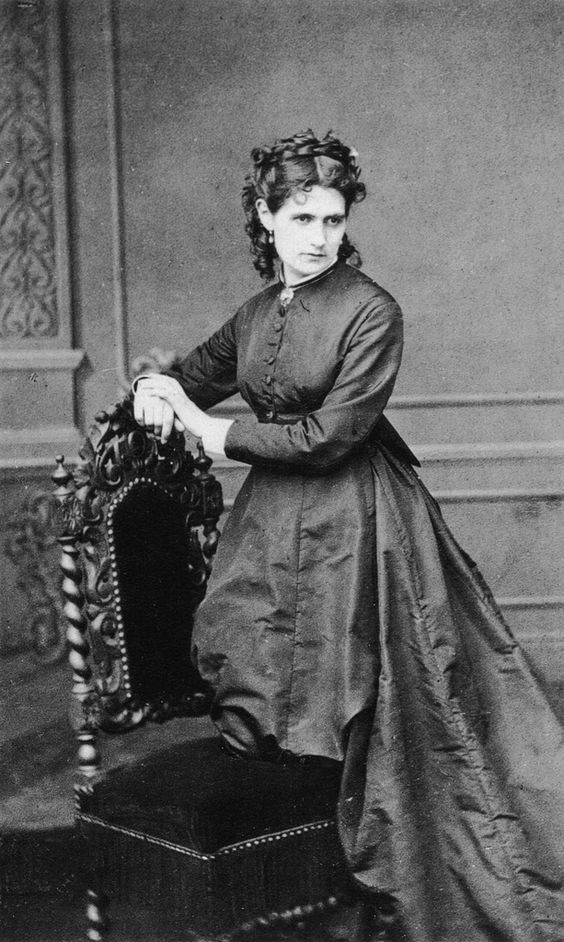
Berthe Morisot
(Berthe Marie Pauline Morisot)
Founding French Impressionist painter celebrated for her delicate brushwork, luminous light, and sensitive domestic portraits.
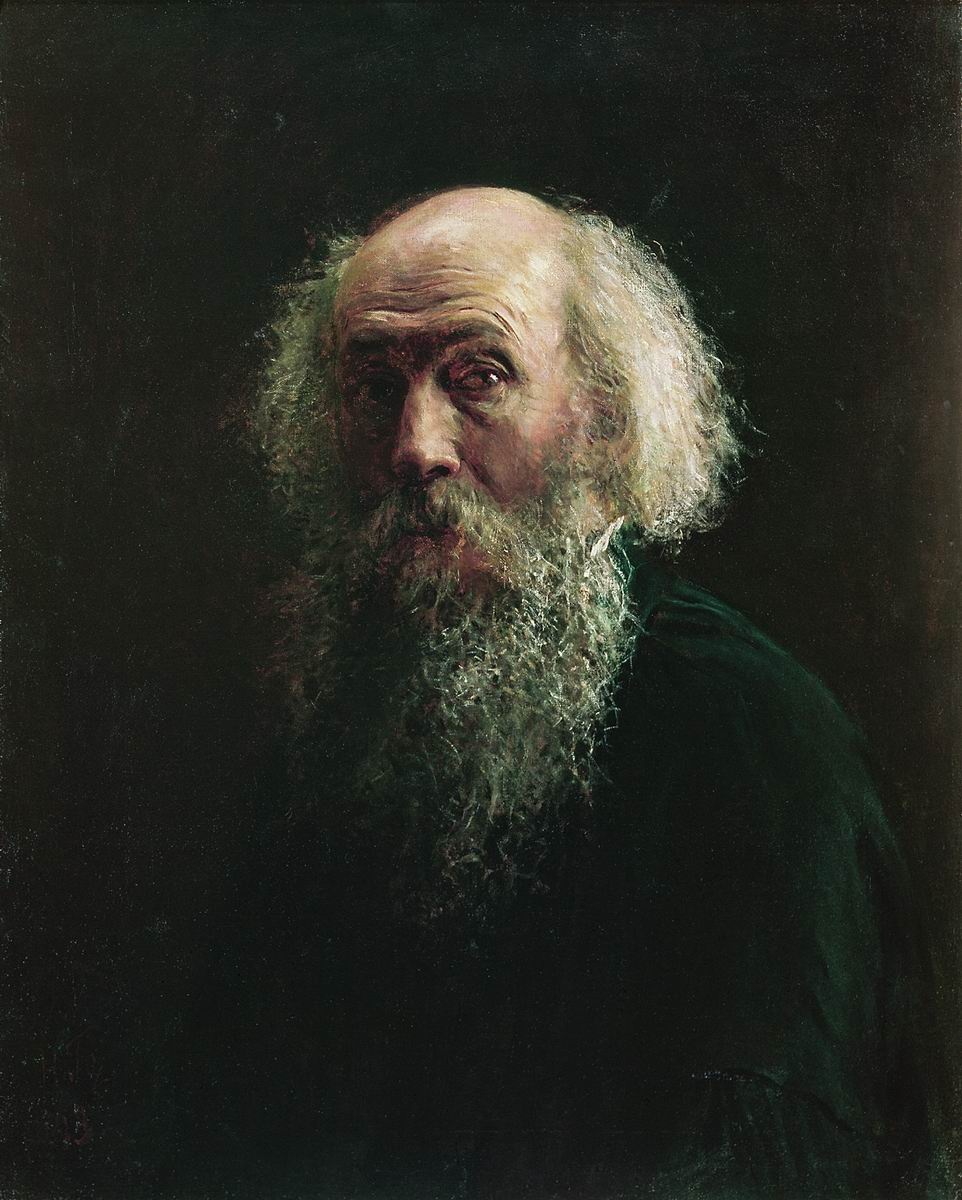
Nikolai Nikolaevich Ge
(Николай Николаевич Ге)
Russian realist painter and close friend of Leo Tolstoy whose dramatic biblical confrontations—such as 'What is Truth?' (Christ and Pilate)—revolutionized religious painting.
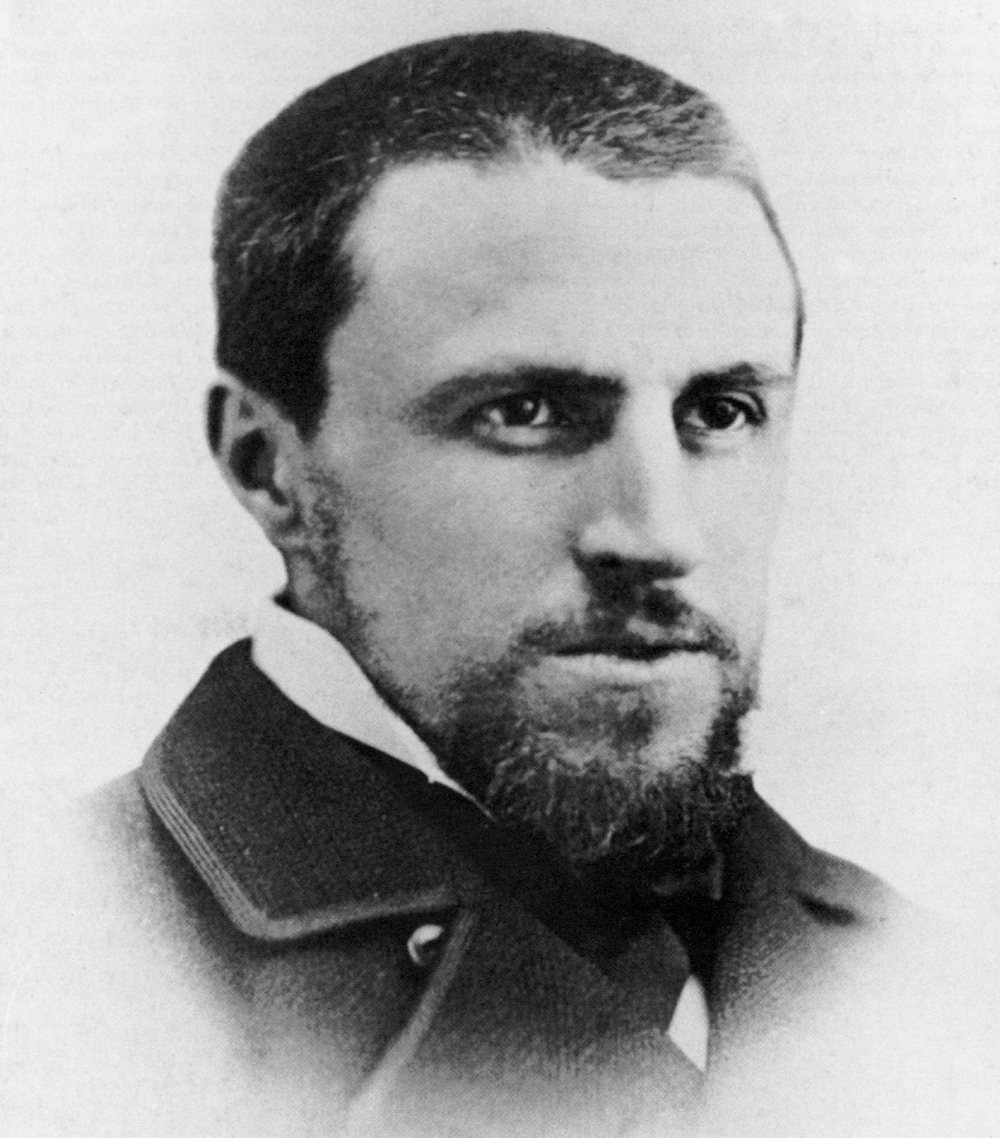
Gustave Caillebotte
(Gustave Caillebotte)
Pioneering Impressionist painter of Haussmann's modern Paris ('Paris Street; Rainy Day') and generous patron whose bequest founded the national Impressionist collection in the Musée d'Orsay.
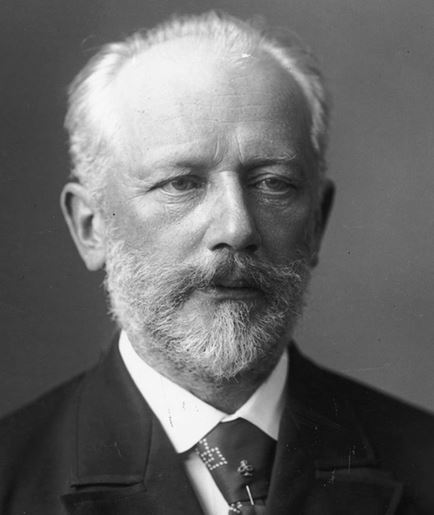
Pyotr Ilyich Tchaikovsky
(Пётр Ильич Чайковский)
Foremost Russian composer of the Romantic era whose incomparable melodic sweep and emotional intensity created the definitive ballet classics (Swan Lake, The Nutcracker, Sleeping Beauty) and the tragic Pathétique Symphony.
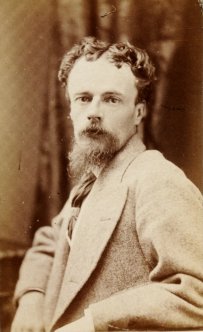
John Atkinson Grimshaw
(John Atkinson Grimshaw)
Victorian master painter whose atmospheric nocturnes of gaslit wet cobblestone streets, moonlit autumn estates, and misty shipping docks rivaled Whistler.
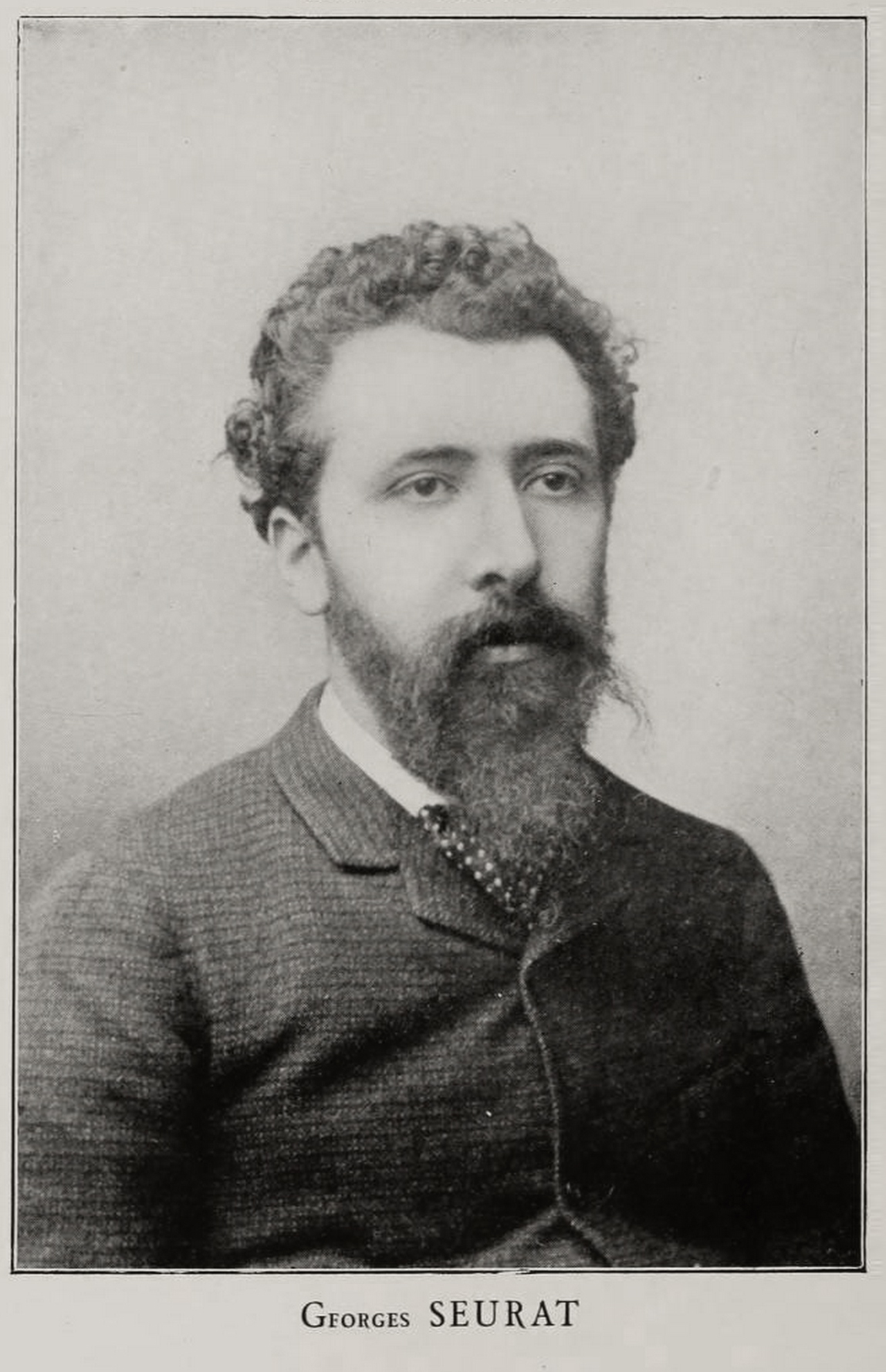
Georges Seurat
(Georges Pierre Seurat)
French Post-Impressionist master who pioneered Pointillism and optical chromoluminarism.
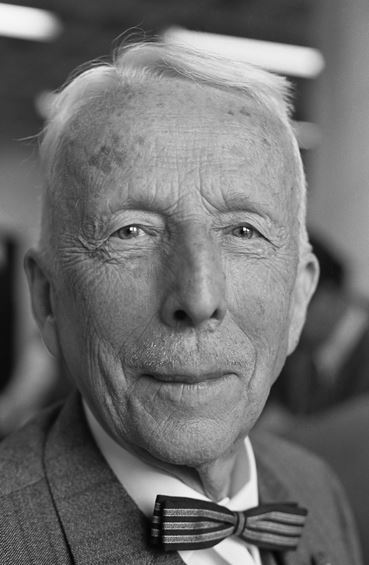
Vincent Willem van Gogh
 (Vincent van Gogh)
Tragic Post-Impressionist visionary whose swirling, passionate impasto brushstrokes, incandescent emotional colors, and incandescent canvases (The Starry Night, Sunflowers) fundamentally created modern Expressionism.
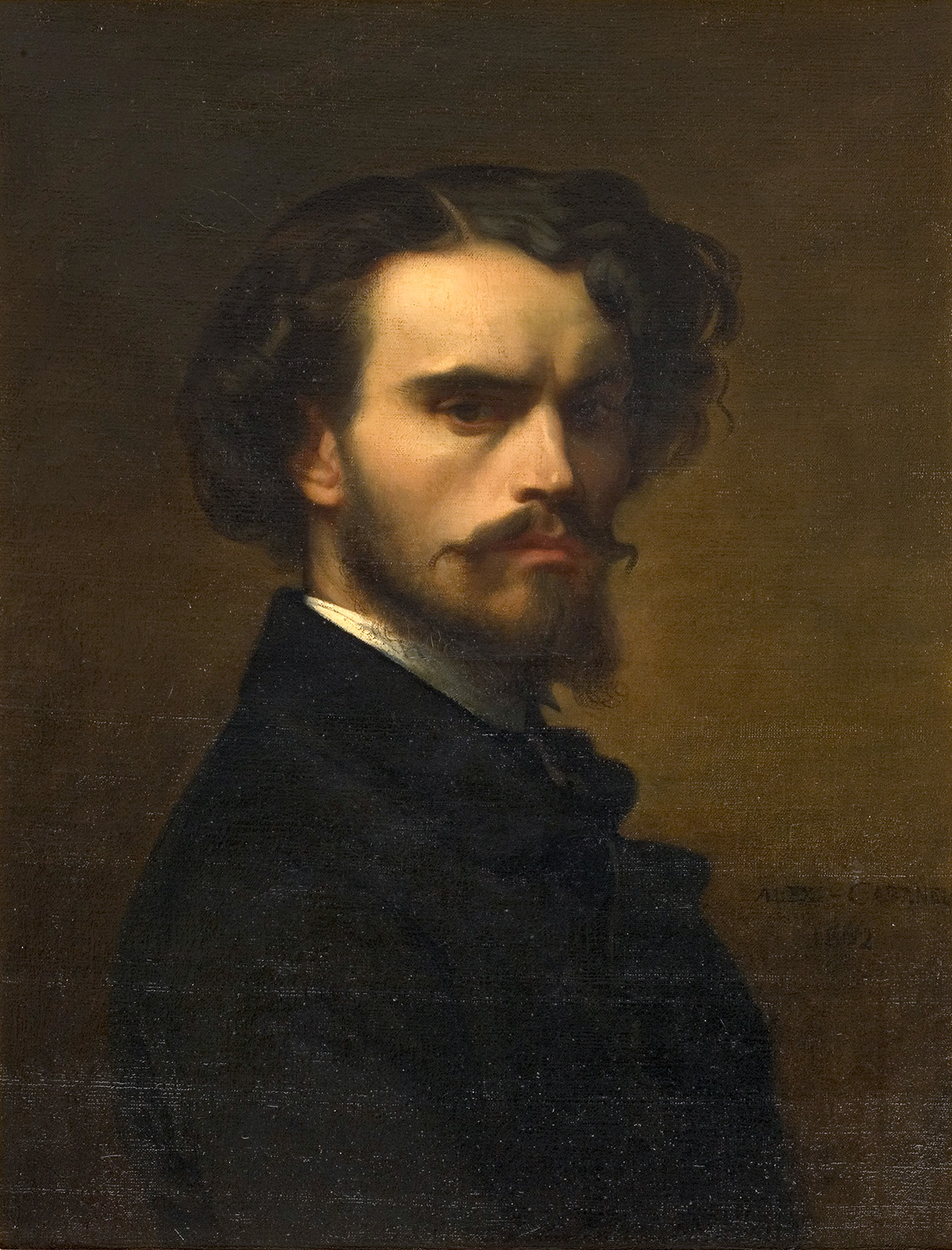
Alexandre Cabanel
(Alexandre Cabanel)
French academic master whose sensuous 'Birth of Venus' was personally purchased by Emperor Napoleon III in 1863, and whose 'The Fallen Angel' remains an icon of Romantic pathos.
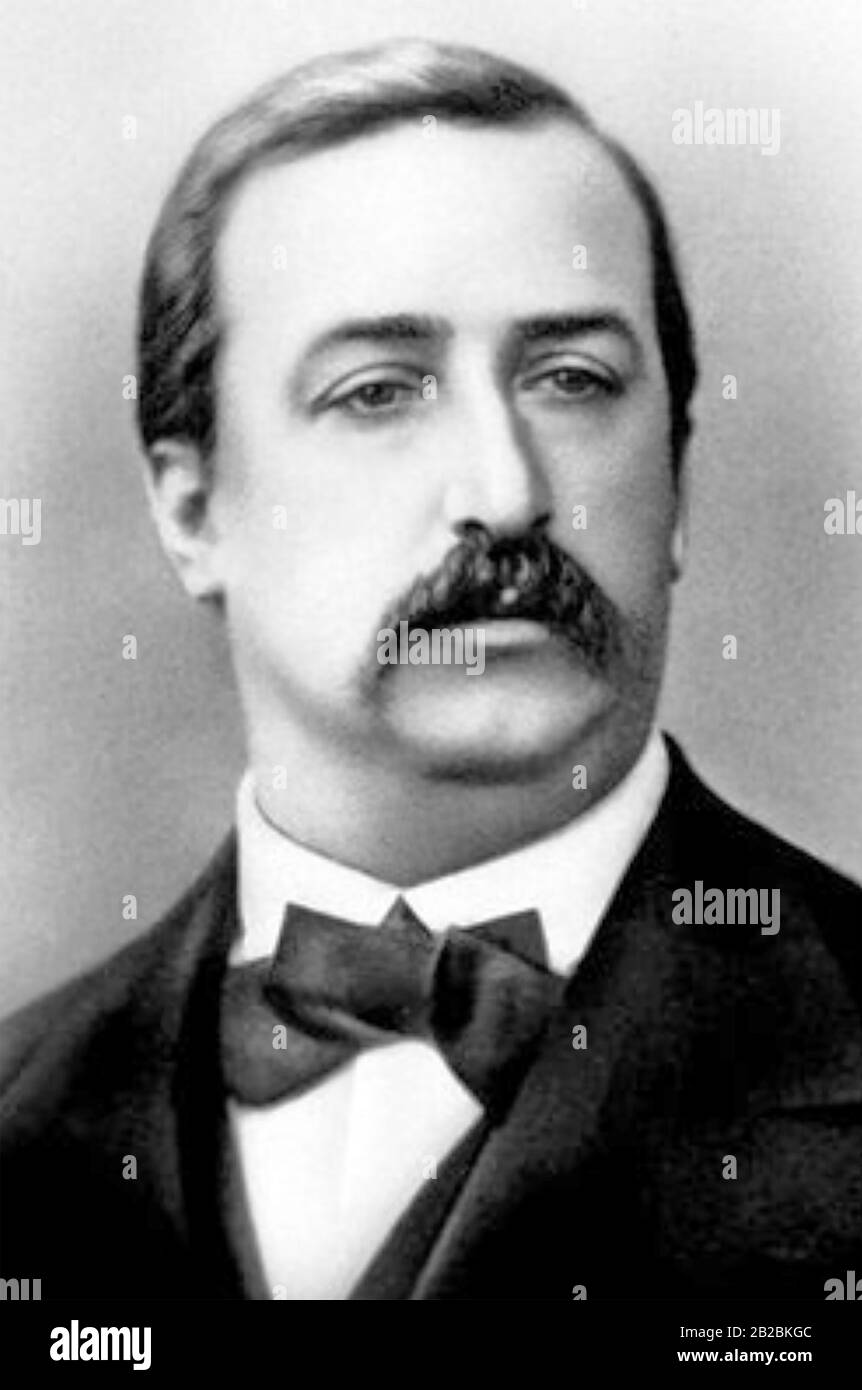
Alexander Borodin
(Alexander Porfiryevich Borodin)
Russian composer of The Mighty Handful and distinguished professor of organic chemistry, celebrated for 'Prince Igor', the 'Polovtsian Dances', and his Second Symphony.
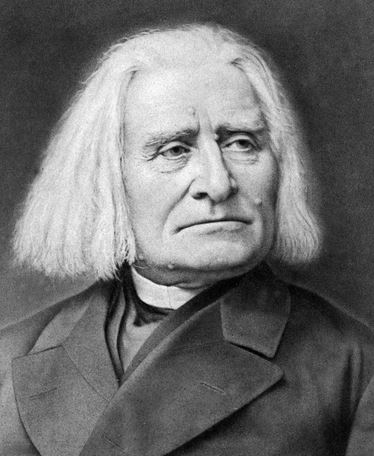
Franz Liszt (Liszt Ferenc)
 (Liszt Ferenc)
Hungarian musical titan and greatest piano virtuoso in history, who invented the solo piano recital and the orchestral symphonic poem, composed the Hungarian Rhapsodies, and anticipated modern harmony.
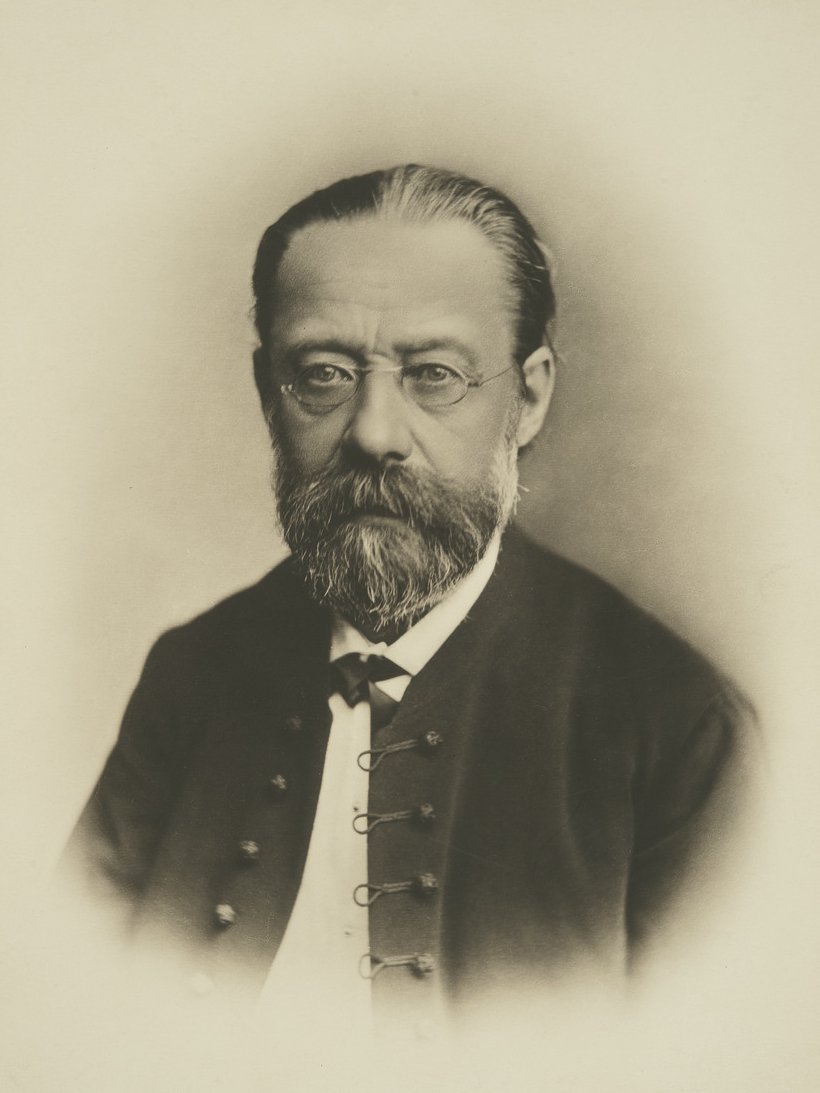
Bedřich Smetana
 (Bedřich Smetana)
Father of Czech classical music, celebrated worldwide for his comic opera 'The Bartered Bride' and the magnificent symphonic cycle 'Má vlast' containing the beloved river poem 'Vltava'.