 France
•
2 views
France
•
2 views
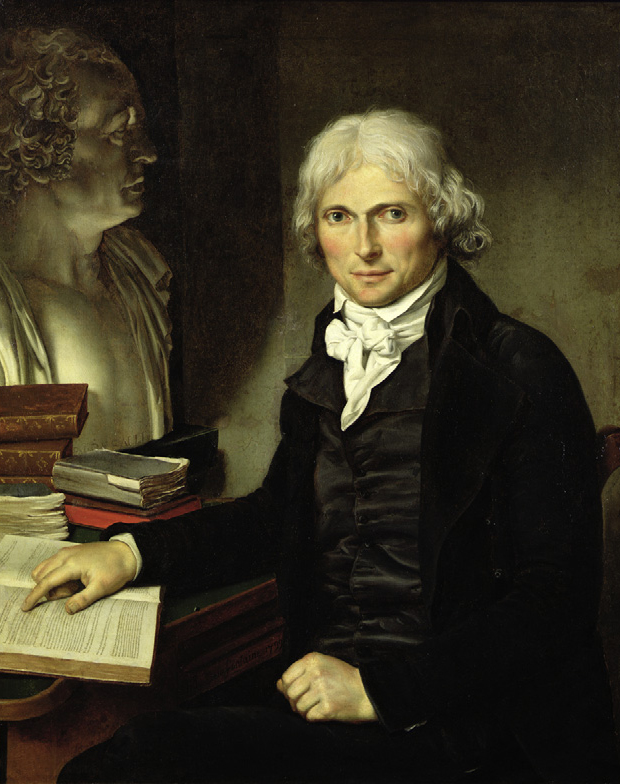
Xavier Bichat

Thoirette (Jura), France
Archival Overview
Brilliant French anatomist who founded modern histology and tissue pathology without using a microscope, dissecting 600 human cadavers in a single winter to identify twenty-one elementary human tissue types.
Biographical Record
Marie Francois Xavier Bichat (1771–1802) served as chief physician at the Hotel-Dieu hospital in Paris during the French Revolution. Skeptical of contemporary compound microscopes with their chromatic distortions, Bichat dissected tissues using scalpels, drying, cooking, and chemical reagents.
In his 1800 masterwork 'Traite des membranes' and 1801 'Anatomie generale', Bichat demonstrated that organs are not monolithic units, but complex tapestries woven from twenty-one elementary tissues (nervous, vascular, mucous, serous, etc.), and that disease attacks specific tissues rather than entire organs. His premature death at thirty stunned Paris.
Key Life Milestones
Publication of the Traite des Membranes
Identified that diseases attack specific tissue layers rather than whole organs, founding histology.
Classification of the Twenty-One Human Tissues
Published 'Anatomie generale', classifying the human body into twenty-one elementary tissues without a microscope.
Memorial Guestbook & Tributes
0 messages recordedLeave a Respectful Tribute
Final Resting Place
Perpetual MemorialParis, France