 Kingdom of Prussia (Germany)
•
2,097 views
Kingdom of Prussia (Germany)
•
2,097 views
Wilhelm Röntgen

Lennep, Rhine Province, Kingdom of Prussia (Germany)
Archival Overview
German mechanical engineer and physicist who discovered X-rays, revolutionizing diagnostic medicine.
Biographical Record
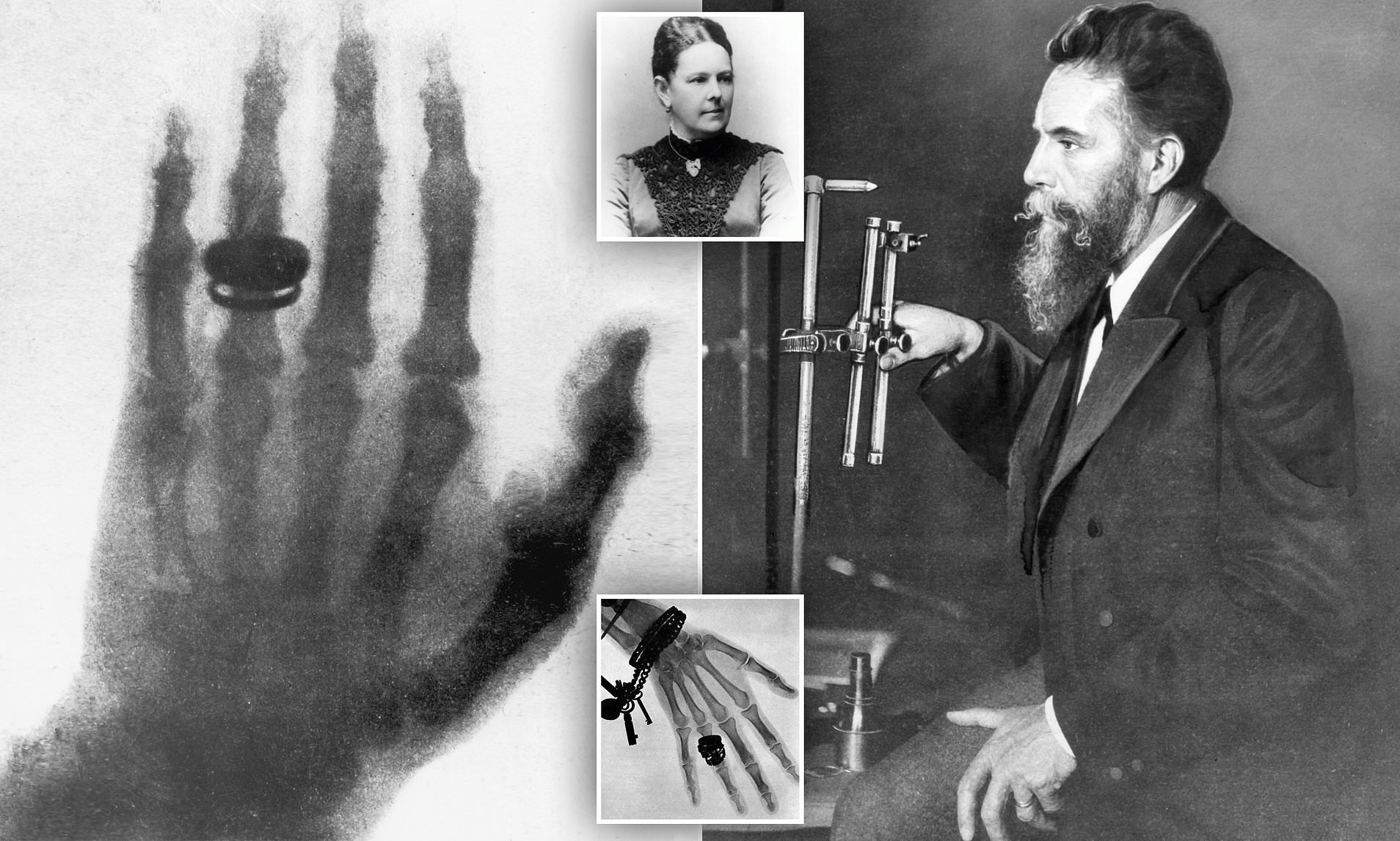
Wilhelm Conrad Röntgen was a German physicist whose accidental yet meticulously observed discovery ushered in the era of modern medical imaging and nuclear physics. While experimenting with cathode ray tubes in a darkened laboratory at the University of Würzburg on November 8, 1895, Röntgen noticed a faint fluorescent glow on a nearby barium platinocyanide screen, even though the discharge tube was encased in thick black cardboard.
Realizing an unknown invisible radiation was penetrating dense objects, he spent weeks in seclusion investigating the phenomenon, calling them 'X-rays' to denote their mysterious nature. In December 1895, he captured the world's first medical radiograph—an image of his wife Anna Bertha's hand showing her bones and wedding ring. For this historic breakthrough, Röntgen was awarded the inaugural Nobel Prize in Physics in 1901. Refusing to patent his discovery on noble humanitarian grounds so that medicine could freely benefit, he donated his entire Nobel Prize money to the University of Würzburg.
Key Life Milestones
Discovery of X-Rays
Discovered penetrating electromagnetic radiation while experimenting with Crookes tubes and produced the first human X-ray image.
Inaugural Nobel Prize in Physics
Awarded the very first Nobel Prize in Physics in recognition of the extraordinary services rendered by the discovery of the remarkable rays subsequently named after him.
Memorial Guestbook & Tributes
0 messages recordedLeave a Respectful Tribute
Final Resting Place
Perpetual MemorialGiessen, Hesse, Germany