 China
•
9 views
China
•
9 views
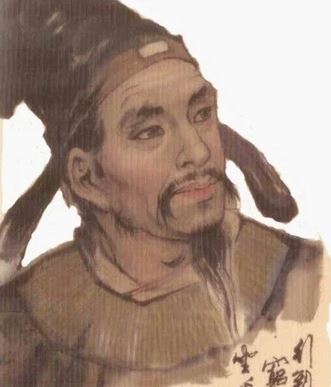
Wang Wei

Puzhou (Yuncheng, Shanxi), China
Archival Overview
Great Tang polymath celebrated as the 'Poet-Buddha' whose serene Chan (Zen) Buddhist landscape poetry and pioneering monochrome ink-wash paintings caused Su Shi to declare: 'There is painting in his poetry, and poetry in his painting.'
Biographical Record
Wang Wei (699–759 CE), courtesy name Mojie, was an imperial scholar-official, virtuoso musician on the pipa lute, and devout Chan Buddhist. He is historically credited as the father of monochrome ink-wash landscape painting (*shanshui*), which revolutionized East Asian visual art by prioritizing meditative contemplation over decorative color.
Retiring to his country retreat at Lantian in the Zhongnan Mountains, Wang Wei composed the celebrated Wang River Collection. His poetry is legendary for its tranquil silence, luminous detachment, and visual immediacy, evoking misty mountains, rushing torrents, and empty bamboo groves where human ego dissolves into the quiet harmony of nature.
Key Life Milestones
Passing the Imperial Jinshi Examination
Passed the supreme imperial examinations at age twenty-one with exceptional acclaim in poetry and music.
Creation of the Wang River Landscape Scroll & Poems
Painted and composed the legendary Wang River Collection, founding Chinese monochrome ink-wash aesthetics.
Memorial Guestbook & Tributes
0 messages recordedLeave a Respectful Tribute
Final Resting Place
Perpetual MemorialChang'an (Xi'an, Shaanxi), China