 United States
•
8 views
United States
•
8 views
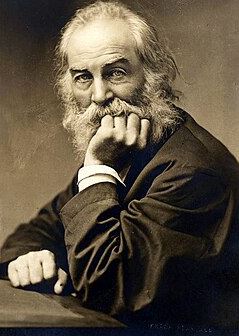
Walter Whitman Jr. (Walt Whitman)

West Hills (Long Island, New York), United States
Archival Overview
The foundational poet of American democracy and father of free verse whose self-published masterpiece Leaves of Grass (Song of Myself, 'I celebrate myself, and sing myself') captured the expansive, inclusive spirit of the American continent.
Biographical Record
Walt Whitman (1819–1892), who worked as a printer's devil, teacher, and Brooklyn newspaper editor, revolutionized world poetry on 4 July 1855 by self-publishing Leaves of Grass. Discarding conventional rhyme and rigid European meters, Whitman unleashed long, rolling, biblical free-verse cadences celebrating democracy, manual labor, bodily sensuality, and universal brotherhood ('I am large, I contain multitudes').
During the American Civil War, Whitman volunteered as an uncompensated nurse in military hospitals in Washington, D.C., comforting thousands of wounded and dying Union and Confederate soldiers. Following the assassination of Abraham Lincoln, he penned his immortal elegies O Captain! My Captain! and When Lilacs Last in the Dooryard Bloom'd. Feted in old age as 'The Good Gray Poet', Whitman's cosmic optimism forged the voice of modern American literature.
Key Life Milestones
Publication of the First Edition of Leaves of Grass
Self-published his groundbreaking 12-poem collection in Brooklyn, hailed by Ralph Waldo Emerson as a stroke of genius.
Composition of the Lincoln Elegies (O Captain! My Captain!)
Authored his famous elegies mourning Abraham Lincoln following the tragedy of the Civil War.
Memorial Guestbook & Tributes
0 messages recordedLeave a Respectful Tribute
Final Resting Place
Perpetual MemorialCamden (New Jersey), United States