 India
•
7 views
India
•
7 views
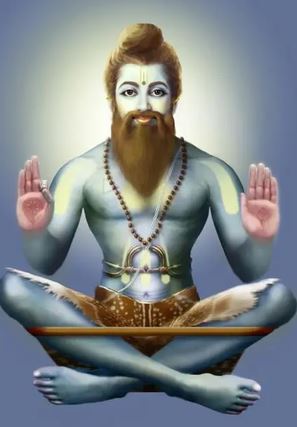
Krishna Dvaipayana Vyasa (Veda Vyasa)

Kalpi / Island on the Yamuna, India
Archival Overview
Immortal sage and epic poet who classified the four Vedas and composed the 100,000-verse Mahabharata—the longest epic poem in world history—housing within it humanity's supreme philosophical discourse, the Bhagavad Gita.
Biographical Record
Krishna Dvaipayana, revered as Veda Vyasa ('the Divider of the Vedas'), is central to the Vedic and epic heritage of India. Born on an island in the Yamuna River to the sage Parashara and Satyavati, Vyasa organized the primordial oral sacred wisdom into the four canonical Vedas: Rig, Sama, Yajur, and Atharva.
He then composed the Mahabharata, a cosmic epic spanning 100,000 verses that chronicles the catastrophic dynastic war between the Pandavas and Kauravas on the plains of Kurukshetra. Dictated to Lord Ganesha in a cave near Badrinath, the epic contains the Bhagavad Gita, in which Krishna reveals to Arjuna the nature of the cosmos, duty (dharma), and selfless action (karma yoga).
Key Life Milestones
Classification of the Four Vedas
Organized the ancient oral hymns into the four Vedas (Rig, Sama, Yajur, Atharva), earning the title Veda Vyasa.
Composition of the Mahabharata & Bhagavad Gita
Dictated the 100,000-verse epic Mahabharata, incorporating the immortal spiritual dialogue of the Gita.
Memorial Guestbook & Tributes
0 messages recordedLeave a Respectful Tribute
Final Resting Place
Perpetual MemorialMana (Badrinath, Himalayas), India