 Russian Empire
•
2 views
Russian Empire
•
2 views
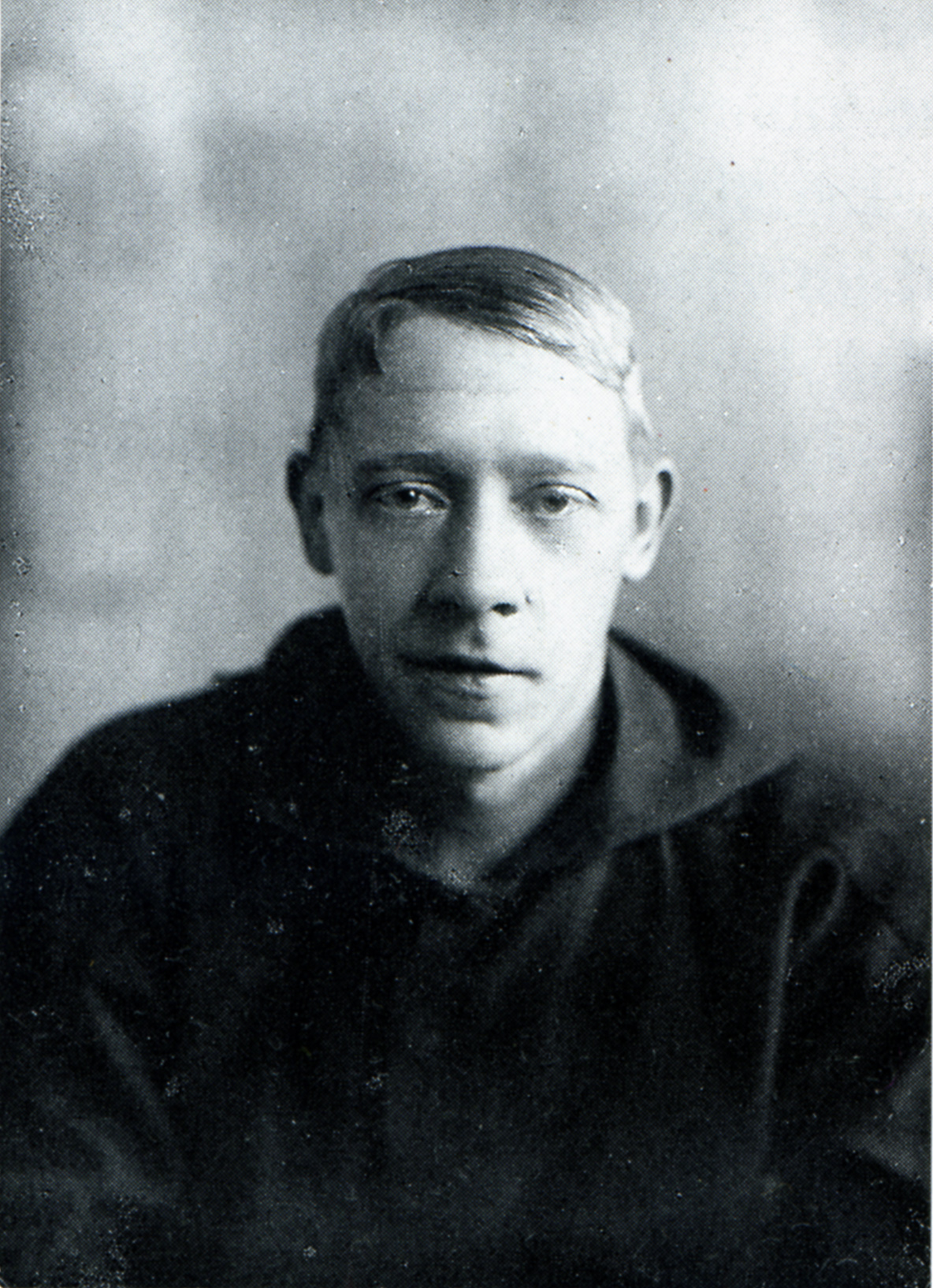
Vladimir Tatlin

Kharkov, Russian Empire
Archival Overview
Russian avant-garde visionary and father of Constructivism, renowned for his 'corner-counter reliefs' and his colossal, kinetic design for the Monument to the Third International.
Biographical Record
Vladimir Tatlin began his career under the spell of icon painting and naval carpentry before visiting Picasso's Paris studio in 1913. Picasso's cardboard guitar constructions inspired Tatlin to create 'corner-counter reliefs'—sculptures of iron, wood, glass, and wire suspended across the corners of rooms, breaking free from traditional pedestals.
Following the Russian Revolution, Tatlin designed his iconic 'Monument to the Third International' (Tatlin's Tower, 1919–1920). Conceived as a soaring 400-meter twin helix of steel and glass housing rotating legislative chambers, it became the supreme utopian symbol of Soviet Constructivism. In his later years, he spent a decade constructing the bird-like human glider 'Letatlin.'
Key Life Milestones
Corner-Counter Reliefs
Unveiled his revolutionary corner reliefs at the Last Futurist Exhibition 0,10 in Petrograd.
Monument to the Third International
Constructed the wooden scale model of his kinetic, double-helix monumental tower.
Memorial Guestbook & Tributes
0 messages recordedLeave a Respectful Tribute
Final Resting Place
Perpetual MemorialMoscow, Soviet Union